

1/6 🧵Lets end the week pondering of the dolmens of Russia Caucasus region. I featured one in particular earlier this week, but lets look at the region in general. Considering there's around 3000 known (and most likely much more waiting to be found) its hard to cover them all.
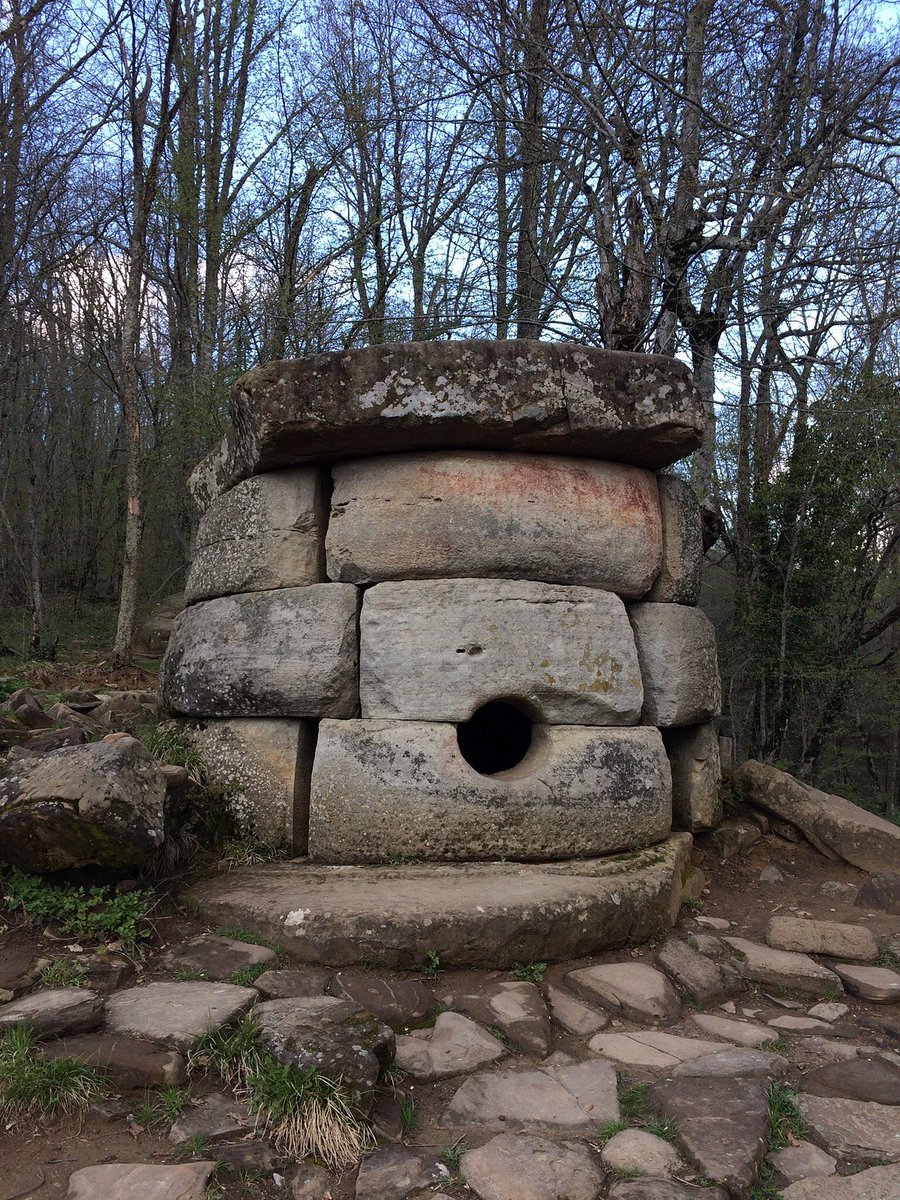
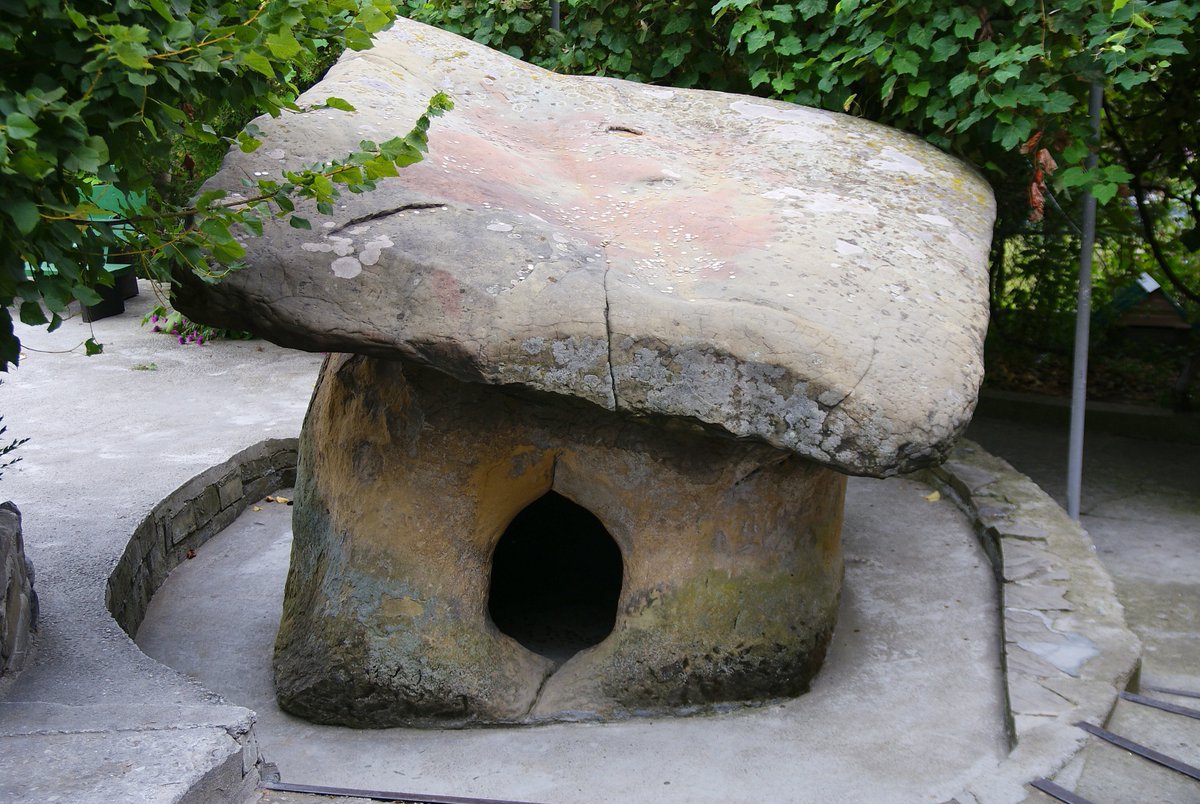
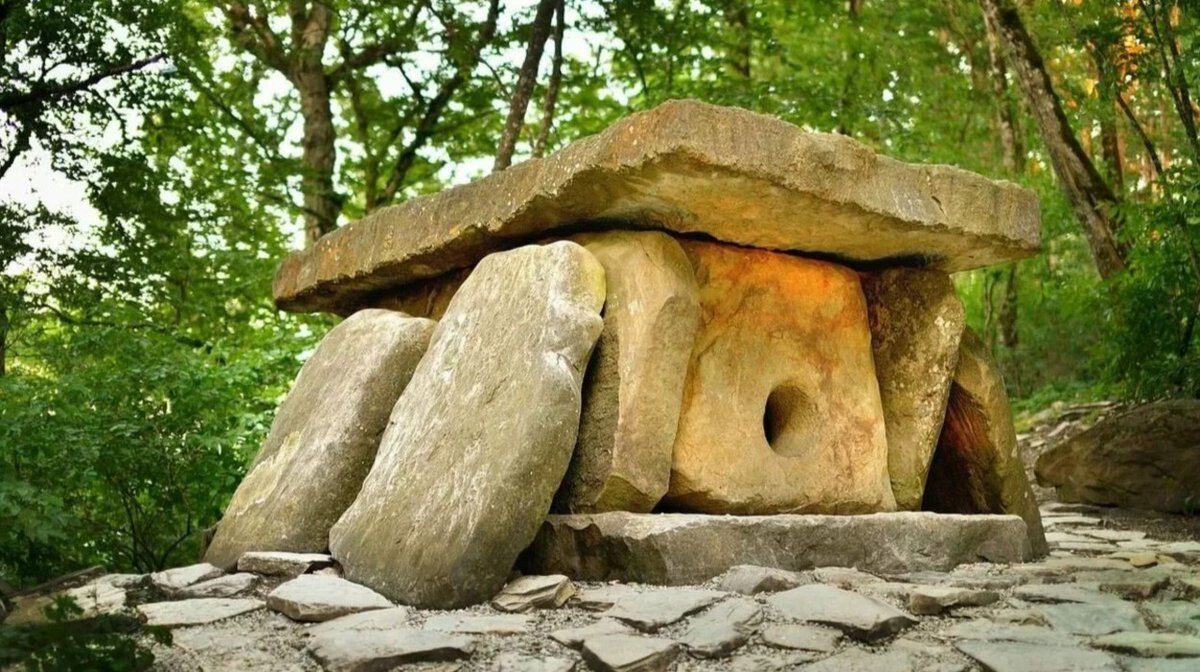
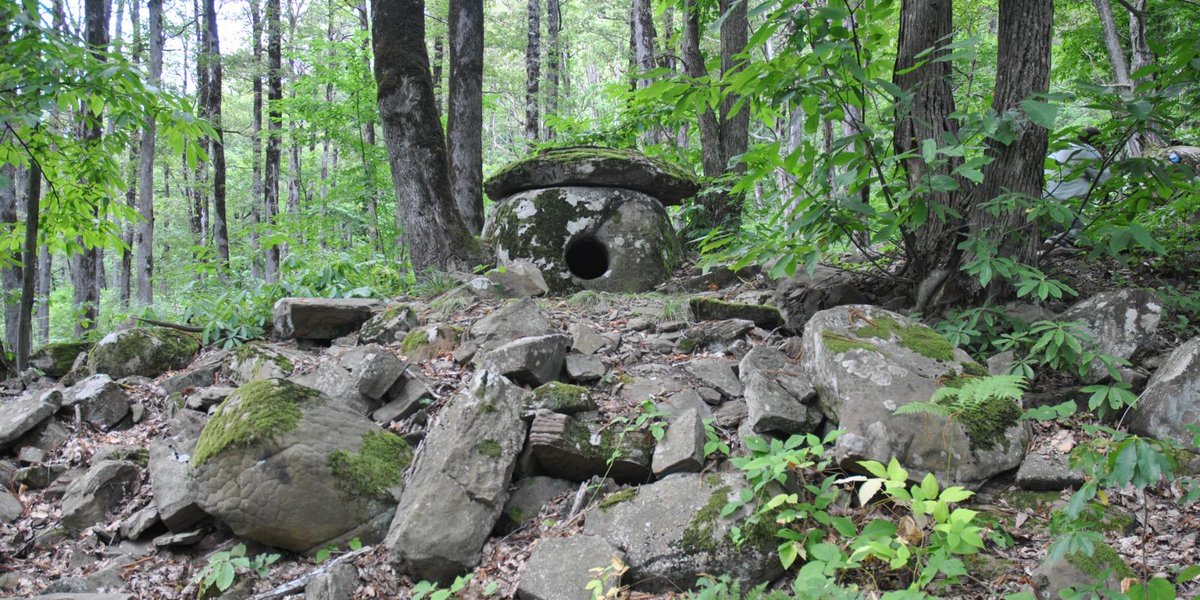
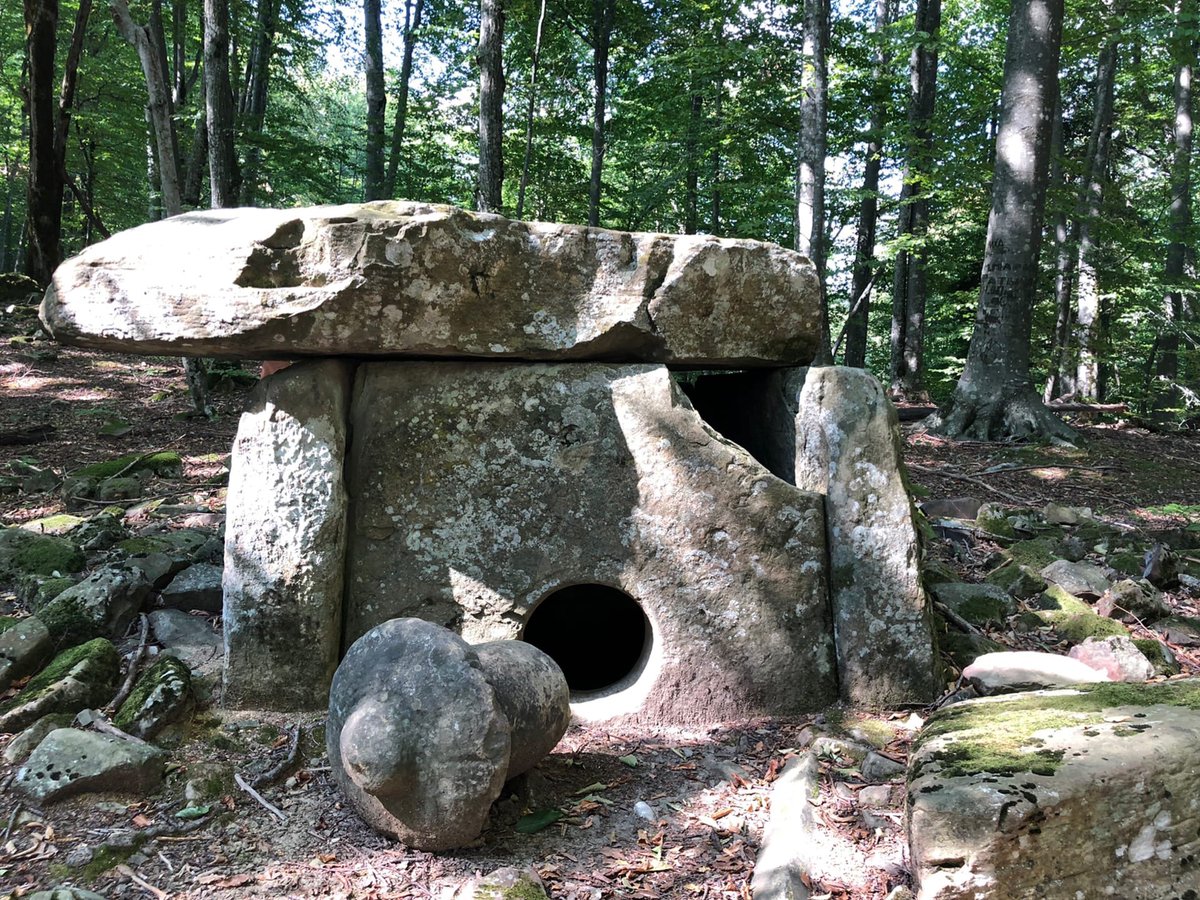
2/ These dolmens fall into 4 (5) types - tiled, composite, trough-shaped and monolith. Tiled are the most common found in the Caucasus region, typically 5 or 6 blocks (4 walls, 1 roof sometimes 1 floor tile). Tiled and composite sometimes have a defined court yard as well.
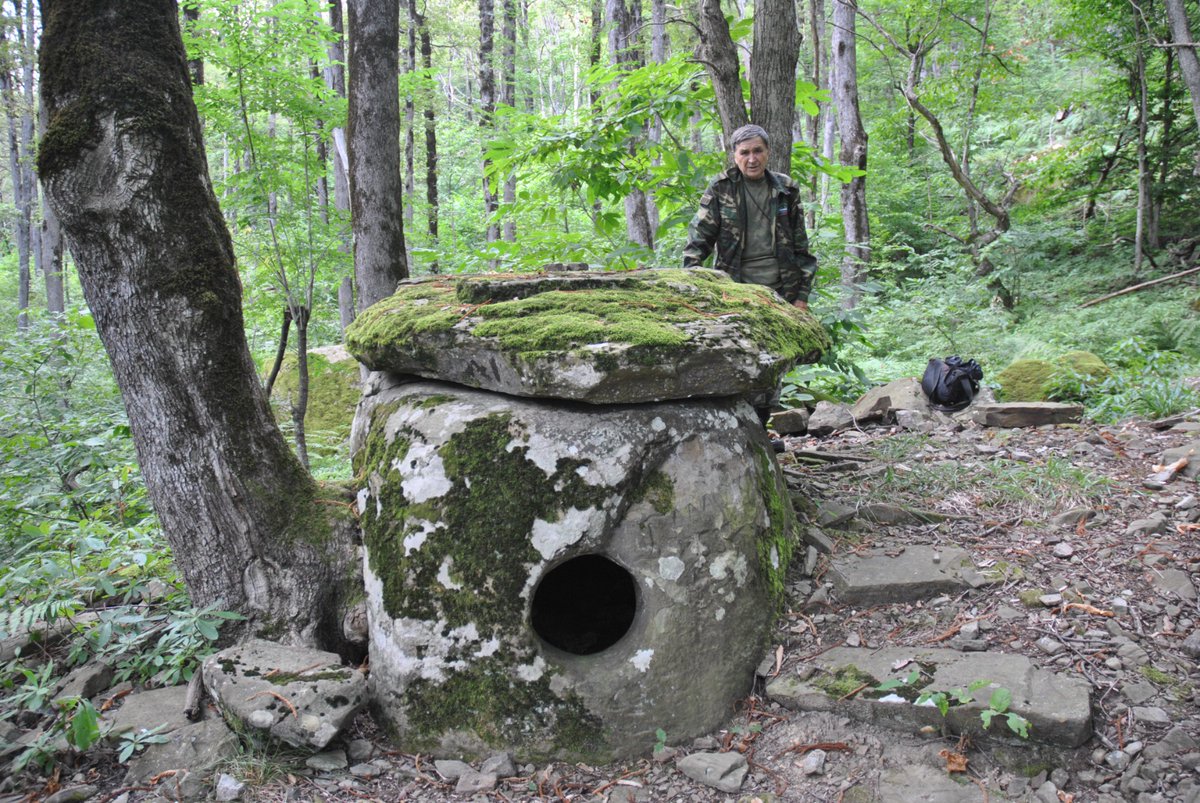
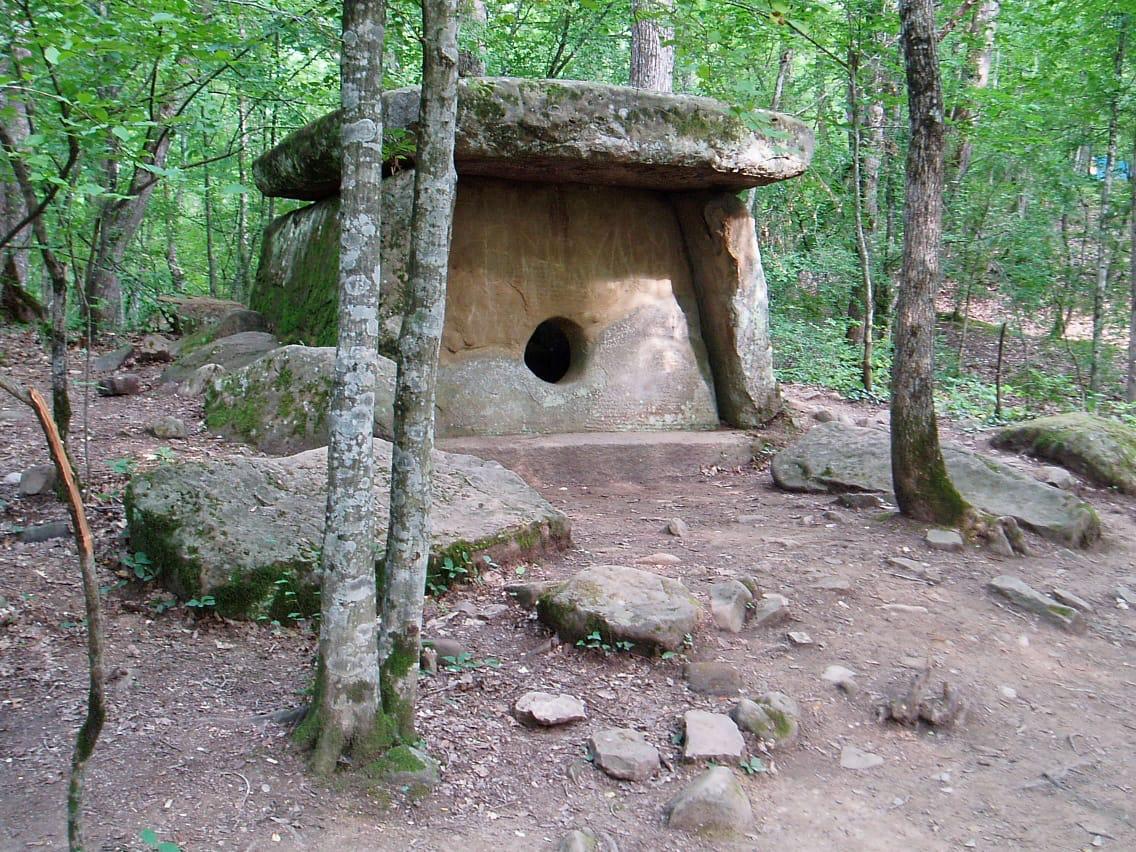
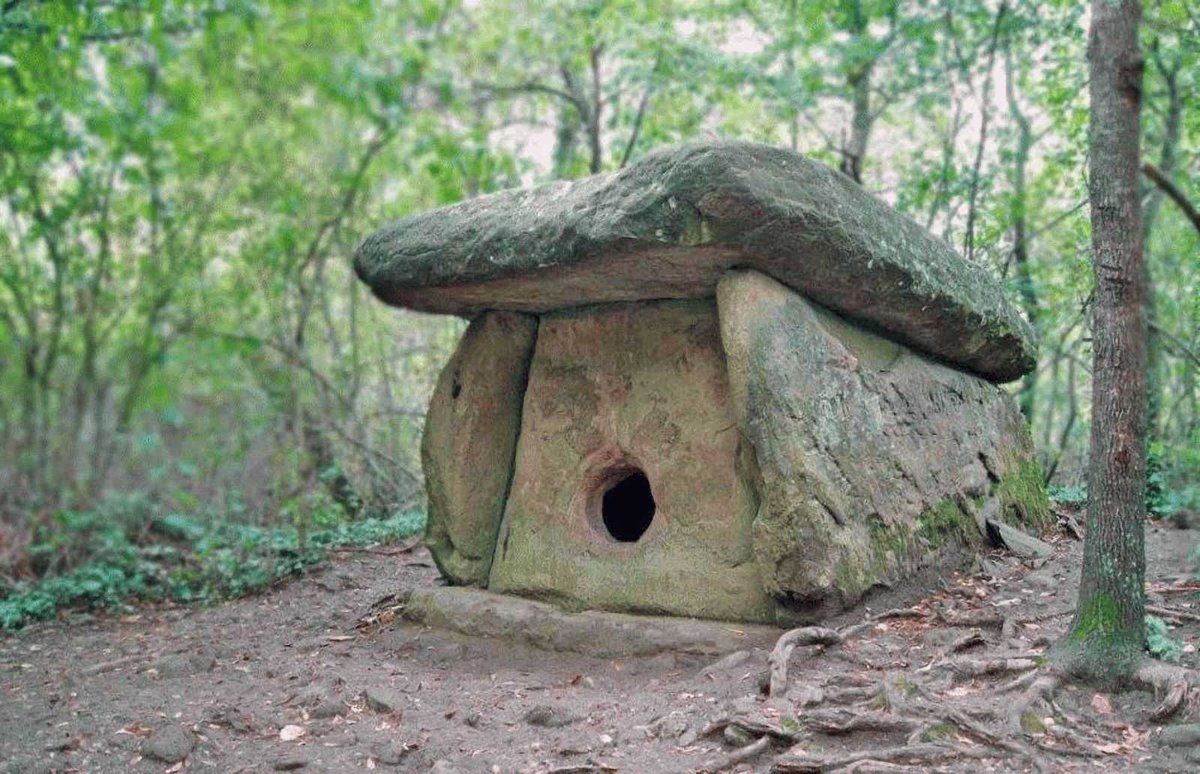
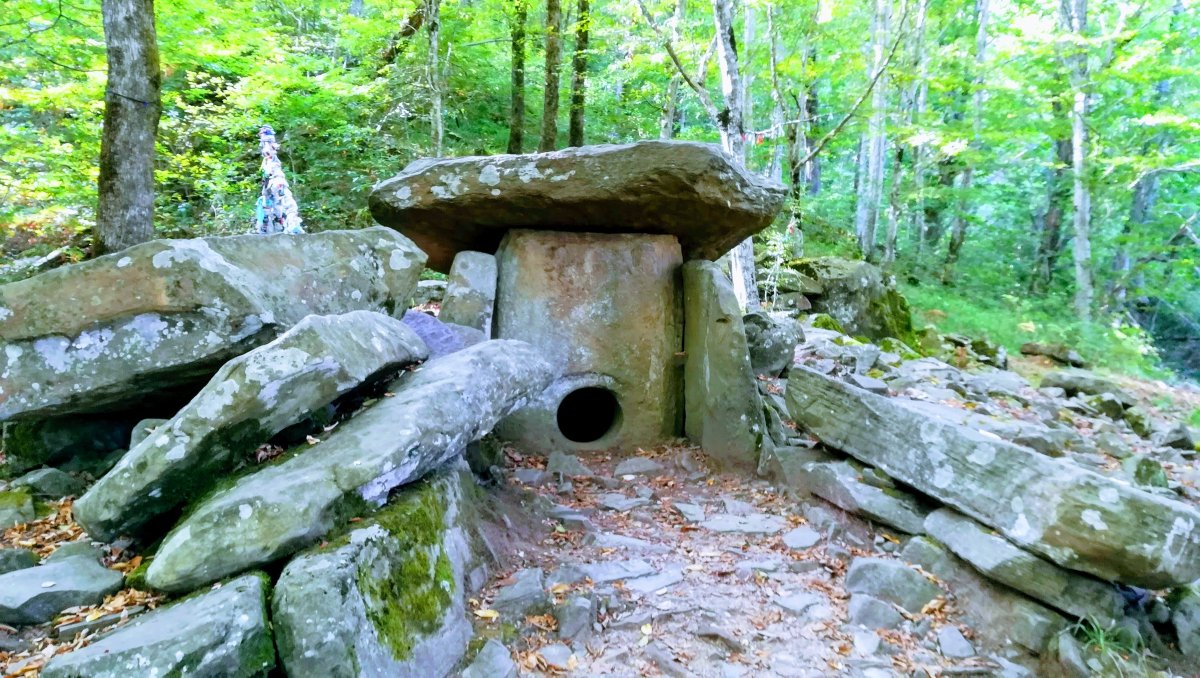
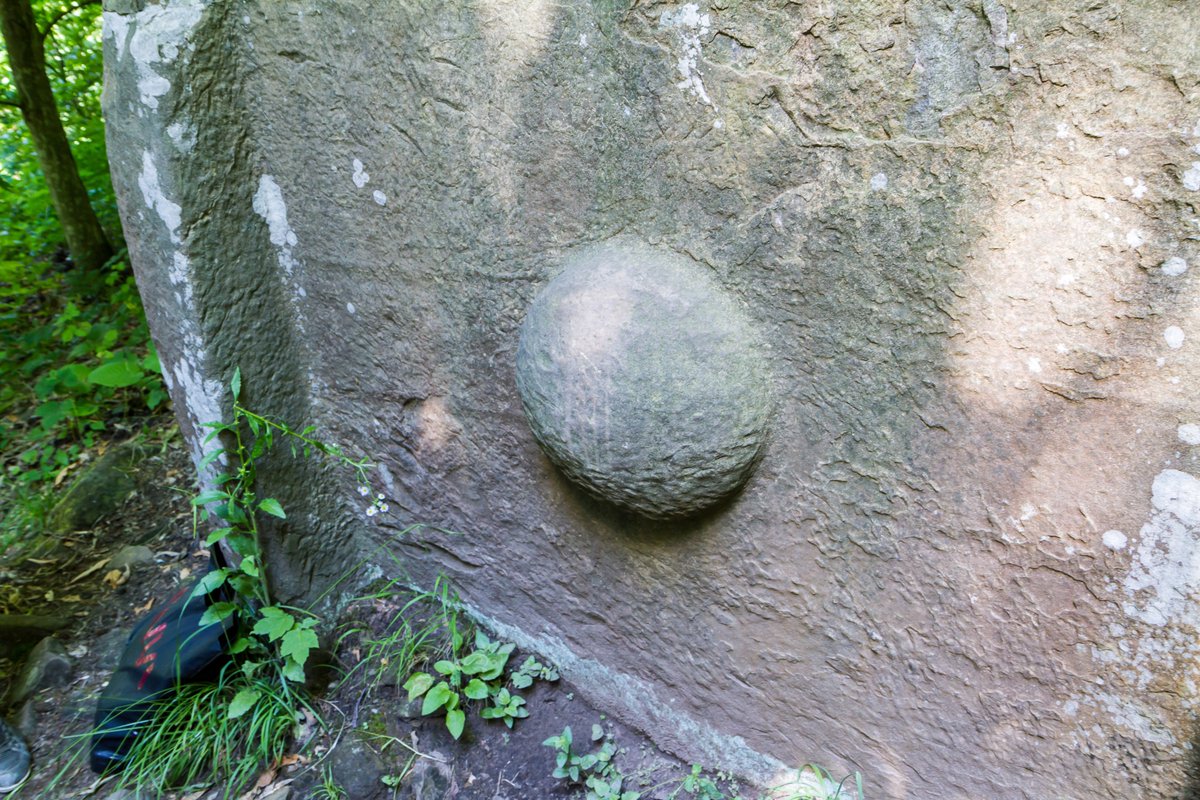
3/ Composite dolmens are one of the least common types and are generally considered the youngest. Much more work went into carving and shaping blocks, perhaps indicative of their purpose having a higher status compared to the others. Note the nubs in #4.
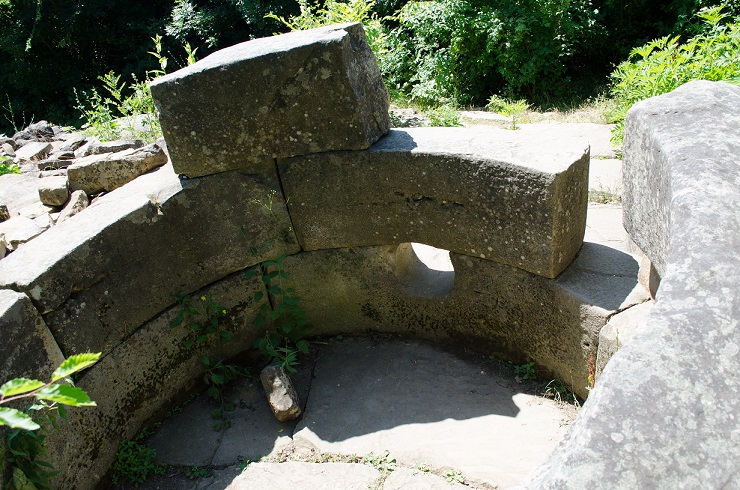
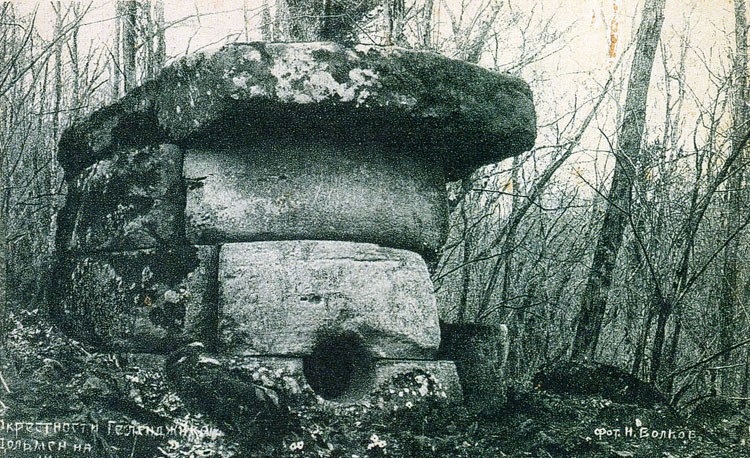
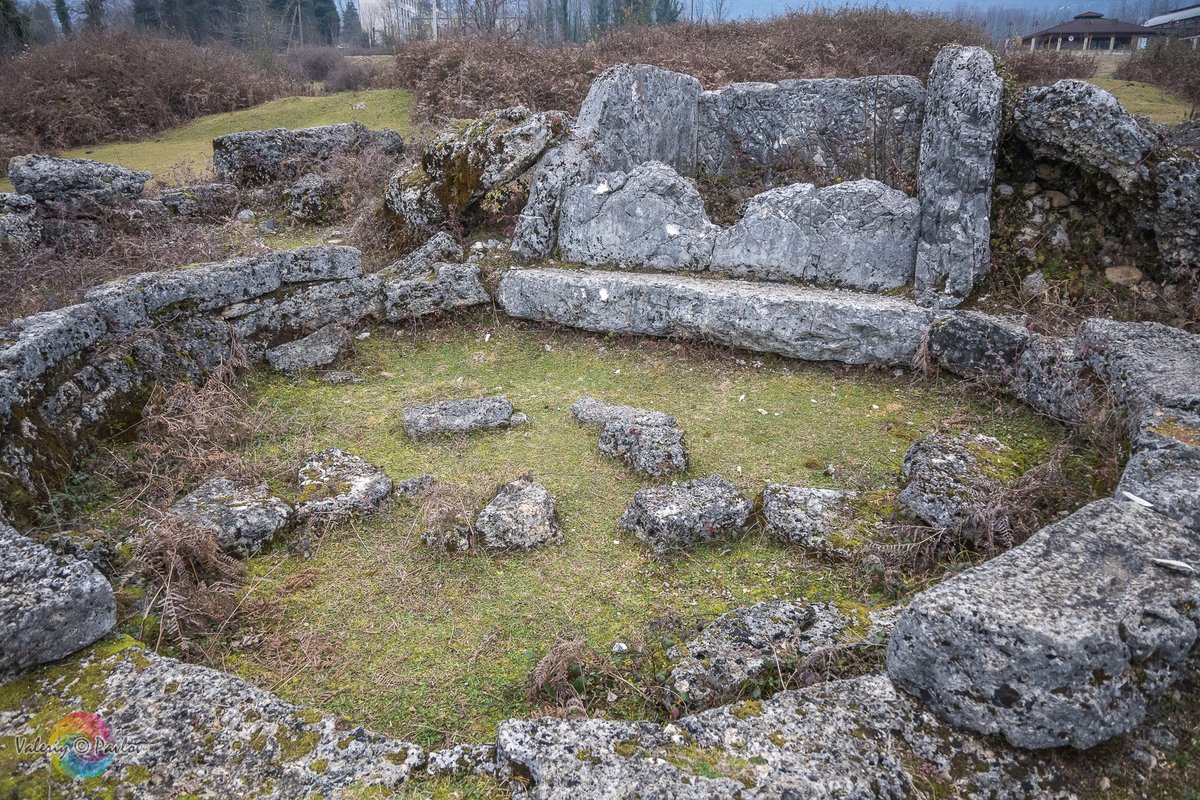

4/ The trough-shaped dolmen is only slightly more common than the composite considering the dolmen is essentially a hollowed out outcrop with a slab covering a large hole at the top. The effort to create these, even in sandstone is impressive.

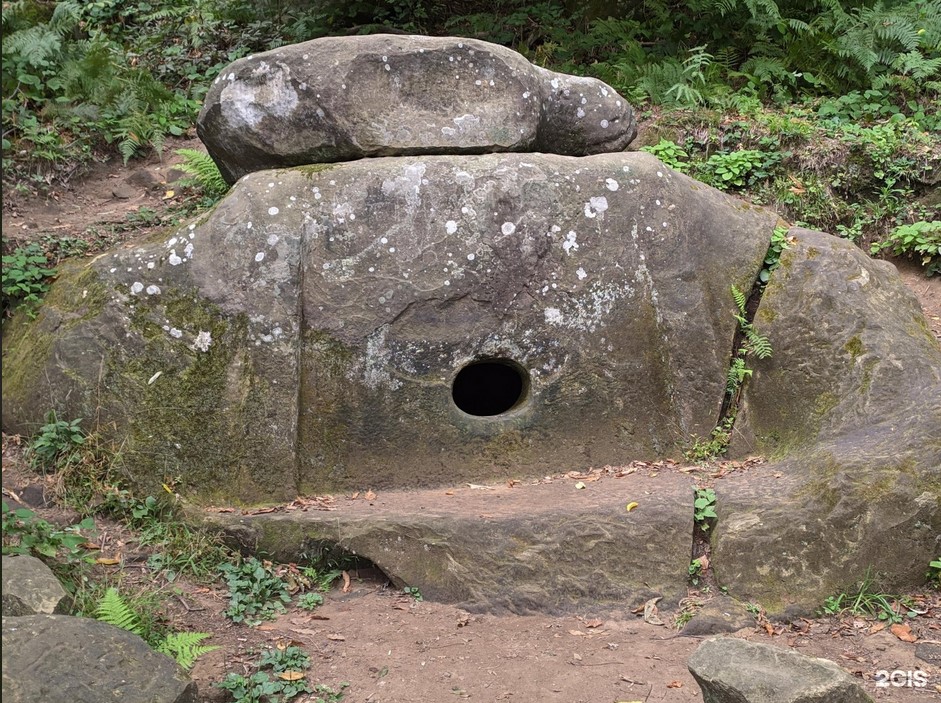
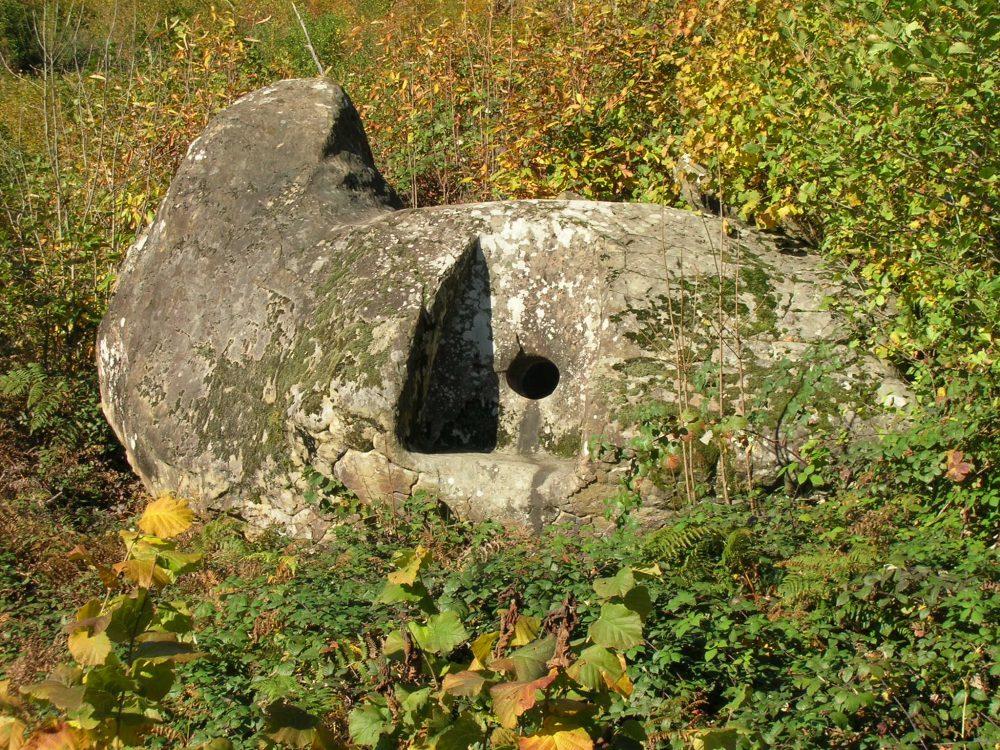
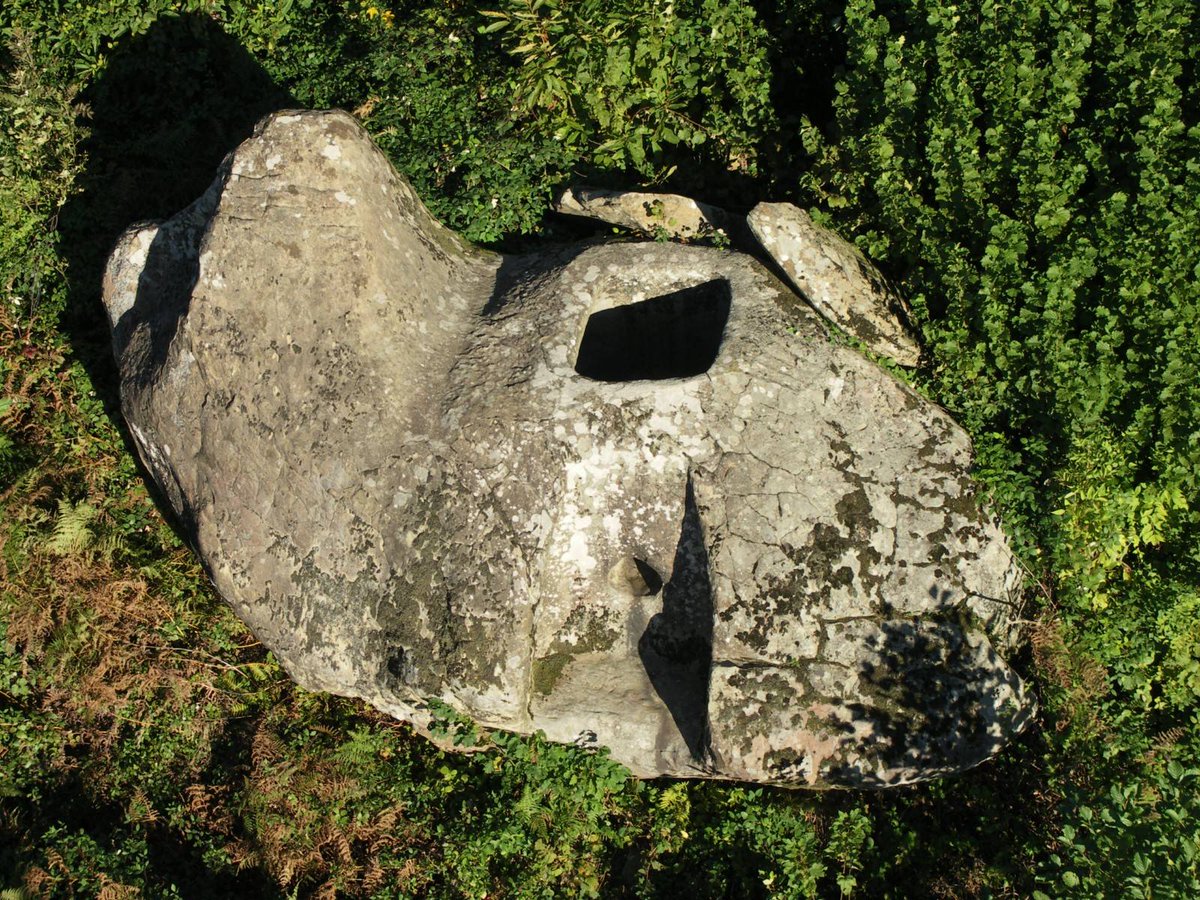
5/ The monolith is a variant of the trough-shaped in that it is a carved single structure without the top opening. This type is the most rare, with the Volkonsky dolmen being the most famous and best preserved example.
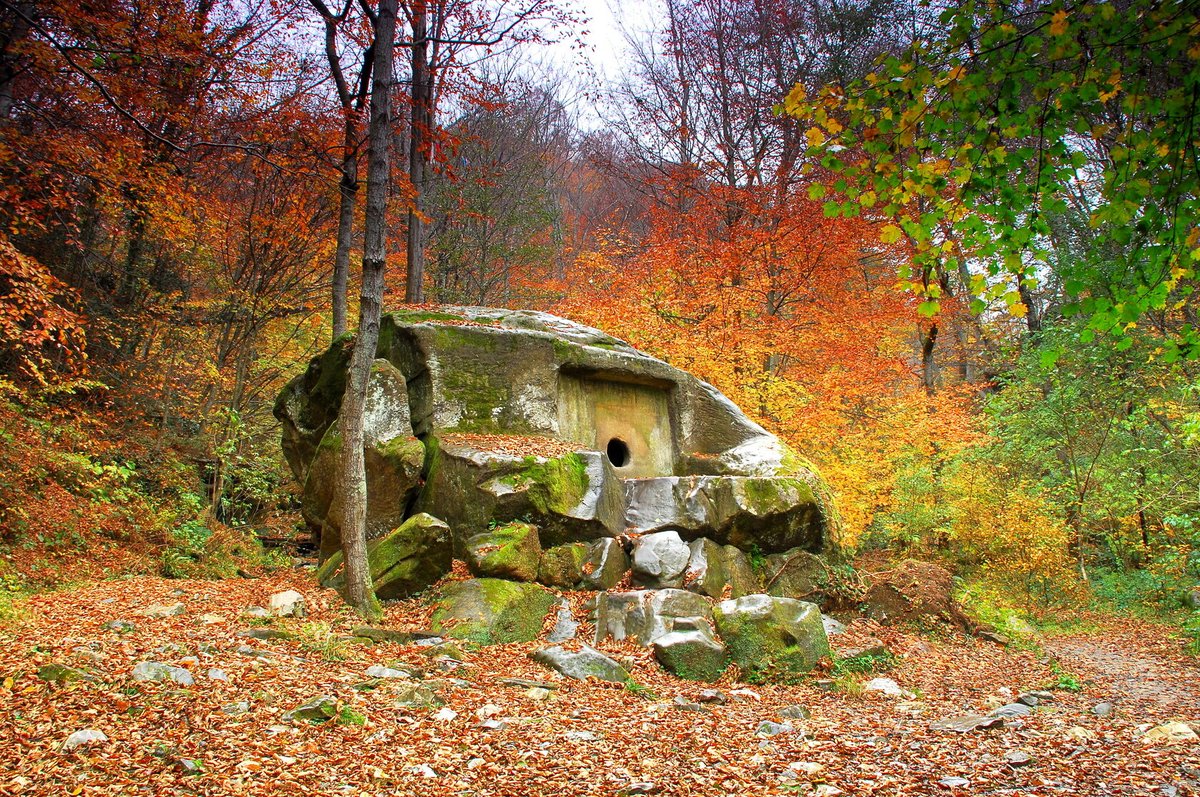
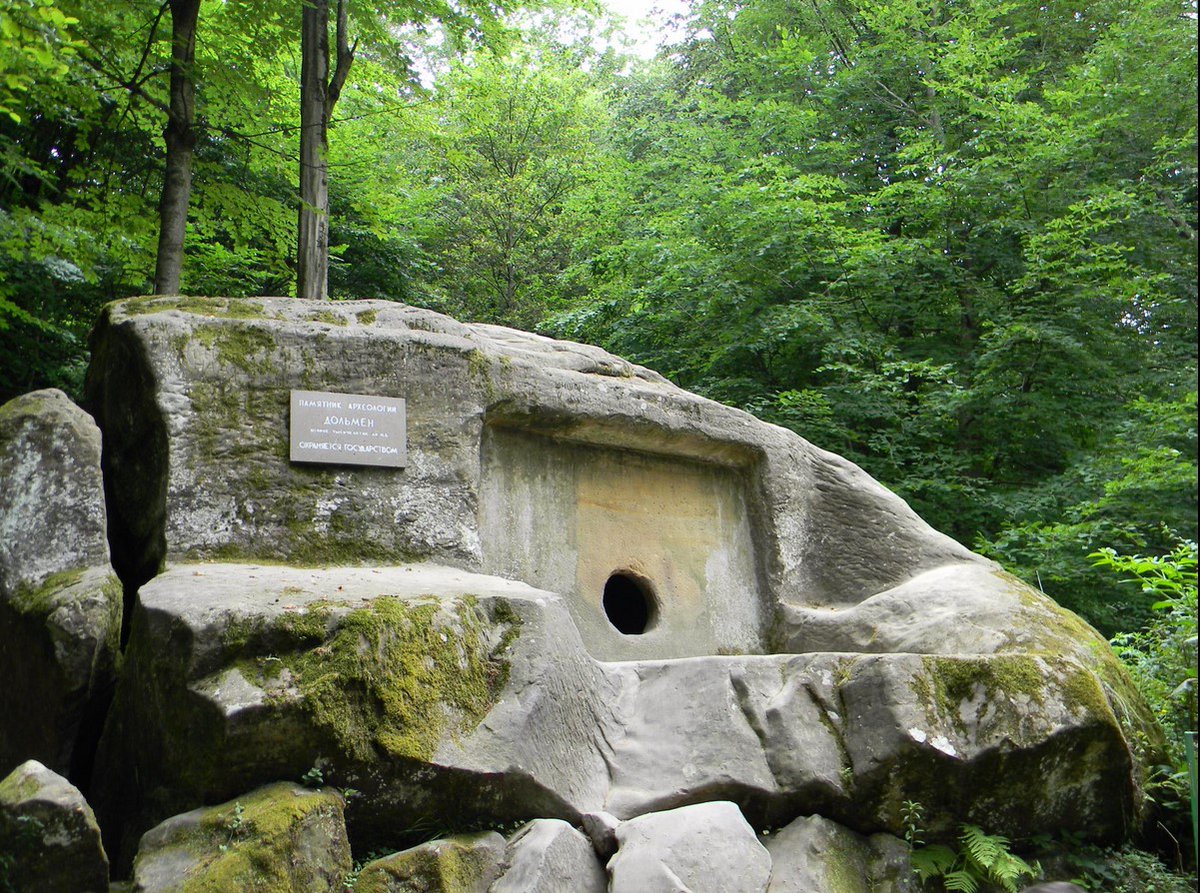
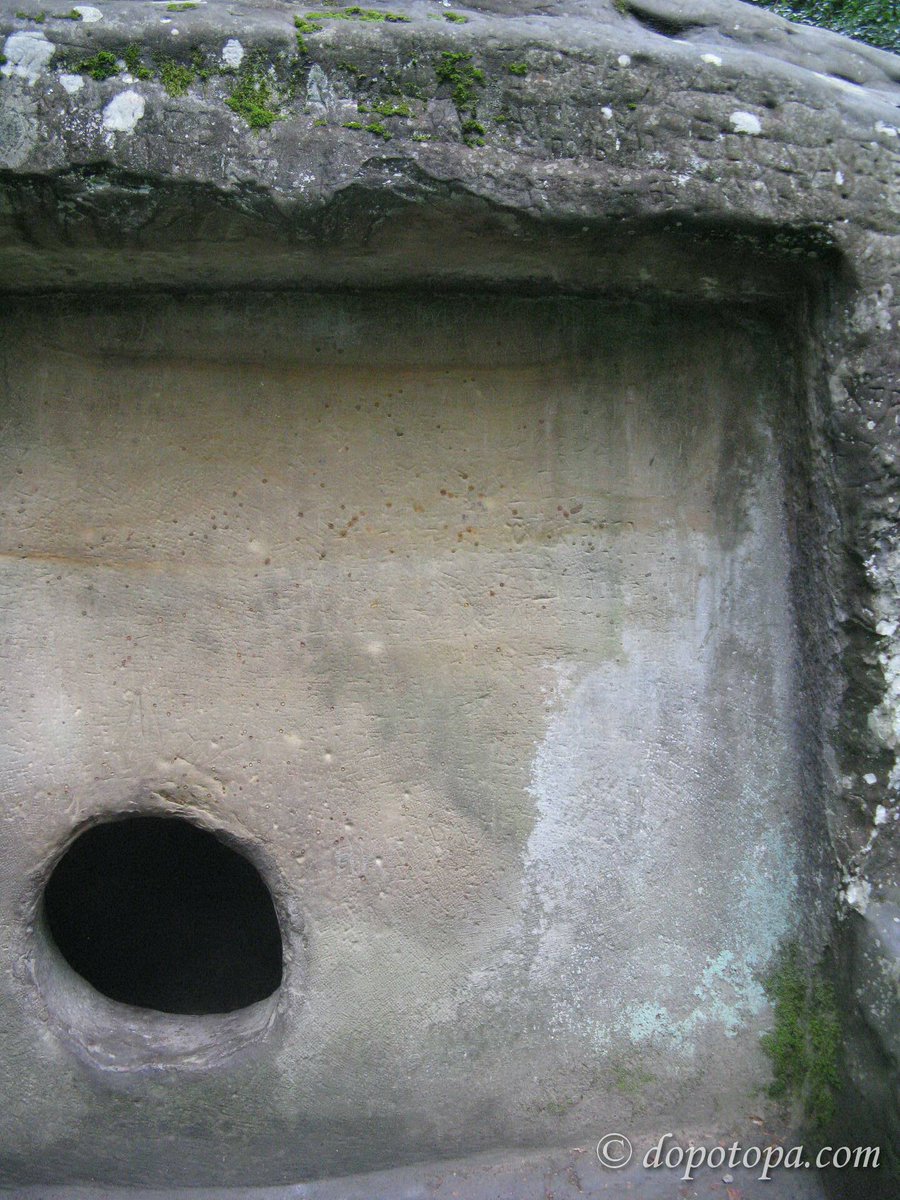
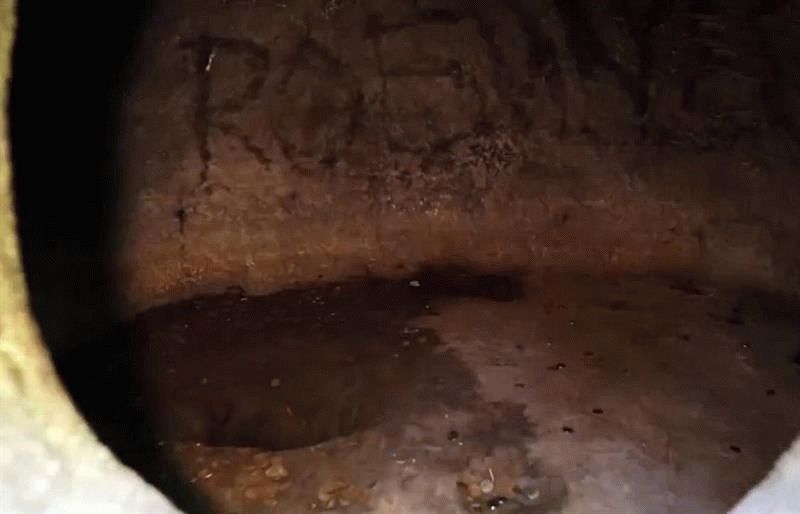
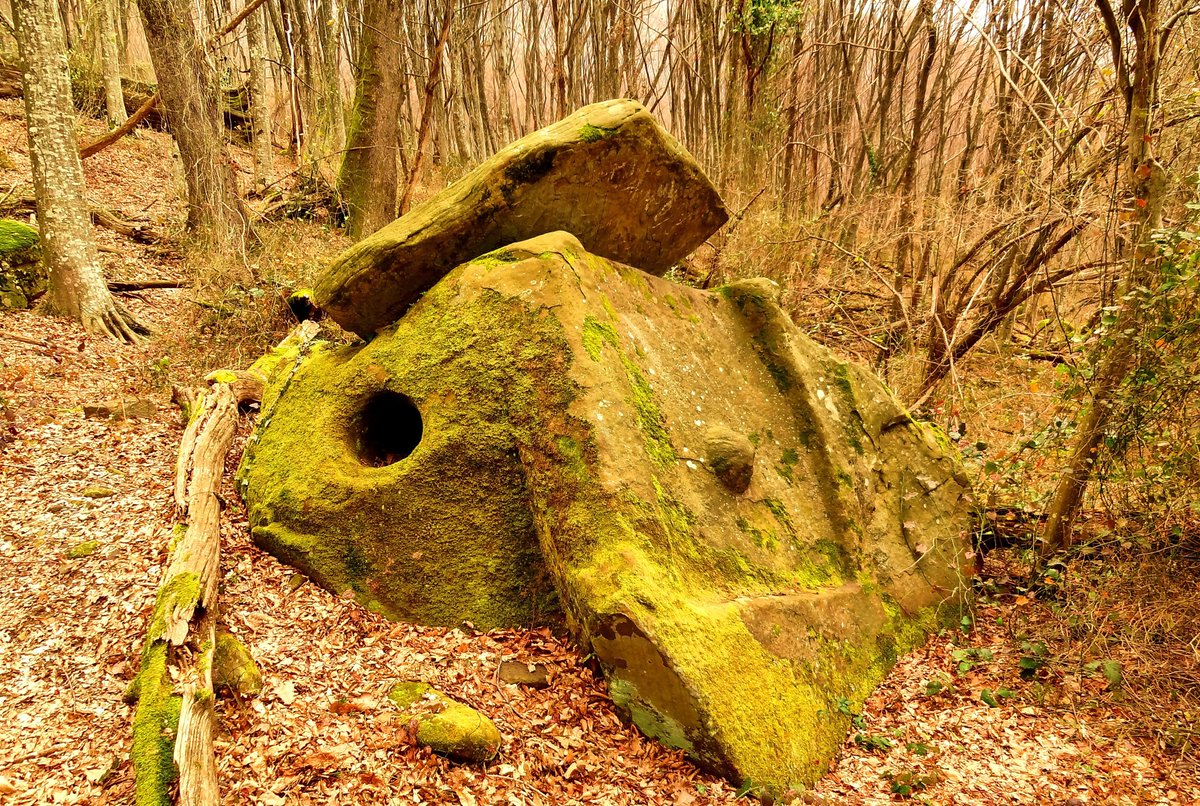
6/ The last type are the very few that feature what is called the false entrance. I contended this is another expression of #nubs tied to these dolmens. Note the dolmen that has a plug with a nub. Fascinating. I can't find more examples of this. Thanks for reading this far.

Loading suggestions...