
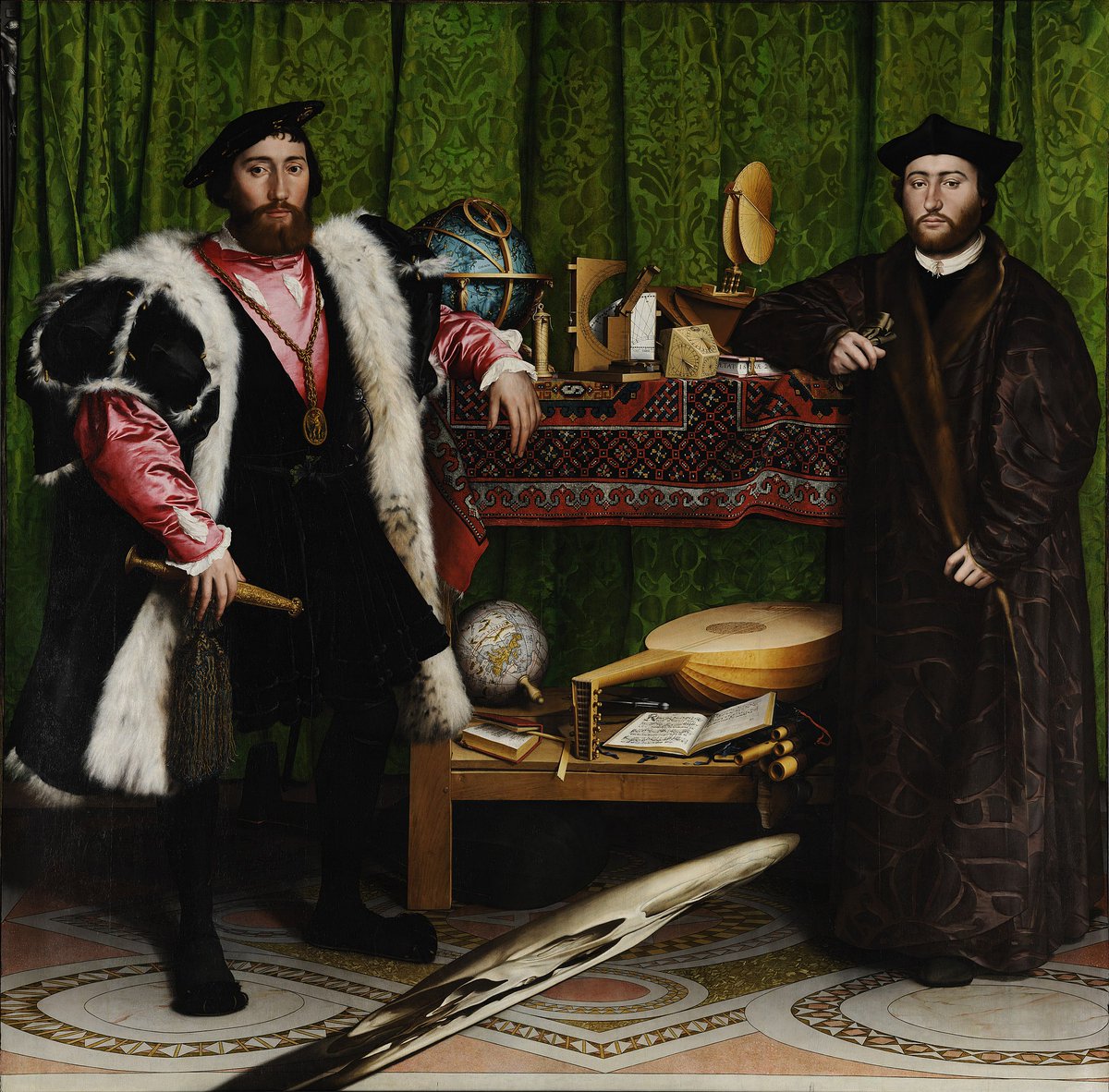
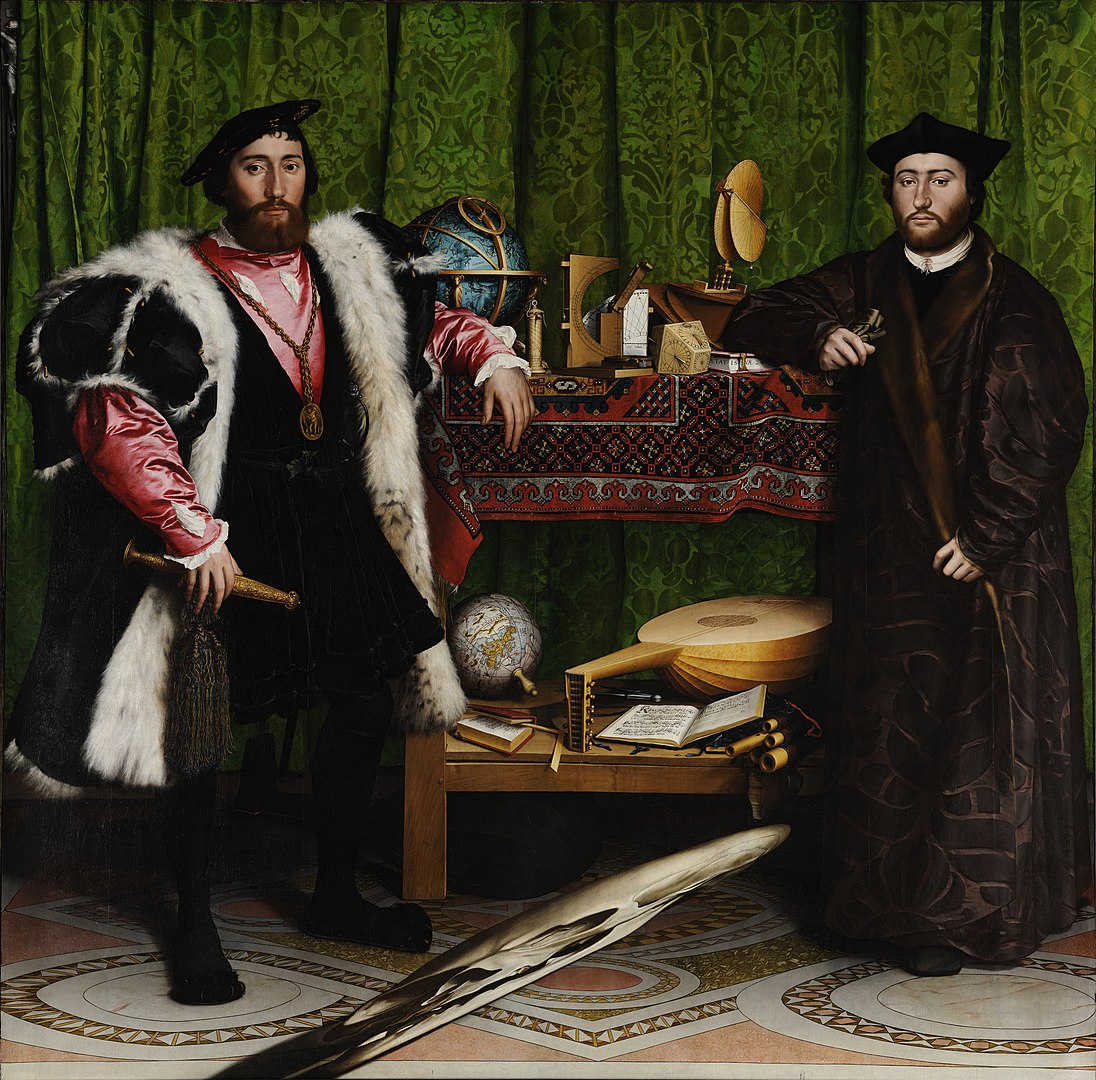
This might seem like a normal painting, but look closer.
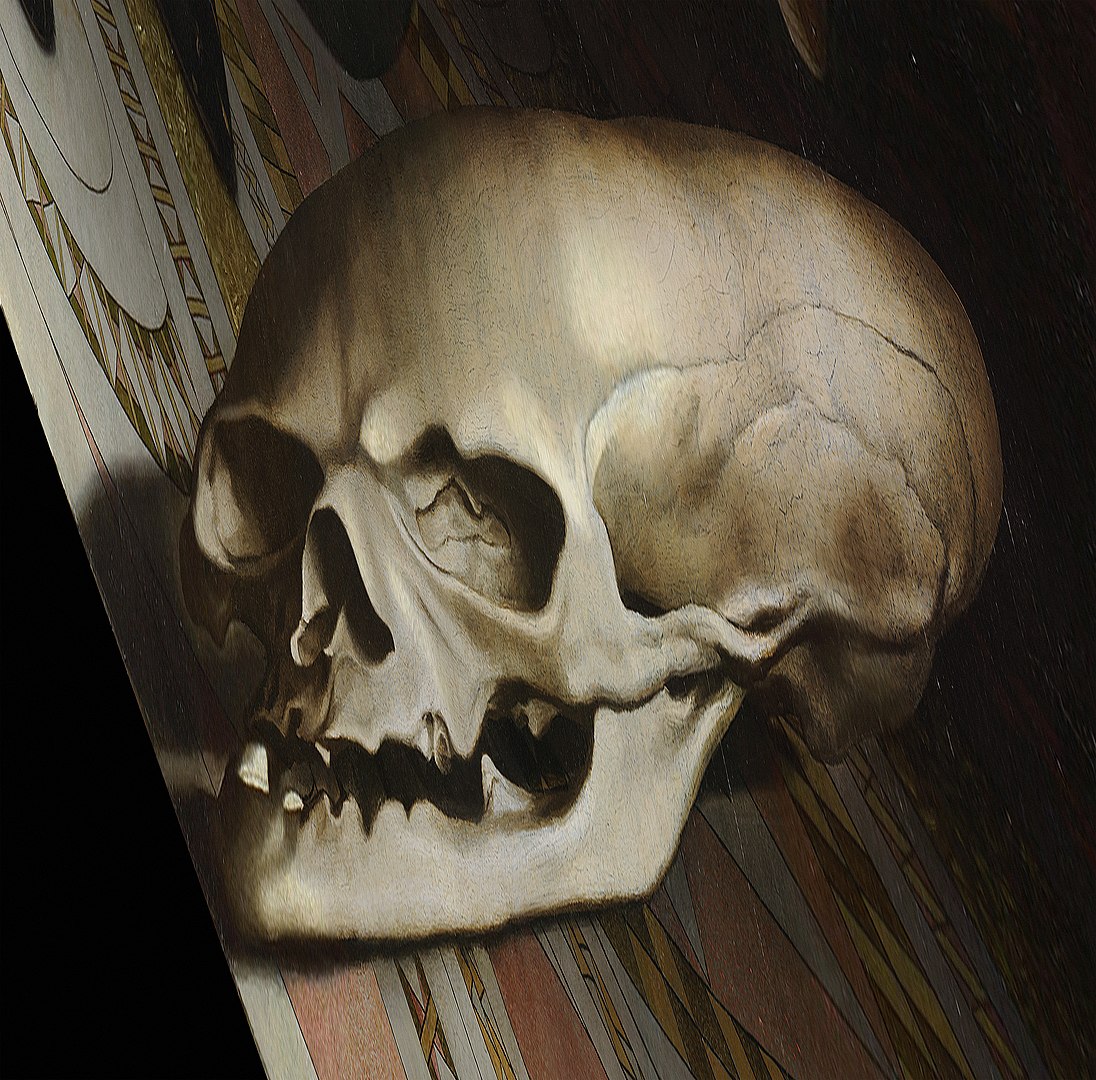
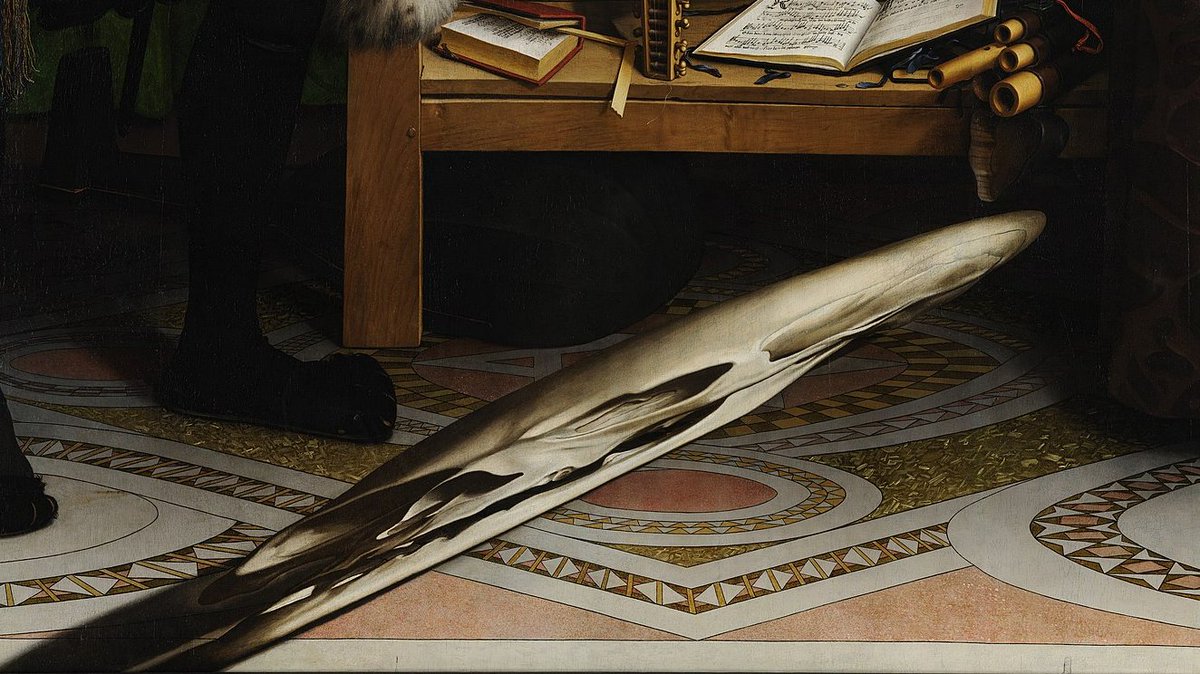
That grey mark at the bottom is actually a skull when viewed from the right angle.
It's The Ambassadors, painted by Hans Holbein the Younger nearly 500 years ago, and it is one of art's greatest mysteries...
That grey mark at the bottom is actually a skull when viewed from the right angle.
It's The Ambassadors, painted by Hans Holbein the Younger nearly 500 years ago, and it is one of art's greatest mysteries...

Hans Holbein the Younger (1497-1543) was born in the city of Augsburg, Germany.
He initially worked alongside his father, Holbein the Elder, who was a successful painter himself.
But by 1515 young Holbein had moved to Basel, Switzerland, where his career truly began.
He initially worked alongside his father, Holbein the Elder, who was a successful painter himself.
But by 1515 young Holbein had moved to Basel, Switzerland, where his career truly began.

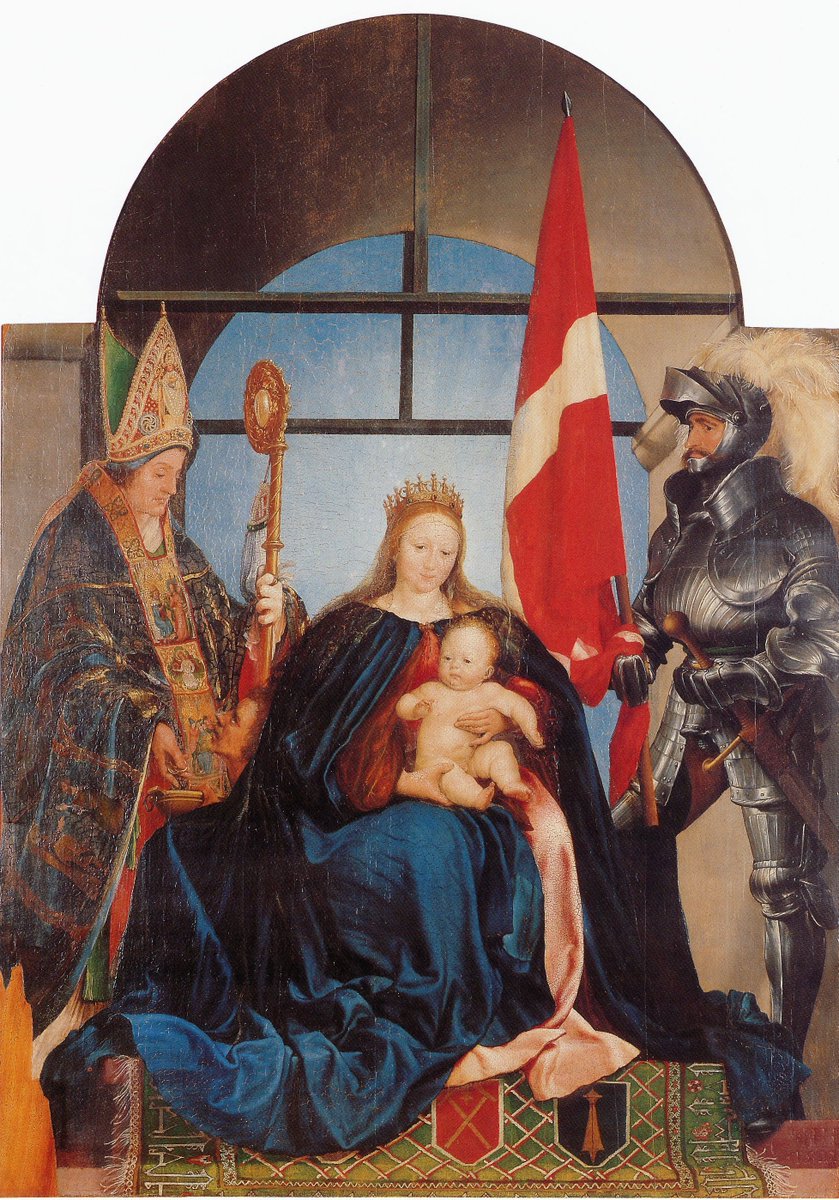
Much of Holbein's early work was religious — for centuries this was a painter's primary means of employment, what with the constant demand for altarpieces and frescos to decorate churches.
Like his Solothurn Madonna, from 1522:
Like his Solothurn Madonna, from 1522:
And yet, even within the scope of religious art, Holbein's unique personality was soon revealed.
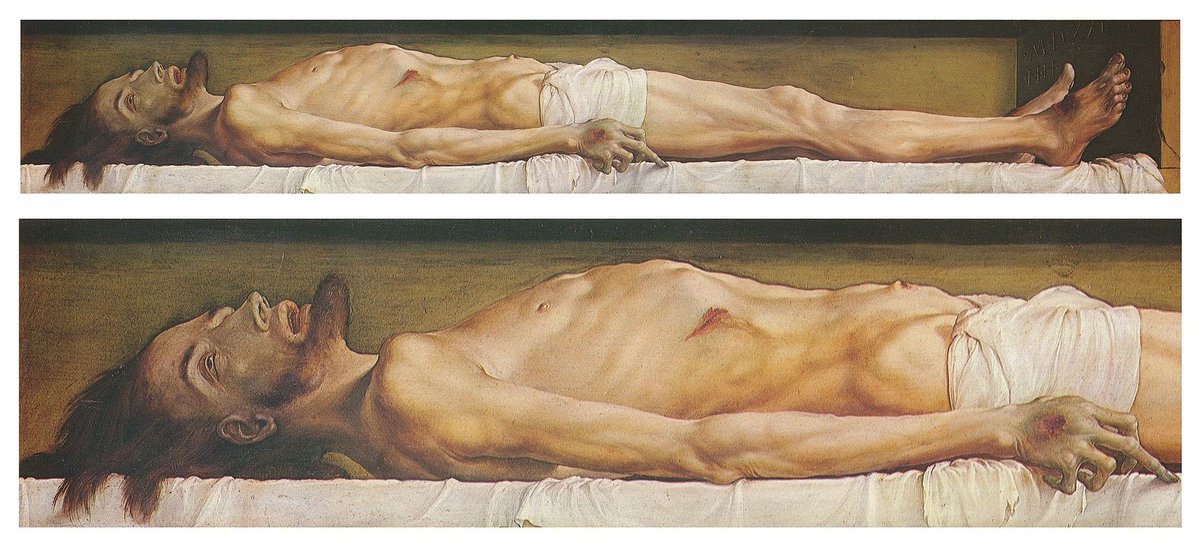
His Body of Dead Christ in the Tomb (1521) is striking. Its macabre realism and almost shockingly grotesque presentation speak to Holbein's fascination with the *humanity* in things.
His Body of Dead Christ in the Tomb (1521) is striking. Its macabre realism and almost shockingly grotesque presentation speak to Holbein's fascination with the *humanity* in things.
Unsurprisingly, then, it was portraiture that would define both Holbein's career and legacy.
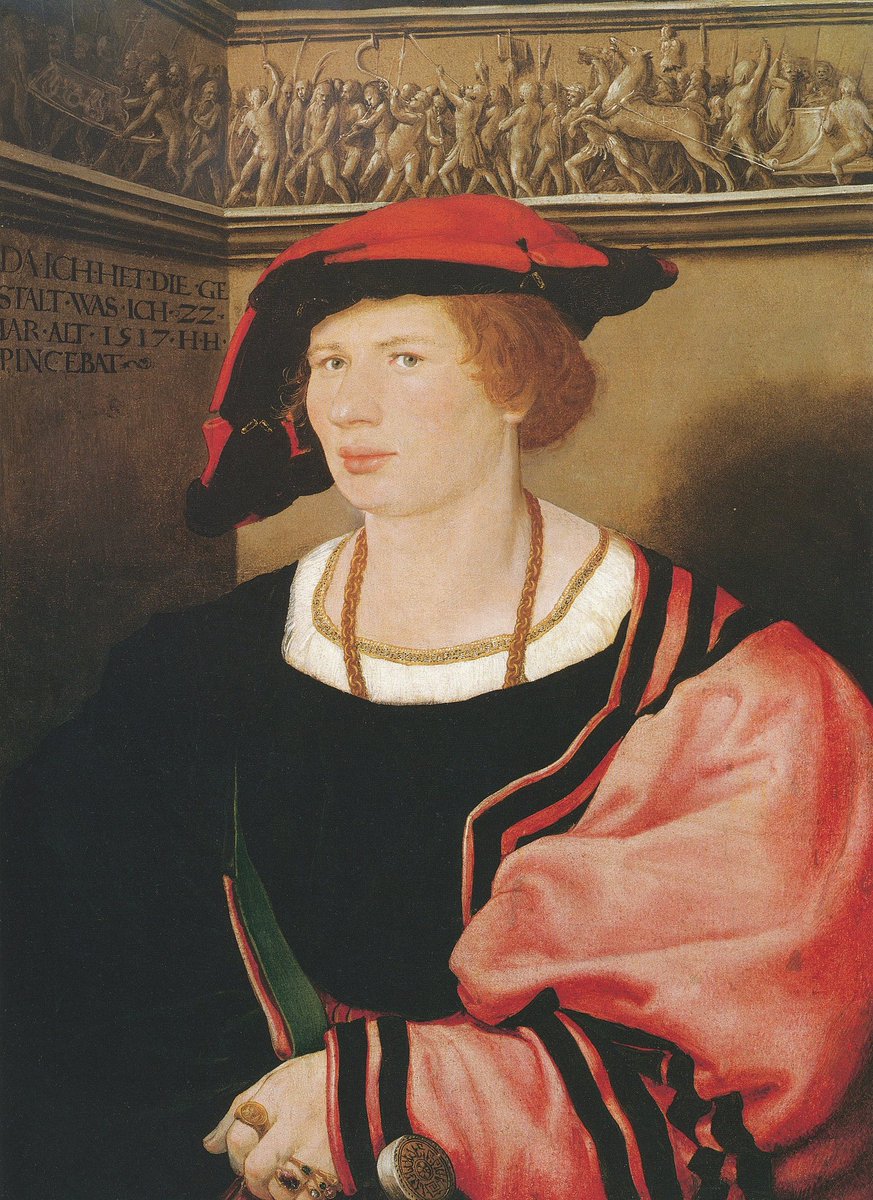
His ability to capture not only an individual's appearance but also their personality is evident even his early portaits, like that of Benedikt von Hertenstein (1517).
His ability to capture not only an individual's appearance but also their personality is evident even his early portaits, like that of Benedikt von Hertenstein (1517).
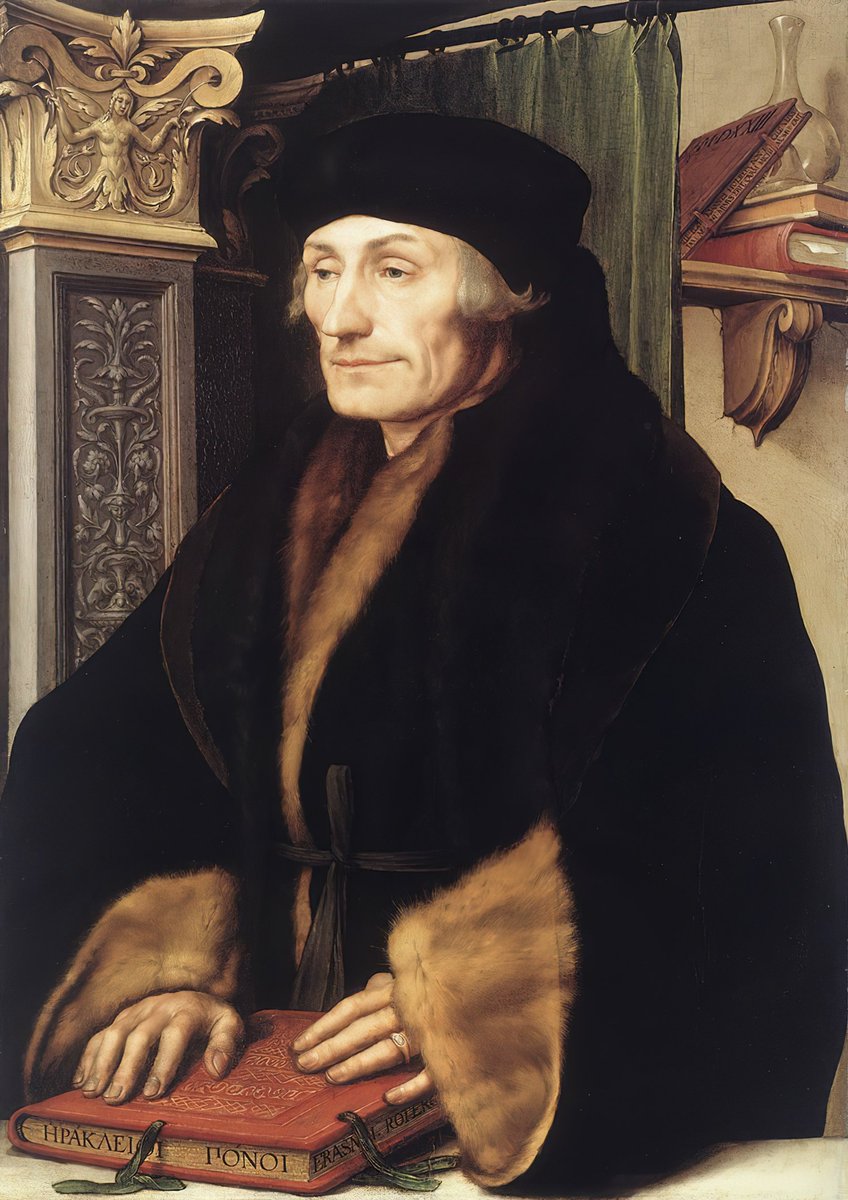
Holbein's first major achievement was this portrait of Erasmus, the greatest scholar of the 16th century, in 1523.
More than mere facsimile, Holbein's depiction of Erasmus has liveliness and psychological depth. We can clearly imagine him, speaking to us across the centuries.
More than mere facsimile, Holbein's depiction of Erasmus has liveliness and psychological depth. We can clearly imagine him, speaking to us across the centuries.
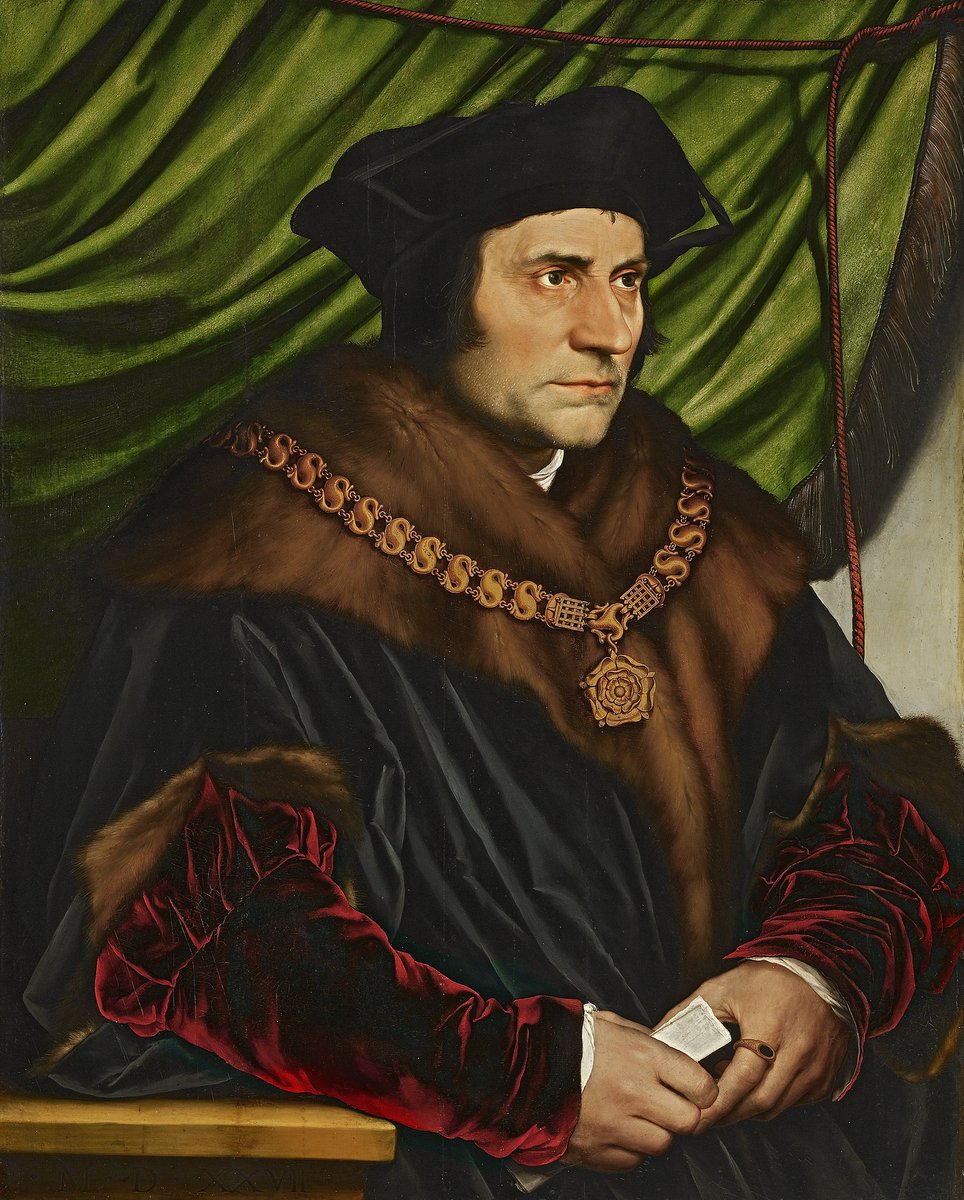
In 1526 Holbein travelled to England, where Erasmus had put him in touch with Thomas More.
He found success as a court painter there, continuing to make evocative portraits which seem to convey the sitter's entire personality in a single expression.
He found success as a court painter there, continuing to make evocative portraits which seem to convey the sitter's entire personality in a single expression.
When Holbein returned to Basel in 1528 the Protestant Reformation had changed everything. He only stayed there for four years before returning to England again in 1532, where he remained until his death a decade later.
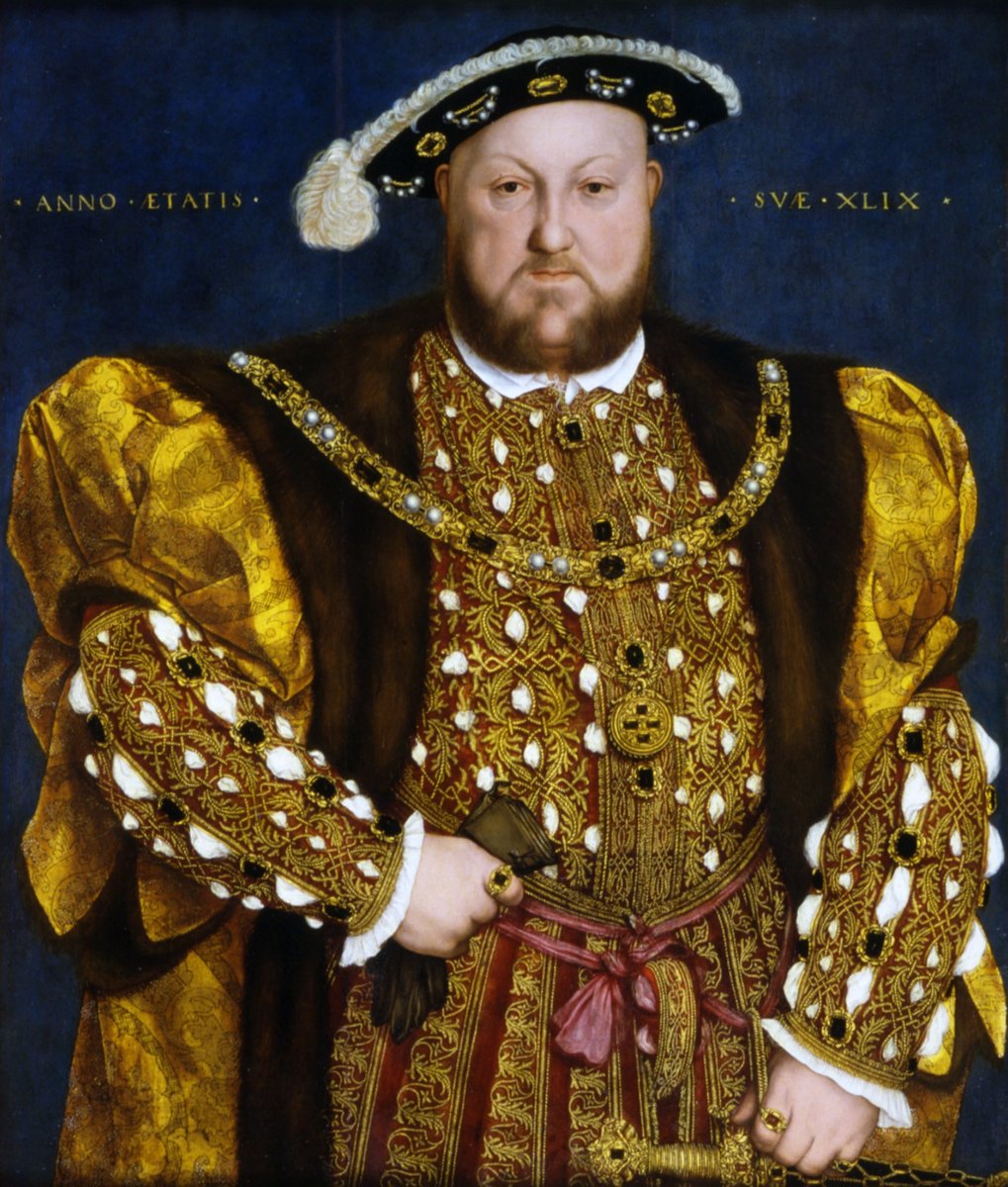
His most famous client in this period was King Henry VIII:
His most famous client in this period was King Henry VIII:
Holbein is regarded as one of the finest painters of the Northern Renaissance.
What's that? It was Northern Europe's cultural counterpart to the Italian Renaissance.
Other masters of this period include Albrecht Dürer:
What's that? It was Northern Europe's cultural counterpart to the Italian Renaissance.
Other masters of this period include Albrecht Dürer:
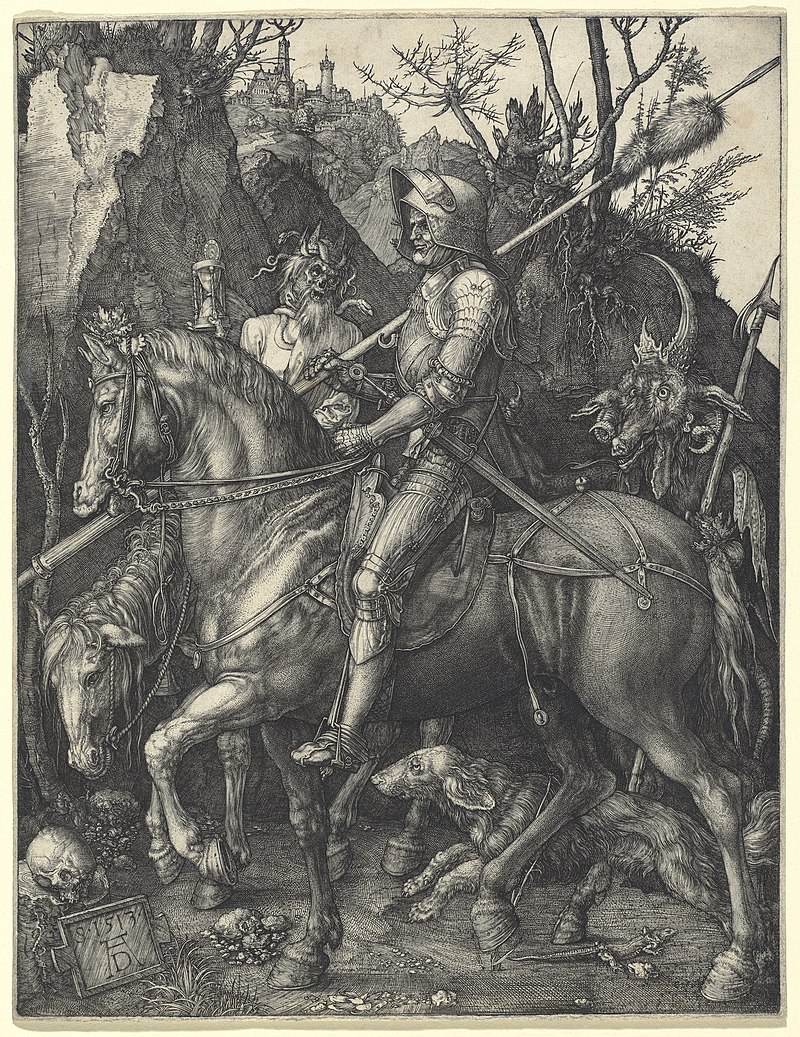
They were related but far from the same.
Italian Renaissance art was obsessed with ideas of beauty and with an idealised version of the human form, usually placed in mythological or Biblical settings.
Think of what Michelangelo was painting in Italy during Holbein's life:
Italian Renaissance art was obsessed with ideas of beauty and with an idealised version of the human form, usually placed in mythological or Biblical settings.
Think of what Michelangelo was painting in Italy during Holbein's life:
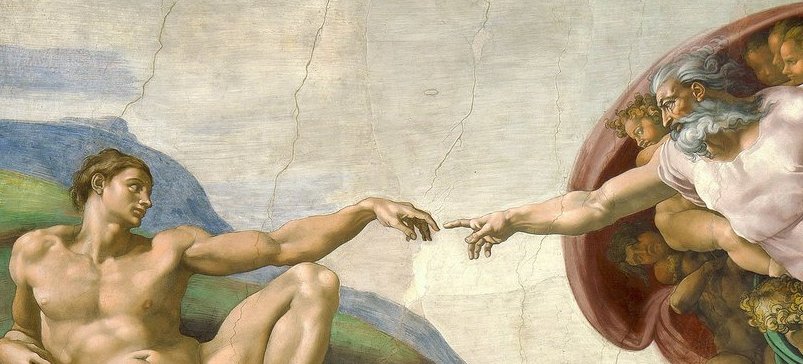
Northern art had always been different — Holbein was part of a rather more realistic tradition.
On the whole Northern painters tended to depict humans in a much less idealised way, and their settings were often more domestic.
Like the Werl Triptych by Robert Campin (1438):
On the whole Northern painters tended to depict humans in a much less idealised way, and their settings were often more domestic.
Like the Werl Triptych by Robert Campin (1438):
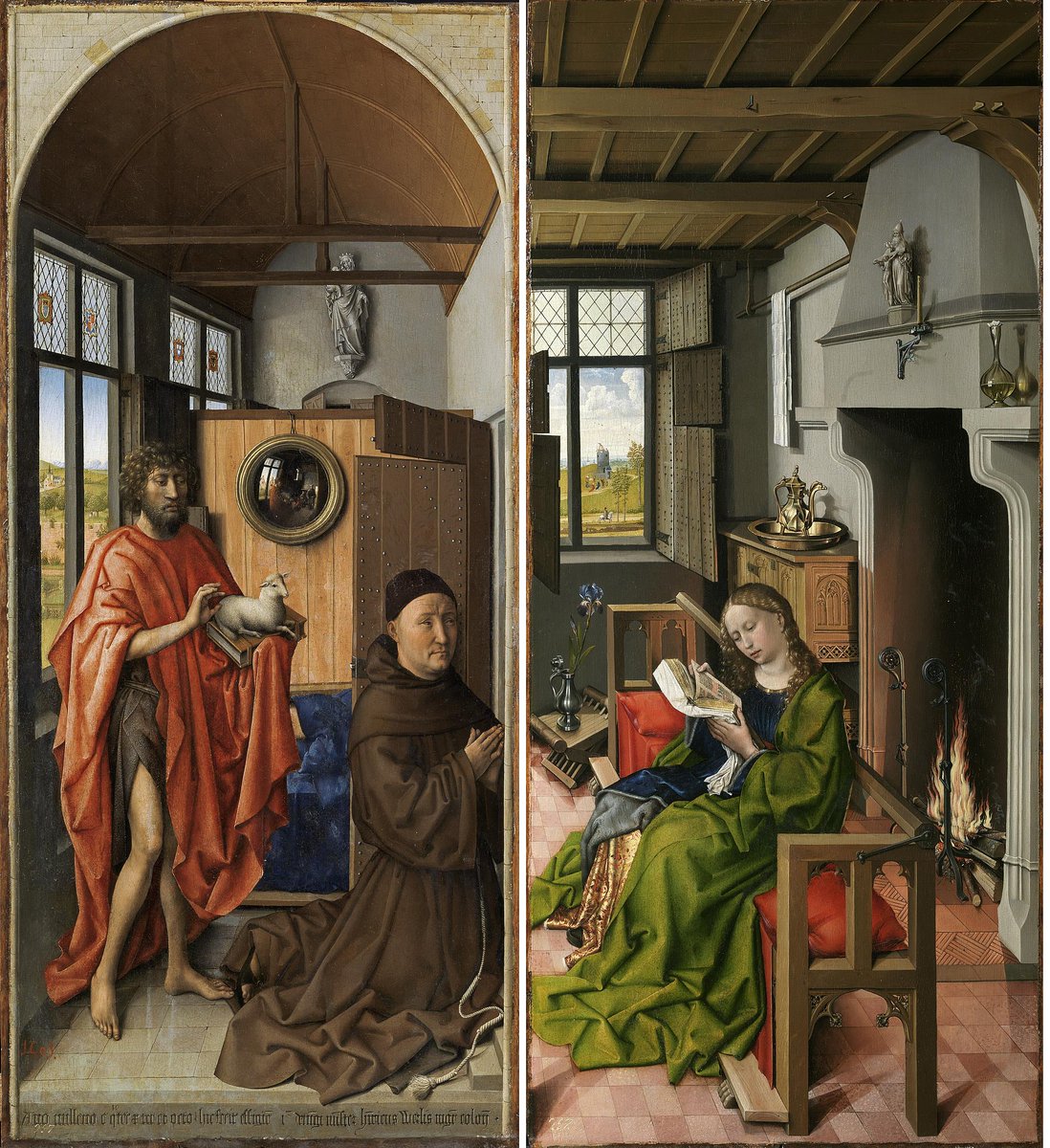
And, crucially, Northern art had a longstanding fascination with detail.
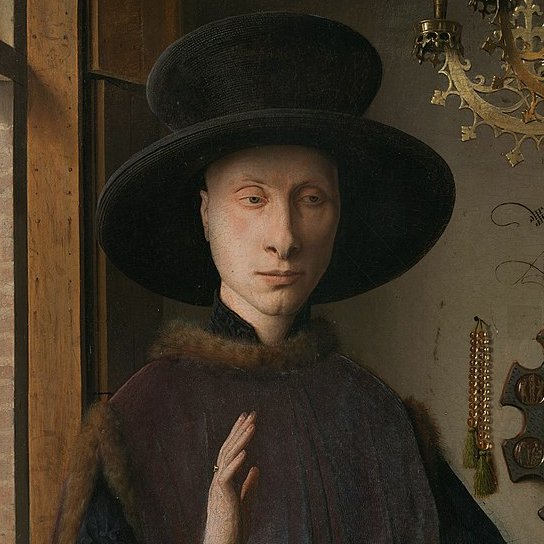
The best example of this is Jan van Eyck, working a century before Holbein, who painted textures and materials with an astonishing, almost photorealistic quality:
The best example of this is Jan van Eyck, working a century before Holbein, who painted textures and materials with an astonishing, almost photorealistic quality:
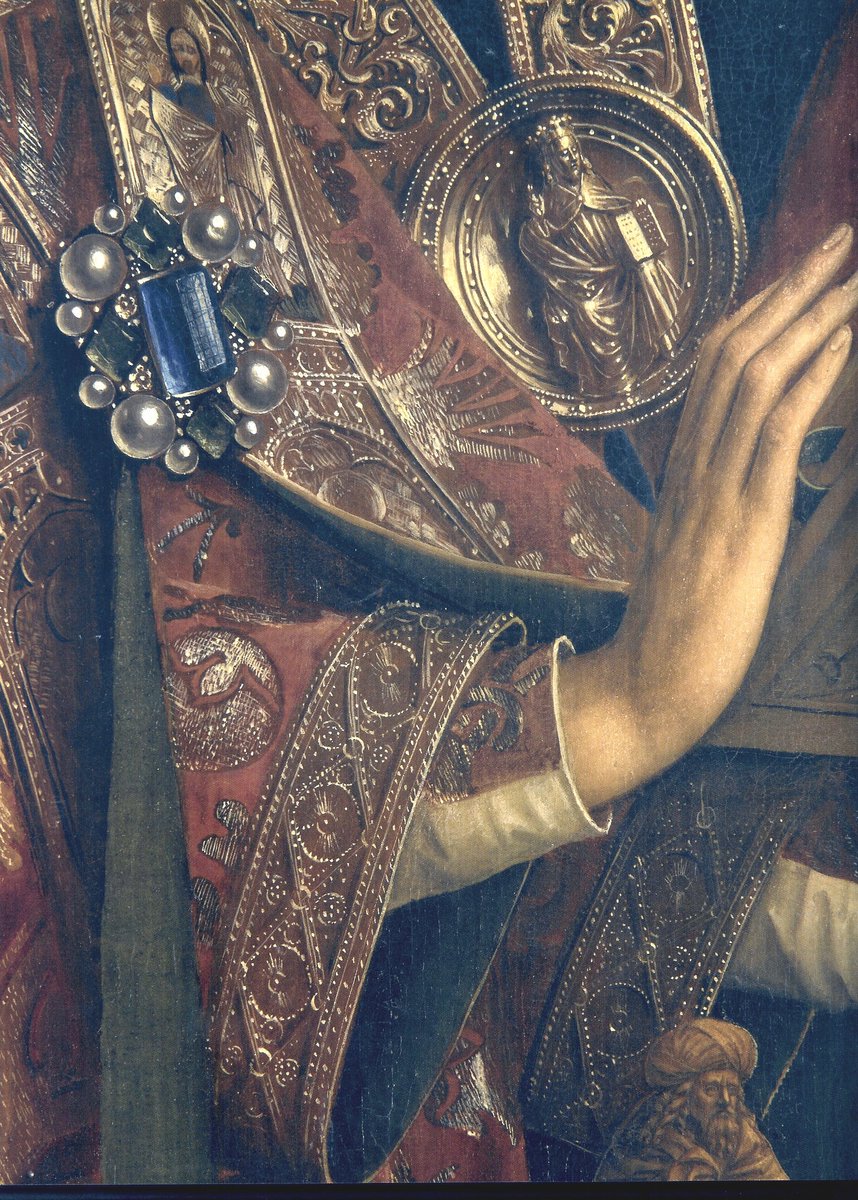
This is one of the best ways to tell Northern art from Italian art.
For while the likes of Raphael were largely uninterested in the objects and textures of the real world, the Northern artists loved to paint them in exquisite, minute, sometimes overwhelming detail.
For while the likes of Raphael were largely uninterested in the objects and textures of the real world, the Northern artists loved to paint them in exquisite, minute, sometimes overwhelming detail.
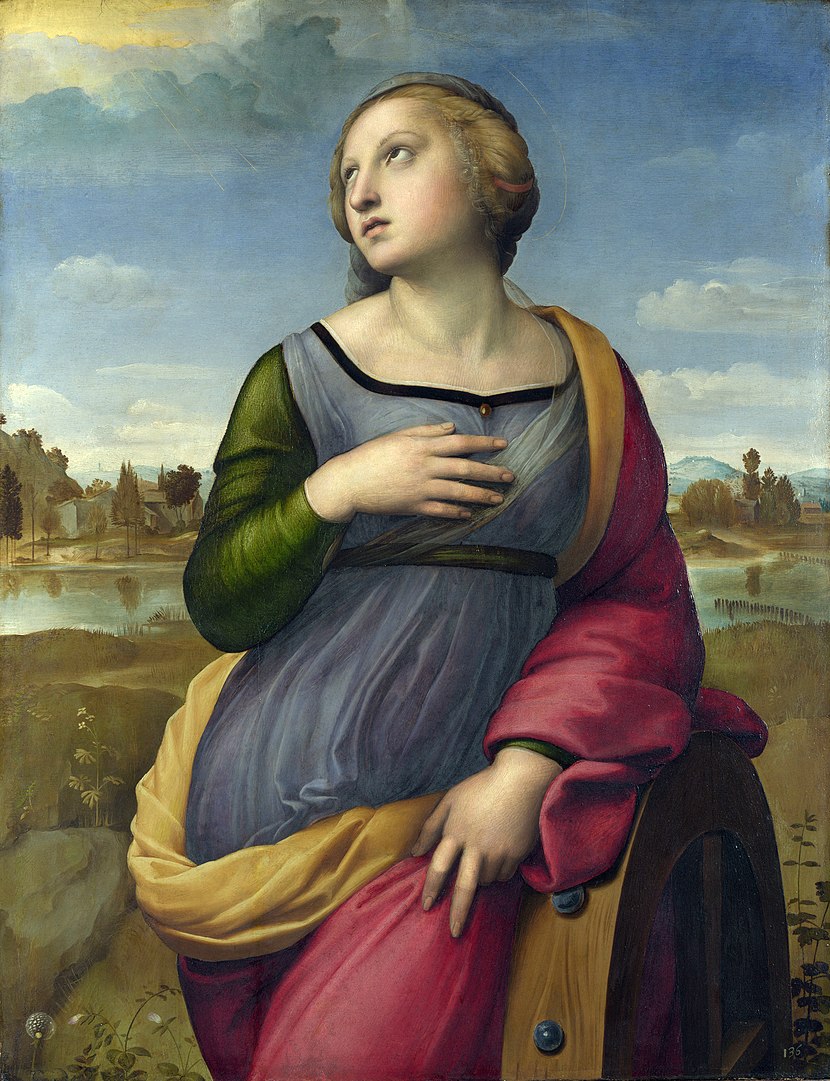
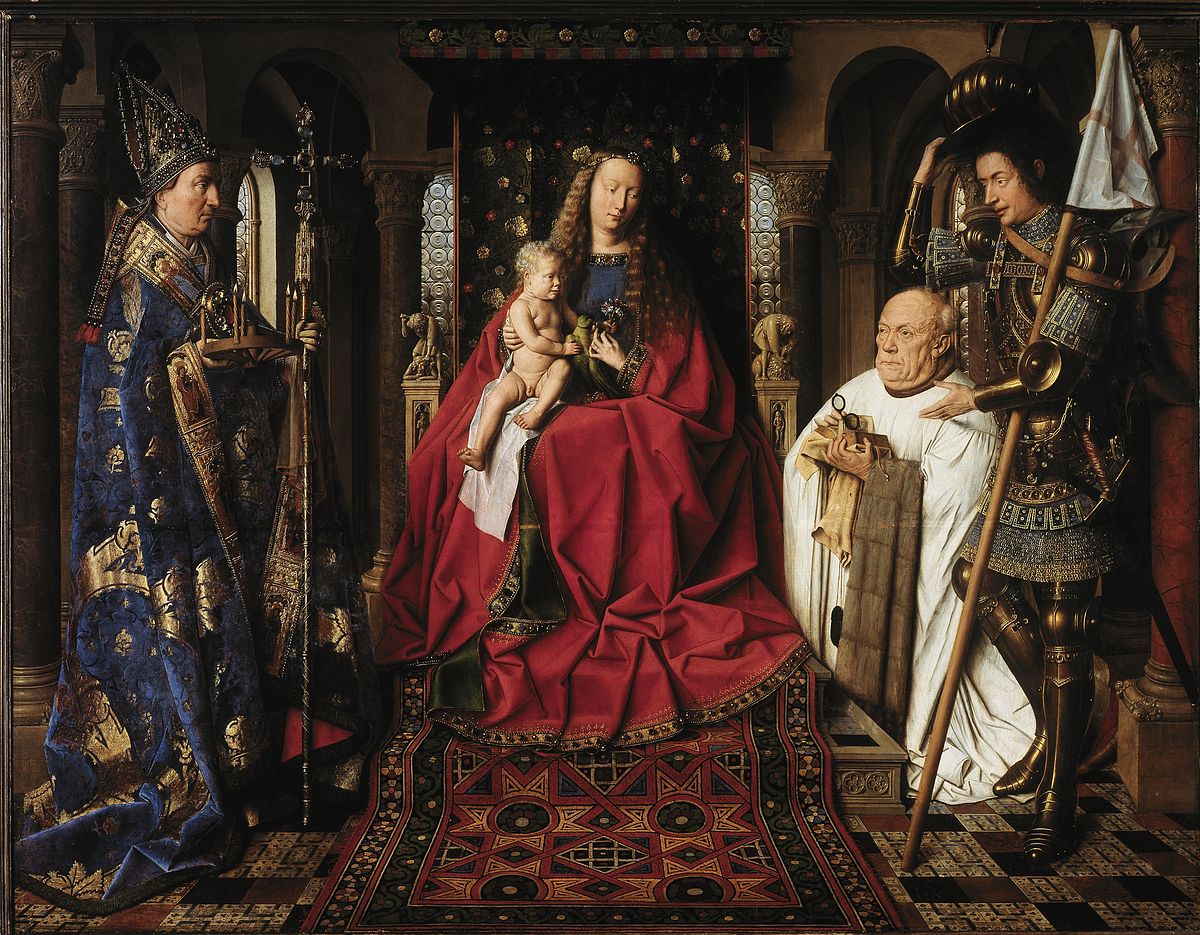
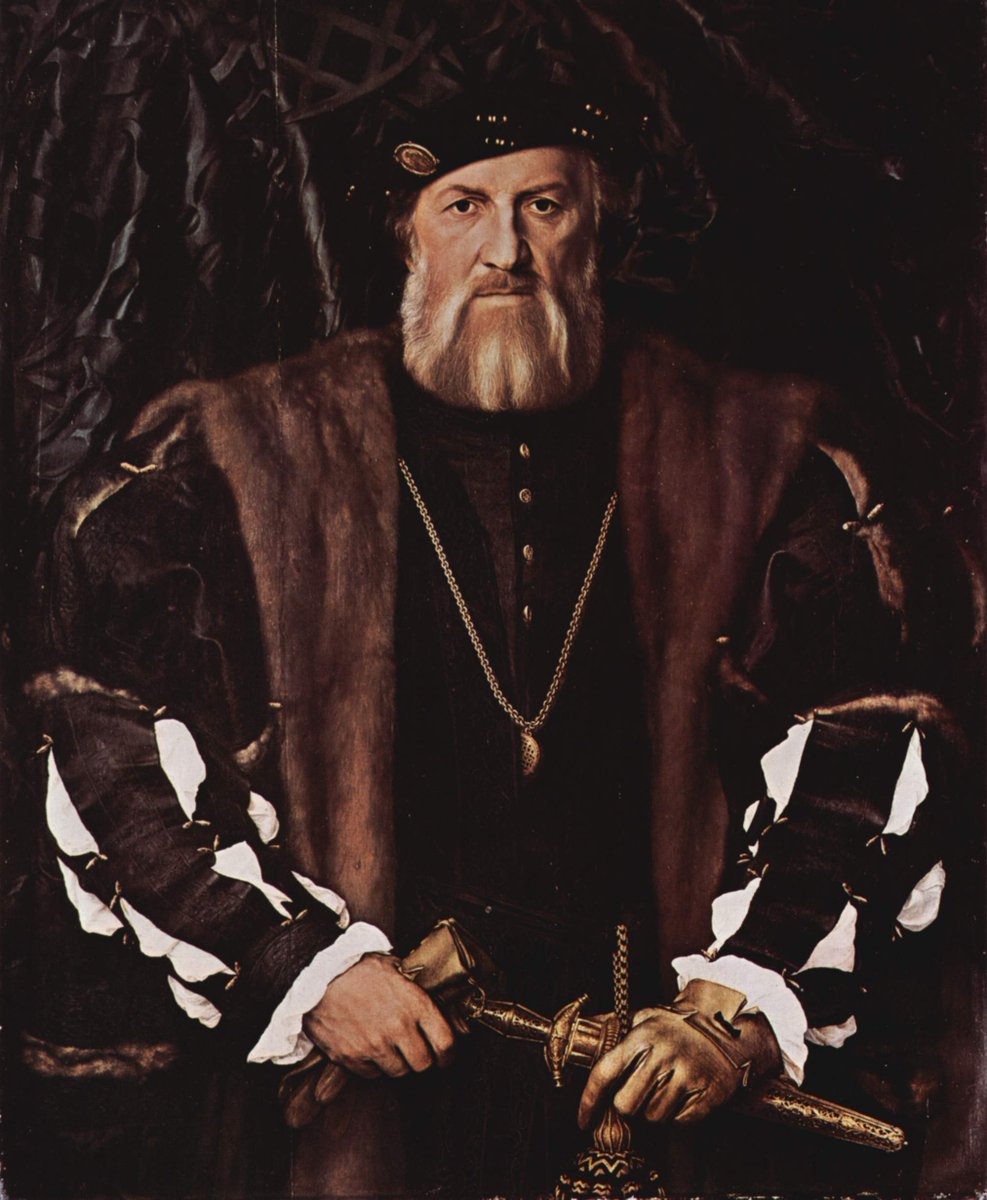
This Northern trend is clear in the work of Holbein, who littered his paintings with extraordinarily realistic details.
He seemed to delight in portraying the sumptuous textures of fine cloth or fur, of pearls and gold, of the sheen of metal or the grain of wood.
He seemed to delight in portraying the sumptuous textures of fine cloth or fur, of pearls and gold, of the sheen of metal or the grain of wood.

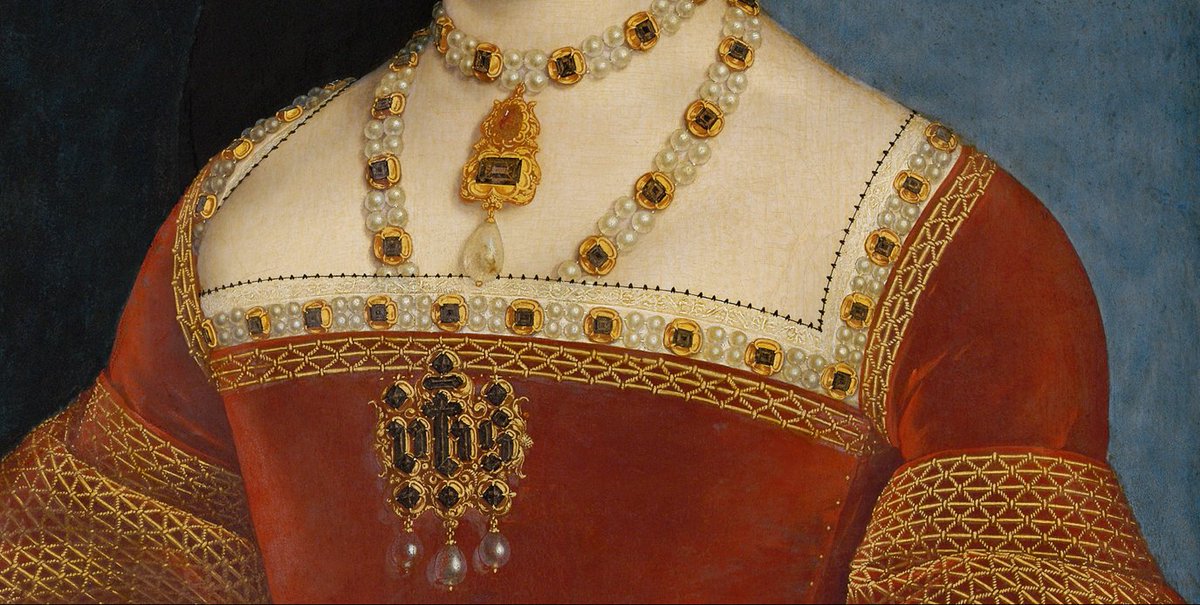

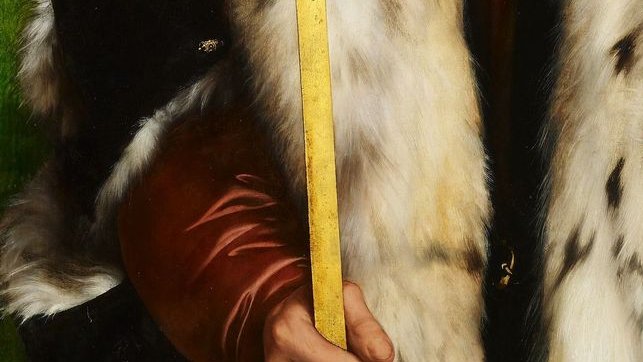
But Holbein didn't just luxuriate in texture — he used it to imbue meaning.
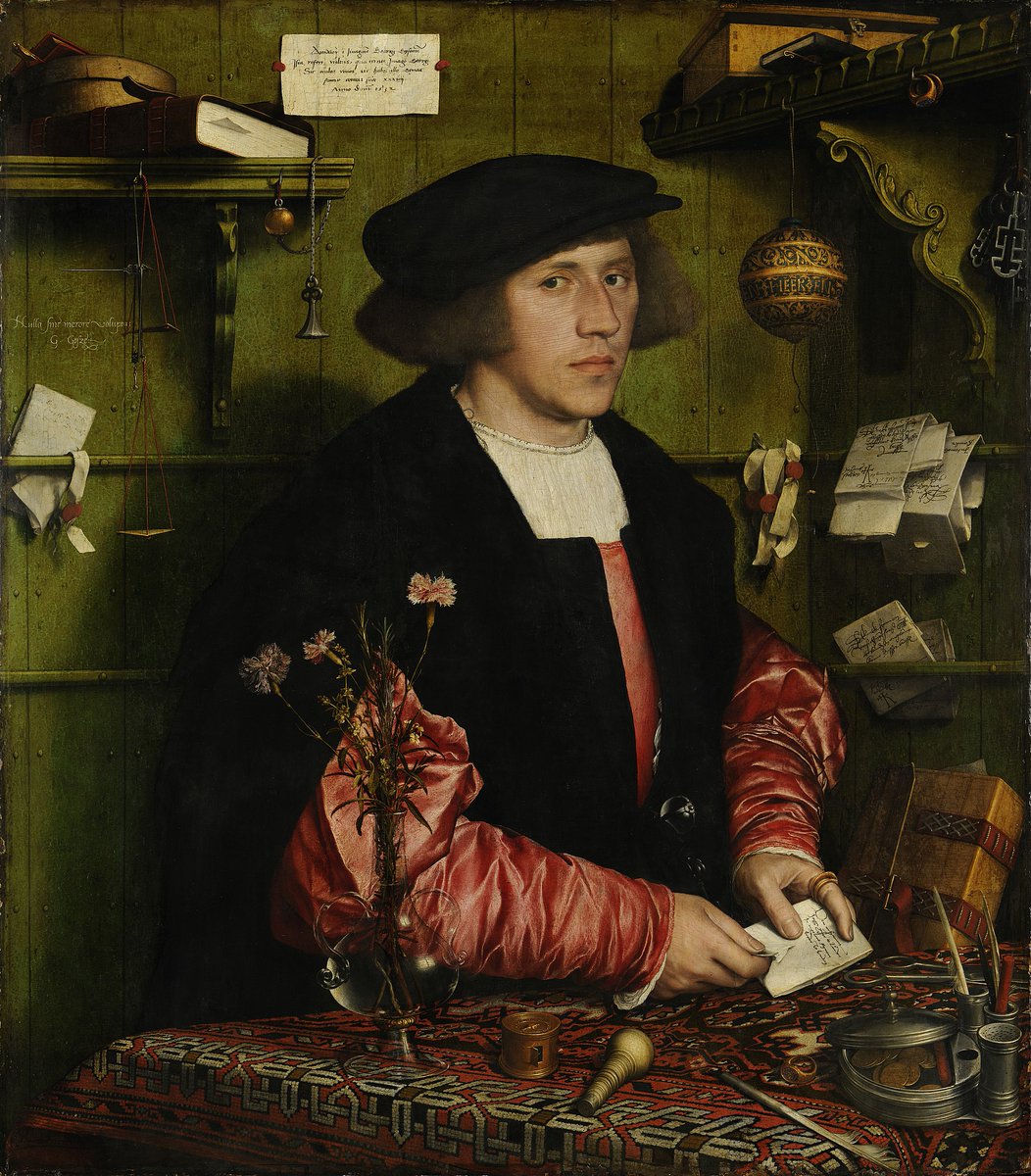
In his 1532 portrait of the merchant Georg Giese, Holbein fills the scene with objects symbolising everything from wealth to plague, marriage to trade, and the transience of life to family.
In his 1532 portrait of the merchant Georg Giese, Holbein fills the scene with objects symbolising everything from wealth to plague, marriage to trade, and the transience of life to family.
There was also exchange between the North and Italy.
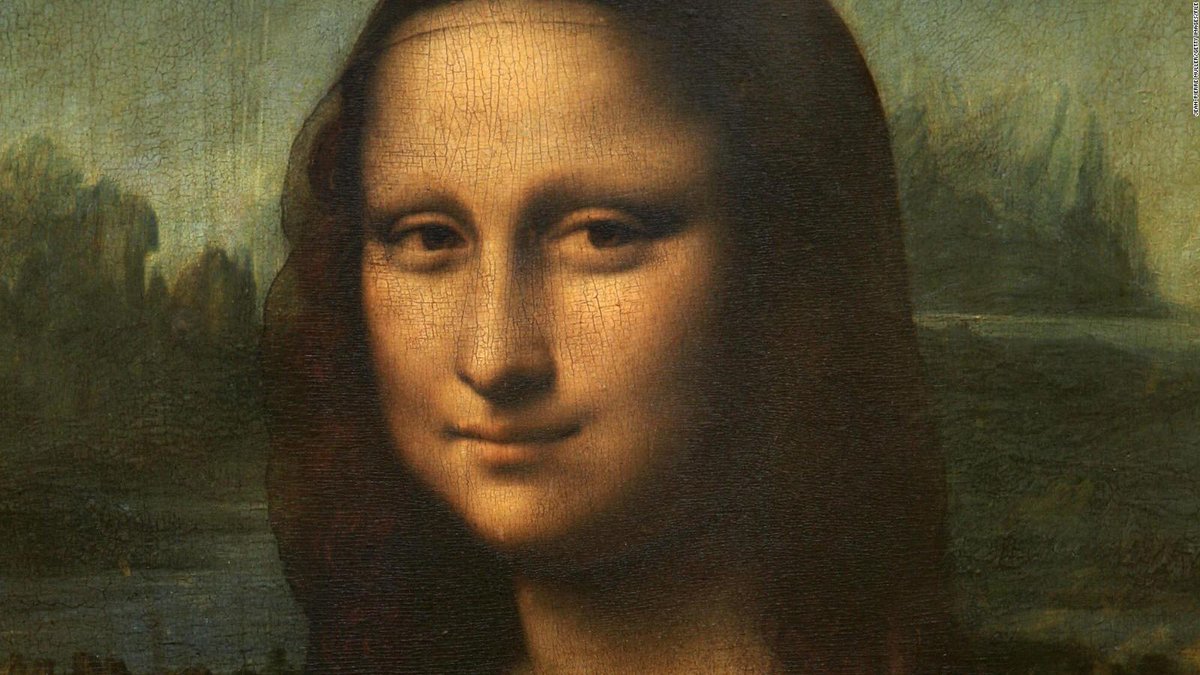
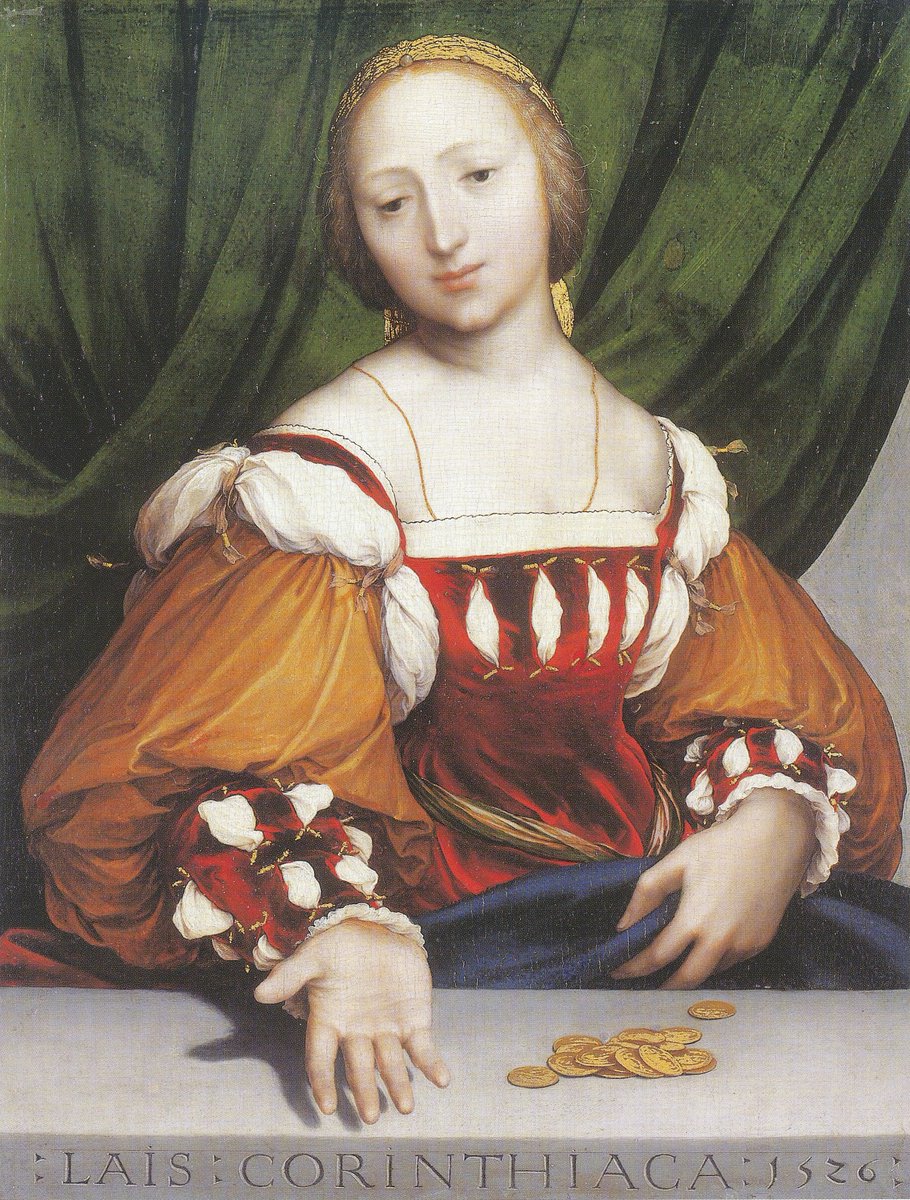
Holbein evidently learned about "sfumato", a technique invented by Leonardo where colours and outlines are blurred together to create more realistic, livelier, softer, and engaging expressions.
Holbein evidently learned about "sfumato", a technique invented by Leonardo where colours and outlines are blurred together to create more realistic, livelier, softer, and engaging expressions.
Hence Holbein's portraits lack the "stiffness" of previous Northern art, even that of masters like Van Eyck.
Holbein's faces are deeply and astonishingly alive — it was this, combined with his rich, symbolic, and technically supreme detailing, that set him apart as a genius.
Holbein's faces are deeply and astonishingly alive — it was this, combined with his rich, symbolic, and technically supreme detailing, that set him apart as a genius.
All of which brings us to The Ambassadors, painted in 1533, depicting two French diplomats.
It is a typical and typically wonderful Holbein portrait, replete with gorgeously realised objects — the symbolism of which isn't always clear — and two faces with strong personalities.
It is a typical and typically wonderful Holbein portrait, replete with gorgeously realised objects — the symbolism of which isn't always clear — and two faces with strong personalities.
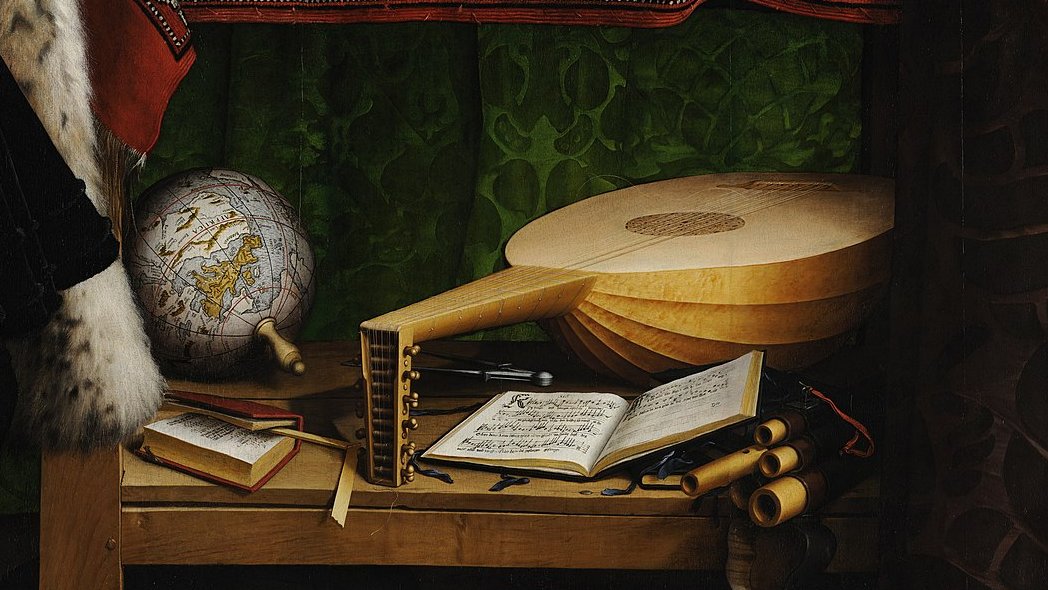
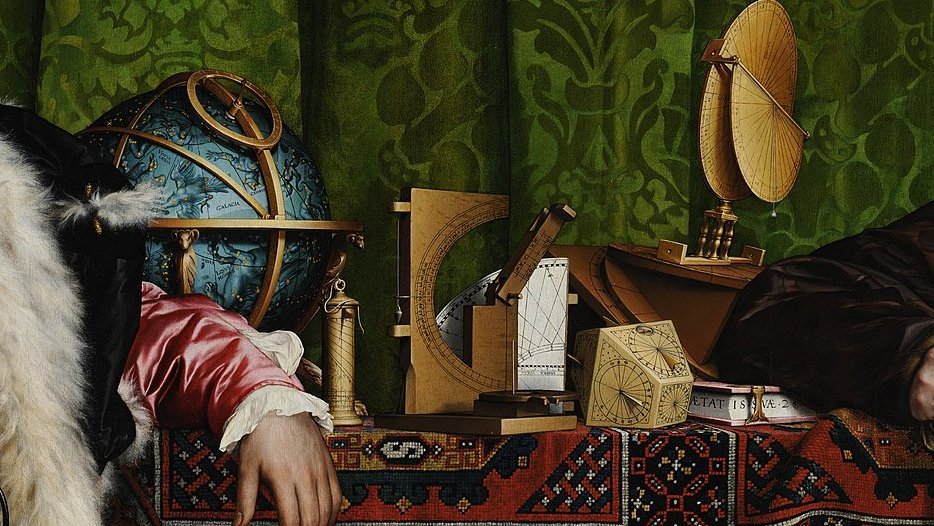
And that strange skull? Well, nobody really knows.
It's an example of "anamorphosis" — whereby an object is painted with warped proportions so that it appears distorted until it is viewed from a specific angle, at which point it suddenly looks normal.
It's an example of "anamorphosis" — whereby an object is painted with warped proportions so that it appears distorted until it is viewed from a specific angle, at which point it suddenly looks normal.
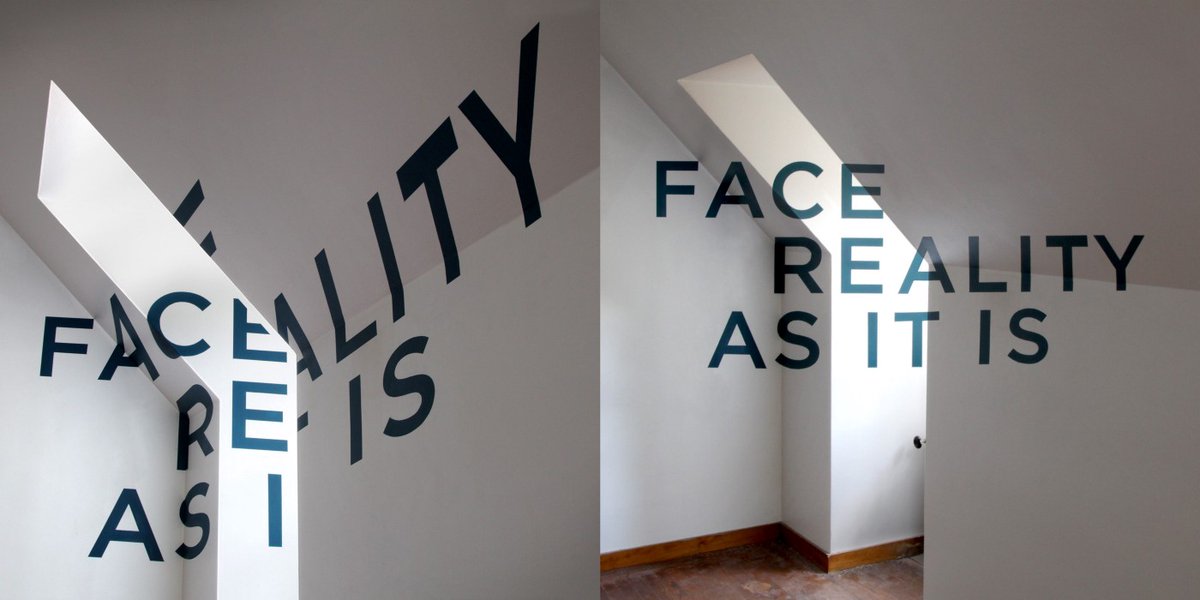
It may be a "memento mori", a time-honoured tradition of placing skulls (or hour-glasses) in art as a reminder of life's brevity.
We can imagine symbol-loving Holbein doing that. But it doesn't explain why the skull isn't a part of the scene, why it's just... there.
We can imagine symbol-loving Holbein doing that. But it doesn't explain why the skull isn't a part of the scene, why it's just... there.
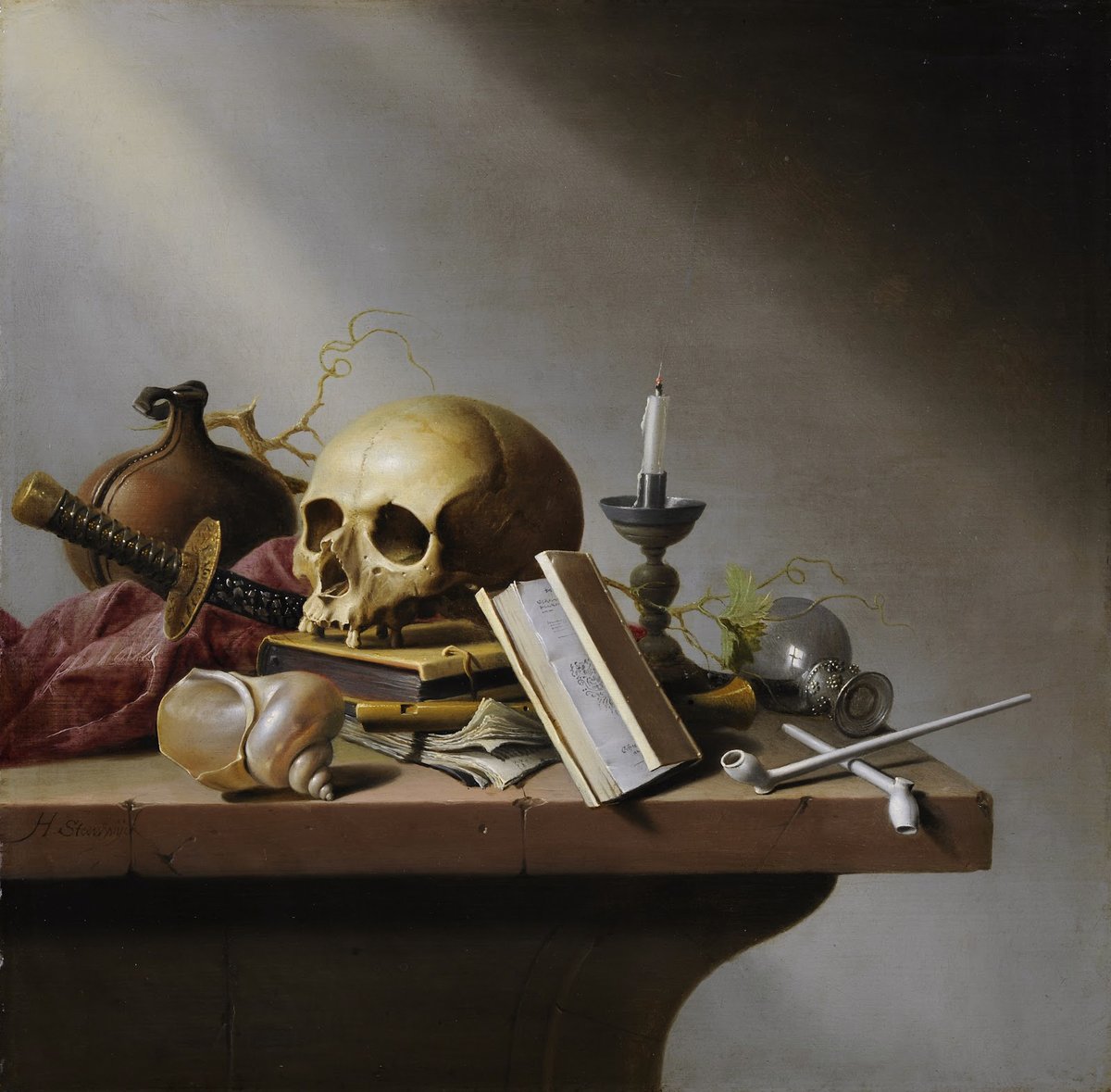
Perhaps Holbein wanted to make the memento mori more powerful.
The skull in The Ambassadors *literally* changes your view, forcing you to properly think about its strange and intrusive presence — no less strange or intrusive than death itself.
The skull in The Ambassadors *literally* changes your view, forcing you to properly think about its strange and intrusive presence — no less strange or intrusive than death itself.
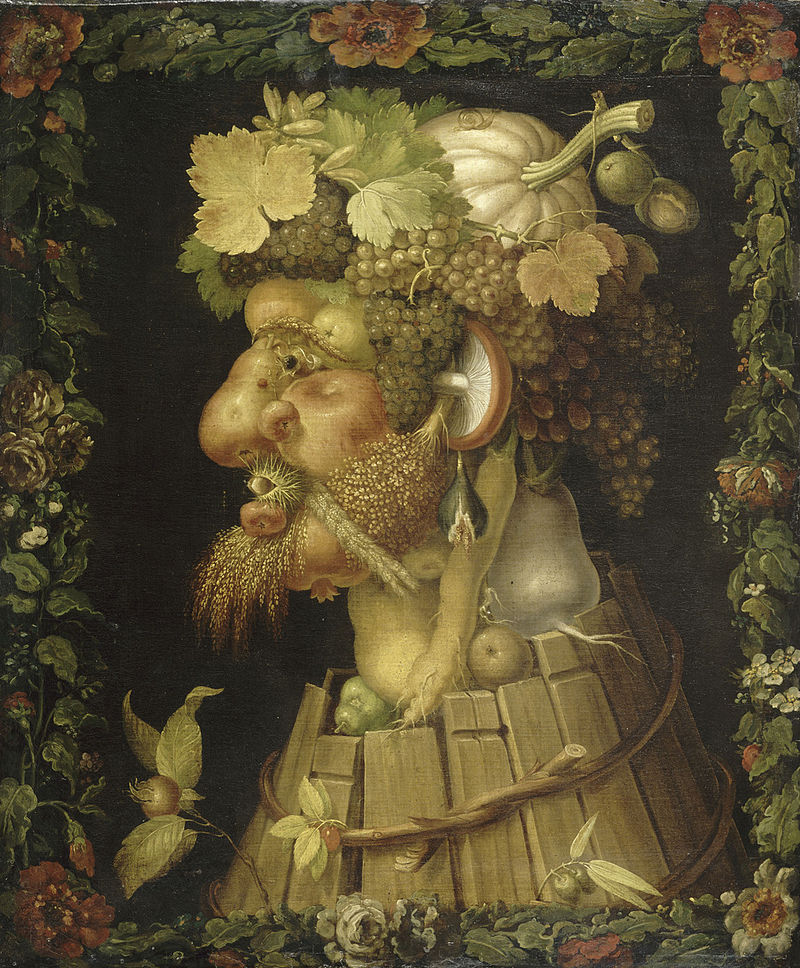
Perhaps it was a gimmick, similar to the courtly entertainment provided by the wacky paintings of Giuseppe Arcimboldo in Italy.
Holbein's work would surely have caused both laughter and shock when viewers, observing the painting from an angle, saw a skull materalise.
Holbein's work would surely have caused both laughter and shock when viewers, observing the painting from an angle, saw a skull materalise.
In truth we will never know for sure.
But whether Holbein was just playing around, making a philosophical point, or experimenting, he certainly succeeded in creating something special.
Few "moments" in art are as jarring and memorable as the warped skull of the Ambassadors.
But whether Holbein was just playing around, making a philosophical point, or experimenting, he certainly succeeded in creating something special.
Few "moments" in art are as jarring and memorable as the warped skull of the Ambassadors.
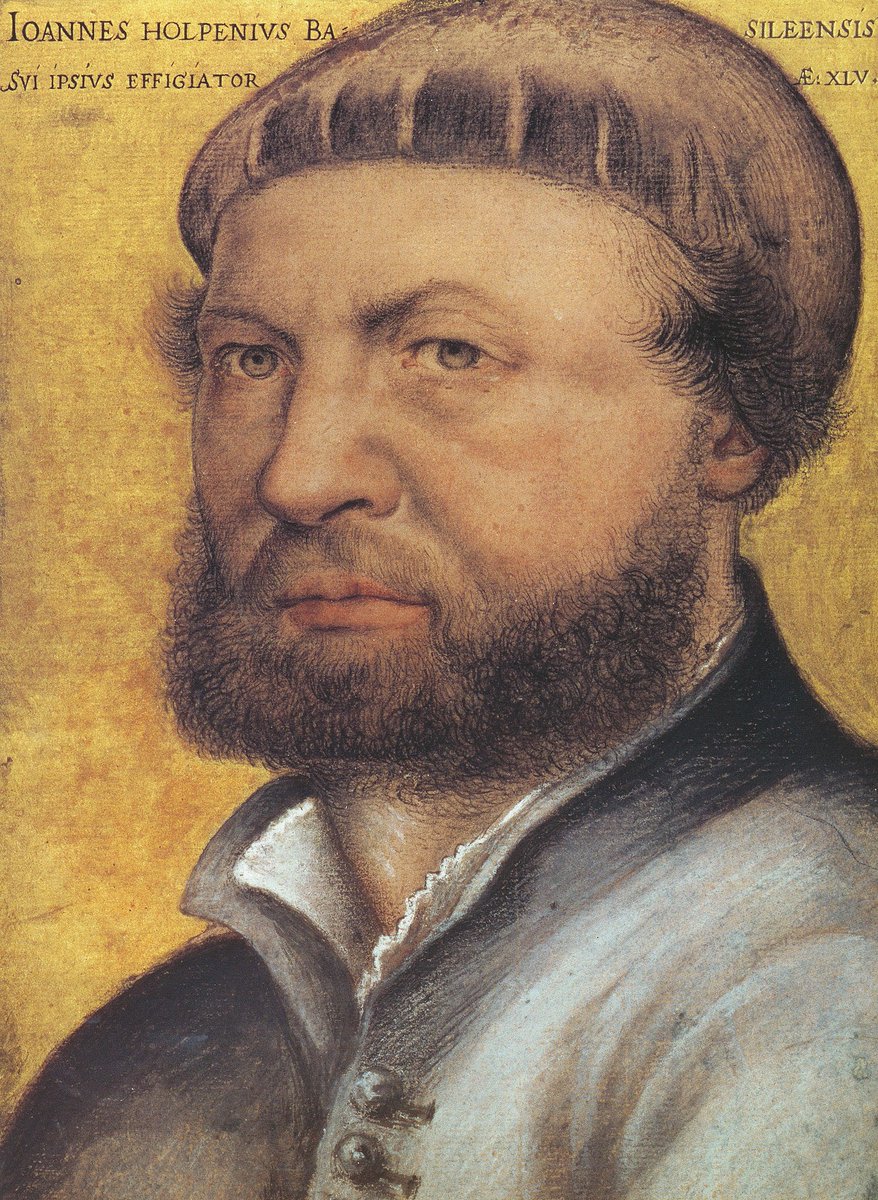
And here is Hans Holbein the Younger himself, one of the greatest of the many great Northern painters.
A master of realism, of exquisite texture, of detailed symbolism, of human expression and personality — he was a genius of portraiture.
And, perhaps, a master of mystery too.
A master of realism, of exquisite texture, of detailed symbolism, of human expression and personality — he was a genius of portraiture.
And, perhaps, a master of mystery too.
Loading suggestions...