

I just read about a phenomenon I can't stop thinking about…
The Cobra Effect:
The Cobra Effect:

"The road to hell is paved with good intentions."
This is the essence of the Cobra Effect.
It shows how intended actions lead to unintended 2nd and 3rd-order consequences.
This is the essence of the Cobra Effect.
It shows how intended actions lead to unintended 2nd and 3rd-order consequences.

In the late 19th century, the British government learned that lesson firsthand.
Let me explain:
The Cobra Effect originates from British colonial rule in India.
Let me explain:
The Cobra Effect originates from British colonial rule in India.
For close to 100 years, their rule was marked by a desire to control and manage.
But this desire often came with little understanding of the local nuances.
But this desire often came with little understanding of the local nuances.

With the rising number of venomous cobras, the British government created an incentive.
It offered a bountiful reward for every dead cobra brought to the authorities.
Hand in cobra skins; receive cash.
Elegant solution, right?
It offered a bountiful reward for every dead cobra brought to the authorities.
Hand in cobra skins; receive cash.
Elegant solution, right?
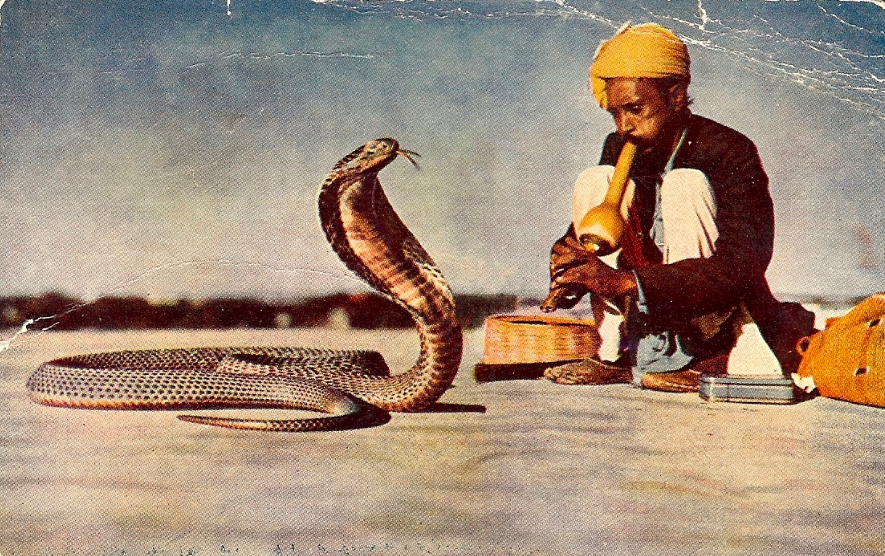
But that didn't work exactly as planned...
Instead of capturing feral cobras, people started breeding them for the reward.
An easy way to make money in an environment of scarcity.
The incentive poured unintentional fuel onto the fire.
Instead of capturing feral cobras, people started breeding them for the reward.
An easy way to make money in an environment of scarcity.
The incentive poured unintentional fuel onto the fire.
“Never, ever, think about something else when you should be thinking about the power of incentives.”
Charlie Munger knew of few forces more powerful than incentives.
The British government ignored them at their peril.
Charlie Munger knew of few forces more powerful than incentives.
The British government ignored them at their peril.

And it didn't take long for the government to hastily react.
• They scrapped the reward
• Breeders released their snakes
• The cobra population increased
• They scrapped the reward
• Breeders released their snakes
• The cobra population increased

Instead of solving the problem, they made it 10x worse.
You might call it chaos.
I call it a valuable lesson.
The British government lacked foresight.
You might call it chaos.
I call it a valuable lesson.
The British government lacked foresight.
The government didn't consider the downstream ramifications of its actions.
It’s the law of unintended consequences. And in the world of consequences, intentions often don’t matter.
Outcomes do.
It’s the law of unintended consequences. And in the world of consequences, intentions often don’t matter.
Outcomes do.
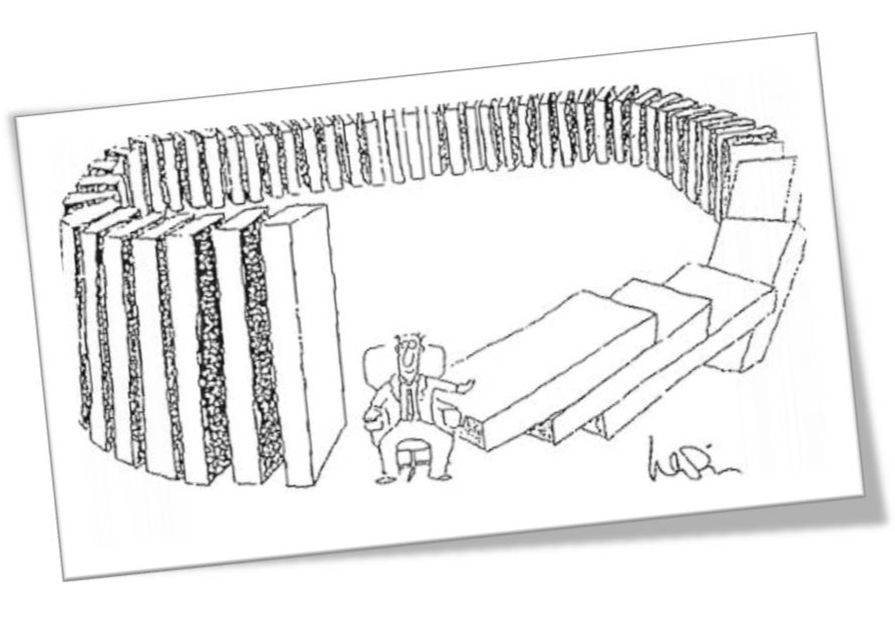
The government’s downfalls included:
• Failed monitoring
• Underestimating the power of incentives
• Scrapping the reward rather than adjusting it
• Failed monitoring
• Underestimating the power of incentives
• Scrapping the reward rather than adjusting it
So, how can we learn from this?
The Cobra Effect is a reminder to:
• Use critical thinking
• Anticipate the adverse effects of your actions
• Think through contingency plans when things go south
The Cobra Effect is a reminder to:
• Use critical thinking
• Anticipate the adverse effects of your actions
• Think through contingency plans when things go south
This goes for:
• Business
• Relationships
• Life in general
Those who consider consequences and think clearly not only survive.
They thrive.
• Business
• Relationships
• Life in general
Those who consider consequences and think clearly not only survive.
They thrive.

In hiring, one must think beyond just filling a position.
You need to look at the long-term impact on team dynamics.
The incentives you place directly shape the outcomes you get.
You need to look at the long-term impact on team dynamics.
The incentives you place directly shape the outcomes you get.
Offering bonuses? Make sure they drive the right behaviors, not just short-term gains.
I've seen the negative consequences of incentive schemes that aren’t well thought through.
Create stupid incentives; receive stupid rewards.
I've seen the negative consequences of incentive schemes that aren’t well thought through.
Create stupid incentives; receive stupid rewards.

In relationships, the Cobra Effect teaches us to consider the ripple effects of our actions.
A well-intentioned lie to spare feelings can erode trust over time.
A well-intentioned lie to spare feelings can erode trust over time.
Let's not underestimate the impacts of our decisions.
We need to practice foresight and anticipate not just the 1st but the 2nd and 3rd-order consequences.
That's how we can cultivate a life that's not just reactive, but proactive.
We need to practice foresight and anticipate not just the 1st but the 2nd and 3rd-order consequences.
That's how we can cultivate a life that's not just reactive, but proactive.
Remember, the road to hell isn't just paved with good intentions.
It's lined with the lessons of history.
Let's learn from them and weave wisdom into the fabric of our daily lives.
It's lined with the lessons of history.
Let's learn from them and weave wisdom into the fabric of our daily lives.
Loading suggestions...