

Expected goals has become the most powerful and widely used metric football
With the growth in popularity, there’s plenty of criticism about the metric and its application, which can often cause confusion.
Let's look at a couple of these misinterpretations
With the growth in popularity, there’s plenty of criticism about the metric and its application, which can often cause confusion.
Let's look at a couple of these misinterpretations
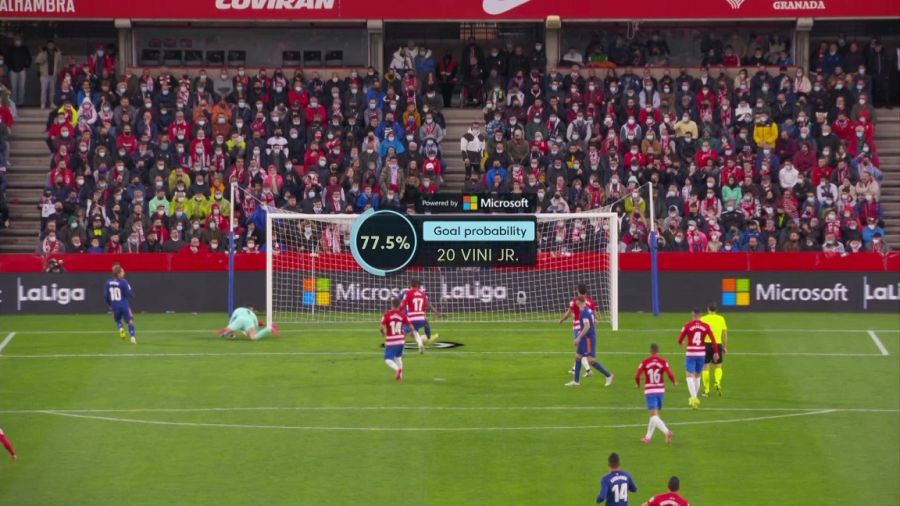
Expected goals is often misinterpreted on a match-level basis
Since the metric only measures the quality of chances, we really can’t say who deserved to win a match based on whether they had higher xG
Since the metric only measures the quality of chances, we really can’t say who deserved to win a match based on whether they had higher xG
There is also plenty of variance in football
Since goals are a binary of 0 and 1 we will almost always have an under or over performance of goals compared to the xG value when summed up over any period of time.
Since goals are a binary of 0 and 1 we will almost always have an under or over performance of goals compared to the xG value when summed up over any period of time.
If a player has an xG of 10.5 over a season, we aren’t saying they will have exactly 10.5 goals
Rather it means that over a large amount of simulations we would expect the number of goals each time to be around there
Rather it means that over a large amount of simulations we would expect the number of goals each time to be around there
Variance explains why Messi and Lewandowski can both have an xG of 10.5 but Messi scores 16 goals and Lewandowski only scores 8
Expected goals is only going to be more widely used so using the metric properly is key if you want to do football analytics at a high level
Loading suggestions...