

Sharing a thread made by @GaudYuboShakti on Canon Technology of Bengal
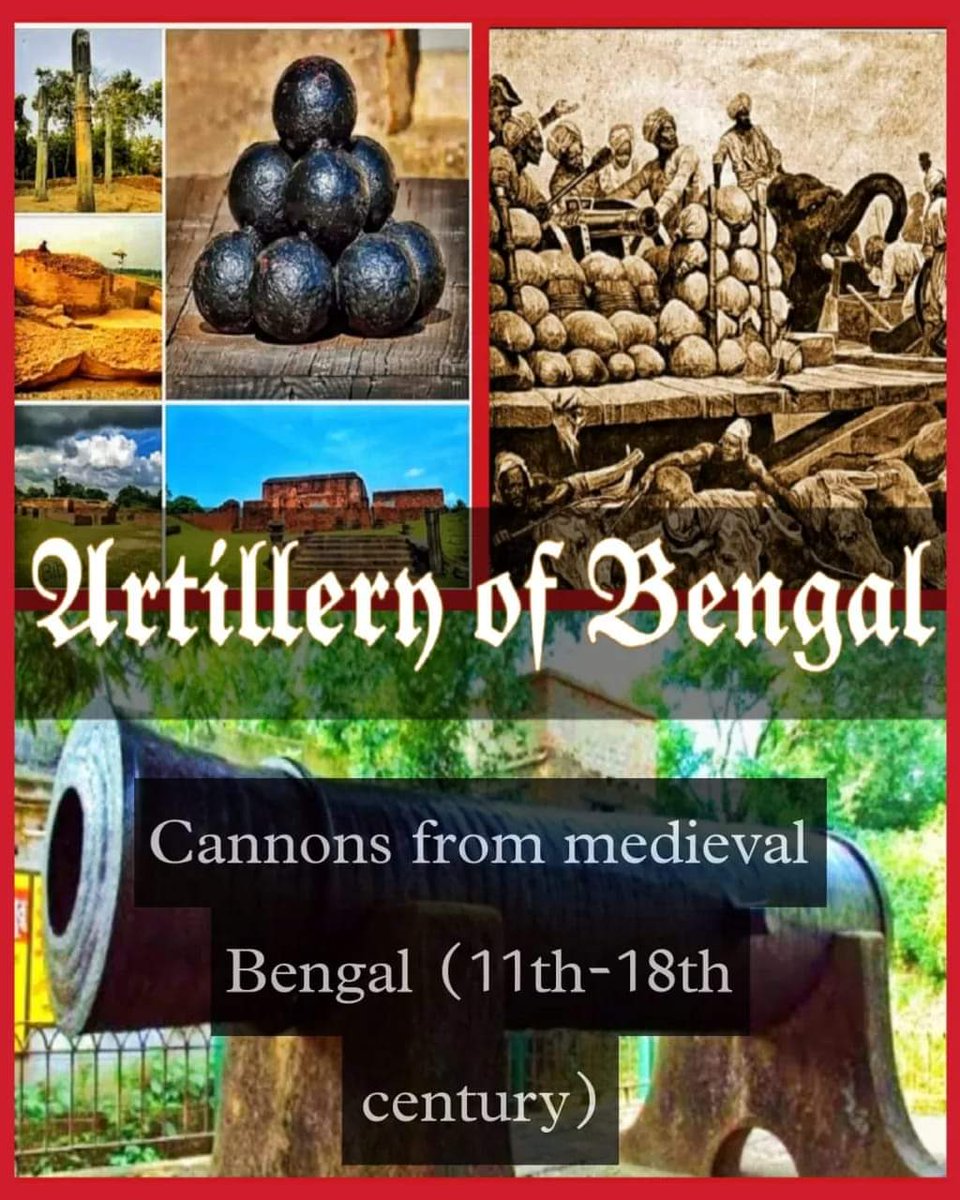
11th Century (Pala Empire)
The prominent city of Gauda called Bangarh or Devikot was built more than 1500 years ago centering on the two Dinajpur of West Bengal and Naogaon of Bangladesh. It is associated with memories from the Mahabharata era to the Pala-Sena period.
The prominent city of Gauda called Bangarh or Devikot was built more than 1500 years ago centering on the two Dinajpur of West Bengal and Naogaon of Bangladesh. It is associated with memories from the Mahabharata era to the Pala-Sena period.
The Military Strategy of this ancient Gauda was discussed in the year 2000. The holy river Punarbhava of Purana has passed by Bangarh. Local children suddenly discover some black spherical objects from the banks of this river.
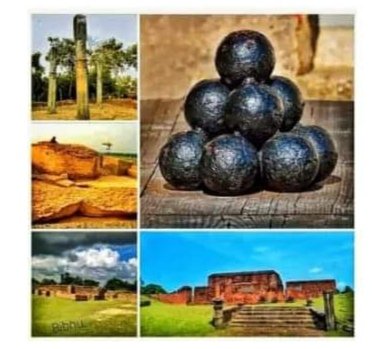
Achintyakrishna Goswami Mahashay, a Historian, was a Professor at Balurghat College at that time. He bought some of those spherical objects and kept them in the Museum for research.
Later, when the spherical objects were broken down, the combustible material came out. Although believed to be in small numbers, they were used as military weapons in the Pala-Sena period which is an example of one of the aspects of use of artillery in the history of Bengal .
Throughout the historical novels of Sharadindu Bandyopadhyay,we find references to an ammunition called "Agnikanduka" brought by the Tibetan monk Vinayadhara in a Buddhist monastery of Gauda during the reign of Pala Emperor Nayapala.Which may have some connection with this event.
However, after the death of Professor Achintyakrishna Goswami, the mystery of this ancient ammunition was suppressed. And the ammunition of Bangarh remains a mystery.
If this subject researched again in the future, then the application of combustible material in the war strategy of Gaur will undoubtedly give a new dimension.
12th Century
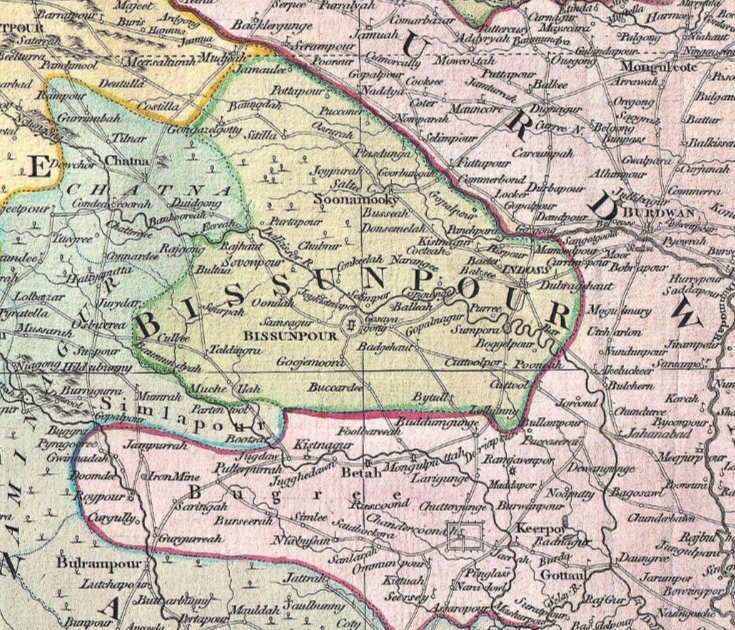
At the very end of 12th century, Maharaja Ram Malla (1185-1209 CE) first introduced firearms in Mallabhum military to resist the upcoming Turkic invasion. He was a valiant, mighty king and built many forts for the purpose of making Bishnupur a strong military base.
At the very end of 12th century, Maharaja Ram Malla (1185-1209 CE) first introduced firearms in Mallabhum military to resist the upcoming Turkic invasion. He was a valiant, mighty king and built many forts for the purpose of making Bishnupur a strong military base.
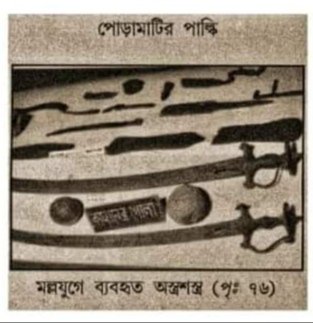
Make multiple weapons. In this time the Karmakāras of Mallabhum started working on cannon technology. He improved Bishnupur so much in fortifications, armaments and military strength that even his most powerful enemies seldom dared to attack his kingdom.
13th Century
The first ever cannons were used for battle in 1294 in the 'Battle of Khaniya'. Maharaj Dakshin Ray of the Bhati-Bangla kingdom literally destroyed the invaders of Delhi Sultanate with frontal cannon
The first ever cannons were used for battle in 1294 in the 'Battle of Khaniya'. Maharaj Dakshin Ray of the Bhati-Bangla kingdom literally destroyed the invaders of Delhi Sultanate with frontal cannon
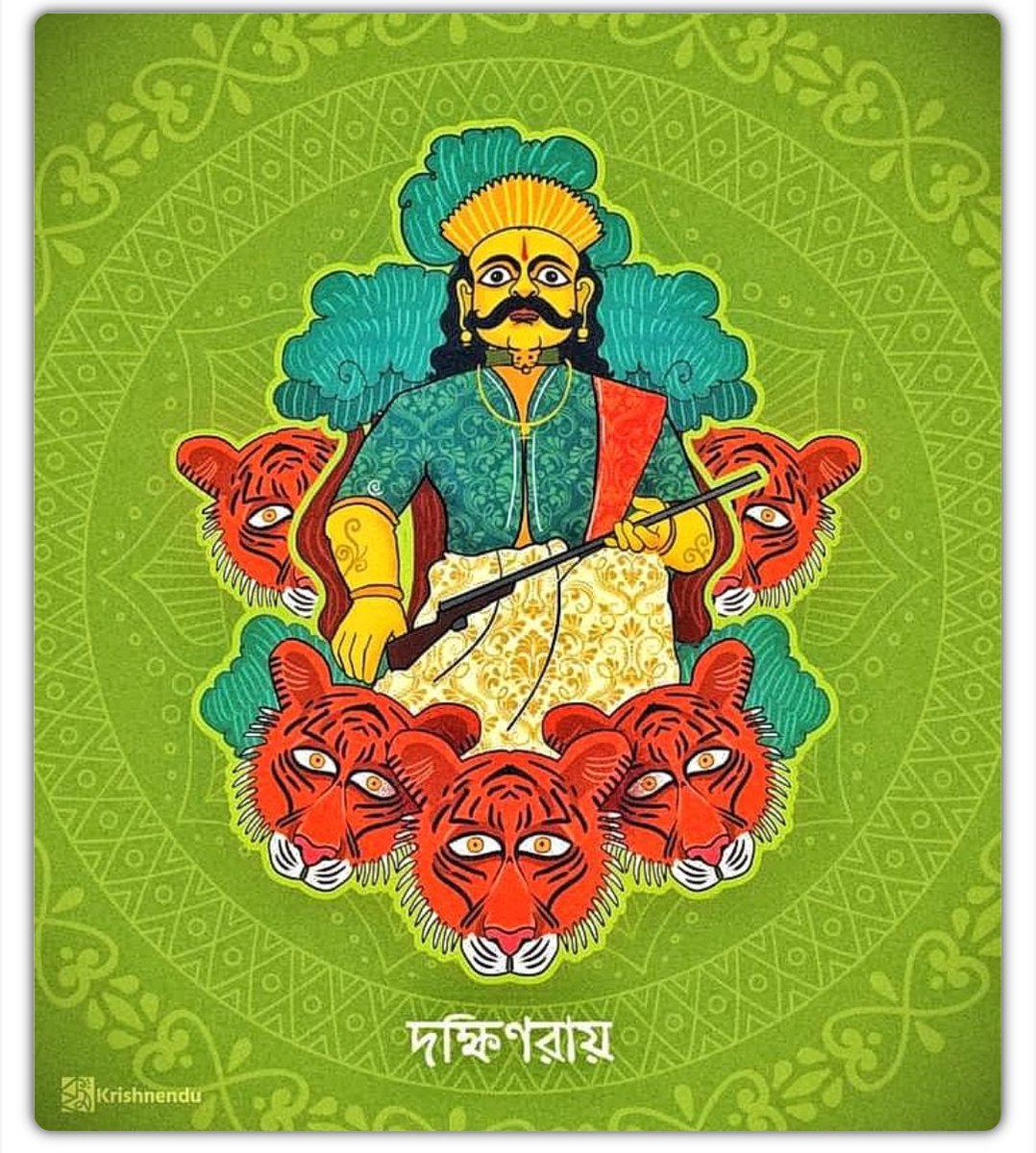
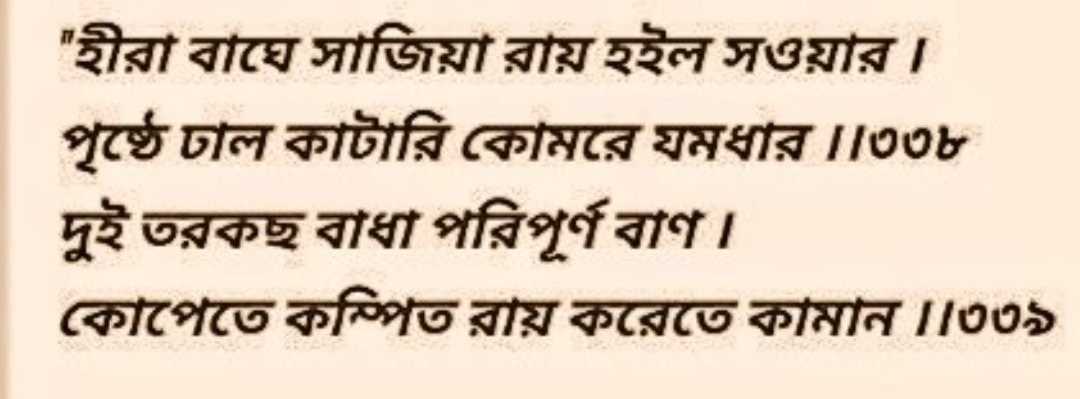
bombing. The lines of 'Rajamangala' is known to take -
"হীরা বাঘে সাজিয়া রায় হইল সওয়ার।
পৃষ্ঠে ঢাল কাটারি কোমরে যমধার।। ৩৩৮
দুই তরকছ বাধা পরিপূর্ণ বাণ।
কোপেতে কম্পিত রায় করেতে কামান ।।৩৩৯
(Ray Mangal)
"হীরা বাঘে সাজিয়া রায় হইল সওয়ার।
পৃষ্ঠে ঢাল কাটারি কোমরে যমধার।। ৩৩৮
দুই তরকছ বাধা পরিপূর্ণ বাণ।
কোপেতে কম্পিত রায় করেতে কামান ।।৩৩৯
(Ray Mangal)
★16 th Century
[1] In the 16th century, Cannons were used by the Bhurishrestha army to suppress the upcoming Afghan invasion. Panch-Gaudashwar Maharaj Rudranarayan, 8th Monarch of Bhurishrestha 1st introduced artillery in Bhurishrestha for protection of the northern front.
[1] In the 16th century, Cannons were used by the Bhurishrestha army to suppress the upcoming Afghan invasion. Panch-Gaudashwar Maharaj Rudranarayan, 8th Monarch of Bhurishrestha 1st introduced artillery in Bhurishrestha for protection of the northern front.
![★16 th Century
[1] In the 16th century, Cannons were used by the Bhurishrestha army to suppress the...](https://pbs.twimg.com/media/GGmdEZuagAANxhI.jpg)
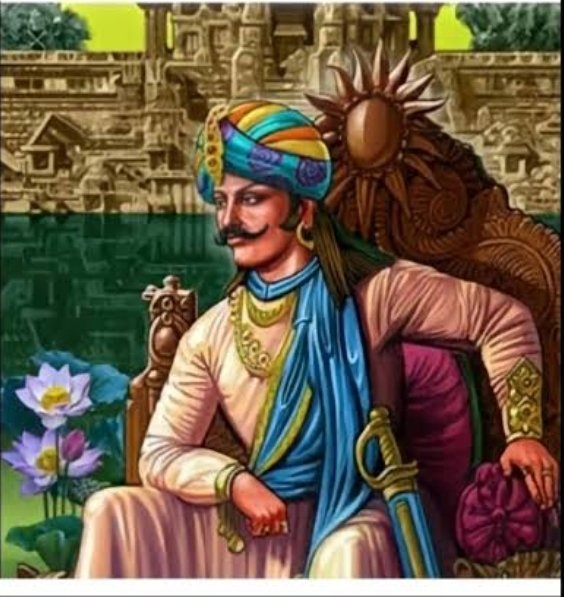
@Gandaberunda4 In the 'Battle of Tribeni' (1575 AD) the artillery of Bhurishrestha completely annihilated the Karrani Afghan forces in the banks of Bhagirathi. Owing to this victory Maharaja Rudranarayan wrested the control of Satga port & built a temple at Tribeni and a Ghaat at Gajagiri .
@Gandaberunda4 [2] Raibaghini Bhavashankari paid special attention to the military affairs of Bhurishrestha. She had an personal hand cannon named - "Rudrägniśhakti" (রুদ্রাগ্নিশক্তি/रुद्राग्निशक्ति) .
![@Gandaberunda4 [2] Raibaghini Bhavashankari paid special attention to the military affairs of Bhuris...](https://pbs.twimg.com/media/GGmesGDbsAAjXNY.jpg)
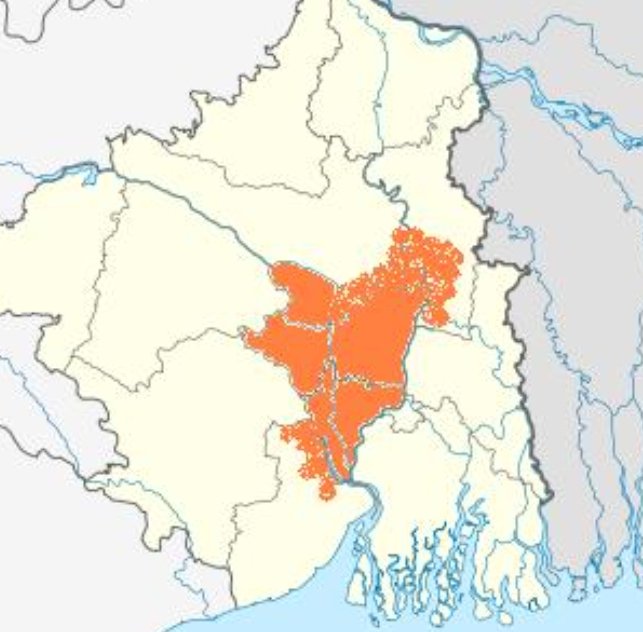
@Gandaberunda4 she used it against the Lohani Afghan invasion from the Odisha Sultanate( Capital Hijli-Balasore)in the Battle of Bhashuri.Leading the Hastibāhinī, she literally wiped out the Pathan invaders by shots of her hand cannon Rudragnishakti.

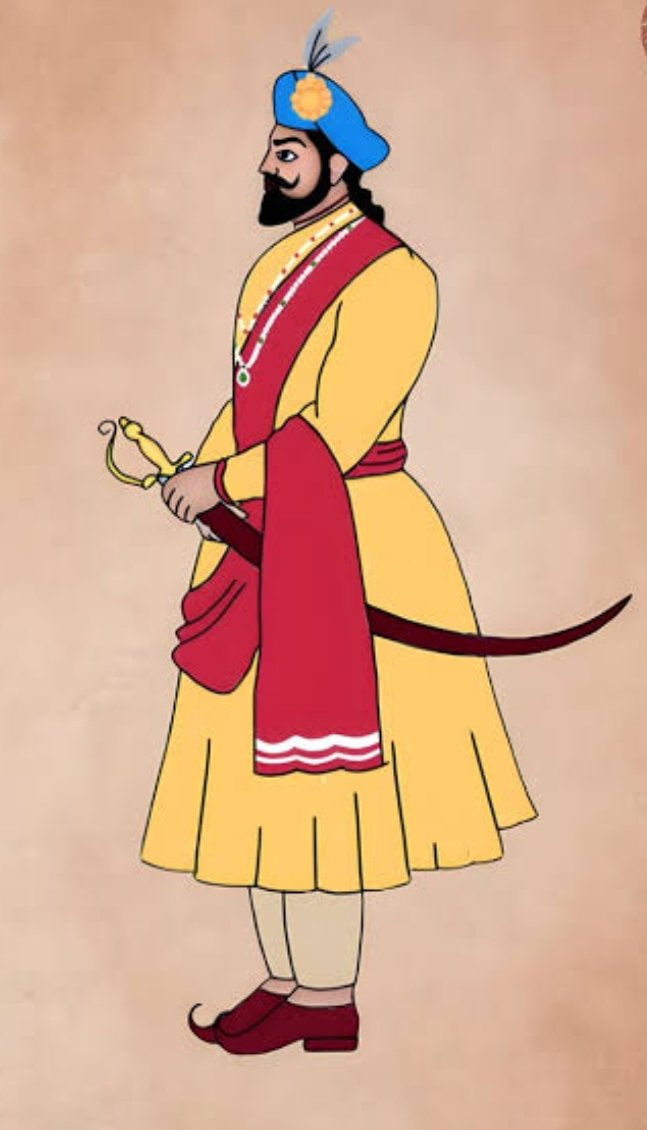
@Gandaberunda4 [3] Maharaja Dharimalla of Mallabhum carried out extensive military reforms in the kingdom. Thinking about the horrors of the Mughal invasion in upcoming days, he emphasized on the preparation of modern technology cannons, guns and various firearms.
![@Gandaberunda4 [3] Maharaja Dharimalla of Mallabhum carried out extensive military reforms in the ki...](https://pbs.twimg.com/media/GGmfrYgbUAANFGM.jpg)
@Gandaberunda4 His son Prince Bir Hambir Malla Deva defeated the Karrani Pathan forces of Dawood Khan Karrani with a barrage of artillery fire in the Battle of Mundamala Ghat (1575 AD).
Pic credit - Arghyadeep Sardar
Pic credit - Arghyadeep Sardar
@Gandaberunda4 16th-17th Century
The end of 16th and beginning of 17th century was the greatest period in the history of cannon warfare. Appeasing the Portuguese harmads of coastal region, the Kings recruited them into their own army who prominently led Artillery against Mughals.
The end of 16th and beginning of 17th century was the greatest period in the history of cannon warfare. Appeasing the Portuguese harmads of coastal region, the Kings recruited them into their own army who prominently led Artillery against Mughals.


@Gandaberunda4 Heavy artillery was particularly prevalent, but smaller and lighter artillery were more suitable for moving combat or sudden attack.Just as the Bengal Monarchy bought various types of Cannons from the Europeans,it also made many types of cannons with the help of Bengali artisans.
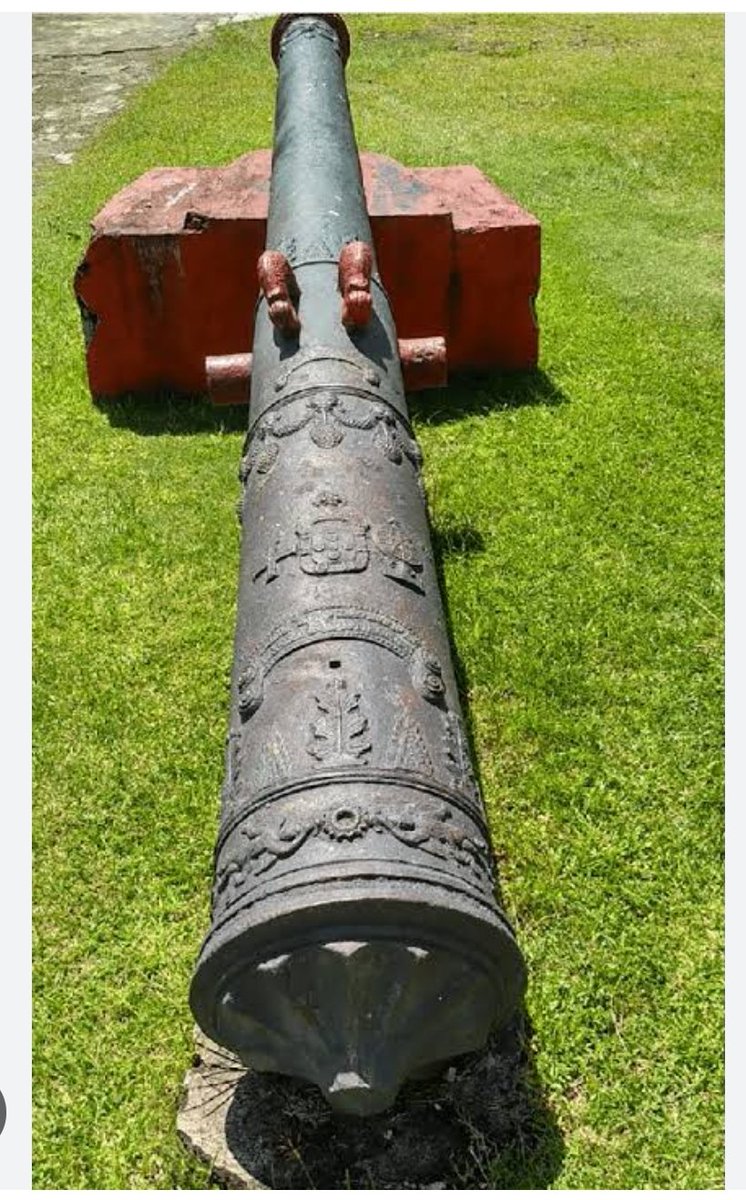
@Gandaberunda4 Just as iron cannons were made, so were large cannons made of brass. Seeing the variety of cannons and cannon balls used in Bengal, it seems that the Bengal Royalty, scientists and artisans used to think a lot about cannons.
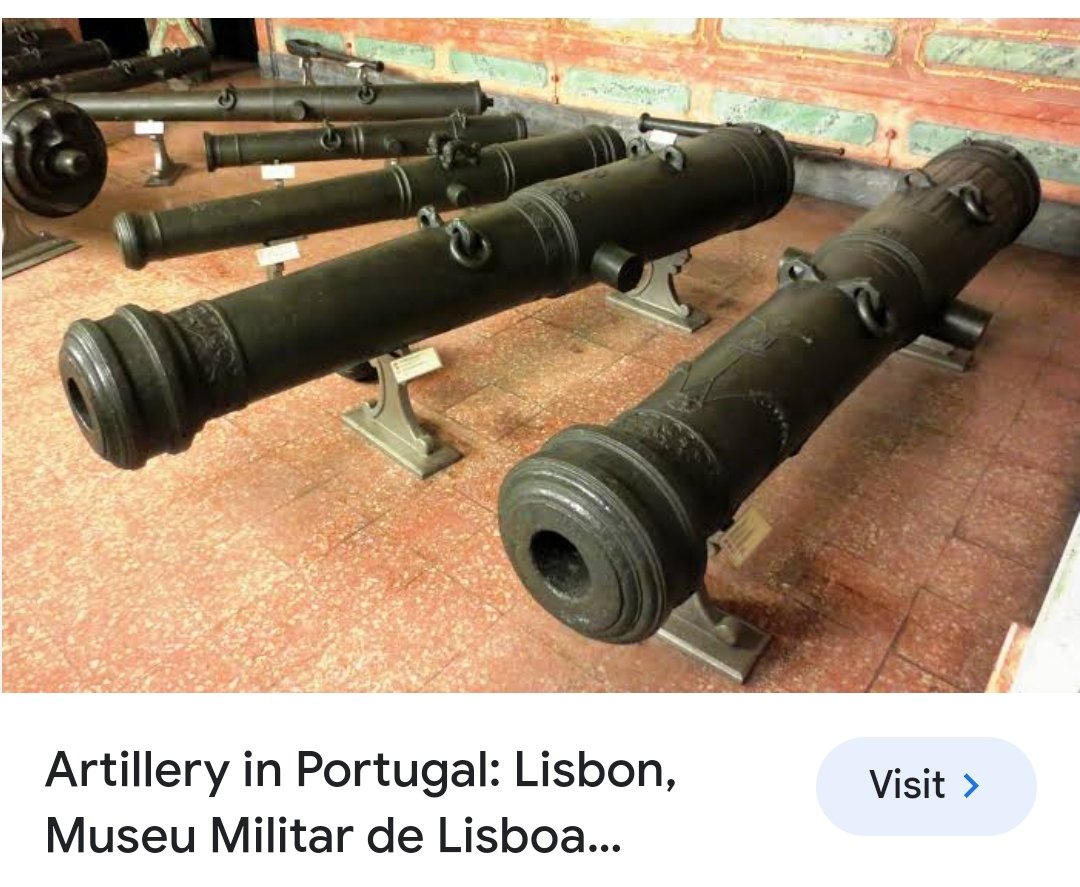
@Gandaberunda4 [1] Maharaja Pratapaditya of Jessore Empire recruited the Portuguese General Fransisco Rodda to led the artillery. He had a strong fort at Garh Mukundpur and built a factory for making cannons & cannon balls at a place called Kushali.
![@Gandaberunda4 [1] Maharaja Pratapaditya of Jessore Empire recruited the Portuguese General Fransis...](https://pbs.twimg.com/media/GGmi-tmawAAG4FY.jpg)
@Gandaberunda4 There are at least four types of cannon balls in Maharaja Pratapaditya's Jessore army used were: (1) full metal shell, (2) iron sheath prominent stone shells, (3) only stone shells, and (4) iron coated clay shells. Whole metal shells were usually made of iron.
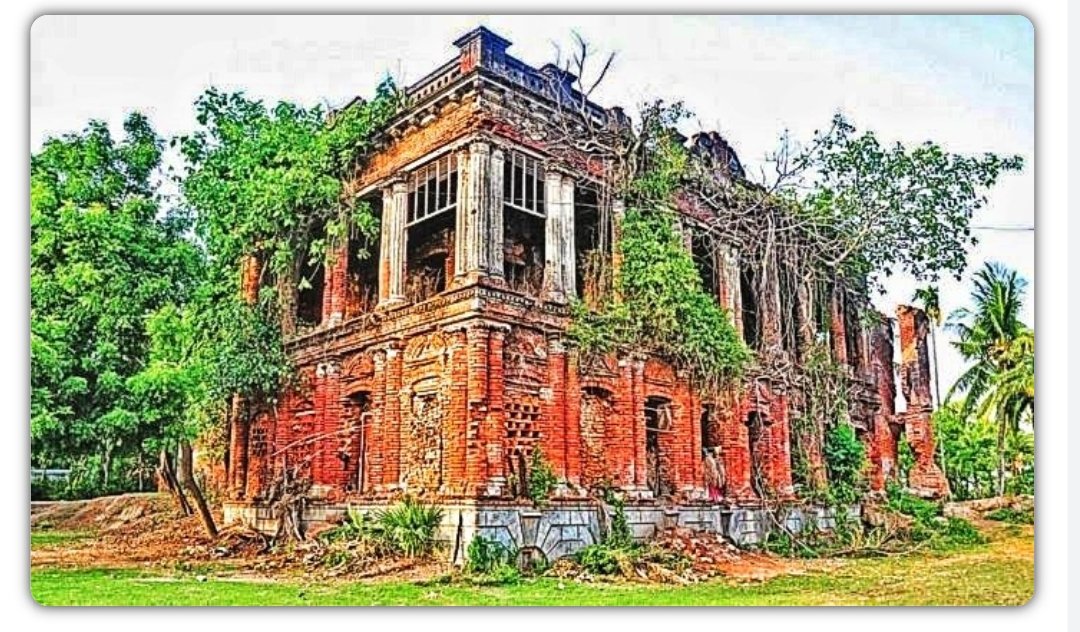
@Gandaberunda4 The situation never sometimes heavy metals are also used. Maharaja Pratapaditya was the first to use an iron-clad clay ball in artillery. This kind of bullets were made by burning earthen balls and bringing them in iron shells.
@Gandaberunda4 These bullets were relatively humble, making it easy to fire long distances. Again, because they are made of clay, the cost of making them is less and the lack of materials.
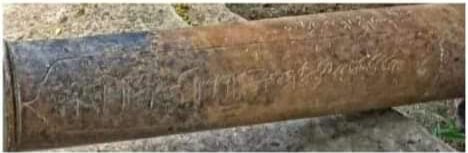
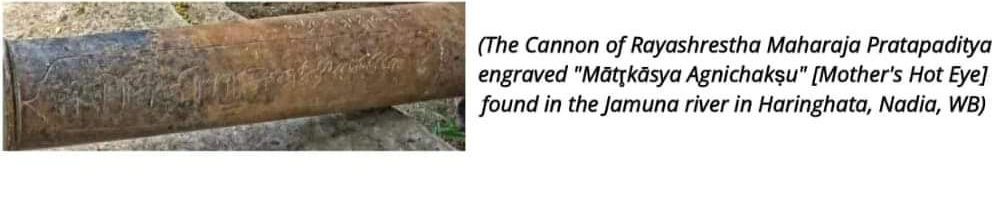
@Gandaberunda4 (Cannon of Raja Pratapaditya engraved چشم داغ مادر in farshi (Mother's Hot Eye) found in the Jamuna river in Haringhata, Nadia, WB)
@Gandaberunda4 [2] Maharaj Kedarnath Deva Ray of Bikrampur kingdom recruited the Portuguese General Domingo Carvalho as the governor of Sandwip island & to lead the artillery.
![@Gandaberunda4 [2] Maharaj Kedarnath Deva Ray of Bikrampur kingdom recruited the Portuguese General...](https://pbs.twimg.com/media/GGmlYgibgAAXHnq.jpg)
@Gandaberunda4 In the Battle of Sandwip (1602 AD), while the Bikrampur forces were slaying the Mughals, the Arakanese ruler Selim Shah (Ming Rahzgi) attacked from Arakan to capture Sandwip with a large fleet.
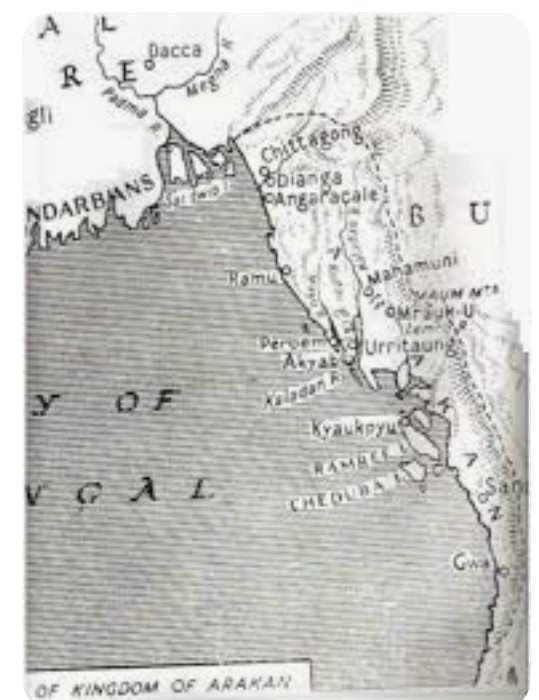
@Gandaberunda4 This time Maharaja Kedar Ray sent the mighty Banghāl Köşhā boats equipped with a number of 100 Cannons and guns. The Portuguese Commander D Carvalho had already taken control of Sandwip, acknowledging Maharaj Kedar's subordination.
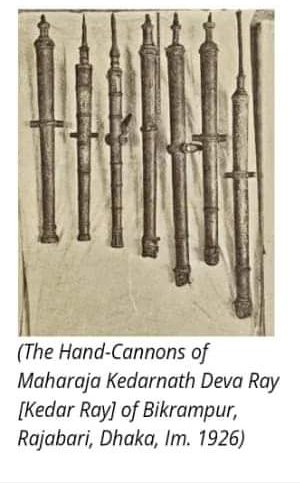
@Gandaberunda4 At this time there is a stock of Bikrampur army in Sandwip. It was the most devastating naval war in the entire medieval history of India. Arakan was defeated to Bikrampur in the war and absolute Bengal domination spread over the entire North of the Bangõpasāgara (Bay of Bengal)
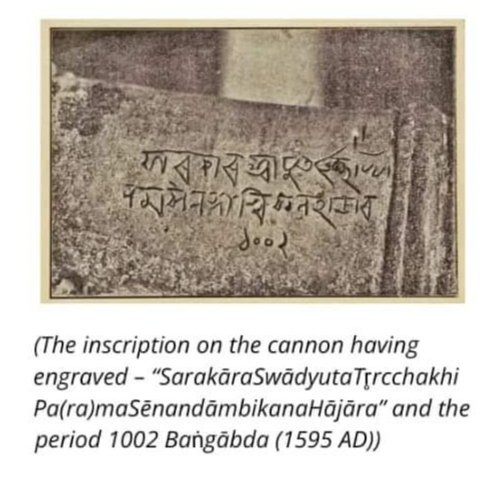

@Gandaberunda4 [3] Madhavpasha is the last capital of the Chandradwip kingdom. There is an ancient lake called Durgasagar, which was established by the mother of Raja Jayanarayana.
![@Gandaberunda4 [3] Madhavpasha is the last capital of the Chandradwip kingdom. There is an ancient l...](https://pbs.twimg.com/media/GGmoNHCbYAADQZO.jpg)
@Gandaberunda4 Maharaja Kandarpanarayan Basu Ray, the lord of Chandradwip, had in his army two types of forces, immovable-artillery and movable-artillery, with which he suppressed the Mughal and Firingi (Portuguese) pirates and established a sovereign kingdom .
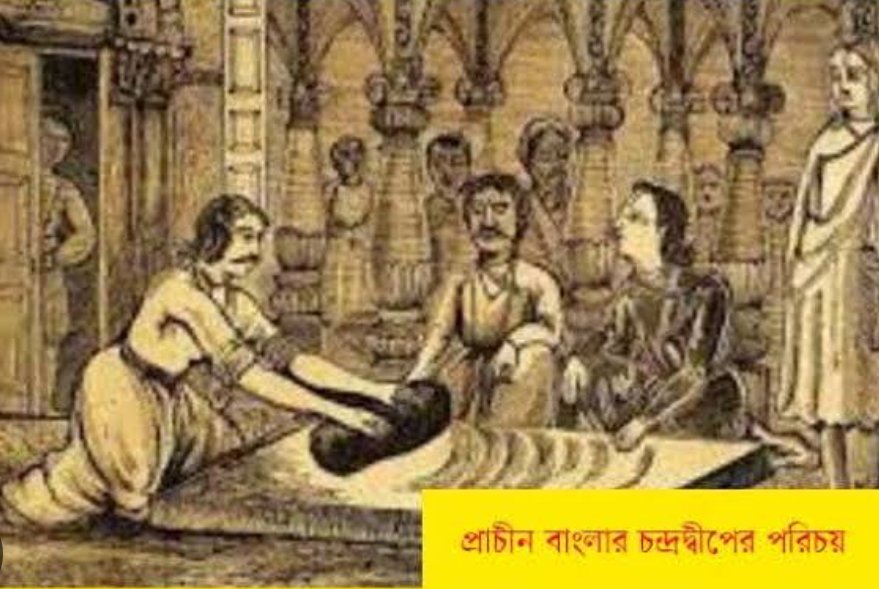
@Gandaberunda4 His cannon was located near Madhabpasha Bazar, where a brass cannon is still present.
@Gandaberunda4 18th century
[1] In the eighteenth century, Maharaja Sitaram Ray established an independent Bhushana kingdom in Bengal (Bhati-Bangla) against the Mughal Empire. Sitaram knew that his clash with the Mughals was inevitable.
[1] In the eighteenth century, Maharaja Sitaram Ray established an independent Bhushana kingdom in Bengal (Bhati-Bangla) against the Mughal Empire. Sitaram knew that his clash with the Mughals was inevitable.
![@Gandaberunda4 18th century
[1] In the eighteenth century, Maharaja Sitaram Ray established an inde...](https://pbs.twimg.com/media/GGmo9nGbcAAtHsy.jpg)
@Gandaberunda4 So he began to strengthen the Bhushana army and improve the artillery. King Sitaram had two huge cannons called "Kaale" and "Jhumjhum" which caused a great deal of panic the Mughals. In 1613, the Mughal general Mir Abu Torap was defeated by Raja Sitaram Ray by guerrilla tactics.
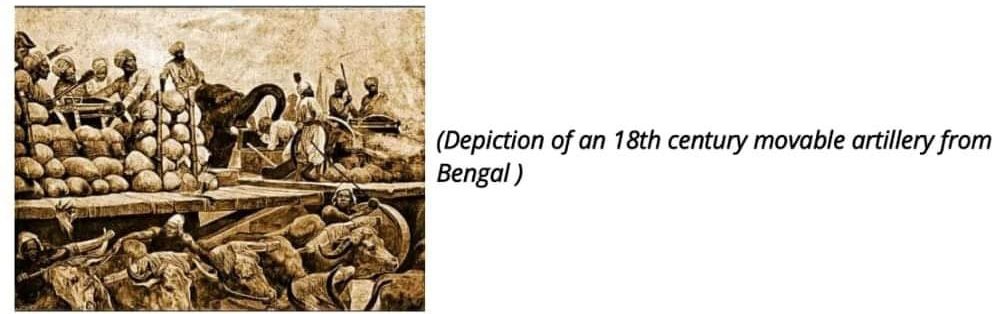
@Gandaberunda4 Unwilling to give up, Abu Torap appointed his Pathan General Pir Khan to subdue Sitaram. Under the direction of Maharaja Sitaram, the Bhushana army set up cannons on the banks of the Madhumati river and deployed troops in the forest between Madhumati and Barasia.
@Gandaberunda4 In the devastating battle, King Sitaram's cannon "Kaale khan" hit the right target and completely destroyed the Mughal army camp. The Mughal forces were defeated and the commander of Maharaja Sitaram Ramrup Ghosh beheaded Mir Abu Torap.
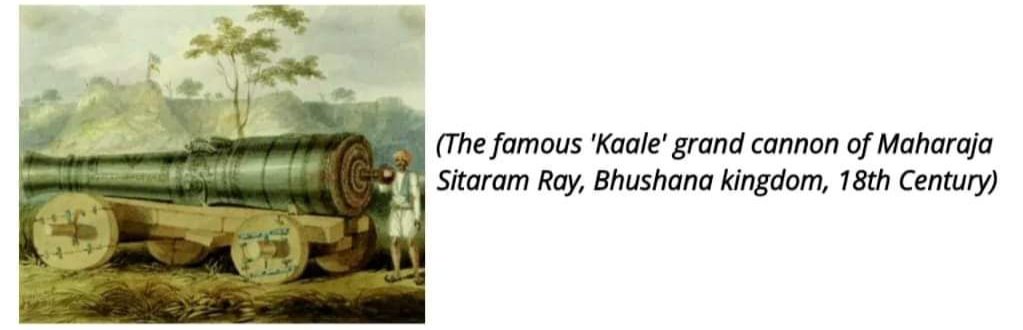
@Gandaberunda4 The Dalamardana (Dalmadal) Cannon of Bishnupur
During the reign of Maharaja Hambir Malla Deva in Mallabhum, many cannon construction experts with the title 'Miradāhā' were brought to Bishnupur from Delhi.
During the reign of Maharaja Hambir Malla Deva in Mallabhum, many cannon construction experts with the title 'Miradāhā' were brought to Bishnupur from Delhi.
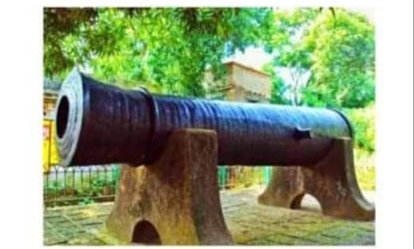
@Gandaberunda4 The work of making cannon started with the help of local blacksmith assistants. Cannons were cast in the huge laterite desert "Kāmānadhālā" adjacent to the royal palace. Iron was collected by melting locally obtained laterite stones.
@Gandaberunda4 During this time several local cannons were made in Mallabhum, such as 'Charka-Bijzli', 'Baghamuha', 'Gorak', 'Jhulzhara' etc. Craftsman Janardhan Karmakar built the famous "Dalmadal" or "Dalmardan" cannon, which still stands at Bishnupur and proclaims the glory of Mallabhum.
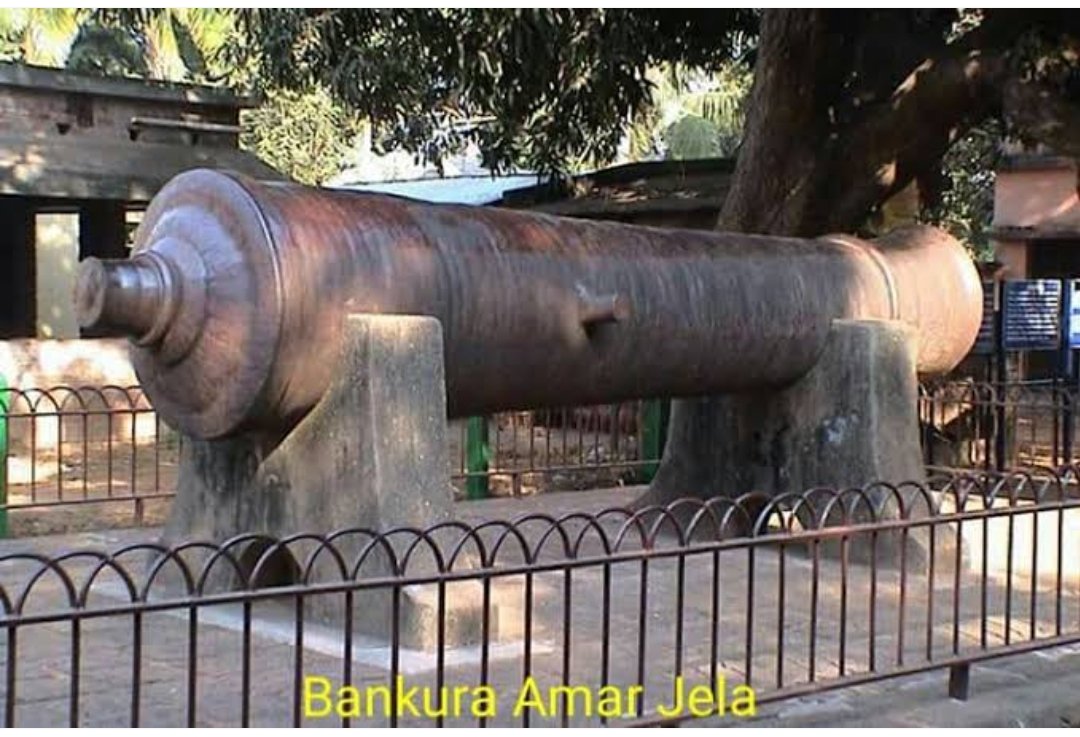
@Gandaberunda4 3.8 m in length. 63 more rings on 63 rings of iron, another 637 on it made of 169 pairs of rings. The diameter of the muzzle is 29.2 cm. Arrangement of fire with a round hole in a 5 x 4 cm rectangle above the waist.
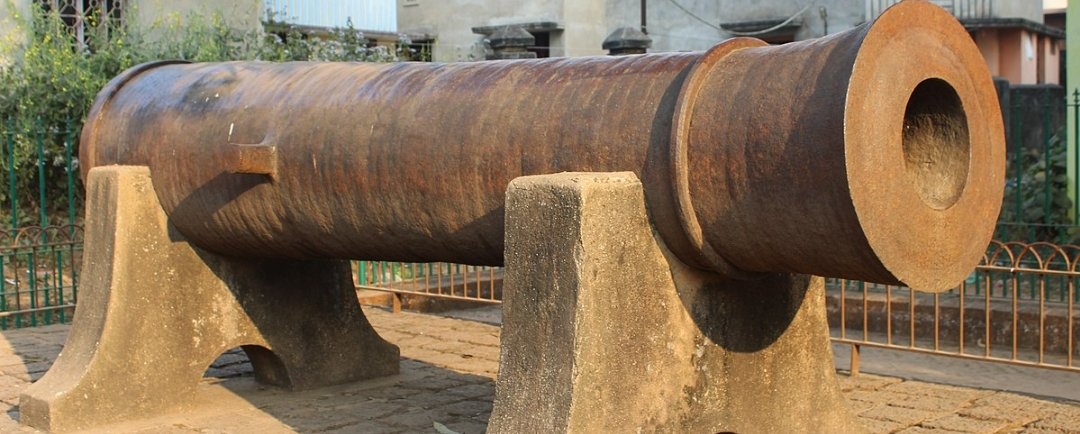
@Gandaberunda4 The name is derived from 'Dalmadal', a shrine of Dharmathakur in Shankharibazar mahalla, the old palace of the Malla kings. The name Dalmadal Dharmashila is also supported in the "Shunyapurana" by Ramai Pandit.
@Gandaberunda4 In all, the Mallabhum kingdom had a total of 2700 cannons (both moveable & immovable), which posed a challenge to the Mughal Empire. During the British rule, innumerable cannons of Bishnupur were looted by loading wagons.
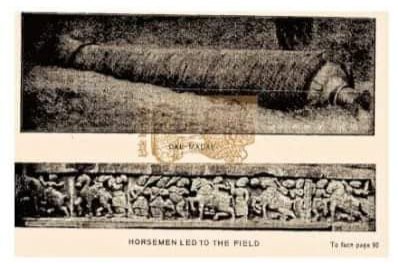
@Gandaberunda4 At that time many cannons were buried under the ground everywhere in Bishnupur for fear of being abducted, which has not been recovered yet
@Gandaberunda4 During the Bargi invasion of Bengal, Maharaja Gopal Singha Malla Deva was ruling Mallabhum that time,
who earlier had fought and defeated the Nawab of Murshidabad, Suza-uddin Muhammad Khan. At this
time the war of the Mallas with Bargis became inevitable.
who earlier had fought and defeated the Nawab of Murshidabad, Suza-uddin Muhammad Khan. At this
time the war of the Mallas with Bargis became inevitable.
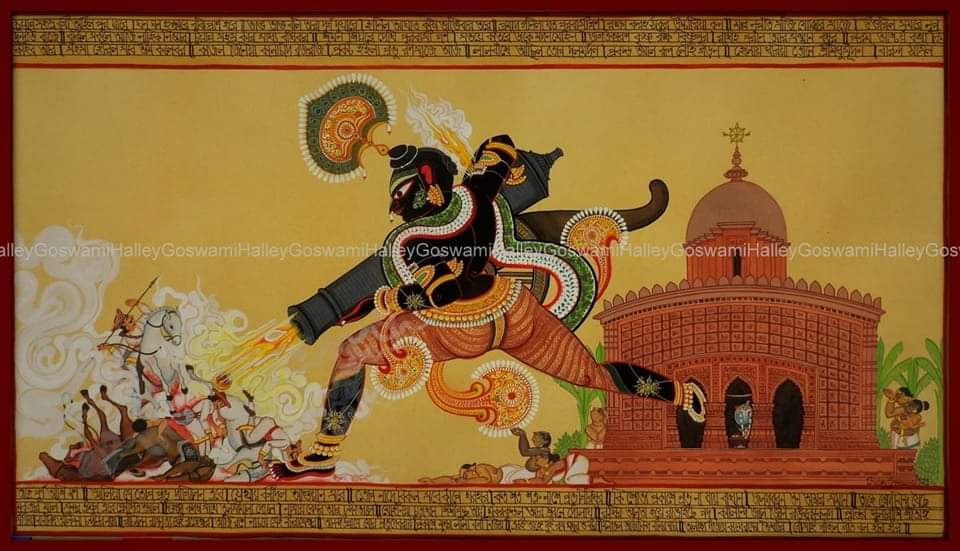
@Gandaberunda4 The Malla army fought valiantly all day andresisted the Bargis. Kumar Krishna Singha Malla Deva, the eldest son of the Maharaja Gopal Singha Malla
Deva, had slain a huge number of Bargi invaders by firing the Devastating Dalmadal Cannon.
Deva, had slain a huge number of Bargi invaders by firing the Devastating Dalmadal Cannon.
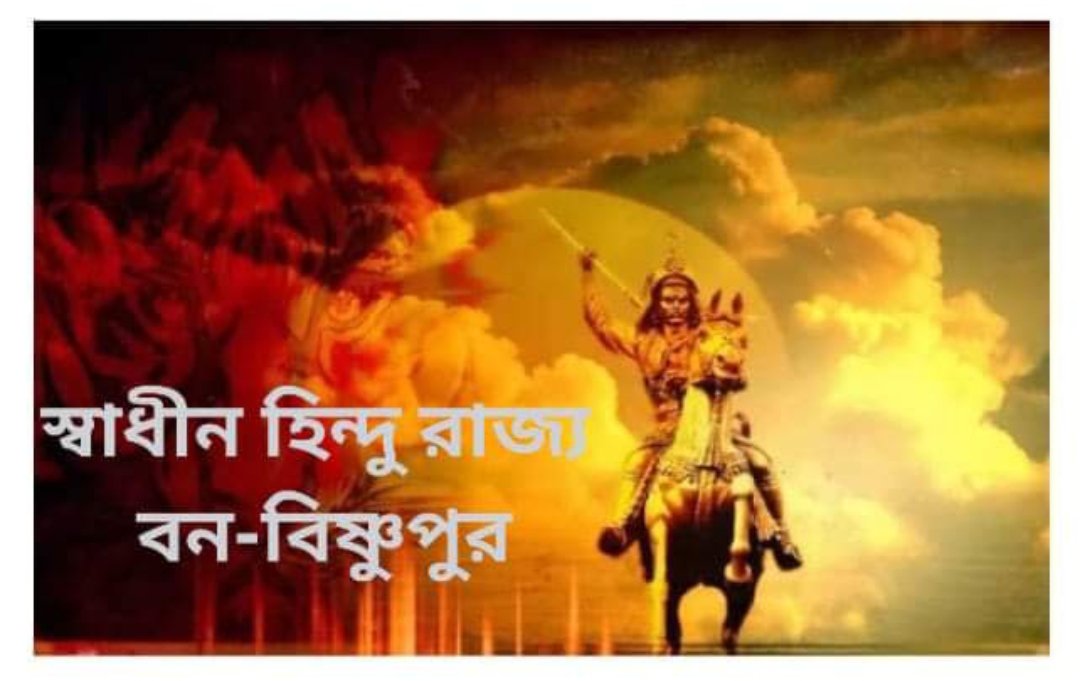
@Gandaberunda4 Dinajpur
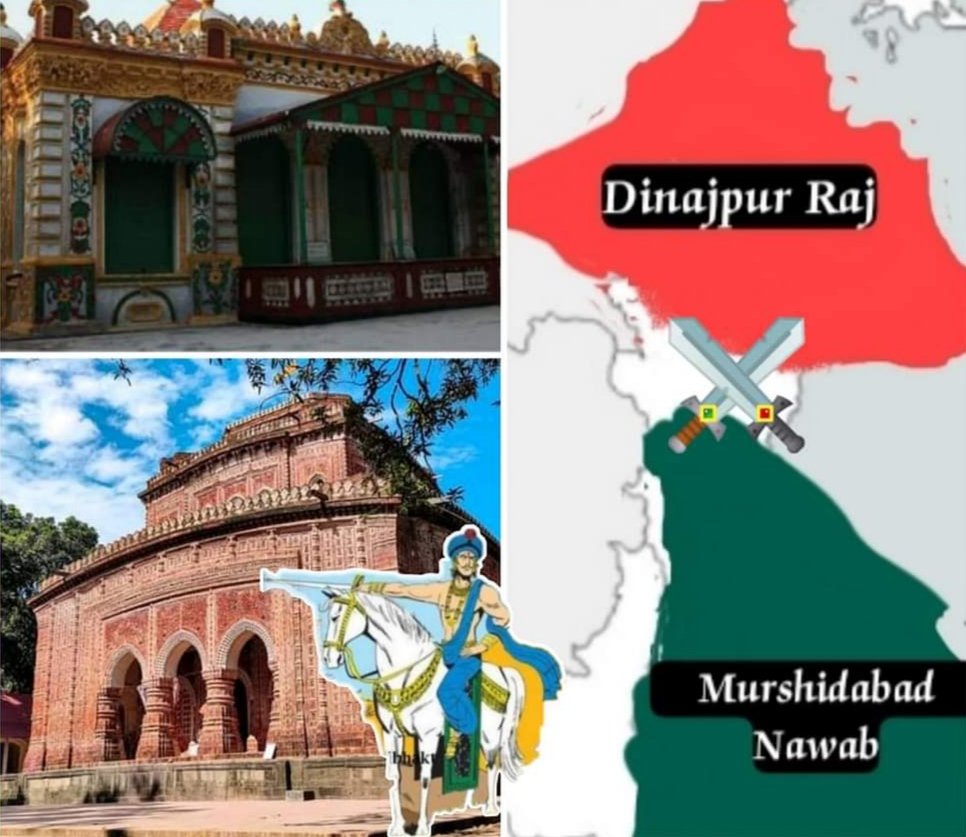
Maharaja Ramnath Dattaray, the ruler of Dinajpur, made significant use of Cannons to prevent the Bargi attack in Northern Bengal. In 1722 he defeated the invading Nawabi forces of Murshidabad led by Syed Muhammad Khan and protected the Hindu sovereignty of Dinajpur.
Maharaja Ramnath Dattaray, the ruler of Dinajpur, made significant use of Cannons to prevent the Bargi attack in Northern Bengal. In 1722 he defeated the invading Nawabi forces of Murshidabad led by Syed Muhammad Khan and protected the Hindu sovereignty of Dinajpur.
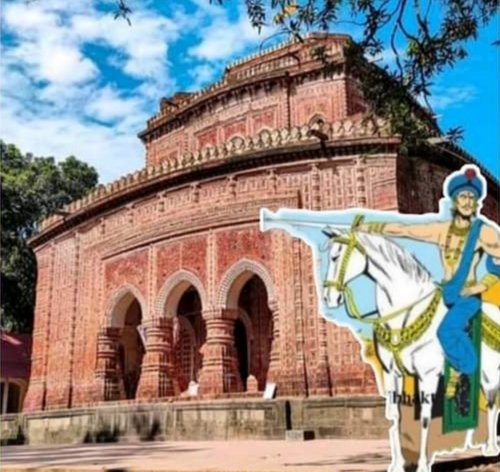
@Gandaberunda4 As the Bargis gradually advanced towards the Ganges after occupying Rajmahal, Raja Ramnath deployed a total of 10 cannons in the frontier areas of the state along the banks of the Ganges.
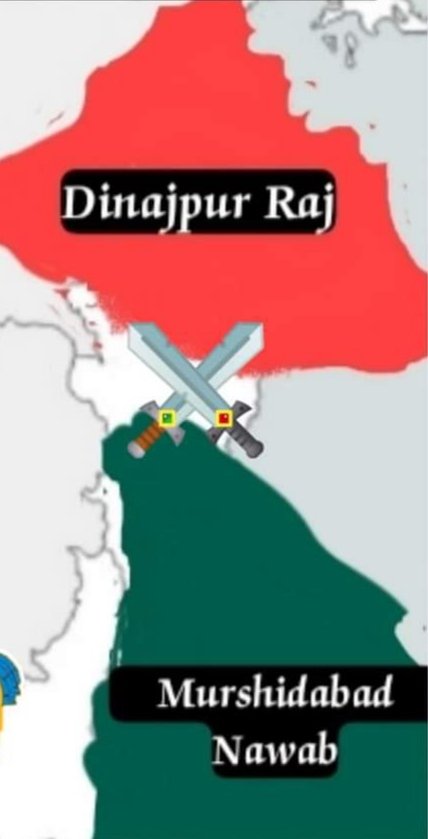
@Gandaberunda4 Due to the well-organized defense system of the artillery on the border, the Bargi forces were never able to cross the Ganges and Dinajpur, Rajshahi and Rangpur escaped the horrors of the attack.
@Gandaberunda4 Sources :
1) 'The Beginning of the Military History of Bengal' - Prof. Priyadarshan Sensharma.
2) P. C. Ray: History of Chemistry in Ancient and Medieval India, Indian Chemical Society, Calcutta (1956).
3) R. Balasubramanian, Indian J. History Sci. 37, 115 (2002).
1) 'The Beginning of the Military History of Bengal' - Prof. Priyadarshan Sensharma.
2) P. C. Ray: History of Chemistry in Ancient and Medieval India, Indian Chemical Society, Calcutta (1956).
3) R. Balasubramanian, Indian J. History Sci. 37, 115 (2002).
@Gandaberunda4 4) Iqtidar Alam Khan (2004). Gunpowder And Firearms: Warfare In Medieval India. Oxford University Press.
5) 'Mallabhum-Bishnupur' - Manoranjan Chandra
6) 'History of Jessore-Khulna' - Satish Chandra Mitra.
7) 'Raybaghini and Bhurishrestha Rajkahini' - Bidhubhushan Bhattacharya
5) 'Mallabhum-Bishnupur' - Manoranjan Chandra
6) 'History of Jessore-Khulna' - Satish Chandra Mitra.
7) 'Raybaghini and Bhurishrestha Rajkahini' - Bidhubhushan Bhattacharya
@Gandaberunda4 6) 'Pratna Parikrama Mallabhum', Editor- Shri Jaladhar Haldar.
9) 'Paschim Rarha or Bankura culture' - Maniklal Singha.
10) 'Rayamangal' kavya - Krishna Ram Das.
© @GaudYuboShakti
9) 'Paschim Rarha or Bankura culture' - Maniklal Singha.
10) 'Rayamangal' kavya - Krishna Ram Das.
© @GaudYuboShakti
Loading suggestions...