
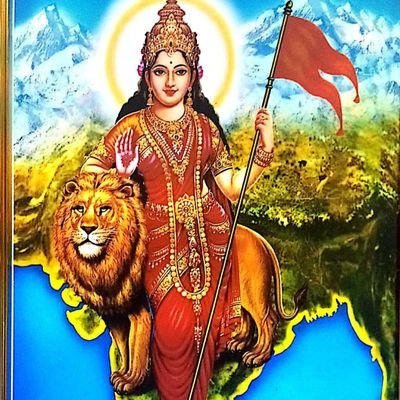
A thread on the contrast between Western notions of nationalism and Indian conceptions of nationalism:
1/5
I. WEST - Biblical roots
There are two notions of nationalism in the Western civilization, both of which trace their origins from, (not surprisingly) the Bible.
OT ethno-linguistic nationalism:
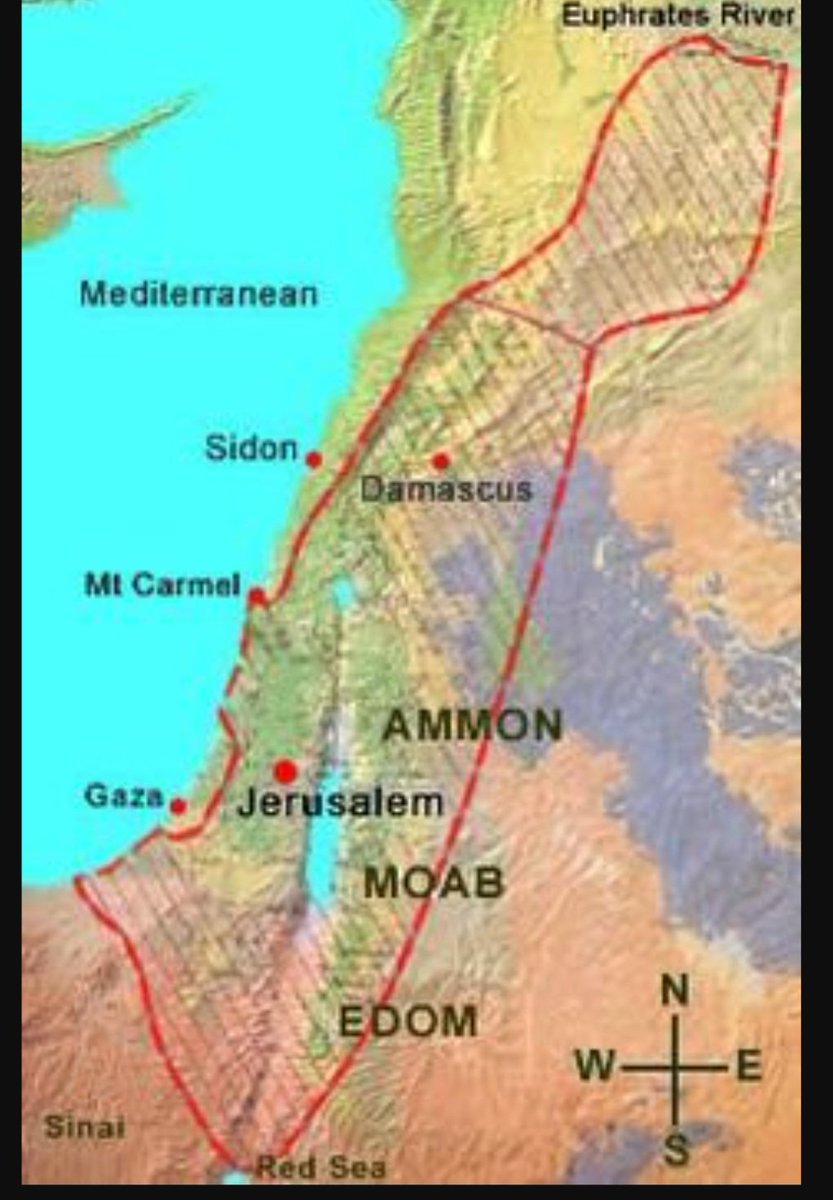
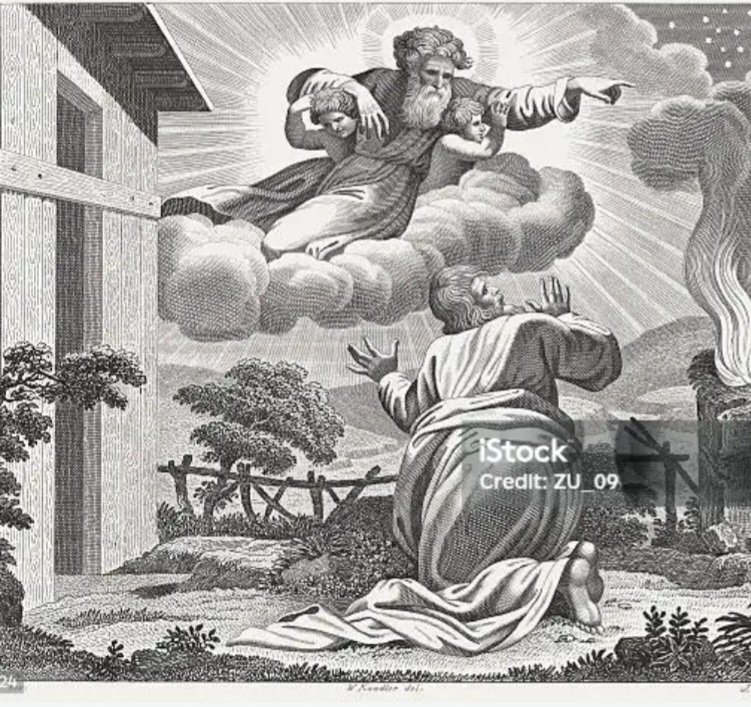
One is the Old Testament view of nationalism where in the God of the Bible promises Abraham (Genesis 17) that his descendants (who would be the Israelites) would be a great nation and that God promises to Abraham's descendants- the land of Canaan, known today by the name Israel. So this is a geographo-ethno-linguistic view of nationalism. The Israelites who are all ethnically homogeneous (descended from same ancestor), speaking the same language (Hebrew) is alloted a fixed geography (Canaan/Israel) by God. So in this framework, clearly a nation is characterised by a fixed geography inhabited by a single ethnic group who share the same language, culture and religion.
1/5
I. WEST - Biblical roots
There are two notions of nationalism in the Western civilization, both of which trace their origins from, (not surprisingly) the Bible.
OT ethno-linguistic nationalism:
One is the Old Testament view of nationalism where in the God of the Bible promises Abraham (Genesis 17) that his descendants (who would be the Israelites) would be a great nation and that God promises to Abraham's descendants- the land of Canaan, known today by the name Israel. So this is a geographo-ethno-linguistic view of nationalism. The Israelites who are all ethnically homogeneous (descended from same ancestor), speaking the same language (Hebrew) is alloted a fixed geography (Canaan/Israel) by God. So in this framework, clearly a nation is characterised by a fixed geography inhabited by a single ethnic group who share the same language, culture and religion.
2/5
NT nationalism through a shared faith:
The next view is the New Testament notion of nationalism where in all Christians (sharing the same faith) belong to the same community of believers and constituting what was called in the medieval world as "Christendom" - the kingdom of believers in Christ. (It became the ummah in I$lam). In this view, the geography is not fixed (new believers from another geography can be added by evangelism or forced conversion). Also the language, ethnicity of the peoples in this nation of believers are different. As the apostle Paul in Gallatians 3: 28-29 says
"There is neither Jew nor Greek, there is neither slave nor free, there is neither male nor female; for you are all one in Christ Jesus. And if you are Christ's, then you are Abraham's offspring, heirs according to promise."
Here, all Christians regardless of ethnicity, language and anything else, are considered the same nation of believers and the basis of this nationalism is a "shared faith". This sharing of faith makes Christians, the spiritual descendants of Abraham, and a new Israel based on faith according to the apostle Paul.
NT nationalism through a shared faith:
The next view is the New Testament notion of nationalism where in all Christians (sharing the same faith) belong to the same community of believers and constituting what was called in the medieval world as "Christendom" - the kingdom of believers in Christ. (It became the ummah in I$lam). In this view, the geography is not fixed (new believers from another geography can be added by evangelism or forced conversion). Also the language, ethnicity of the peoples in this nation of believers are different. As the apostle Paul in Gallatians 3: 28-29 says
"There is neither Jew nor Greek, there is neither slave nor free, there is neither male nor female; for you are all one in Christ Jesus. And if you are Christ's, then you are Abraham's offspring, heirs according to promise."
Here, all Christians regardless of ethnicity, language and anything else, are considered the same nation of believers and the basis of this nationalism is a "shared faith". This sharing of faith makes Christians, the spiritual descendants of Abraham, and a new Israel based on faith according to the apostle Paul.

3/5
A conflict and separation - Two kingdoms doctrine:
These two notions of nationalism have always been at tug of war in Western history. In the early middle ages, Christendom was the dominant theme. But later it became apparent that faith can't be a firm enough basis for nationalism. The United Christendom split into a Western Latin speaking Catholic Church and an Eastern Greek speaking Orthodox Church. When Popes and monarchs fought in the late middle ages, the relation between these two notions of nationalism again collided. Eventually through the Protestant Reformation, the two kingdoms doctrine was formulated where the OT ethno-linguistic nationalism was adopted with the NT view of nationalism relegated to the spiritual realm or the heavenly realm. With the signing of the treaty of Westphalia in 1648 after the religious wars between Catholics and Protestants. This is where the modern notion of a nation state slowly begins to take shape - a nation state as a fixed geography and a sovereign entity recognized by other nation states. Religion and faith have jurisdiction only in the heavenly realm, not the material realm. This is the context in which secularism was born - the need to keep the OT ethno-linguistic nationalism separate from the NT faith and religion based nationalism. The separation between the religious and the secular.
A conflict and separation - Two kingdoms doctrine:
These two notions of nationalism have always been at tug of war in Western history. In the early middle ages, Christendom was the dominant theme. But later it became apparent that faith can't be a firm enough basis for nationalism. The United Christendom split into a Western Latin speaking Catholic Church and an Eastern Greek speaking Orthodox Church. When Popes and monarchs fought in the late middle ages, the relation between these two notions of nationalism again collided. Eventually through the Protestant Reformation, the two kingdoms doctrine was formulated where the OT ethno-linguistic nationalism was adopted with the NT view of nationalism relegated to the spiritual realm or the heavenly realm. With the signing of the treaty of Westphalia in 1648 after the religious wars between Catholics and Protestants. This is where the modern notion of a nation state slowly begins to take shape - a nation state as a fixed geography and a sovereign entity recognized by other nation states. Religion and faith have jurisdiction only in the heavenly realm, not the material realm. This is the context in which secularism was born - the need to keep the OT ethno-linguistic nationalism separate from the NT faith and religion based nationalism. The separation between the religious and the secular.

4/5
II. What about indian view of nationalism?
Some *μορονs* like to say that India wasn't a nation prior to 1947 because it wasn't politically united. This is plain stupid.
The Indian view of nationalism is organic. It's geography isn't fixed and immutable and has always expanded. Starting from the Sindhu-Saraswati valley to Aryavrata to eventually the whole of Bhāratavarṣa by the times of the epics, it has always expanded and brought multiple ethnicities and multiple language families into its fold. It preserves the diversity within its fold but still has an underlying unity. What is that?
In my opinion, there are three interdependent things that unite the multiple ethnicities of Bhāratīya civilisation.
1. The fundamental metaphysical concepts of dharma and karma
2. The common gods
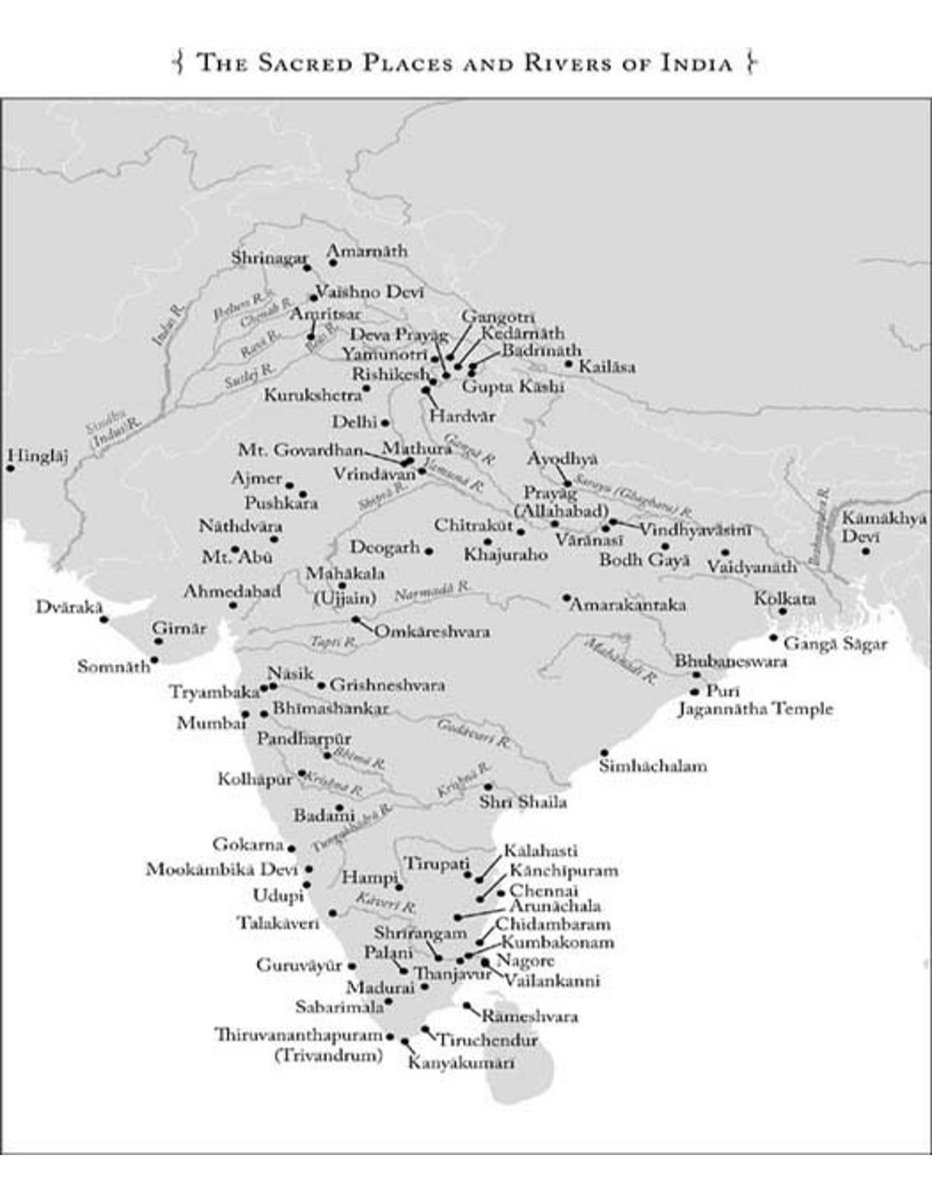
3. Sacred sites of pilgrimage geographies spread across all of the country visited by people from all across the country
All three of the above can't be separated and feed each other.
So, Indian civilisational nationalism is not sustained by either a common ethnicity/language (like the OT view) or a common faith (the NT view) but a combination of underlying sacred metaphysics of dharma, pan-civilisational devatās and their associated sacred geographies.
In this intertwined feedback loop between the gods, geography and the metaphysics there was never a tension between these three and hence never fell into conflict and had to be separated in the Indian context.
One can't hence in any away pigeon hole western lenses of nationalism into the Indian one - it is like comparing apples and cucumbers.
II. What about indian view of nationalism?
Some *μορονs* like to say that India wasn't a nation prior to 1947 because it wasn't politically united. This is plain stupid.
The Indian view of nationalism is organic. It's geography isn't fixed and immutable and has always expanded. Starting from the Sindhu-Saraswati valley to Aryavrata to eventually the whole of Bhāratavarṣa by the times of the epics, it has always expanded and brought multiple ethnicities and multiple language families into its fold. It preserves the diversity within its fold but still has an underlying unity. What is that?
In my opinion, there are three interdependent things that unite the multiple ethnicities of Bhāratīya civilisation.
1. The fundamental metaphysical concepts of dharma and karma
2. The common gods
3. Sacred sites of pilgrimage geographies spread across all of the country visited by people from all across the country
All three of the above can't be separated and feed each other.
So, Indian civilisational nationalism is not sustained by either a common ethnicity/language (like the OT view) or a common faith (the NT view) but a combination of underlying sacred metaphysics of dharma, pan-civilisational devatās and their associated sacred geographies.
In this intertwined feedback loop between the gods, geography and the metaphysics there was never a tension between these three and hence never fell into conflict and had to be separated in the Indian context.
One can't hence in any away pigeon hole western lenses of nationalism into the Indian one - it is like comparing apples and cucumbers.
5/5 The hypocrisy of the West to not acknowledge this ancient roots of Indic civilisational nationalism can be seen when it considers Greek civilisation.
First, there was no unified nation of Greece in the ancient world. The ancient Greek world also was not a single country but a series of politically independent city-states. The term city-state may sound awkward but it is the most accurate depiction of reality. The Greek term which is translated as city-state is polis. A polis in Greece was about the size of a modern city. But a polis was also as politically independent as a modern nation state. One nice modern example to think about when trying to visualise a polis would be the modern nation of Singapore. It is an independent nation and also the size of a city.
The various city-states in Greece were fully politically independent entities - each with its own form of government and set of laws.
While the Greek city-states were politically independent, the western historians agree that there was still a shared sense of cultural unity felt among them - it is not that people of one city-state considered a person of another city-state as a foreigner.
1. All the city states
were united by cultural commonalities which included Language - all the Greek city-states spoke various dialects of ancient Greek.
2. Gods - there were many Greek gods who were worshipped in all city-states.
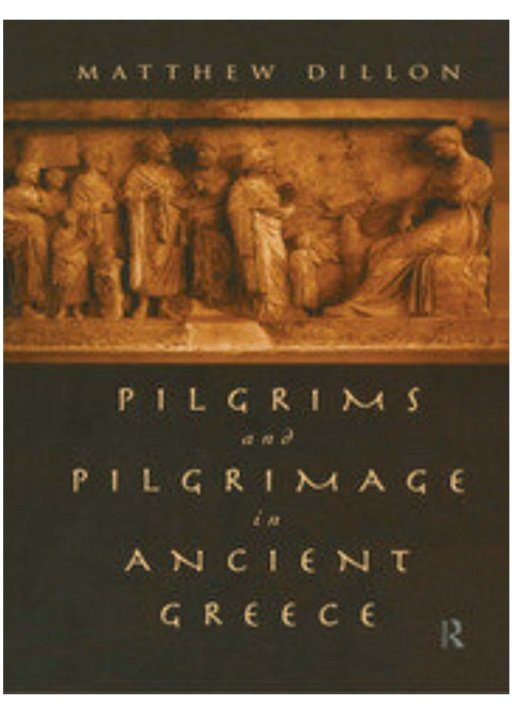
3. Pilgrimage - there were various temples that acted as pilgrimage sites and visited by people all over the Greek speaking world. (See ref pic below)
4. Literature - they were united by their literature like the Homeric Epics which found an audience across the entirety of the Greek speaking world.
So you see nobody in West saying there was no nation of Greece before the modern nation state of Greece. Everyone recognizes that it is this underlying civilisational unity that lies at the basis of modern nation state of Greece and not just its Constitution.
The only difference is that while the Greek civilisation still had a common language, Indian nationalism transcended that too. Hence the language politics. By equating the distinct linguistic families of India to distinct races, the sabotage of the underlying basis of Indian nationalism was attempted by the Western historians in my opinion.
But civilisational identites that extend beyond linguistic boundaries can be found in other cultures like Mesopotamian civilisation (sumerian + Akkadian + Babylonian ...) and in native American civilisational identities. Why the myopia to Indian civilisational identity then from the west?
First, there was no unified nation of Greece in the ancient world. The ancient Greek world also was not a single country but a series of politically independent city-states. The term city-state may sound awkward but it is the most accurate depiction of reality. The Greek term which is translated as city-state is polis. A polis in Greece was about the size of a modern city. But a polis was also as politically independent as a modern nation state. One nice modern example to think about when trying to visualise a polis would be the modern nation of Singapore. It is an independent nation and also the size of a city.
The various city-states in Greece were fully politically independent entities - each with its own form of government and set of laws.
While the Greek city-states were politically independent, the western historians agree that there was still a shared sense of cultural unity felt among them - it is not that people of one city-state considered a person of another city-state as a foreigner.
1. All the city states
were united by cultural commonalities which included Language - all the Greek city-states spoke various dialects of ancient Greek.
2. Gods - there were many Greek gods who were worshipped in all city-states.
3. Pilgrimage - there were various temples that acted as pilgrimage sites and visited by people all over the Greek speaking world. (See ref pic below)
4. Literature - they were united by their literature like the Homeric Epics which found an audience across the entirety of the Greek speaking world.
So you see nobody in West saying there was no nation of Greece before the modern nation state of Greece. Everyone recognizes that it is this underlying civilisational unity that lies at the basis of modern nation state of Greece and not just its Constitution.
The only difference is that while the Greek civilisation still had a common language, Indian nationalism transcended that too. Hence the language politics. By equating the distinct linguistic families of India to distinct races, the sabotage of the underlying basis of Indian nationalism was attempted by the Western historians in my opinion.
But civilisational identites that extend beyond linguistic boundaries can be found in other cultures like Mesopotamian civilisation (sumerian + Akkadian + Babylonian ...) and in native American civilisational identities. Why the myopia to Indian civilisational identity then from the west?
Loading suggestions...