

● #Thread | 𝗦𝗮𝗽𝘁𝗮 𝗥𝘂𝗱𝗿𝗮 𝗧𝗮𝗻𝗱𝗮𝘃𝗮𝘀 𝗼𝗳 𝗟𝗼𝗿𝗱 𝗦𝗵𝗶𝘃𝗮 !
Tandava is the Celestial Dance by Lord Shiva composed of 108 ‘Karanas’ & 32 ‘Anghaharas’ According to The ‘Natya Shastra’
Read More .. [𝟭/𝗡]
Tandava is the Celestial Dance by Lord Shiva composed of 108 ‘Karanas’ & 32 ‘Anghaharas’ According to The ‘Natya Shastra’
Read More .. [𝟭/𝗡]
"Pumnrityam tandavam, prahu: stree nrityam lasyamuchyate"
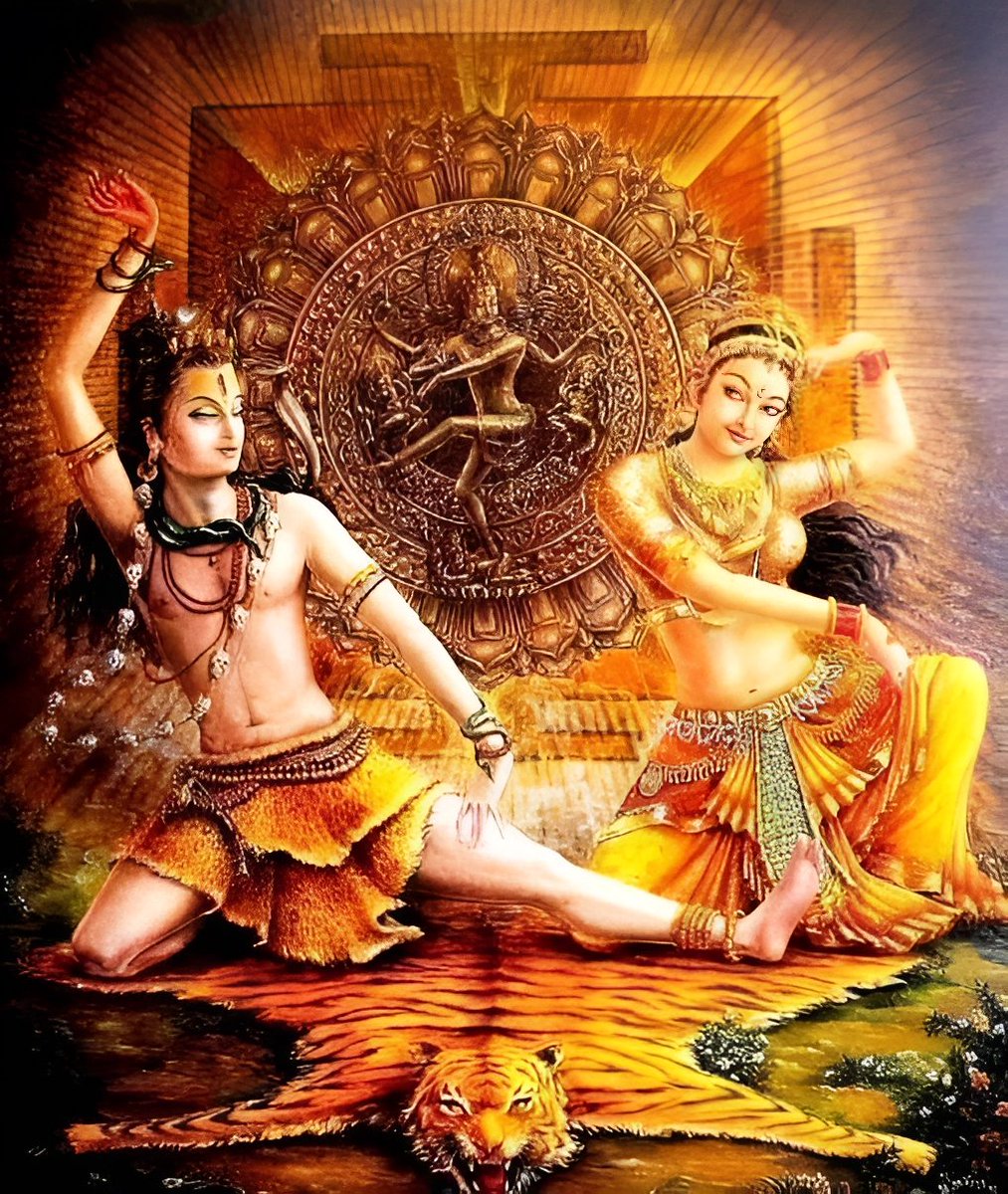
Tandava masculine form of dance is attributed to Lord Shiva which is forceful, full of vigour often manifesting anger & fearwhile lasya anga attributed to Godess Parvathi is the feminine form in Response to Shiva's Tandav
Tandava masculine form of dance is attributed to Lord Shiva which is forceful, full of vigour often manifesting anger & fearwhile lasya anga attributed to Godess Parvathi is the feminine form in Response to Shiva's Tandav
In Bharata Senapatiyam mentions 1000's of karanas created by shiva & about 250 karanas danced by him.
Of which only 108 kkaranas are humasnly possible to perform
Of thses 108 karanas, shiva danced for himself, 36 with Parvati, 9 with maayon, 3 for Muruga, and 12 for devathas
Of which only 108 kkaranas are humasnly possible to perform
Of thses 108 karanas, shiva danced for himself, 36 with Parvati, 9 with maayon, 3 for Muruga, and 12 for devathas
Etymology of Tandava :
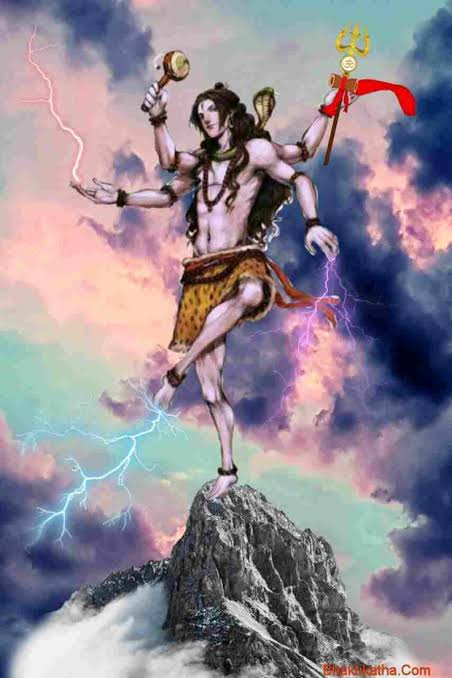
Tandava dance has derived its name from the word ‘tandu’ who was the attendant of Lord Shiva,who instructed Bharata Muni (Author of the Natya Shastra) in the use of Angaharas & Karanas modes of the Tandava at Shiva's order.
Tandava dance has derived its name from the word ‘tandu’ who was the attendant of Lord Shiva,who instructed Bharata Muni (Author of the Natya Shastra) in the use of Angaharas & Karanas modes of the Tandava at Shiva's order.
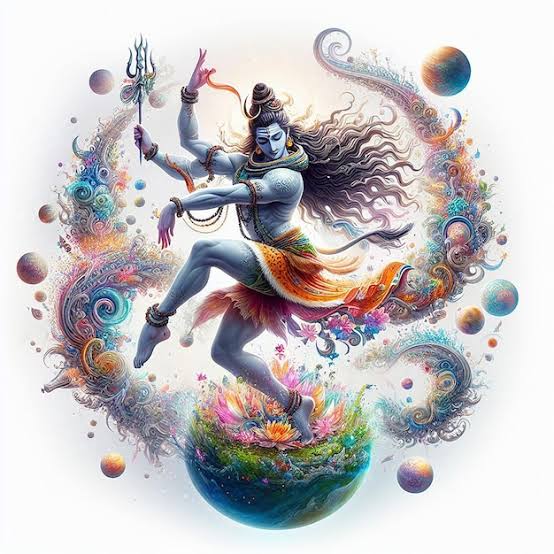
Broadly Shiv Tandav is Devided in 2 Types Based on the Mood Which he Perform Tandav
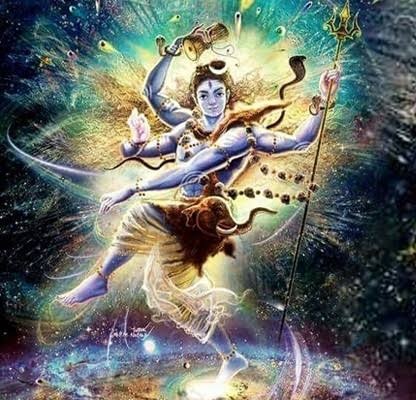
● The Tandava performed with joy is called Ananda Tandava
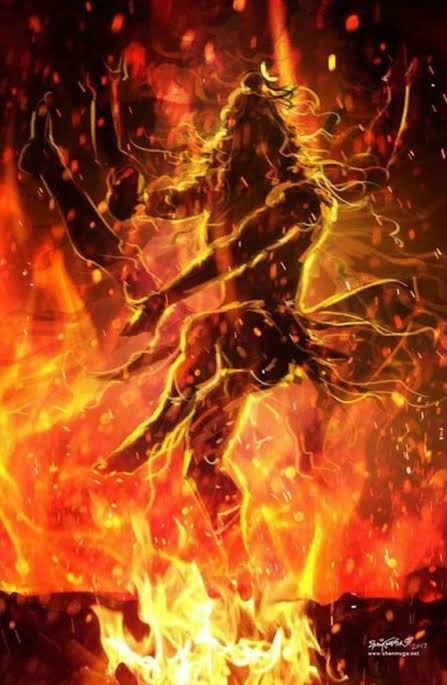
● Tandav which is performed in violent, Anger or Distructive mood is called Rudra Tandava
● The Tandava performed with joy is called Ananda Tandava
● Tandav which is performed in violent, Anger or Distructive mood is called Rudra Tandava
Origin of Tandava :
Hindu Scriptures have said that Lord Shiva has performed the tandava dance on various occasions.
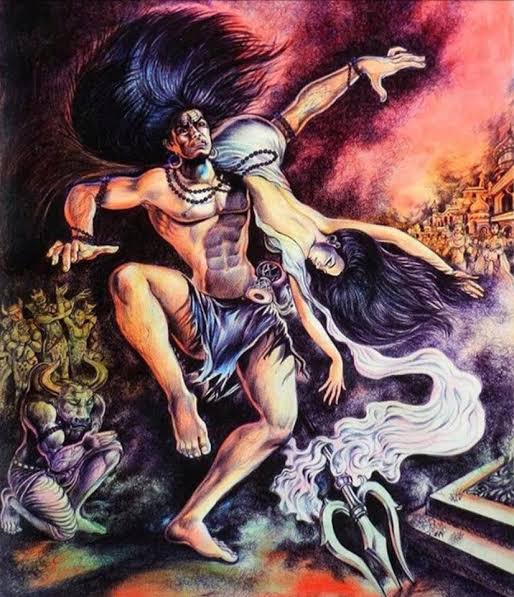
For instance it is believed that Lord Shiva had performed the Rudra Tandava when Sati had jumped into fire at the yajna ceremony of Daksha.
Hindu Scriptures have said that Lord Shiva has performed the tandava dance on various occasions.
For instance it is believed that Lord Shiva had performed the Rudra Tandava when Sati had jumped into fire at the yajna ceremony of Daksha.
In the Bhavaprakash five forms of Tandava are described:
Ucchanda
Chanda
Prachanda
Prerana
Prapana
Ucchanda
Chanda
Prachanda
Prerana
Prapana

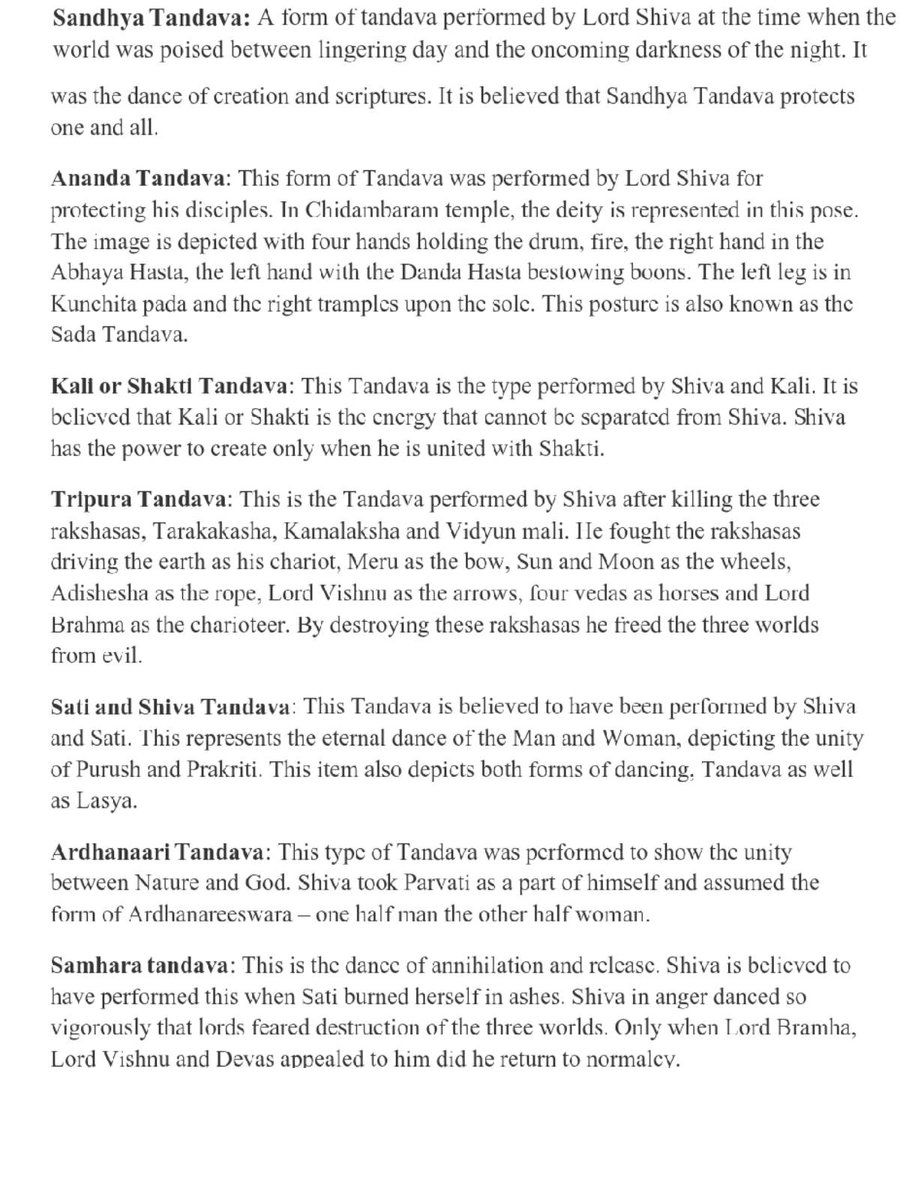
Nandikeswara in his " Abhinaya Darpanam " describes 7 types of Tandava which are believed to have been performed by Lord Shiva.
Sandhya Tandava
Ananda Tandava
Kali or Shakti Tandava
Tripura Tandava
Sati and Shiva Tandava
Ardhanaari Tandava
Samhara tandava
Sandhya Tandava
Ananda Tandava
Kali or Shakti Tandava
Tripura Tandava
Sati and Shiva Tandava
Ardhanaari Tandava
Samhara tandava
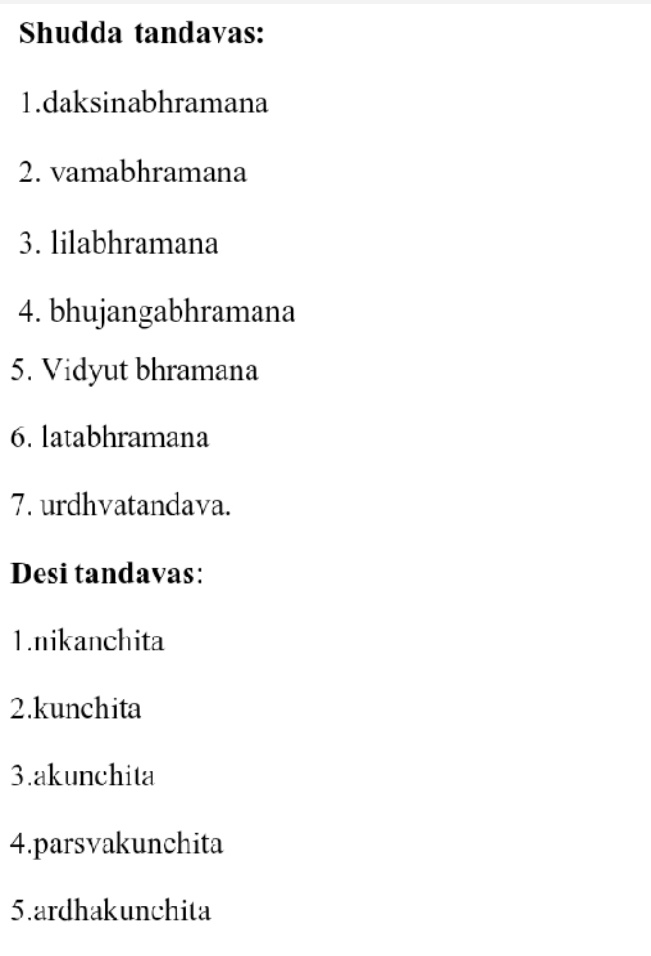
Furthwr According to the book Bharataarnavam, written by nandikeeshwara there are seven 'shudda tandavas' and five 'desi tandavas'.
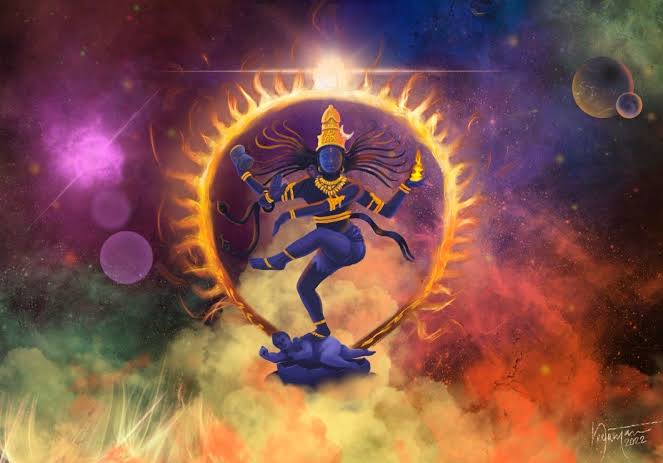
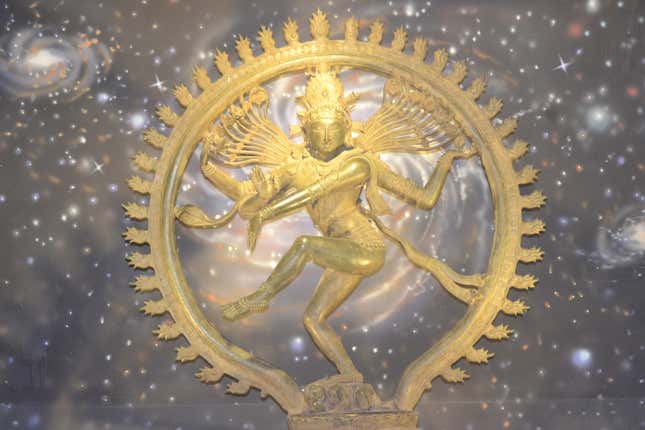
The deep significance underlying this dance form is the personification of Lord Shiva as Nataraja
His dance epresent the five manifestations of eternal energy-
Srishti (creation)
Sthiti (preservation)
Samhara (destruction)
Tirobhava (illusion)
Anugraha (emancipation)
His dance epresent the five manifestations of eternal energy-
Srishti (creation)
Sthiti (preservation)
Samhara (destruction)
Tirobhava (illusion)
Anugraha (emancipation)
Srishti or creation:
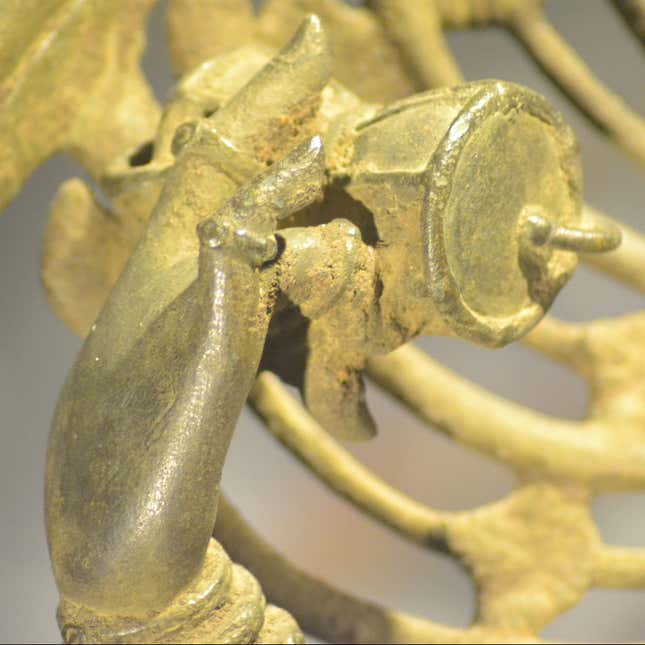
The Nataraja's rear left arm carries the hourglass-shaped drum, damuru, the vibrations of which create the universe
It’s creating sound energy, which helped create the universe
The Nataraja's rear left arm carries the hourglass-shaped drum, damuru, the vibrations of which create the universe
It’s creating sound energy, which helped create the universe
Samhara or destruction:
The raised rear right hand carries the fire that atrophies matter, only for regeneration. It is the fire of transformation and not destruction. It implies constant change.
Like dissolution of the cosmos
The raised rear right hand carries the fire that atrophies matter, only for regeneration. It is the fire of transformation and not destruction. It implies constant change.
Like dissolution of the cosmos

Sthithi or maintenance/protection:
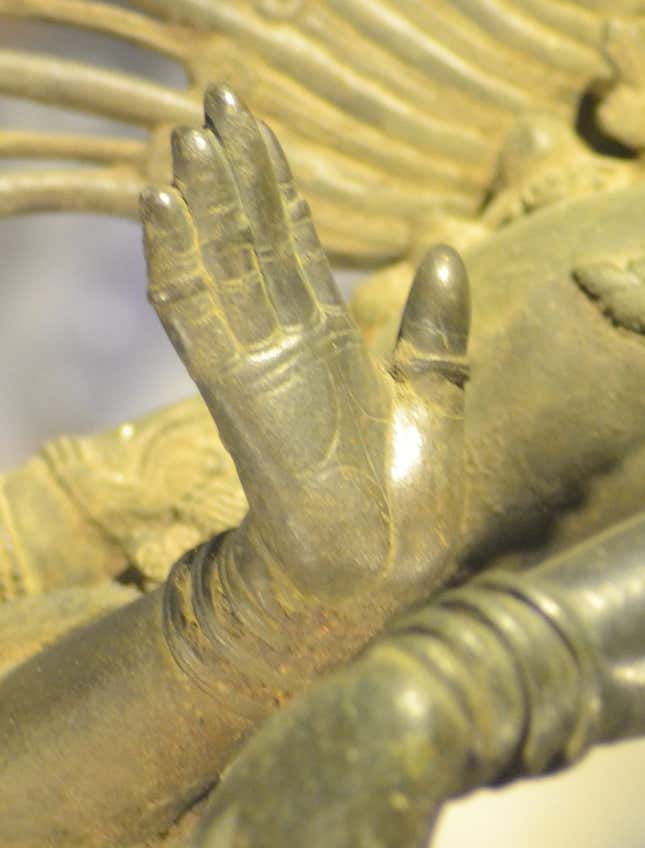
Lower right hand is in Abhay Mudra, showing that he bestows his protection on the universe.
“There is nothing to fear about the constant cosmic overhaul. Change is normal & I’m here to protect you.”
Lower right hand is in Abhay Mudra, showing that he bestows his protection on the universe.
“There is nothing to fear about the constant cosmic overhaul. Change is normal & I’m here to protect you.”
Tirobhava or concealment:
The hidden lower-left palm pointing downwards says he’s the creator of maya, illusion or the veil of ignorance.
The hidden lower-left palm pointing downwards says he’s the creator of maya, illusion or the veil of ignorance.
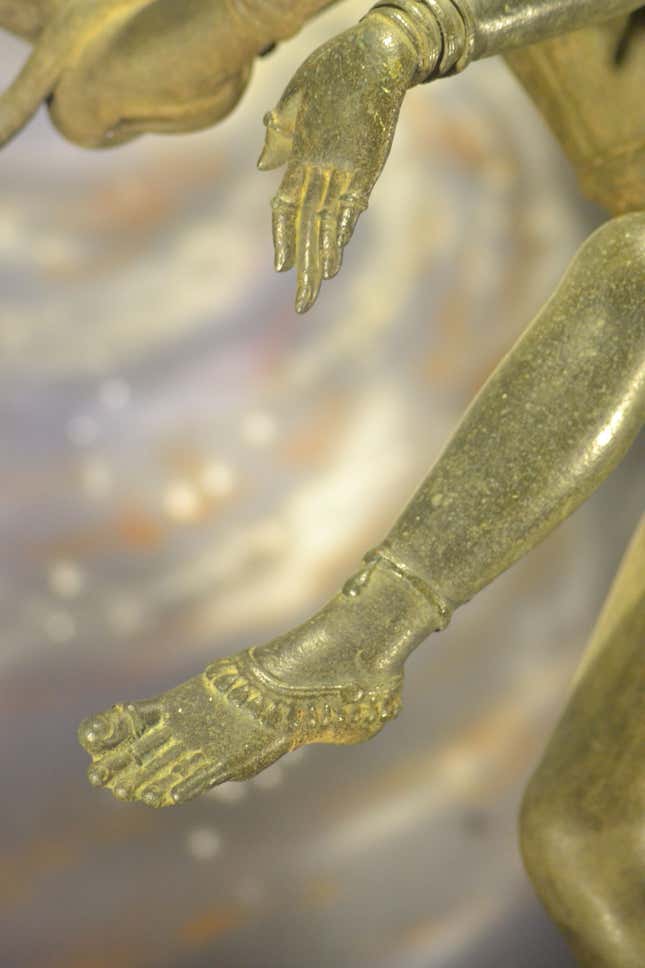
Anugraha or blessing or liberation:
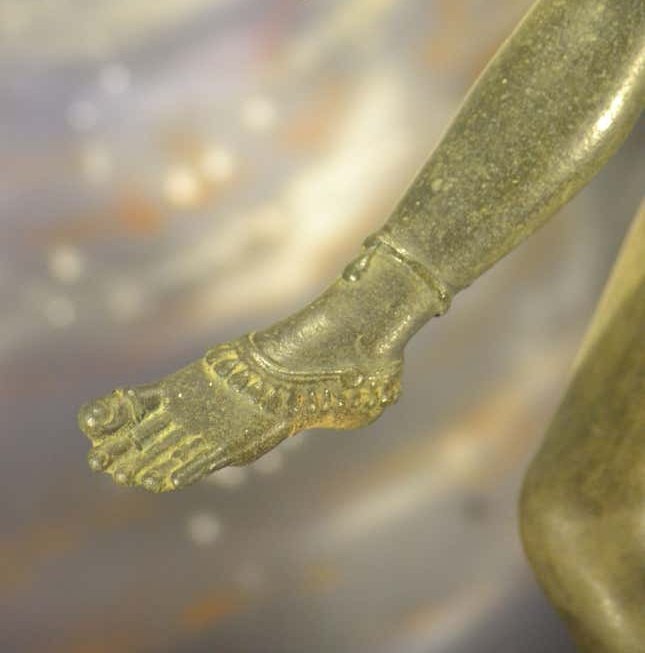
The raised left foot, combined with the closed hand, signifies the option available before the seeker: moksha or liberation from ignorance and, by implication, from the cycle of birth and death.
The raised left foot, combined with the closed hand, signifies the option available before the seeker: moksha or liberation from ignorance and, by implication, from the cycle of birth and death.
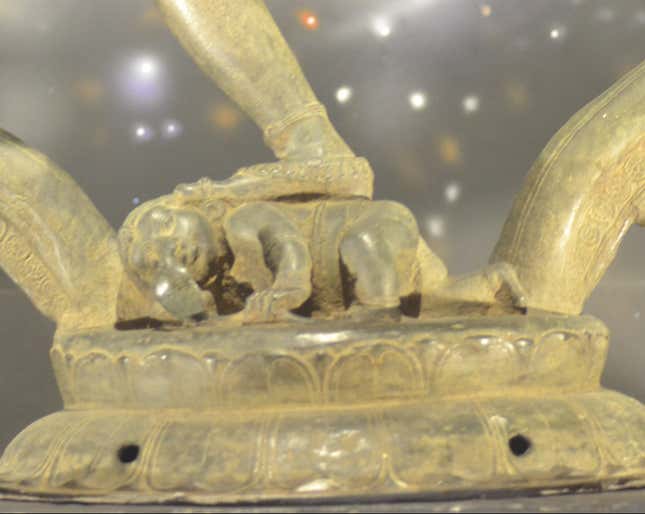
Muyalaka or Apasmara:
This dwarf demon at the Nataraja’s feet represents the evils of ignorance and ego, to be trampled upon if one must rise to a higher plane of self-actualisation.
This dwarf demon at the Nataraja’s feet represents the evils of ignorance and ego, to be trampled upon if one must rise to a higher plane of self-actualisation.
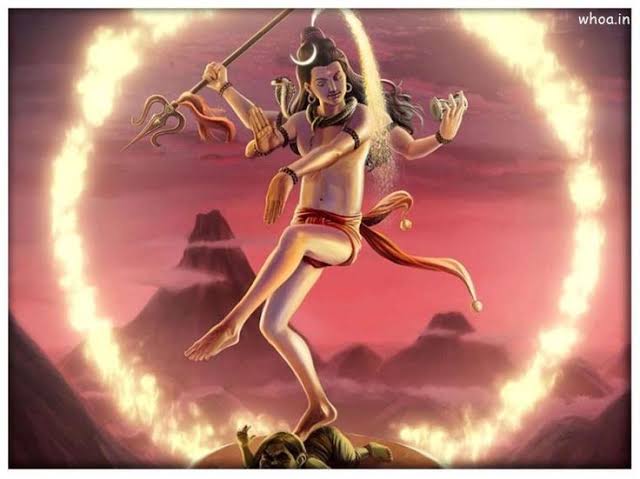
Circle of fire:
The frame around Nataraja is the visual manifestation of maya as experienced through the cycle of birth and death
This is All About Shiv Tandav & Significance of Nataraja, In this Thread Am Not Going to Explain Lasya which is A response to Tandav By Maa Parvathi
The frame around Nataraja is the visual manifestation of maya as experienced through the cycle of birth and death
This is All About Shiv Tandav & Significance of Nataraja, In this Thread Am Not Going to Explain Lasya which is A response to Tandav By Maa Parvathi
Loading suggestions...