

1/ Coins vs. Tokens: Understanding the Difference
In the world of cryptocurrencies, you often come across two terms: coins and tokens. While they may seem similar, there are fundamental differences between the two. Let's dive into the distinctions & gain a better understanding.
In the world of cryptocurrencies, you often come across two terms: coins and tokens. While they may seem similar, there are fundamental differences between the two. Let's dive into the distinctions & gain a better understanding.
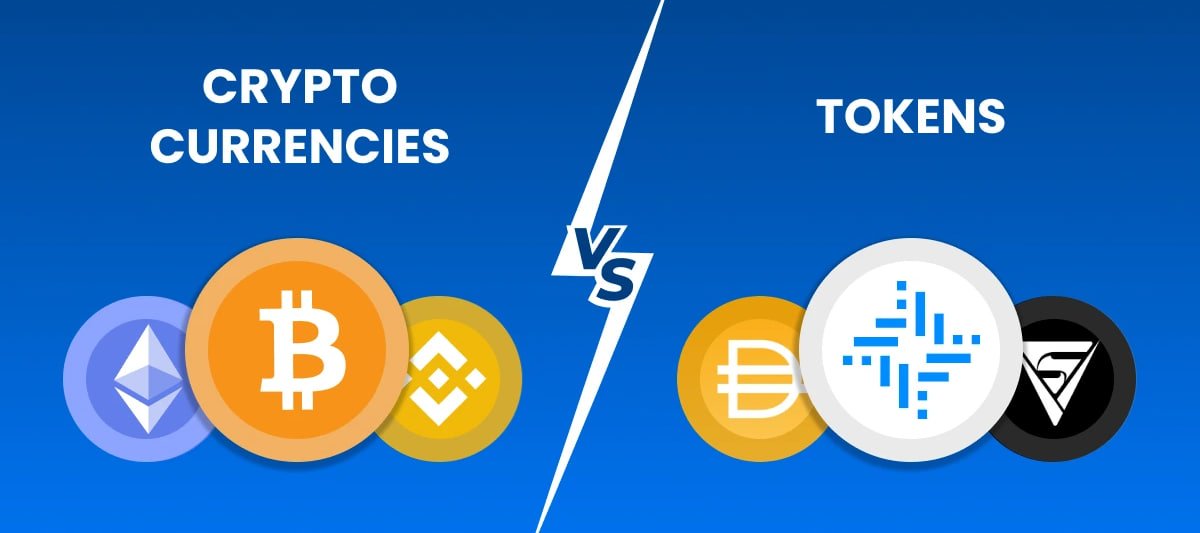
2/ Crypto Coins:
Coins, such as Bitcoin and Litecoin, are standalone digital currencies that operate on their own independent blockchain networks. They serve as a medium of exchange, unit of account, and store of value. Coins have their own dedicated blockchain and ecosystem.
Coins, such as Bitcoin and Litecoin, are standalone digital currencies that operate on their own independent blockchain networks. They serve as a medium of exchange, unit of account, and store of value. Coins have their own dedicated blockchain and ecosystem.
3/ The value of coins is usually determined by factors such as supply and demand, adoption, and market sentiment. They typically have a limited supply, and their prices can fluctuate widely in response to market forces. Coins are often mined or staked to maintain the network.
4/ Coins are designed to function as currencies or native assets within their respective ecosystems. They can be used to make peer-to-peer transactions, pay for goods and services, or held as an investment. Examples of popular coins include Bitcoin, Ethereum, and Ripple.
5/ Crypto Tokens:
Tokens, on the other hand, are built on existing blockchain platforms, such as Ethereum (ERC-20 tokens) or Binance Smart Chain (BEP-20 tokens). Tokens are created using smart contracts and rely on the underlying blockchain for their functionality. #CryptoTokens
Tokens, on the other hand, are built on existing blockchain platforms, such as Ethereum (ERC-20 tokens) or Binance Smart Chain (BEP-20 tokens). Tokens are created using smart contracts and rely on the underlying blockchain for their functionality. #CryptoTokens
6/ Tokens can represent a wide range of digital assets, including utility tokens, security tokens, and even non-fungible tokens (NFTs). They can serve various purposes within a project's ecosystem, such as access to services, voting rights, or digital collectibles. #TokenUtility
7/ Unlike coins, tokens do not have their own blockchain but operate on established blockchain networks. This allows projects to leverage the existing infrastructure, security, and consensus mechanisms provided by the underlying blockchain. #BlockchainInfrastructure
8/ Tokens can be created & distributed through initial coin offerings (ICOs), initial exchange offerings (IEOs), or decentralized finance (DeFi) protocols. They provide a flexible and cost-effective way for projects to raise funds and engage with their communities. #TokenEconomy
9/ It's important to note that the value of tokens can vary widely depending on factors such as the project's success, adoption, and market demand. Some tokens may have utility within a specific ecosystem, while others may represent ownership or shares in a project. #TokenValue
10/In summary, the key difference between crypto coins & tokens lies in their underlying infrastructure and purpose. Coins operate on their own blockchains as independent digital currencies, while tokens are built on existing blockchains & serve specific function within projects
11/Understanding the distinction between coins & tokens is crucial when navigating the vast & evolving world of cryptocurrencies. It helps investors, enthusiasts, developers make informed decisions & grasp the unique characteristics of different digital assets. #CryptoEducation
12/ I hope this thread has shed some light on the difference between crypto coins and tokens. Feel free to ask any questions or share your thoughts on this topic. Happy exploring in the world of cryptocurrencies! 🚀💡 #Cryptocurrencies #Coins #Tokens
Loading suggestions...