
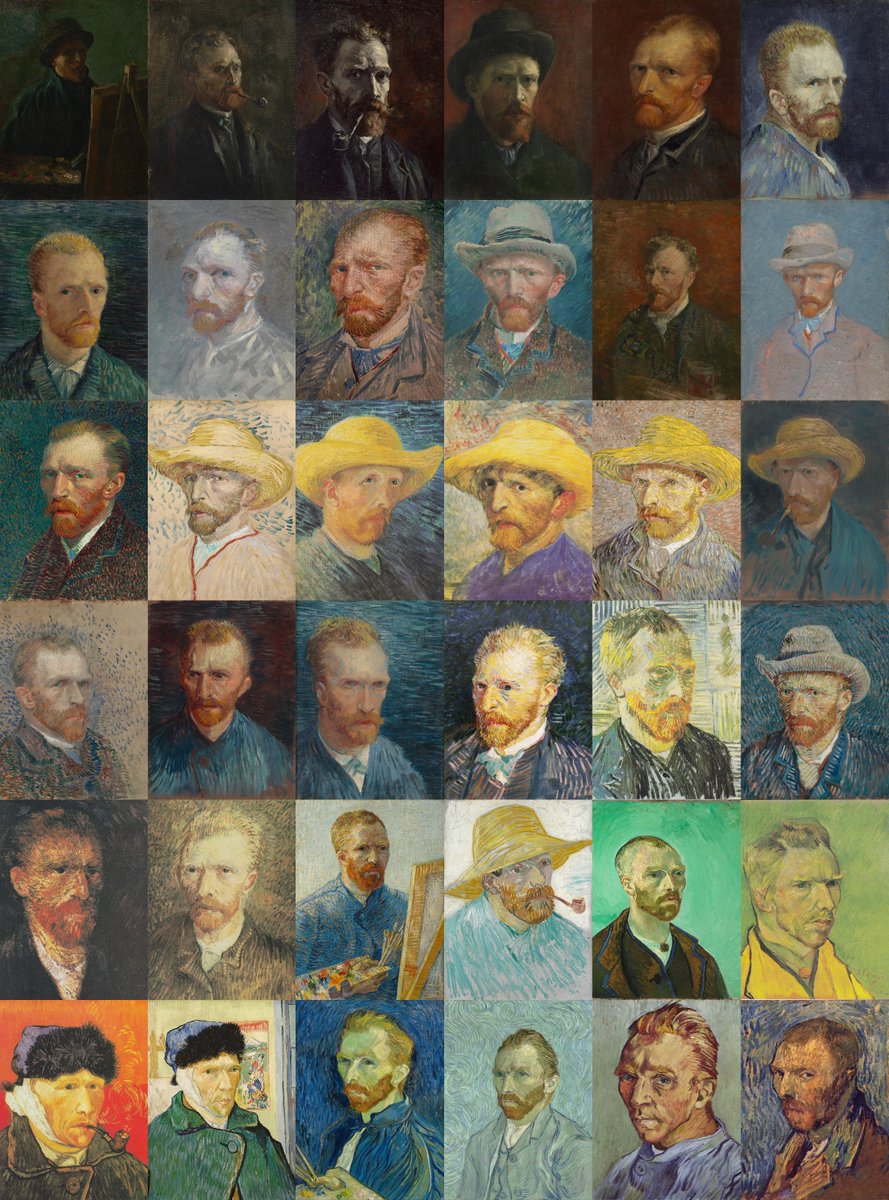
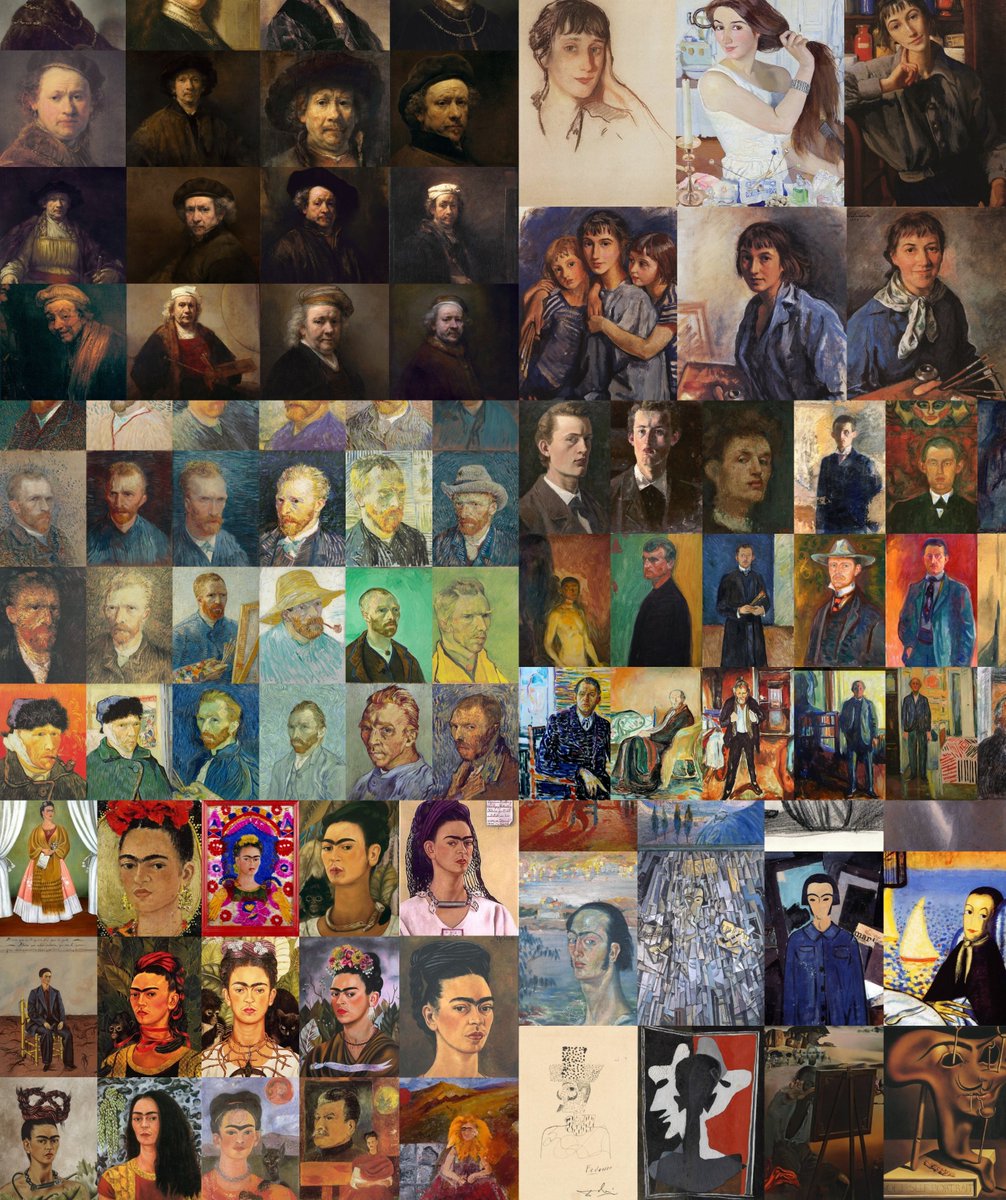
Every self-portrait Vincent van Gogh ever painted:
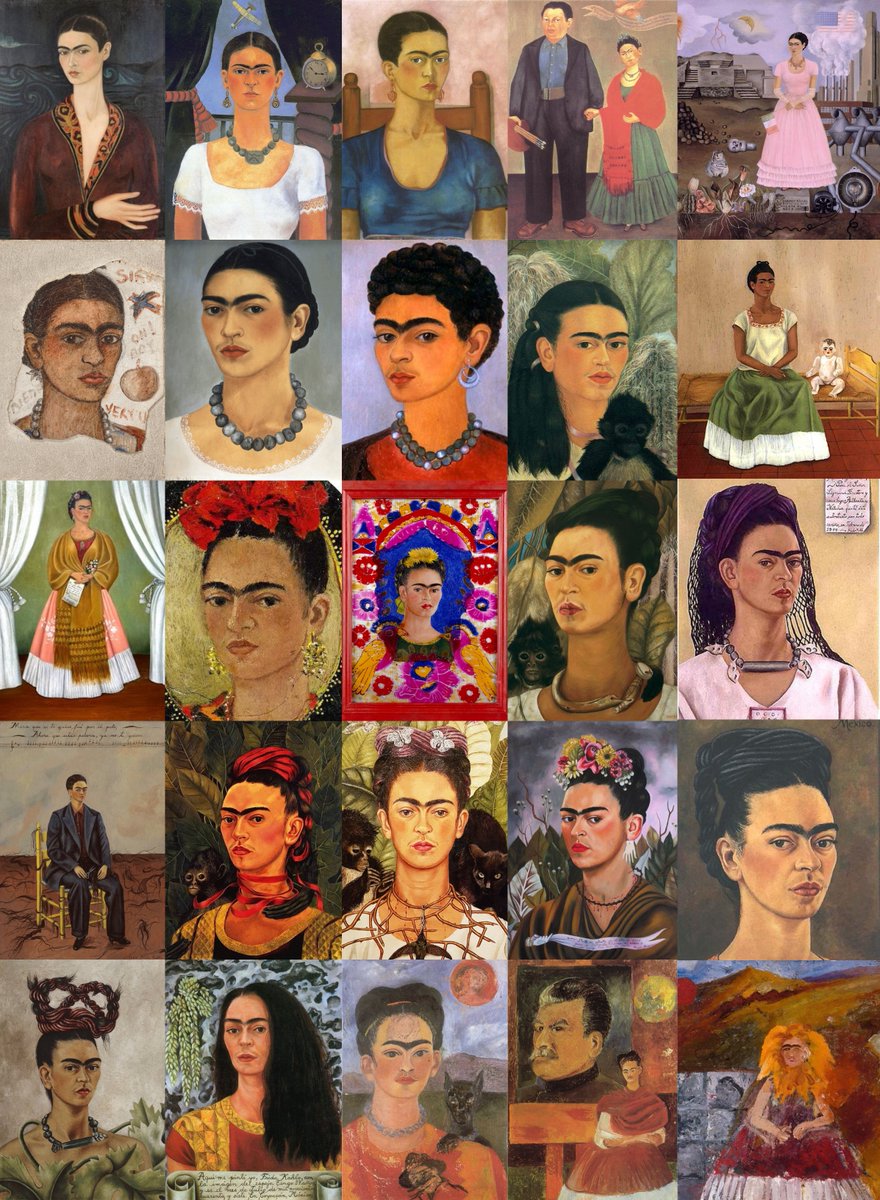
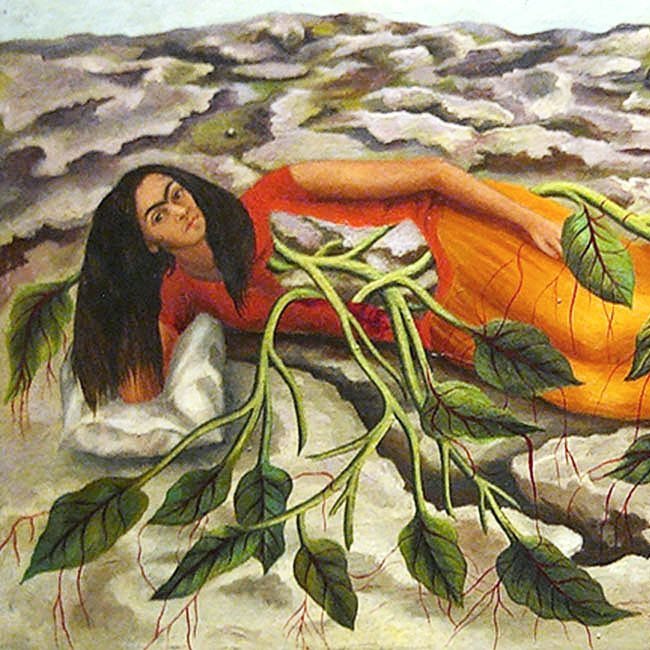
And Frida Kahlo — not all her self portraits, but some of them:
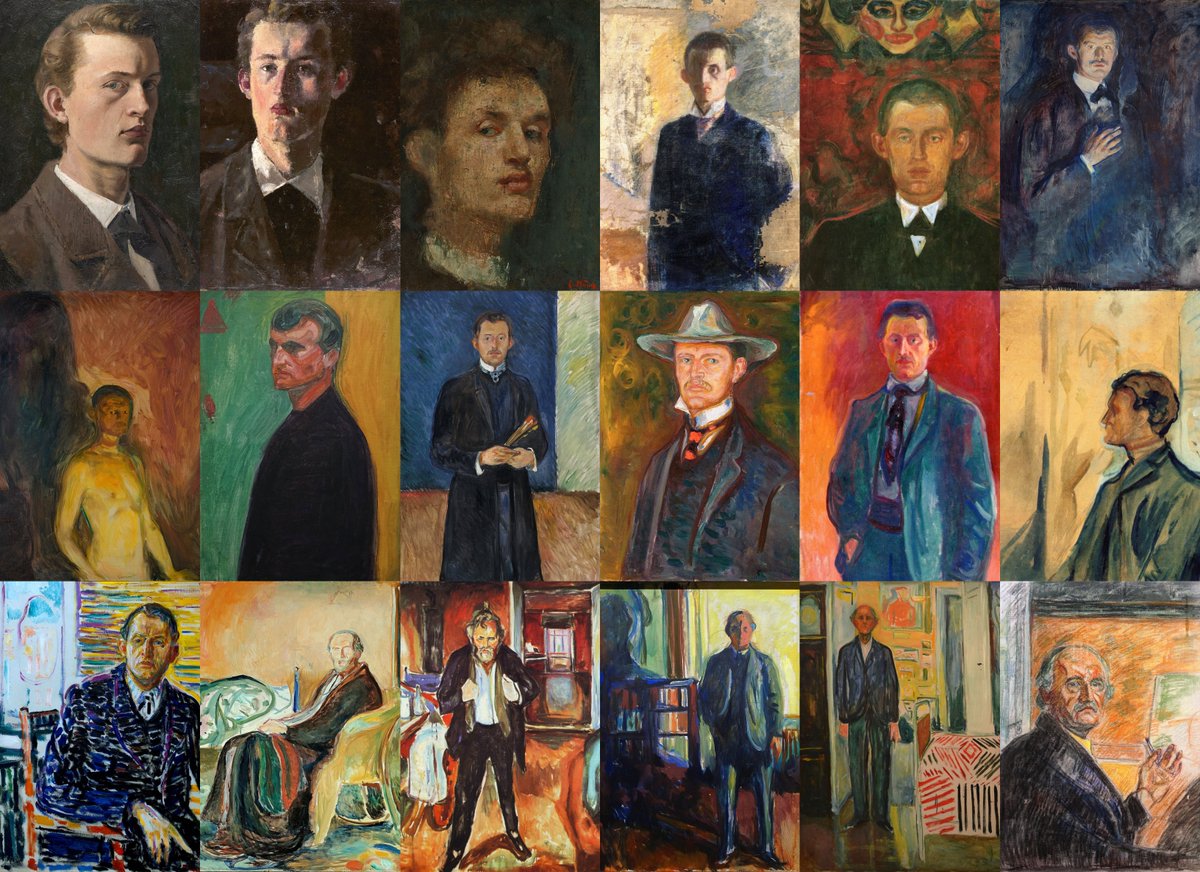
And Edvard Munch:
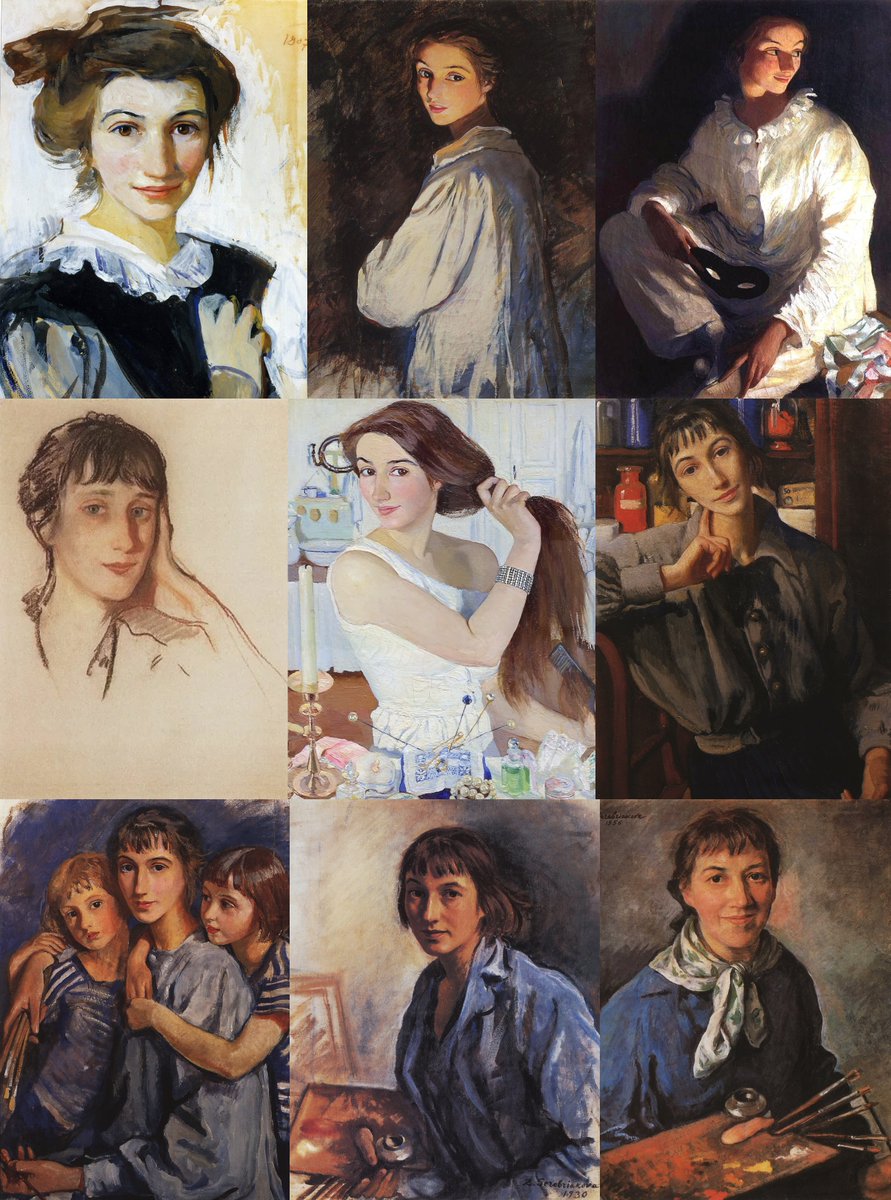
And Zinaida Serebriakova:
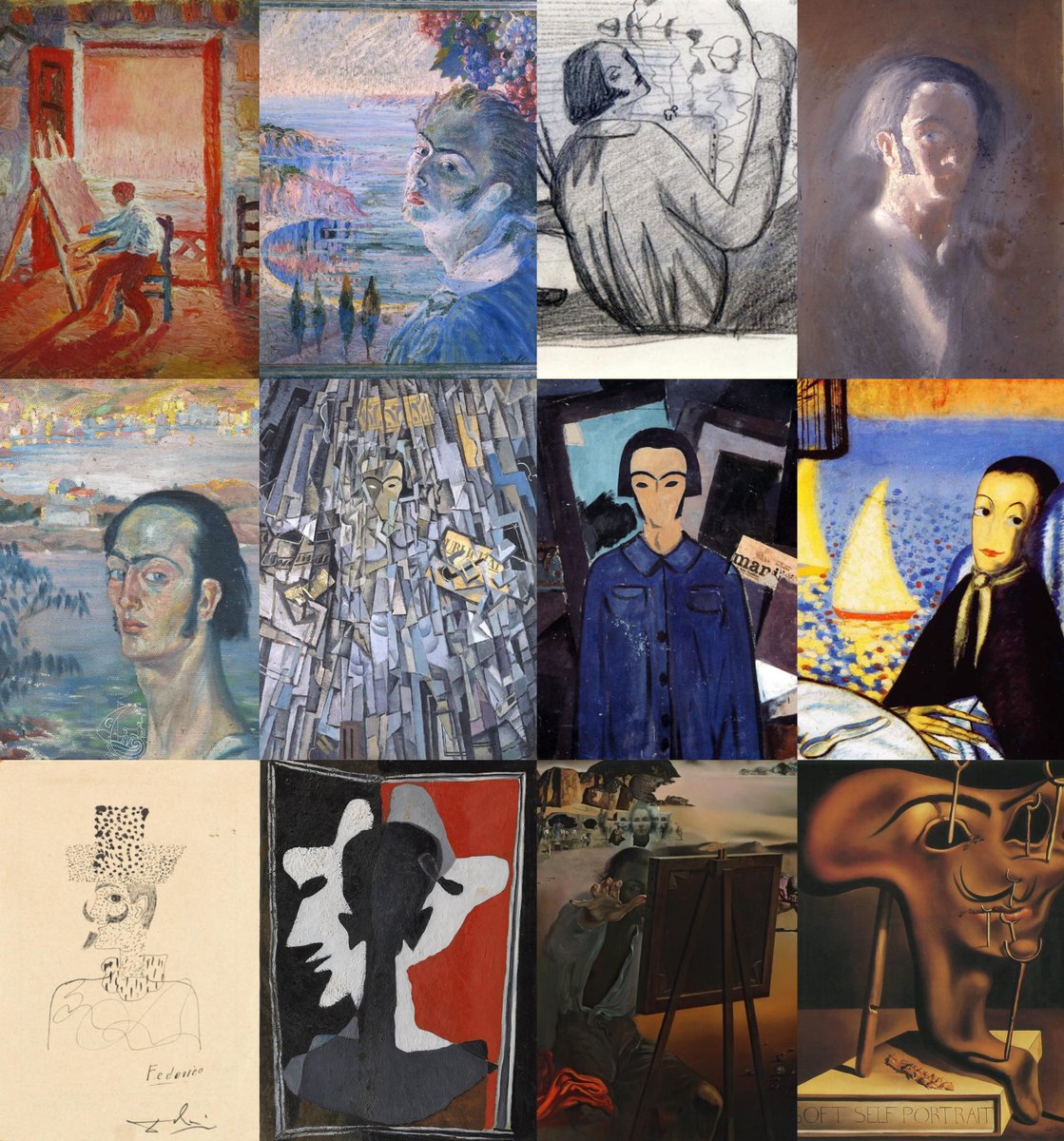
And Salvador Dalí:
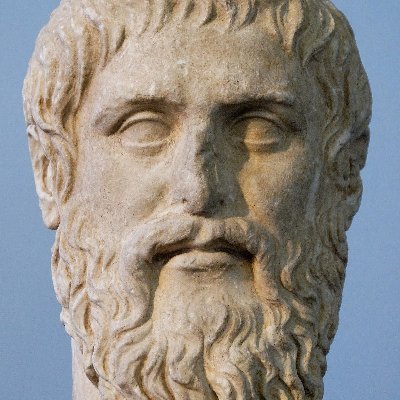
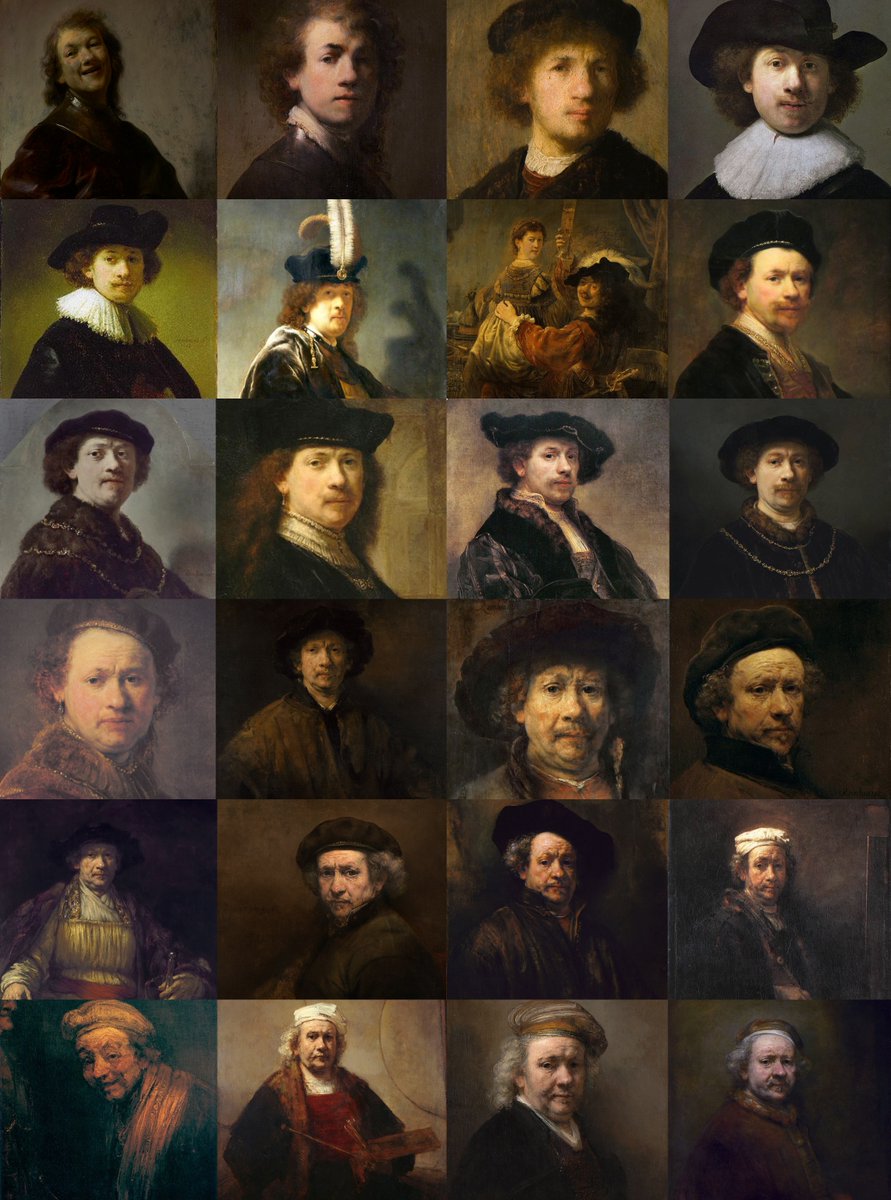
And, of course, Rembrandt van Rijn:
Plenty of people think portraits are the most boring genre of art, and most of the time they're right.
But self portraits are different.
Here we see how an artist thinks of themselves, doing exactly what we do every day, taking photos, looking in the mirror, wondering...
But self portraits are different.
Here we see how an artist thinks of themselves, doing exactly what we do every day, taking photos, looking in the mirror, wondering...
The self portraits of van Gogh tell the story of his life — a life we mythologise, as we mythologise the lives of all famous artists, but one which was, in many ways, just like the lives of everybody else.
The only difference may have been that he did not hide from himself:
The only difference may have been that he did not hide from himself:
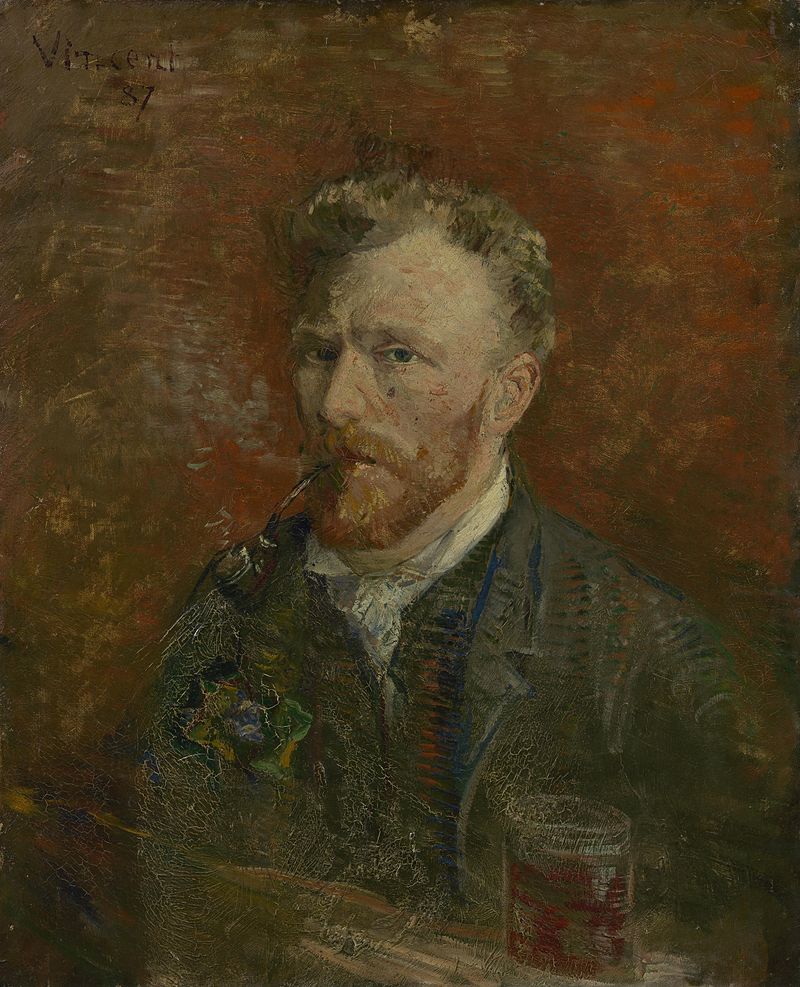
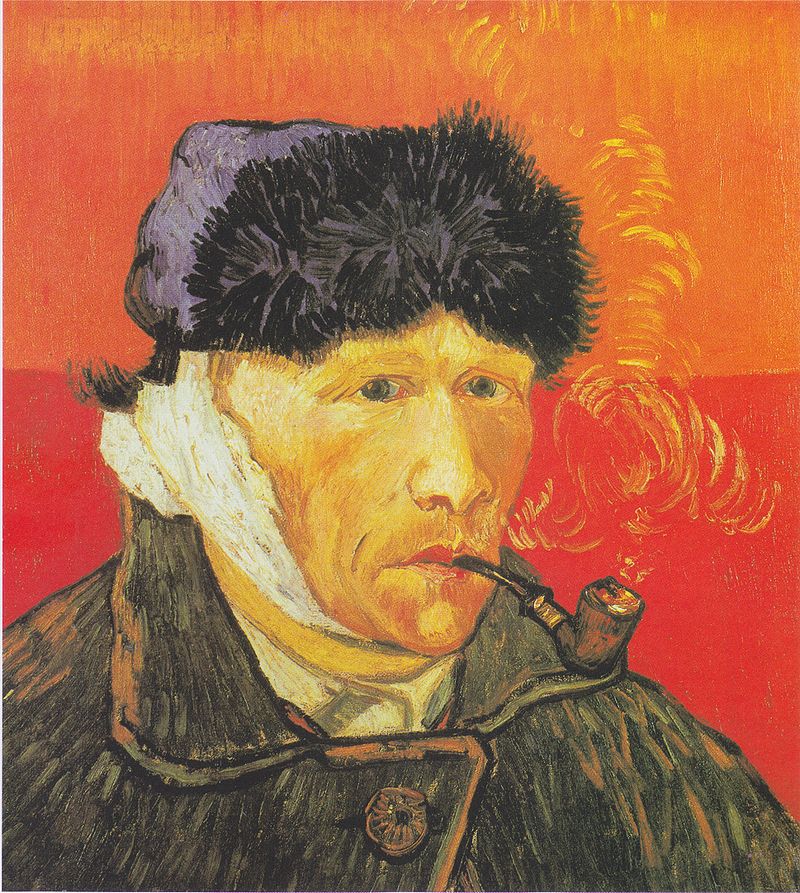
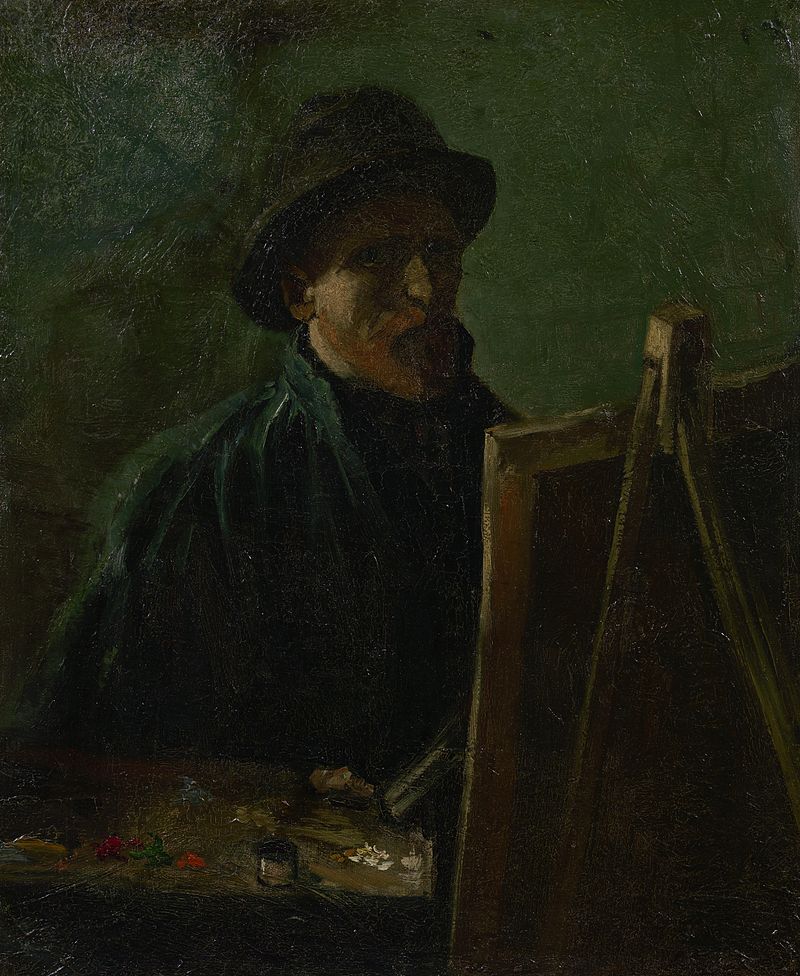
The most wonderful thing about these self portraits is how they reveal van Gogh's changing view of the world, how colour pours in, how solid forms melt.
We call it "style", somewhat dryly and academically, but "style" is a byword for how an artist sees and understands the world.
We call it "style", somewhat dryly and academically, but "style" is a byword for how an artist sees and understands the world.
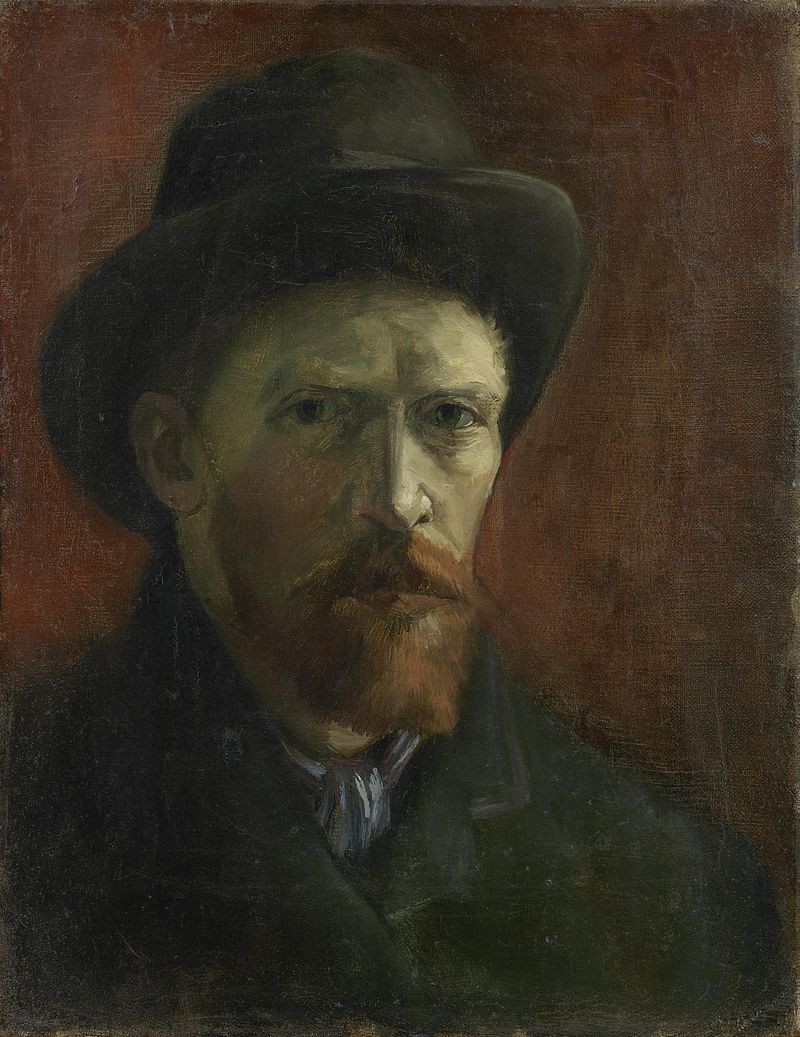
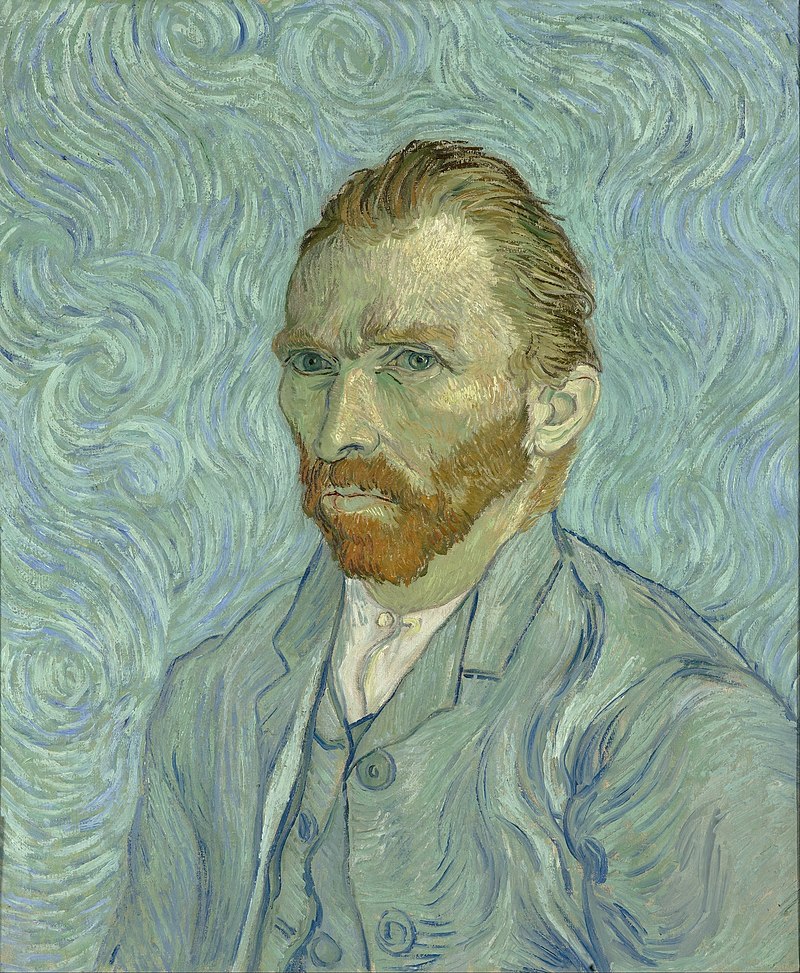
Just compare Vincent van Gogh's first self portraits with his last, painted only a few years apart.
The first in his early days as a painter, clinging to the sombre colours of Realism; the last after he had been to Paris, even in suffering, having learned what art could be:
The first in his early days as a painter, clinging to the sombre colours of Realism; the last after he had been to Paris, even in suffering, having learned what art could be:
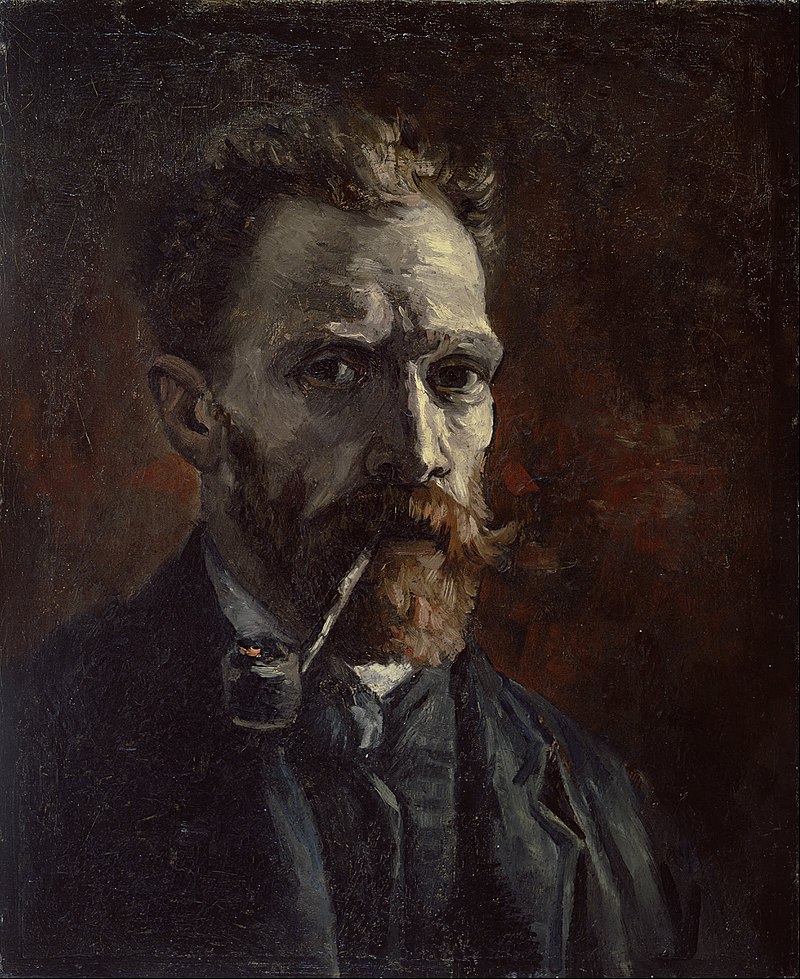
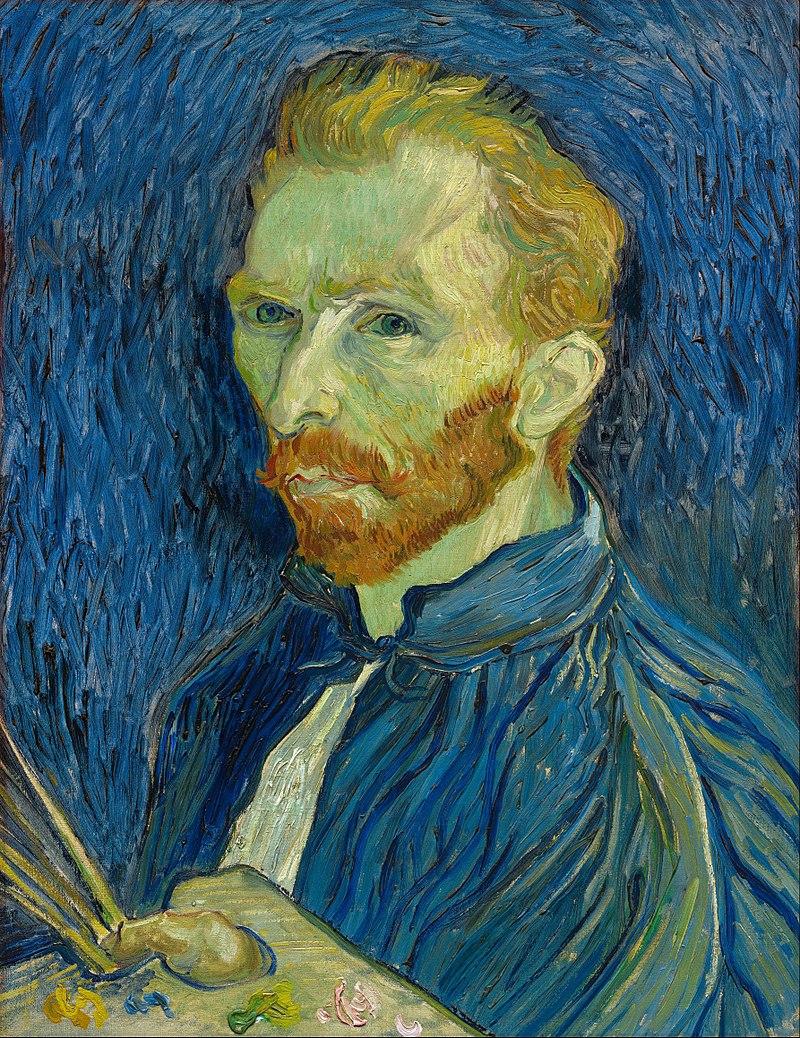
Vincent van Gogh's catalogue of self portraits are a reminder to all of us that whatever we believe we are, however we think of ourselves... it can change.
We are not stuck, we are not fated to remain unchanging; van Gogh's transformation is evidence of that.
We are not stuck, we are not fated to remain unchanging; van Gogh's transformation is evidence of that.
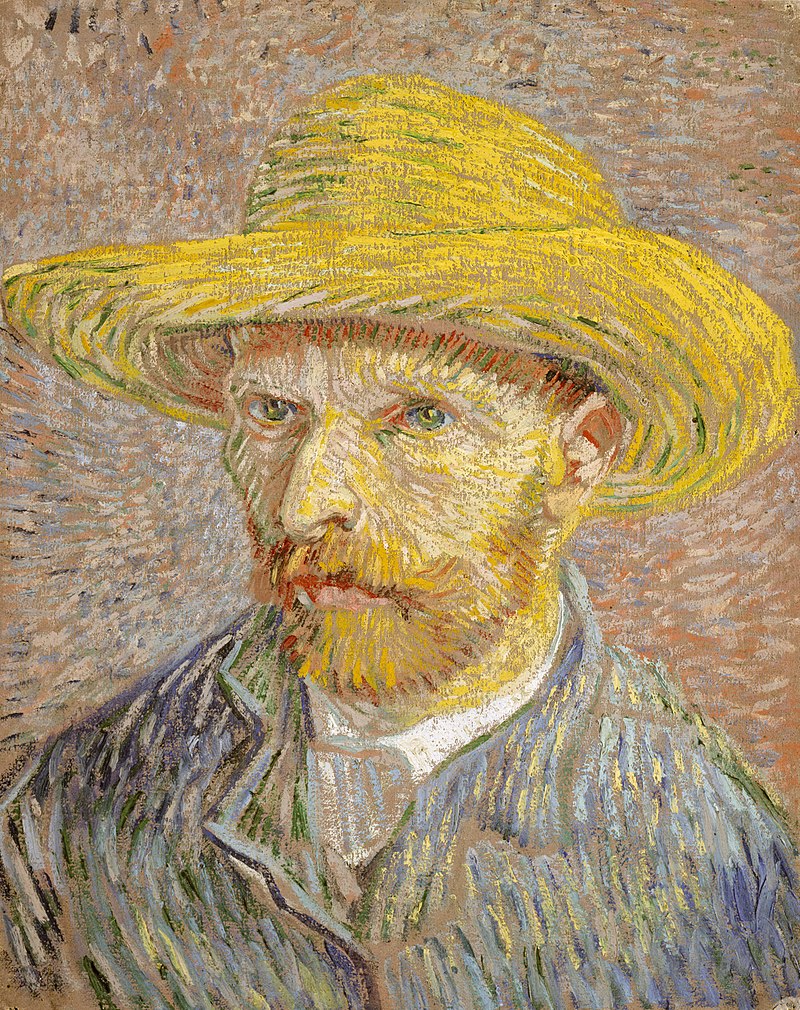
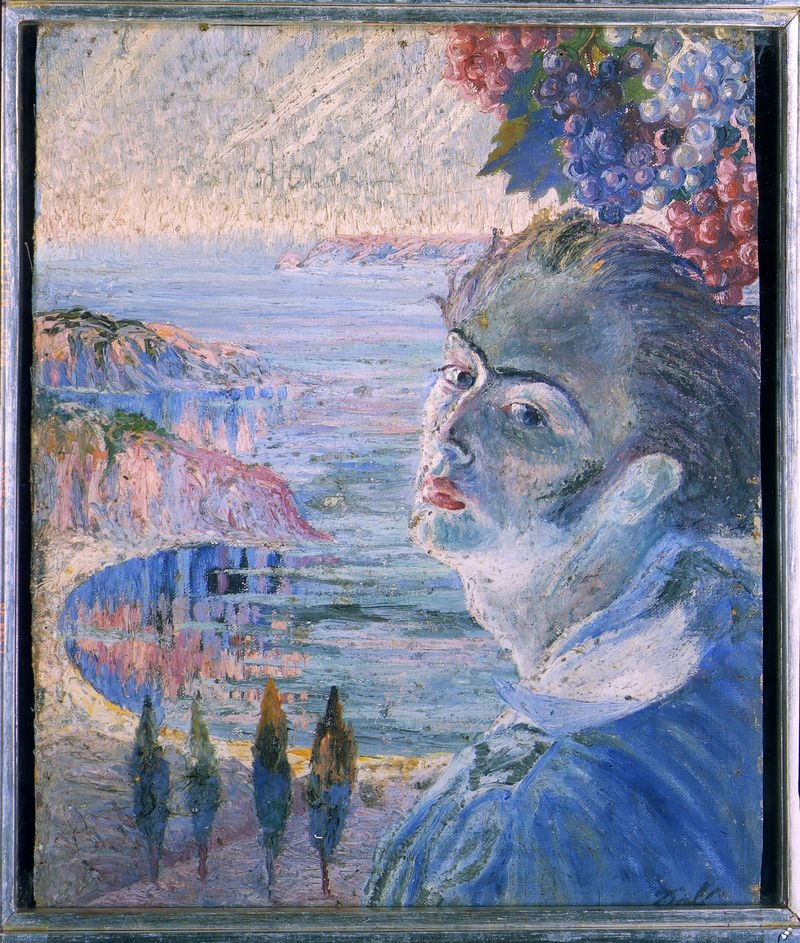
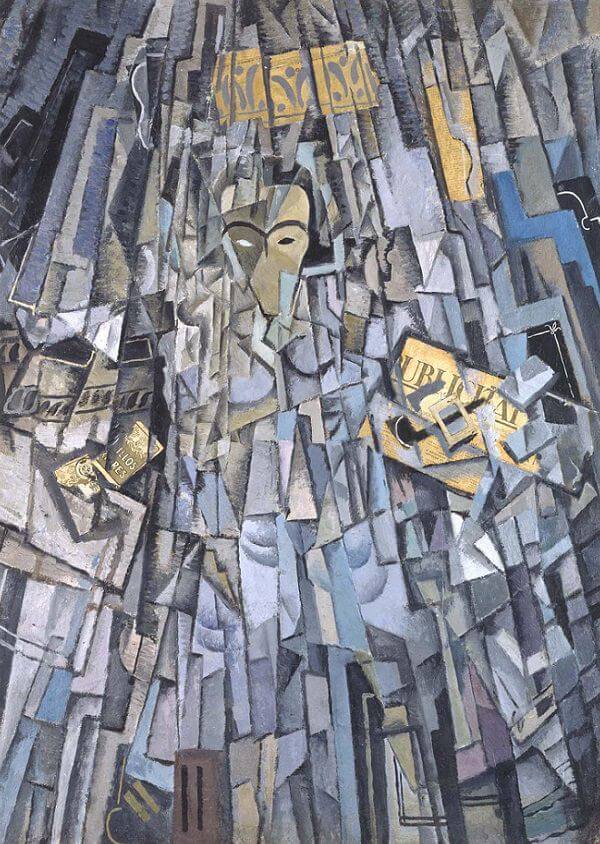
And the self portraits by Dalí are, similarly, a reflection of how the way we understand the world can also be radically transformed.
Each one of our opinions and beliefs is built on almost invisible assumptions, assumptions that can be challenged and altered.
Each one of our opinions and beliefs is built on almost invisible assumptions, assumptions that can be challenged and altered.
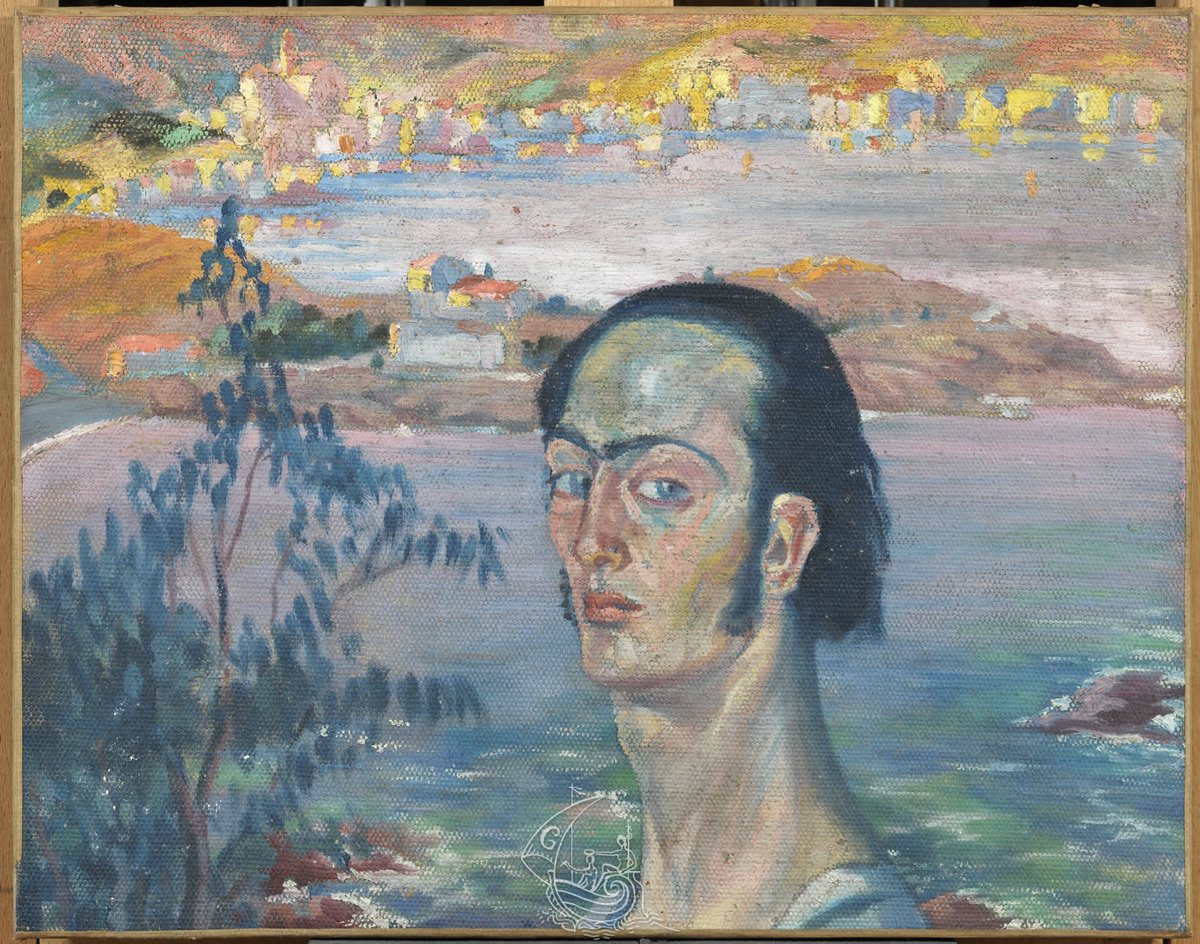
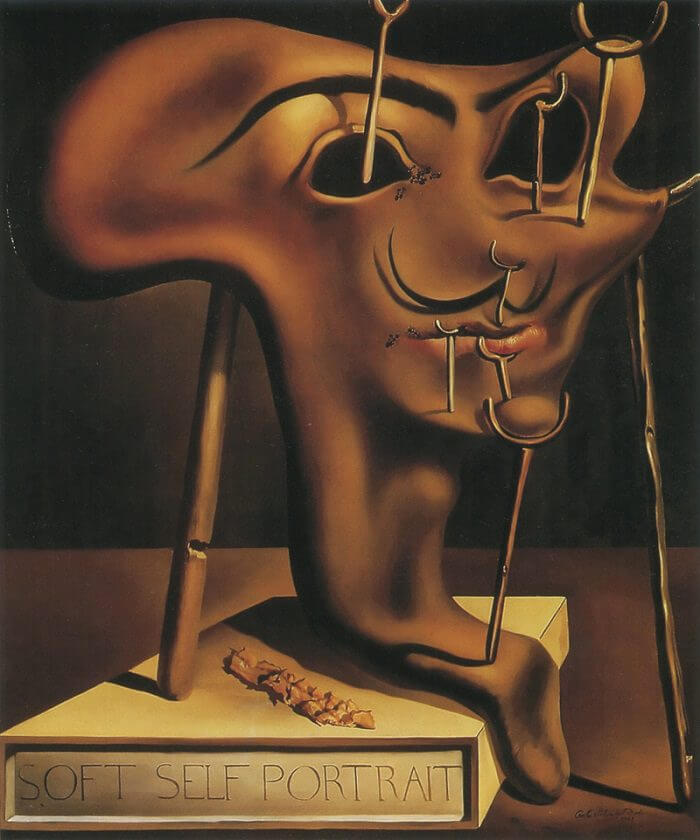
The world changed quickly in the 20th century; whatever things had been, they were no longer.
And Dalí's self portraits embody that.
Electricity, cars, world wars, nuclear bombs, computers: humanity seemed to master the Laws of Physics... have we changed also?
And Dalí's self portraits embody that.
Electricity, cars, world wars, nuclear bombs, computers: humanity seemed to master the Laws of Physics... have we changed also?
Self portraits are an invocation to look at ourselves truthfully.
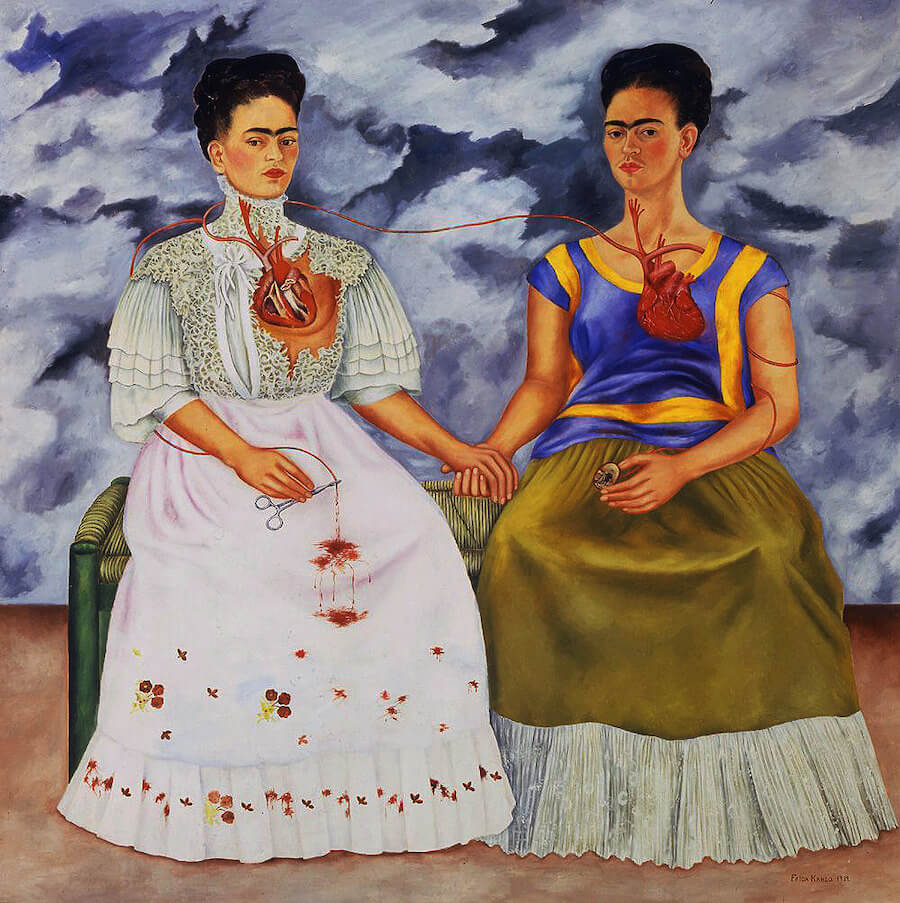
Frida Kahlo's are searingly honest, deeply self-searching in a way that most of us wouldn't dare.
She looked at herself unflinchingly, knew herself faithfully; are we brave enough to do the same?
Frida Kahlo's are searingly honest, deeply self-searching in a way that most of us wouldn't dare.
She looked at herself unflinchingly, knew herself faithfully; are we brave enough to do the same?
No doubt many self portraits are projections or attempts to show off, just like we with social media, broadcasting an idealised version of ourselves.
But sometimes, intensely personal, they break through and remind us not to confuse that projection for who we really are.
But sometimes, intensely personal, they break through and remind us not to confuse that projection for who we really are.
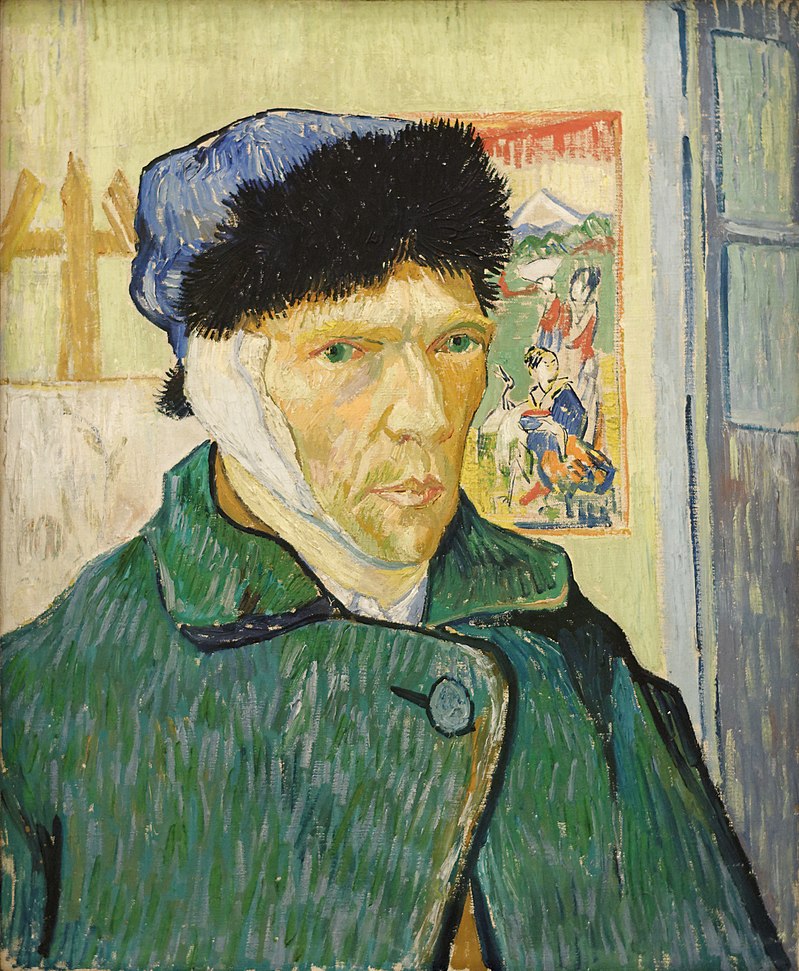
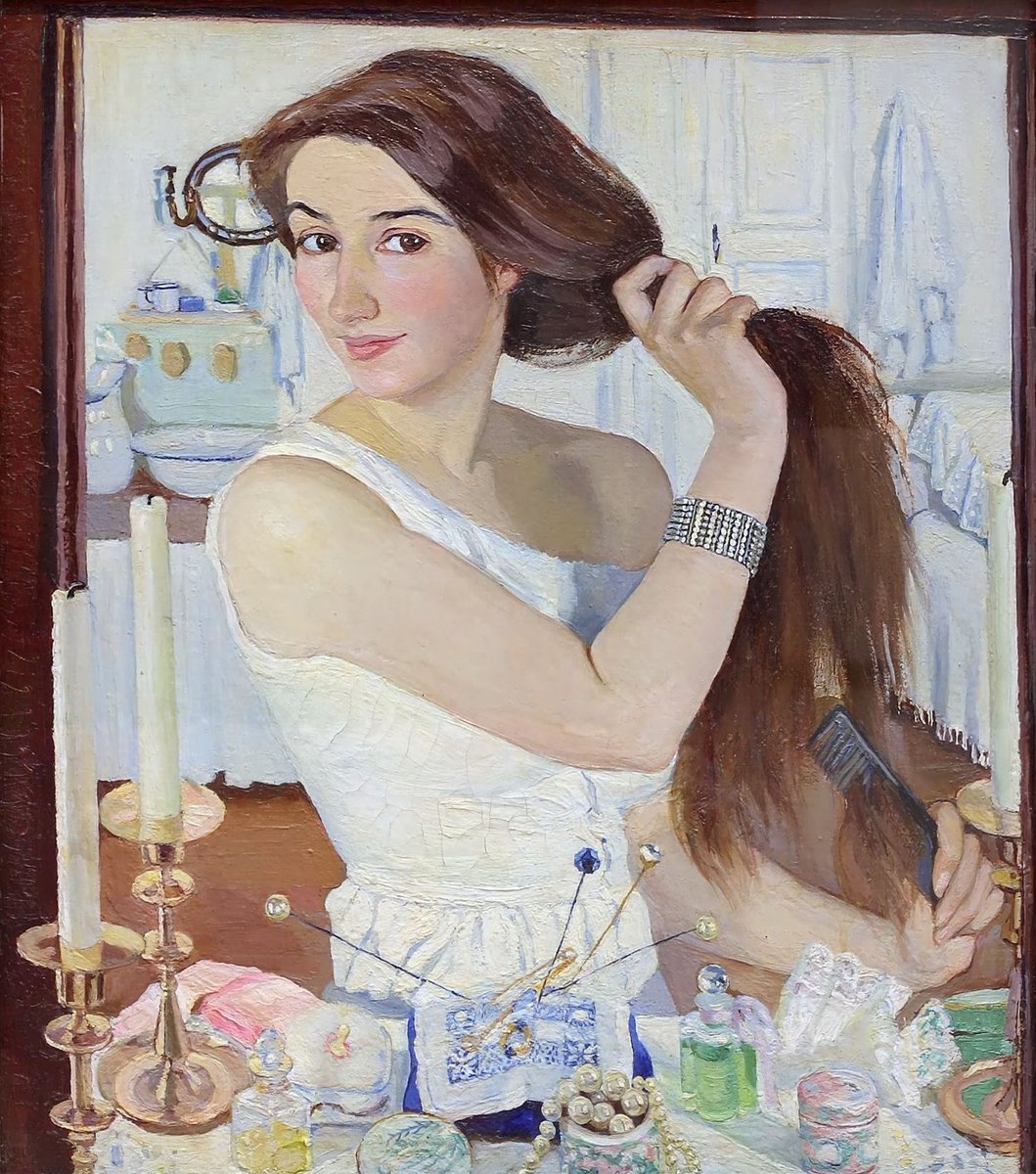
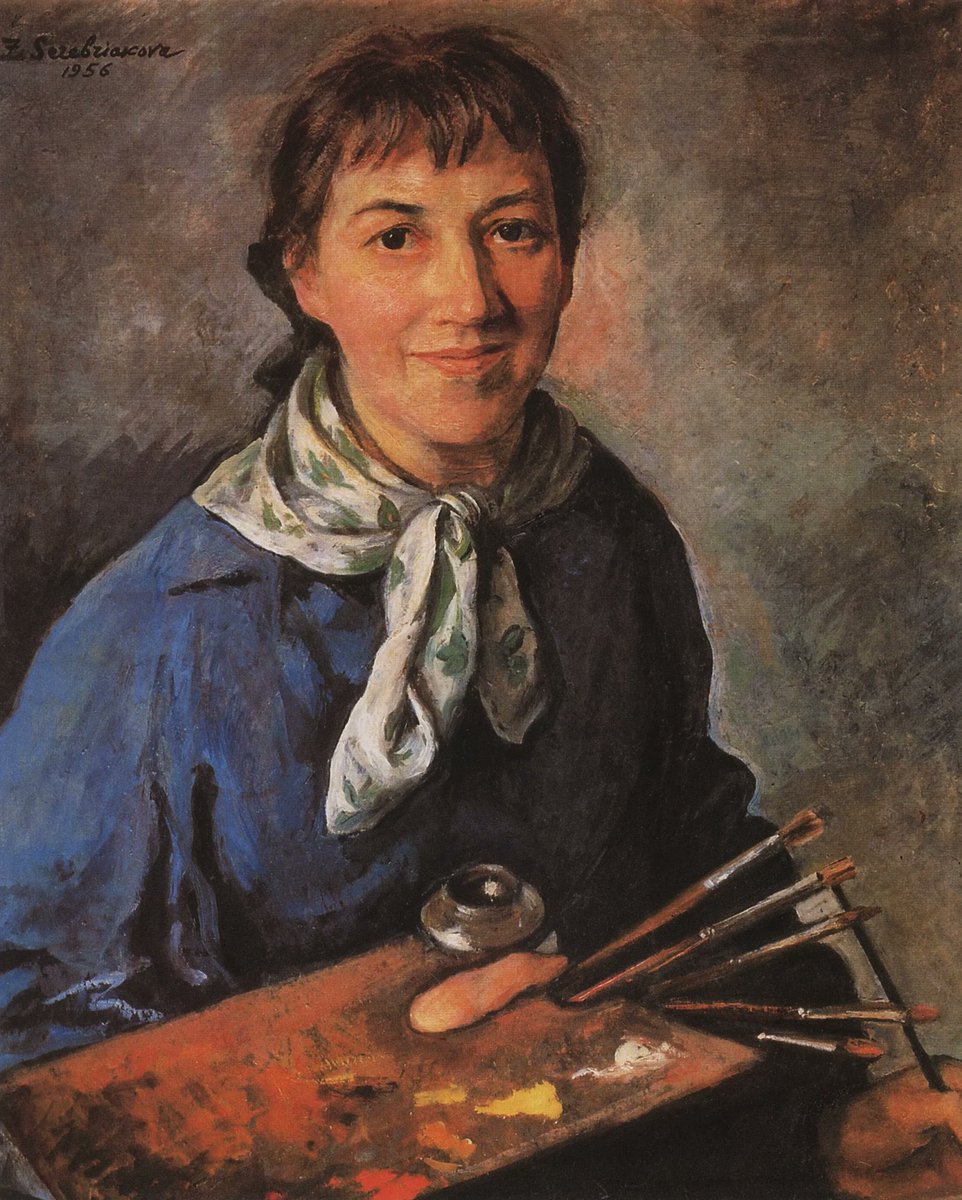
Take aging, a clear theme of the self portraits of Zinaida Serebriakova and of Rembrandt.
Youthful exuberance gives way to... what? Stagnation of spirit, or something else? Are we the same person always? As time passes do we forget who we were? Can we ever remember?
Youthful exuberance gives way to... what? Stagnation of spirit, or something else? Are we the same person always? As time passes do we forget who we were? Can we ever remember?
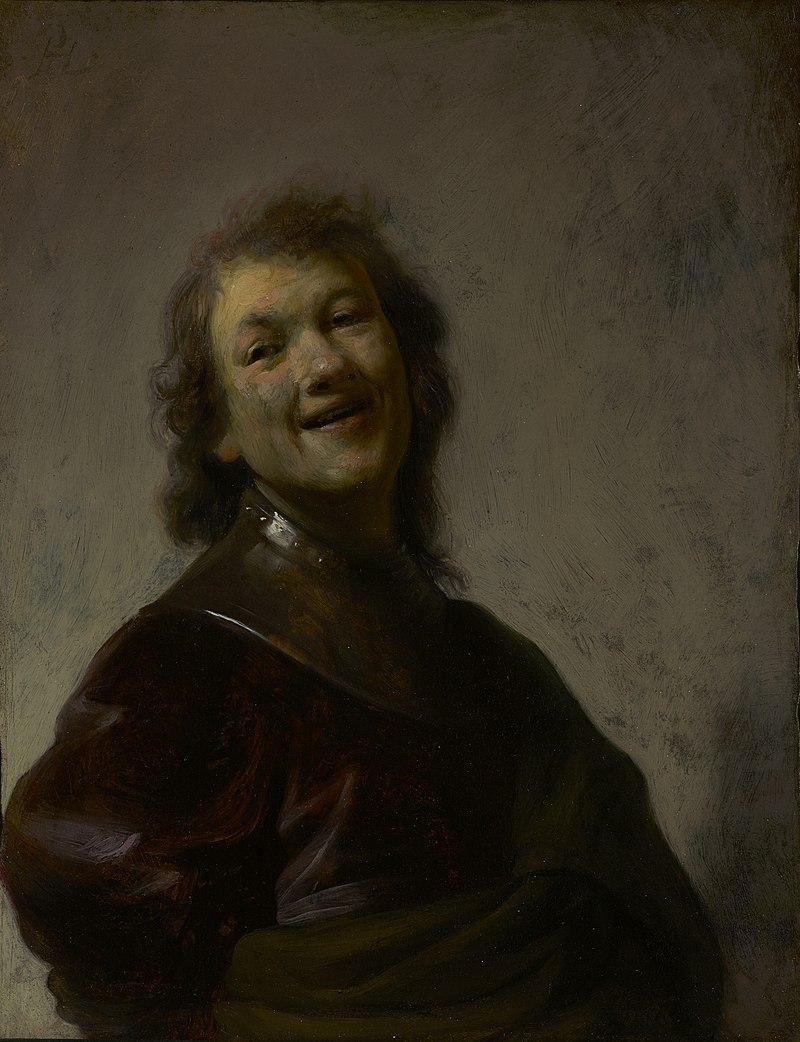
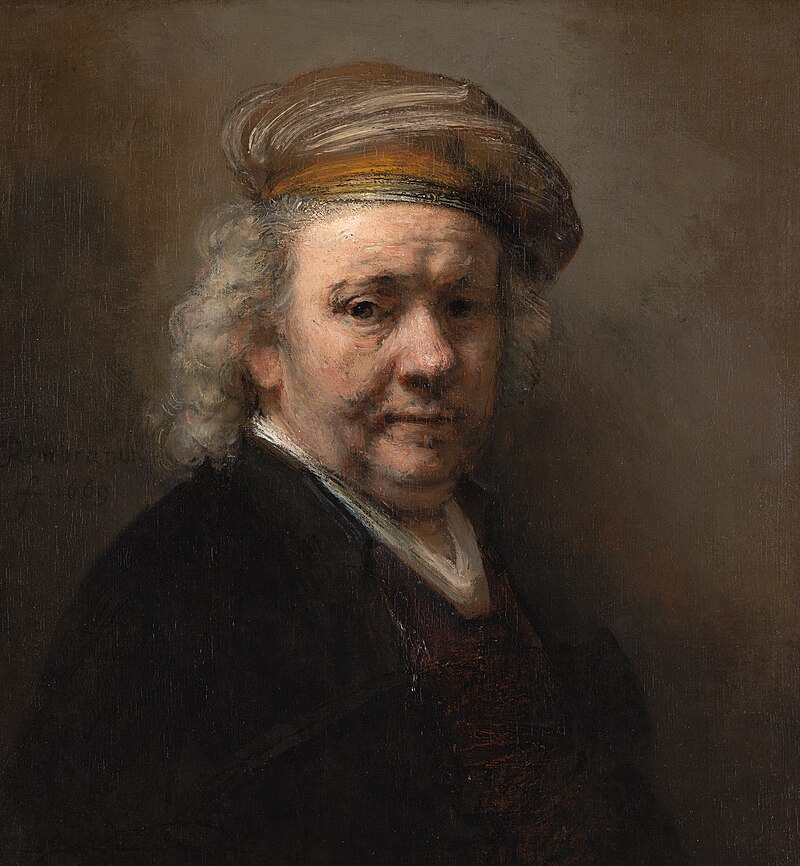
Two self portraits forty years apart, separated by the loss of her husband, emigration to Paris, exile, separation from her family, impoverishment, two World Wars, the Russian Revolution... but still the smile remains.
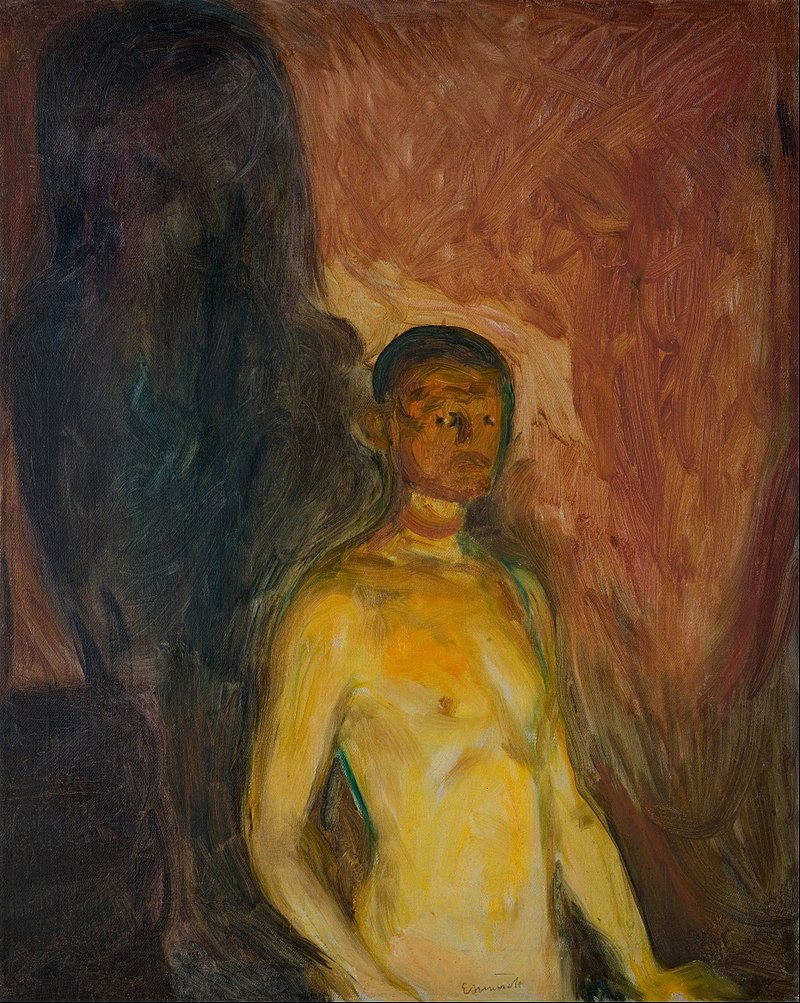
With Munch we see his slow but sure of embrace of pure emotion.
Like van Gogh he cast off the cold tones and solid lines of Realism, to be replaced by the unshackled, vivid colours and flowing, molten forms of Expressionism.
The world as feeling, not mere physical appearance.
Like van Gogh he cast off the cold tones and solid lines of Realism, to be replaced by the unshackled, vivid colours and flowing, molten forms of Expressionism.
The world as feeling, not mere physical appearance.
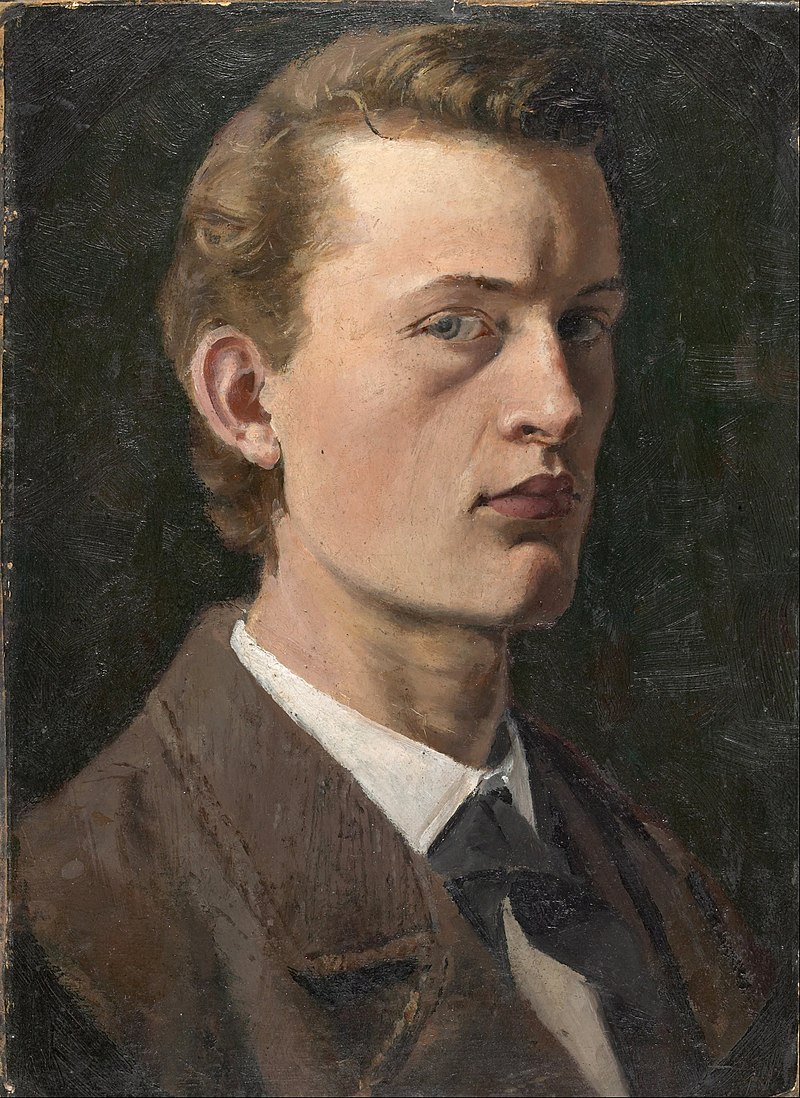
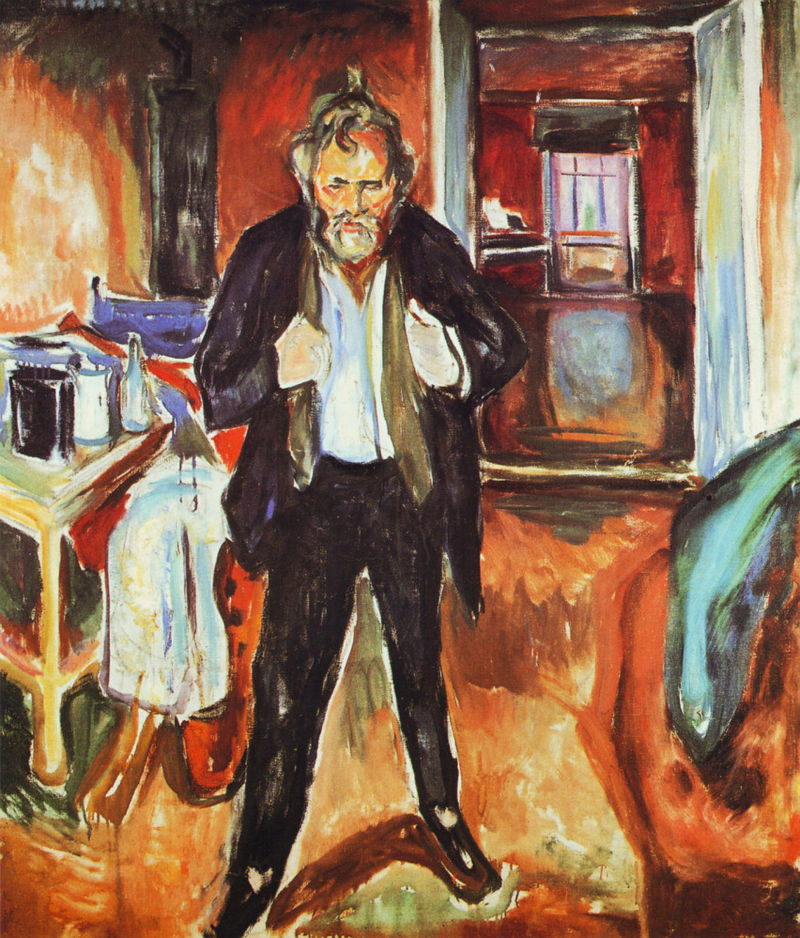
The emotions Munch embraced were not always, even rarely, pleasant — but emotions they were nonetheless, those same feelings that define the human condition, good or bad.
He did not hide from them but confronted and accepted them head on, as he found them, as he found himself:
He did not hide from them but confronted and accepted them head on, as he found them, as he found himself:

Self portraits are one of the most intense and challenging forms of art, and more relevant than ever in the age of social media, because they always ask a question of us, the viewer.
By revealing how another person sees themselves, the self portrait asks... who are you, really?
By revealing how another person sees themselves, the self portrait asks... who are you, really?
Loading suggestions...