

Recently two temples belonging to the Badami Chalukya period were unearthed in Mudimanikyam village, located on the banks of the Krishna River.
Let's look at some important points related to this temple and chalukyan temple in general:
A thread🧵
Let's look at some important points related to this temple and chalukyan temple in general:
A thread🧵
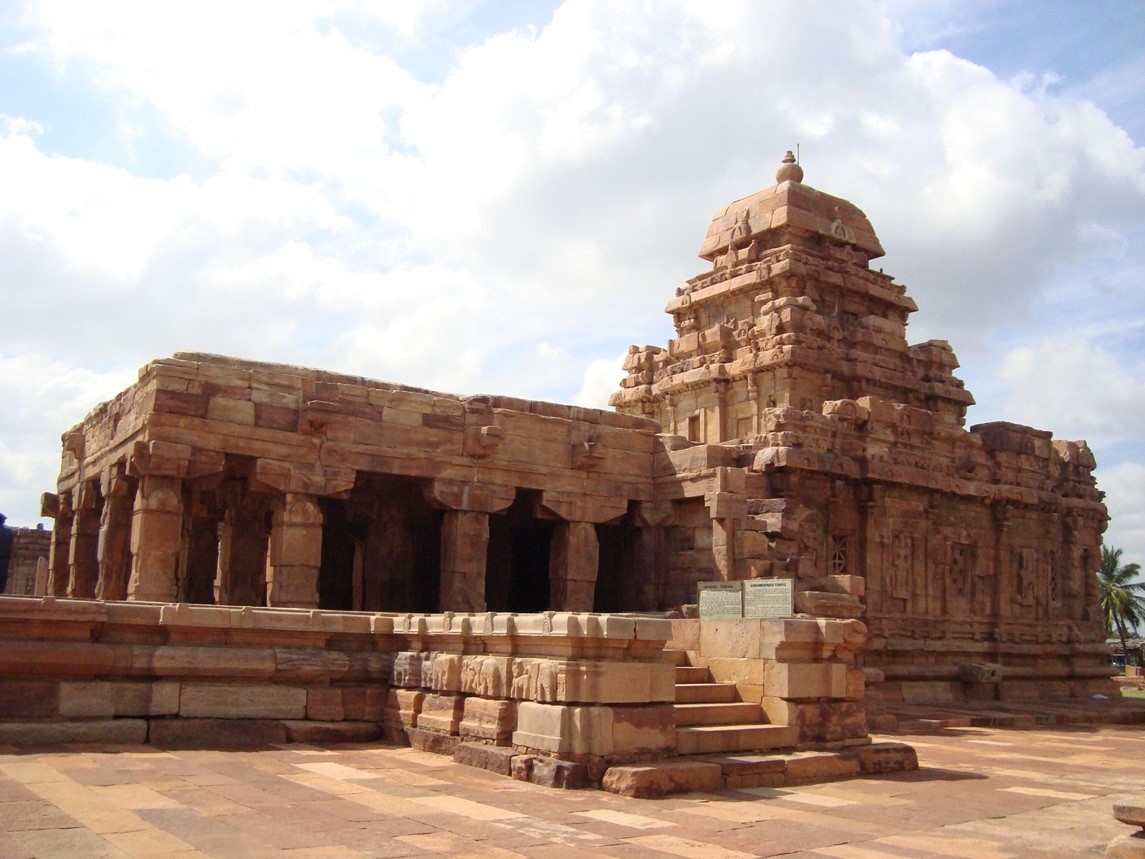
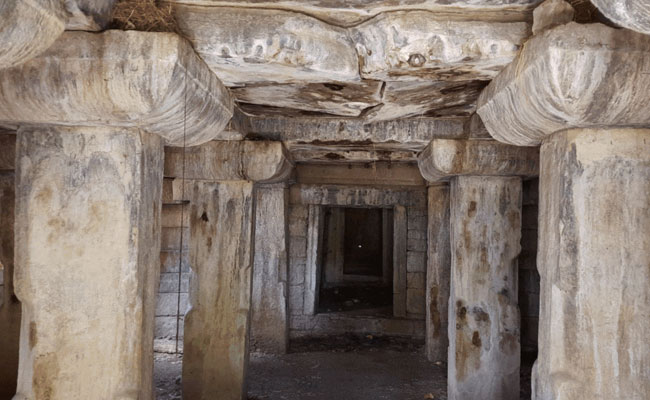
- These temples are estimated to be between 1,300 to 1,500 years old, dating back to around the 8th to 10th centuries CE.
- Along with the temples, a label inscription dating back approximately 1,200 years was also discovered. This inscription likely provides valuable historical information about the temples or the period they were built in.
- Mudimanikyam village is situated in the vicinity of the Krishna River, suggesting that these temples were strategically located, possibly serving as centres of religious and cultural activity during the Badami Chalukya rule.
- The Badami Chalukyas were a prominent dynasty established by Pulakesi I around 550 AD. They ruled from Badami (also known as Vatapi) in the present-day state of Karnataka, India.
- Vesara Style of Architecture: The Badami Chalukyas were renowned for their distinctive Vesara style of architecture. This style is characterized by a unique blend of South Indian Dravidian and North Indian Nagara architectural elements.
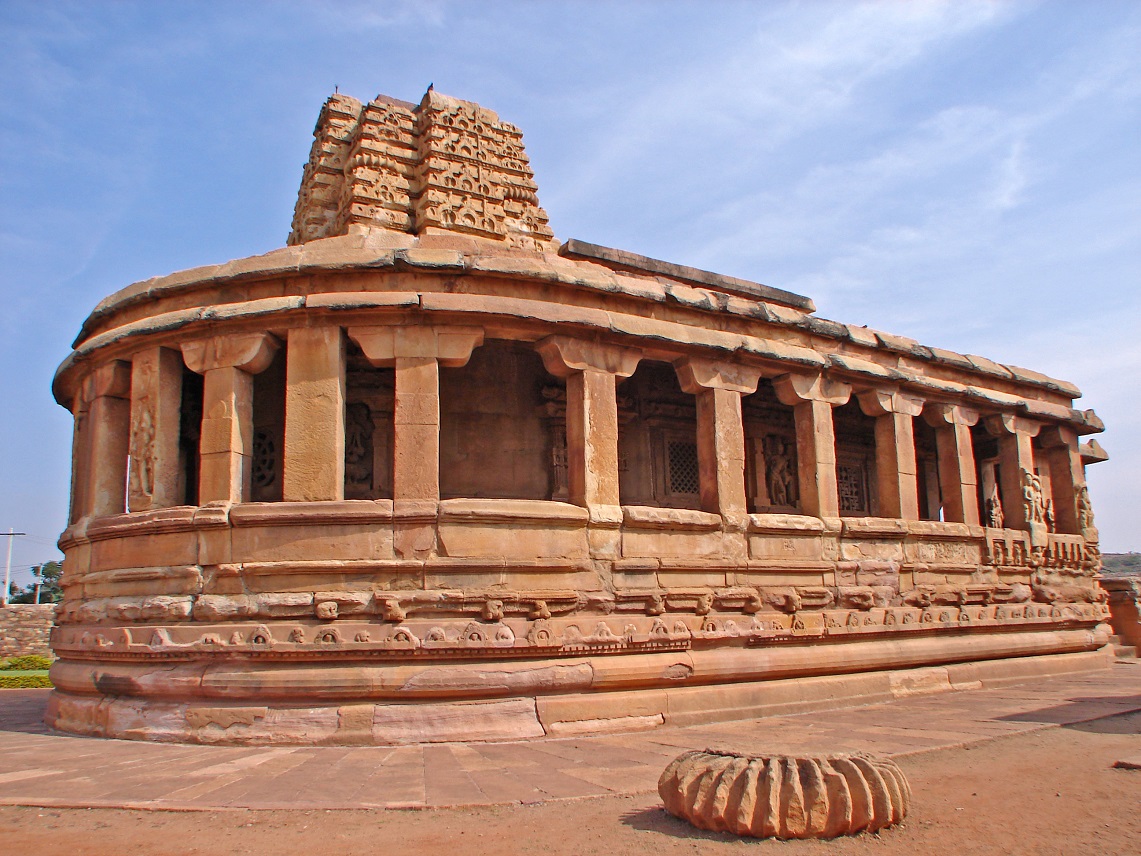
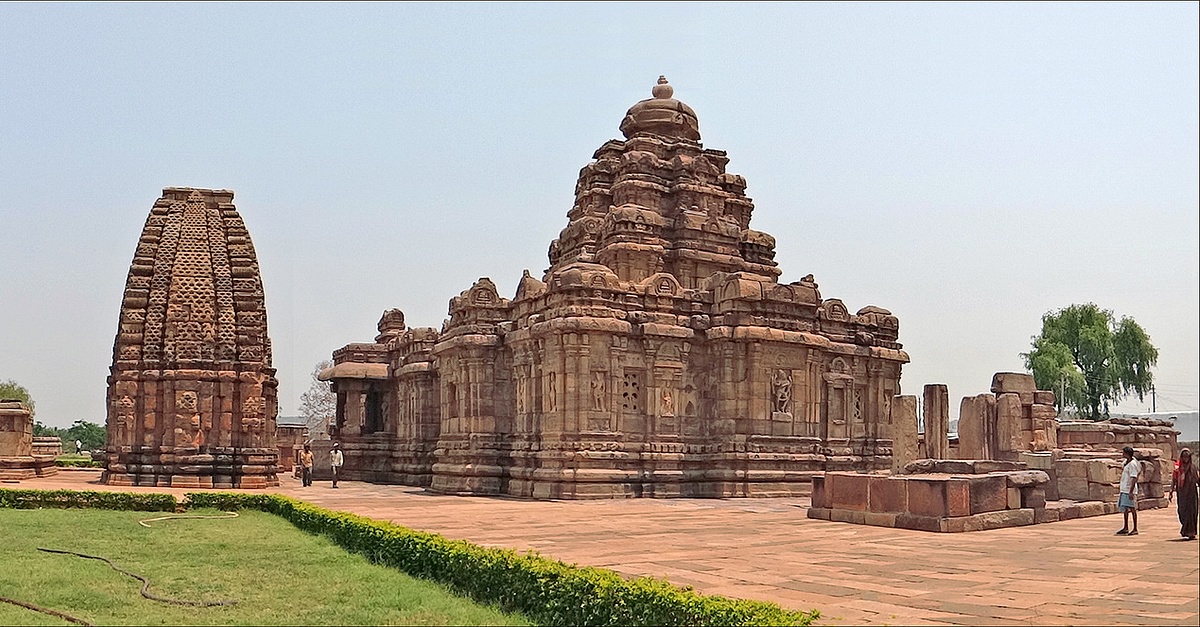
- Monuments such as the rock-cut temples of Pattadakal, Badami, and Aihole exemplify this architectural style.
- Along with the temples, a label inscription dating back approximately 1,200 years was also discovered. This inscription likely provides valuable historical information about the temples or the period they were built in.
- Mudimanikyam village is situated in the vicinity of the Krishna River, suggesting that these temples were strategically located, possibly serving as centres of religious and cultural activity during the Badami Chalukya rule.
- The Badami Chalukyas were a prominent dynasty established by Pulakesi I around 550 AD. They ruled from Badami (also known as Vatapi) in the present-day state of Karnataka, India.
- Vesara Style of Architecture: The Badami Chalukyas were renowned for their distinctive Vesara style of architecture. This style is characterized by a unique blend of South Indian Dravidian and North Indian Nagara architectural elements.
- Monuments such as the rock-cut temples of Pattadakal, Badami, and Aihole exemplify this architectural style.
Some important points about Chalukya Temples:
1. Architectural Diversity: Chalukya temples exhibit a wide range of architectural styles and features, reflecting the cultural and regional diversity of the Chalukya dynasty's territories.
2. Vesara Style: The Chalukyas are particularly known for promoting the Vesara style of architecture, which is a blend of North Indian Nagara and South Indian Dravidian architectural elements. This fusion style is evident in many of their temples.
3. Rock-cut Temples: The Chalukyas were pioneers in rock-cut architecture. They constructed numerous impressive rock-cut temples, especially in places like Badami, Aihole, and Pattadakal, showcasing their engineering and artistic prowess.
4. Cave Temples: Alongside rock-cut temples, the Chalukyas also built cave temples. These temples were carved out of existing rock formations and often featured intricate sculptures and carvings.
5. Structural Temples: In addition to rock-cut and cave temples, the Chalukyas also built structural temples using stone and brick. These temples typically followed the traditional Dravidian or Nagara architectural styles.
6. Intricate Sculptures: Chalukya temples are adorned with elaborate sculptures depicting various deities, mythical creatures, and scenes from Hindu mythology. The craftsmanship and attention to detail in these sculptures are remarkable.
7. Pillared Halls: Many Chalukya temples feature large pillared halls or mandapas, used for religious rituals, gatherings, and performances. These halls are often intricately carved and serve as architectural highlights of the temples.
8. Kalyani (Stepwells): Some Chalukya temples are accompanied by kalyanis, or stepped wells, which were not only sources of water but also served ritualistic and aesthetic purposes.
9. Regional Variations: While there are common architectural elements across Chalukya temples, there are also regional variations influenced by local traditions, materials, and patronage.
10. Legacy: The Chalukya temples stand as enduring symbols of the dynasty's patronage of art, architecture, and religion. They continue to be important pilgrimage sites and cultural landmarks, attracting tourists and scholars from around the world.
1. Architectural Diversity: Chalukya temples exhibit a wide range of architectural styles and features, reflecting the cultural and regional diversity of the Chalukya dynasty's territories.
2. Vesara Style: The Chalukyas are particularly known for promoting the Vesara style of architecture, which is a blend of North Indian Nagara and South Indian Dravidian architectural elements. This fusion style is evident in many of their temples.
3. Rock-cut Temples: The Chalukyas were pioneers in rock-cut architecture. They constructed numerous impressive rock-cut temples, especially in places like Badami, Aihole, and Pattadakal, showcasing their engineering and artistic prowess.
4. Cave Temples: Alongside rock-cut temples, the Chalukyas also built cave temples. These temples were carved out of existing rock formations and often featured intricate sculptures and carvings.
5. Structural Temples: In addition to rock-cut and cave temples, the Chalukyas also built structural temples using stone and brick. These temples typically followed the traditional Dravidian or Nagara architectural styles.
6. Intricate Sculptures: Chalukya temples are adorned with elaborate sculptures depicting various deities, mythical creatures, and scenes from Hindu mythology. The craftsmanship and attention to detail in these sculptures are remarkable.
7. Pillared Halls: Many Chalukya temples feature large pillared halls or mandapas, used for religious rituals, gatherings, and performances. These halls are often intricately carved and serve as architectural highlights of the temples.
8. Kalyani (Stepwells): Some Chalukya temples are accompanied by kalyanis, or stepped wells, which were not only sources of water but also served ritualistic and aesthetic purposes.
9. Regional Variations: While there are common architectural elements across Chalukya temples, there are also regional variations influenced by local traditions, materials, and patronage.
10. Legacy: The Chalukya temples stand as enduring symbols of the dynasty's patronage of art, architecture, and religion. They continue to be important pilgrimage sites and cultural landmarks, attracting tourists and scholars from around the world.
Loading suggestions...