

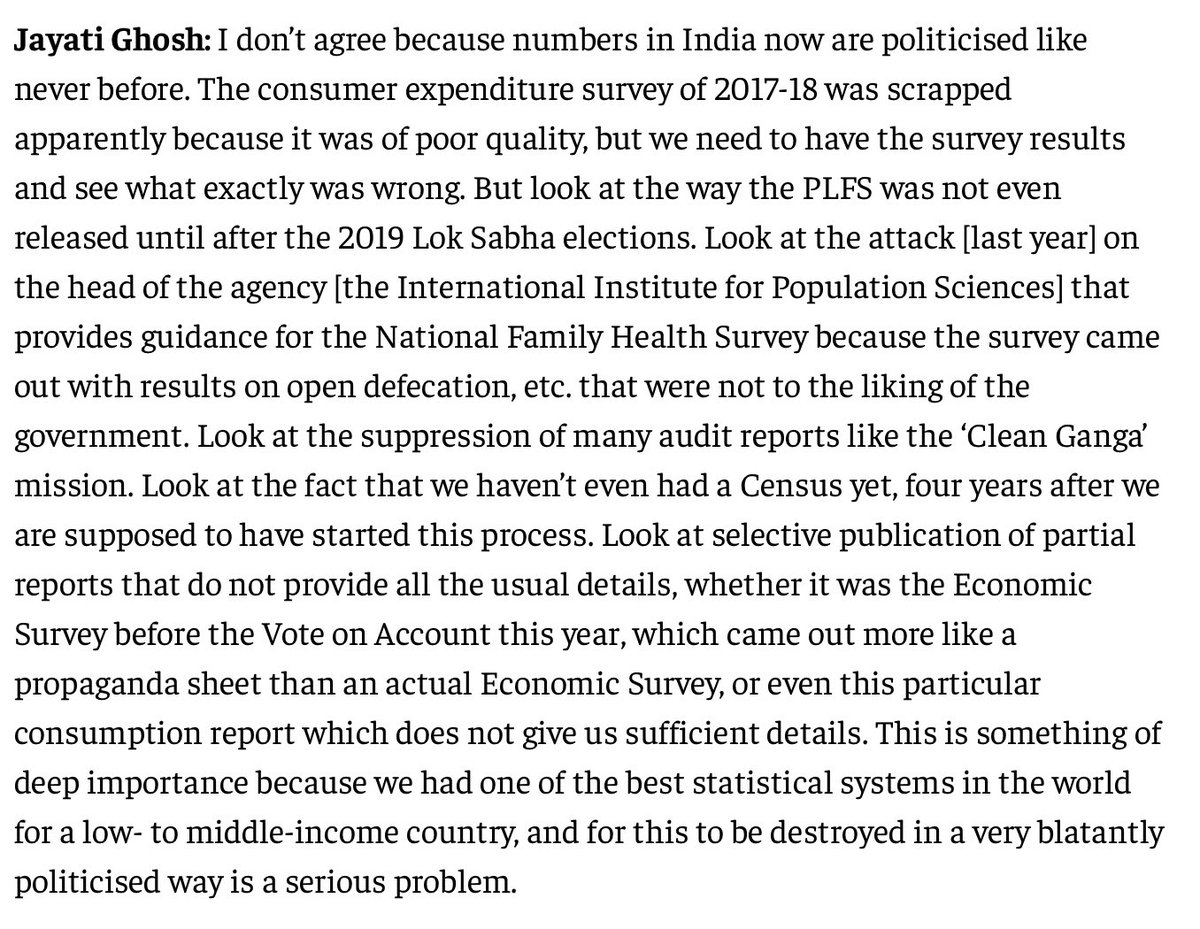
While I love to see when India succeeds, a healthy degree of skepticism is warranted on these numbers.
A. Mody has been sounding the alarm on the widening gulf between politicized statistics and on-the-ground realities.
A. Mody has been sounding the alarm on the widening gulf between politicized statistics and on-the-ground realities.
Statistical integrity was brought up after the Modi administration took over more than a decade ago.
In this case, persistently under-measuring inflation.
These questions have yet to be resolved.
thehindu.com
In this case, persistently under-measuring inflation.
These questions have yet to be resolved.
thehindu.com

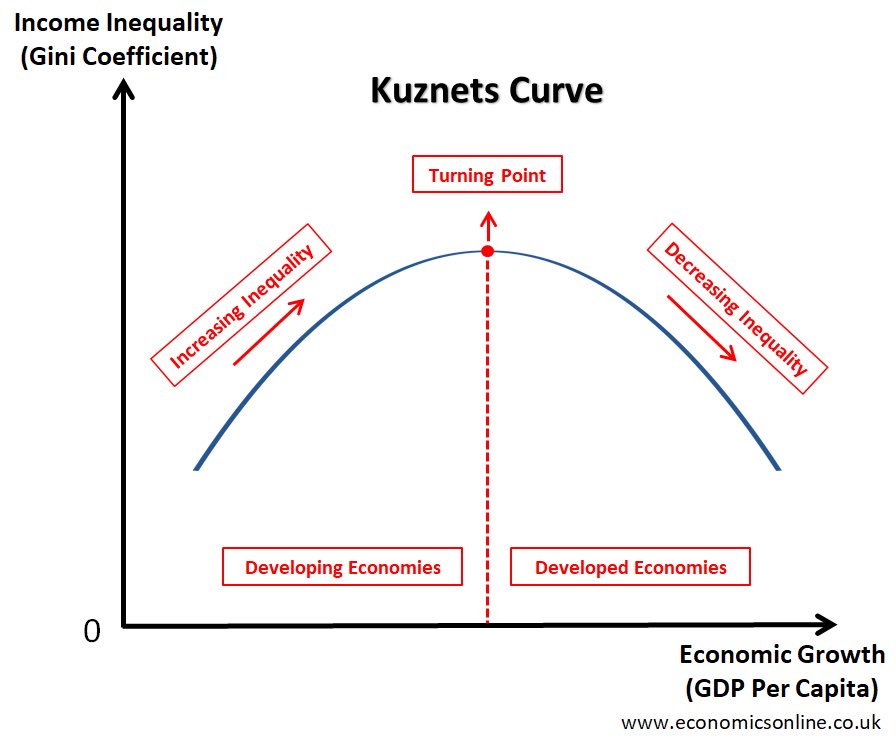
In countries at this phase of economic development (earlier in the agrarian-to-urban transition) that are doing well (growing fast), inequality tends to rise, not shrink.
Numbers like female participation in the workforce, % informal workforce, % farming employment, global % manufacturing value add have not moved significantly.
These are the numbers you would expect to see marked gains with both rapid growth and declining inequality.
These are the numbers you would expect to see marked gains with both rapid growth and declining inequality.
Many tend to compare India to China.
It’s far more meaningful to compare it economically with Vietnam, or ASEAN more broadly.
It’s far more meaningful to compare it economically with Vietnam, or ASEAN more broadly.
@AshokaMody lays out the math and reasoning quite clearly, showing how playing with inflation levels leads to this result.
Is 45 rupees per day (barely enough for two meals) enough to not be counted as “extreme poverty”?
Is 45 rupees per day (barely enough for two meals) enough to not be counted as “extreme poverty”?
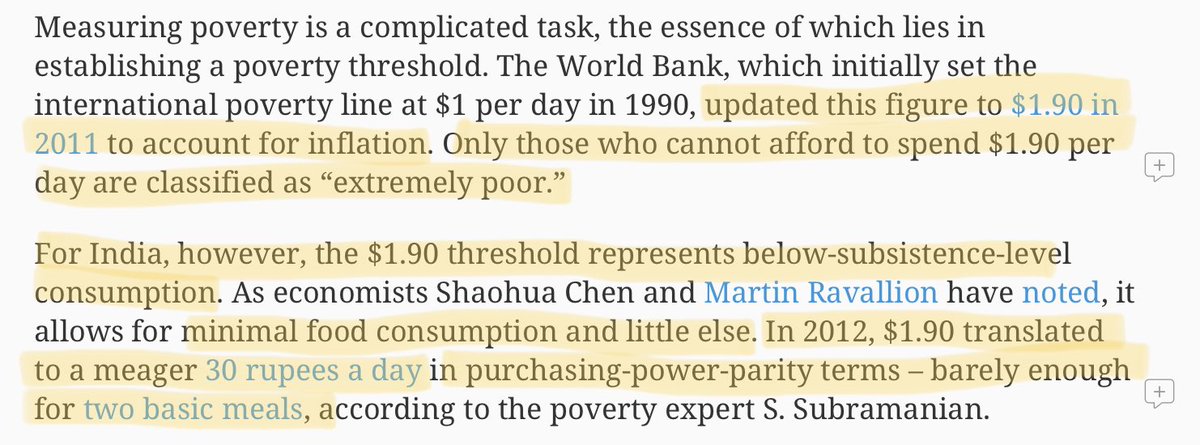
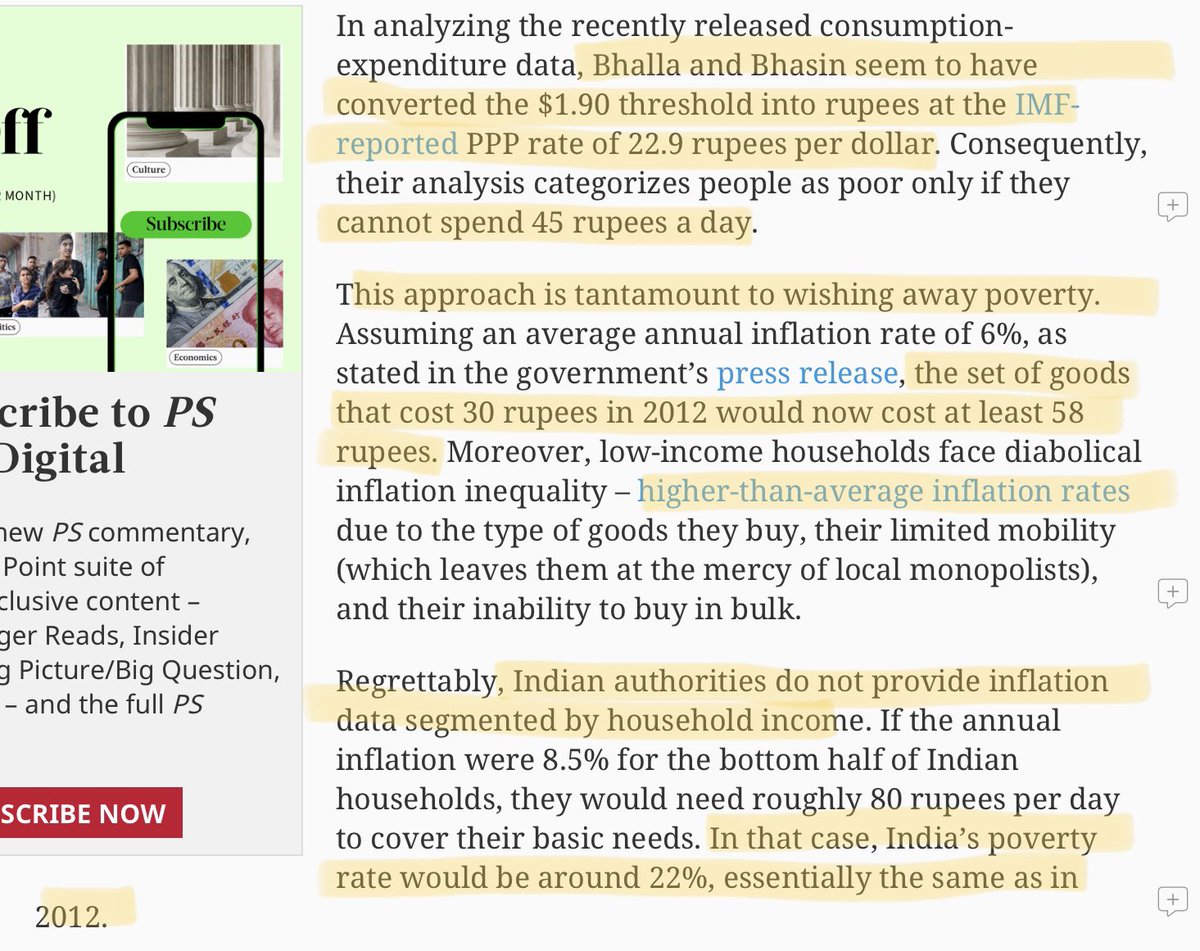
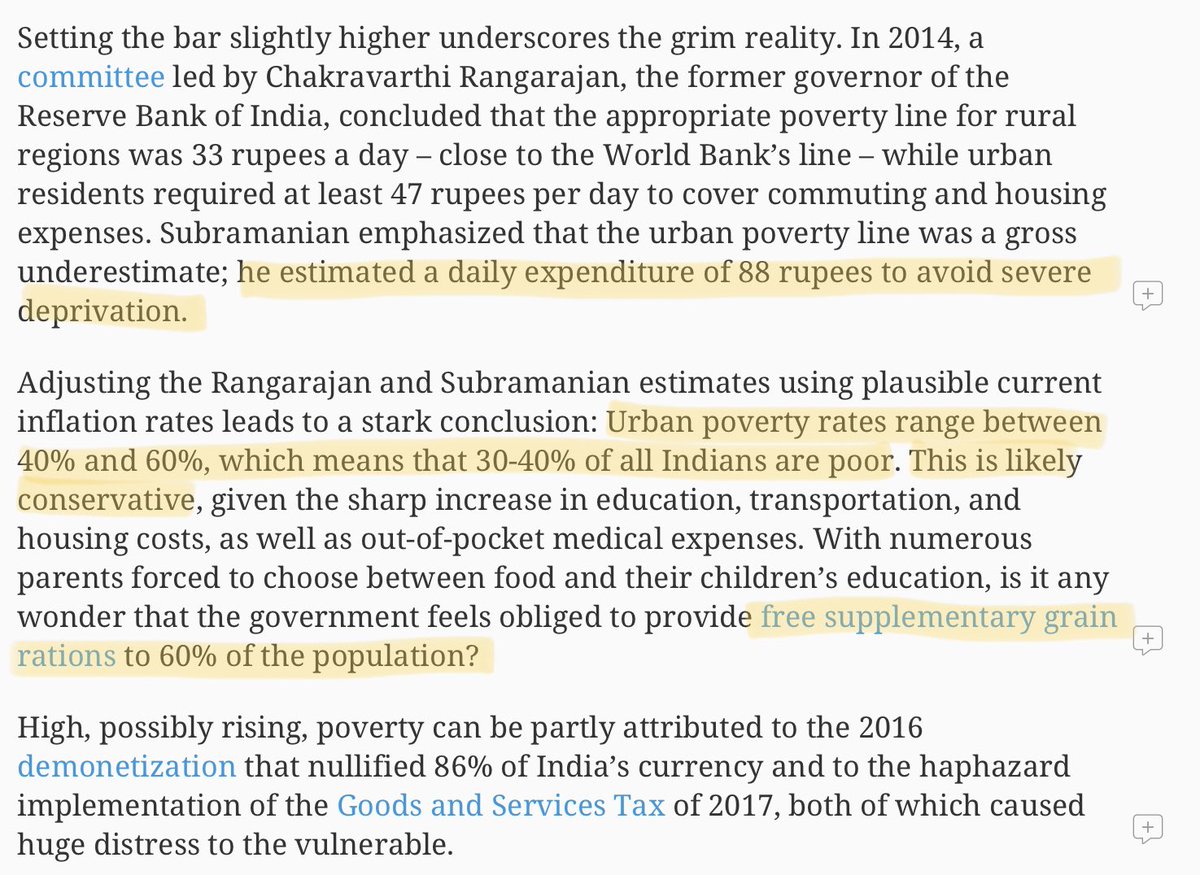
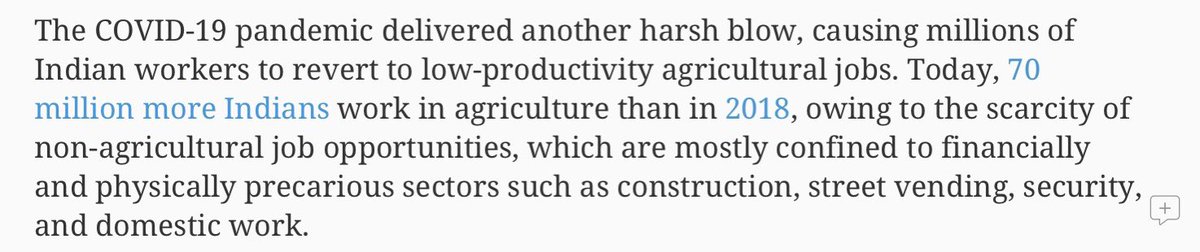
@AshokaMody Other metrics indicate that poverty levels and inequality have flatlined or even risen, exacerbated by two major several external shocks (COVID in 2020-21 and demonetization in 2016) that Mody argues disproportionately hurt the bottom quintile.

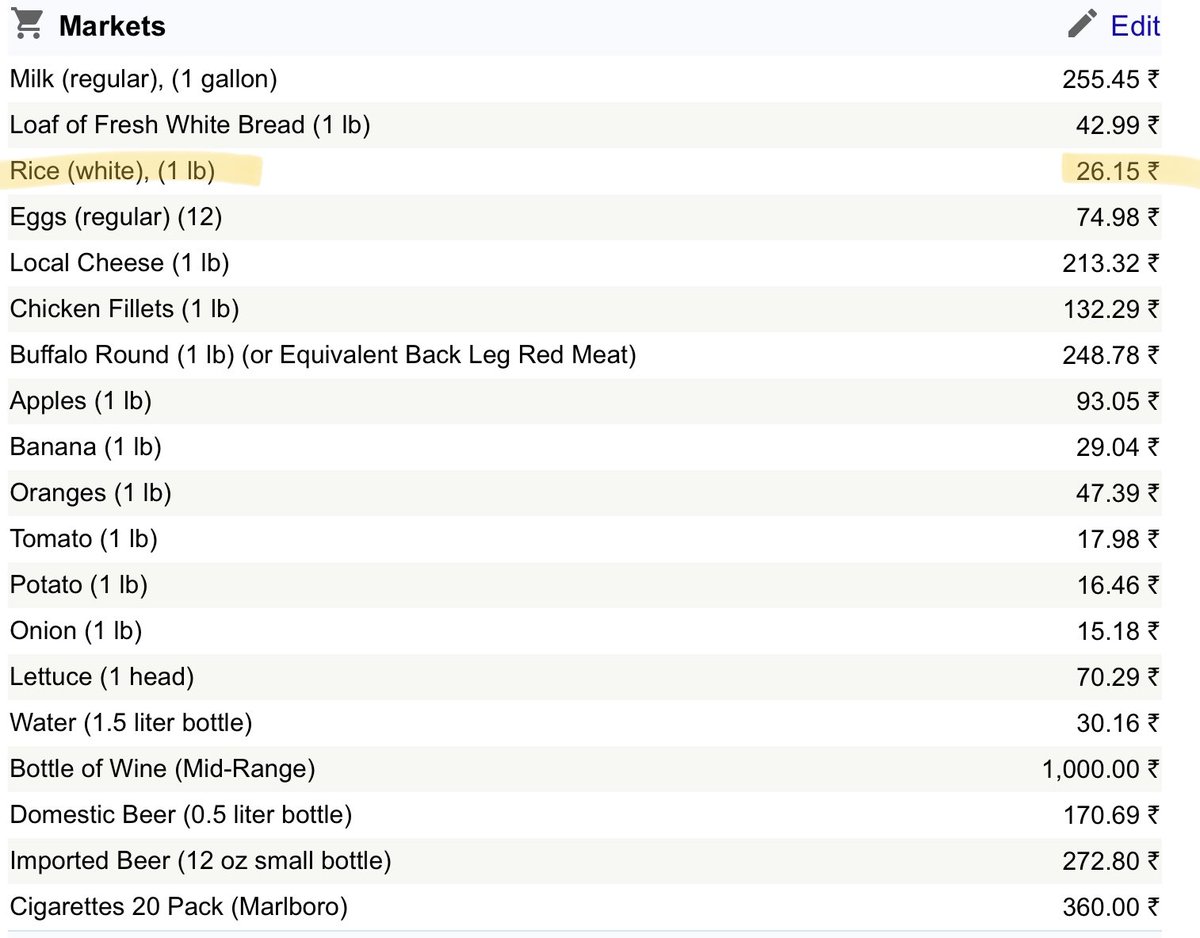
@AshokaMody According to Numbeo, it costs ₹26 for a pound of rice in Hyderabad.
So ₹45 buys less than <2 lbs of rice per day. Nothing leftover for shelter, transportation, electricity, hygiene, education, etc.
So ₹45 buys less than <2 lbs of rice per day. Nothing leftover for shelter, transportation, electricity, hygiene, education, etc.
@AshokaMody I can understand why amplifying these numbers makes sense domestically (to win an election, perhaps?).
But I don’t quite understand from a 🇺🇸 perspective what is to be gained from buying into distorted realities.
But I don’t quite understand from a 🇺🇸 perspective what is to be gained from buying into distorted realities.
Loading suggestions...