
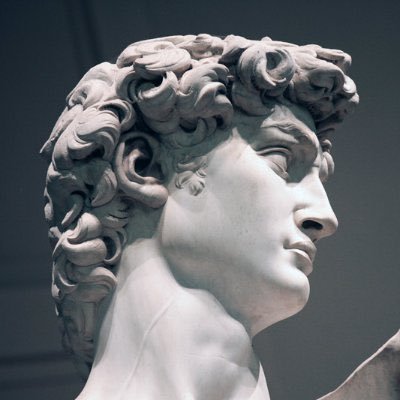
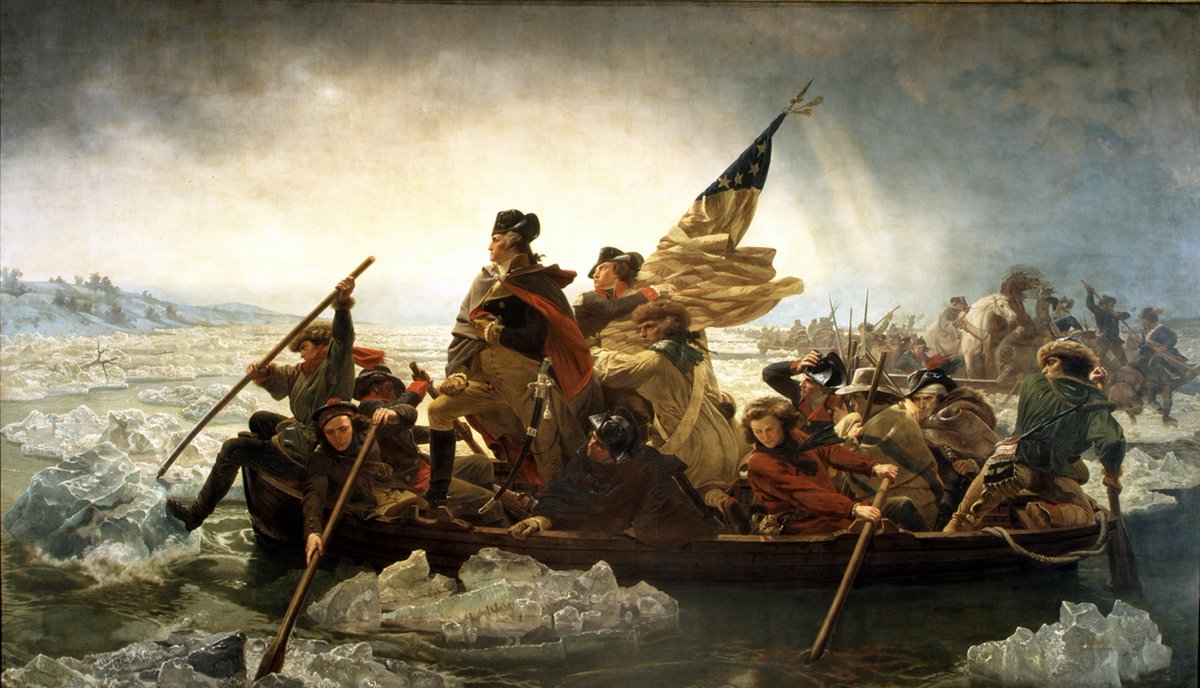
Reminder that Americans once fought a revolution because the British slightly raised taxes on their breakfast tea.
(What happened to that fighting spirit?)
A thread on the 6 drinks that shaped civilization — from beer to soda... 🧵
(What happened to that fighting spirit?)
A thread on the 6 drinks that shaped civilization — from beer to soda... 🧵

There are 6 drinks that chart the flow of civilization — that is the idea underpinning Tom Standage’s "A History of the World in 6 Glasses".
They are the catalysts of great ages of exploration, reason and revolution. A short summary...
They are the catalysts of great ages of exploration, reason and revolution. A short summary...

1. Beer: The Great Humanizer
Originating in Ancient Mesopotamia in c.4,000 BC, beer was a few steps removed from water — symbolic of humanity’s distinction from nature.
In the ancient Epic of Gilgamesh, Gilgamesh gives some to the wild creature Enkidu, thus humanizing it.
Originating in Ancient Mesopotamia in c.4,000 BC, beer was a few steps removed from water — symbolic of humanity’s distinction from nature.
In the ancient Epic of Gilgamesh, Gilgamesh gives some to the wild creature Enkidu, thus humanizing it.

Safer than plain water, it was so essential that ancient Mesopotamian workers were paid their wages in beer.
From the most simple ingredients there are: water, grain, wild yeast — consumed by both rich and poor from the start. Today it's still the great equalizer.
From the most simple ingredients there are: water, grain, wild yeast — consumed by both rich and poor from the start. Today it's still the great equalizer.
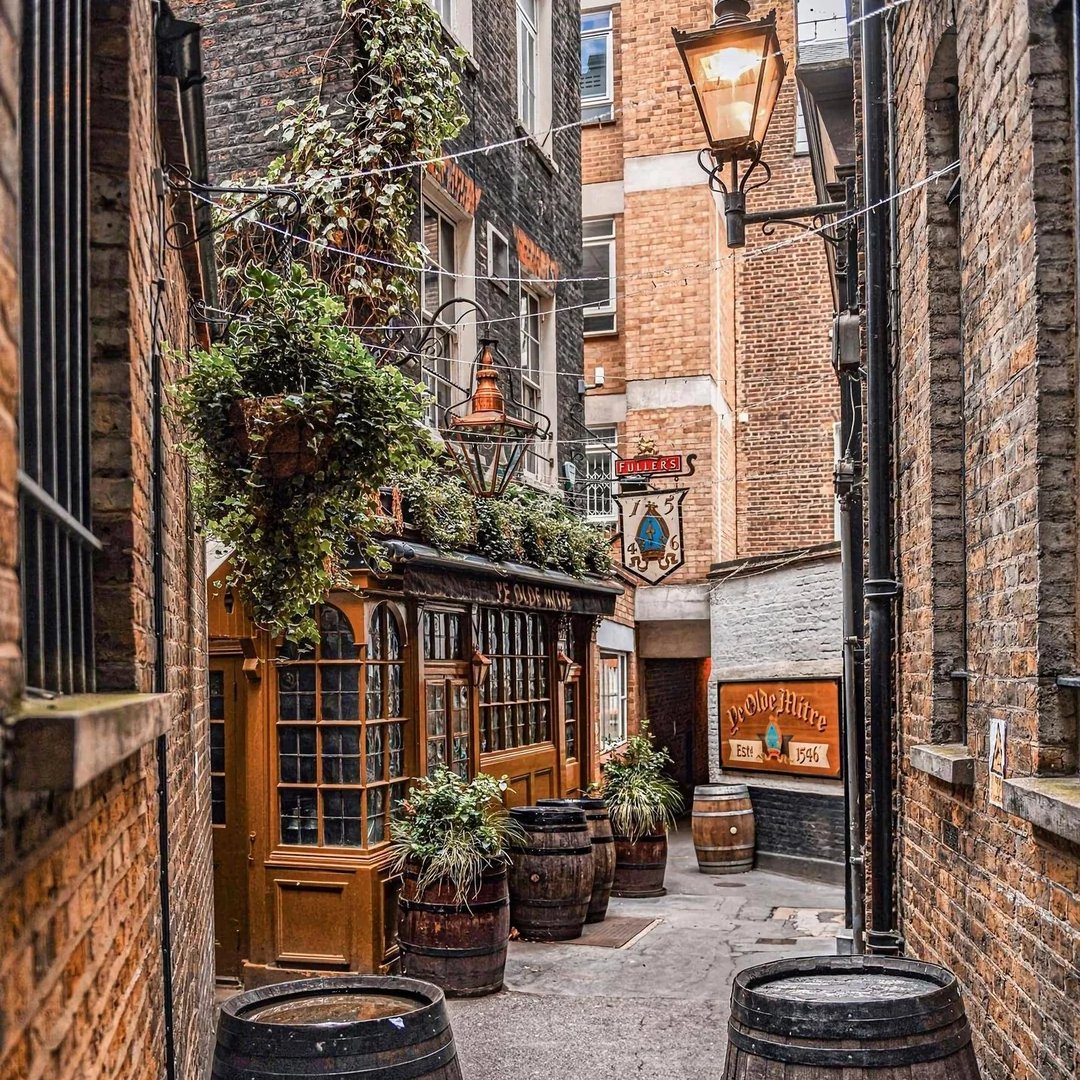
2. Wine: The Growth of Culture
Wine was always synonymous with expense and sophistication. An Assyrian King popularized it in 870 BC, but it really caught on in Ancient Greece.
Intellectuals like Plato and Socrates gathered for philosophical drinking parties ("symposiums")...
Wine was always synonymous with expense and sophistication. An Assyrian King popularized it in 870 BC, but it really caught on in Ancient Greece.
Intellectuals like Plato and Socrates gathered for philosophical drinking parties ("symposiums")...
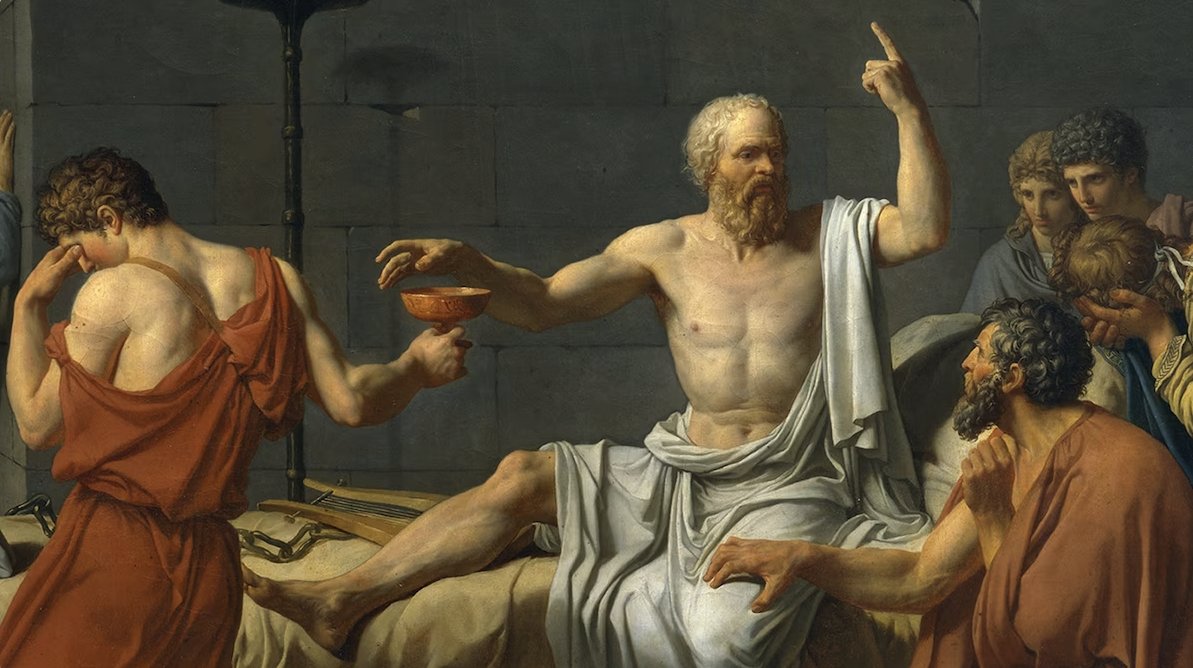
But why would philosophers consume alcohol, which dulls the mind rather than sharpens it?
That's actually precisely why they did. Socrates argued that drunkenness allowed you to encounter your dark side and gain mastery over it.
That's actually precisely why they did. Socrates argued that drunkenness allowed you to encounter your dark side and gain mastery over it.
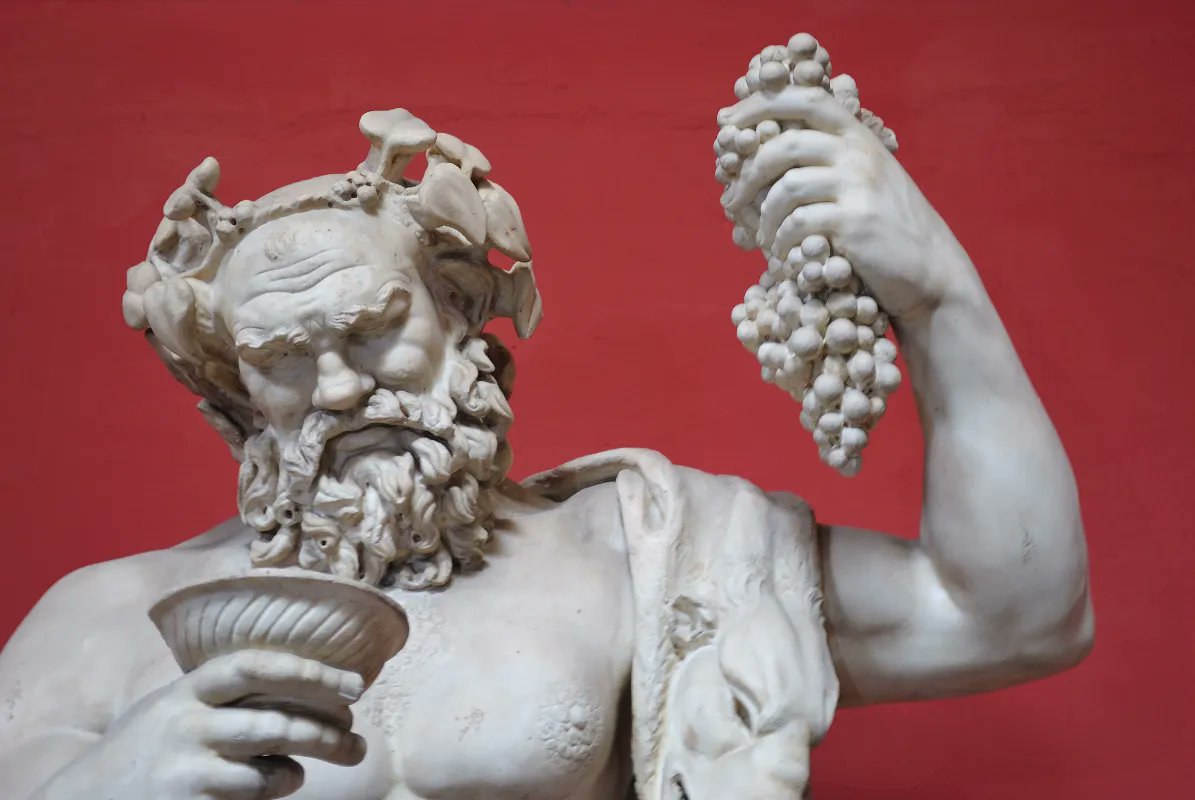
3. Spirits: Race to the New World
In the 16th and 17th centuries, the process of distillation brought new drinks that would fuel an entire age of exploration. Brandy was used as currency by Trans-Atlantic traders, and the sugar cane gave rise to rum.
In the 16th and 17th centuries, the process of distillation brought new drinks that would fuel an entire age of exploration. Brandy was used as currency by Trans-Atlantic traders, and the sugar cane gave rise to rum.
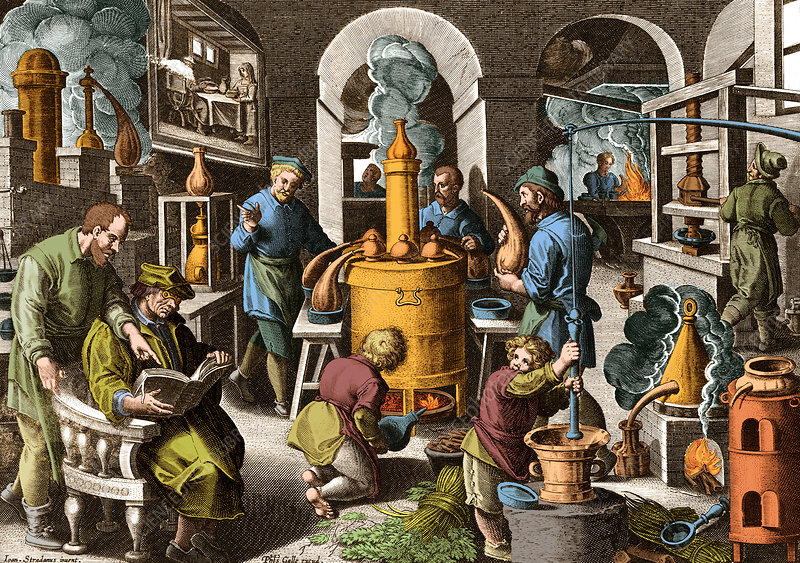
Rum (more stable and concentrated than wine or beer) became the preferred drink of sailors.
And when Britain levied taxes on it, a cat-and-mouse game of smuggling and taxation began — eventually exploding into the War of Independence in 1775.
And when Britain levied taxes on it, a cat-and-mouse game of smuggling and taxation began — eventually exploding into the War of Independence in 1775.
4. Coffee: Cognition in a Cup
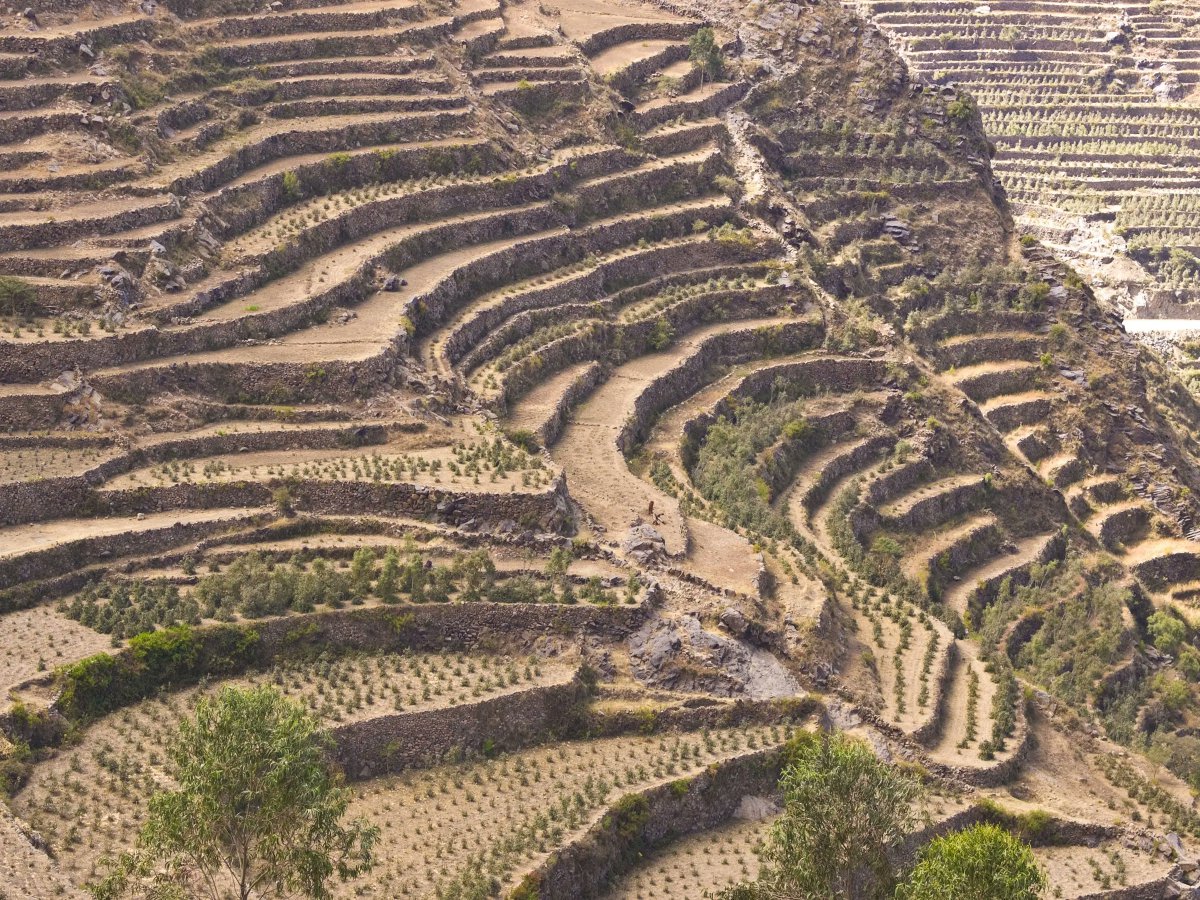
Discovered sometime in the first millennium AD, coffee remained primarily an Arabian drink until Pope Clement VIII’s affinity for it opened the door to the West.
It soon came to inspire a revolution in thinking and an age of reason in Europe...
Discovered sometime in the first millennium AD, coffee remained primarily an Arabian drink until Pope Clement VIII’s affinity for it opened the door to the West.
It soon came to inspire a revolution in thinking and an age of reason in Europe...
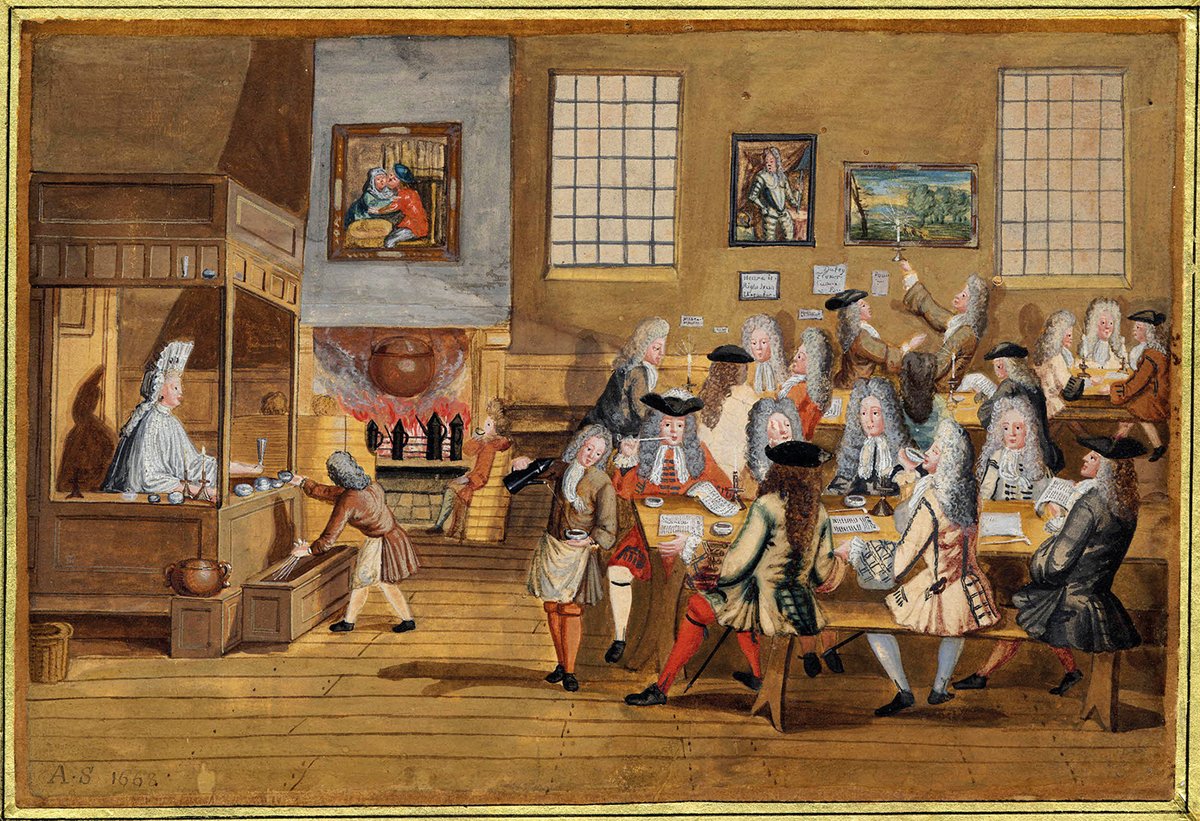
Coffee went hand-in-hand with the Enlightenment of the 1600s. Coffeehouses spread fast in England — people came to discuss politics, philosophy, and world events, spurred on by coffee’s psychotropic stimulation.
5. Tea: An Exchange of Power
Tea was the lifeblood of the industrial revolution in England — it might never have happened without it.
The caffeinated drink freed workers’ bodies from their natural circadian rhythms, so that they could run on manmade schedules.
Tea was the lifeblood of the industrial revolution in England — it might never have happened without it.
The caffeinated drink freed workers’ bodies from their natural circadian rhythms, so that they could run on manmade schedules.
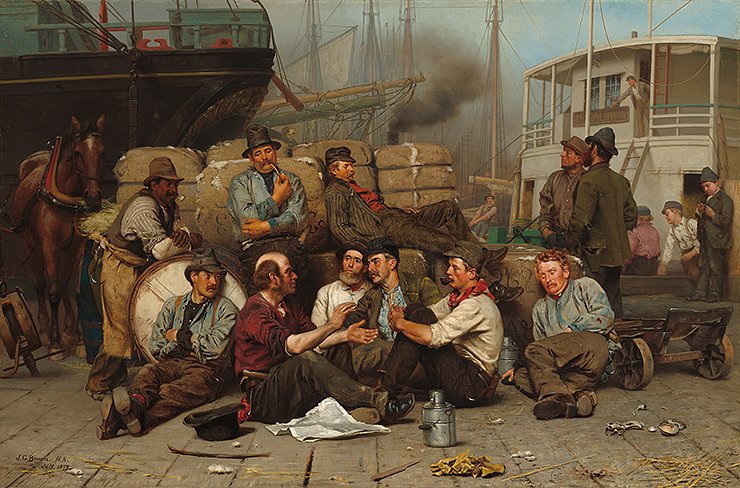
It came to Britain from China, via the East India Trading Company which traded opium for it. When China banned opium, the Opium Wars of 1839-42 resulted.
Britain won that conflict and became the new ruler of the world. That is, until a new power (and a new drink) came along...
Britain won that conflict and became the new ruler of the world. That is, until a new power (and a new drink) came along...
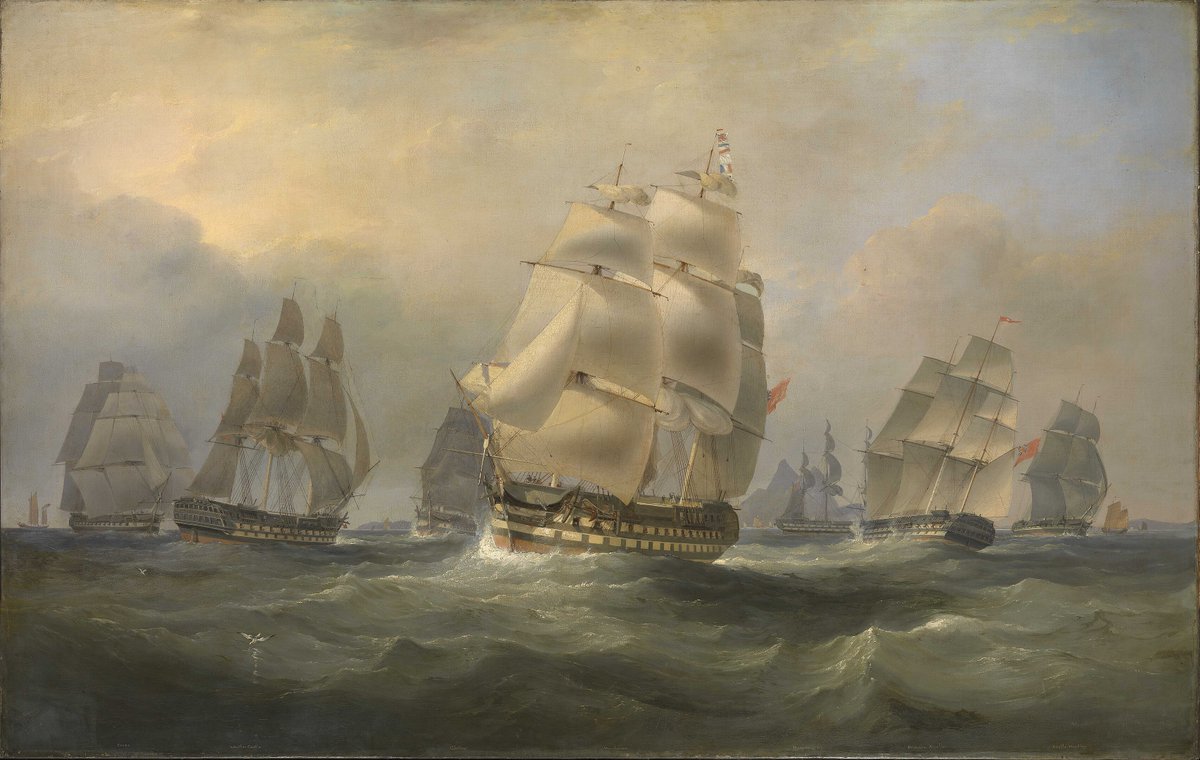
6. Soda: A Symbol of America
Britain’s daughter colony once revolted due to harsh taxes on tea. In the 20th century, just as America took Britain’s place as the new global leader, a new beverage would supplant tea as the drink of the everyman...
Britain’s daughter colony once revolted due to harsh taxes on tea. In the 20th century, just as America took Britain’s place as the new global leader, a new beverage would supplant tea as the drink of the everyman...
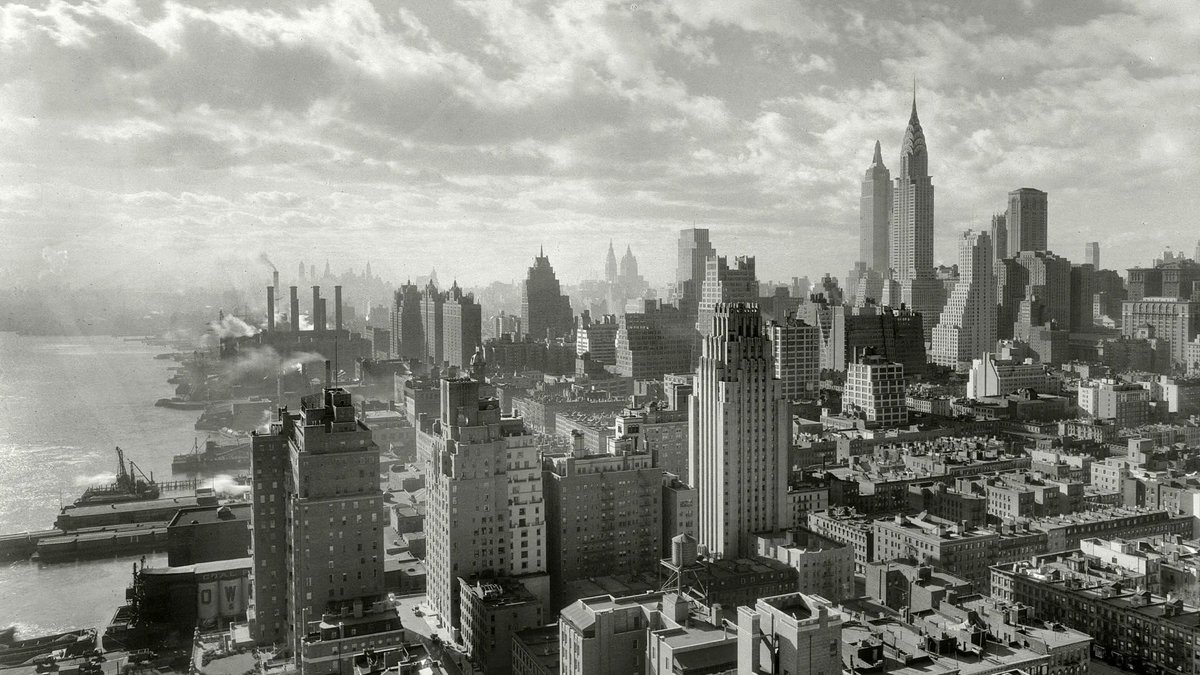
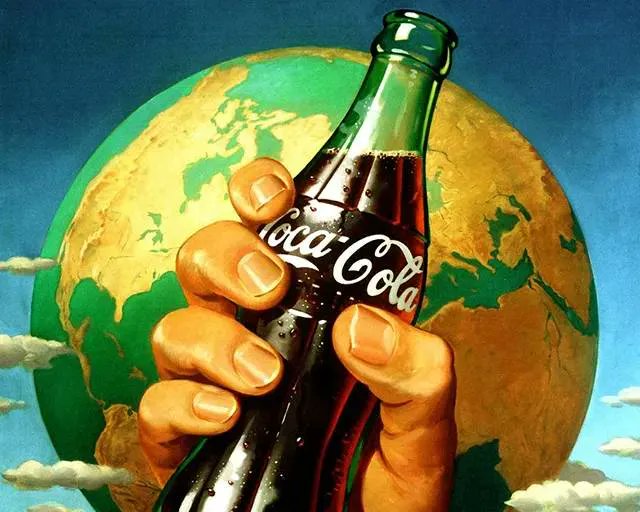
Coca-Cola's worldwide success was a symbol of American dominance, and it carried the American identity with it.
Next to “OK,” “Coke” is the most-known English word in the world.
Next to “OK,” “Coke” is the most-known English word in the world.
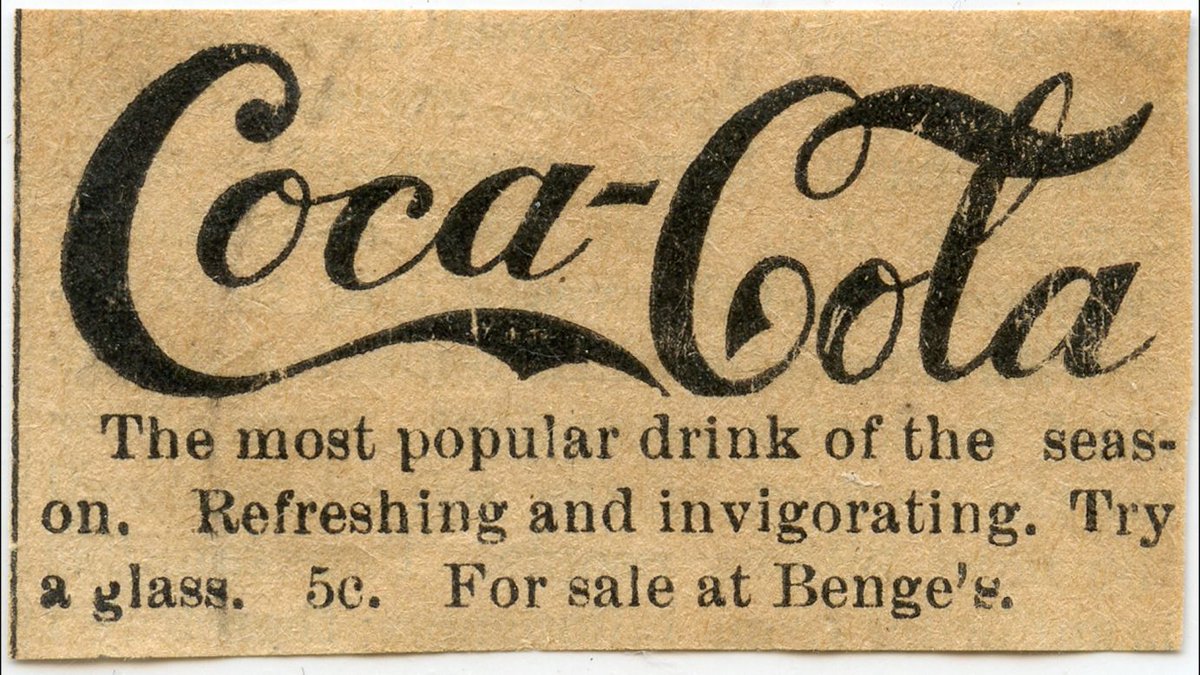
With coca leaves crossed off the ingredient list, Coke is no longer psychotropic.
But perhaps it’s something even more powerful: the icon of a new hedonism, the determination to enjoy life just because you can.
But perhaps it’s something even more powerful: the icon of a new hedonism, the determination to enjoy life just because you can.
This week's newsletter is on this topic — and more!
Free weekly articles on history, art and culture (join 25,000 other readers) 👇
culturecritic.beehiiv.com
Free weekly articles on history, art and culture (join 25,000 other readers) 👇
culturecritic.beehiiv.com

Loading suggestions...