
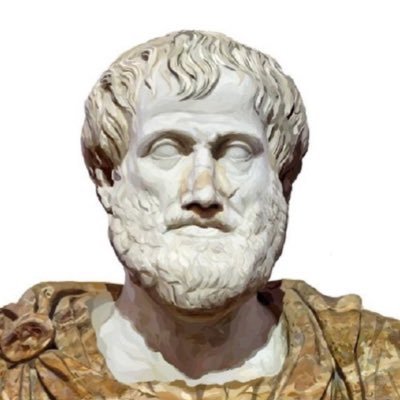
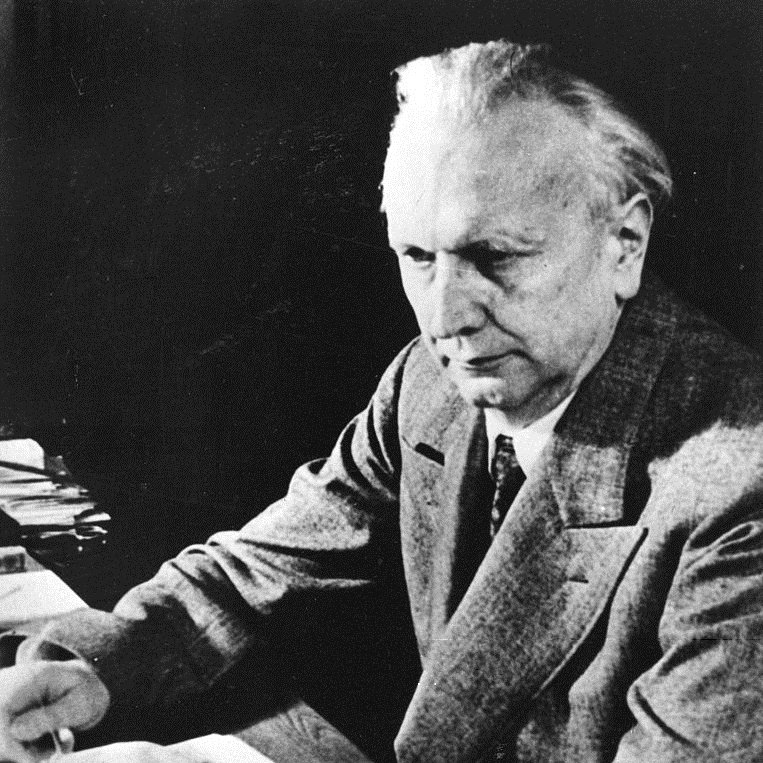
Around the middle of the first millennium BC, an unprecedented spiritual revolution began to take place. Dubbed the ‘Axial Age’ by the philosopher Karl Jaspers, it was an era that birthed the Western mind; a time where “man, as we know him today, came into being."
A thread 🧵
A thread 🧵
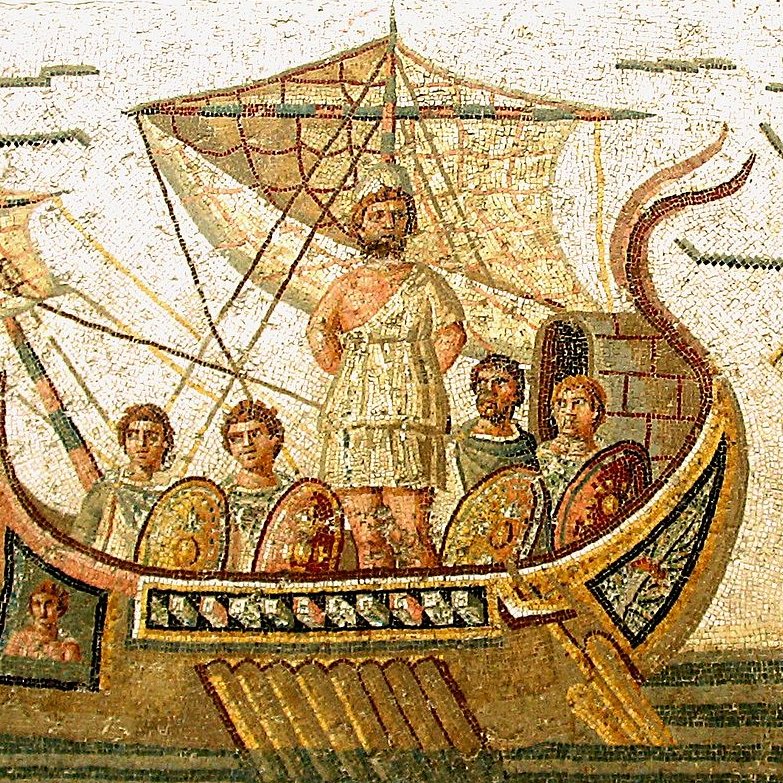
Firstly, it should be said that the Axial revolution was not confined just to Greece and the regions of the Near East, but also encompassed similar spiritual developments happening in China, India, and the Far East.
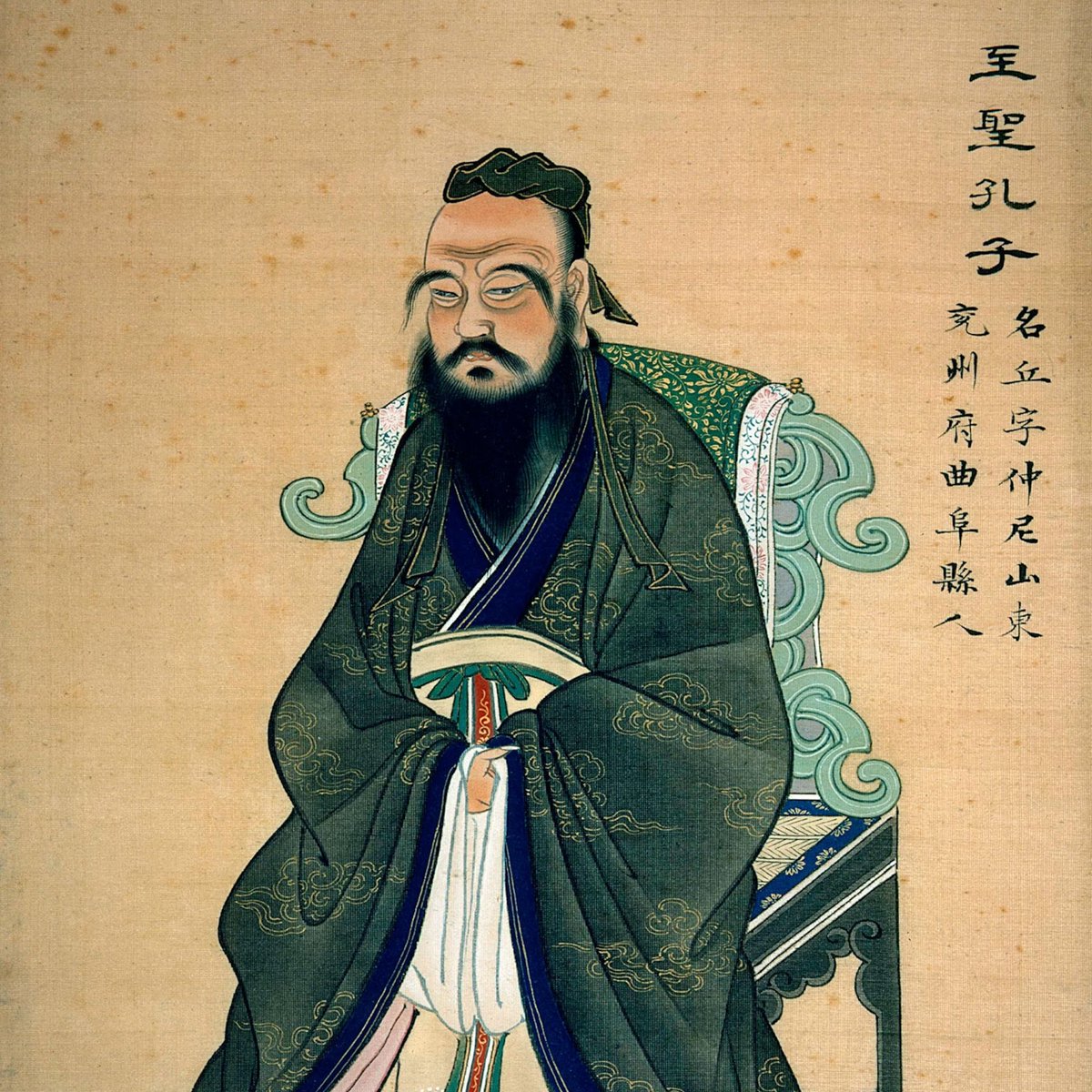

For our purposes however, we’ll focus specifically on the impact it had on the founding of Western thought and religion, particularly the emergence of Greek philosophy and the Abrahamic faiths.
So, what does Jaspers mean when he says that it was during this period that “man, as we know him today, came into being?”
Well, prior to the Axial Revolution, understandings of the world were framed primarily in mythological terms where human beings were passively swept along by the tides of fate and the caprice of the gods.
In Homer’s Iliad, for instance, the outcome of battles and the fates of heroes are largely determined by the whims of the gods. The human characters, while heroic and larger-than-life, are ultimately subject to divine intervention and supernatural forces beyond their control.

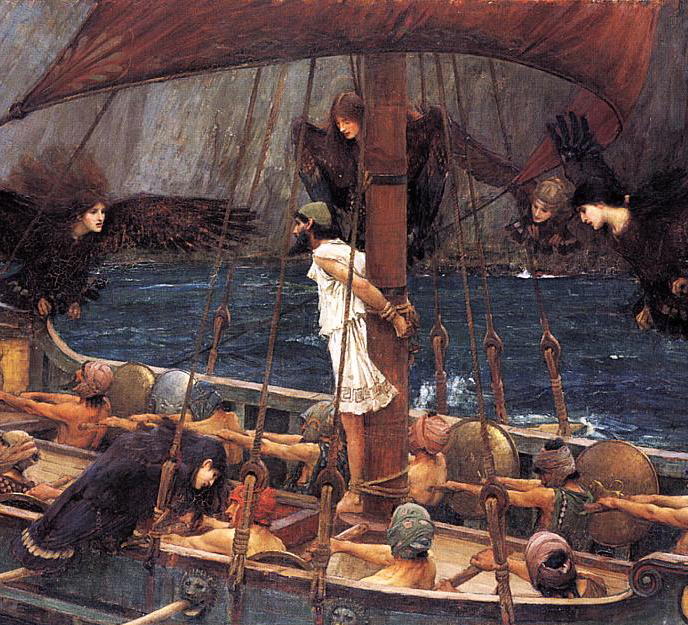
But what’s fascinating is that by the time of the Odyssey, this starts to change as Homer has his characters start to reflect on their actions, displaying a sense of self-awareness and introspection, turning things over in their minds and feeling a role to play in their own fate.
In the developing Hebrew traditions this introspective turn was similarly evident, as prophets like Jeremiah and Ezekiel called for individual moral responsibility and spiritual renewal.
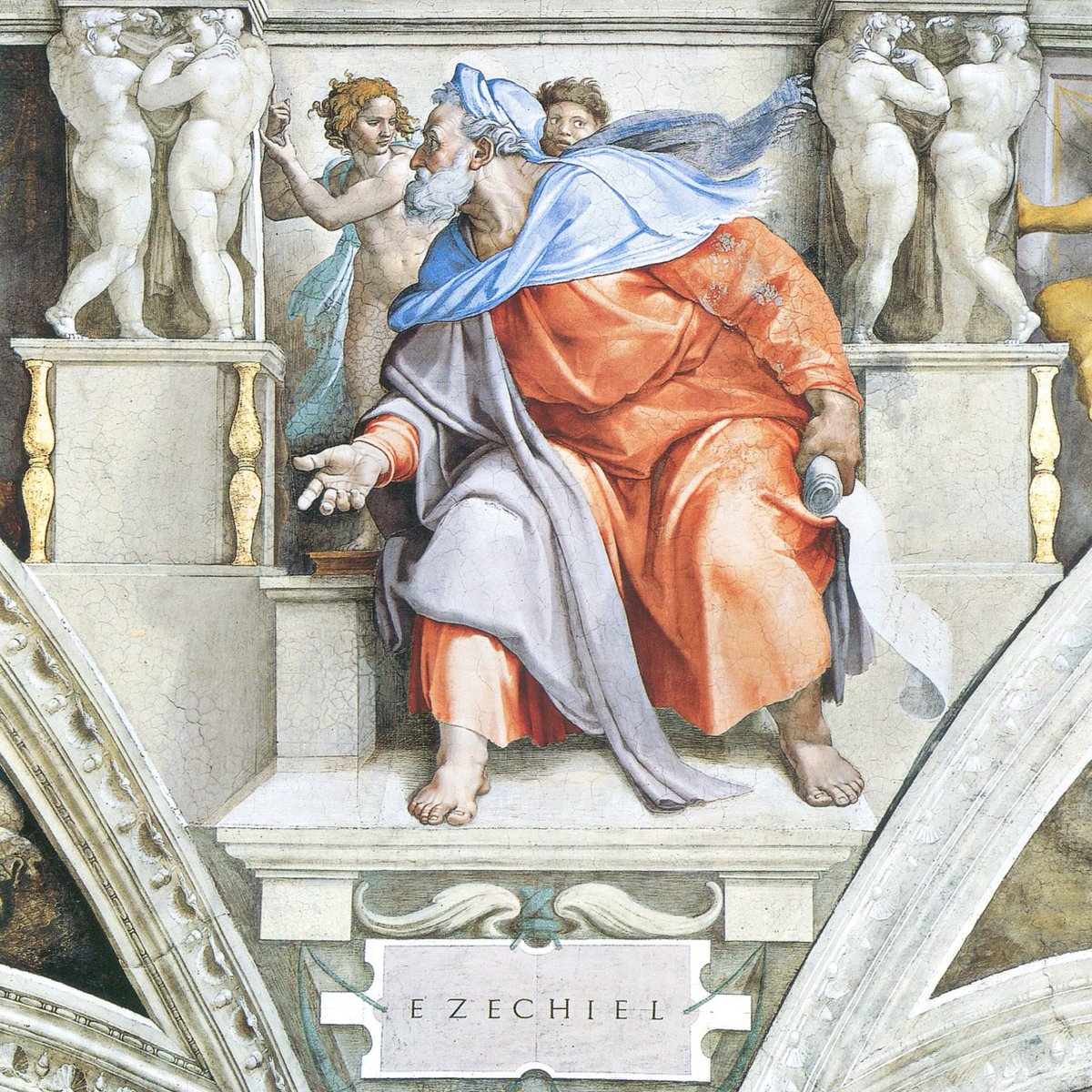
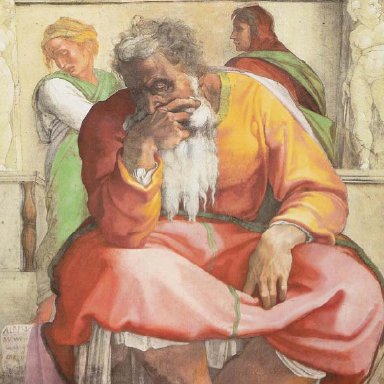
They emphasised the consequences of disobedience to God's law and the importance of ethics and justice, challenging traditional beliefs and practices that prioritised external rituals over inner transformation.
It was this shift from a concern with the external world to a concern with the inner world— where questions of personal responsibility, moral agency, and the nature of the self, were raised for the first time— that characterised the Axial Age.
What caused this change is not entirely clear, but it was a time of great upheaval, war, and uncertainty across the world. With such violent external circumstances characterised by great suffering, it’s no wonder that people began to look inwards for solace.
In the Western tradition, you might recognise Socrates as being the quintessential example of the kind of awakened individual who sought to deal with suffering by living a morally upright existence, made possible by an attitude of deep introspection.
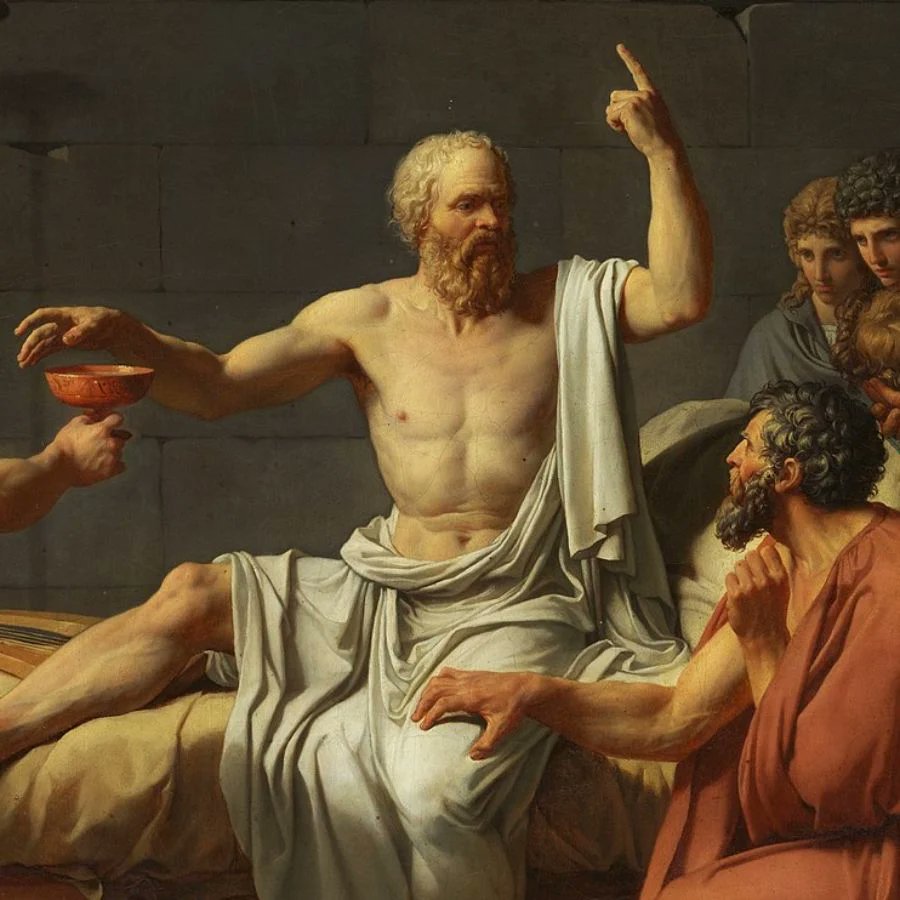
He represented a new ethos that could be being defined by:
- An awareness of and an attendance to suffering.
- A concern with individual conscience and morality.
- A new ethic of justice and compassion.
- An awareness of and an attendance to suffering.
- A concern with individual conscience and morality.
- A new ethic of justice and compassion.
In this spirit, a new kind of consciousness developed, one that became intently focussed on what it means to live a good life, and we see this attitude blossom throughout the Hellenistic era in philosophical schools like Cynicism, Stoicism, and Epicureanism…
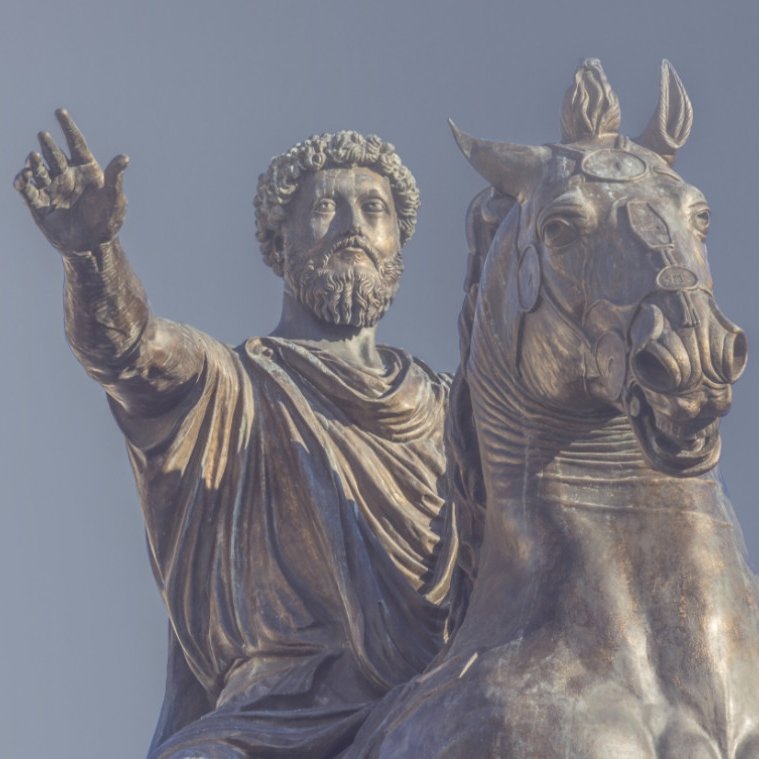

And that arguably later found its apogee in the Western world through the development of Christianity.

What’s amazing about the insights gleaned during the Axial Age is that they have never been surpassed. Human beings have advanced technologically in ways unimaginable to the ancients, and yet, spiritually and psychologically, we continue to look back them for guidance.
There is something perennial in their discoveries and they continue to shape our understanding of the world as well as guide our pursuit of wisdom, our moral compass, and spiritual growth.
Loading suggestions...