

🧵regarding some of the more novel *non-urologic* uses of Foley catheters.
It's been almost 2 years since I originally posted this, so many may not have seen this one (and I'll be doing reruns for a while...I need to spend April getting ready for #ASGBI2024 🧐.
(1/ )
It's been almost 2 years since I originally posted this, so many may not have seen this one (and I'll be doing reruns for a while...I need to spend April getting ready for #ASGBI2024 🧐.
(1/ )


Foley catheters have actually been used intracranially, believe it or not...😬
Yang et al (2019) used Foley catheters to fill the cavities left after brain tumor resection in order to decrease hemorrhage and other complications.
scholars.direct
Yang et al (2019) used Foley catheters to fill the cavities left after brain tumor resection in order to decrease hemorrhage and other complications.
scholars.direct


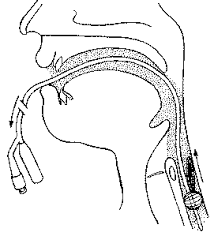
Foley catheters have been used to provide tamponade for temporary hemorrhage control in patients with penetrating neck trauma. (several authors - here's a representative picture).
This will be a common theme for a number of other areas of the body, as we'll see.
This will be a common theme for a number of other areas of the body, as we'll see.

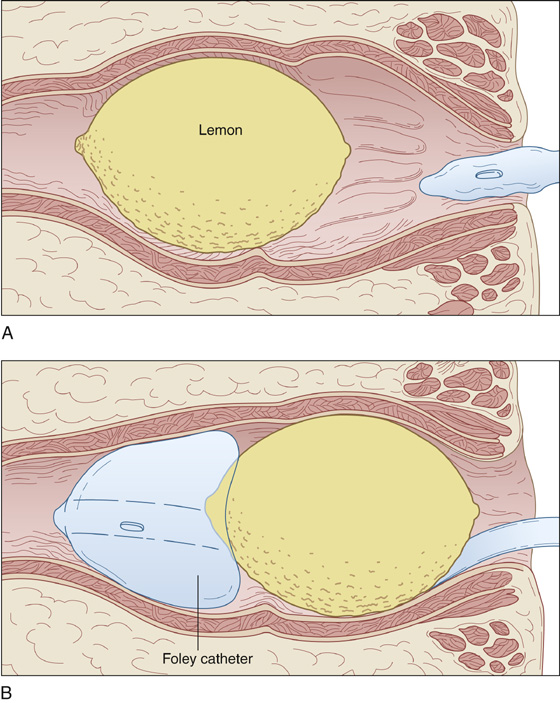
Foleys have been used to remove foreign bodies from the ear, nose, esophagus, and rectum:
emj.bmj.com
For rectal foreign bodies they are supposed to 'break the suction' to allow for removal (though in practice I think this is overrated and it rarely works).
emj.bmj.com
For rectal foreign bodies they are supposed to 'break the suction' to allow for removal (though in practice I think this is overrated and it rarely works).

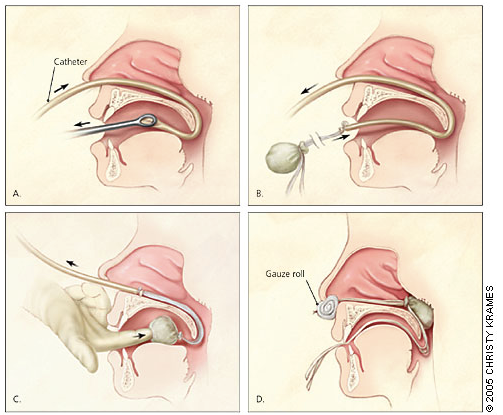
Foleys have been used to provide tamponade in patients with posterior epistaxis. There are more specialized balloons for this purpose, and Foleys are normally used only if these are not available.
Again, numerous authors -- here's a sample picture.
Again, numerous authors -- here's a sample picture.
Foley placement for temporary control of cardiac injuries has been described, and was formerly taught in the ATOM course, but it has largely fallen out of favor.
Now, we just cover the hole with a finger and move the finger aside at the last second when it's time to sew.
Now, we just cover the hole with a finger and move the finger aside at the last second when it's time to sew.

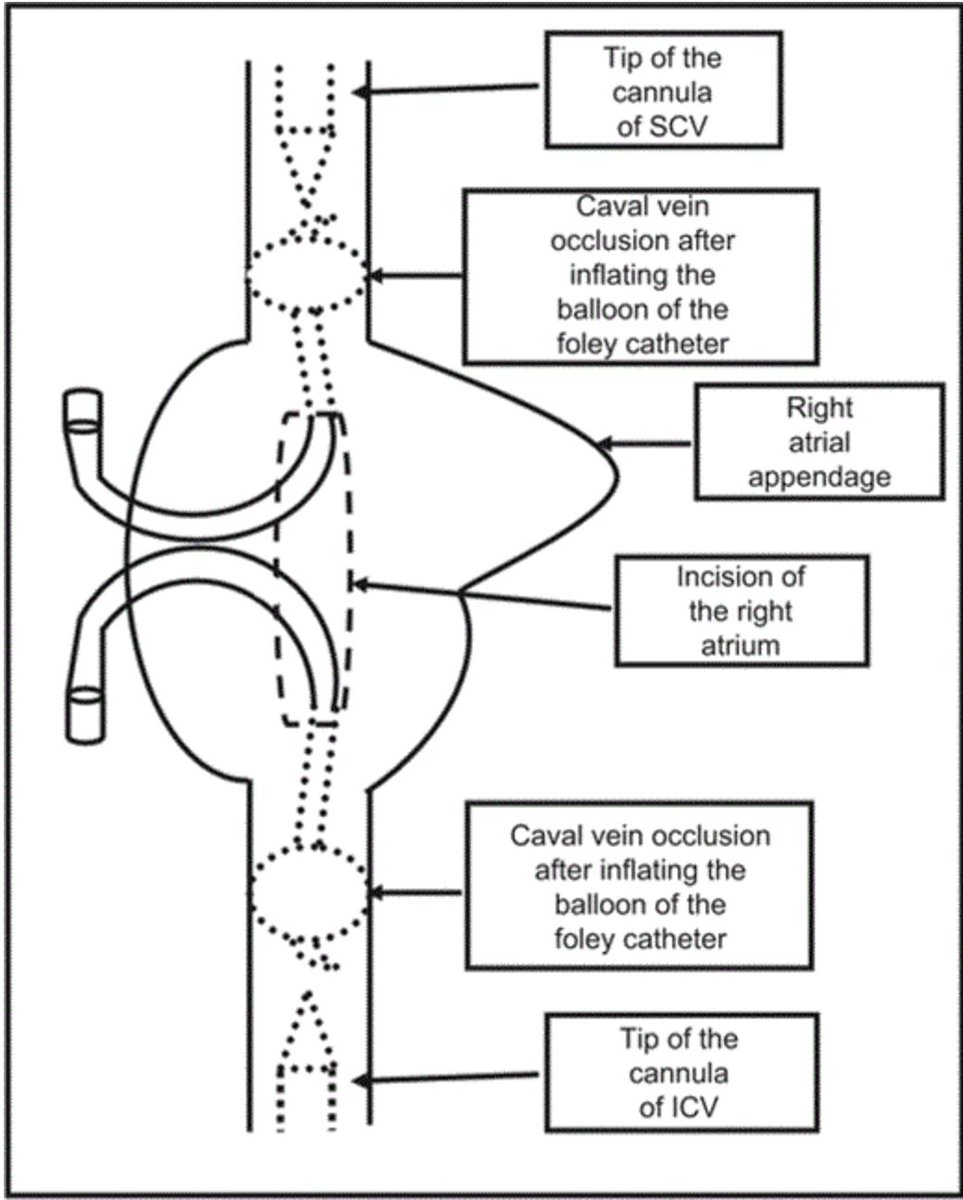
Sansone at al described using 2 Foleys to control the SVC and IVC in a patient undergoing redo cardiac surgery.
This allowed for the case to proceed without having to do extra dissection around the SVC and IVC.
academic.oup.com
This allowed for the case to proceed without having to do extra dissection around the SVC and IVC.
academic.oup.com
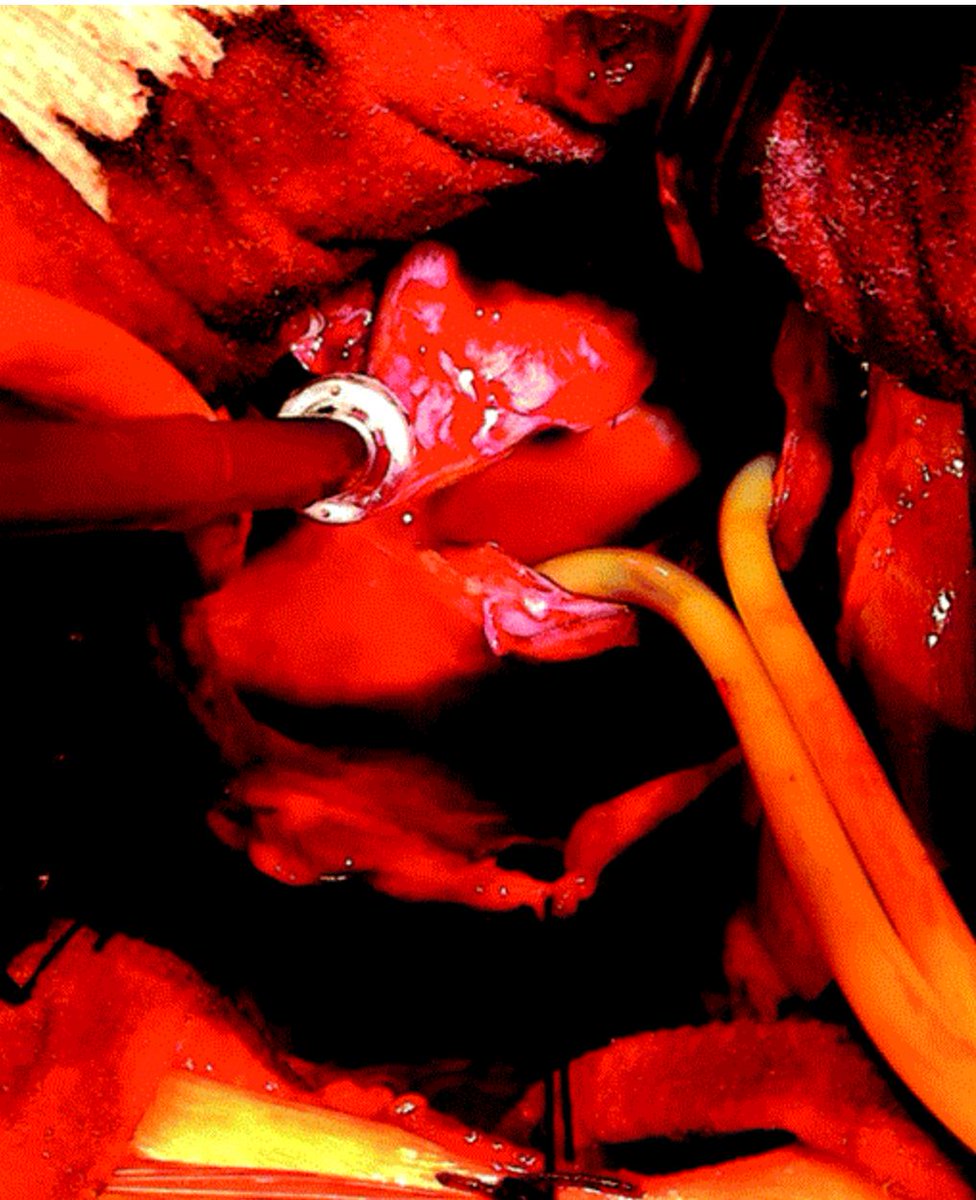

Here we see a patient with an abdominal stab wound undergoing laparoscopic exploration.
A Foley catheter is used to seal the site of the stab wound so that pneumoperitoneum can be maintained.
(photo from @faga7 )
A Foley catheter is used to seal the site of the stab wound so that pneumoperitoneum can be maintained.
(photo from @faga7 )
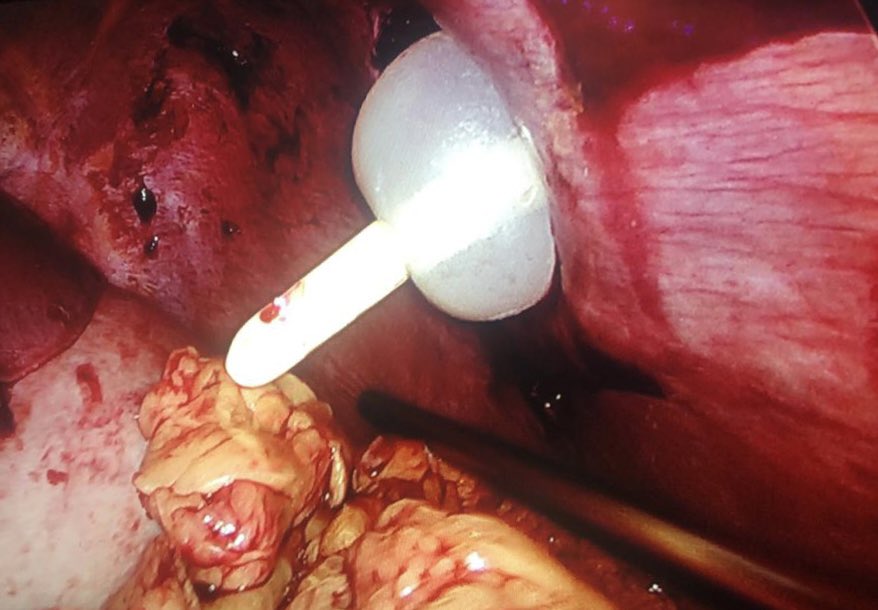
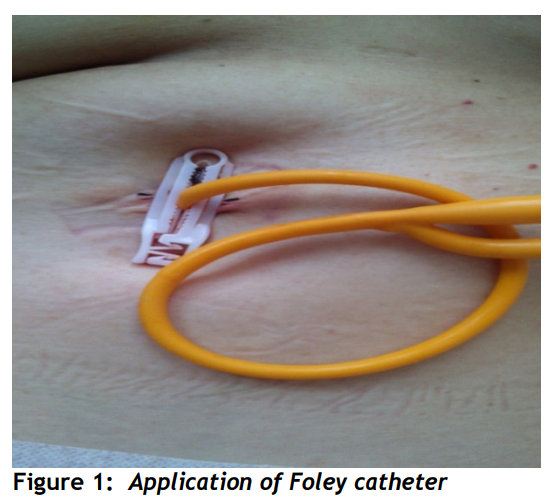
The same concept can be used for bleeding from trocar sites during laparoscopic surgery.
Here, Gemici et al have controlled bleeding with a Foley that is then tightened and kept in place with an umbilical cord clamp.
ejgm.co.uk
Here, Gemici et al have controlled bleeding with a Foley that is then tightened and kept in place with an umbilical cord clamp.
ejgm.co.uk
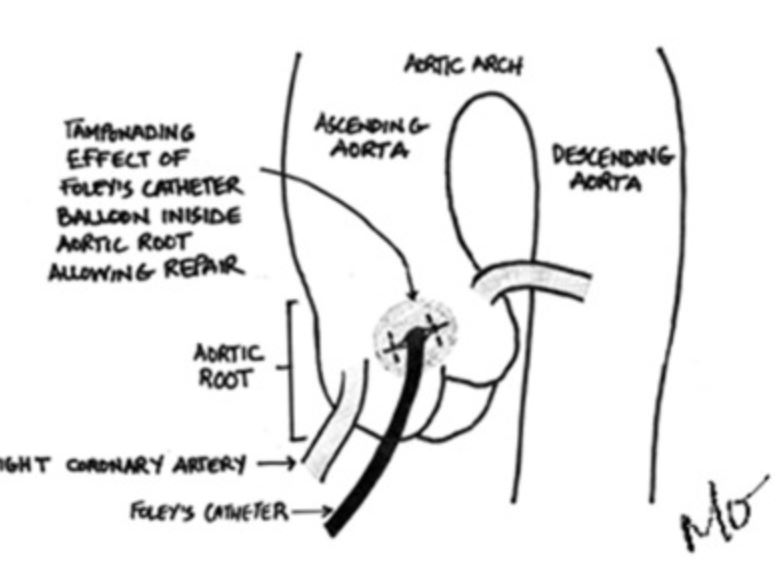
Elmoghrabi et al (2016) used a Foley to provide temporary hemorrhage control in a patient with a penetrating traumatic injury to the root of the aorta.
(Article is open access) ncbi.nlm.nih.gov
(Article is open access) ncbi.nlm.nih.gov


Foley catheters have been used instead of chest tubes for routine thoracic surgical cases:
Lai (2018) reported using Foleys instead of chest tubes after pulmonary resection in 441 cases.
(generic pics only -- the paper didn't have photos)
sciencedirect.com
Lai (2018) reported using Foleys instead of chest tubes after pulmonary resection in 441 cases.
(generic pics only -- the paper didn't have photos)
sciencedirect.com
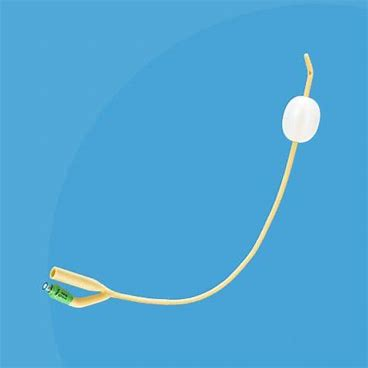
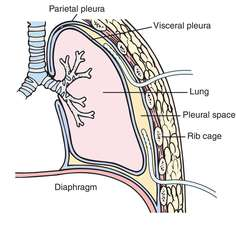
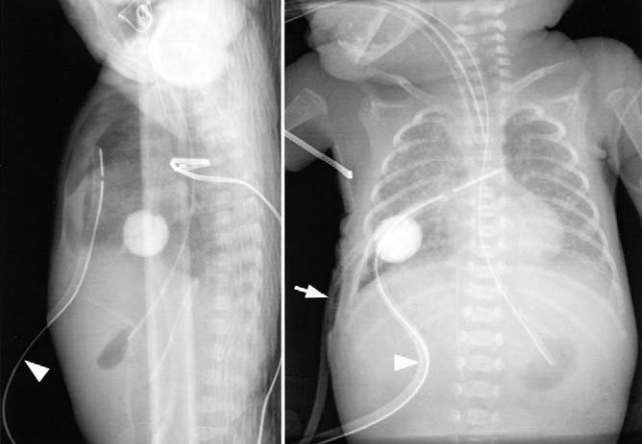
McElroy et al used a Foley catheter to control chest wall bleeding in a preterm infant that had a lacerated intercostal artery from prior chest tube insertion.
(article is open access)
jpeds.com
(article is open access)
jpeds.com

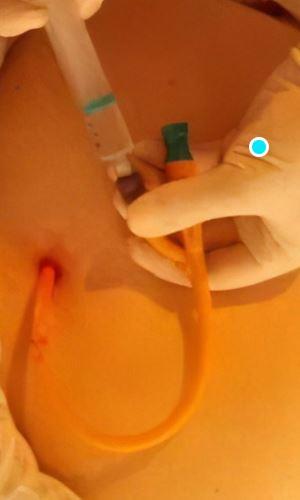
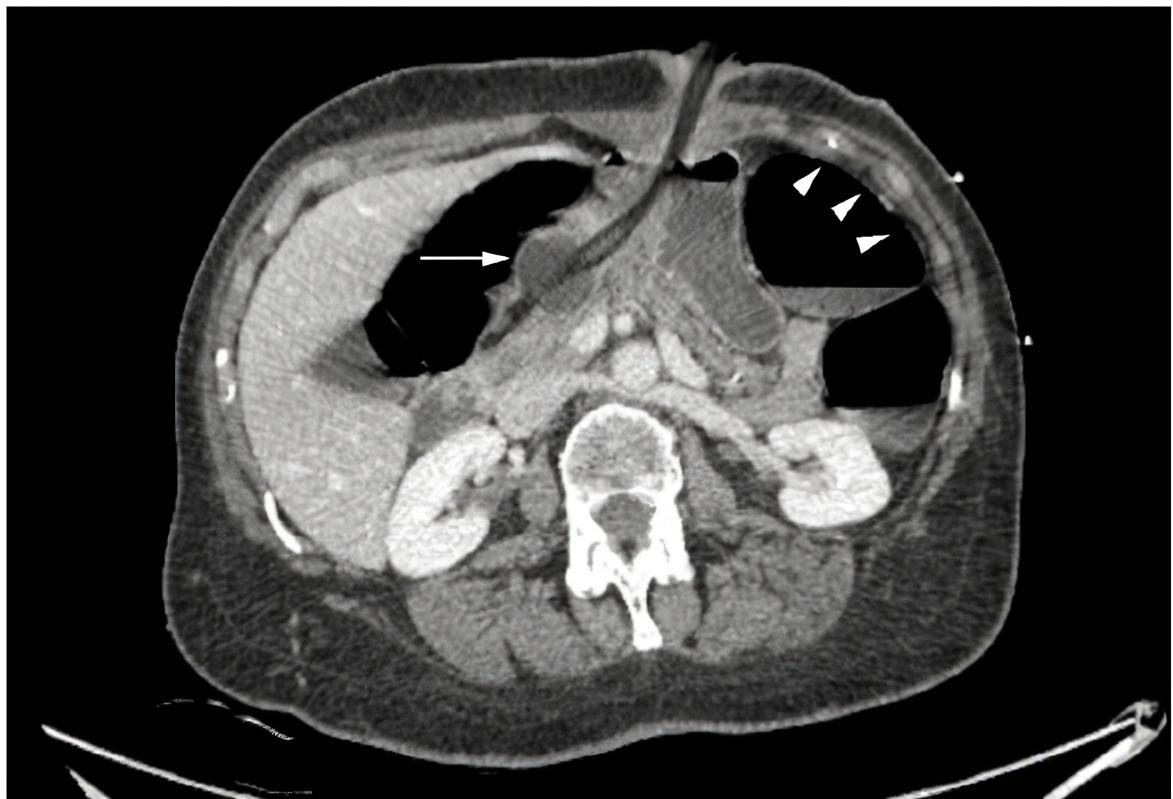
When a gastrostomy tube falls out, a Foley catheter is often used to preserve the tract. It can be used for feeding as well. There is a risk that the balloon may migrate distally, causing a gastric outlet obstruction.
(many authors; CT scan from Vu et al (WestJEM case report)
(many authors; CT scan from Vu et al (WestJEM case report)
Foley catheters apparently are sometimes used to assist with labor induction. This is extensive enough to have a Cochrane review, and it’s not my specialty, so I won’t try to explore that in detail, but here is a representative article.
obgyn.onlinelibrary.wiley.com
obgyn.onlinelibrary.wiley.com
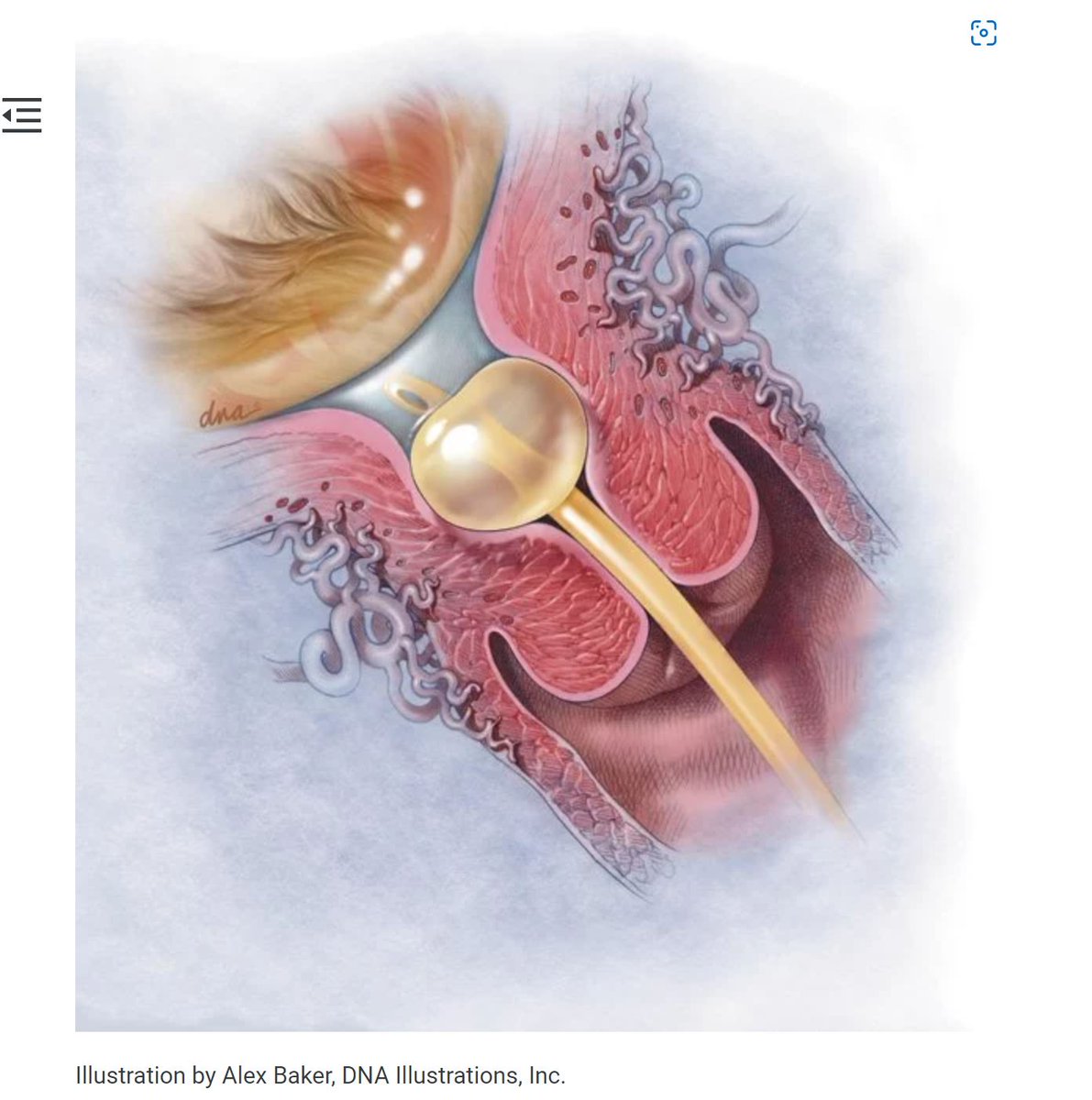

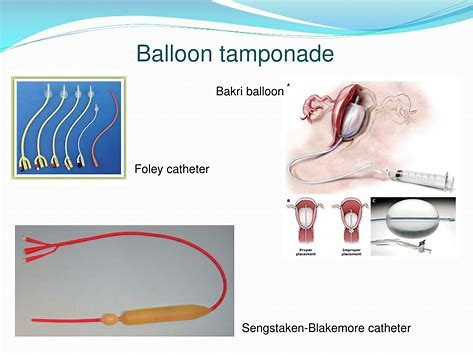
Foley catheters may be used for balloon tamponade for uterine hemorrhage when necessary, though they are probably not for the first choice for this because of the (small) size and shape of the Foley balloon.
Image from slide presentation by Sanapo.
Image from slide presentation by Sanapo.
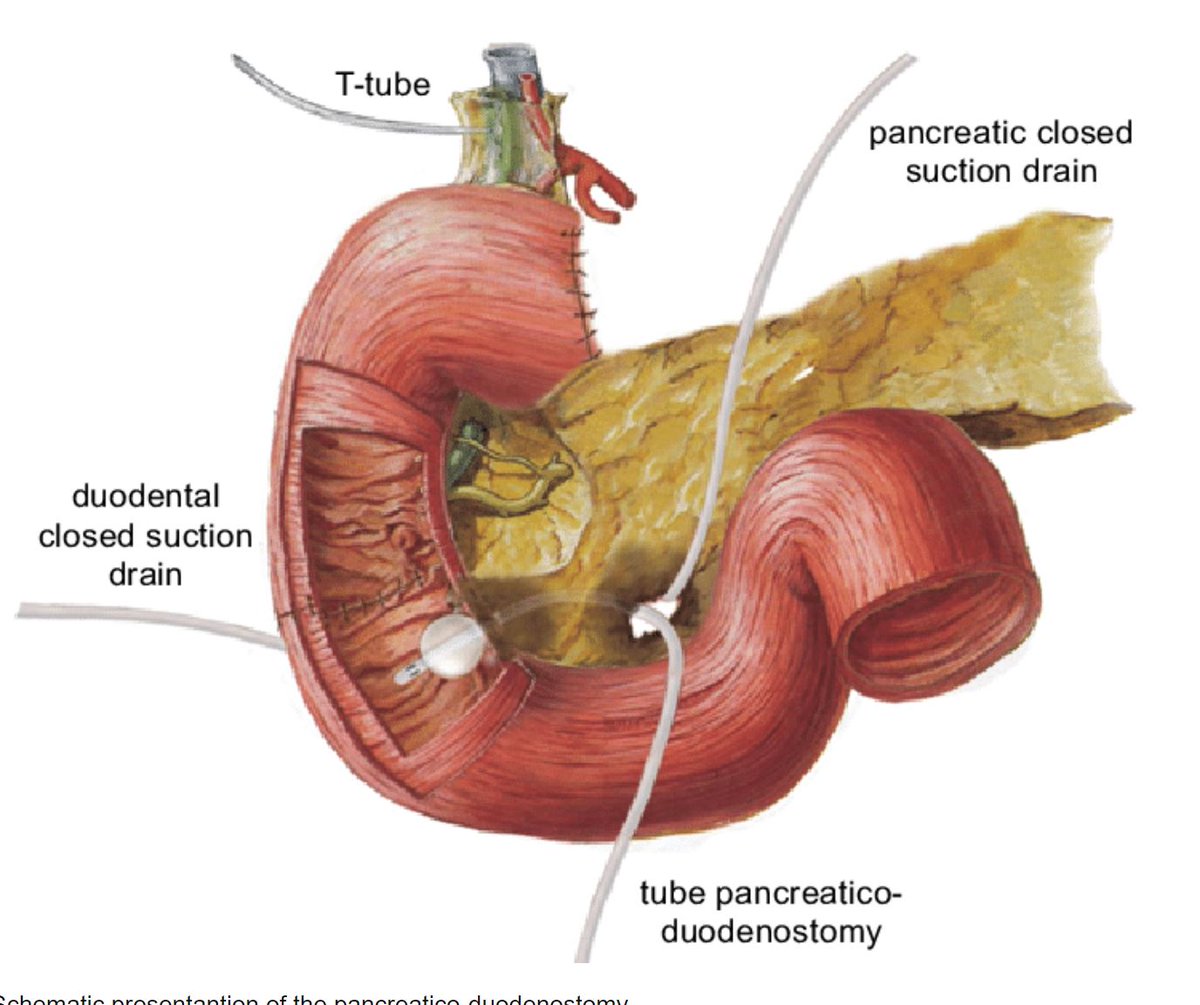
A Foley may be used to drain either the duodenum or gallbladder, though in either case, a Malecot catheter is probably used more commonly, as it may provide better drainage.
(Malecot seen in the GB photo on the R).
(Malecot seen in the GB photo on the R).
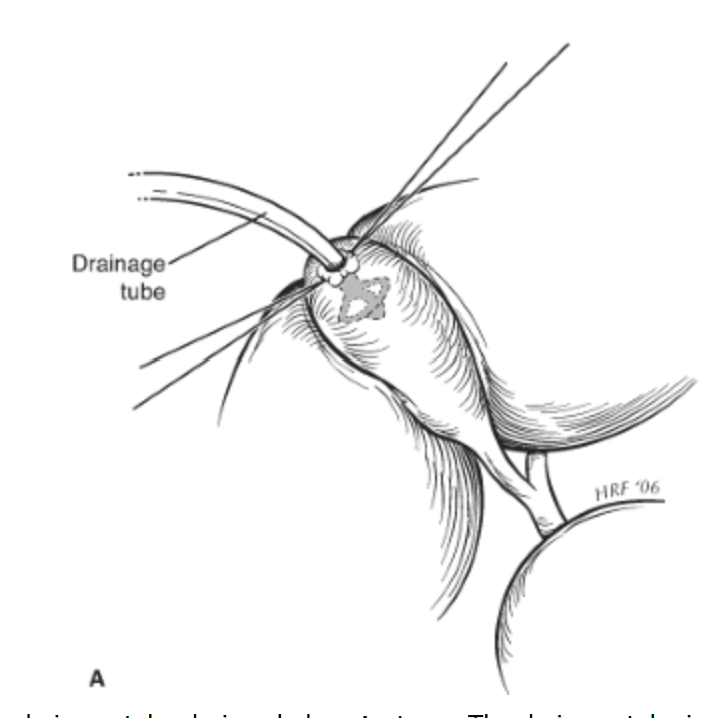
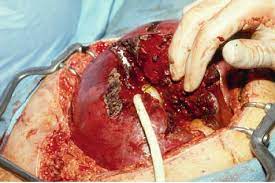
Thomas et al (1993) reported using a Foley to provide tamponade in a patient with a severe liver injury (also reported by others)
J Trauma 1993 Mar;34(3):448-9
J Trauma 1993 Mar;34(3):448-9
Finally:
In the time since I first posted the🧵there has since been a review article by Karmarkar et al on this topic. It is open access and covers many of these and other non-urologic uses of Foley catheters (and also has 50 references 😎)
⬛️
publishing.rcseng.ac.uk
In the time since I first posted the🧵there has since been a review article by Karmarkar et al on this topic. It is open access and covers many of these and other non-urologic uses of Foley catheters (and also has 50 references 😎)
⬛️
publishing.rcseng.ac.uk
Addendum:
As @lachicadeuro pointed out in the original thread,
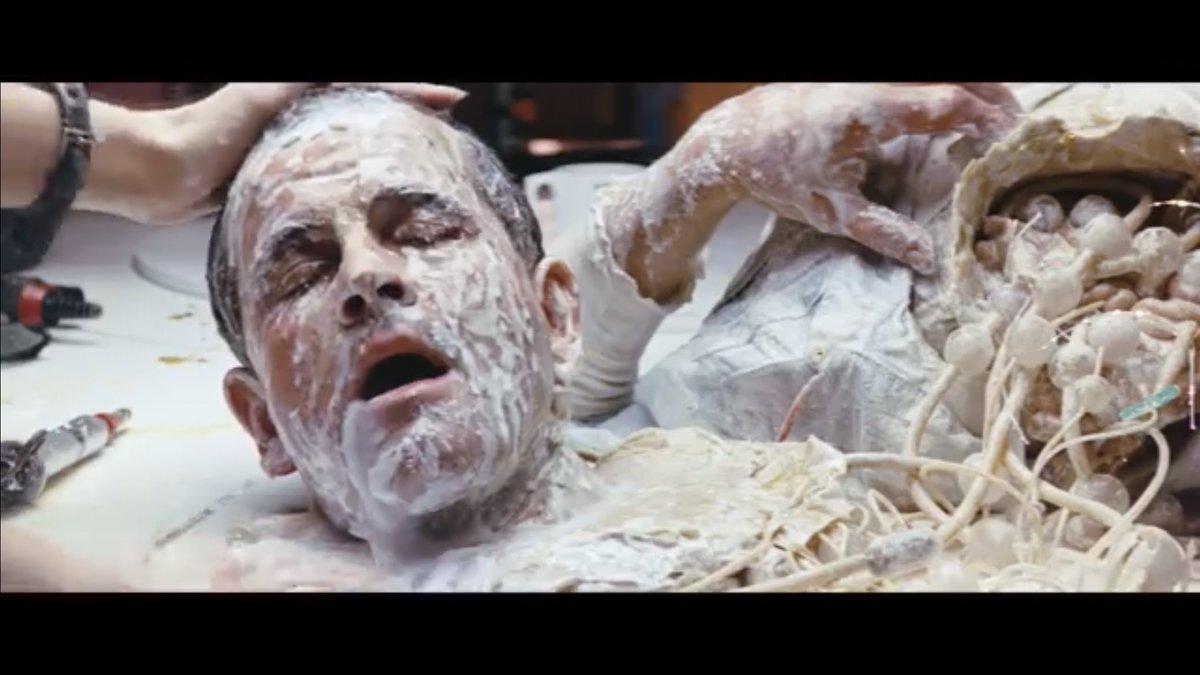
let us not forget that in Alien, the character Ash's insides were partially made up of Foley catheters.
As @lachicadeuro pointed out in the original thread,
let us not forget that in Alien, the character Ash's insides were partially made up of Foley catheters.

Loading suggestions...