

{𝐔𝐧𝐝𝐞𝐫𝐬𝐭𝐚𝐧𝐝𝐢𝐧𝐠 𝐭𝐡𝐞 ‘𝐛𝐥𝐚𝐜𝐤𝐧𝐞𝐬𝐬’ 𝐨𝐫 ‘𝐝𝐚𝐫𝐤𝐧𝐞𝐬𝐬’ 𝐨𝐟 𝐬𝐤𝐢𝐧 𝐜𝐨𝐥𝐨𝐮𝐫 𝐛𝐞𝐢𝐧𝐠 𝐚𝐬𝐬𝐨𝐜𝐢𝐚𝐭𝐞𝐝 𝐰𝐢𝐭𝐡 𝐏𝐫𝐞-𝐈𝐬𝐥𝐚𝐦𝐢𝐜 ‘𝐀𝐫𝐚𝐛𝐬 𝐚𝐧𝐝 ‘𝐀𝐫𝐚𝐛𝐬 𝐢𝐧 𝐠𝐞𝐧𝐞𝐫𝐚𝐥}
We first have to understand what the ‘Arabs meant when they described someone as Aswad (black), Ahmar (red), Abyad (white), Asmar/Ādam (brown-dark brown).
The Prophet ﷺ said: “..I have been sent to all the ahmar (red) and aswad (black)” [Muslim] ie the non-’Arabs and the ‘Arabs
𝐀𝐡𝐦𝐚𝐫 (𝐫𝐞𝐝): al-Dhahabī (748هـ) in his Siyar says regarding ahmar (red): “..it is white with reddish complexion and this rare among the (‘Arabs)” This is exemplified in the Hadīth narrated by Zahdam describing a man from Banu Taymillāh “..a man from the tribe of Taymillāh who was ahmar (red) as if he were from the non-’Arab freed slaves” [al-Bukharī]. The freed slaves here refers to the Christians who were taken captive from Byzantine Syria & Rome.
𝐀𝐛𝐲𝐚𝐝 (𝐰𝐡𝐢𝐭𝐞): When the ‘Arabs used to refer to someone as abyad (white) they meant someone who was of a fair and wheatish color usually accompanied by dark features (hair, eyes etc) and not that of the color of Europeans/Scandinavians.
𝐀𝐬𝐦𝐚𝐫/Ā𝐝𝐚𝐦 (𝐛𝐫𝐨𝐰𝐧-𝐝𝐚𝐫𝐤 𝐛𝐫𝐨𝐰𝐧): al-Dhahabī says: “..and if it is in the color of the people of India they (‘Arabs) would say Asmar/Ādam (brown-dark brown)” [Siyar]
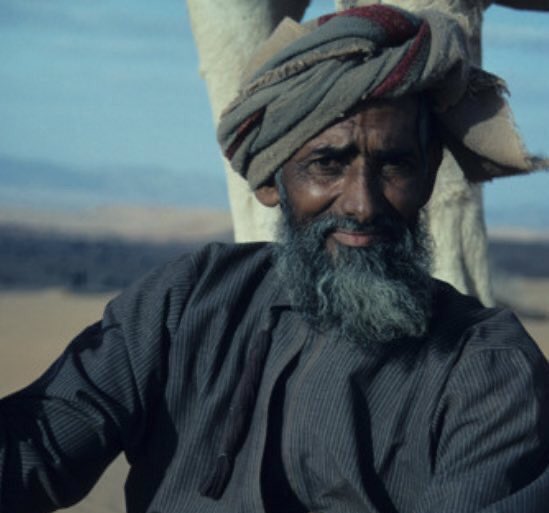
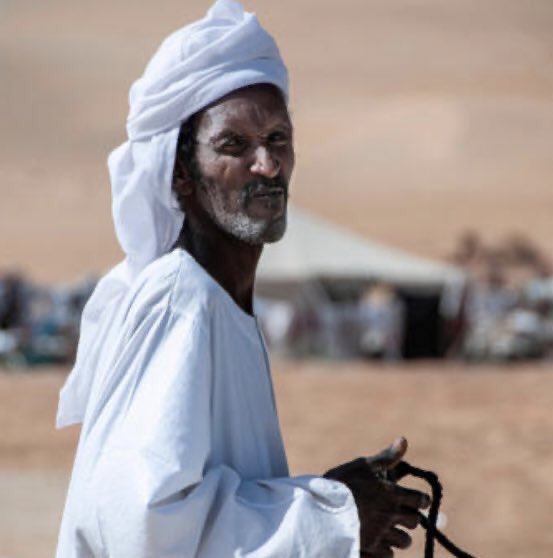
𝐀𝐬𝐰𝐚𝐝 (𝐛𝐥𝐚𝐜𝐤): Al Dhahabī says: “..and if it's in the darkness of the people of Takrur (West Africa) they say aswad (black) 𝐚𝐧𝐝 𝐞𝐯𝐞𝐫𝐲𝐨𝐧𝐞 𝐰𝐡𝐨𝐬𝐞 𝐝𝐚𝐫𝐤𝐧𝐞𝐬𝐬 𝐩𝐫𝐞𝐝𝐨𝐦𝐢𝐧𝐚𝐭𝐞𝐬 𝐭𝐡𝐞𝐲 (‘𝐀𝐫𝐚𝐛𝐬) 𝐫𝐞𝐟𝐞𝐫 𝐭𝐨 𝐚𝐬 𝐚𝐬𝐰𝐚𝐝 (𝐛𝐥𝐚𝐜𝐤) or shadīd al-udmah (extremely brown or black)” [Siyar]
It is said that the ‘Arabs were aswad (black) because ādam (brown-dark brown) was the dominant color amongst them so they were considered aswad.
Abu ‘Ubayd Al Qāsim bin Sallām (224هـ) says : “The predominant colors amongst the ‘Arabs are sumrah/udmah (brownness-dark brownness), and the predominant colors amongst the non ‘Arabs are byād (whiteness) and humrah (redness).” [Ghraīb al-Hadīth]
Ibn ‘Abd al-Barr (463هـ)says: “al-udmah (brownness-dark brownness) is the color of the ‘Arabs and it is al-sumrah (swarthiness/darkness) in men” [al-Istidhkār]
al-Rāghib al-Isfahānī (502هـ) says: “..and many from amongst the human species are red-complexioned so they were called that just as the non-’Arabs were called ‘red’, and the ‘Arabs were called ‘black’ because the majority of them were as such’ [Tafsīr al-Isfahānī]
Many of the Companions of the Prophet ﷺ were described as ādam (brown-dark brown) or shadīd al-udmah (extremely brown/black) 𝐚𝐧𝐝 𝐛𝐨𝐭𝐡 𝐨𝐟 𝐭𝐡𝐞𝐬𝐞 𝐰𝐞𝐫𝐞 𝐜𝐨𝐧𝐬𝐢𝐝𝐞𝐫𝐞𝐝 𝐚𝐬𝐰𝐚𝐝 (𝐛𝐥𝐚𝐜𝐤).
Some Companions who were shadīd al-udmah (extremely brown/black):
‘𝐔𝐭𝐡𝐦ā𝐧 𝐛𝐢𝐧 𝐌𝐚𝐝𝐡’ū𝐧 (𝐑𝐀):
“..Uthmān bin Madh’ūn was shadīd al udmah (extremely brown/black) and had a large beard” [Siyar]
𝐁𝐢𝐥ā𝐥 𝐛𝐢𝐧 𝐑𝐚𝐛ā𝐡 (𝐑𝐀)
“..Bilāl was a shadīd al-udmah (extremely brown/black) man, thin, and tall/lanky” [Ibn Sa’ad]
‘𝐀𝐛𝐝𝐮𝐥𝐥ā𝐡 𝐛𝐢𝐧 ‘𝐔𝐦𝐚𝐫 (𝐑𝐀):
“..I inherited al-udmah (darkness) from my maternal uncles.” [Ibn Sa’ad]. His mother was Zaynab bint Madhūn’ (RA) who was also dark in complexion like her brother ‘Uthmān bin Madh’ūn who we mentioned
before.
𝐇𝐚𝐦𝐳𝐚𝐡 𝐛𝐢𝐧 ‘𝐀𝐛𝐝 𝐚𝐥-𝐌𝐮𝐭𝐚𝐥𝐥𝐢𝐛 (𝐑𝐀):
Washī (RA) describes when he encountered Hamzah in the battle of Uhud: “...until I saw him in the midst of people like a dark camel, swinging his sword at the people violently, and nothing could stand up to him.” [Ibn Hisham]
‘𝐀𝐥ī 𝐛𝐢𝐧 𝐀𝐛ī 𝐓ā𝐥𝐢𝐛 (𝐑𝐀):
“..Ali was shadīd al-udmah (extremely brown/black).” [Siyar]
𝐌𝐮’ā𝐰𝐢𝐲𝐚𝐡 𝐛𝐢𝐧 𝐀𝐛ī 𝐒𝐮𝐟𝐲ā𝐧 (𝐑𝐀):
“..he was large in size, with abundant hair, shadīd al udmah (extremely brown/black), and on his face were pockmarks.” [Siyar]
We first have to understand what the ‘Arabs meant when they described someone as Aswad (black), Ahmar (red), Abyad (white), Asmar/Ādam (brown-dark brown).
The Prophet ﷺ said: “..I have been sent to all the ahmar (red) and aswad (black)” [Muslim] ie the non-’Arabs and the ‘Arabs
𝐀𝐡𝐦𝐚𝐫 (𝐫𝐞𝐝): al-Dhahabī (748هـ) in his Siyar says regarding ahmar (red): “..it is white with reddish complexion and this rare among the (‘Arabs)” This is exemplified in the Hadīth narrated by Zahdam describing a man from Banu Taymillāh “..a man from the tribe of Taymillāh who was ahmar (red) as if he were from the non-’Arab freed slaves” [al-Bukharī]. The freed slaves here refers to the Christians who were taken captive from Byzantine Syria & Rome.
𝐀𝐛𝐲𝐚𝐝 (𝐰𝐡𝐢𝐭𝐞): When the ‘Arabs used to refer to someone as abyad (white) they meant someone who was of a fair and wheatish color usually accompanied by dark features (hair, eyes etc) and not that of the color of Europeans/Scandinavians.
𝐀𝐬𝐦𝐚𝐫/Ā𝐝𝐚𝐦 (𝐛𝐫𝐨𝐰𝐧-𝐝𝐚𝐫𝐤 𝐛𝐫𝐨𝐰𝐧): al-Dhahabī says: “..and if it is in the color of the people of India they (‘Arabs) would say Asmar/Ādam (brown-dark brown)” [Siyar]
𝐀𝐬𝐰𝐚𝐝 (𝐛𝐥𝐚𝐜𝐤): Al Dhahabī says: “..and if it's in the darkness of the people of Takrur (West Africa) they say aswad (black) 𝐚𝐧𝐝 𝐞𝐯𝐞𝐫𝐲𝐨𝐧𝐞 𝐰𝐡𝐨𝐬𝐞 𝐝𝐚𝐫𝐤𝐧𝐞𝐬𝐬 𝐩𝐫𝐞𝐝𝐨𝐦𝐢𝐧𝐚𝐭𝐞𝐬 𝐭𝐡𝐞𝐲 (‘𝐀𝐫𝐚𝐛𝐬) 𝐫𝐞𝐟𝐞𝐫 𝐭𝐨 𝐚𝐬 𝐚𝐬𝐰𝐚𝐝 (𝐛𝐥𝐚𝐜𝐤) or shadīd al-udmah (extremely brown or black)” [Siyar]
It is said that the ‘Arabs were aswad (black) because ādam (brown-dark brown) was the dominant color amongst them so they were considered aswad.
Abu ‘Ubayd Al Qāsim bin Sallām (224هـ) says : “The predominant colors amongst the ‘Arabs are sumrah/udmah (brownness-dark brownness), and the predominant colors amongst the non ‘Arabs are byād (whiteness) and humrah (redness).” [Ghraīb al-Hadīth]
Ibn ‘Abd al-Barr (463هـ)says: “al-udmah (brownness-dark brownness) is the color of the ‘Arabs and it is al-sumrah (swarthiness/darkness) in men” [al-Istidhkār]
al-Rāghib al-Isfahānī (502هـ) says: “..and many from amongst the human species are red-complexioned so they were called that just as the non-’Arabs were called ‘red’, and the ‘Arabs were called ‘black’ because the majority of them were as such’ [Tafsīr al-Isfahānī]
Many of the Companions of the Prophet ﷺ were described as ādam (brown-dark brown) or shadīd al-udmah (extremely brown/black) 𝐚𝐧𝐝 𝐛𝐨𝐭𝐡 𝐨𝐟 𝐭𝐡𝐞𝐬𝐞 𝐰𝐞𝐫𝐞 𝐜𝐨𝐧𝐬𝐢𝐝𝐞𝐫𝐞𝐝 𝐚𝐬𝐰𝐚𝐝 (𝐛𝐥𝐚𝐜𝐤).
Some Companions who were shadīd al-udmah (extremely brown/black):
‘𝐔𝐭𝐡𝐦ā𝐧 𝐛𝐢𝐧 𝐌𝐚𝐝𝐡’ū𝐧 (𝐑𝐀):
“..Uthmān bin Madh’ūn was shadīd al udmah (extremely brown/black) and had a large beard” [Siyar]
𝐁𝐢𝐥ā𝐥 𝐛𝐢𝐧 𝐑𝐚𝐛ā𝐡 (𝐑𝐀)
“..Bilāl was a shadīd al-udmah (extremely brown/black) man, thin, and tall/lanky” [Ibn Sa’ad]
‘𝐀𝐛𝐝𝐮𝐥𝐥ā𝐡 𝐛𝐢𝐧 ‘𝐔𝐦𝐚𝐫 (𝐑𝐀):
“..I inherited al-udmah (darkness) from my maternal uncles.” [Ibn Sa’ad]. His mother was Zaynab bint Madhūn’ (RA) who was also dark in complexion like her brother ‘Uthmān bin Madh’ūn who we mentioned
before.
𝐇𝐚𝐦𝐳𝐚𝐡 𝐛𝐢𝐧 ‘𝐀𝐛𝐝 𝐚𝐥-𝐌𝐮𝐭𝐚𝐥𝐥𝐢𝐛 (𝐑𝐀):
Washī (RA) describes when he encountered Hamzah in the battle of Uhud: “...until I saw him in the midst of people like a dark camel, swinging his sword at the people violently, and nothing could stand up to him.” [Ibn Hisham]
‘𝐀𝐥ī 𝐛𝐢𝐧 𝐀𝐛ī 𝐓ā𝐥𝐢𝐛 (𝐑𝐀):
“..Ali was shadīd al-udmah (extremely brown/black).” [Siyar]
𝐌𝐮’ā𝐰𝐢𝐲𝐚𝐡 𝐛𝐢𝐧 𝐀𝐛ī 𝐒𝐮𝐟𝐲ā𝐧 (𝐑𝐀):
“..he was large in size, with abundant hair, shadīd al udmah (extremely brown/black), and on his face were pockmarks.” [Siyar]
𝐇𝐚𝐤ī𝐦 𝐛𝐢𝐧 𝐇𝐢𝐳ā𝐦 (𝐑𝐀):
“..he was shadīd al-udmah (extremely brown/black) with little flesh (on his body). [Siyar]
𝐀𝐛𝐝𝐮𝐥𝐥ā𝐡 𝐛𝐢𝐧 𝐚𝐥-𝐌𝐚𝐬’ū𝐝 (𝐑𝐀):
“….’Abdullāh was thin, short, shadīd al-udmah (extremely brown/black) man” [Siyar]
Some Companions who were ādam (brown-dark brown)
𝐀𝐛𝐮 𝐇𝐮𝐫𝐚𝐲𝐫𝐚𝐡 (𝐑𝐀):
“...he was ādam (brown-dark brown) man, wide between the shoulders, he had two braids, and his front teeth were separated.” [Ibn Hisham]
𝐀𝐛𝐮 𝐃𝐡𝐚𝐫𝐫 (𝐑𝐀):
“…ādam (brown-dark brown) man with white head and beard.” [Siyar]
𝐒𝐚’𝐚𝐝 𝐛𝐢𝐧 𝐀𝐛ī 𝐖𝐚𝐪𝐪ā𝐬 (𝐑𝐀):
“..curly hair, hairy body, ādam (brown-dark brown), flat nose, tall” [Siyar]
𝐓𝐚𝐥𝐡𝐚 𝐛𝐢𝐧 ‘𝐔𝐛𝐚𝐲𝐝𝐢𝐥𝐥ā𝐡 (𝐑𝐀):
“..ādam (brown-dark brown), handsome face, and when he walked he walked quickly..” [Ibn Sa’ad]
and many many others and the majority of them fell into this category.
Examples of Abyad (wheatish white):
𝐓𝐡𝐞 𝐏𝐫𝐨𝐩𝐡𝐞𝐭 ﷺ: “..he ﷺ was abyad (wheatish white) with a touch of humrah (redness) to his whiteness.” [Ahmad]
𝐀𝐛𝐮 𝐁𝐚𝐤𝐫 (𝐑𝐀):
“..he was abyad (wheatish white) man, thin, light in the cheeks” [Ibn S’ad]
‘𝐔𝐦𝐚𝐫 (𝐑𝐀):
“..he was abyad (wheatish white) closer to red” [Ibn Sa’ad]. It was also said the ‘Umar turned ādam (brown-dark brown) because of the famine.
“..he was shadīd al-udmah (extremely brown/black) with little flesh (on his body). [Siyar]
𝐀𝐛𝐝𝐮𝐥𝐥ā𝐡 𝐛𝐢𝐧 𝐚𝐥-𝐌𝐚𝐬’ū𝐝 (𝐑𝐀):
“….’Abdullāh was thin, short, shadīd al-udmah (extremely brown/black) man” [Siyar]
Some Companions who were ādam (brown-dark brown)
𝐀𝐛𝐮 𝐇𝐮𝐫𝐚𝐲𝐫𝐚𝐡 (𝐑𝐀):
“...he was ādam (brown-dark brown) man, wide between the shoulders, he had two braids, and his front teeth were separated.” [Ibn Hisham]
𝐀𝐛𝐮 𝐃𝐡𝐚𝐫𝐫 (𝐑𝐀):
“…ādam (brown-dark brown) man with white head and beard.” [Siyar]
𝐒𝐚’𝐚𝐝 𝐛𝐢𝐧 𝐀𝐛ī 𝐖𝐚𝐪𝐪ā𝐬 (𝐑𝐀):
“..curly hair, hairy body, ādam (brown-dark brown), flat nose, tall” [Siyar]
𝐓𝐚𝐥𝐡𝐚 𝐛𝐢𝐧 ‘𝐔𝐛𝐚𝐲𝐝𝐢𝐥𝐥ā𝐡 (𝐑𝐀):
“..ādam (brown-dark brown), handsome face, and when he walked he walked quickly..” [Ibn Sa’ad]
and many many others and the majority of them fell into this category.
Examples of Abyad (wheatish white):
𝐓𝐡𝐞 𝐏𝐫𝐨𝐩𝐡𝐞𝐭 ﷺ: “..he ﷺ was abyad (wheatish white) with a touch of humrah (redness) to his whiteness.” [Ahmad]
𝐀𝐛𝐮 𝐁𝐚𝐤𝐫 (𝐑𝐀):
“..he was abyad (wheatish white) man, thin, light in the cheeks” [Ibn S’ad]
‘𝐔𝐦𝐚𝐫 (𝐑𝐀):
“..he was abyad (wheatish white) closer to red” [Ibn Sa’ad]. It was also said the ‘Umar turned ādam (brown-dark brown) because of the famine.
So the question is if the majority of ‘Arabs were considered aswad (black) then why are there so many who fall under the abyad (wheatish white) or even humrah (red) category today?
The answer is very simple.
Dr. Jawad Ali who is an Iraqi historian says in his book titled {The History of ‘Arabs before Islam} says:
“..because of the conquests and the expansion of slave markets at the time, and the rise of the economic status of the ‘Arabs in Islam over what it was in the pre-Islamic times which enabled them to marry beautiful foreign ‘white’ women and prefer them over ‘black’ women.”
The answer is very simple.
Dr. Jawad Ali who is an Iraqi historian says in his book titled {The History of ‘Arabs before Islam} says:
“..because of the conquests and the expansion of slave markets at the time, and the rise of the economic status of the ‘Arabs in Islam over what it was in the pre-Islamic times which enabled them to marry beautiful foreign ‘white’ women and prefer them over ‘black’ women.”
was an Iraqi historian*
Loading suggestions...