

A critical review of Sherman Jackson’s article on his main thesis of “The Islamic Secular”
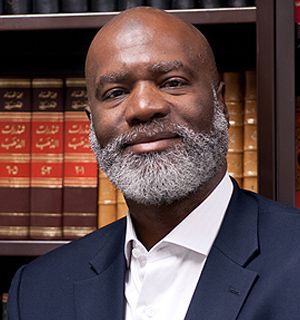
Sherman Abdul Hakim Jackson is an American convert and academic of Islamic studies. Recently, has has been quite the controversial figure for his idea of Islamic secular although it
1/30
Sherman Abdul Hakim Jackson is an American convert and academic of Islamic studies. Recently, has has been quite the controversial figure for his idea of Islamic secular although it
1/30
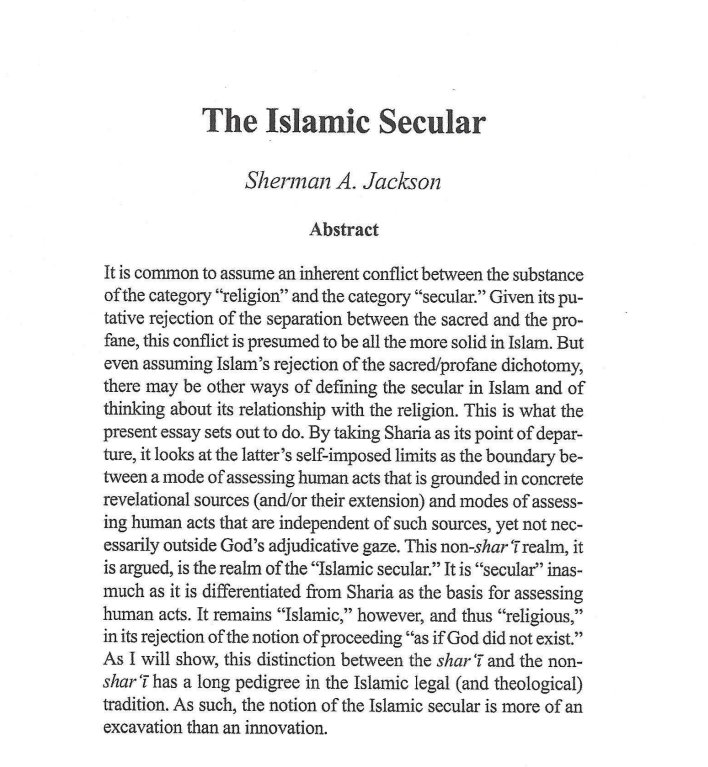
might not be as controversial as many Muslims would like to think by just hearing the oxymoron of “Islamic Secular”.
The primary objective of his thesis, according to Sherman, is actually to rescue Islam and the Muslims from the attacks of liberals and modernists and also
2/30
The primary objective of his thesis, according to Sherman, is actually to rescue Islam and the Muslims from the attacks of liberals and modernists and also
2/30
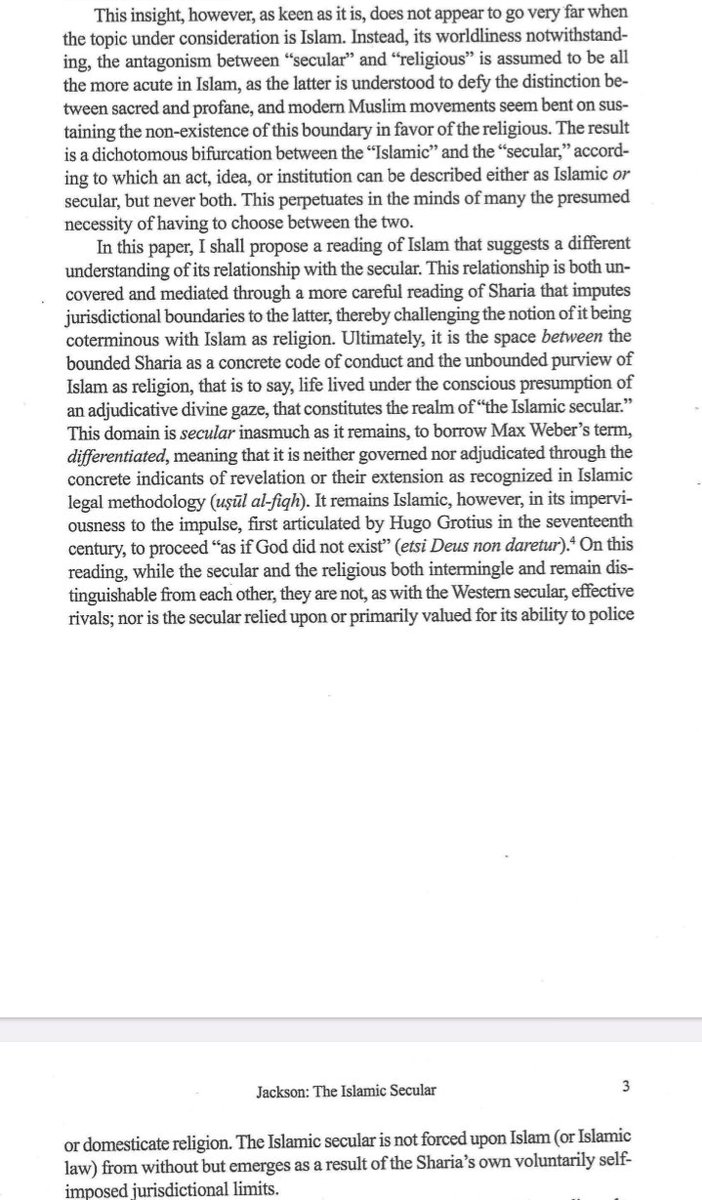
from being secularized in western way, with the advantage of Muslims being unjustifiable accused of violating Islam when they try to do something new that still doesn’t violate the explicit teachings of the Quran and Sunnah. So we can at least be assured that Sherman has
3/30
3/30
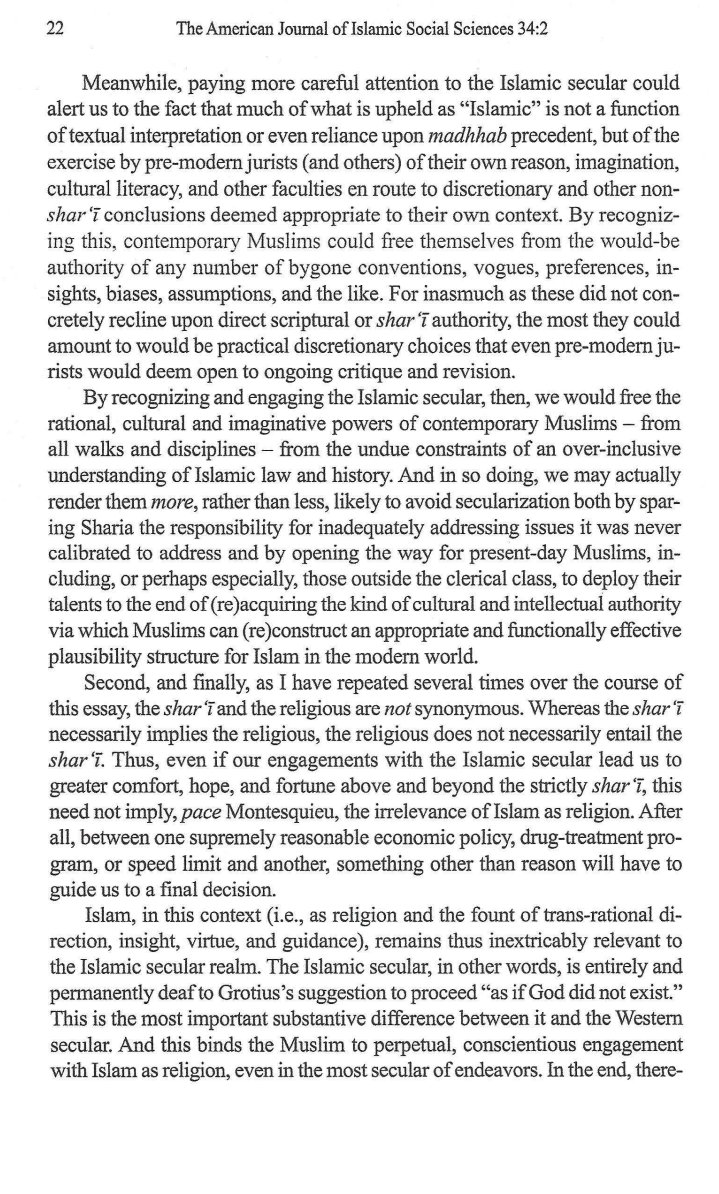
good intentions for the Islam and Muslims. Proceeding with this context, Sherman makes a clear distinction between the Western Secular and Islamic Secular.
He elaborates on the historical conditions and developments of the western society, thought and religion that led to
4/30
He elaborates on the historical conditions and developments of the western society, thought and religion that led to
4/30
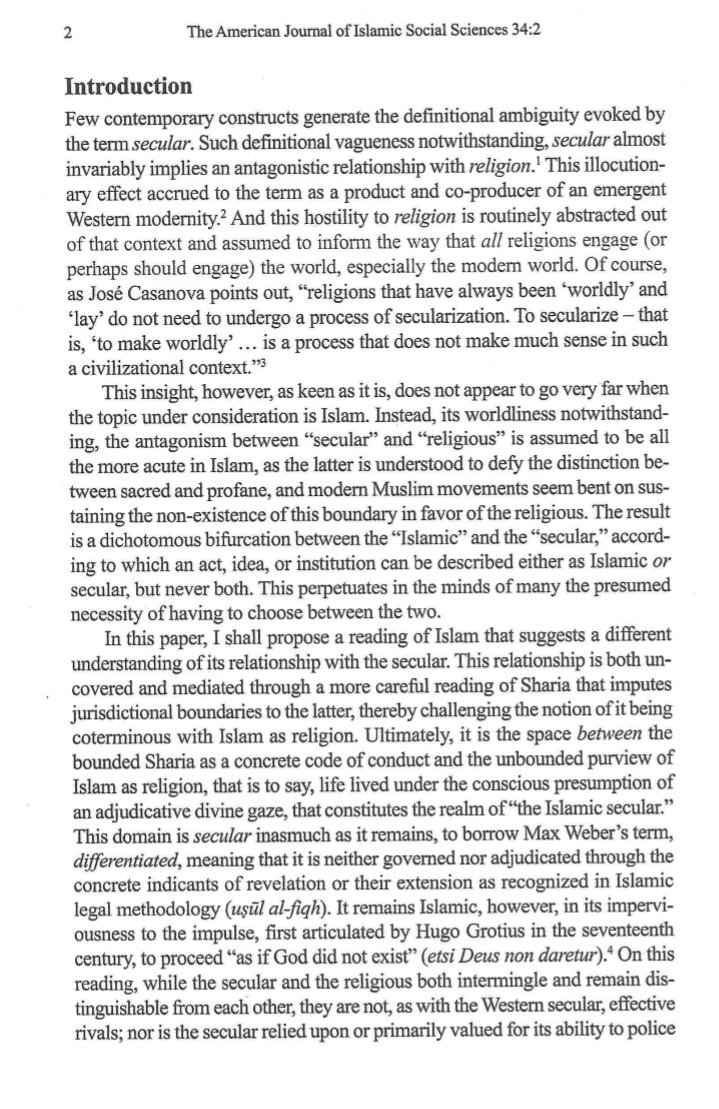
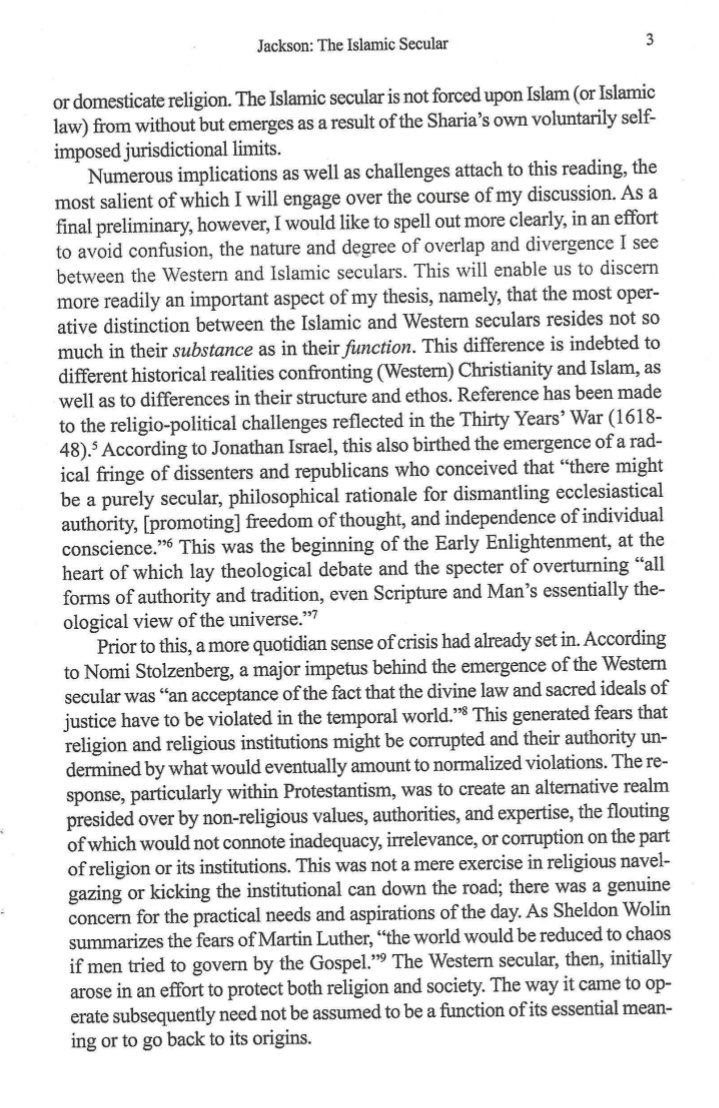
the Western Secular. A secular which makes a stark contrast between the domains of religion (sacred) and worldly (profane), and in majority cases, the latter controlling and defining the former according to its own principles and contemporary needs. In short, the Western
5/30
5/30
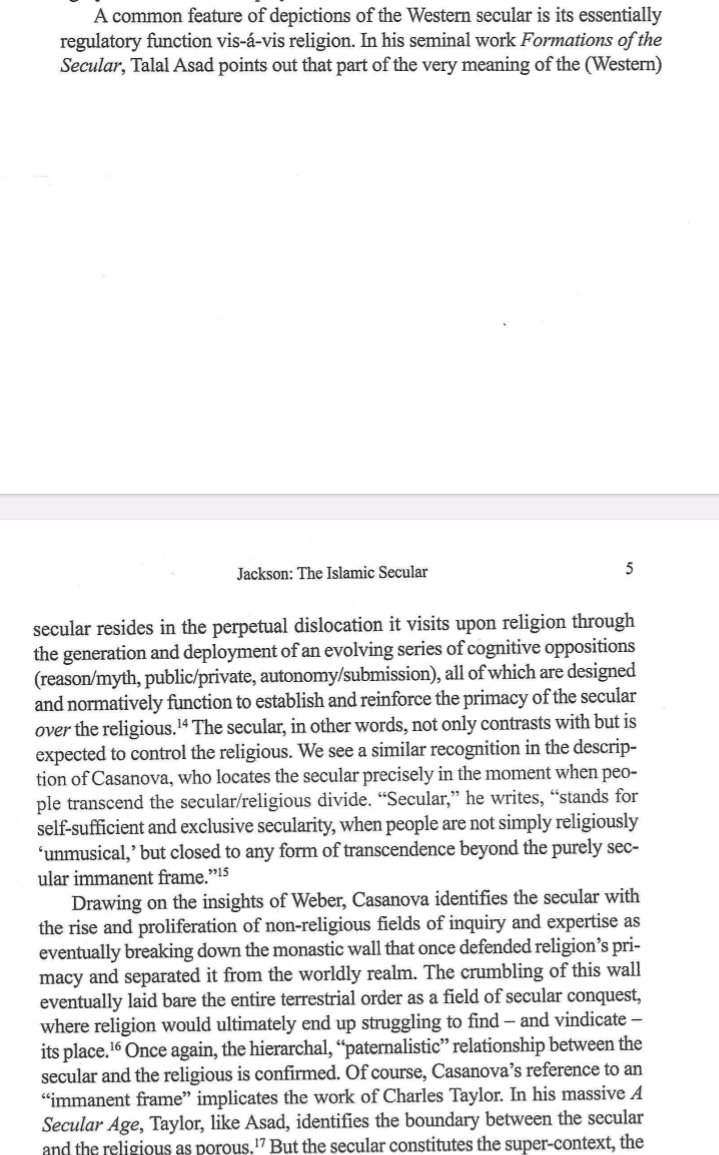
Secular became the new authority in town that defines everything, and will ultimately lead society and people to rarely concern themselves with God and religion. For Sherman, there is no doubt then that this is completely unacceptable for Islam and Muslims, especially when
6/30
6/30
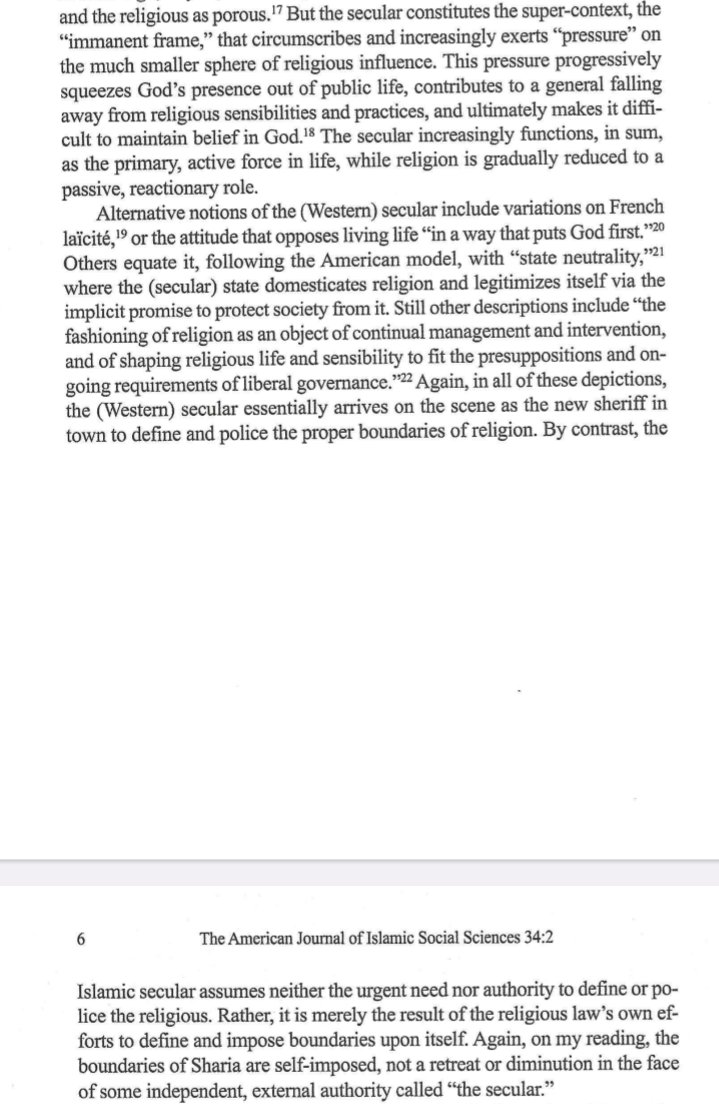
our historical and theological conditions are very different from Christianity and the West. From this, it follows that his thesis of Islamic Secular will at least be different from the common understanding of secularism and revisionist movements who try to reinterpret
7/30
7/30
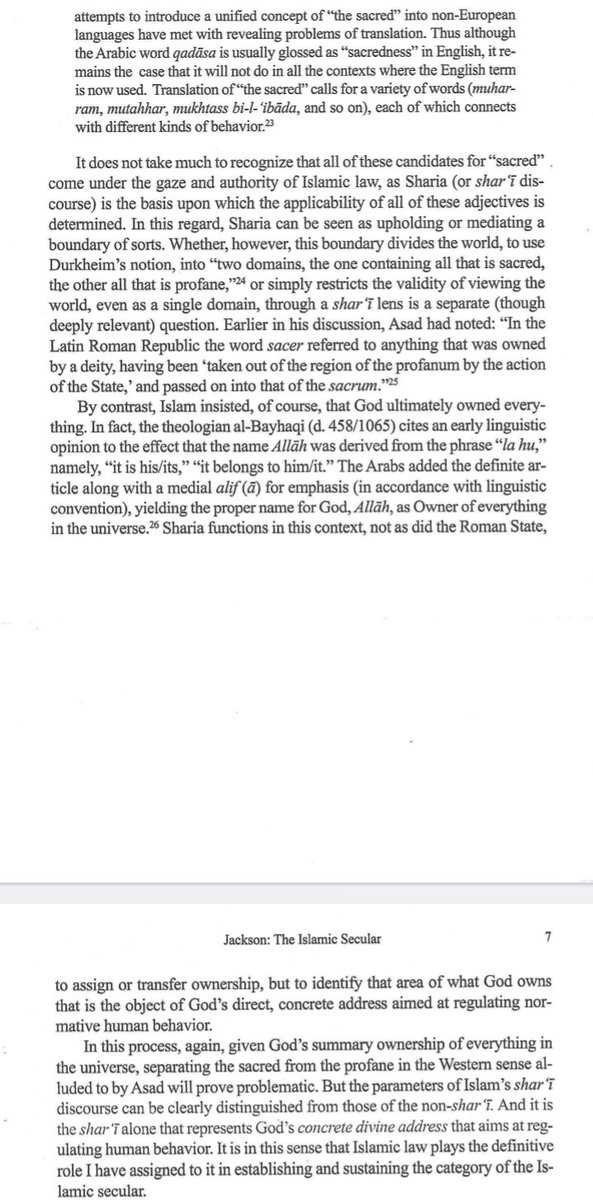
Islam in order to accord it to what Sherman calls the Western Secular.
To properly grasp his thesis, it is important to first understand how Sherman understands and defines the conceptual terms like religion (Islam), Shari’a, non-Shari’a. Keep in mind that he bases his
8/30
To properly grasp his thesis, it is important to first understand how Sherman understands and defines the conceptual terms like religion (Islam), Shari’a, non-Shari’a. Keep in mind that he bases his
8/30
understanding of these terms on some of the classical Islamic Jurists like Shihab al-Din al-Qarafi al-Maliki and those of Zahiri school, because he thinks he is not introducing anything new rather building on a careful reading of Shari’a from the Islamic tradition. However
9/30
9/30
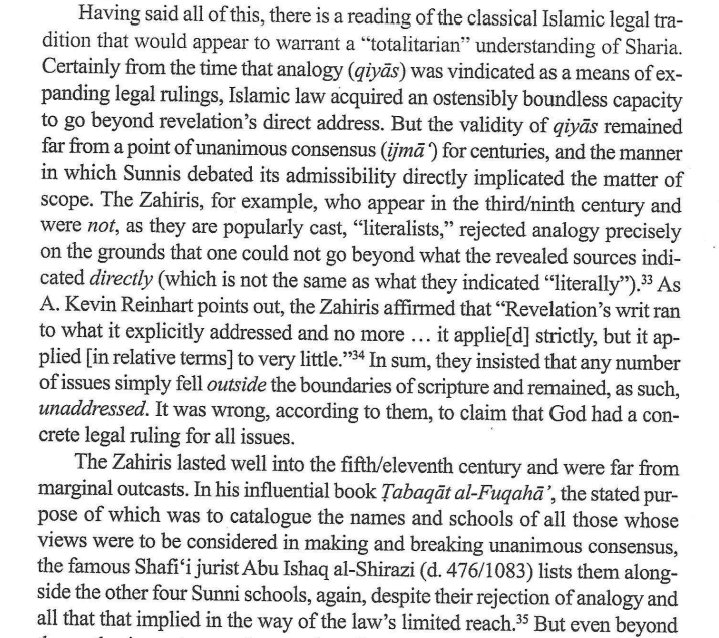
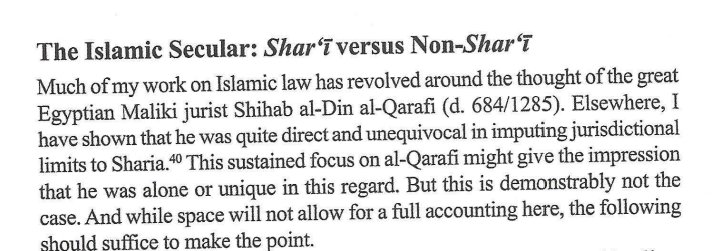
according to Sherman himself, this set of Jurists was a small minority who was rejected by large. Which means they are kinda sidelined from Islamic tradition, so revoking them is definitely revisionism even if Sherman thinks otherwise.
Now, for Sherman, Shari’a is
10/30
Now, for Sherman, Shari’a is
10/30
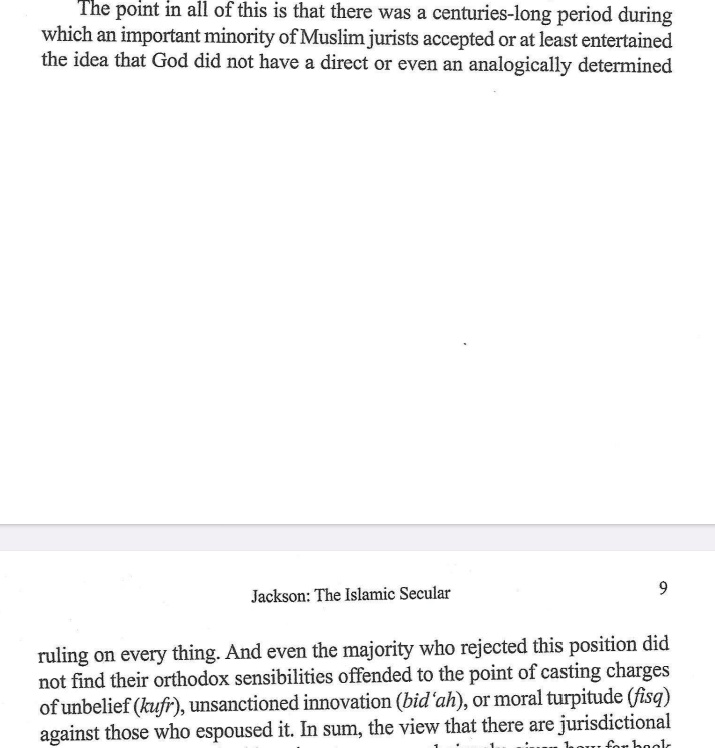
only that which is explicitly and concretely found in the Quran and Sunnah. It somewhat also includes the explicitly derived hukm by the Islamic Jurists. And this Shari’a is binding upon people to follow. Meanwhile, the non-Shari’a is concerned with the matters that aren’t
11/30
11/30
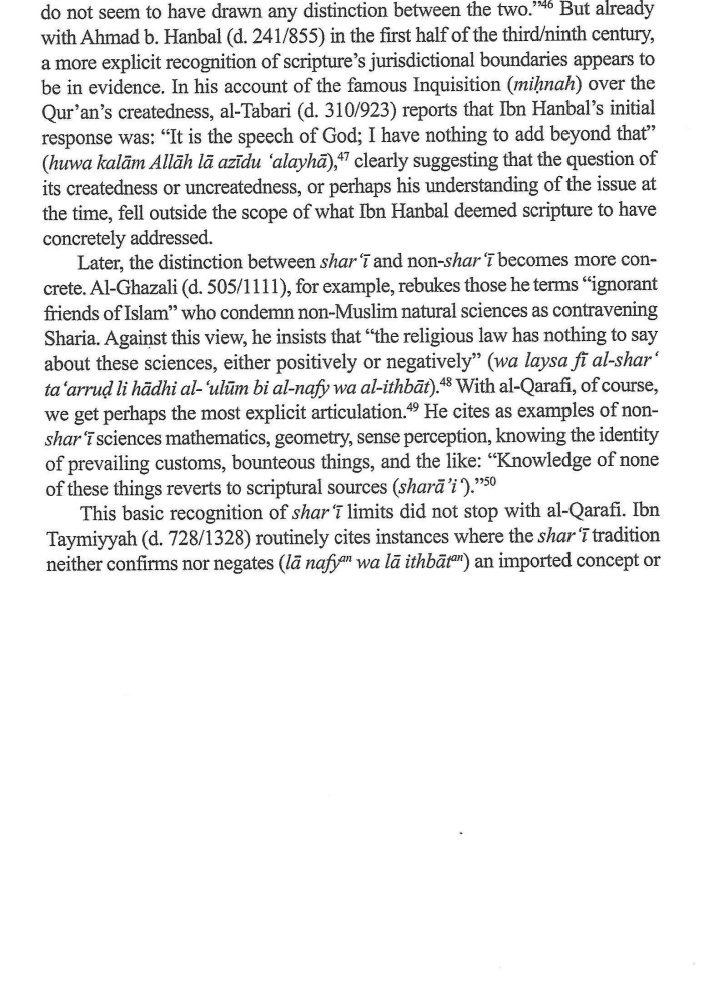
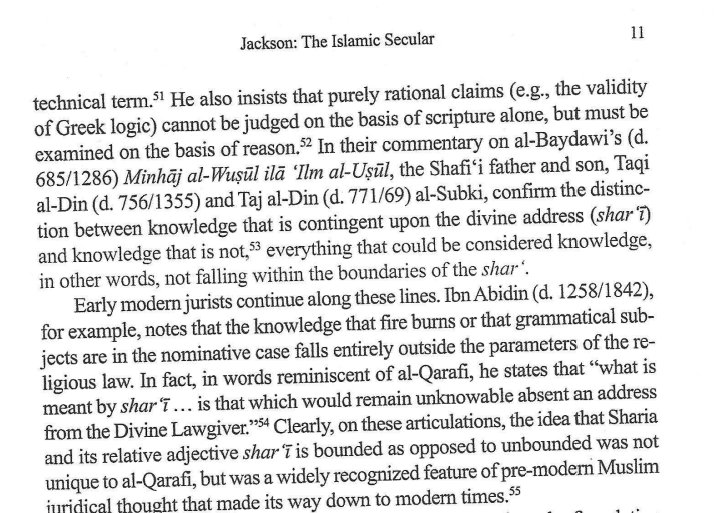
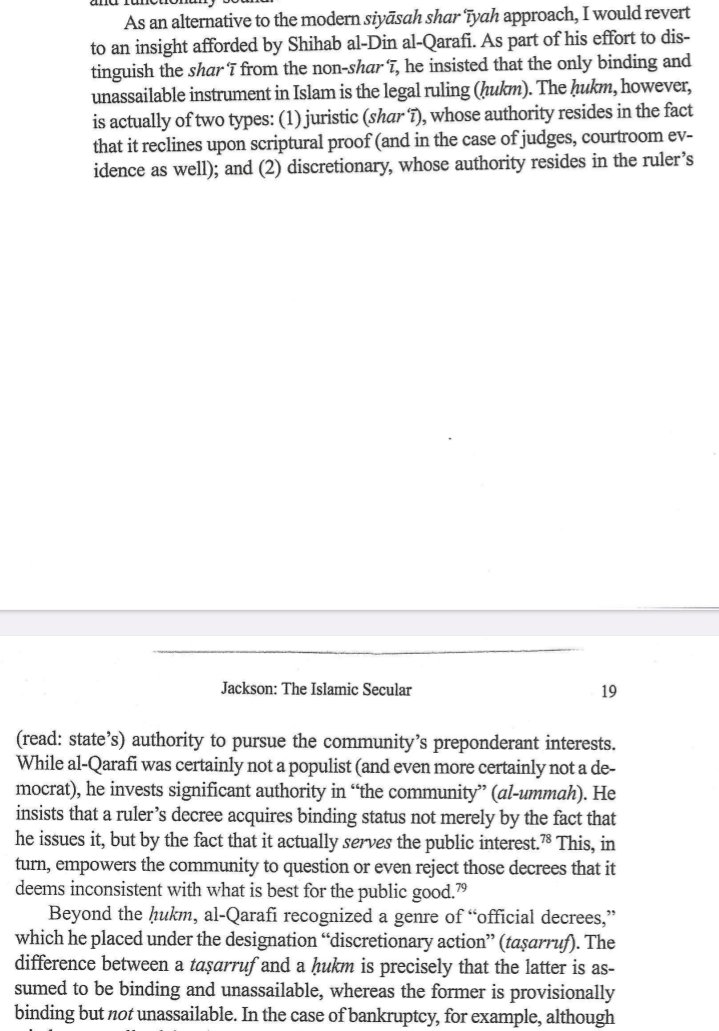
explicitly found in Quran and Sunnah, and Jurists mostly use tools like Qiyas to formulate rulings about them. The non-Shari'a is concerned with mubah matters and rulings about them, according to Sherman, are not binding upon Muslims to follow, so they can be challenged
13/30
13/30
and changed according to public opinions and interests that vary from time to time and place and place. So Sherman puts emphasis on public interest as well as this is one of his tools of deciding on non-Shari'a. To defend this, Sherman even brings some Prophetic Hadiths,
14/30
14/30
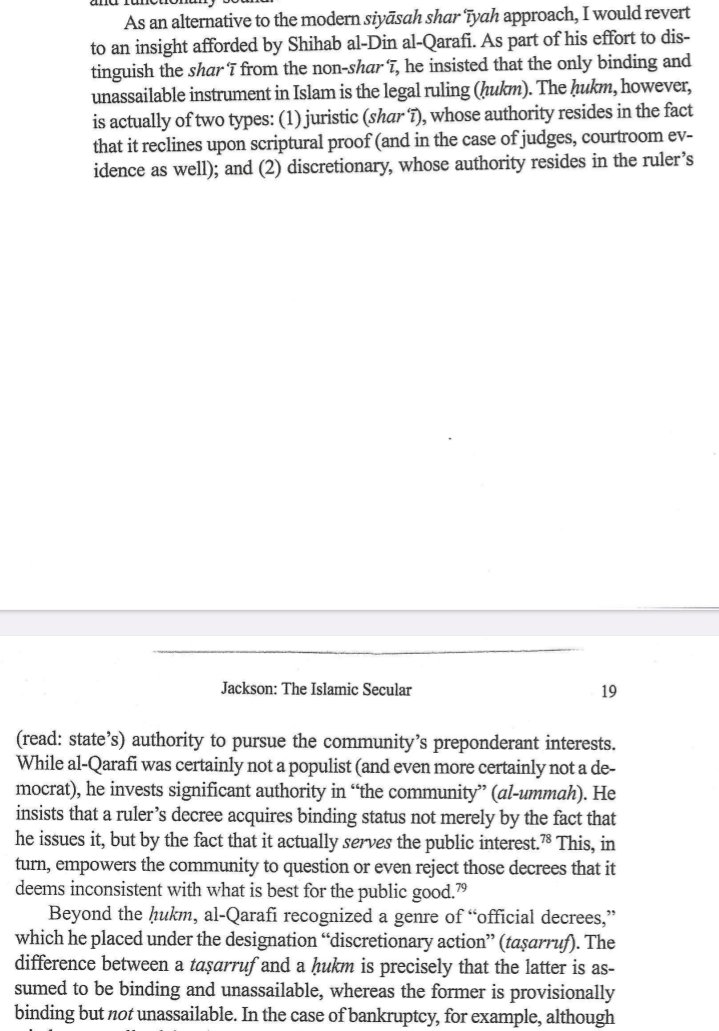
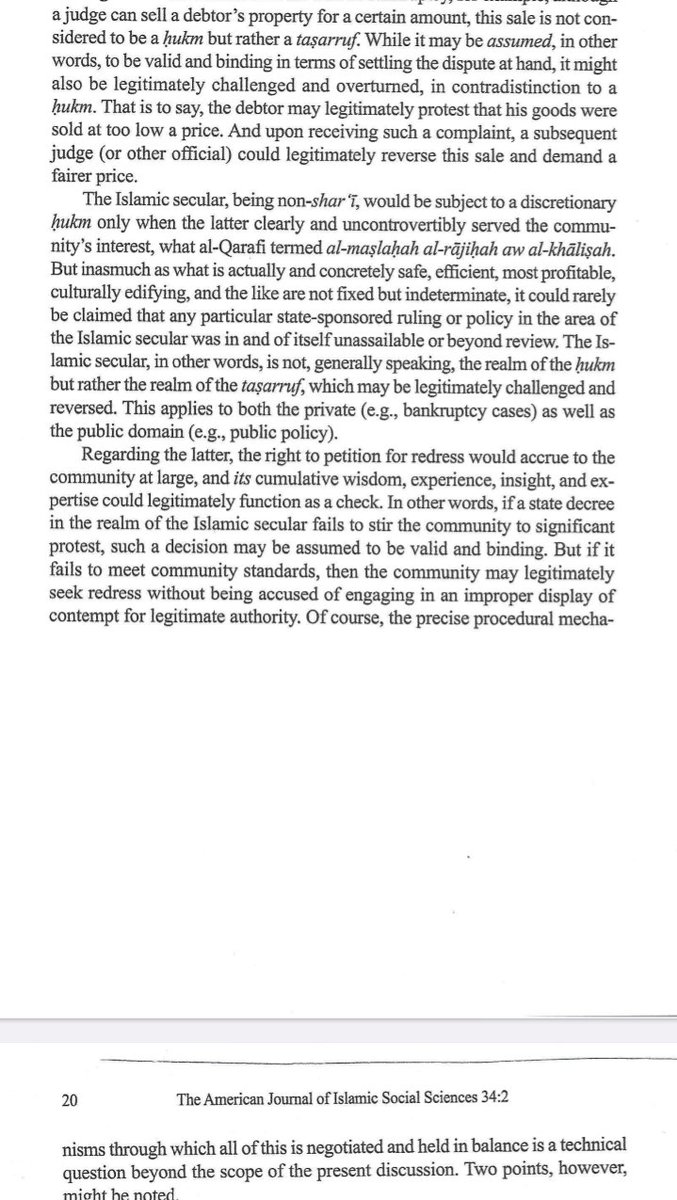
which could still be cancelled by counter-narrative Hadiths, so no big deal there.
It is this non-Shari’a, which Sherman calls “The Islamic Secular”, because they have nothing to do with Shari’a as defined above. So you can then do the math by yourself about which things
15/30
It is this non-Shari’a, which Sherman calls “The Islamic Secular”, because they have nothing to do with Shari’a as defined above. So you can then do the math by yourself about which things
15/30
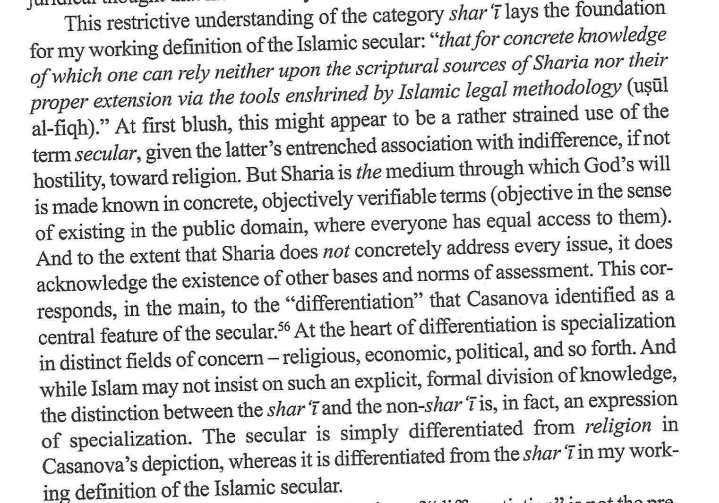
of our contemporary life come under Islamic Secular. Nonetheless, for Sherman, even tho Shari’a doesn’t concern itself with Islamic Secular, in terms of acceptance or rejection, we shouldn’t mistake it for having nothing to do with Islam as religion, because both Shari’a
16/30
16/30
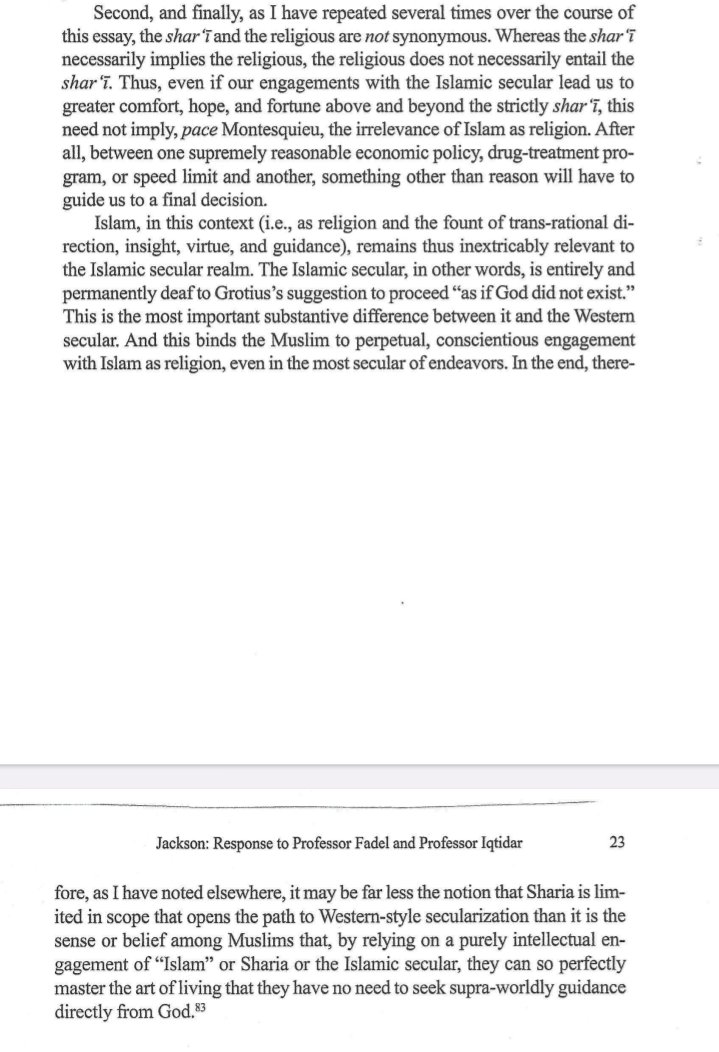
and non-Shari’a are afterall part of Islam, a broad category that encompasses all things and affairs, since everything belongs to God, with a proper set of Islamic values and must be established under them. So basically nothing escapes the Divine gaze and Islamic
17/30
17/30
consciousness. The Islamic Secular must still be the subject of Islam and defined by it.
Now the problem with Sherman’s idea is that, in this age of being surrounded and dominated by different western imported frameworks, structures and movements that come with
18/30
Now the problem with Sherman’s idea is that, in this age of being surrounded and dominated by different western imported frameworks, structures and movements that come with
18/30
anti-Islamic philosophical baggage, and define non-Shari’a pertaining to social, education, political, ethical and others domains of our life; Sherman doesn’t provide us with any coherent counter-frameworks that we can employ to establish the correct Islamic paradigm of
19/30
19/30
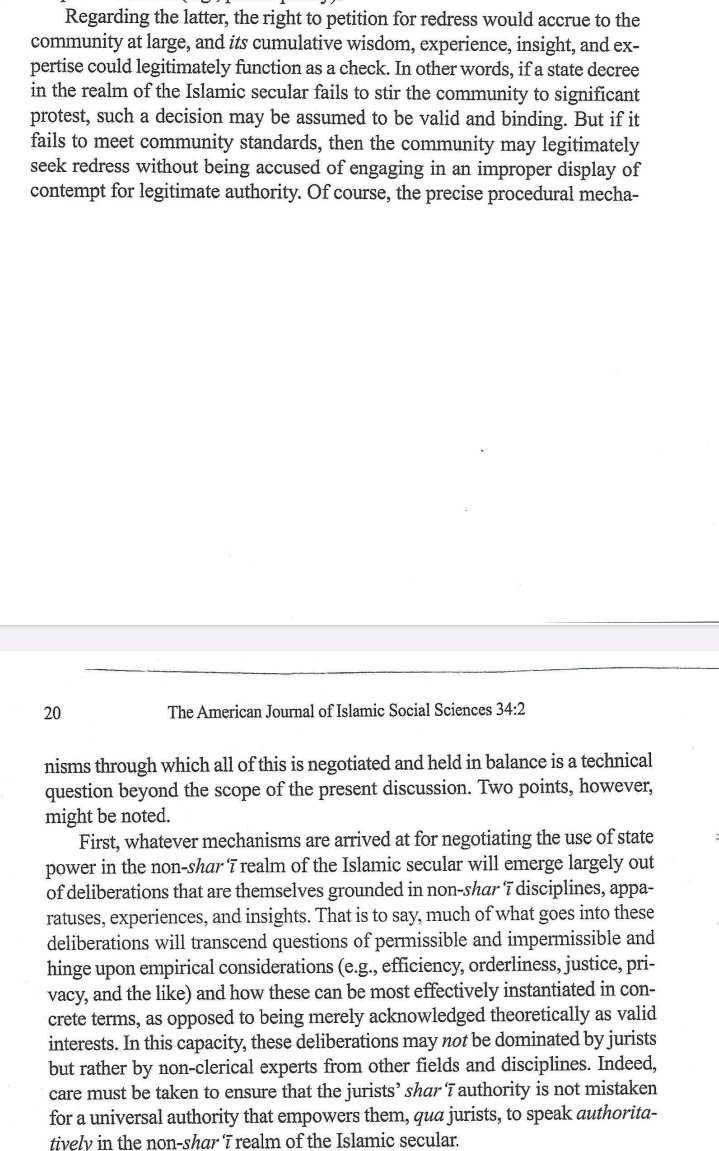
Islamic Secular. He only superficially mentions tools like reason, empirical observation, modern tools, welfare, public opinion etc alongside Qiyas in Fiqh, to establish Islamic Secular, there is no depth and the former type tools can be misused in
20/30
20/30
Western Secular way as well. Sherman show some awareness towards danger of Western style non-Shari’a because of cultural and intellectual dominance of modern West but nonetheless sticks to his approach. The obvious reason is that he isn’t a proper theologian or philosopher
21/30
21/30
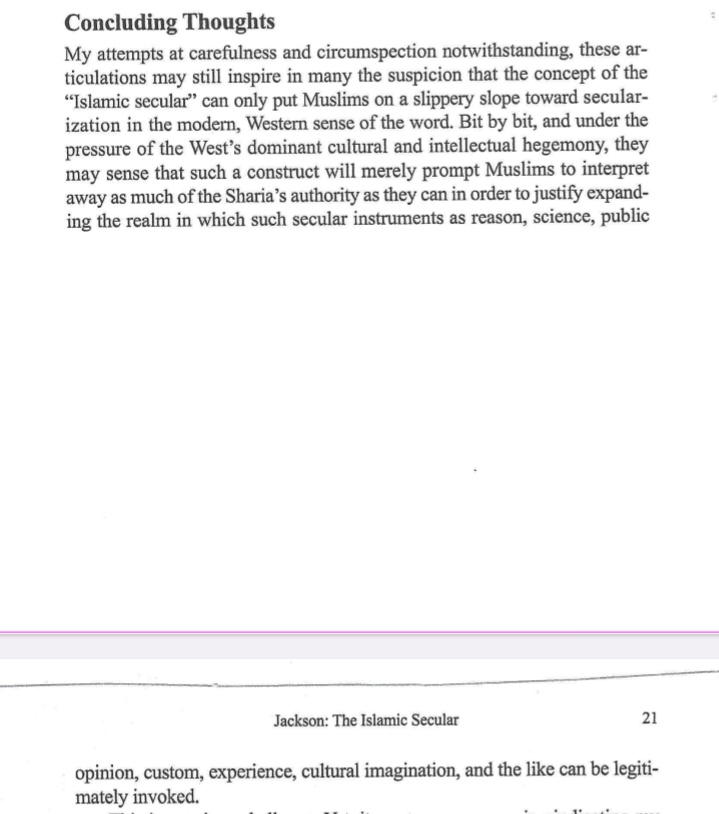
and he thinks his thesis definitely fulfills the purpose he has set out with and so he has to remain faithful with his understanding of the Islam, Shari’a and non-Shari’a, upon which his whole thesis stands. If he tries to give and bind Muslims to a proper counter Islamic
22/30
22/30
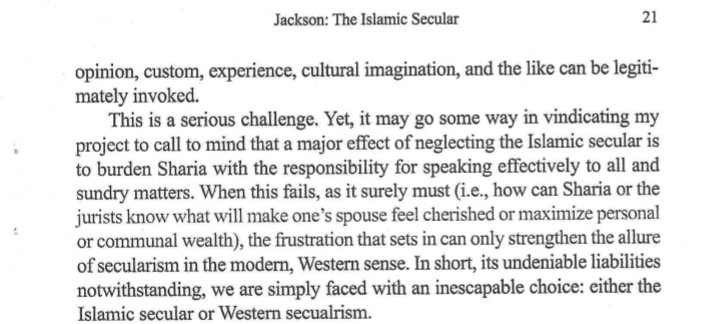
philosophical and theological framework and movement, which he can’t as we said he isn’t a proper theologian or philosopher, he will be contradicting himself because in his understanding, such a framework is non-Shari’a, hence not binding upon Muslims. In his view, all
23/30
23/30
intellectual and religious frameworks and methods in 1400 years of Muslim tradition, are ultimately reduced to subjectivity. Sherman has to sacrifice genuine philosophical inquiry, faithfulness to Islamic tradition, carry out some sort of revisionism and even overlook the
24/30
24/30
theological and philosophical context in which scholars of past, whom he invokes to try to ground his thesis in Islamic tradition, spoke about non-Shari’a; otherwise his whole thesis will fall apart.
And it is in this context as well, the term “Islamic Secular” is an
25/30
And it is in this context as well, the term “Islamic Secular” is an
25/30
oxymoron, for contemporary non-Shari’a matters of our life are poisoned with anti-Islamic thought. The secular can hardly be separated from western secular or integrated into Islamic secular and must be dealt with counter-Islamic frameworks from our tradition.
Moreover,
26/30
Moreover,
26/30
I don’t think, there was any need for Sherman to be coming with this thesis, because Islamic Jurists have been engaging with, what he calls, the non-Shari’a, under proper Islamic principles, for centuries now. Pick up any book of Fiqh and you will find out rulings about
27/30
27/30
almost all the different non-Shari’a matters related to politics, economics, education, social, health, farming and so on; although its no doubt unfortunate that modern day Jurists and experts are many times victim of modern thought and systems when establishing these
28/30
28/30
matters. That’s why we need counter Islamic frameworks urgently.
It’s unfortunate that we increasingly have philosophical untrained Muslim academics like Sherman who despite quoting such cunning words from westners don’t understand it in depth and find proper responses.
29/30
It’s unfortunate that we increasingly have philosophical untrained Muslim academics like Sherman who despite quoting such cunning words from westners don’t understand it in depth and find proper responses.
29/30

If anything, Sherman’s thesis brings harm to Islam and Muslims, rather than benefit. In all honesty and respect, Sherman needs to acquaint himself with proper philosophy to understand what is at stake, as well as a more nuanced and vast understanding of Islamic tradition.
30/30
30/30
Loading suggestions...