
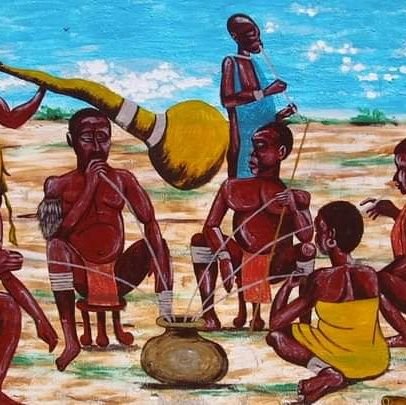
TO BE LUO
There are two ways of being Luo: -
1. Paternal lineage to the primary Luo Cluster of Clans and Clans.
2. Paternal assimilation up to the 33rd generation.
But to belong to the Luo family, also entails being children of aunties and sisters married outside the Luo community and wives married into Luo Clans from other communities.
Most original Luos know their extended families (Anyuola), lineage (Dhoudi), Clans (Oganda) very well because Luo heirschy is very clear and strict. Those of a simulated Bantu groups find it difficult to trace their roots and fit. This is because most Bantus don't have strict Clan based hierarchy as Nilotes who have clear and distinct structure right to Clusters of Clans.
I therefore outline the various Luo Clans. The list is only comprehensive as far as Kenya is concerned.
1. Tekidi (Jo-ka-Jok, Joka-Omollo, Joka-Owiny):
Tekidi was an essential settlement for the Luo people after leaving Dog Nam.
(a) Jo-ka-Jok
1. Karachuonyo. (Chwanya)
2. Kasipul (Chwanya)
3. Kabondo (Chwanya)
4. Kabuoch (Chwanya)
5. Kanyamwa (Chwanya)
6. Karungu (Chwanya)
7. Kadem (Chwanya)
8. Alego (Julu, Seje and Nyajuok sub-clans. Alego later swallowed other non-Jok clans).
9.Oywa clan of Nyakach.
10.Owidi clan of Kisumu.
11. Jo-Padhola (this is in Uganda, the only Jo-ka-Jok group "left" behind)
12. Some Seme groups.
Luo groups that moved with Jo-ka-Jok.
12. Kano
13. Other Nyakach Clans
14. Kanyamkago
(b) Joka-Omollo / Gem and Ugenya(Kenya only)
1. Puny Clan: Settled in Mwer and Uhui.
2. Kagan
3. Kochia
4. Kanyada
5. Tewno (Uburi, Udogo, and Wamari, who are now assimilated into Samia)
6.Ragak (now Kakan people in Alego). They are notable as
7. Kager/Wiljak: ( Umira, Uhore, Kawagor, Kawuor, and Kogola) .
8. Teg/Gangu and Uhui.
9. Gem
10. Kanyidoto
* After the Alego kingdom fell, many became assimilated into Luhyia.
Uganda
9. There are many Joka-Omollo in Uganda.
(c) Joka-Owiny
1. Owiny-Karuoth.
2. Kaugagi.
3. Mur.
4. Nyala
5. Karapul: An assimilated group.
6. Kanyaboli: Another assimilated group.
7. Kadimo Kowiny
Uganda
8. Most Uganda Luos, notably most, but not all, Acholi, are Joka-Owiny.
2. Wipacho Duong Luos
During "ik long pat opuk" ( such a long time ago that cannot be put in generational terms) Luos lived in Dog Nam (Lake Shores- believed to be Turkana by some Luo historians). This was centuries after leaving our homeland, Kemet, which was shared with other Nilotic Africans.
It is important to note that Luos were once just a Clan and not a nationality.
Our leader at Dog Nam, Sinakuru Kuku Lubanga, was recalled by Jok Nyakalaga to go and join ancestors, and then an argument ensued. Before his demise, he urged Luos to leave Dog Nam after his death.
Upon his death, there were differences between different groups. "Our group" proceeded to Tekidi (the foot of a rocky mountain and set up a settlement there) while the other group proceeded to Wipacho Duong ("the main homeland").
Most Luos of Sudan and South Sudan belong to this group.
They were led to this place by Okang and Dermor's group, who moved northward following a fortune teller's advice. This settlement represents a divergent path in the Luo migration story.
3. Pubungu ("The Place of Wilderness"):
Luru and Coo-pe, sons of Olum, settled in Pubungu after leaving Tekidi. This move signifies the continued dispersal and establishment of distinct Luo communities.
Padhola ("Place of the Wound").
4. Non-Cluster Luos
-Kisumu/Kajulu, Karateng
-Kamagambo,
4. Notable Assimilations in Kenya
Subas
-Waondo
-Kamreri
-Kayanja
-Wanyama
-Kaswanga
-Abakunta
-Waware (Waturi)
-Kamsengere
-Wisokolowa
-Wagimbe
-Wasamo (Samia-Luhyias)
-Waganda (from Busoga)
Others Kisii/Luhyia
-Sakwa
-Ojwando
-Wasweta
-Muksero
-Maragol of Migori
Kuria
-Jowaganjo,
- Bakini,
- Bagire,
-Jowategi,
There are two ways of being Luo: -
1. Paternal lineage to the primary Luo Cluster of Clans and Clans.
2. Paternal assimilation up to the 33rd generation.
But to belong to the Luo family, also entails being children of aunties and sisters married outside the Luo community and wives married into Luo Clans from other communities.
Most original Luos know their extended families (Anyuola), lineage (Dhoudi), Clans (Oganda) very well because Luo heirschy is very clear and strict. Those of a simulated Bantu groups find it difficult to trace their roots and fit. This is because most Bantus don't have strict Clan based hierarchy as Nilotes who have clear and distinct structure right to Clusters of Clans.
I therefore outline the various Luo Clans. The list is only comprehensive as far as Kenya is concerned.
1. Tekidi (Jo-ka-Jok, Joka-Omollo, Joka-Owiny):
Tekidi was an essential settlement for the Luo people after leaving Dog Nam.
(a) Jo-ka-Jok
1. Karachuonyo. (Chwanya)
2. Kasipul (Chwanya)
3. Kabondo (Chwanya)
4. Kabuoch (Chwanya)
5. Kanyamwa (Chwanya)
6. Karungu (Chwanya)
7. Kadem (Chwanya)
8. Alego (Julu, Seje and Nyajuok sub-clans. Alego later swallowed other non-Jok clans).
9.Oywa clan of Nyakach.
10.Owidi clan of Kisumu.
11. Jo-Padhola (this is in Uganda, the only Jo-ka-Jok group "left" behind)
12. Some Seme groups.
Luo groups that moved with Jo-ka-Jok.
12. Kano
13. Other Nyakach Clans
14. Kanyamkago
(b) Joka-Omollo / Gem and Ugenya(Kenya only)
1. Puny Clan: Settled in Mwer and Uhui.
2. Kagan
3. Kochia
4. Kanyada
5. Tewno (Uburi, Udogo, and Wamari, who are now assimilated into Samia)
6.Ragak (now Kakan people in Alego). They are notable as
7. Kager/Wiljak: ( Umira, Uhore, Kawagor, Kawuor, and Kogola) .
8. Teg/Gangu and Uhui.
9. Gem
10. Kanyidoto
* After the Alego kingdom fell, many became assimilated into Luhyia.
Uganda
9. There are many Joka-Omollo in Uganda.
(c) Joka-Owiny
1. Owiny-Karuoth.
2. Kaugagi.
3. Mur.
4. Nyala
5. Karapul: An assimilated group.
6. Kanyaboli: Another assimilated group.
7. Kadimo Kowiny
Uganda
8. Most Uganda Luos, notably most, but not all, Acholi, are Joka-Owiny.
2. Wipacho Duong Luos
During "ik long pat opuk" ( such a long time ago that cannot be put in generational terms) Luos lived in Dog Nam (Lake Shores- believed to be Turkana by some Luo historians). This was centuries after leaving our homeland, Kemet, which was shared with other Nilotic Africans.
It is important to note that Luos were once just a Clan and not a nationality.
Our leader at Dog Nam, Sinakuru Kuku Lubanga, was recalled by Jok Nyakalaga to go and join ancestors, and then an argument ensued. Before his demise, he urged Luos to leave Dog Nam after his death.
Upon his death, there were differences between different groups. "Our group" proceeded to Tekidi (the foot of a rocky mountain and set up a settlement there) while the other group proceeded to Wipacho Duong ("the main homeland").
Most Luos of Sudan and South Sudan belong to this group.
They were led to this place by Okang and Dermor's group, who moved northward following a fortune teller's advice. This settlement represents a divergent path in the Luo migration story.
3. Pubungu ("The Place of Wilderness"):
Luru and Coo-pe, sons of Olum, settled in Pubungu after leaving Tekidi. This move signifies the continued dispersal and establishment of distinct Luo communities.
Padhola ("Place of the Wound").
4. Non-Cluster Luos
-Kisumu/Kajulu, Karateng
-Kamagambo,
4. Notable Assimilations in Kenya
Subas
-Waondo
-Kamreri
-Kayanja
-Wanyama
-Kaswanga
-Abakunta
-Waware (Waturi)
-Kamsengere
-Wisokolowa
-Wagimbe
-Wasamo (Samia-Luhyias)
-Waganda (from Busoga)
Others Kisii/Luhyia
-Sakwa
-Ojwando
-Wasweta
-Muksero
-Maragol of Migori
Kuria
-Jowaganjo,
- Bakini,
- Bagire,
-Jowategi,
- Jokaksero,
- Jokamot,
-Jowaturi
-Jokamageta.
-Jokowak, though original
5. Luos assimilated into other tribes:
-Wanjare -Kisii
Others.
- Luo Clans are very structured, and their identity is distinct and well-known. Other persons who are Luos but cannot correctly trace their lineage may be Bantus assimilated into Luo. Bantus do not tend to have rigorous Clan hierarchy and identity like Nilotic groups.
- Jokamot,
-Jowaturi
-Jokamageta.
-Jokowak, though original
5. Luos assimilated into other tribes:
-Wanjare -Kisii
Others.
- Luo Clans are very structured, and their identity is distinct and well-known. Other persons who are Luos but cannot correctly trace their lineage may be Bantus assimilated into Luo. Bantus do not tend to have rigorous Clan hierarchy and identity like Nilotic groups.
Loading suggestions...