

A brutal truth for writers who love to read:
Reading, in and of itself, doesn't make you a better writer.
To master your craft, you have to read CLOSELY and study the language.
Ask these 5 key questions every time you read something (to become a world-class reader):
Reading, in and of itself, doesn't make you a better writer.
To master your craft, you have to read CLOSELY and study the language.
Ask these 5 key questions every time you read something (to become a world-class reader):
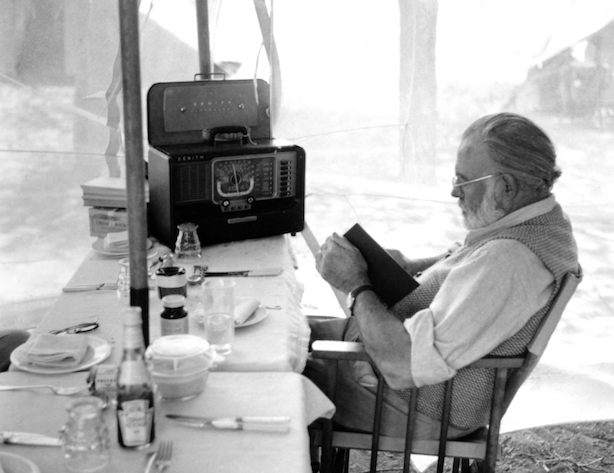
Before we dive in, some context:
Most writers (and people in general) don't know how to read.
They aren't aware of all the different things happening in the writing.
This is why I recommend this one book for writers:
Most writers (and people in general) don't know how to read.
They aren't aware of all the different things happening in the writing.
This is why I recommend this one book for writers:

I am a firm believer there are 2 types of writers who read:
The first are writers who read for fun (and are well read as a result), but unable to transfer those learnings over to their own writing.
And the second are writers who read less for fun and more as mental exercise.
The first are writers who read for fun (and are well read as a result), but unable to transfer those learnings over to their own writing.
And the second are writers who read less for fun and more as mental exercise.
What does this look like in practice?
When I read, I'm trying to understand how the writer is assembling their writing:
When I read, I'm trying to understand how the writer is assembling their writing:

So, to become a great writer, you can't just read for fun.
You must read as a form of study, of deliberate practice. Like stretching before you do your real workout (the writing).
Start by asking these 5 questions every time you read something:
You must read as a form of study, of deliberate practice. Like stretching before you do your real workout (the writing).
Start by asking these 5 questions every time you read something:
1/ "What is the author really saying here?"
I annotate constantly when I read.
In the margins, I write what the author is saying—below the literal.
"She walked into the room without hesitation." OK, what's REALLY happening here?
The unspoken is the loudest narrative.
I annotate constantly when I read.
In the margins, I write what the author is saying—below the literal.
"She walked into the room without hesitation." OK, what's REALLY happening here?
The unspoken is the loudest narrative.
2/ "How did the author create this image/feeling?"
Don't just watch the movie.
Ask how the writer got you to see or feel what you did.
Study that language closely.
Then keep it in your back pocket for when you want to illicit a similar image in your readers' minds.
Don't just watch the movie.
Ask how the writer got you to see or feel what you did.
Study that language closely.
Then keep it in your back pocket for when you want to illicit a similar image in your readers' minds.
3/ "What details are staying with me the most?"
As you read, and long after you finish reading, notice what ideas, images, traits, and dialogue you remember most.
The fact they are sticking with you mean these details are *sticky.*
How can you make your own writing sticky?
As you read, and long after you finish reading, notice what ideas, images, traits, and dialogue you remember most.
The fact they are sticking with you mean these details are *sticky.*
How can you make your own writing sticky?
4/ "How quickly is the author revealing new information?"
In @Ship30for30 we call this Rate of Revelation.
Slow RoR = lots of description, lots of depth, moves like molasses.
Fast RoR = minimalist, bang-bang-bang, like coffee.
Is the author's choice right for the story?
In @Ship30for30 we call this Rate of Revelation.
Slow RoR = lots of description, lots of depth, moves like molasses.
Fast RoR = minimalist, bang-bang-bang, like coffee.
Is the author's choice right for the story?
@ship30for30 5/ "Why is the author saying this?"
Great writers make every word count.
Nothing is said by accident.
Like how a painting is realized pixel by pixel, question why the author is describing this detail, shining a light on this trait, etc.
Each choice has significance.
Great writers make every word count.
Nothing is said by accident.
Like how a painting is realized pixel by pixel, question why the author is describing this detail, shining a light on this trait, etc.
Each choice has significance.
@ship30for30 Boom!
Ask 5 questions to become a world-class reader:
• What is the author saying here?
• How did the author create this image/feeling?
• What details are staying with me the most?
• How quickly is the author revealing new information?
• Why is the author saying this?
Ask 5 questions to become a world-class reader:
• What is the author saying here?
• How did the author create this image/feeling?
• What details are staying with me the most?
• How quickly is the author revealing new information?
• Why is the author saying this?
@ship30for30 The best way to practice what you learn from reading?
Start writing online.
Here's a 13,000-word free guide and email course to help you get started:
x.startwritingonline.com
Start writing online.
Here's a 13,000-word free guide and email course to help you get started:
x.startwritingonline.com

Loading suggestions...