
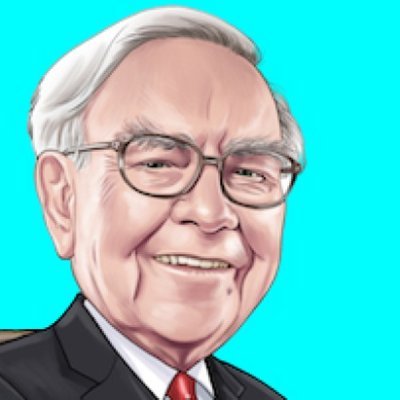
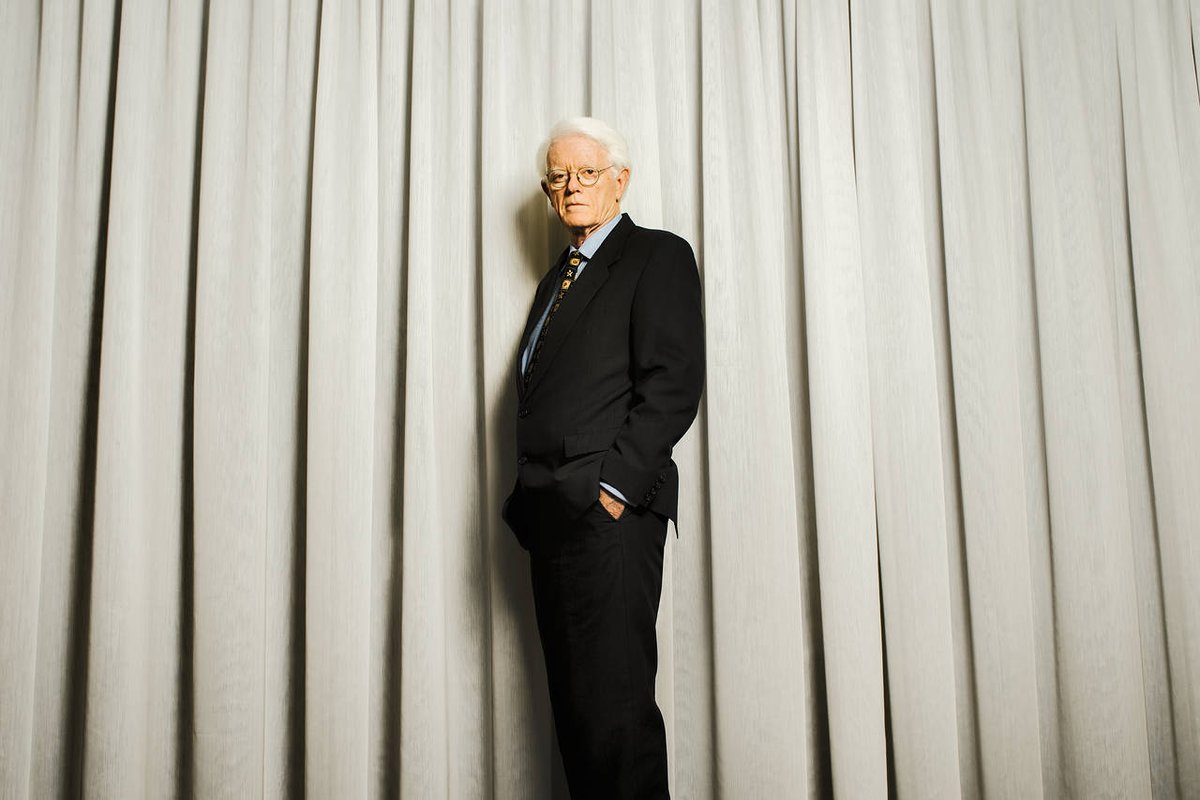
This is Peter Lynch
He Turned Magellan Into the Best-Performing Mutual Fund in the World
Transformed $18 million in assets to $14 billion.
And achieved 29% annual returns over 13 years.
His story:
🧵
He Turned Magellan Into the Best-Performing Mutual Fund in the World
Transformed $18 million in assets to $14 billion.
And achieved 29% annual returns over 13 years.
His story:
🧵
1/
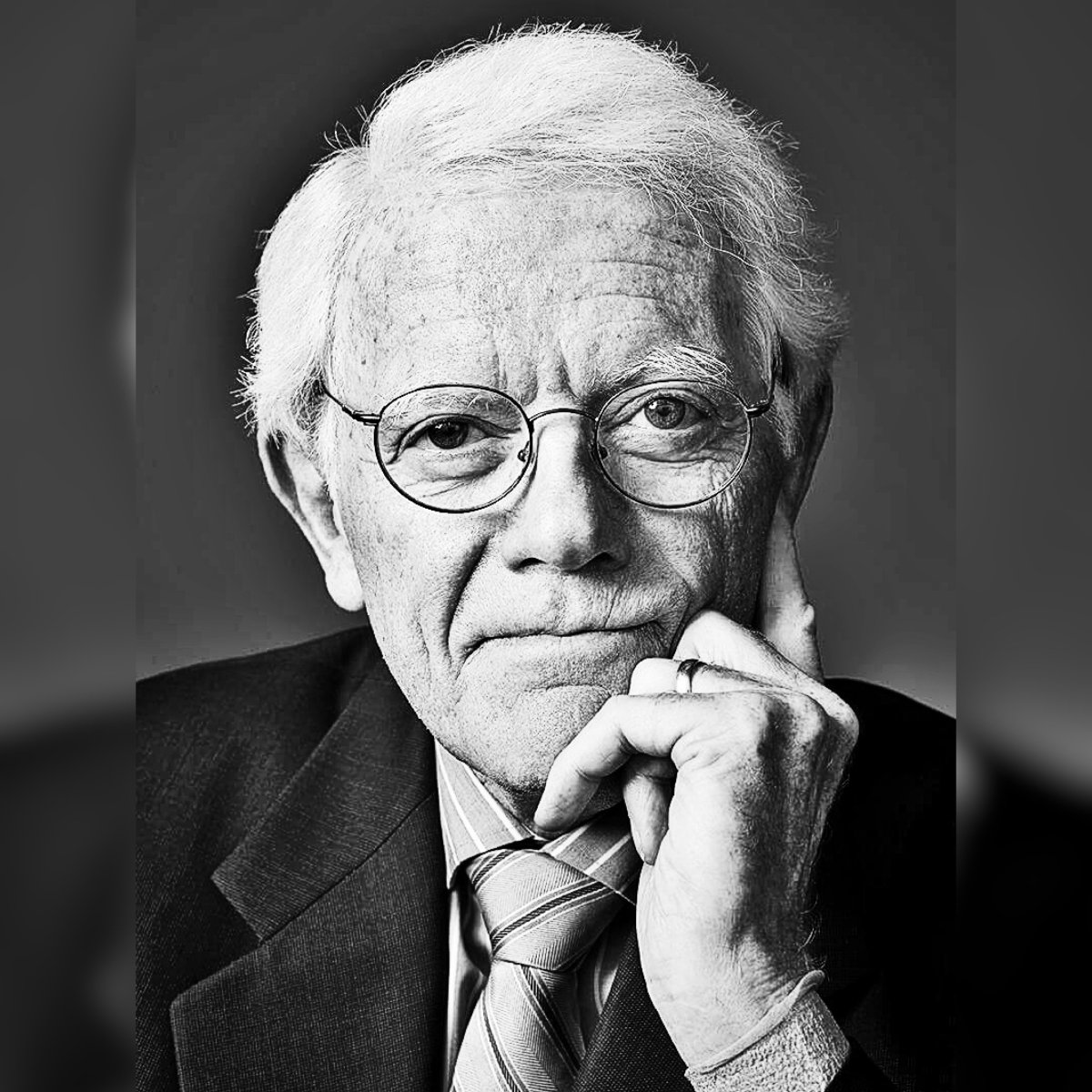
In his early teens, Lynch worked as a golf caddie at Brae Burn Country Club to help support his family.
His experiences at the golf club ultimately shaped his life.
It was here he learned about the stock market through conversations he overheard.
In his early teens, Lynch worked as a golf caddie at Brae Burn Country Club to help support his family.
His experiences at the golf club ultimately shaped his life.
It was here he learned about the stock market through conversations he overheard.
2/
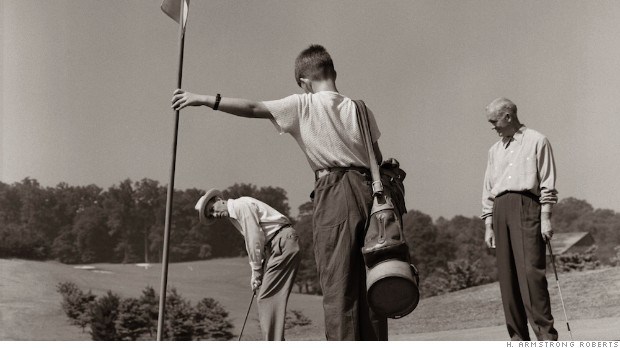
Working as a caddie, Lynch was unafraid to share his opinions & analyses to businessmen and a variety of professionals.
“Where else, at age 15 or 16, can you serve as a trusted adviser to high-powered people?”
Working as a caddie, Lynch was unafraid to share his opinions & analyses to businessmen and a variety of professionals.
“Where else, at age 15 or 16, can you serve as a trusted adviser to high-powered people?”
3/
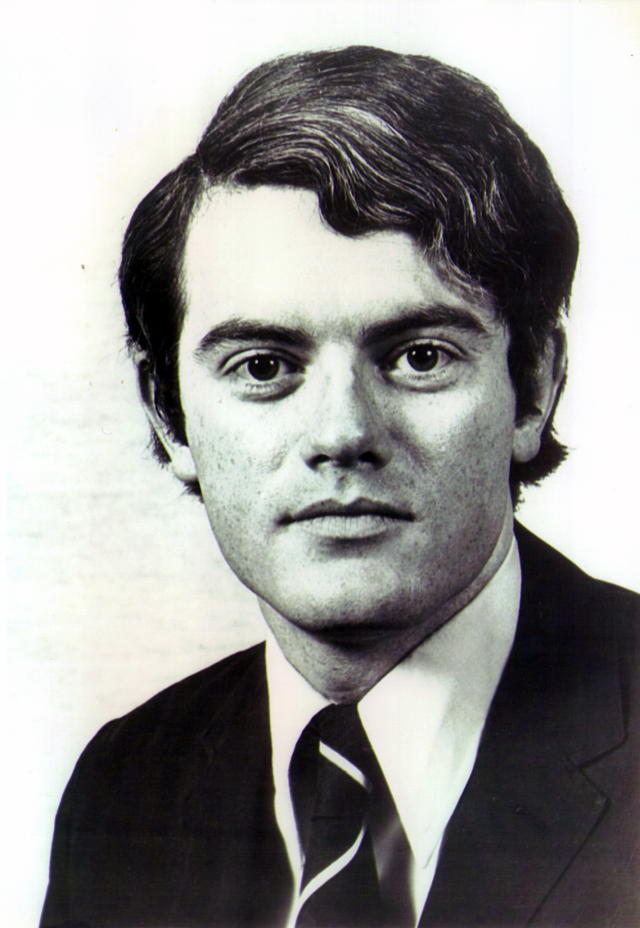
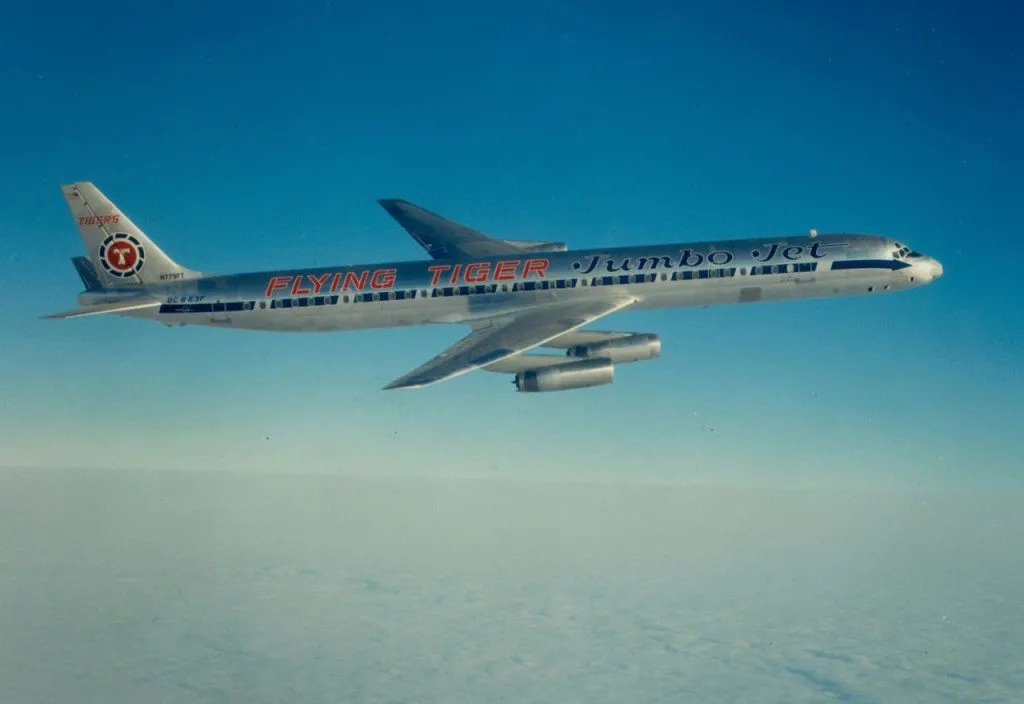
One of Lynch’s first investments was in air freight company Flying Tiger.
He reportedly bought 100 shares of Flying Tiger at $8 a share.
The stock went up to $80 per share, in part due to the Vietnam War.
One of Lynch’s first investments was in air freight company Flying Tiger.
He reportedly bought 100 shares of Flying Tiger at $8 a share.
The stock went up to $80 per share, in part due to the Vietnam War.
4/
Lynch’s profits from his successful investment in Flying Tiger helped finance his MBA from Wharton School of Business.
Prior to this, Lynch studied at Boston College.
This time, he had caddying to thank.
Lynch’s profits from his successful investment in Flying Tiger helped finance his MBA from Wharton School of Business.
Prior to this, Lynch studied at Boston College.
This time, he had caddying to thank.
5/
Thanks to caddying, Lynch earned his degree in finance at Boston College on a Francis Ouimet Caddie scholarship.
It’s also thanks to caddying that he managed to snag an internship at Fidelity Investments.
How? Through D. George Sullivan, then-president of Fidelity’s funds.
Thanks to caddying, Lynch earned his degree in finance at Boston College on a Francis Ouimet Caddie scholarship.
It’s also thanks to caddying that he managed to snag an internship at Fidelity Investments.
How? Through D. George Sullivan, then-president of Fidelity’s funds.
6/
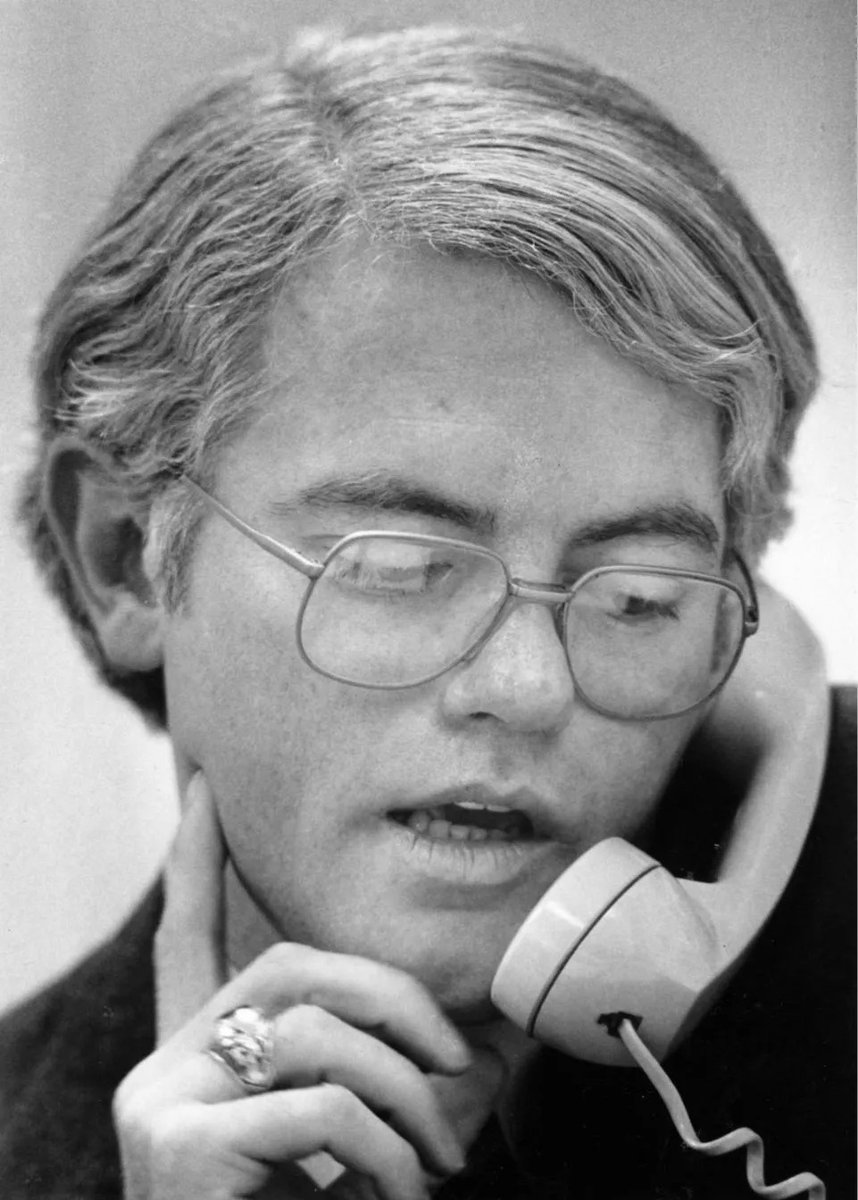
As a caddie, Lynch carried for Sullivan for at least 10 years.
And Sullivan, impressed by Lynch’s smarts, hired him in 1966.
“There were about 75 applicants for 3 job openings,” recalls Lynch. “But I was the only one who had caddied for the president for 10 years.”
As a caddie, Lynch carried for Sullivan for at least 10 years.
And Sullivan, impressed by Lynch’s smarts, hired him in 1966.
“There were about 75 applicants for 3 job openings,” recalls Lynch. “But I was the only one who had caddied for the president for 10 years.”
7/
After a brief stint in the Army, Fidelity permanently hired Lynch in 1969.
He eventually became Fidelity’s director of research.
But it wasn’t until 1977 did things really take a turn in Lynch’s career.
After a brief stint in the Army, Fidelity permanently hired Lynch in 1969.
He eventually became Fidelity’s director of research.
But it wasn’t until 1977 did things really take a turn in Lynch’s career.
8/
In 1977, Lynch was appointed head of Fidelity’s then-obscure Magellan Fund.
At the time, Magellan had $18 million in assets.
By the time Lynch resigned as fund manager in 1990, Magellan had grown to more than $14 billion in assets.
In 1977, Lynch was appointed head of Fidelity’s then-obscure Magellan Fund.
At the time, Magellan had $18 million in assets.
By the time Lynch resigned as fund manager in 1990, Magellan had grown to more than $14 billion in assets.
9/
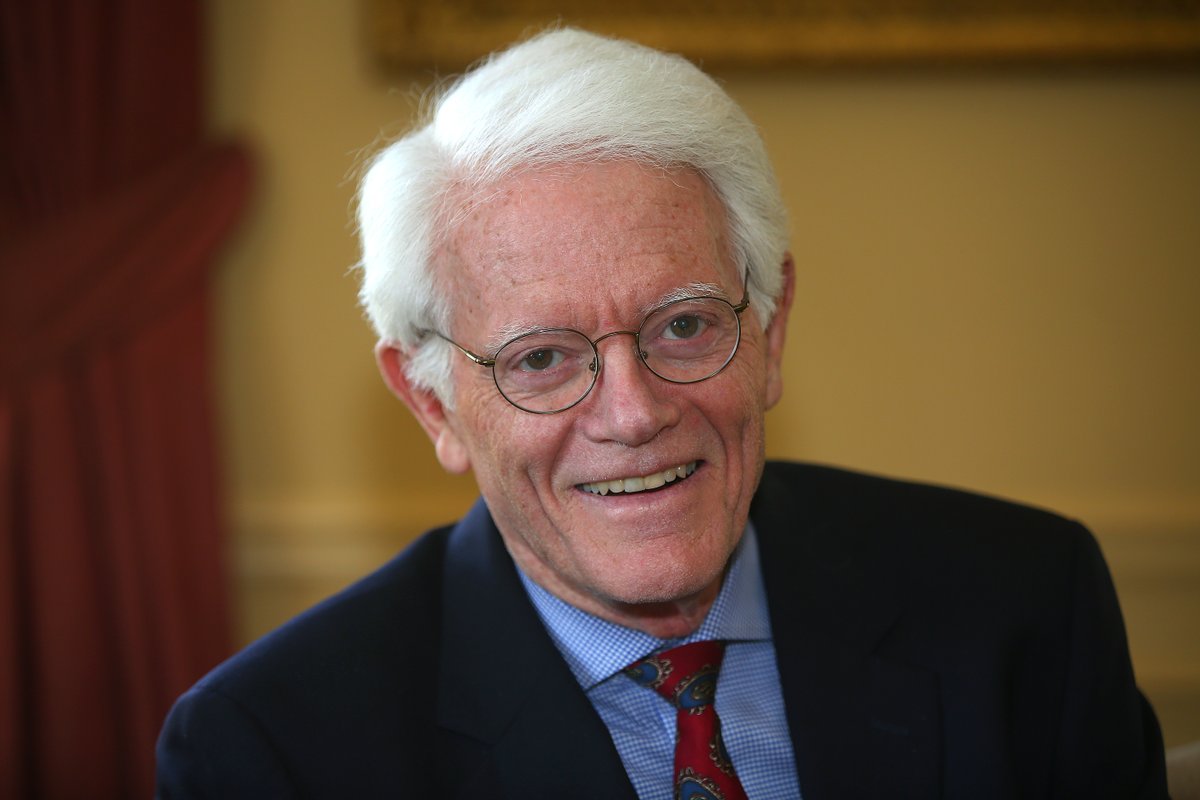
In the 13 years Lynch was at the helm, Magellan returned an average of 29% per year.
Outperforming the S&P 500 for all but 2 years.
And beating 99.5% of all other funds.
It became the best-performing mutual fund in the world.
In the 13 years Lynch was at the helm, Magellan returned an average of 29% per year.
Outperforming the S&P 500 for all but 2 years.
And beating 99.5% of all other funds.
It became the best-performing mutual fund in the world.
10/
Rather than any overarching strategy, Lynch focused on individual companies.
He believed that individual investors had inherent advantages over large institutions.
His investment strategy was based on a “bottom-up” approach.
Rather than any overarching strategy, Lynch focused on individual companies.
He believed that individual investors had inherent advantages over large institutions.
His investment strategy was based on a “bottom-up” approach.
11/
Simply put, Lynch’s bottom-up style involved analyzing individual companies & their fundamentals.
It contrasts the top-down approach, where you start with economic trends.
Simply put, Lynch’s bottom-up style involved analyzing individual companies & their fundamentals.
It contrasts the top-down approach, where you start with economic trends.
12/
Lynch also became well-known for his “buy what you know” investment mantra.
The more familiar you are with a company, the better you understand its business & competitive environment.
Through this, you can develop reasonable expectations about a company’s growth potential.
Lynch also became well-known for his “buy what you know” investment mantra.
The more familiar you are with a company, the better you understand its business & competitive environment.
Through this, you can develop reasonable expectations about a company’s growth potential.

13/
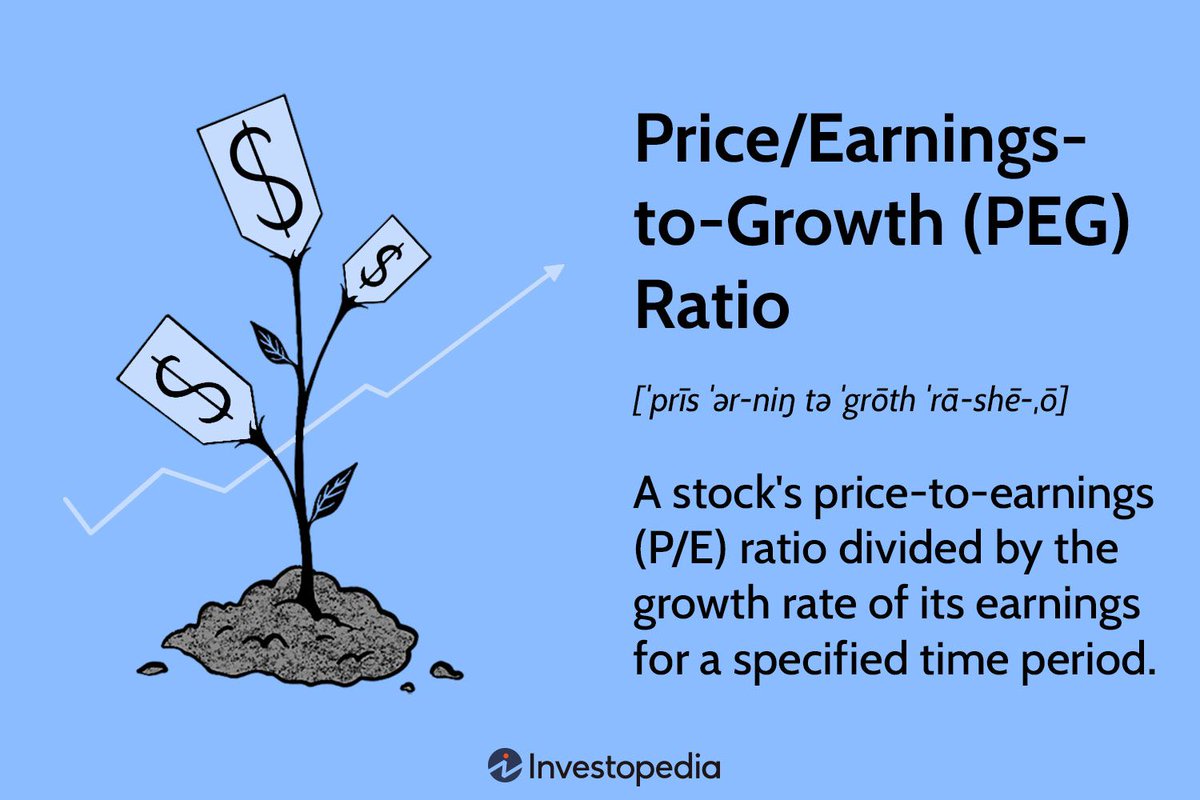
Additionally, Lynch also popularized the PEG ratio, which compares the value of a stock to its future growth.
According to him, a company’s P/E & expected growth should be equal, denoting a fairly valued company.
Additionally, Lynch also popularized the PEG ratio, which compares the value of a stock to its future growth.
According to him, a company’s P/E & expected growth should be equal, denoting a fairly valued company.
14/
When asked what his best investment was, Lynch cites Taco Bell as his greatest investment ever.
Back in 1972, Lynch saw an opportunity when shares of Taco Bell were going through a major correction.
When asked what his best investment was, Lynch cites Taco Bell as his greatest investment ever.
Back in 1972, Lynch saw an opportunity when shares of Taco Bell were going through a major correction.
15/
Then a stand-alone company, Taco Bell’s shares fell from $14 to $1.
Despite the business having no debt and no restaurant closures.
Lynch began buying at $7 a share, continuing to do so even as it declined to $1.
Then a stand-alone company, Taco Bell’s shares fell from $14 to $1.
Despite the business having no debt and no restaurant closures.
Lynch began buying at $7 a share, continuing to do so even as it declined to $1.
16/
By 1978, Taco Bell was the largest position in Magellan.
It was later bought out at $42 a share by PepsiCo.
Earning Lynch a return of 600%!
By 1978, Taco Bell was the largest position in Magellan.
It was later bought out at $42 a share by PepsiCo.
Earning Lynch a return of 600%!
17/
Having lost his father at a young age, Lynch didn’t want to miss out spending time with his family.
And so, at age 46, he retired as Magellan’s fund manager in 1990, leaving behind a legacy worth billions.
Having lost his father at a young age, Lynch didn’t want to miss out spending time with his family.
And so, at age 46, he retired as Magellan’s fund manager in 1990, leaving behind a legacy worth billions.

18/
Today, Lynch remains VP of Fidelity, devoting time to philanthropy.
And penning popular books on investing, such as “One Up on Wall Street” & “Beating the Street”.
He’s considered a legend in his own right – and with that track record, the mantle is very well-deserved.
Today, Lynch remains VP of Fidelity, devoting time to philanthropy.
And penning popular books on investing, such as “One Up on Wall Street” & “Beating the Street”.
He’s considered a legend in his own right – and with that track record, the mantle is very well-deserved.
19/
I built a Warren Buffett Blueprint for Finding High Quality Stocks.
It shows you how to build a high quality list of stocks, based on Warren's core rules:
Get it FREE here:
download.valueinvestoracademy.com
I built a Warren Buffett Blueprint for Finding High Quality Stocks.
It shows you how to build a high quality list of stocks, based on Warren's core rules:
Get it FREE here:
download.valueinvestoracademy.com

20/
I write about world class investors & wonderful companies.
Follow for more:
@ValueInvestorAc
Enjoyed this? Please help us reach a greater audience, by retweeting the 1st tweet of this thread. Thanks!
I write about world class investors & wonderful companies.
Follow for more:
@ValueInvestorAc
Enjoyed this? Please help us reach a greater audience, by retweeting the 1st tweet of this thread. Thanks!
Loading suggestions...