

🕉️Garbha Dhanam and Garbha Sanskara
The Biology and Metaphysics of conception,
birth and development of Child in Vedic era
🪔Our Vedic ancestors were way too advanced and knowledgeable about the Embryology of human child.
🪔Lets explore this amazing since of Garbha Dharnam and Garbha Sanskara throught Garbhopanishad, Bhagvat Purana and Garuda Purana.
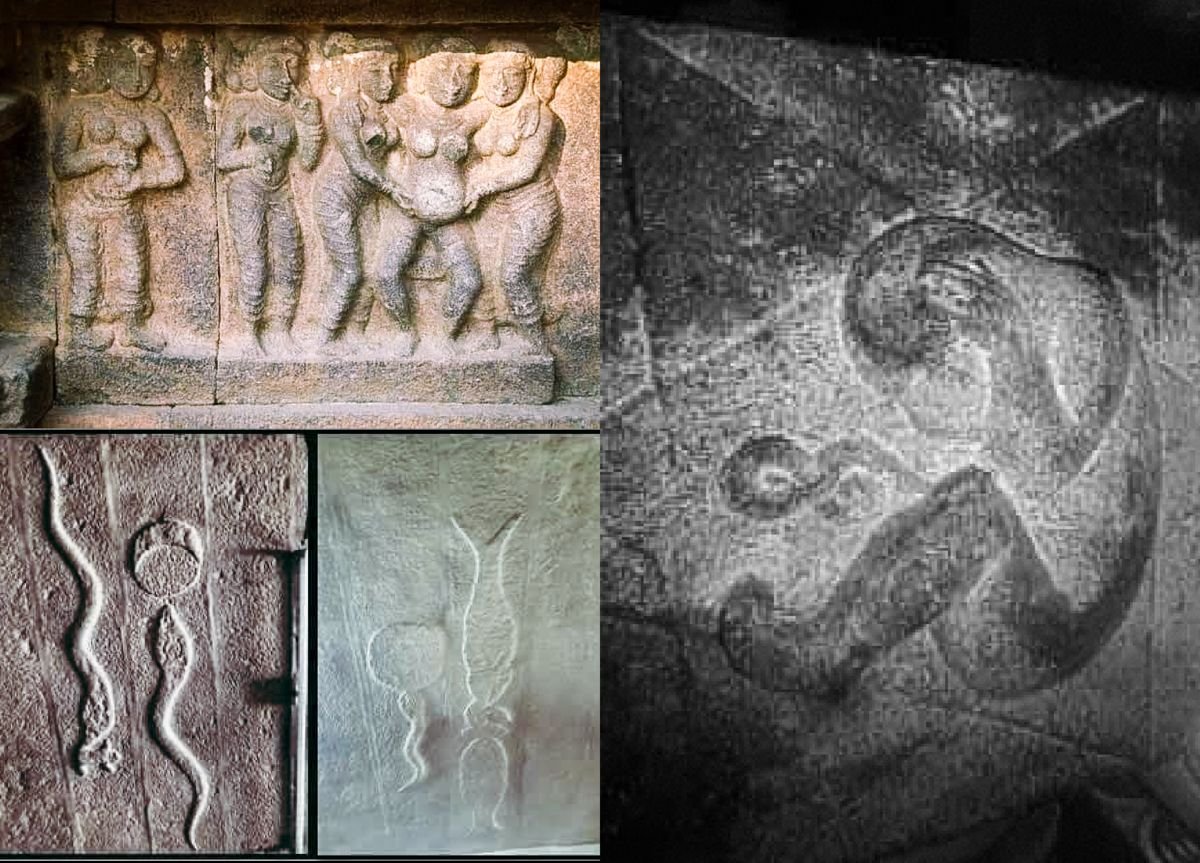
In the pic - The walls of the ancient Varamurthyeswarar temple in Tamil Nadu are adorned with intricate stone carvings illustrating the process of human conception and pregnancy. At an estimated 6,000 years old, these carvings depict highly detailed cellular processes that modern science did not discover until 18th century.
The Biology and Metaphysics of conception,
birth and development of Child in Vedic era
🪔Our Vedic ancestors were way too advanced and knowledgeable about the Embryology of human child.
🪔Lets explore this amazing since of Garbha Dharnam and Garbha Sanskara throught Garbhopanishad, Bhagvat Purana and Garuda Purana.
In the pic - The walls of the ancient Varamurthyeswarar temple in Tamil Nadu are adorned with intricate stone carvings illustrating the process of human conception and pregnancy. At an estimated 6,000 years old, these carvings depict highly detailed cellular processes that modern science did not discover until 18th century.
1. The Garbhopanishad - Vedic Doctrine of the Conception and Child Birth
The Garbha Upanishad, also known as the Garbhopanishad, or 'The Finest Principle at the Embryo,' is one of the minor Upanishads, numbering seventeen in the current list of 108 Upanishadic texts. Written in Sanskrit, it is closely related to the Krishna Yajurveda as well as a Vedantic Upanishad from the Atharvaveda.
This upnishda is attributed to Pippalada Rishi.
Pippalada is also the author of the Atharvaveda shakha named after him (Paippalada shakha). Rishi Pippalada was the disciple of the Ṛiṣhi Vedasparsha, and he instructed Yudhiṣṭhira in the significance of the Aṅgaravrata, which is based on a dialogue between Śhukra and Virochana.
It is one of the 35 Samanya Upanishads. The text-based material is attributed to Rishi Pippalada in the Upanishad's last section, but the succession and inventor of the artistic essence is muddled, and the suffering components are damaged, clashing with one another and split.
The Garbha Upanishad is a text-based content that elaborates on clinical as well as body structure-related issues, regulating the norms of the plan or development of the human starting creature and human packaging as a consequence of birth. The Upanishad provides information on the parts (basic parts and guidelines) as well as numerous capabilities of the edge, as well as precise explanations about the development of the missing living being within the mother's abdomen.
This Upanishad considers the Garbha, or person without biological existence, to be more like "an associate on a body plan or prescription" than a non-standard intellectual substance. The Garbhopanishada is extraordinary for its style, where it expresses a suggestion, poses inquiries troublesome the recommendation, from that point creates and manages the cost of answers for the one's inquiries. It is moreover incredible for its attempt and list and give relative level of human life structures from hatchling to adult degree of human existence.
The Garbha Upanishad, also known as the Garbhopanishad, or 'The Finest Principle at the Embryo,' is one of the minor Upanishads, numbering seventeen in the current list of 108 Upanishadic texts. Written in Sanskrit, it is closely related to the Krishna Yajurveda as well as a Vedantic Upanishad from the Atharvaveda.
This upnishda is attributed to Pippalada Rishi.
Pippalada is also the author of the Atharvaveda shakha named after him (Paippalada shakha). Rishi Pippalada was the disciple of the Ṛiṣhi Vedasparsha, and he instructed Yudhiṣṭhira in the significance of the Aṅgaravrata, which is based on a dialogue between Śhukra and Virochana.
It is one of the 35 Samanya Upanishads. The text-based material is attributed to Rishi Pippalada in the Upanishad's last section, but the succession and inventor of the artistic essence is muddled, and the suffering components are damaged, clashing with one another and split.
The Garbha Upanishad is a text-based content that elaborates on clinical as well as body structure-related issues, regulating the norms of the plan or development of the human starting creature and human packaging as a consequence of birth. The Upanishad provides information on the parts (basic parts and guidelines) as well as numerous capabilities of the edge, as well as precise explanations about the development of the missing living being within the mother's abdomen.
This Upanishad considers the Garbha, or person without biological existence, to be more like "an associate on a body plan or prescription" than a non-standard intellectual substance. The Garbhopanishada is extraordinary for its style, where it expresses a suggestion, poses inquiries troublesome the recommendation, from that point creates and manages the cost of answers for the one's inquiries. It is moreover incredible for its attempt and list and give relative level of human life structures from hatchling to adult degree of human existence.
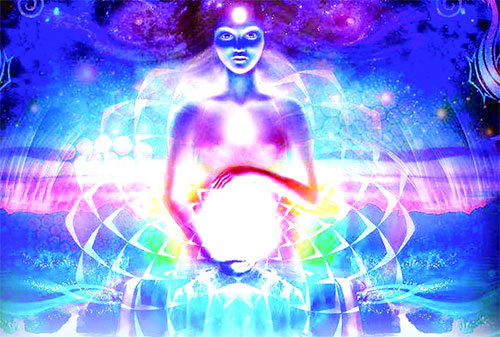
2. The start of the Human Life
🪔
ॐ पञ्चात्मकं पञ्चसु वर्तमानं षडाश्रयं षड्गुणयोगयुक्तम् ।
तत्सप्तधातु त्रिमलं द्वियोनि चतुर्विधाहारमयं शरीरं ॥
🪔Meaning:
The body is fivefold in nature (the five elements), existing in the five, depending on the six supports (tastes of food), connected with the six qualities, consisting of seven dhatus (tissues), three impurities, having two yonis (sexes), and nourished by four kinds of food.
🪔
भवति पञ्चात्मकमिति कस्मात् पृथिव्यापस्तेजोवायुराकाशमिति अस्मिन्पञ्चात्मके शरीरे ।
का पृथिवी का आपः किं तेजः को वायुः किमाकाशम् ।
तत्र यत्कठिनं सा पृथिवी यद्द्रवं ता आपो यदुष्णं
तत्तेजो यत्सञ्चरति स वायुः यत्सुषिरं तदाकाशमित्युच्यते ॥
🪔Meaning
How is it panchatmakam (five-fold )?
Because of the five: earth, water, fire, air and ether. In this five-fold body, what is earth, what is water, what is fire, what is air, and what is ether? It is said that what is hard is earth, what is fluid is water, what is warm is fire, what moves is air, and what is space is ether.
▶️
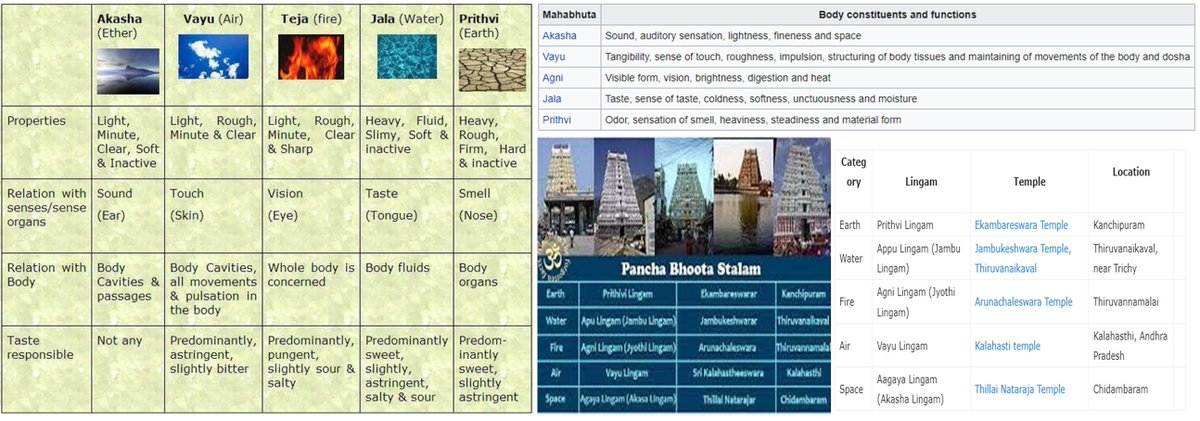
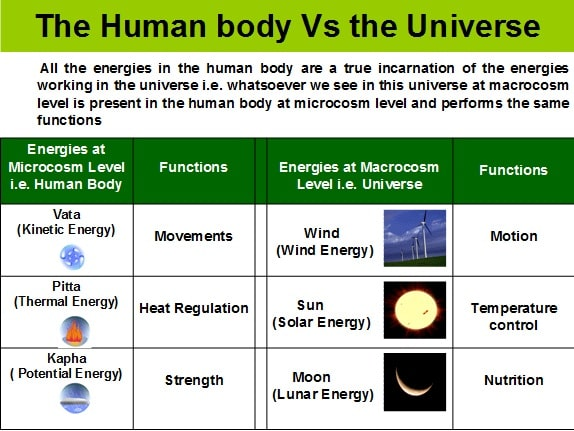
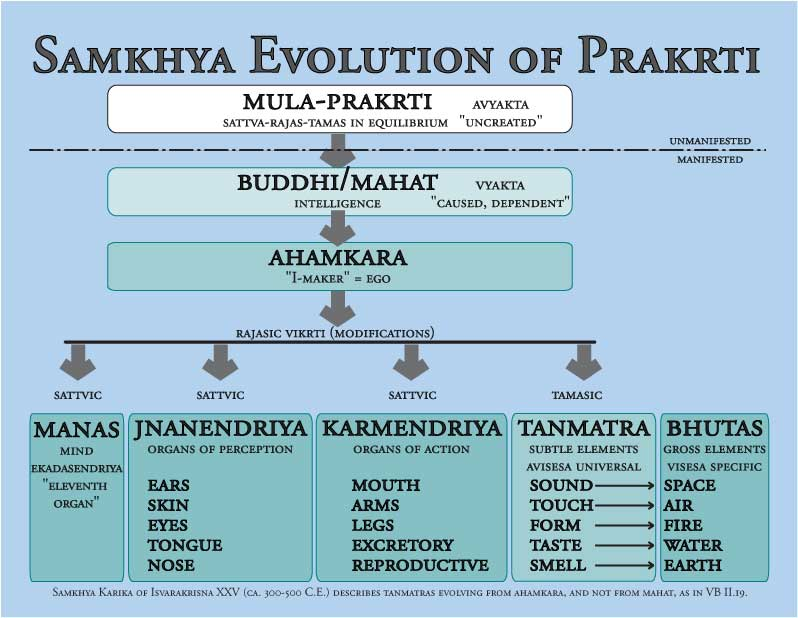
Five elements which are known as Panch Mahabhuta play basic functions during embryogenesis. After formation of foetus(garbha), vayu performs function of cell division/multiplication (vibhajana), agni carries function of metabolism(pachana), jala carries function of moisture or fluid(kledana), prithvi carries function of compactness or formation of mass(samhanana); and akasha carries function of enlargement of size(vivardhana).
If these functions are carried out in normal proportion, the normal structure of body (shareera) is formed. In the third month of pregnancy, following body constituents are formed and relative functions begin from Mahabhuta (Pic 2).
There are five Shiva temples devoted to Panchbhuta in South India. All of these temples are in a geographical straight line connecting with Kedarnath temple in North India.
@hindupost
(hindupost.in)
🪔
ॐ पञ्चात्मकं पञ्चसु वर्तमानं षडाश्रयं षड्गुणयोगयुक्तम् ।
तत्सप्तधातु त्रिमलं द्वियोनि चतुर्विधाहारमयं शरीरं ॥
🪔Meaning:
The body is fivefold in nature (the five elements), existing in the five, depending on the six supports (tastes of food), connected with the six qualities, consisting of seven dhatus (tissues), three impurities, having two yonis (sexes), and nourished by four kinds of food.
🪔
भवति पञ्चात्मकमिति कस्मात् पृथिव्यापस्तेजोवायुराकाशमिति अस्मिन्पञ्चात्मके शरीरे ।
का पृथिवी का आपः किं तेजः को वायुः किमाकाशम् ।
तत्र यत्कठिनं सा पृथिवी यद्द्रवं ता आपो यदुष्णं
तत्तेजो यत्सञ्चरति स वायुः यत्सुषिरं तदाकाशमित्युच्यते ॥
🪔Meaning
How is it panchatmakam (five-fold )?
Because of the five: earth, water, fire, air and ether. In this five-fold body, what is earth, what is water, what is fire, what is air, and what is ether? It is said that what is hard is earth, what is fluid is water, what is warm is fire, what moves is air, and what is space is ether.
▶️
Five elements which are known as Panch Mahabhuta play basic functions during embryogenesis. After formation of foetus(garbha), vayu performs function of cell division/multiplication (vibhajana), agni carries function of metabolism(pachana), jala carries function of moisture or fluid(kledana), prithvi carries function of compactness or formation of mass(samhanana); and akasha carries function of enlargement of size(vivardhana).
If these functions are carried out in normal proportion, the normal structure of body (shareera) is formed. In the third month of pregnancy, following body constituents are formed and relative functions begin from Mahabhuta (Pic 2).
There are five Shiva temples devoted to Panchbhuta in South India. All of these temples are in a geographical straight line connecting with Kedarnath temple in North India.
@hindupost
(hindupost.in)
3. Panchbuta and Sharira (Human Body)
🪔
तत्र पृथिवी धारणे आपः पिण्डीकरणे तेजः प्रकाशने
वायुर्गमने आकाशमवकाशप्रदाने ।
पृथक् श्रोत्रे शब्दोपलब्धौ त्वक् स्पर्शे चक्षुषी रूपे जिह्वा रसने नासिकाऽऽघ्राणे उपस्थश्वानन्दनेऽपानमुत्सर्गे बुद्ध्या बुद्ध्यति मनसा सङ्कल्पयति वाचा वदति ।
🪔
There the earth is to support, water is to consolidate, fire is for light, air is for movement, and ether is to provide space. Separately, ears are to receive words, the skin for touch, eyes to see form, tongue for taste, and nose for smell. The genitalia are for pleasure and apāna for evacuation. One cognizes with the intellect (buddhi), envisions with the mind (manas), and speaks with words (vak).
🪔
षडाश्रयमिति कस्मात् मधुराम्ललवणतिक्तकटुकषायरसान्विन्दते । षड्जर्षभगान्धारमध्यमपञ्चमधैवतनिषादाश्वेति । इष्टानिष्टशब्दसंज्ञाः प्रणिधानद्दशविधा भवन्ति ॥ १ ॥
🪔
How is the six-fold support ?
It is said to be the six tastes of food:
sweet, acid, salty, pungent, bitter, and astringent.
And sadja, rshabha, gandhara, panchama, madhyama, dhaivata, nishada, together with agreeable and disagreeable sounds and prayer, make ten categories.
🪔
तत्र पृथिवी धारणे आपः पिण्डीकरणे तेजः प्रकाशने
वायुर्गमने आकाशमवकाशप्रदाने ।
पृथक् श्रोत्रे शब्दोपलब्धौ त्वक् स्पर्शे चक्षुषी रूपे जिह्वा रसने नासिकाऽऽघ्राणे उपस्थश्वानन्दनेऽपानमुत्सर्गे बुद्ध्या बुद्ध्यति मनसा सङ्कल्पयति वाचा वदति ।
🪔
There the earth is to support, water is to consolidate, fire is for light, air is for movement, and ether is to provide space. Separately, ears are to receive words, the skin for touch, eyes to see form, tongue for taste, and nose for smell. The genitalia are for pleasure and apāna for evacuation. One cognizes with the intellect (buddhi), envisions with the mind (manas), and speaks with words (vak).
🪔
षडाश्रयमिति कस्मात् मधुराम्ललवणतिक्तकटुकषायरसान्विन्दते । षड्जर्षभगान्धारमध्यमपञ्चमधैवतनिषादाश्वेति । इष्टानिष्टशब्दसंज्ञाः प्रणिधानद्दशविधा भवन्ति ॥ १ ॥
🪔
How is the six-fold support ?
It is said to be the six tastes of food:
sweet, acid, salty, pungent, bitter, and astringent.
And sadja, rshabha, gandhara, panchama, madhyama, dhaivata, nishada, together with agreeable and disagreeable sounds and prayer, make ten categories.
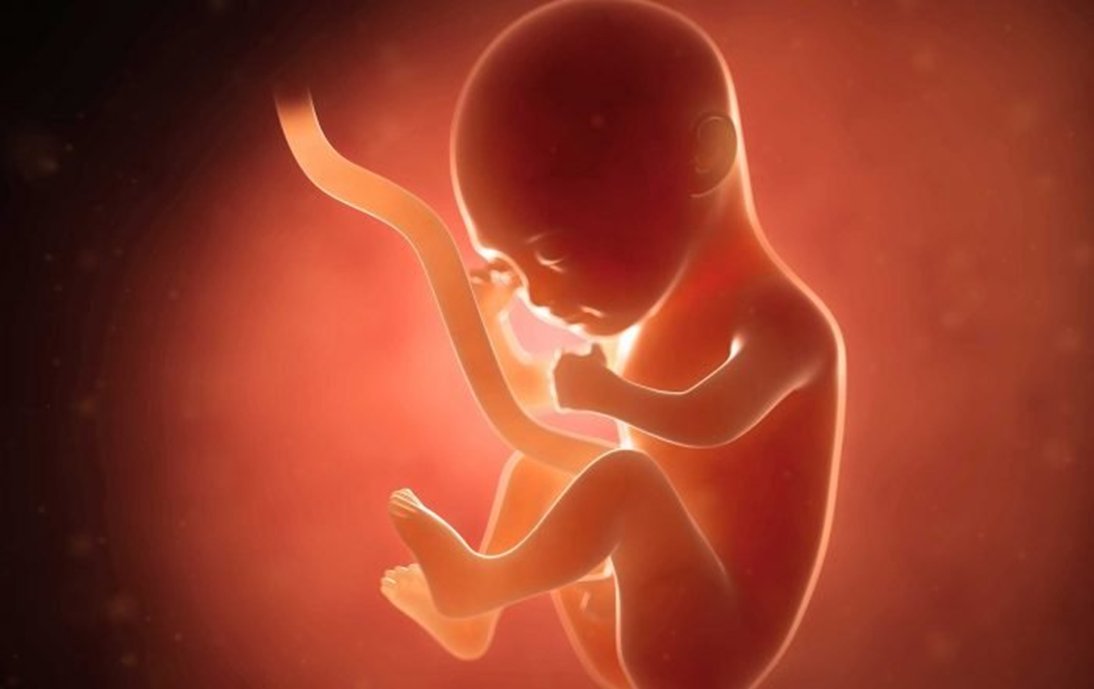
4. Recursion - The reflection of Cosmos in human body
Recursion, the mirroring of the cosmos at several levels, including at the level of the body, is one of the central ideas of the Upanishads. It is clearly stated, for example, in the Chandogya Upanishad 8.1.1 and 3, we are told that within the heart is this small place with the heaven, earth, sun, moon, and stars where the lights of the universe shine.
यदिदमस्मिन्ब्रह्मपुरे दह पुण्डरीकंवेश्म
दहरोऽस्मिन्नन्तराकाशस्तस्मिन्यदन्तस्तदन्वेष्टव्यं तद्वाव विजिज्ञासितव्यमिति ॥ ८.१.१ ॥
यावान्वा अयमाकाशस्तावानेषोऽन्तर्हृदय अकाश उभे अस्मिन्द्यावापृथिवी अन्तरेव समाहिते उभावग्निश्च वायुश्च सूर्याचन्द्रमसावुभौविद्युन्नक्षत्राणि यच्चास्येहास्ति यच्च नास्ति सर्वं तदस्मिन्समाहितमिति ॥ छान्दोग्योपनिषद् ॥ ८. १.३ ॥
Meaning:
There is in this city of Brahman (the body) the mansion in the shape of a lotus and in it the small inner akasha (sky). What lies there that should be sought, which one should seek to understand?'
As large indeed as is this akasha, so large is that akasha in the heart. Within it are contained both heaven and earth, both fire and air, both sun and moon, lightning and stars; whatever there is of him (asya) in this world and whatever is not, all that is contained within it. (Chandogya Up. 8.1.1 and 8.1.3)
This recursion is also expressed across time, and it leads to a variety of paradoxes that, the Vedas tell us, cannot be explained away by language. It is described most clearly in the last (fifth) section of the Garbha Upanisad in which the body itself is seen as the ground of the sacrifice.
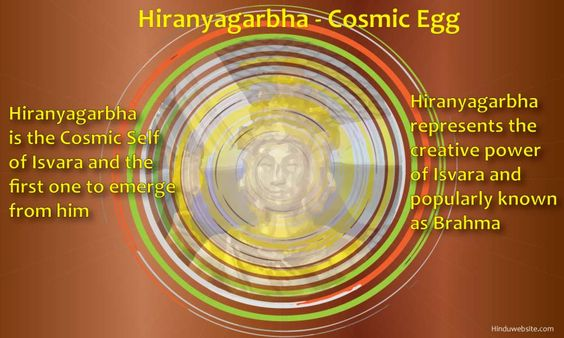
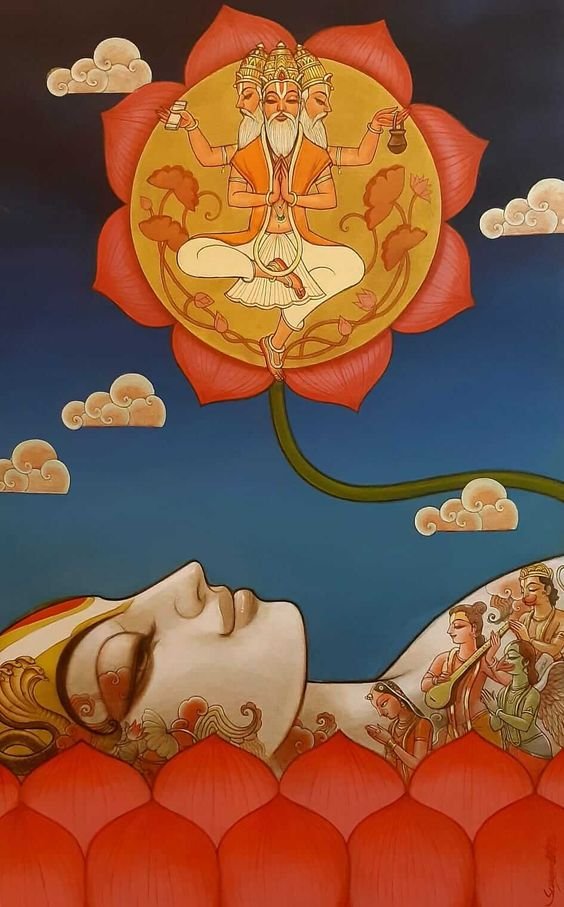
Speaking of recursion, one must also mention hiranyagarbha, the golden womb out of which, the Veda tells us, the universe emerged. In an abstract sense, creation at the cosmic level is to be understood in a sense similar to that at the individual level.
Hiranyagarbha is a Sanskrit term that translates to “golden embryo,” “golden womb” or “golden egg.” It is derived from the root words hiranya, meaning “golden” or “wealth,” and garbha, meaning “womb,” “germ/seed" or “essence.” It is also the name of the founder of the yoga tradition -- predating even Patanjali, who authored the Yoga Sutras. Whether Hiranyagarbha was human or a deity is not established, but the name first appears prominently as a form of the sun god.
Hiranyagarbha is mentioned in ancient literature and verse. The "Rig Veda," for example, contains a hymn to Hiranyagarbha that Hindus still chant in their daily rituals, in which he is referred to as the Supreme Being. The epic narrative, "Mahabharata," cites Hiranyagarbha as the one who is glorified in Vedic verses and taught in yoga literature. The Upanishads call him the Supreme Existence, or Brahman. In this regard, Hiranyagarbha is also a name for Brahma in classical Puranic Hinduism because he was born from a golden egg.
The Hiranyagarbha Suktam (हिरण्यगर्भ सूक्तम्) is the 121st hymn of the tenth mandala of the Rigveda. In this sukta, Hiranyagarbha is mentioned as the God of the gods and there is no one like Him. The Hiranyagarbha Sukta declares that Brahman manifested Himself from the beginning as the Creator of the universe, including everything, including His own everything, the collective totality, as it were, to make it the chief intelligence of the whole creation.
Sage Hiranyagarbha is the author of Hiranyagarbha Sukta. The deity of the hymn is the Prajapati. The Upanishad calls it the Soul of the Universe or Brahman.
हिरण्यगर्भः समवर्तताग्रे भूतस्य जातः पतिरेकासीत
स दाधार पृथ्वीं ध्यामुतेमां कस्मै देवायहविषा विधेम ॥१॥
य आत्मदा बलदा यस्य विश्व उपासते प्रशिषं यस्यदेवाः
यस्य छायाऽमृतं यस्य मृत्युः कस्मै देवाय हविषा विधेम ॥२॥
यः प्राणतो निमिषतो महित्वैक इद्राजा जगतो बभूव
य ईशे अस्य द्विपदश्चतुष्पदः कस्मै देवाय हविषाविधेम ॥३॥
यस्येमे हिमवन्तो महित्वा यस्य समुद्रं रसया सहाहुः
यस्येमाः परदिशो यस्य बाहू कस्मै देवाय हविषाविधेम ॥४॥
येन द्यौरुग्रा पृथ्वी च दृढा येन स्वस्तभितं येननाकः
यो अन्तरिक्षे रजसो विमानः कस्मै देवाय हविषा विधेम ॥५॥
यं करन्दसी अवसा तस्तभाने अभ्यैक्षेतां मनसारेजमाने
यत्राधि सूर उदितो विभाति कस्मै देवायहविषा विधेम ॥६॥
आपो ह यद बर्हतीर्विश्वमायन गर्भं दधानाजनयन्तीरग्निम
ततो देवानां समवर्ततासुरेकःकस्मै देवाय हविषा विधेम ॥७॥
यश्चिदापो महिना पर्यपश्यद दक्षं दधानाजनयन्तीर्यज्ञम
यो देवेष्वधि देव एक आसीत कस्मैदेवाय हविषा विधेम ॥८॥
मा नो हिंसीज्जनिता यः पर्थिव्या यो वा दिवंसत्यधर्मा जजान
यश्चापश्चन्द्रा बर्हतीर्जजानकस्मै देवाय हविषा विधेम ॥९॥
प्रजापते नत्वदेतान्यन्यो विश्वा जातानि परिताबभूव
यत्कामास्ते जुहुमस्तन्नो अस्तु वयं स्याम पतयोरयीणाम् ॥१०॥
Meaning:
1. In the beginning there was the One in it’s splendour, as the Golden Womb, manifested as the sole Lord of land, skies, water, space and that beneath and that deity upheld the earth and the heavens.
This is the deity we shall worship with our offerings.
2. The one is that deity, who bestows us with life and vigor, whose guidance all men and the Demi-gods invoke; in whose shadow is immortal life and death.
This is the deity we shall worship with our offerings.
3. The great deity who became the Lord of all the creatures that breath and see, who is the Lord of man and bird and beast.
This is the deity we shall worship with our offerings.
Through its actions the snow-clad mountains rose, and the oceans joined with the rivers, The quarters and directions are his limbs.
This is the deity we shall worship with our offerings.
4. Through its will the heaven is strong and the earth firm, who has steadied the light (night and day) and the sky’s vault, and measured out the sphere of clouds in between.
This is the deity we shall worship with our offerings.
5. It is that to whom heaven and earth, look up, blessed with the ability to think, while over them the sun, rising, brightly shines.
This is the deity we shall worship with our offerings.
6. When the mighty waters came, carrying the Golden Womb, producing the flame of life, then dwelt there in harmony the One Spirit.
This is the deity we shall worship with our offerings.
7. It is that who in its might surveyed the waters, conferring skill and creating worship - That, the God of gods, the One and only One.
This is the deity we shall worship with our offerings.
8. The Mother of the world who with Truth as the Law made the heavens and produced waters, vast and beautiful.
This is the deity we shall worship with our offerings.
9. Lord of creation! No one other than thee pervades all these that have come into being.
10. Our prayers rise to you, may we be masters of many treasures, created by you, in your world!
Recursion, the mirroring of the cosmos at several levels, including at the level of the body, is one of the central ideas of the Upanishads. It is clearly stated, for example, in the Chandogya Upanishad 8.1.1 and 3, we are told that within the heart is this small place with the heaven, earth, sun, moon, and stars where the lights of the universe shine.
यदिदमस्मिन्ब्रह्मपुरे दह पुण्डरीकंवेश्म
दहरोऽस्मिन्नन्तराकाशस्तस्मिन्यदन्तस्तदन्वेष्टव्यं तद्वाव विजिज्ञासितव्यमिति ॥ ८.१.१ ॥
यावान्वा अयमाकाशस्तावानेषोऽन्तर्हृदय अकाश उभे अस्मिन्द्यावापृथिवी अन्तरेव समाहिते उभावग्निश्च वायुश्च सूर्याचन्द्रमसावुभौविद्युन्नक्षत्राणि यच्चास्येहास्ति यच्च नास्ति सर्वं तदस्मिन्समाहितमिति ॥ छान्दोग्योपनिषद् ॥ ८. १.३ ॥
Meaning:
There is in this city of Brahman (the body) the mansion in the shape of a lotus and in it the small inner akasha (sky). What lies there that should be sought, which one should seek to understand?'
As large indeed as is this akasha, so large is that akasha in the heart. Within it are contained both heaven and earth, both fire and air, both sun and moon, lightning and stars; whatever there is of him (asya) in this world and whatever is not, all that is contained within it. (Chandogya Up. 8.1.1 and 8.1.3)
This recursion is also expressed across time, and it leads to a variety of paradoxes that, the Vedas tell us, cannot be explained away by language. It is described most clearly in the last (fifth) section of the Garbha Upanisad in which the body itself is seen as the ground of the sacrifice.
Speaking of recursion, one must also mention hiranyagarbha, the golden womb out of which, the Veda tells us, the universe emerged. In an abstract sense, creation at the cosmic level is to be understood in a sense similar to that at the individual level.
Hiranyagarbha is a Sanskrit term that translates to “golden embryo,” “golden womb” or “golden egg.” It is derived from the root words hiranya, meaning “golden” or “wealth,” and garbha, meaning “womb,” “germ/seed" or “essence.” It is also the name of the founder of the yoga tradition -- predating even Patanjali, who authored the Yoga Sutras. Whether Hiranyagarbha was human or a deity is not established, but the name first appears prominently as a form of the sun god.
Hiranyagarbha is mentioned in ancient literature and verse. The "Rig Veda," for example, contains a hymn to Hiranyagarbha that Hindus still chant in their daily rituals, in which he is referred to as the Supreme Being. The epic narrative, "Mahabharata," cites Hiranyagarbha as the one who is glorified in Vedic verses and taught in yoga literature. The Upanishads call him the Supreme Existence, or Brahman. In this regard, Hiranyagarbha is also a name for Brahma in classical Puranic Hinduism because he was born from a golden egg.
The Hiranyagarbha Suktam (हिरण्यगर्भ सूक्तम्) is the 121st hymn of the tenth mandala of the Rigveda. In this sukta, Hiranyagarbha is mentioned as the God of the gods and there is no one like Him. The Hiranyagarbha Sukta declares that Brahman manifested Himself from the beginning as the Creator of the universe, including everything, including His own everything, the collective totality, as it were, to make it the chief intelligence of the whole creation.
Sage Hiranyagarbha is the author of Hiranyagarbha Sukta. The deity of the hymn is the Prajapati. The Upanishad calls it the Soul of the Universe or Brahman.
हिरण्यगर्भः समवर्तताग्रे भूतस्य जातः पतिरेकासीत
स दाधार पृथ्वीं ध्यामुतेमां कस्मै देवायहविषा विधेम ॥१॥
य आत्मदा बलदा यस्य विश्व उपासते प्रशिषं यस्यदेवाः
यस्य छायाऽमृतं यस्य मृत्युः कस्मै देवाय हविषा विधेम ॥२॥
यः प्राणतो निमिषतो महित्वैक इद्राजा जगतो बभूव
य ईशे अस्य द्विपदश्चतुष्पदः कस्मै देवाय हविषाविधेम ॥३॥
यस्येमे हिमवन्तो महित्वा यस्य समुद्रं रसया सहाहुः
यस्येमाः परदिशो यस्य बाहू कस्मै देवाय हविषाविधेम ॥४॥
येन द्यौरुग्रा पृथ्वी च दृढा येन स्वस्तभितं येननाकः
यो अन्तरिक्षे रजसो विमानः कस्मै देवाय हविषा विधेम ॥५॥
यं करन्दसी अवसा तस्तभाने अभ्यैक्षेतां मनसारेजमाने
यत्राधि सूर उदितो विभाति कस्मै देवायहविषा विधेम ॥६॥
आपो ह यद बर्हतीर्विश्वमायन गर्भं दधानाजनयन्तीरग्निम
ततो देवानां समवर्ततासुरेकःकस्मै देवाय हविषा विधेम ॥७॥
यश्चिदापो महिना पर्यपश्यद दक्षं दधानाजनयन्तीर्यज्ञम
यो देवेष्वधि देव एक आसीत कस्मैदेवाय हविषा विधेम ॥८॥
मा नो हिंसीज्जनिता यः पर्थिव्या यो वा दिवंसत्यधर्मा जजान
यश्चापश्चन्द्रा बर्हतीर्जजानकस्मै देवाय हविषा विधेम ॥९॥
प्रजापते नत्वदेतान्यन्यो विश्वा जातानि परिताबभूव
यत्कामास्ते जुहुमस्तन्नो अस्तु वयं स्याम पतयोरयीणाम् ॥१०॥
Meaning:
1. In the beginning there was the One in it’s splendour, as the Golden Womb, manifested as the sole Lord of land, skies, water, space and that beneath and that deity upheld the earth and the heavens.
This is the deity we shall worship with our offerings.
2. The one is that deity, who bestows us with life and vigor, whose guidance all men and the Demi-gods invoke; in whose shadow is immortal life and death.
This is the deity we shall worship with our offerings.
3. The great deity who became the Lord of all the creatures that breath and see, who is the Lord of man and bird and beast.
This is the deity we shall worship with our offerings.
Through its actions the snow-clad mountains rose, and the oceans joined with the rivers, The quarters and directions are his limbs.
This is the deity we shall worship with our offerings.
4. Through its will the heaven is strong and the earth firm, who has steadied the light (night and day) and the sky’s vault, and measured out the sphere of clouds in between.
This is the deity we shall worship with our offerings.
5. It is that to whom heaven and earth, look up, blessed with the ability to think, while over them the sun, rising, brightly shines.
This is the deity we shall worship with our offerings.
6. When the mighty waters came, carrying the Golden Womb, producing the flame of life, then dwelt there in harmony the One Spirit.
This is the deity we shall worship with our offerings.
7. It is that who in its might surveyed the waters, conferring skill and creating worship - That, the God of gods, the One and only One.
This is the deity we shall worship with our offerings.
8. The Mother of the world who with Truth as the Law made the heavens and produced waters, vast and beautiful.
This is the deity we shall worship with our offerings.
9. Lord of creation! No one other than thee pervades all these that have come into being.
10. Our prayers rise to you, may we be masters of many treasures, created by you, in your world!
5. Garbha
🪔
शुक्लो रक्तः : कृष्णो धूम्रः पीतः कपिलः पाण्डुर इति । सप्तधातुमिति कस्मात् यदा देवदत्तस्य द्रव्यादिविषया जायन्ते ॥
परस्परं सौम्यगुणत्वात् षड्विधो रसो
रसाच्छोणितं शोणितान्मांस मांसान्मेदो मेदसः
स्नावा स्नानोsस्थीन्यस्थिभ्यो मज्जा मज्जः शुक्रं शुक्रशोणितसंयोगादावर्तते गर्भो हृदि व्यवस्थां नयति ।
Meaning
It has white, red, black, smoky gray yellow, tawny and pale as the colours. What are the seven dhatus (tissues) when Devadatta (any person) desires enjoyment of objects?
From the proper combination of qualities, six types of taste (rasa) emerge. From relish of food, blood is created from it flesh, thence fat, bones, marrow, semen. By the combination of semen and blood the embryo (garbha) is born, and its growth is regulated by the heart (mother's heartbeat as well as the embryo's).
🪔
हृदयेऽन्तराग्निः अग्निस्थाने पित्तं पित्तस्थाने
वायुः वायुस्थाने हृदयं प्राजापत्यात्क्रमात् ॥ २ ॥
Meaning
The seven dhatus are in the heart where there's inner fire; at the place of the fire is pitta (bile), at the pitta-organs is movement (vayu), and at the vayu-place is the heart, all growing in order according to the law (Prajapati).
🪔
शुक्लो रक्तः : कृष्णो धूम्रः पीतः कपिलः पाण्डुर इति । सप्तधातुमिति कस्मात् यदा देवदत्तस्य द्रव्यादिविषया जायन्ते ॥
परस्परं सौम्यगुणत्वात् षड्विधो रसो
रसाच्छोणितं शोणितान्मांस मांसान्मेदो मेदसः
स्नावा स्नानोsस्थीन्यस्थिभ्यो मज्जा मज्जः शुक्रं शुक्रशोणितसंयोगादावर्तते गर्भो हृदि व्यवस्थां नयति ।
Meaning
It has white, red, black, smoky gray yellow, tawny and pale as the colours. What are the seven dhatus (tissues) when Devadatta (any person) desires enjoyment of objects?
From the proper combination of qualities, six types of taste (rasa) emerge. From relish of food, blood is created from it flesh, thence fat, bones, marrow, semen. By the combination of semen and blood the embryo (garbha) is born, and its growth is regulated by the heart (mother's heartbeat as well as the embryo's).
🪔
हृदयेऽन्तराग्निः अग्निस्थाने पित्तं पित्तस्थाने
वायुः वायुस्थाने हृदयं प्राजापत्यात्क्रमात् ॥ २ ॥
Meaning
The seven dhatus are in the heart where there's inner fire; at the place of the fire is pitta (bile), at the pitta-organs is movement (vayu), and at the vayu-place is the heart, all growing in order according to the law (Prajapati).
6. The formation of Child in 9 months of Garbha
🪔
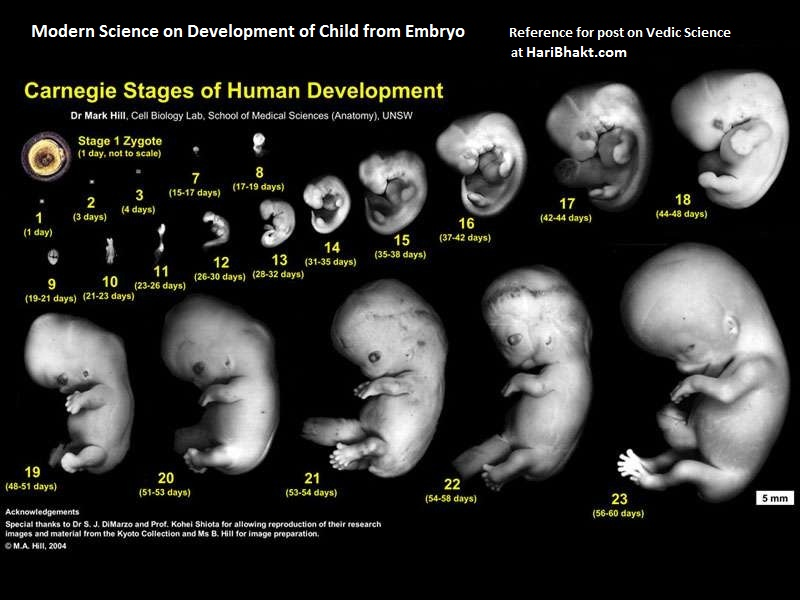
ऋतुकाले संप्रयोगादेकरात्रोषितं कलिलं भवति
रात्रोषितं बुद्बुदं भवति अर्धमासाभ्यन्तरेण पिण्डो
भवति मासाभ्यन्तरेण कठिनो भवति मासद्वयेन शिरः
संपद्यते मासत्रयेण पादप्रवेशो भवति ।
Meaning
When ready, on the joining [of the male and female, the embryo after [a day] and night is in a mixed (semi-fluid) state, after seven days it becomes a bubble; after a fortnight, a solid mass, and in a month, it hardens. In two months, it develops the head; in three months, the feet grow.
🪔
अथ चतुर्थे मासे जठरकटिप्रदेशो भवति । पञ्चमे मासे पृष्ठवंशो भवति ।
षष्ठे मासे मुखनासिकाक्षिश्रोत्राणि भवन्ति ।
Meaning
In the fourth month, belly and hip are formed; in the fifth month, the backbone is formed; in the sixth month, nose, eyes and ears are formed.
🪔
सप्तमे मासे जीवेन संयुक्तो भवति ।
अष्टमे मासे सर्वसंपूर्णो भवति ।
Meaning
In the seventh month, [the embryo] comes to have the jīva (conscious self), and in the eighth month, it becomes complete in every sense.
Pic source: @Indic_Vibhu
🪔
ऋतुकाले संप्रयोगादेकरात्रोषितं कलिलं भवति
रात्रोषितं बुद्बुदं भवति अर्धमासाभ्यन्तरेण पिण्डो
भवति मासाभ्यन्तरेण कठिनो भवति मासद्वयेन शिरः
संपद्यते मासत्रयेण पादप्रवेशो भवति ।
Meaning
When ready, on the joining [of the male and female, the embryo after [a day] and night is in a mixed (semi-fluid) state, after seven days it becomes a bubble; after a fortnight, a solid mass, and in a month, it hardens. In two months, it develops the head; in three months, the feet grow.
🪔
अथ चतुर्थे मासे जठरकटिप्रदेशो भवति । पञ्चमे मासे पृष्ठवंशो भवति ।
षष्ठे मासे मुखनासिकाक्षिश्रोत्राणि भवन्ति ।
Meaning
In the fourth month, belly and hip are formed; in the fifth month, the backbone is formed; in the sixth month, nose, eyes and ears are formed.
🪔
सप्तमे मासे जीवेन संयुक्तो भवति ।
अष्टमे मासे सर्वसंपूर्णो भवति ।
Meaning
In the seventh month, [the embryo] comes to have the jīva (conscious self), and in the eighth month, it becomes complete in every sense.
Pic source: @Indic_Vibhu
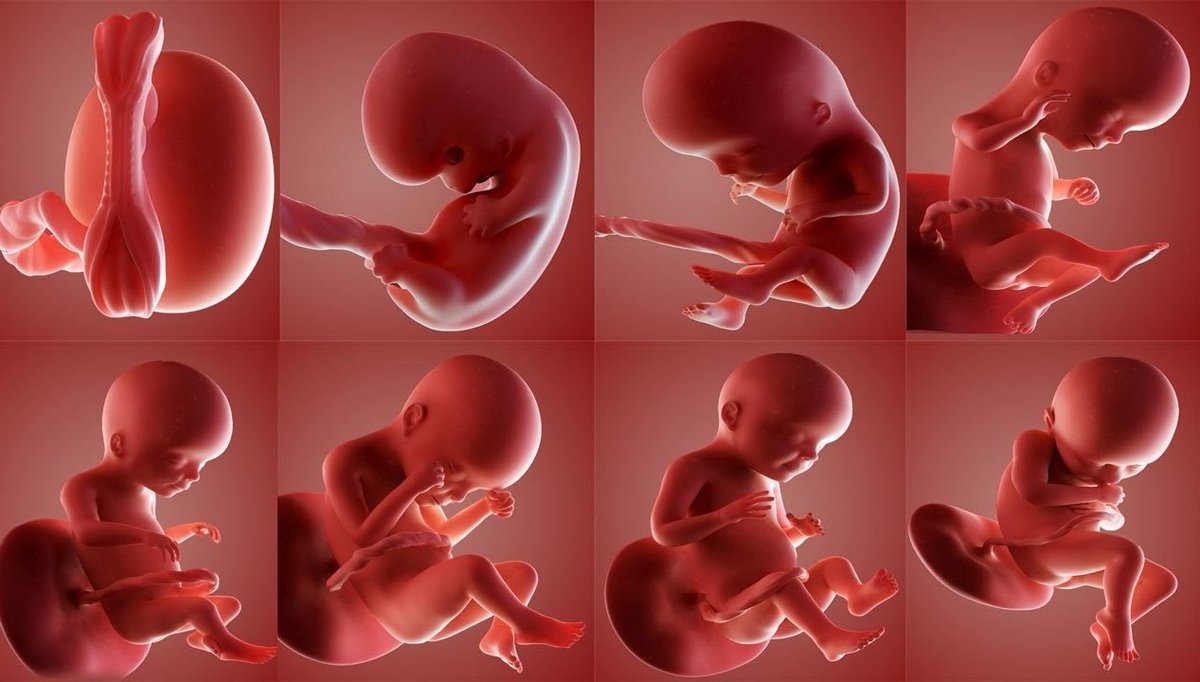
7. The Garbha and The Gender of child
🪔
पितू रेतोऽतिरिक्तात् पुरुषो भवति ।
मातुः रैतोऽतिरिक्तात्स्त्रियो भवन्त्युभयोर्बीजतुल्यत्वान्नपुंसको भवति ।
Meaning
If the father's seed is more potent, it becomes male; if the mother's seed is stronger, it becomes female. If the seeds are equal, it becomes an intersexual (napumsaka, neither male, nor female).
🪔
व्याकुलितमनसोऽन्धाः खञ्जाः कुब्जा वामना भवन्ति ।
अन्योन्यवायुपरिपीडितशुक्रद्वैध्याविधा
तनुः स्यात्ततो युग्माः प्रजायन्ते ॥
Meaning
If [at the time of impregnation] the parents are agitated, the child will be blind crippled, hunch-backed or stunted. If the vital air moves around, the seed enters in two parts, resulting in twins.
🪔
पितू रेतोऽतिरिक्तात् पुरुषो भवति ।
मातुः रैतोऽतिरिक्तात्स्त्रियो भवन्त्युभयोर्बीजतुल्यत्वान्नपुंसको भवति ।
Meaning
If the father's seed is more potent, it becomes male; if the mother's seed is stronger, it becomes female. If the seeds are equal, it becomes an intersexual (napumsaka, neither male, nor female).
🪔
व्याकुलितमनसोऽन्धाः खञ्जाः कुब्जा वामना भवन्ति ।
अन्योन्यवायुपरिपीडितशुक्रद्वैध्याविधा
तनुः स्यात्ततो युग्माः प्रजायन्ते ॥
Meaning
If [at the time of impregnation] the parents are agitated, the child will be blind crippled, hunch-backed or stunted. If the vital air moves around, the seed enters in two parts, resulting in twins.
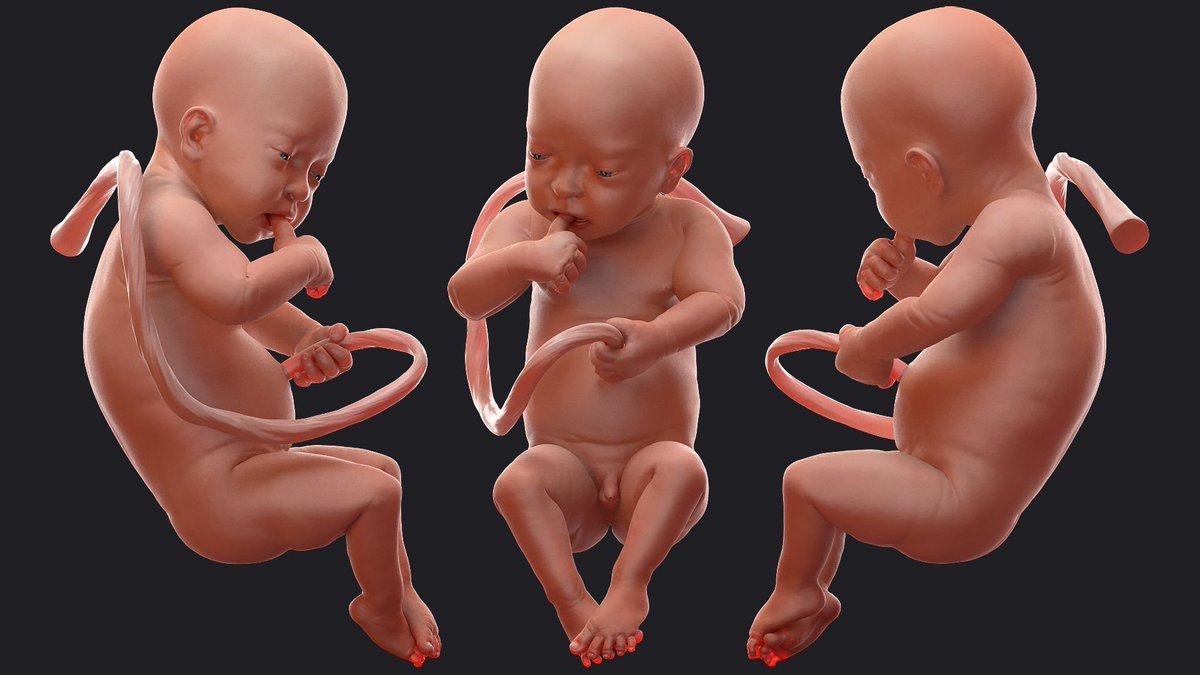
8. The Garbha and The Life of the Fetus AND THE SELF TALK
🪔
पञ्चात्मकः समर्थः पञ्चात्मकतेजसेद्धरसश्च सम्यग्ज्ञानात् ध्यानात् अक्षरमोङ्कारं चिन्तयति ।
तदेतदेकाक्षरं ज्ञात्वाऽष्टौ प्रकृतयः षोडश विकाराः शरीरे तस्यैवे देहिनाम्
Meaning
Enabled by the five-fold self, the intelligence of the five elements emerges, and he meditates on the imperishable syllable Om. With the knowledge of the syllable, he understands the eight natures [five sense organs, the mind, intellect and ego] and their sixteen modifications belong to the self residing in the body.
🪔
अथ मात्रा शितपीतनाडीसूत्रगतेन प्राण आप्यायते ।
अथ नवमे मासि सर्वलक्षणसंपूर्णो भवति पूर्वजातीः स्मरति कृताकृतं च कर्म विभाति शुभाशुभं च कर्म विन्दति ॥ ३ ॥
Meaning
Whatever is consumed or drunk by the mother passes through the nerves and vessels to the child, becoming the source of his satisfaction. During the ninth month, all outer signs attain completeness. And he is reminded of his previous birth, and recounts the good and bad deeds committed.
🪔
नानायनिसहस्राणि दृष्ट्वा चैव ततो मया ।
आहारा विविधा भुक्ताः पीताश्च विविधाः स्तनाः || जातस्यैव मृतस्यैव जन्म चैव पुनः पुनः ।
अहो दुःखोदधौ मग्नः न पश्यामि प्रतिक्रियाम् ॥ यन्मया परिजनस्यार्थे कृतं कर्म शुभाशुभम् । एकाकी तेन दह्यामि गतास्ते फलभोगिनः ॥
Meaning
He thinks: I have seen thousands of wombs, eaten several kinds of food and sucked many breasts. Born and dead again and again, I am immersed in grief but see no remedy. Thinking of my good and bad deeds, I am suffering alone, although the bodies that enjoyed the fruits are gone.
🪔
पञ्चात्मकः समर्थः पञ्चात्मकतेजसेद्धरसश्च सम्यग्ज्ञानात् ध्यानात् अक्षरमोङ्कारं चिन्तयति ।
तदेतदेकाक्षरं ज्ञात्वाऽष्टौ प्रकृतयः षोडश विकाराः शरीरे तस्यैवे देहिनाम्
Meaning
Enabled by the five-fold self, the intelligence of the five elements emerges, and he meditates on the imperishable syllable Om. With the knowledge of the syllable, he understands the eight natures [five sense organs, the mind, intellect and ego] and their sixteen modifications belong to the self residing in the body.
🪔
अथ मात्रा शितपीतनाडीसूत्रगतेन प्राण आप्यायते ।
अथ नवमे मासि सर्वलक्षणसंपूर्णो भवति पूर्वजातीः स्मरति कृताकृतं च कर्म विभाति शुभाशुभं च कर्म विन्दति ॥ ३ ॥
Meaning
Whatever is consumed or drunk by the mother passes through the nerves and vessels to the child, becoming the source of his satisfaction. During the ninth month, all outer signs attain completeness. And he is reminded of his previous birth, and recounts the good and bad deeds committed.
🪔
नानायनिसहस्राणि दृष्ट्वा चैव ततो मया ।
आहारा विविधा भुक्ताः पीताश्च विविधाः स्तनाः || जातस्यैव मृतस्यैव जन्म चैव पुनः पुनः ।
अहो दुःखोदधौ मग्नः न पश्यामि प्रतिक्रियाम् ॥ यन्मया परिजनस्यार्थे कृतं कर्म शुभाशुभम् । एकाकी तेन दह्यामि गतास्ते फलभोगिनः ॥
Meaning
He thinks: I have seen thousands of wombs, eaten several kinds of food and sucked many breasts. Born and dead again and again, I am immersed in grief but see no remedy. Thinking of my good and bad deeds, I am suffering alone, although the bodies that enjoyed the fruits are gone.
9. The Garbha and The Self Talk of the Child - 2
🪔
यदि योन्यां प्रमुञ्चामि सांख्यं योगं समाश्रये । अशुभक्षयकर्तारं फलमुक्तिप्रदायकम् ॥
यदि योन्यां प्रमुञ्चामि तं प्रपद्ये महेश्वरम् ।
अशुभक्षयकर्तारं फलमुक्तिप्रदायकम् ॥
Meaning
When I get out of this womb, I will take refuge in Sankhya-Yoga, which destroys misery and yields liberation; when I get out of this womb, I will take refuge in Maheśvara, who destroys misery and grants liberation.
🪔
यदि योन्यां प्रमुञ्चामि तं प्रपद्ये
भगवन्तं नारायणं देवम् ।
अशुभक्षयकर्तारं फलमुक्तिप्रदायकम् ।
यदि योन्यां प्रमुञ्चामि ध्याये ब्रह्म सनातनम् ॥
Meaning
When I get out of this womb, I will take refuge in Nārāyaṇa, who destroys misery and grants liberation. When I get out of this womb, I will meditate on the eternal Brahman.
🪔
अथ जन्तुः स्त्रीयोनिशतं योनिद्वारि
संप्राप्तो यन्त्रेणापीड्यमानो महता दुःखेन जातमात्रस्तु
वैष्णवेन वायुना संस्पृश्यते तदा न स्मरति जन्ममरणं
न च कर्म शुभाशुभम् ॥ ४ ॥
Meaning
When he reaches the birth canal and comes out of it with great difficulty, he is touched by an all-pervading movement (Maya) that causes him to forget previous births and the good and the bad deeds performed therein.
शरीरमिति कस्मात्
साक्षादग्नयो ह्यत्र श्रियन्ते ज्ञानाग्निदर्शनाग्निः कोष्ठाग्निरिति ।
तत्र कोष्ठाग्निर्नामाशितपीतलेह्यचोष्यं पचतीति ।
दर्शनाग्नी रुपादीनां दर्शनं करोति ।
ज्ञानाग्निः शुभाशुभं च कर्म विन्दति ।
Meaning
Why the body is called sariram. It has three fires - namely, jnanagni, darsanagni and kosthagni. Of these, ko sthagni is that fire which enables the digestion of all that is eaten; darśanagni is the fire that gives the power of seeing forms;jnanagni is that fire of knowledge which enables one to distinguish between good and bad actions.
🪔
यदि योन्यां प्रमुञ्चामि सांख्यं योगं समाश्रये । अशुभक्षयकर्तारं फलमुक्तिप्रदायकम् ॥
यदि योन्यां प्रमुञ्चामि तं प्रपद्ये महेश्वरम् ।
अशुभक्षयकर्तारं फलमुक्तिप्रदायकम् ॥
Meaning
When I get out of this womb, I will take refuge in Sankhya-Yoga, which destroys misery and yields liberation; when I get out of this womb, I will take refuge in Maheśvara, who destroys misery and grants liberation.
🪔
यदि योन्यां प्रमुञ्चामि तं प्रपद्ये
भगवन्तं नारायणं देवम् ।
अशुभक्षयकर्तारं फलमुक्तिप्रदायकम् ।
यदि योन्यां प्रमुञ्चामि ध्याये ब्रह्म सनातनम् ॥
Meaning
When I get out of this womb, I will take refuge in Nārāyaṇa, who destroys misery and grants liberation. When I get out of this womb, I will meditate on the eternal Brahman.
🪔
अथ जन्तुः स्त्रीयोनिशतं योनिद्वारि
संप्राप्तो यन्त्रेणापीड्यमानो महता दुःखेन जातमात्रस्तु
वैष्णवेन वायुना संस्पृश्यते तदा न स्मरति जन्ममरणं
न च कर्म शुभाशुभम् ॥ ४ ॥
Meaning
When he reaches the birth canal and comes out of it with great difficulty, he is touched by an all-pervading movement (Maya) that causes him to forget previous births and the good and the bad deeds performed therein.
शरीरमिति कस्मात्
साक्षादग्नयो ह्यत्र श्रियन्ते ज्ञानाग्निदर्शनाग्निः कोष्ठाग्निरिति ।
तत्र कोष्ठाग्निर्नामाशितपीतलेह्यचोष्यं पचतीति ।
दर्शनाग्नी रुपादीनां दर्शनं करोति ।
ज्ञानाग्निः शुभाशुभं च कर्म विन्दति ।
Meaning
Why the body is called sariram. It has three fires - namely, jnanagni, darsanagni and kosthagni. Of these, ko sthagni is that fire which enables the digestion of all that is eaten; darśanagni is the fire that gives the power of seeing forms;jnanagni is that fire of knowledge which enables one to distinguish between good and bad actions.
10. The Garbha and The Marma
🪔
तत्र त्रीणि स्थानानि भवन्ति
हृदये दक्षिणाग्निरुदरे गार्हपत्यं
मुखमाहवनीयमात्मा यजमानो
मनो ब्रह्मा लोभादयः पशवो धृतिर्दीक्षा सन्तोषश्च
बुद्धीन्द्रियाणि यज्ञपात्राणि कर्मेन्द्रियाणि हवींषि शिरः कपाल केशा दर्भा मुखमन्तर्वेदिः चतुष्कपालं
शिरः षोडश पार्श्वदन्तोष्ठपटलानि ।
Meaning
They have three places. At the heart is the daksinagni, in the belly is the garhapatya, in the mouth is the āhavanīya. Amman is the yajamana (sacrificer); the mind is the Brahma (the doer); greed and so on [anger, jealousy] are animals [of sacrifice]; mental strength is the vow; contentment and the organs of intellect are the instruments of the yajna (sacrifice); the action organs are the sacrificial objects (comparable to the havis or the rice); the head or the skull is the utensil; the hair thereon is the darbha (the dried grass used in homa); the mouth is the inner altar, the head are the four cups, and the two rows of teeth are the sixteen cups (kapāla) [of the sacrifice].
🪔
सप्तोत्तरं मर्मशतं साशीतिकं सन्धिशतं सनवकं स्नायुशतं
सप्त शिरासतानि पञ्च मज्जाशतानि अस्थीनि च ह
वै त्रीणि शतानि षष्टिश्चार्धचतस्रो रोमाणि कोट्यो
हृदयं पलान्यष्टौ द्वादश पलानि जिह्वा पित्तप्रस्थं कफस्याढकं शुक्लं कुडवं मेदः प्रस्थौ द्वावनियतं मूत्रपुरीषमाहारपरिमाणात् ॥ ५॥
Meaning
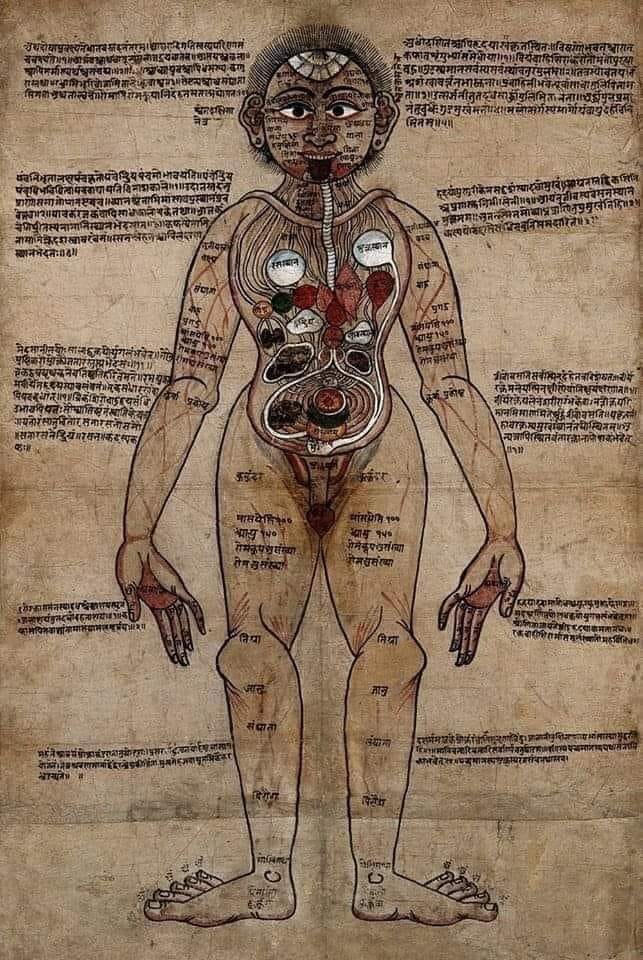
The human body consists of 107 marmas (weak or sensitive spots), 180 sutures or junction points, 109 snayu (sinews ), 700 channels 500majja (muscle), 360 bones, and forty five million hairs. The heart weighs 8 palas and the tongue weights 12 palas. It has one prastha of pitta (bile), one adhaka of kapha one kudava of sukra, and two prasthas of fat. The measure of the urinary or solid excretions is dependent on the intake. [1 pala = 45.5 grammes; 1 prastham = 728 grammes; 1 ādhakam 2 912grammes; 1 inudavam = 182 grammes]
🪔
पैप्पलादं मोक्षशास्त्र
परिसमाप्तं पैप्पलादं मोक्षशास्त्रं परिसमाप्तमिति ॥
Meaning
This Mokṣa Śāstra was enunciated by the sage Pippalada. This Mokṣa Śāstra was enunciated by the sage Pippalada.
🪔
ॐ इति गर्भोपनिषत्समाप्ता ॥
(Pic - Human body as described in Atharva Veda)
🪔
तत्र त्रीणि स्थानानि भवन्ति
हृदये दक्षिणाग्निरुदरे गार्हपत्यं
मुखमाहवनीयमात्मा यजमानो
मनो ब्रह्मा लोभादयः पशवो धृतिर्दीक्षा सन्तोषश्च
बुद्धीन्द्रियाणि यज्ञपात्राणि कर्मेन्द्रियाणि हवींषि शिरः कपाल केशा दर्भा मुखमन्तर्वेदिः चतुष्कपालं
शिरः षोडश पार्श्वदन्तोष्ठपटलानि ।
Meaning
They have three places. At the heart is the daksinagni, in the belly is the garhapatya, in the mouth is the āhavanīya. Amman is the yajamana (sacrificer); the mind is the Brahma (the doer); greed and so on [anger, jealousy] are animals [of sacrifice]; mental strength is the vow; contentment and the organs of intellect are the instruments of the yajna (sacrifice); the action organs are the sacrificial objects (comparable to the havis or the rice); the head or the skull is the utensil; the hair thereon is the darbha (the dried grass used in homa); the mouth is the inner altar, the head are the four cups, and the two rows of teeth are the sixteen cups (kapāla) [of the sacrifice].
🪔
सप्तोत्तरं मर्मशतं साशीतिकं सन्धिशतं सनवकं स्नायुशतं
सप्त शिरासतानि पञ्च मज्जाशतानि अस्थीनि च ह
वै त्रीणि शतानि षष्टिश्चार्धचतस्रो रोमाणि कोट्यो
हृदयं पलान्यष्टौ द्वादश पलानि जिह्वा पित्तप्रस्थं कफस्याढकं शुक्लं कुडवं मेदः प्रस्थौ द्वावनियतं मूत्रपुरीषमाहारपरिमाणात् ॥ ५॥
Meaning
The human body consists of 107 marmas (weak or sensitive spots), 180 sutures or junction points, 109 snayu (sinews ), 700 channels 500majja (muscle), 360 bones, and forty five million hairs. The heart weighs 8 palas and the tongue weights 12 palas. It has one prastha of pitta (bile), one adhaka of kapha one kudava of sukra, and two prasthas of fat. The measure of the urinary or solid excretions is dependent on the intake. [1 pala = 45.5 grammes; 1 prastham = 728 grammes; 1 ādhakam 2 912grammes; 1 inudavam = 182 grammes]
🪔
पैप्पलादं मोक्षशास्त्र
परिसमाप्तं पैप्पलादं मोक्षशास्त्रं परिसमाप्तमिति ॥
Meaning
This Mokṣa Śāstra was enunciated by the sage Pippalada. This Mokṣa Śāstra was enunciated by the sage Pippalada.
🪔
ॐ इति गर्भोपनिषत्समाप्ता ॥
(Pic - Human body as described in Atharva Veda)
11. References:
1. (PDF) The Garbha Upanishad: How life begins | Subhash Kak - Academia.edu @subhash_kak
2. ia600507.us.archive.org
3. sanskritimagazine.com
4. Garbha Sanskār: Development starts in the womb | by Mitesh Sevani | Medium
1. (PDF) The Garbha Upanishad: How life begins | Subhash Kak - Academia.edu @subhash_kak
2. ia600507.us.archive.org
3. sanskritimagazine.com
4. Garbha Sanskār: Development starts in the womb | by Mitesh Sevani | Medium

sanskritimagazine.com/garbha-upanish…
Garbha Upanishad: Conception and growth of a child in mother’s womb | Sanskriti - Hinduism and Indian Culture Website
Om! May we be protected; May we be nourished; May we act together with energy; May our study be vigo...

Academia.edu
Academia.edu - Share research
Academia.edu is a place to share and follow research.
ia600507.us.archive.org/17/items/kaelb…
12. To be continued in part 2
We just saw that what Western medical science could dicover 200 years ago, our ancestors had discovered and explained 2000 years ago.
In part 2 we will explore Garbha Dharan as per Garuda Purana, Shri Bhagvat Purana and Niruktopanishad.
Sanatan is the light
Dharma is the path
Be very proud of your Sanatan lineage
Spread the light of Sanatan by sharing it further.
Radhe Radhe
Blessings from Shri Krishna
We just saw that what Western medical science could dicover 200 years ago, our ancestors had discovered and explained 2000 years ago.
In part 2 we will explore Garbha Dharan as per Garuda Purana, Shri Bhagvat Purana and Niruktopanishad.
Sanatan is the light
Dharma is the path
Be very proud of your Sanatan lineage
Spread the light of Sanatan by sharing it further.
Radhe Radhe
Blessings from Shri Krishna
Loading suggestions...