

My American friends joke that they will switch to Chinese social media if the US bans TikTok. I think it's a fun idea, but they should probably brush up on Chinese internet slang first.
Let's begin with three common Chinese internet slangs that are also used by netizens in geopolitical analysis.
🌼 The first one is "𝐩𝐥𝐚𝐬𝐭𝐢𝐜 𝐟𝐥𝐨𝐰𝐞𝐫 𝐬𝐢𝐬𝐭𝐞𝐫𝐡𝐨𝐨𝐝 (塑料姐妹花, Su Liao Jie Mei Hua)".
It all started with a joke that went around on Weibo, which goes something like this: "The relationship between good sisters is like a plastic flower; it's fake, but it never withers." The phrase is frequently used to characterise some girls' hypocritical social relations; they dislike each other yet must be fake friends for practical reasons.
It can be used to build a sentence: "𝑇ℎ𝑒 𝑈𝑆 𝑎𝑛𝑑 𝐸𝑢𝑟𝑜𝑝𝑒 𝑎𝑝𝑝𝑒𝑎𝑟 𝑡𝑜 𝑏𝑒 𝑔𝑜𝑜𝑑 𝑎𝑙𝑙𝑖𝑒𝑠, 𝑏𝑢𝑡 𝑖𝑛 𝑟𝑒𝑎𝑙𝑖𝑡𝑦, 𝑡ℎ𝑒𝑦 ℎ𝑎𝑣𝑒 𝑡ℎ𝑒𝑖𝑟 𝑎𝑔𝑒𝑛𝑑𝑎𝑠 𝑎𝑛𝑑 𝑠ℎ𝑎𝑟𝑒 𝑎 '𝑝𝑙𝑎𝑠𝑡𝑖𝑐 𝑠𝑖𝑠𝑡𝑒𝑟ℎ𝑜𝑜𝑑'."
🍉 "𝐖𝐚𝐭𝐞𝐫𝐦𝐞𝐥𝐨𝐧-𝐞𝐚𝐭𝐢𝐧𝐠 𝐬𝐩𝐞𝐜𝐭𝐚𝐭𝐨𝐫 (吃瓜群众, Chi Gua Qun Zhong)" is the second internet slang.
The phrase is said to have originated in the ads of some Chinese theatres in the past, which sold snacks such as watermelon or sunflower seeds to viewers sitting in the front rows.
The closest English equivalent of this phrase is perhaps "peanut gallery".
When commenting on news or posts, many Chinese internet users call themselves "watermelon-eating spectators," implying that they are simply "a passive group of bystanders at a major incident or event." The expression is sometimes associated with gloating or indifference.
It can be used to build a sentence: "𝑇ℎ𝑒 𝑓𝑜𝑟𝑚𝑒𝑟 𝑈𝑆 𝐻𝑜𝑢𝑠𝑒 𝑆𝑝𝑒𝑎𝑘𝑒𝑟 𝑁𝑎𝑛𝑐𝑦 𝑃𝑒𝑙𝑜𝑠𝑖 𝑜𝑛𝑐𝑒 𝑑𝑒𝑠𝑐𝑟𝑖𝑏𝑒𝑑 𝑡ℎ𝑒 𝑣𝑖𝑜𝑙𝑒𝑛𝑡 𝑟𝑖𝑜𝑡𝑠 𝑖𝑛 𝐻𝑜𝑛𝑔 𝐾𝑜𝑛𝑔 𝑎𝑠 𝑎 '𝑏𝑒𝑎𝑢𝑡𝑖𝑓𝑢𝑙 𝑠𝑖𝑔ℎ𝑡 𝑡𝑜 𝑏𝑒ℎ𝑜𝑙𝑑.' 𝑇ℎ𝑎𝑡'𝑠 𝑤ℎ𝑦 𝑚𝑎𝑛𝑦 𝐶ℎ𝑖𝑛𝑒𝑠𝑒 𝑛𝑒𝑡𝑖𝑧𝑒𝑛𝑠 𝑏𝑒𝑐𝑎𝑚𝑒 '𝑤𝑎𝑡𝑒𝑟𝑚𝑒𝑙𝑜𝑛-𝑒𝑎𝑡𝑖𝑛𝑔 𝑠𝑝𝑒𝑐𝑡𝑎𝑡𝑜𝑟𝑠' 𝑑𝑢𝑟𝑖𝑛𝑔 𝑡ℎ𝑒 𝑠𝑖𝑒𝑔𝑒 𝑜𝑓 𝑡ℎ𝑒 𝑈𝑆 𝐶𝑎𝑝𝑖𝑡𝑜𝑙. "
🪆 The last internet slang is 𝐁𝐚𝐫𝐛𝐢𝐞-𝐐 (芭比Q). It comes from the English word "barbecue, " meaning someone is toast, failed, or destroyed. It was first used by a video game blogger with the BGM line, "Oh my, I'm barbecued."
You may say, "𝑌𝑒𝑙𝑙𝑒𝑛 𝑖𝑛𝑣𝑒𝑛𝑡𝑒𝑑 𝑡ℎ𝑒 𝑡𝑒𝑟𝑚 𝑜𝑣𝑒𝑟𝑐𝑎𝑝𝑎𝑐𝑖𝑡𝑦 𝑡𝑜 ℎ𝑖𝑛𝑑𝑒𝑟 𝐶ℎ𝑖𝑛𝑎'𝑠 𝑒𝑐𝑜𝑛𝑜𝑚𝑖𝑐 𝑝𝑟𝑜𝑔𝑟𝑒𝑠𝑠, 𝑡ℎ𝑜𝑢𝑔ℎ 𝑤𝑒 𝑎𝑟𝑒 𝑠𝑢𝑟𝑒 𝑡ℎ𝑎𝑡 𝑖𝑡 𝑖𝑠 𝑛𝑜𝑡 𝐶ℎ𝑖𝑛𝑎'𝑠 𝑒𝑐𝑜𝑛𝑜𝑚𝑦 𝑤ℎ𝑖𝑐ℎ 𝑤𝑖𝑙𝑙 𝑏𝑒 𝐵𝑎𝑟𝑏𝑖𝑒-𝑄."
Let's begin with three common Chinese internet slangs that are also used by netizens in geopolitical analysis.
🌼 The first one is "𝐩𝐥𝐚𝐬𝐭𝐢𝐜 𝐟𝐥𝐨𝐰𝐞𝐫 𝐬𝐢𝐬𝐭𝐞𝐫𝐡𝐨𝐨𝐝 (塑料姐妹花, Su Liao Jie Mei Hua)".
It all started with a joke that went around on Weibo, which goes something like this: "The relationship between good sisters is like a plastic flower; it's fake, but it never withers." The phrase is frequently used to characterise some girls' hypocritical social relations; they dislike each other yet must be fake friends for practical reasons.
It can be used to build a sentence: "𝑇ℎ𝑒 𝑈𝑆 𝑎𝑛𝑑 𝐸𝑢𝑟𝑜𝑝𝑒 𝑎𝑝𝑝𝑒𝑎𝑟 𝑡𝑜 𝑏𝑒 𝑔𝑜𝑜𝑑 𝑎𝑙𝑙𝑖𝑒𝑠, 𝑏𝑢𝑡 𝑖𝑛 𝑟𝑒𝑎𝑙𝑖𝑡𝑦, 𝑡ℎ𝑒𝑦 ℎ𝑎𝑣𝑒 𝑡ℎ𝑒𝑖𝑟 𝑎𝑔𝑒𝑛𝑑𝑎𝑠 𝑎𝑛𝑑 𝑠ℎ𝑎𝑟𝑒 𝑎 '𝑝𝑙𝑎𝑠𝑡𝑖𝑐 𝑠𝑖𝑠𝑡𝑒𝑟ℎ𝑜𝑜𝑑'."
🍉 "𝐖𝐚𝐭𝐞𝐫𝐦𝐞𝐥𝐨𝐧-𝐞𝐚𝐭𝐢𝐧𝐠 𝐬𝐩𝐞𝐜𝐭𝐚𝐭𝐨𝐫 (吃瓜群众, Chi Gua Qun Zhong)" is the second internet slang.
The phrase is said to have originated in the ads of some Chinese theatres in the past, which sold snacks such as watermelon or sunflower seeds to viewers sitting in the front rows.
The closest English equivalent of this phrase is perhaps "peanut gallery".
When commenting on news or posts, many Chinese internet users call themselves "watermelon-eating spectators," implying that they are simply "a passive group of bystanders at a major incident or event." The expression is sometimes associated with gloating or indifference.
It can be used to build a sentence: "𝑇ℎ𝑒 𝑓𝑜𝑟𝑚𝑒𝑟 𝑈𝑆 𝐻𝑜𝑢𝑠𝑒 𝑆𝑝𝑒𝑎𝑘𝑒𝑟 𝑁𝑎𝑛𝑐𝑦 𝑃𝑒𝑙𝑜𝑠𝑖 𝑜𝑛𝑐𝑒 𝑑𝑒𝑠𝑐𝑟𝑖𝑏𝑒𝑑 𝑡ℎ𝑒 𝑣𝑖𝑜𝑙𝑒𝑛𝑡 𝑟𝑖𝑜𝑡𝑠 𝑖𝑛 𝐻𝑜𝑛𝑔 𝐾𝑜𝑛𝑔 𝑎𝑠 𝑎 '𝑏𝑒𝑎𝑢𝑡𝑖𝑓𝑢𝑙 𝑠𝑖𝑔ℎ𝑡 𝑡𝑜 𝑏𝑒ℎ𝑜𝑙𝑑.' 𝑇ℎ𝑎𝑡'𝑠 𝑤ℎ𝑦 𝑚𝑎𝑛𝑦 𝐶ℎ𝑖𝑛𝑒𝑠𝑒 𝑛𝑒𝑡𝑖𝑧𝑒𝑛𝑠 𝑏𝑒𝑐𝑎𝑚𝑒 '𝑤𝑎𝑡𝑒𝑟𝑚𝑒𝑙𝑜𝑛-𝑒𝑎𝑡𝑖𝑛𝑔 𝑠𝑝𝑒𝑐𝑡𝑎𝑡𝑜𝑟𝑠' 𝑑𝑢𝑟𝑖𝑛𝑔 𝑡ℎ𝑒 𝑠𝑖𝑒𝑔𝑒 𝑜𝑓 𝑡ℎ𝑒 𝑈𝑆 𝐶𝑎𝑝𝑖𝑡𝑜𝑙. "
🪆 The last internet slang is 𝐁𝐚𝐫𝐛𝐢𝐞-𝐐 (芭比Q). It comes from the English word "barbecue, " meaning someone is toast, failed, or destroyed. It was first used by a video game blogger with the BGM line, "Oh my, I'm barbecued."
You may say, "𝑌𝑒𝑙𝑙𝑒𝑛 𝑖𝑛𝑣𝑒𝑛𝑡𝑒𝑑 𝑡ℎ𝑒 𝑡𝑒𝑟𝑚 𝑜𝑣𝑒𝑟𝑐𝑎𝑝𝑎𝑐𝑖𝑡𝑦 𝑡𝑜 ℎ𝑖𝑛𝑑𝑒𝑟 𝐶ℎ𝑖𝑛𝑎'𝑠 𝑒𝑐𝑜𝑛𝑜𝑚𝑖𝑐 𝑝𝑟𝑜𝑔𝑟𝑒𝑠𝑠, 𝑡ℎ𝑜𝑢𝑔ℎ 𝑤𝑒 𝑎𝑟𝑒 𝑠𝑢𝑟𝑒 𝑡ℎ𝑎𝑡 𝑖𝑡 𝑖𝑠 𝑛𝑜𝑡 𝐶ℎ𝑖𝑛𝑎'𝑠 𝑒𝑐𝑜𝑛𝑜𝑚𝑦 𝑤ℎ𝑖𝑐ℎ 𝑤𝑖𝑙𝑙 𝑏𝑒 𝐵𝑎𝑟𝑏𝑖𝑒-𝑄."

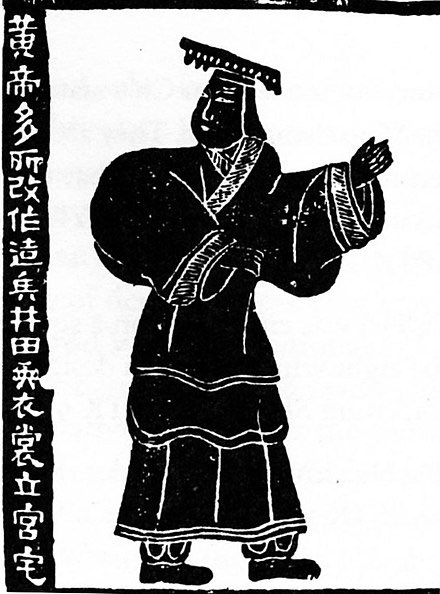
It is worth noticing that Hanfu Jiaoling youren (交領右衽) were cross-collars which overlapped on the front and closed on the right side following the youren (右衽) rule; they can also be described as cross-collar garments closing to the right side, or y-shaped collar.
The way I wrap my collar is regarded as improper by traditional style, even though I am not wearing traditional hanfu but a modern coat that mimics the ancient elements.
The way I wrap my collar is regarded as improper by traditional style, even though I am not wearing traditional hanfu but a modern coat that mimics the ancient elements.
Loading suggestions...