
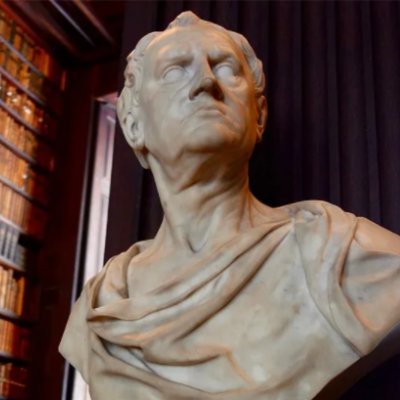
The ancients understood history a little differently than we do today.
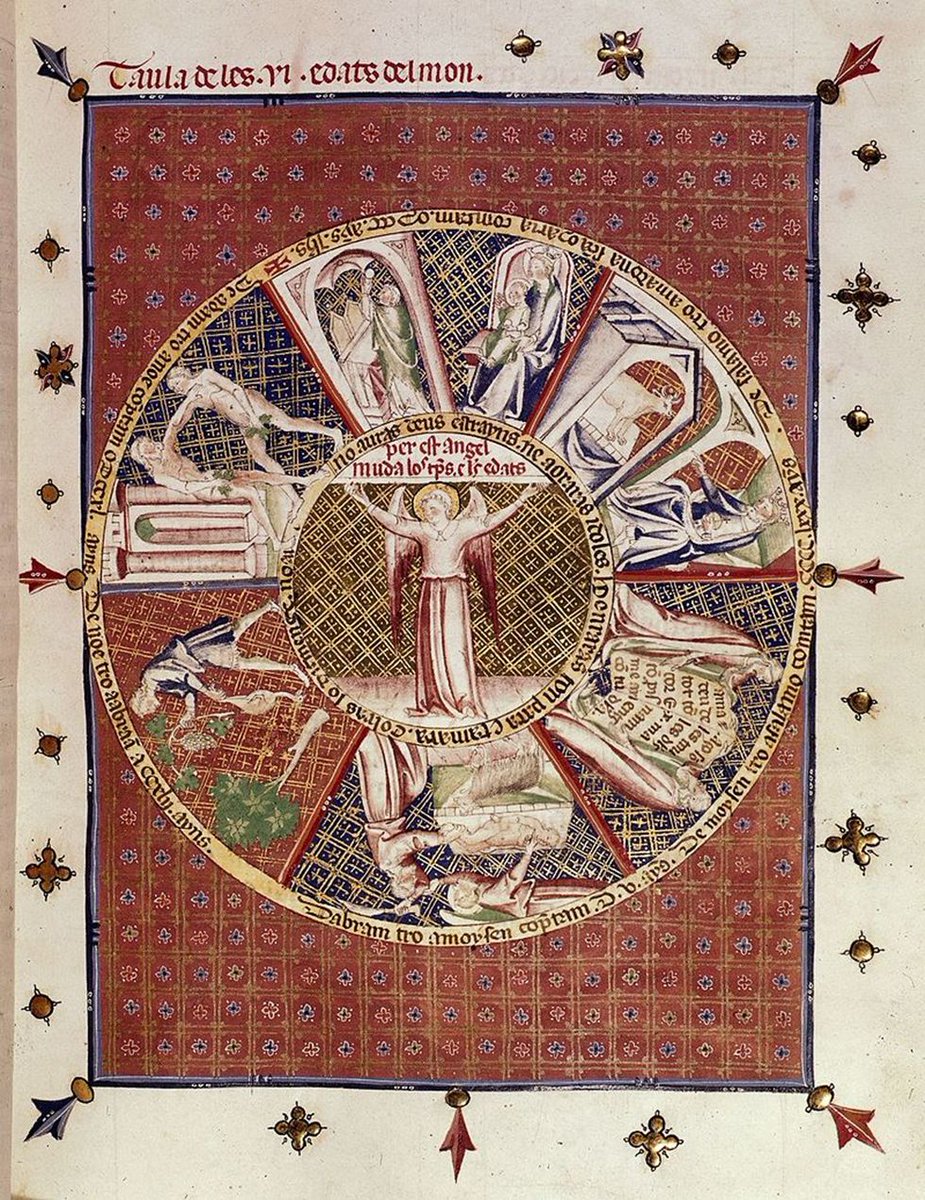
St. Augustine, for example, organized history into 6 distinct ages spanning from Genesis to Revelation.
We’re in the last age now, and its end is long overdue…🧵
St. Augustine, for example, organized history into 6 distinct ages spanning from Genesis to Revelation.
We’re in the last age now, and its end is long overdue…🧵
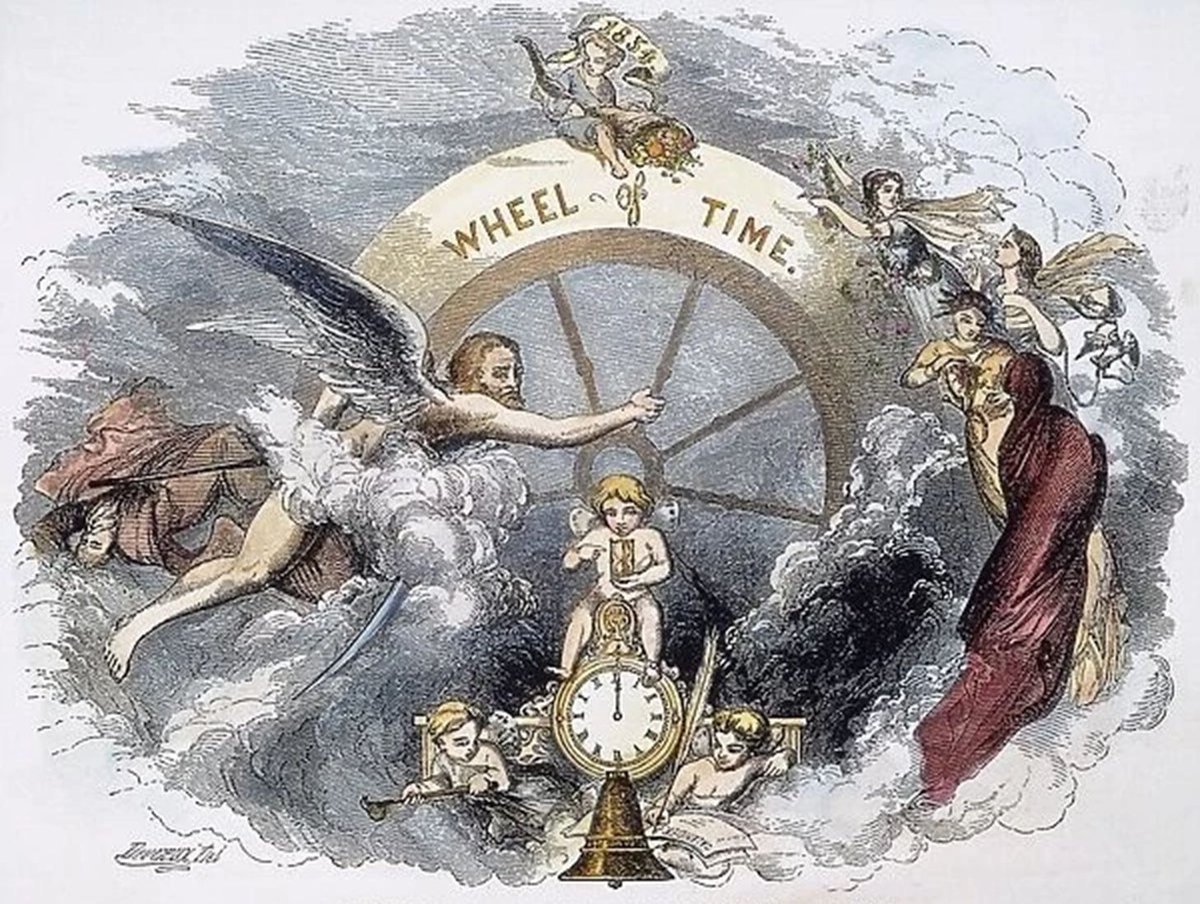
In 400 AD, St. Augustine wrote a treatise proposing that history was divided into six ages, each corresponding to a Biblical period.
Such meta-narrative speculation was common to the early Church, as Christians sought to connect historical events to theological truths.
Such meta-narrative speculation was common to the early Church, as Christians sought to connect historical events to theological truths.
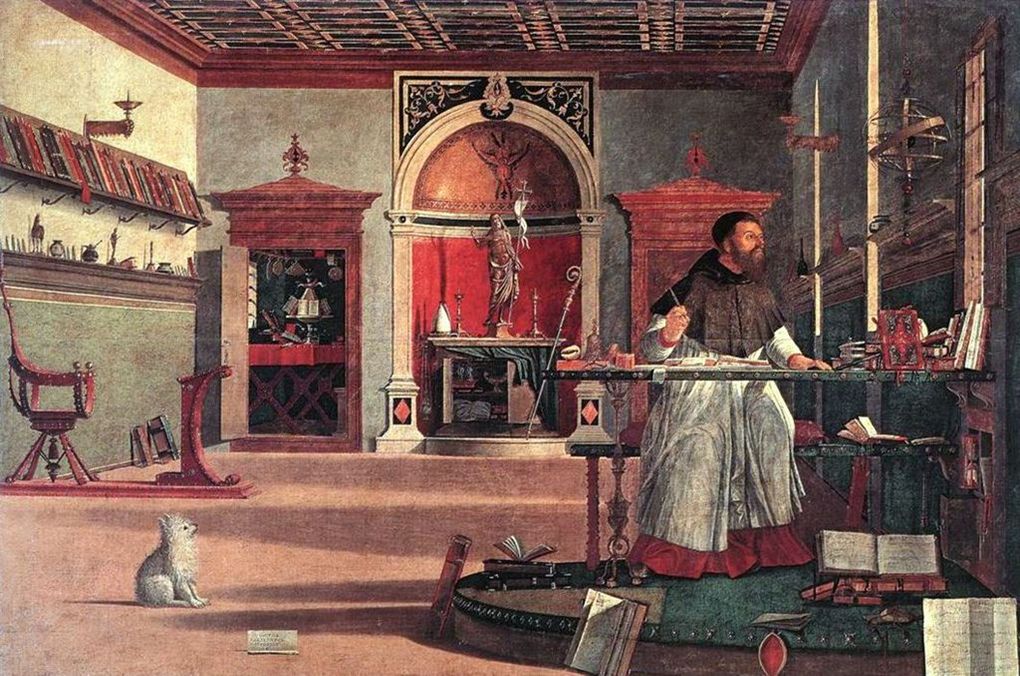
According to the theory, each age lasts ~1000 years based on a literal reading of a passage in II Peter: “one day with the Lord is as a thousand years.”
Thus six millennia mirror the six days of creation in Genesis.
Thus six millennia mirror the six days of creation in Genesis.
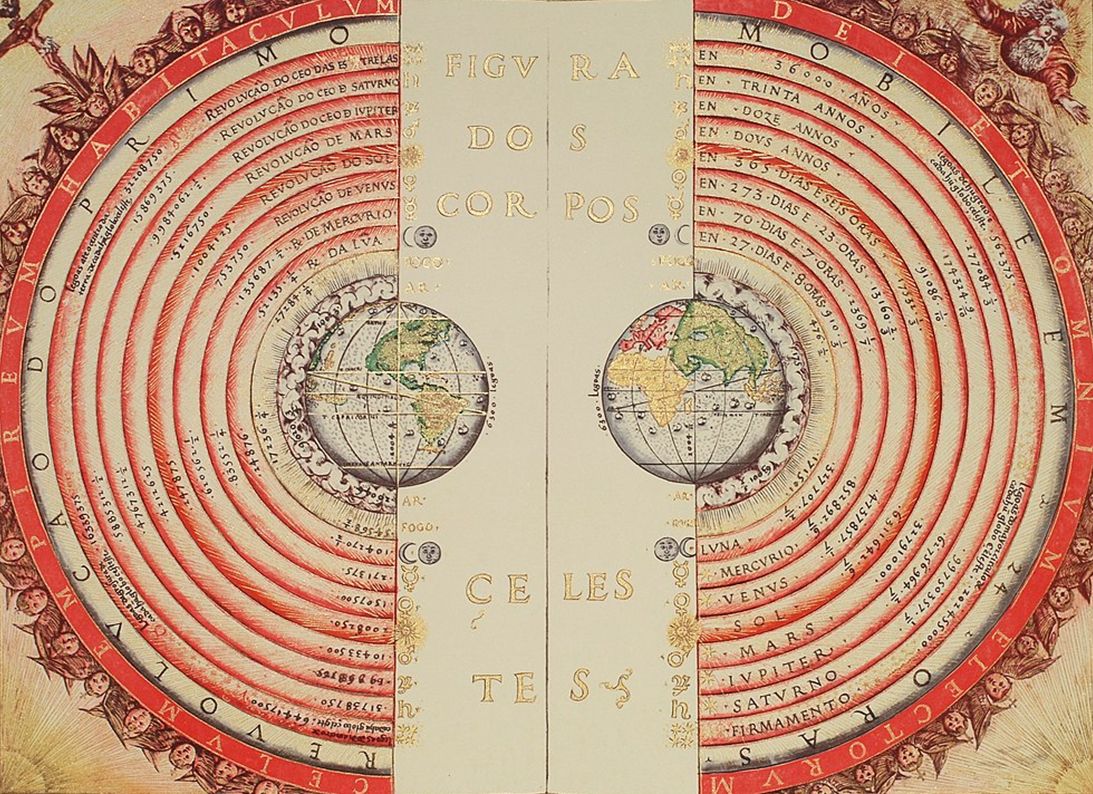
The First Age is “from the beginning of the human race, that is, from Adam, who was the first man that was made, down to Noah, who constructed the ark at the time of the flood."
This is the “Antediluvian” age—the period before the flood.
This is the “Antediluvian” age—the period before the flood.
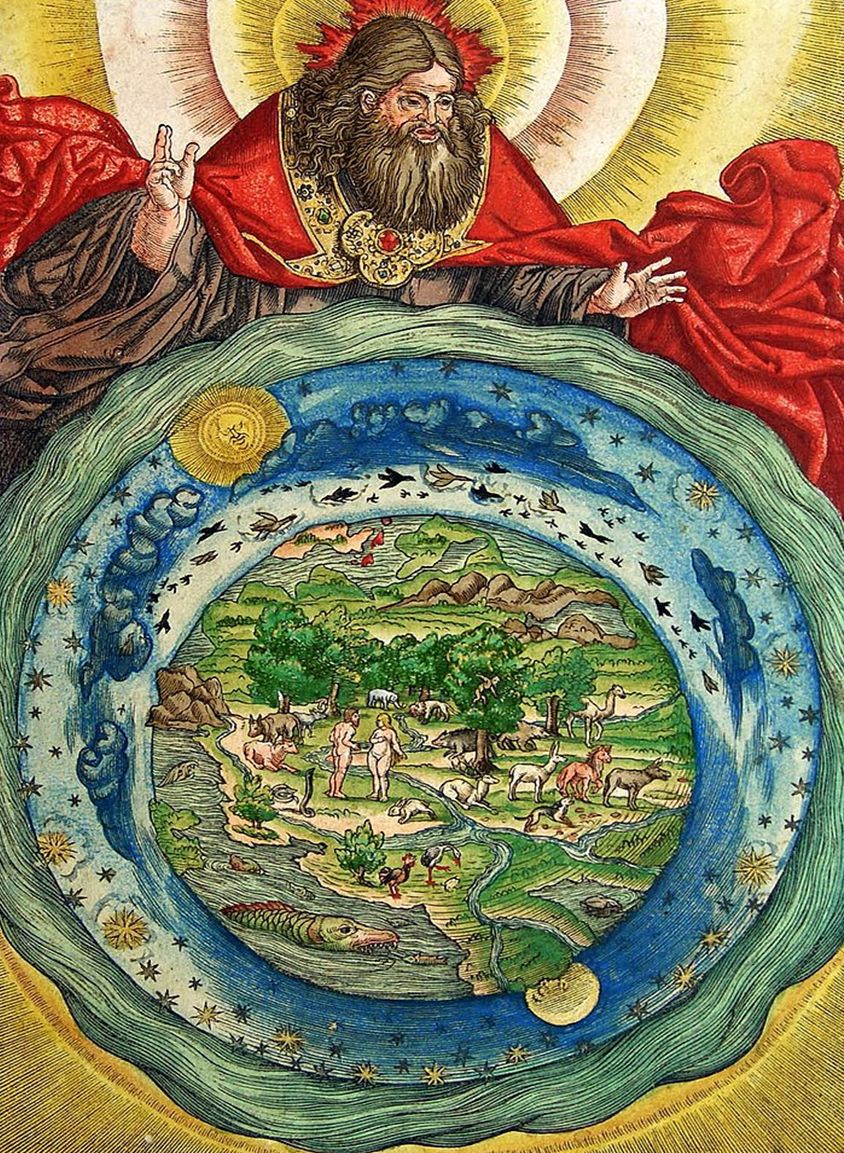
The Second Age is a new beginning with Noah and extends to Abraham, the “father of all nations" and recipient of God’s covenant. It encompasses everything between Noah and Abraham.
This was a time of God calling his people to a higher destiny—to Him.
This was a time of God calling his people to a higher destiny—to Him.
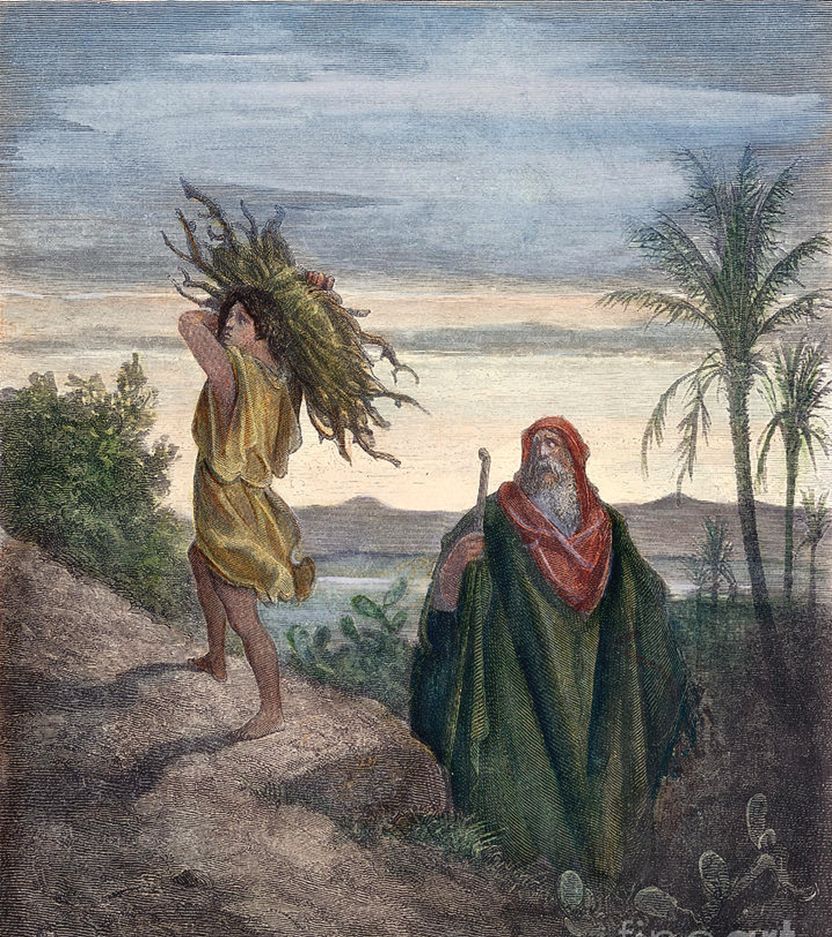
The Third Age “extends from Abraham on to David the king.”
This is a time of formation for the Jewish people. Moses leads his people out of Egypt to the Promised Land, receiving God’s commandments along the way. In the Promised Land, a kingship is established.
This is a time of formation for the Jewish people. Moses leads his people out of Egypt to the Promised Land, receiving God’s commandments along the way. In the Promised Land, a kingship is established.

The Fourth Age is "from David on to that captivity whereby the people of God passed over into Babylonia.”
The kingship of David marks a high point and the reign of Solomon sees the building of the First Temple—but the age ends in ruin when the Jews are enslaved in Babylon.
The kingship of David marks a high point and the reign of Solomon sees the building of the First Temple—but the age ends in ruin when the Jews are enslaved in Babylon.
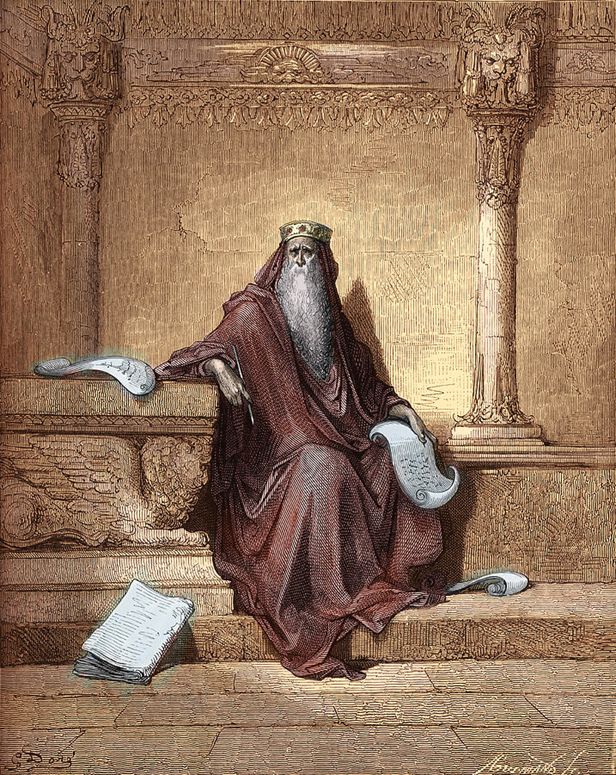
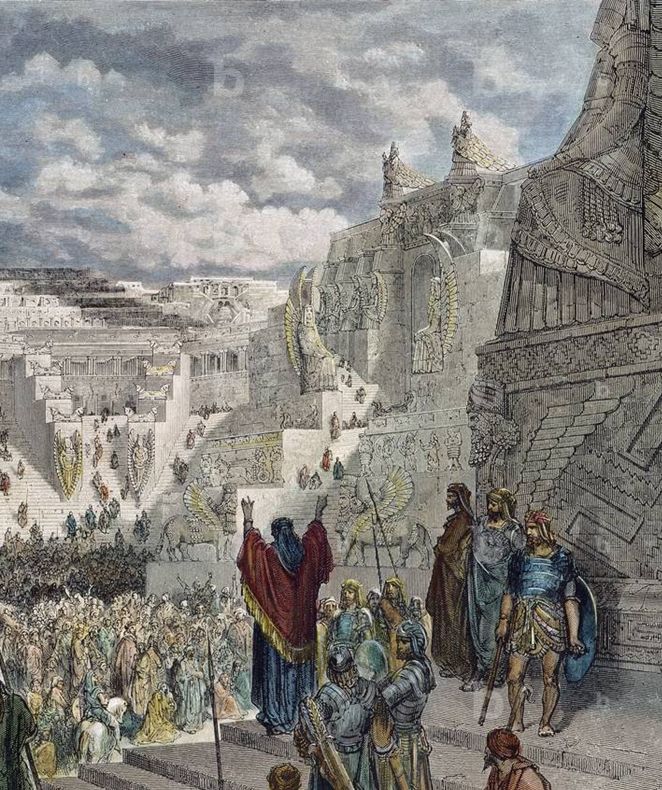
The Fifth Age is "from that transmigration down to the advent of our Lord Jesus Christ.” It’s an age of waiting and hoping for the Messiah to save the Jewish people.
The Second Temple is built, and the Roman Empire swallows the entire Mediterranean world.
The Second Temple is built, and the Roman Empire swallows the entire Mediterranean world.
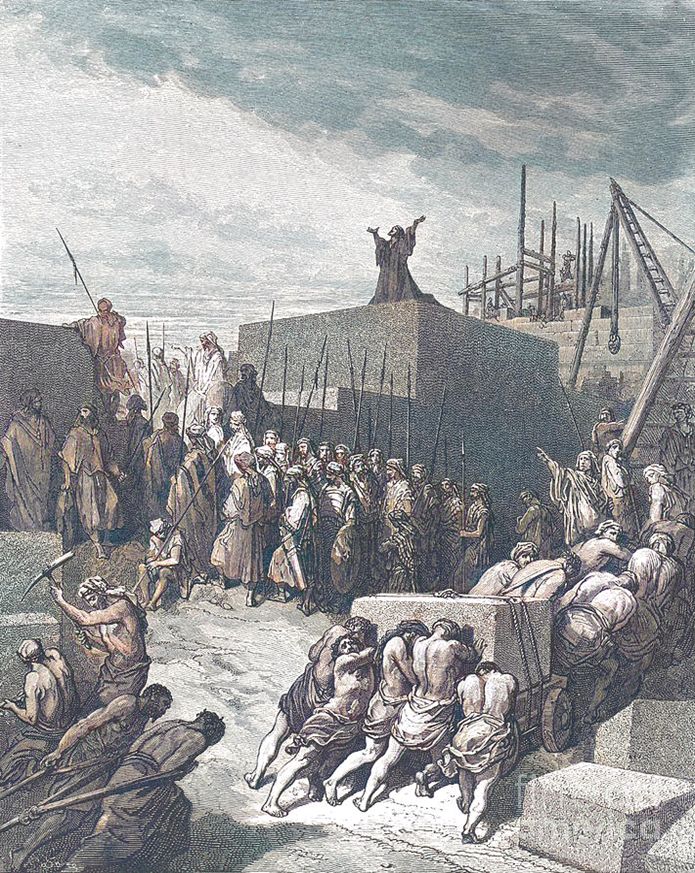
The Sixth Age is marked by Christ’s coming into the world. It corresponds to the sixth day of creation, when Man was formed from the dust into God’s image. We currently live in the Sixth Age.
Biblically speaking, six is an imperfect number. So, where’s the seventh?
Biblically speaking, six is an imperfect number. So, where’s the seventh?
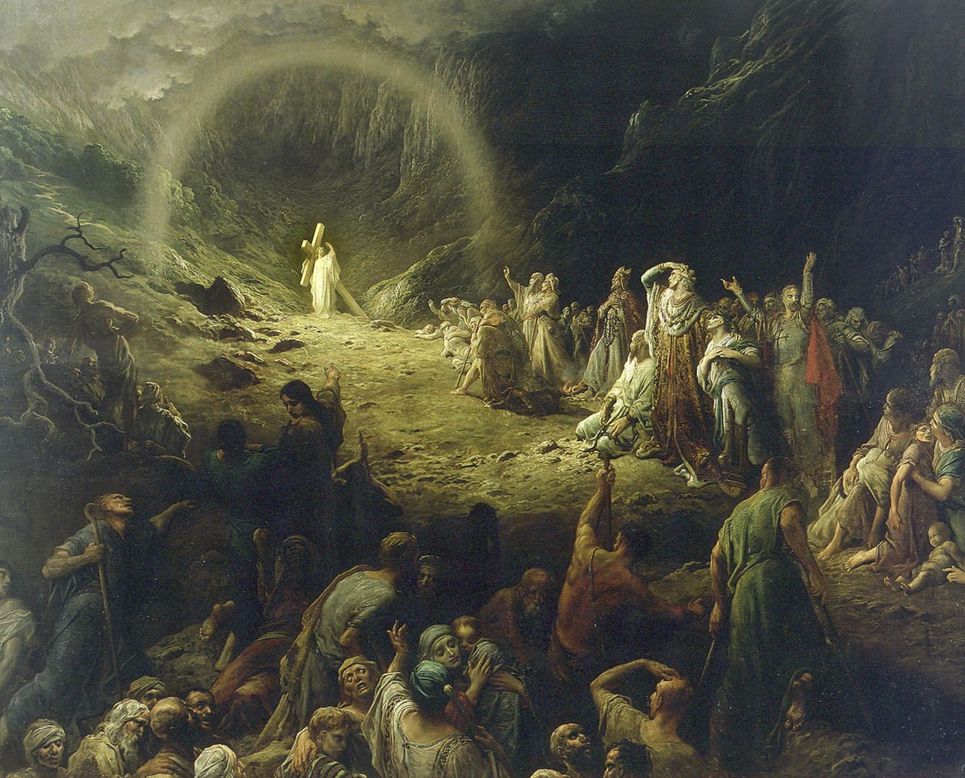
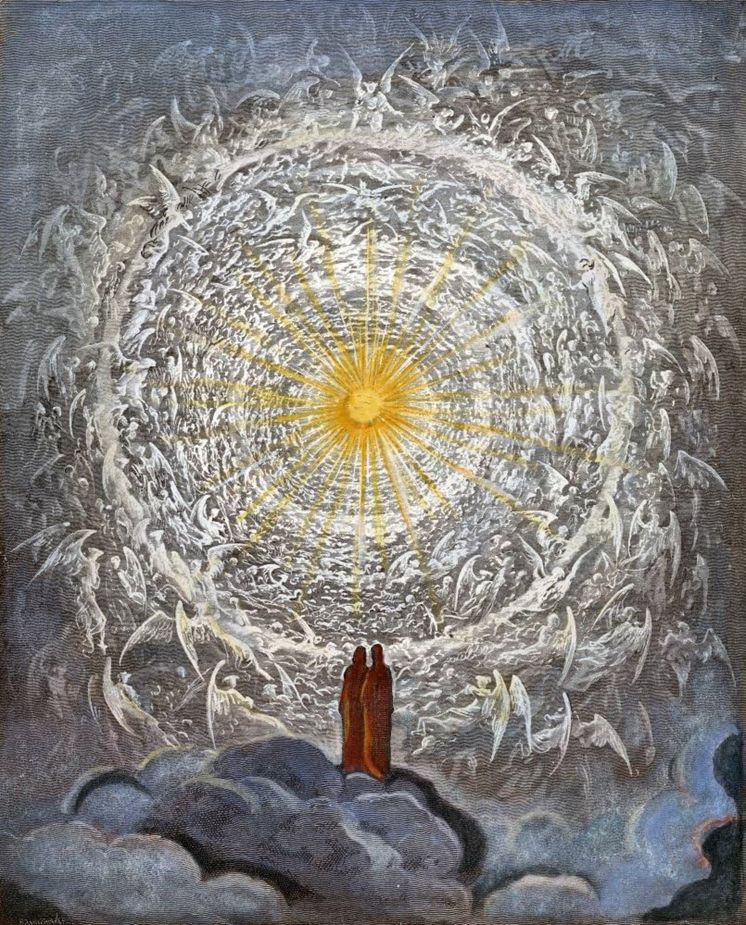
The Seventh Age, which St. Augustine did not explicitly write about, is that of the eternal kingdom to come: heaven.
As St. Bede described later, the Seventh Age has run in parallel to the six ages since the dawn of time. It goes on forever after the end of the world.
As St. Bede described later, the Seventh Age has run in parallel to the six ages since the dawn of time. It goes on forever after the end of the world.
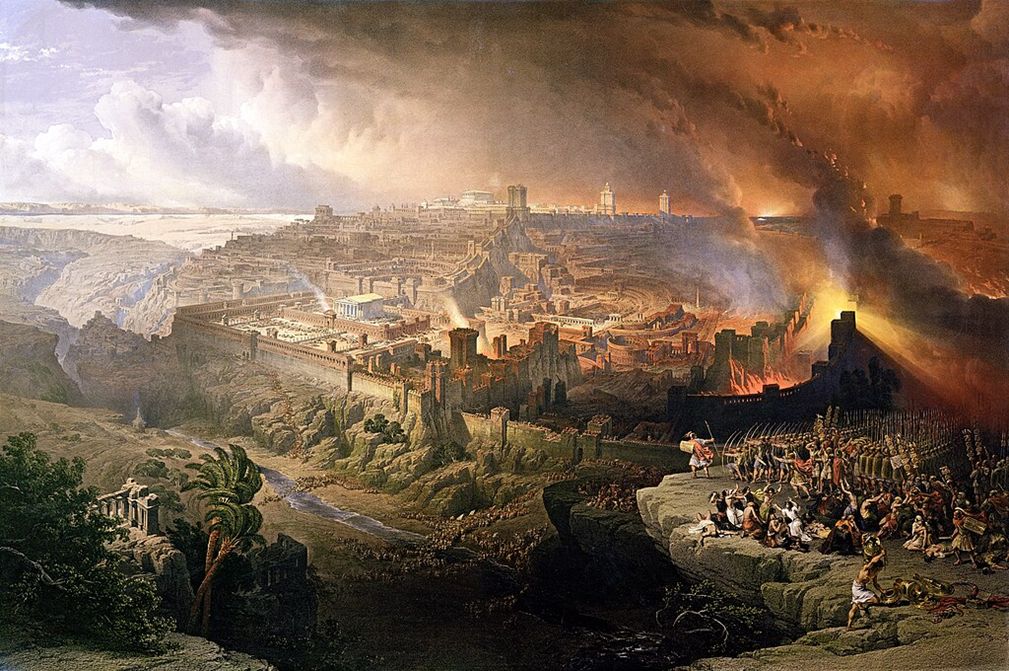
Early Christians thought the end would happen during their lifetimes. Many interpret Revelation as looking forward to 70 AD, when the Second Temple was destroyed, ending Jewish-worship proper.
Many today think the end is lurking just around the corner, too.
Many today think the end is lurking just around the corner, too.
St. Augustine’s organization of history is one based on theological and historical events surrounding God’s chosen people. It’s a different lens to view history through, and invites us into a meta-narrative of Man and Christianity.
If you enjoyed this thread and would like to join the mission of promoting western tradition, kindly repost the first post (linked below) and consider following: @thinkingwest
Loading suggestions...