

When worms or parasites establish themselves in the body, they do four things
1. A worm can cause physical trauma to the body by perforating the intestines, the circulatory system, the lungs, and the liver.
1. A worm can cause physical trauma to the body by perforating the intestines, the circulatory system, the lungs, and the liver.

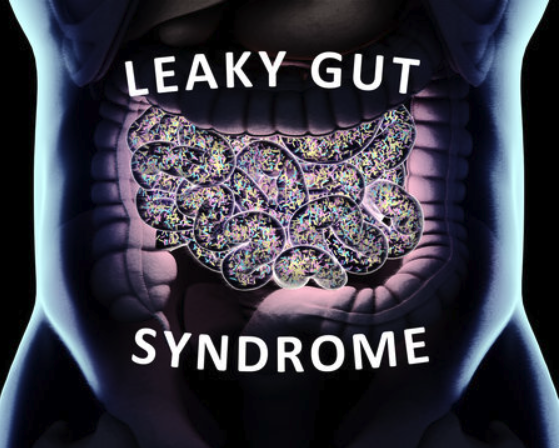
When chyme is released into the perforated intestines, it oozes into the lymphatic system. A person's first reaction is to develop allergies. Basically, worms can turn our organs into Swiss cheese.
A chyme is a mixture prepared in the duodenum for absorption by the intestines.
A chyme is a mixture prepared in the duodenum for absorption by the intestines.


2. The worm can also destroy, damage, or obstruct certain organs. They can jump together and form a ball, a tumor if you will. It is possible for them to enter the brain, heart, and lungs, causing untold misery to the host.
In order to survive, parasites need to eat, so they deprive us of vital nutrients. Most of our vitamins and amino acids are taken by them, leaving us with the rest. It is common for people to become anemic and copper deficient. Another sign of worm infestation is drowsiness after eating.
In order to survive, parasites need to eat, so they deprive us of vital nutrients. Most of our vitamins and amino acids are taken by them, leaving us with the rest. It is common for people to become anemic and copper deficient. Another sign of worm infestation is drowsiness after eating.


3. In addition to poisoning us with their toxic waste, these scavengers damage our environment in many other ways. The metabolic waste products produced by worms are difficult to dispose of because our bodies are already compromised. It is called "verminous intoxication" when the host is poisoned by the parasite's waste. It can be very serious for the sufferer and is hard to diagnose.
Bloated, tired, hungry, allergic, gassy, unclear thinking, and generally toxic, infected individuals may feel bloated, tired, hungry, or bloated. Parasites can fool the host's body into believing the worm is part of the body tissue, so it will not fight the invader. As a result, the host has to work twice as hard to remove both its own waste and the parasite's.
Bloated, tired, hungry, allergic, gassy, unclear thinking, and generally toxic, infected individuals may feel bloated, tired, hungry, or bloated. Parasites can fool the host's body into believing the worm is part of the body tissue, so it will not fight the invader. As a result, the host has to work twice as hard to remove both its own waste and the parasite's.
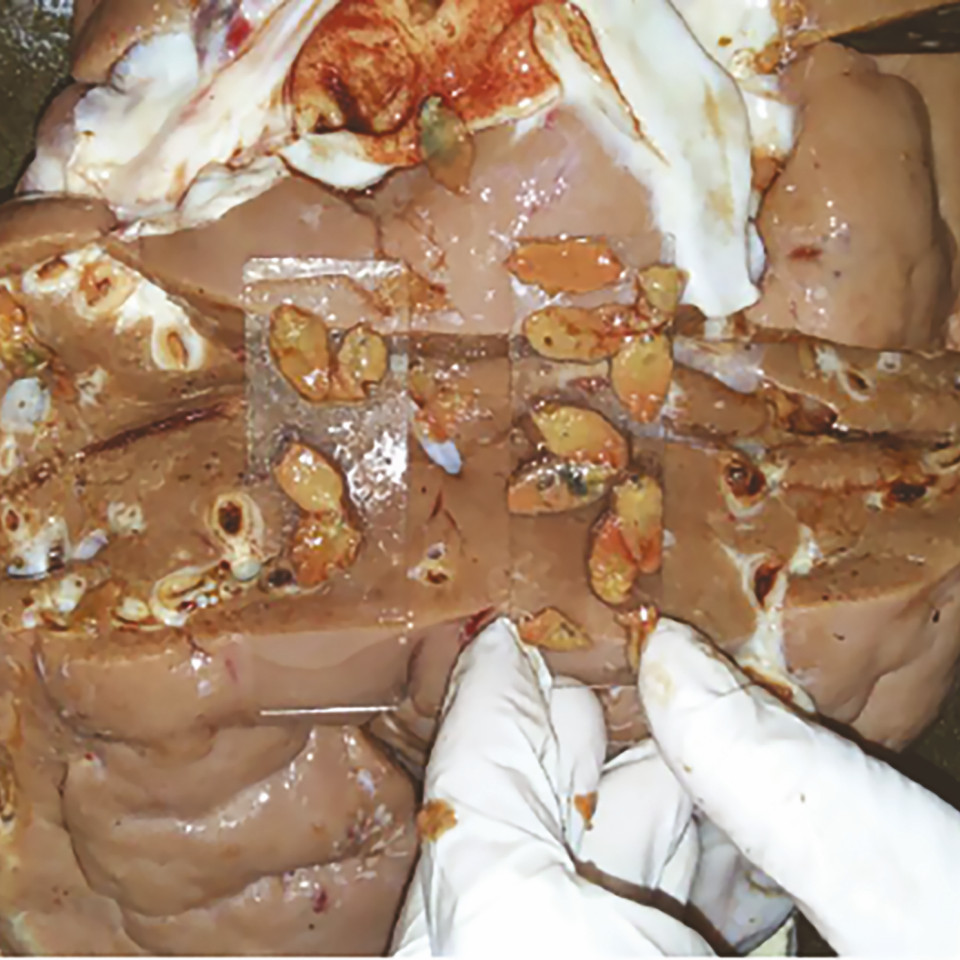

Any disease can be infected with parasites. The majority of doctors will not necessarily treat every infection unless the infection is heavy and the host shows serious signs of disease. From his standpoint, this may be justified because many of the drugs used to treat infections are very powerful.
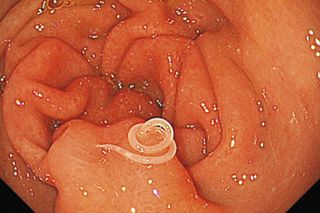
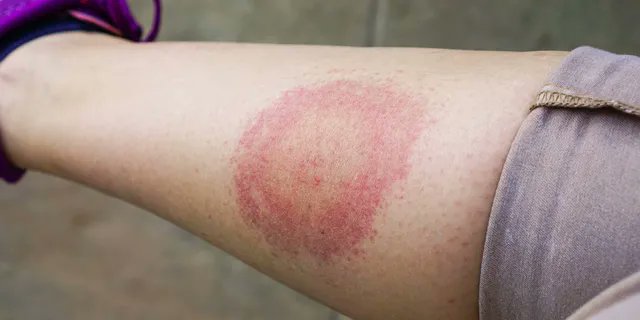
Differential toxicity is the basis of their work. Therefore, the drug should be more toxic to the parasite than to the host. There are times when this margin is thin. A person with parasitic infections is usually undernourished, weak, infected with viruses, fungi, bacteria, and poisoned with metals and chemicals. Natural treatment for parasitic infection involves treating the whole person, usually involving some form of detox program and nutritional rebuilding program to restore balance and health to the body. Combined with an understanding of how the infection occurred and how to avoid it in the future, this will allow the individual to become more self-sufficient in the area of health care.

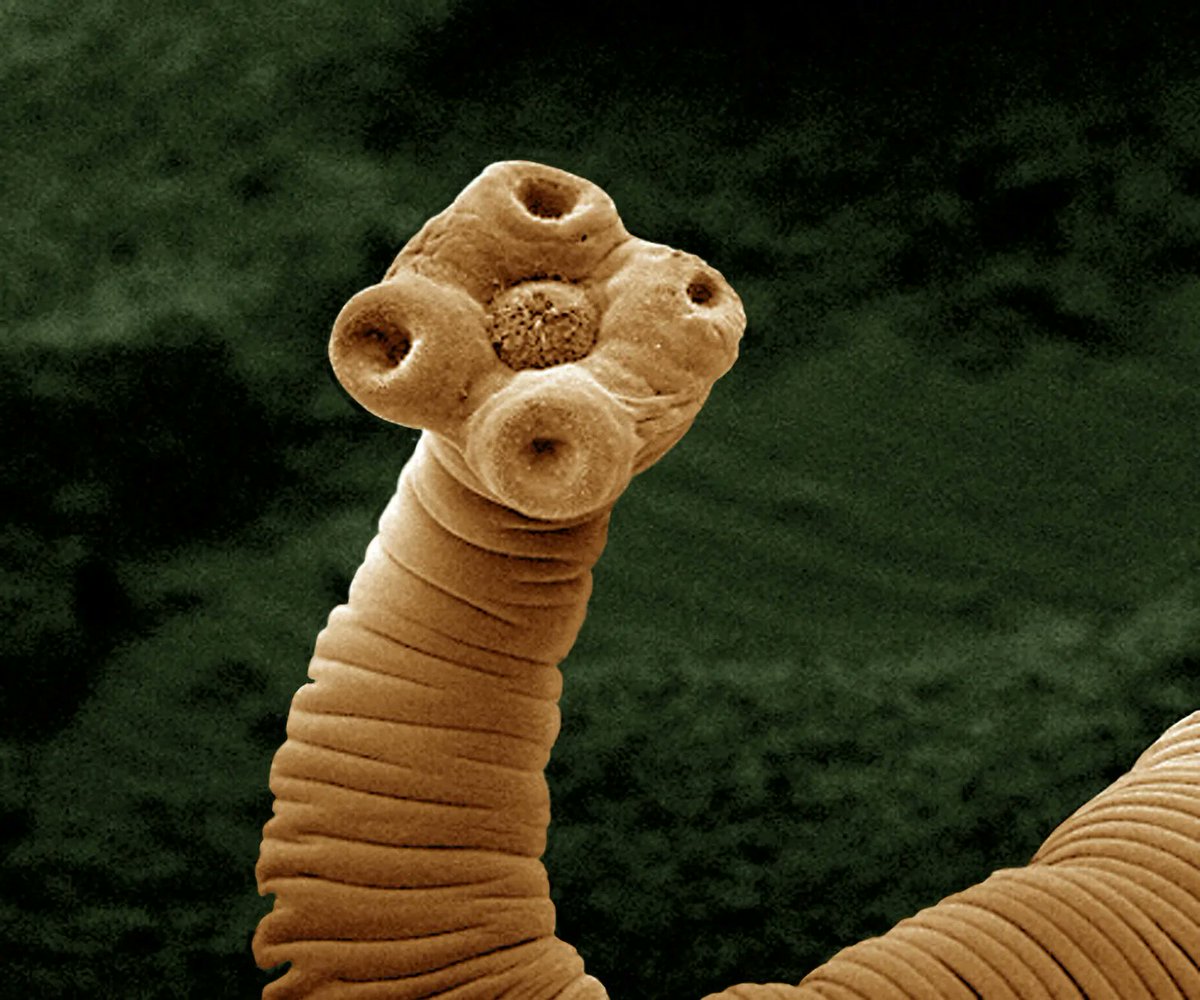
We are told in America that we don't get parasites because we are a 1st world country. This is absolutely untrue. We are in fact a 3rd world country where parasites rule our food, water and air.
Naturally get rid of your parasites with herbs, not medications.
The healing effects of removing parasites are life changing.
Naturally get rid of your parasites with herbs, not medications.
The healing effects of removing parasites are life changing.
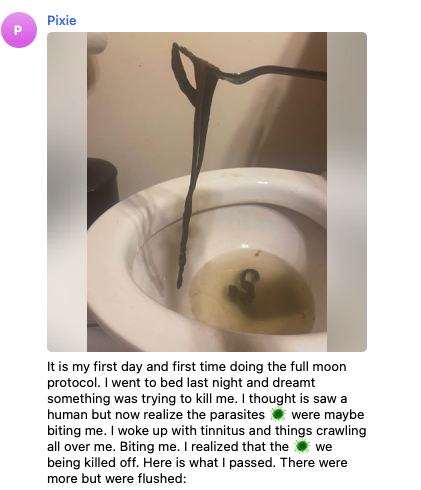
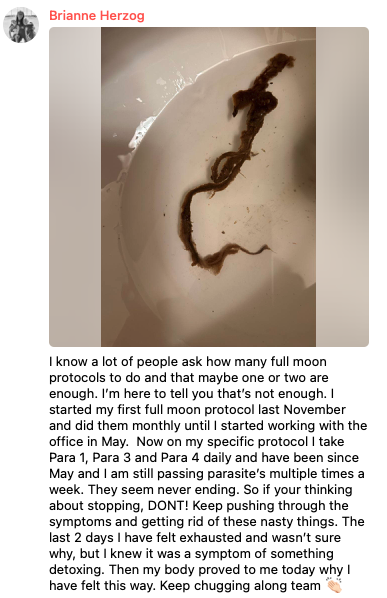
Sources:
Dr. Jason Dean BraveTV
Barbara Frank
ECO Seminars
Dr. Jason Dean BraveTV
Barbara Frank
ECO Seminars
Loading suggestions...