

6 actionable tips to 10x your writing—in the next 5 minutes:
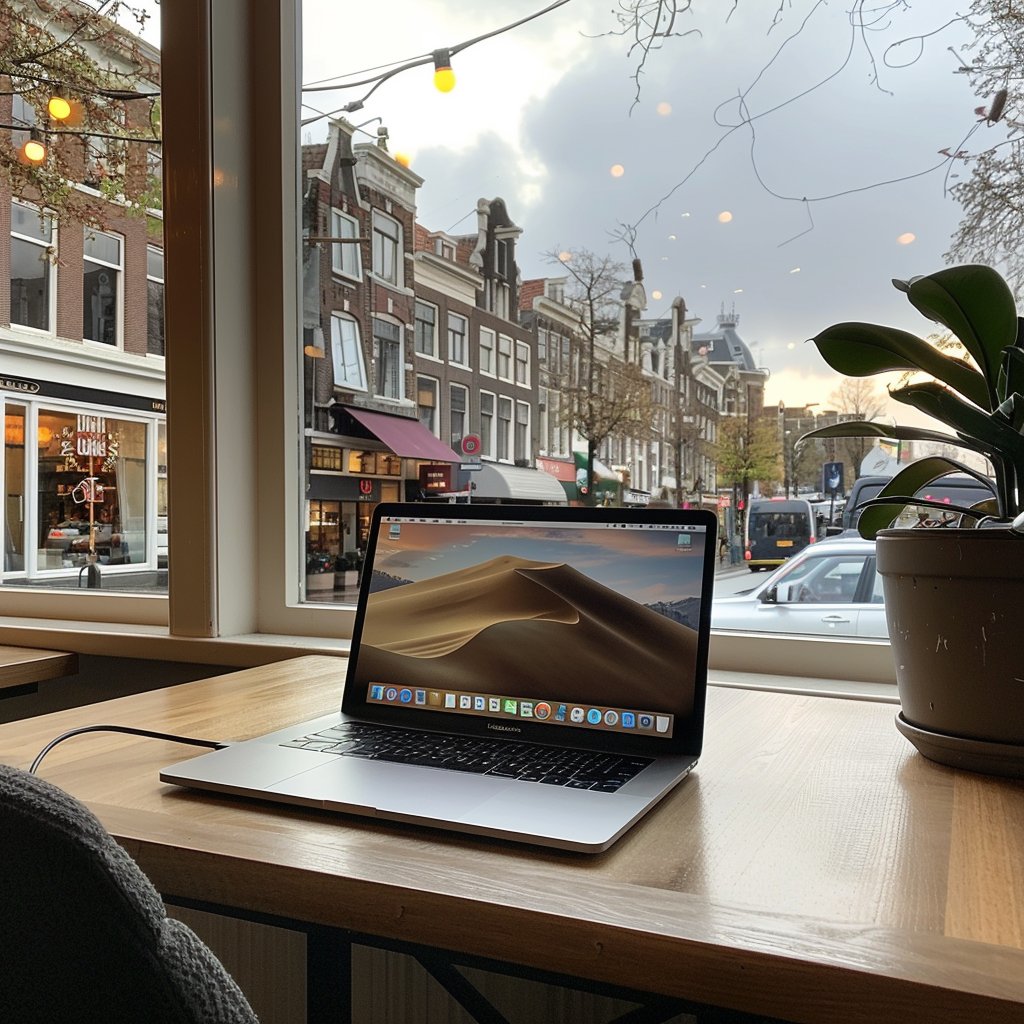
1. Proofread on a different screen than the one you wrote
This is the ultimate editing hack—and something almost everyone overlooks.
Here's why it works:
This is the ultimate editing hack—and something almost everyone overlooks.
Here's why it works:
For most people, they both write & edit on desktop - never even considering mobile.
But now, 70% of reading happens via mobile.
And editing from your phone does 2 things:
But now, 70% of reading happens via mobile.
And editing from your phone does 2 things:
First, reading on mobile gives you fresh eyes.
This new perspective makes it *painfully obvious* which parts to cut/rewrite.
Second, reading from mobile puts formatting/skimmability top of mind.
This is important because...
This new perspective makes it *painfully obvious* which parts to cut/rewrite.
Second, reading from mobile puts formatting/skimmability top of mind.
This is important because...
On the internet (and on phones especially) people don't "read."
They SKIM!
Then, they read.
And if you don't give them a reason to keep reading while they skim, they won't even consider reading.
Back to TikTok and Netflix they go.
They SKIM!
Then, they read.
And if you don't give them a reason to keep reading while they skim, they won't even consider reading.
Back to TikTok and Netflix they go.
2. Write and edit at different times.
I used to think writing and editing were the same thing – but they're different processes.
And your writing will *always* look good shortly after writing it – because you just wrote it!
So, you need to give it time to breathe.
Try this:
I used to think writing and editing were the same thing – but they're different processes.
And your writing will *always* look good shortly after writing it – because you just wrote it!
So, you need to give it time to breathe.
Try this:
• Brain dump 10 bullets on an idea before bed
• Wake up the next morning and write about it for 30 minutes
• Wait 24 hours—then edit it the next morning (using the editing checklist in the next tip)
• Hit publish (before it's ready)
Boom! On to tip number 3:
• Wake up the next morning and write about it for 30 minutes
• Wait 24 hours—then edit it the next morning (using the editing checklist in the next tip)
• Hit publish (before it's ready)
Boom! On to tip number 3:
3. Read your writing aloud
It's hard to *see* the clunky bits in your writing – sometimes you have to *hear* them.
So when reading aloud, listen for 2 things:
It's hard to *see* the clunky bits in your writing – sometimes you have to *hear* them.
So when reading aloud, listen for 2 things:
• Find where you are out of breath
This means you have run-on sentences – combine them.
• Find where you stumble over words
This means you're using jargon or trying to sound smart – simplify it.
Quick & easy – but why does this work?
That brings us to tip #4:
This means you have run-on sentences – combine them.
• Find where you stumble over words
This means you're using jargon or trying to sound smart – simplify it.
Quick & easy – but why does this work?
That brings us to tip #4:
4. Write like you talk
The secret to great writing?
It doesn't *sound* like writing.
When you read something aloud, 99% of the time you will find it hard to speak.
And writing that is hard to speak is hard to read.
So use this little hack to start writing like you talk:
The secret to great writing?
It doesn't *sound* like writing.
When you read something aloud, 99% of the time you will find it hard to speak.
And writing that is hard to speak is hard to read.
So use this little hack to start writing like you talk:
• Download the app otter [dot] ai
• Go for a walk and record yourself talking out an idea
• Use the transcription as the outline for your next piece of writing—and use that same writing voice!
Just like that, you've found your writing voice.
Now, for the final 2 tips:
• Go for a walk and record yourself talking out an idea
• Use the transcription as the outline for your next piece of writing—and use that same writing voice!
Just like that, you've found your writing voice.
Now, for the final 2 tips:
5. Write to 1 specific person to solve 1 specific problem.
I used to try & write for everyone – never wanting to cut out a reader by being specific.
But writing for everyone means writing for no one.
So now, I answer these 6 questions every time I sit down to write:
I used to try & write for everyone – never wanting to cut out a reader by being specific.
But writing for everyone means writing for no one.
So now, I answer these 6 questions every time I sit down to write:
• What problem am I solving?
• Whose problem am I solving?
• What benefits am I unlocking?
• What promise am I making?
• What emotion am I generating?
• What's the next action my reader should take?
(Staple these to your desk).
Now, onto the last and most important tip:
• Whose problem am I solving?
• What benefits am I unlocking?
• What promise am I making?
• What emotion am I generating?
• What's the next action my reader should take?
(Staple these to your desk).
Now, onto the last and most important tip:
6. Resist every urge to be clever
Remember, you're competing with Netflix & TikTok for attention.
And for some reason, they think the best way to "differentiate" is being clever or funny.
But more often than not, this leads to a confused reader.
And a confused reader = gone.
Remember, you're competing with Netflix & TikTok for attention.
And for some reason, they think the best way to "differentiate" is being clever or funny.
But more often than not, this leads to a confused reader.
And a confused reader = gone.
Boom— that's it!
Quick recap:
6 actionable tips to 10x your writing in 5 minutes:
1. Write for 1 person
2. Write like you talk
3. Read your writing aloud
4. Resist all urges to be clever
5. Write & edit at different times
6. Proofread on a different screen than you wrote
Quick recap:
6 actionable tips to 10x your writing in 5 minutes:
1. Write for 1 person
2. Write like you talk
3. Read your writing aloud
4. Resist all urges to be clever
5. Write & edit at different times
6. Proofread on a different screen than you wrote
Looking for more writing tips?
Here's a free 13,000-word Ultimate Guide with everything you need to get started writing online.
Join over 150,000 people who finally started writing after reading it:
x.startwritingonline.com
Here's a free 13,000-word Ultimate Guide with everything you need to get started writing online.
Join over 150,000 people who finally started writing after reading it:
x.startwritingonline.com

Which one of these tips will you be trying?
If you found this helpful:
1. Follow me @dickiebush for more threads on digital writing
2. Repost the top post to bookmark it and share it with others
Here's the link to jump back to the top:
If you found this helpful:
1. Follow me @dickiebush for more threads on digital writing
2. Repost the top post to bookmark it and share it with others
Here's the link to jump back to the top:
Loading suggestions...