

Beethoven is a perfect example of Nietzsche's "Master Morality"
It was not love or compassion that motivated him, but a competitive desire to excel and dominate.
Dig into the ruthless mindset of history's greatest composer:
It was not love or compassion that motivated him, but a competitive desire to excel and dominate.
Dig into the ruthless mindset of history's greatest composer:
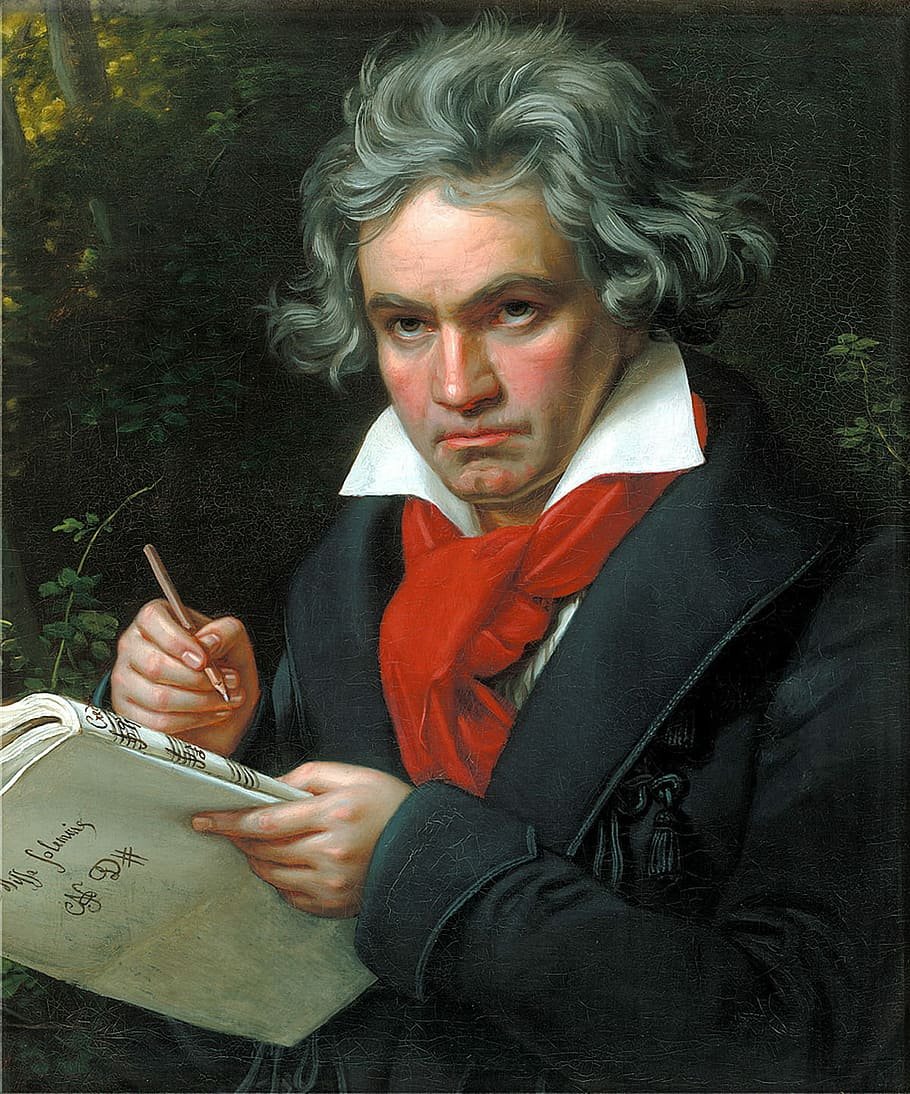
1. For Nietzsche, master morality begins with boundless self-assurance.
Beethoven was no stranger to self-belief. He once said it's better to hit the wrong note confidently than to hit the right note unconfidently...
Beethoven was no stranger to self-belief. He once said it's better to hit the wrong note confidently than to hit the right note unconfidently...
2. In a 1793 letter, Beethoven wrote he believed in doing good "whenever one can," never denying the truth, and loving liberty "above all."
But by 1798, Beethoven valued POWER above all: "Power is the moral principle of those who excel others, and it is also mine..."
But by 1798, Beethoven valued POWER above all: "Power is the moral principle of those who excel others, and it is also mine..."
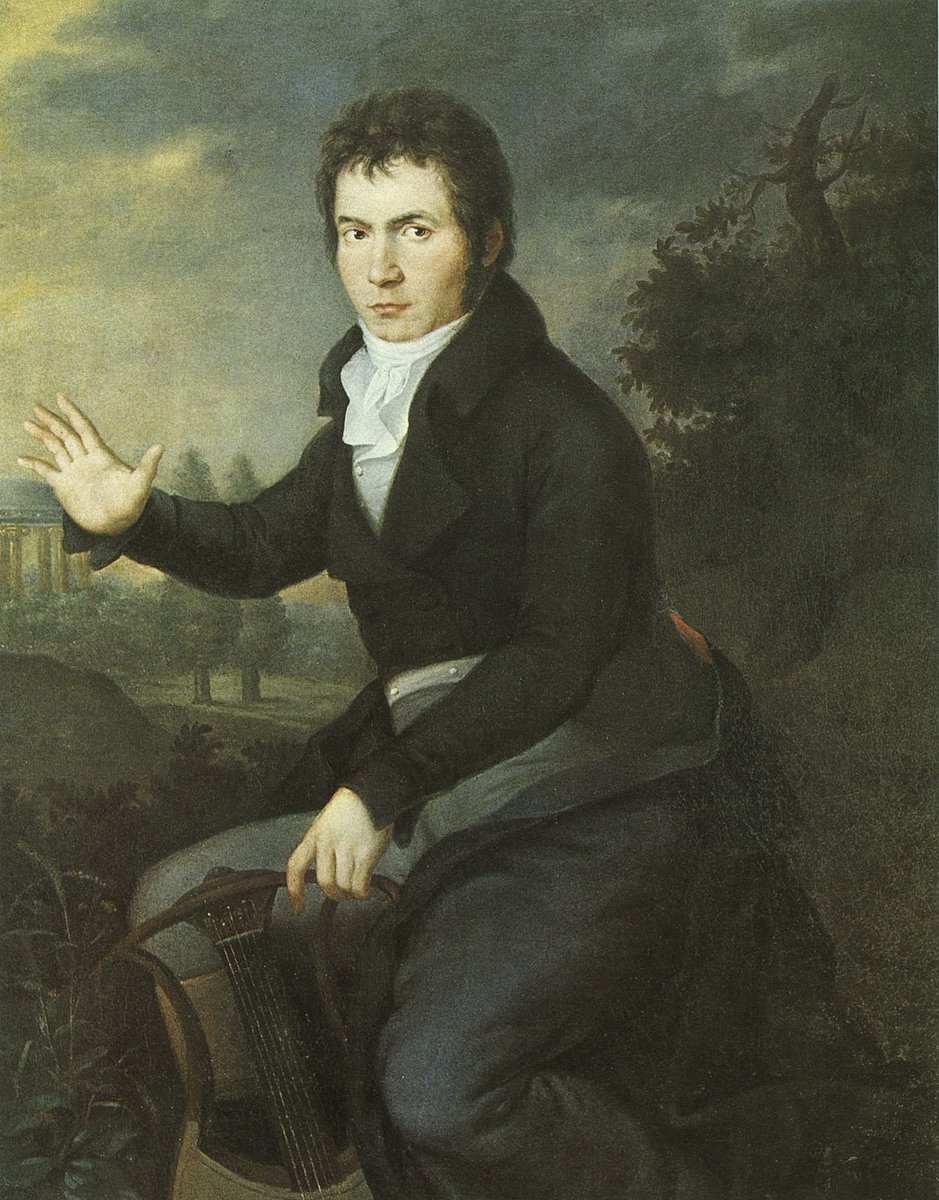
3. Beethoven to his friend Nikolaus: "The devil take you. I refuse to hear anything about your whole moral outlook."
Morality became, to Beethoven, a semantics game. He embraced his musical "will to power." Greatness and achievement are all that mattered...
Morality became, to Beethoven, a semantics game. He embraced his musical "will to power." Greatness and achievement are all that mattered...
4. From a 1977 Beethoven biography: "In 1801, Beethoven referred to two of his friends as 'merely instruments on which to play when I feel inclined. I value them merely for what they do for me.'"
70 years later, Nietzsche would write masses are at best instruments for the greats
70 years later, Nietzsche would write masses are at best instruments for the greats
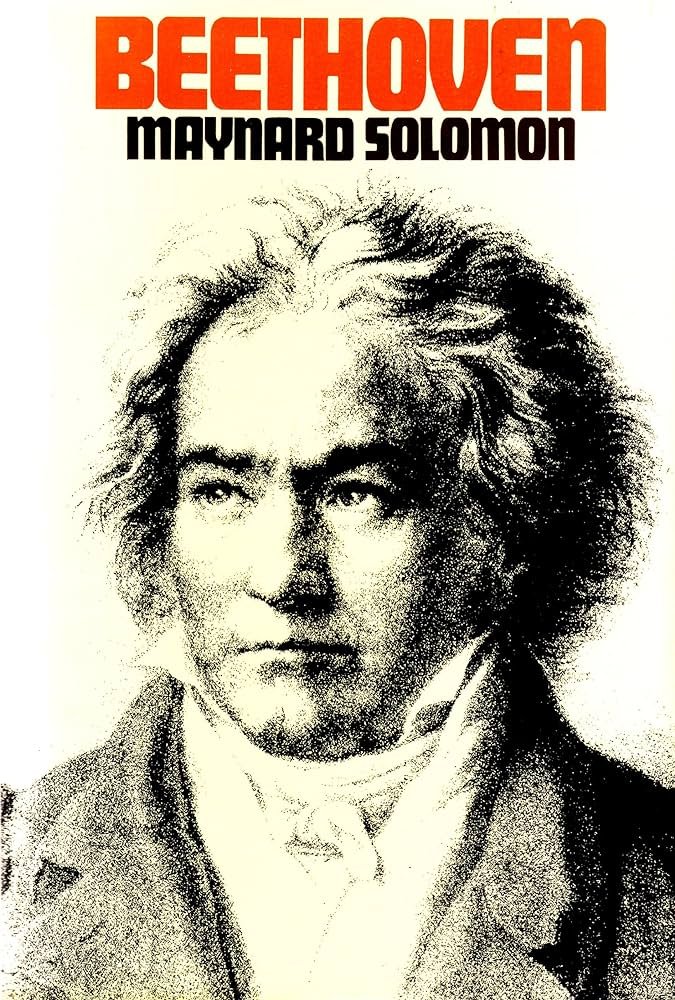

5. Three quotes showing that for Beethoven, music was a tool to demonstrate (and immortalize!) his creative power:
a. "Don’t only practice your art, but force your way into its secrets."
b. "To play without passion is inexcusable!"
c. "I shall seize fate by the throat."
a. "Don’t only practice your art, but force your way into its secrets."
b. "To play without passion is inexcusable!"
c. "I shall seize fate by the throat."
Beethoven is not the exception.
Nietzsche thinks that all types of greatness (political, athletic, literary, scientific, entrepreneurial ...) requires this ruthless, inegalitarian, maniacal mindset.
Nietzsche thinks that all types of greatness (political, athletic, literary, scientific, entrepreneurial ...) requires this ruthless, inegalitarian, maniacal mindset.
Read the biographies of Kobe, Steve Jobs, Napoleon ... they may pay lip service to egalitarian morality. But in their revealed actions, they embody Nietzsche's master morality.
Here's my 90 minute lecture on this key insight from Nietzsche: youtube.com
Here's my 90 minute lecture on this key insight from Nietzsche: youtube.com
If you want to understand the key ideas from the most important books of all time, follow @JohnathanBi and join my email list (link in bio)
Loading suggestions...