

A desert oasis in the Middle East, the architecture of Oman is suited to its different terrain, ranging from mountain houses to desert tents, coastal forts & mud houses. More than just practical, the architecture gives insight into Omani culture
A thread on the beauty of Oman…
A thread on the beauty of Oman…
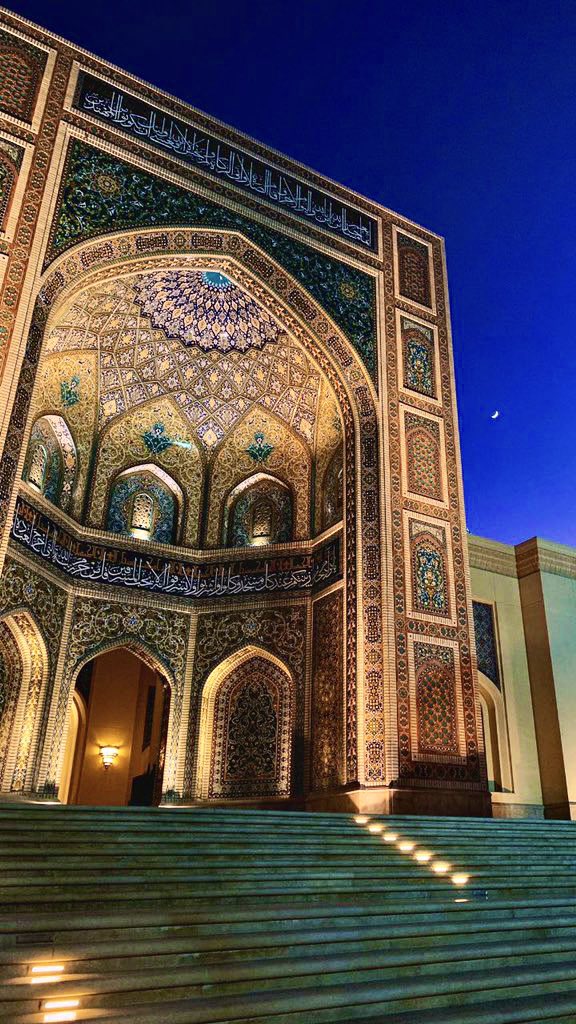
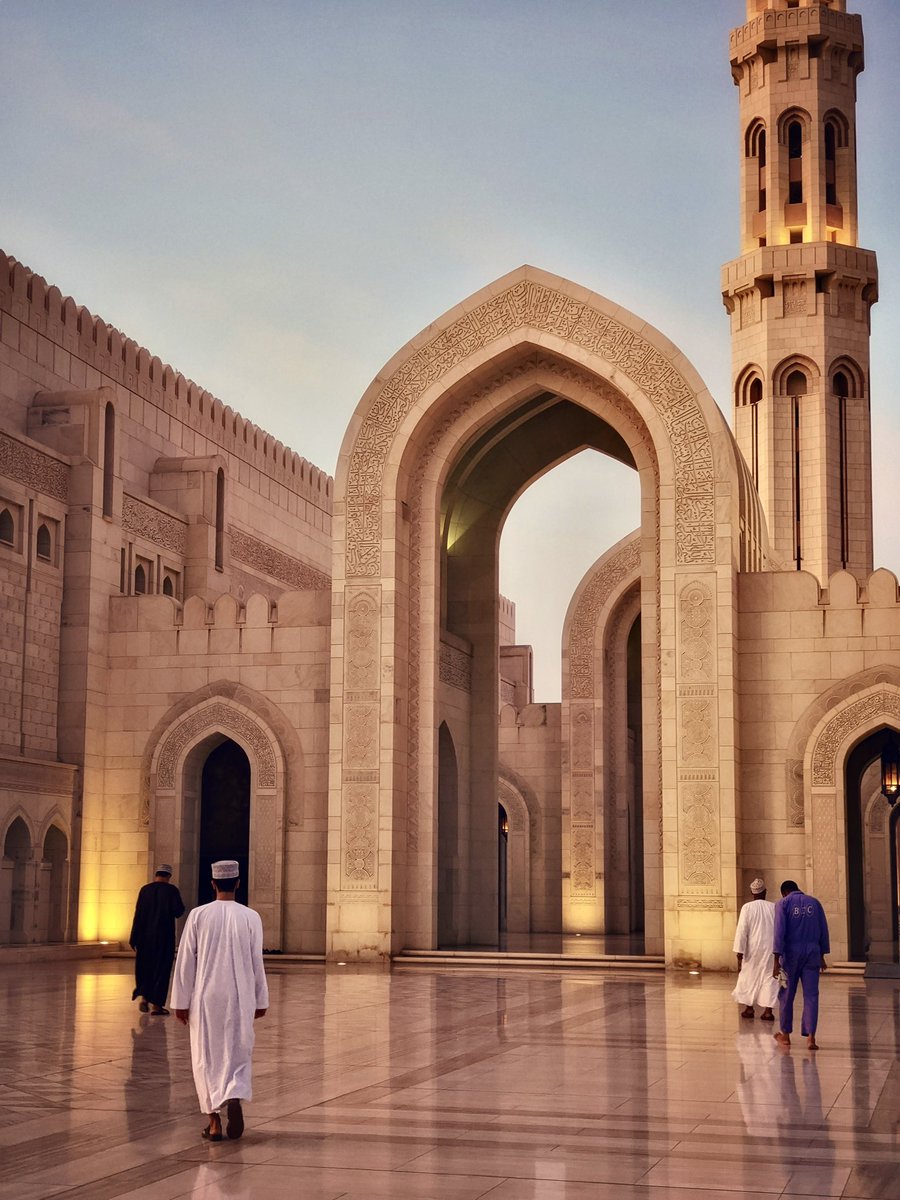
1/ Sultan Qaboos Grand Mosque in Muscat, Oman is modern Islamic architecture at its finest. The Mosque is hewn out of Indian sandstone and shows an elegant design backed by minimalism
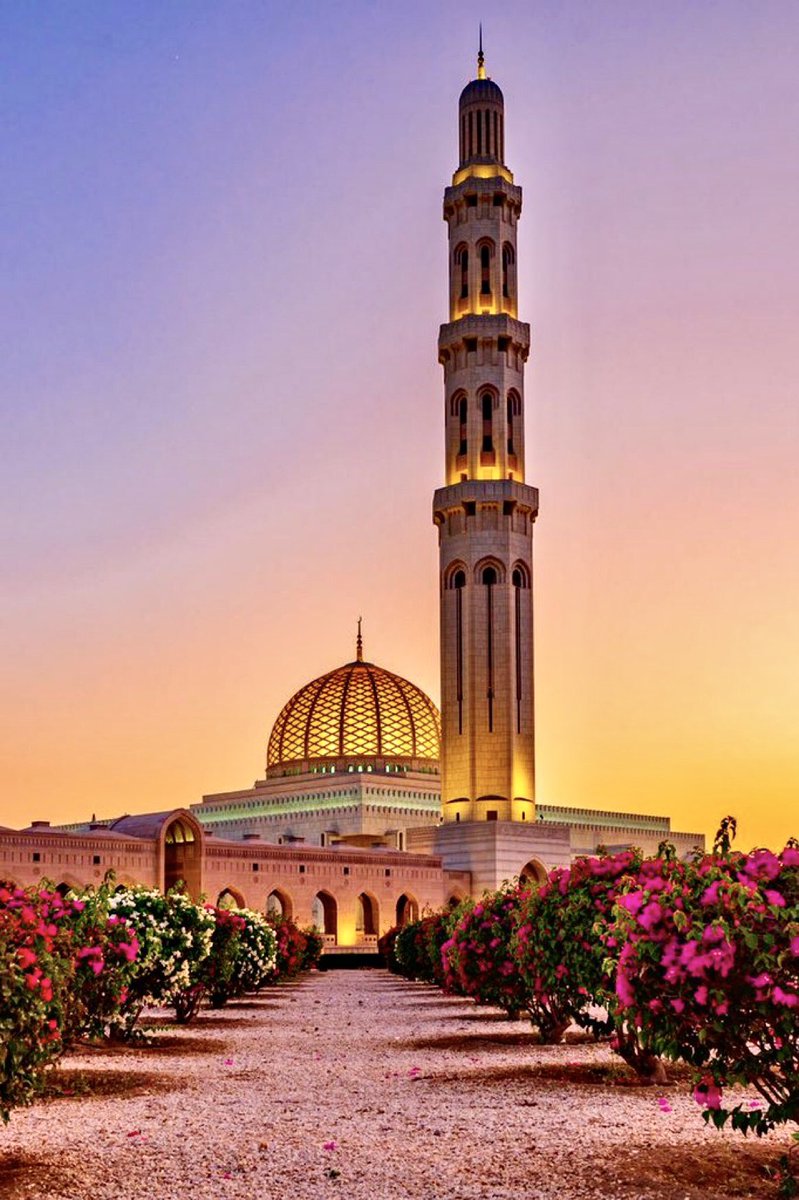
2/ Sultan Qaboos Grand Mosque, Oman, is a real feast for the senses with archways, courtyards and mosaics with Persian designs, as well as white marble floors and ornate doors that were inspired by designs from the city of Samarkand
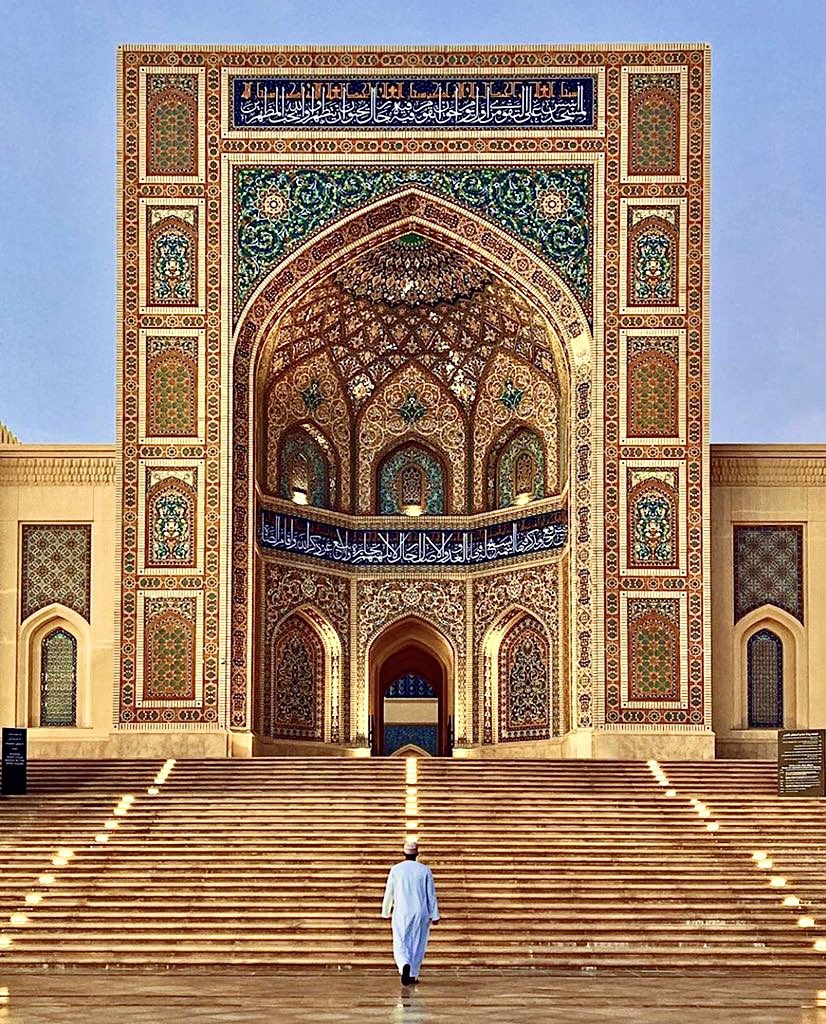
3/ At the Sultan Qaboos Grand Mosque, Oman, arches and walkways have a lovely play of light and shade. The mosque’s architectural style is influenced by Central Asian, Indian Mughal, Iranian and contemporary Islamic styles

4/ Oman was not modernized until the 1970s; its traditional architecture has survived better than in other parts of the Middle East. In small villages like Al Hamra, adobe homes as much as 400 years old, made from mud and bricks with roofs lined by palm trees are still visible
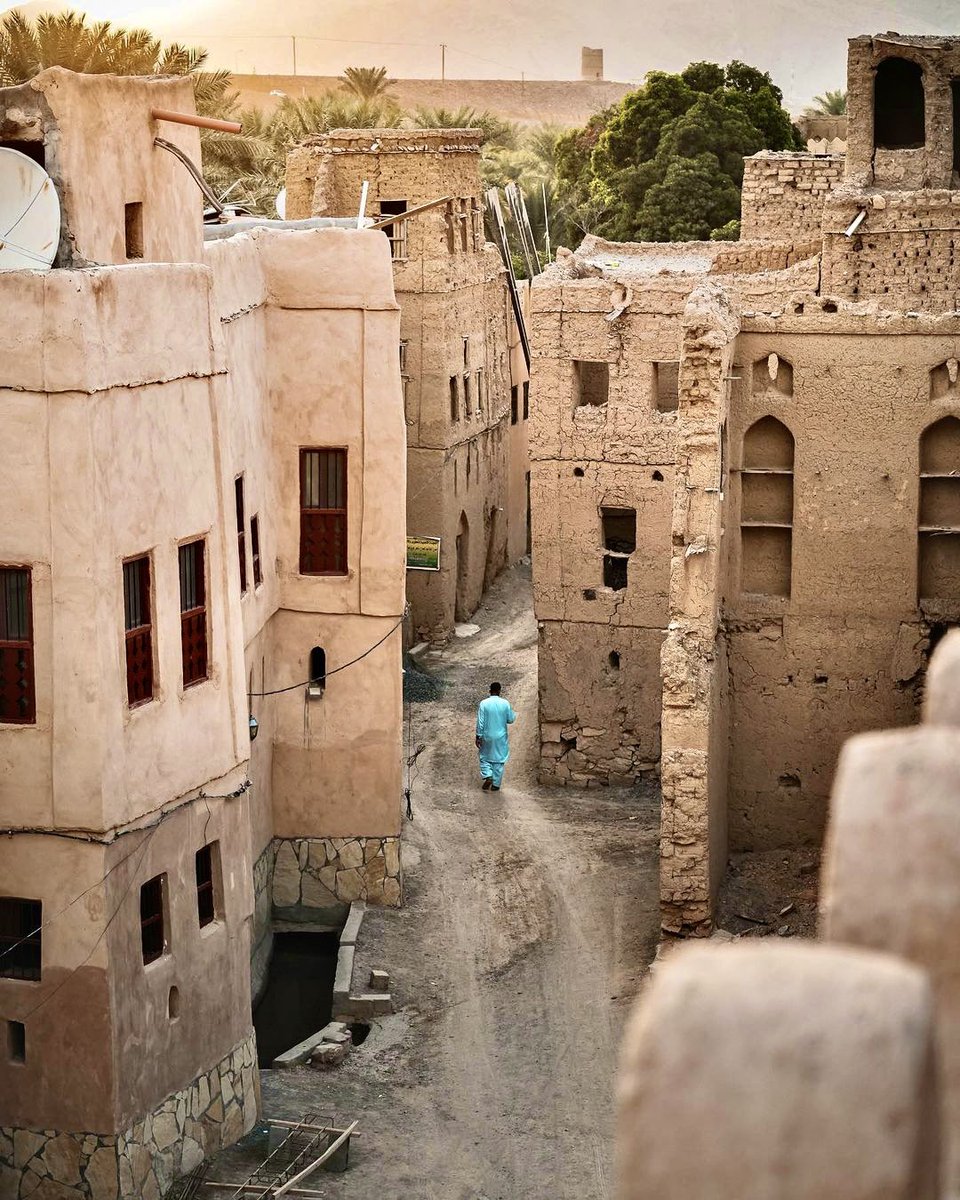
5/ Omani forts, which are a big part of the great country’s heritage. There’s more than 500 existing forts in Oman
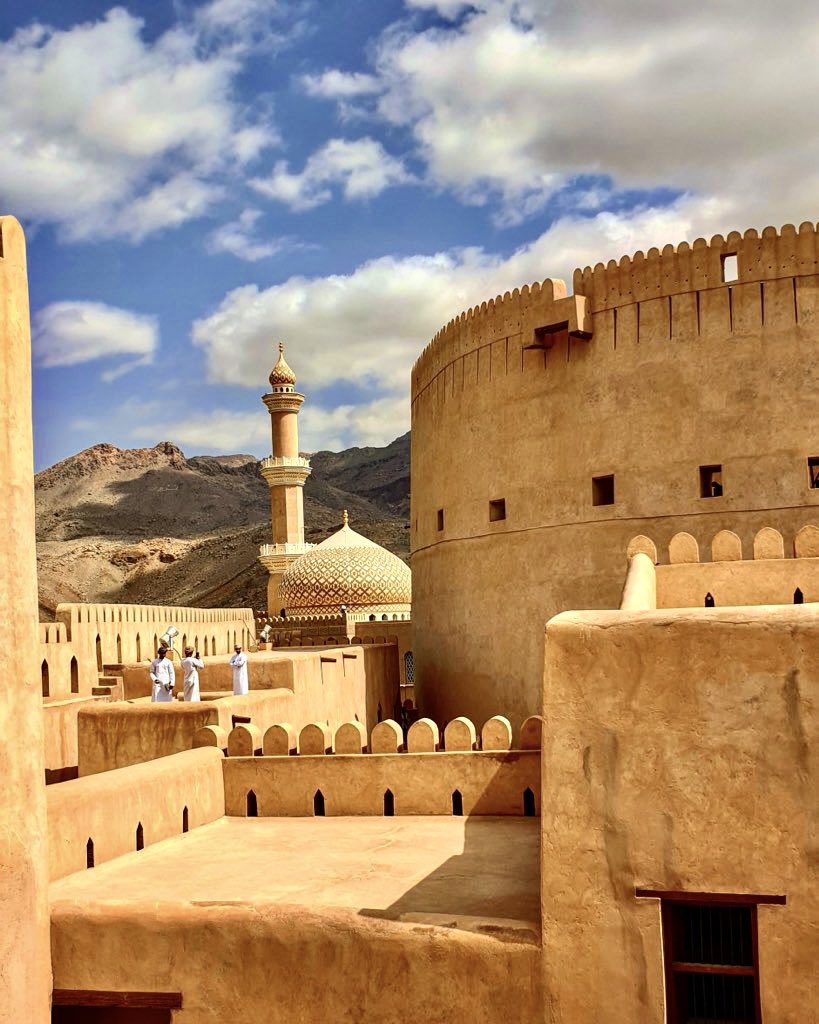
6/ Located approximately 200 kms away from the capital city of Muscat, Bahla Fort is one of the oldest fort in Oman and is believed to have been built between the 12th and 15th century by the Banu Nebhan tribe who were known to trade Frankincense at that time
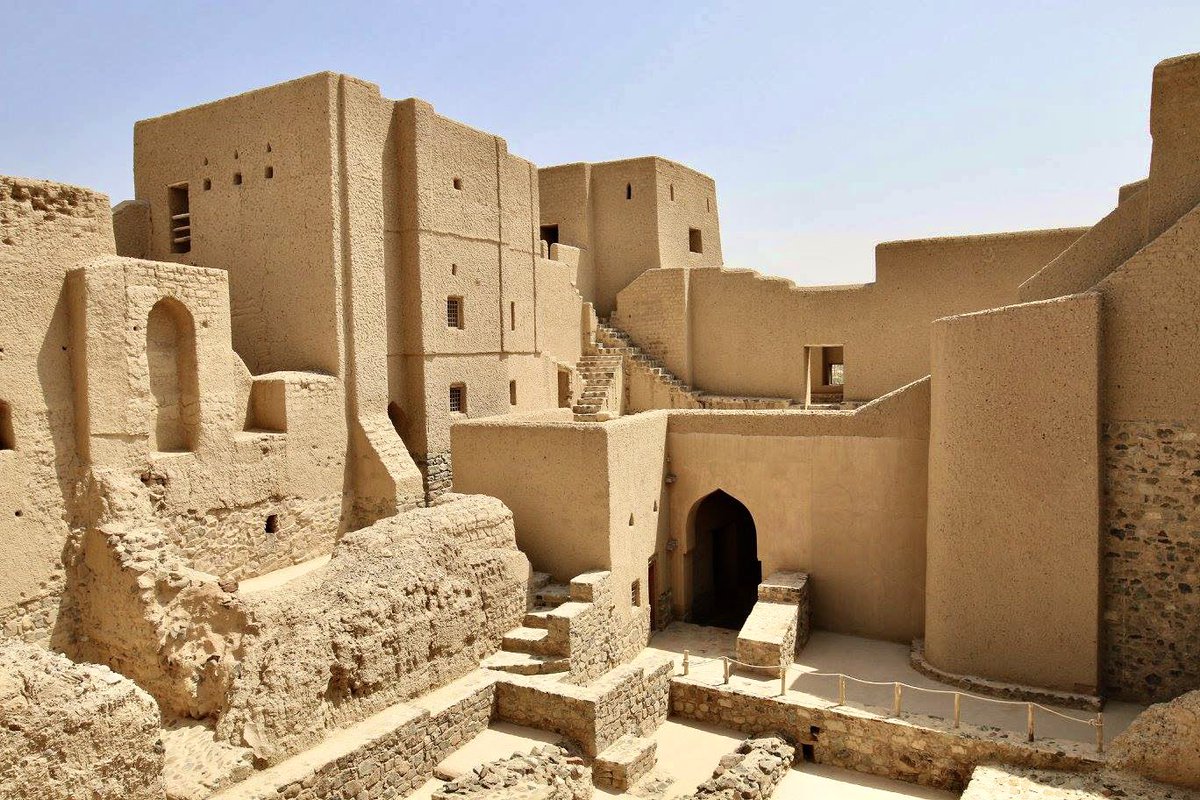
7/ One of the most architecturally stunning towns is Nizwa in Oman with a fort that was influenced by the Portuguese forts of the 16th & 17th centuries. This circular fort with carved wooden portals & adobe walls has interior wells, false doors, secret shafts & even trapdoors
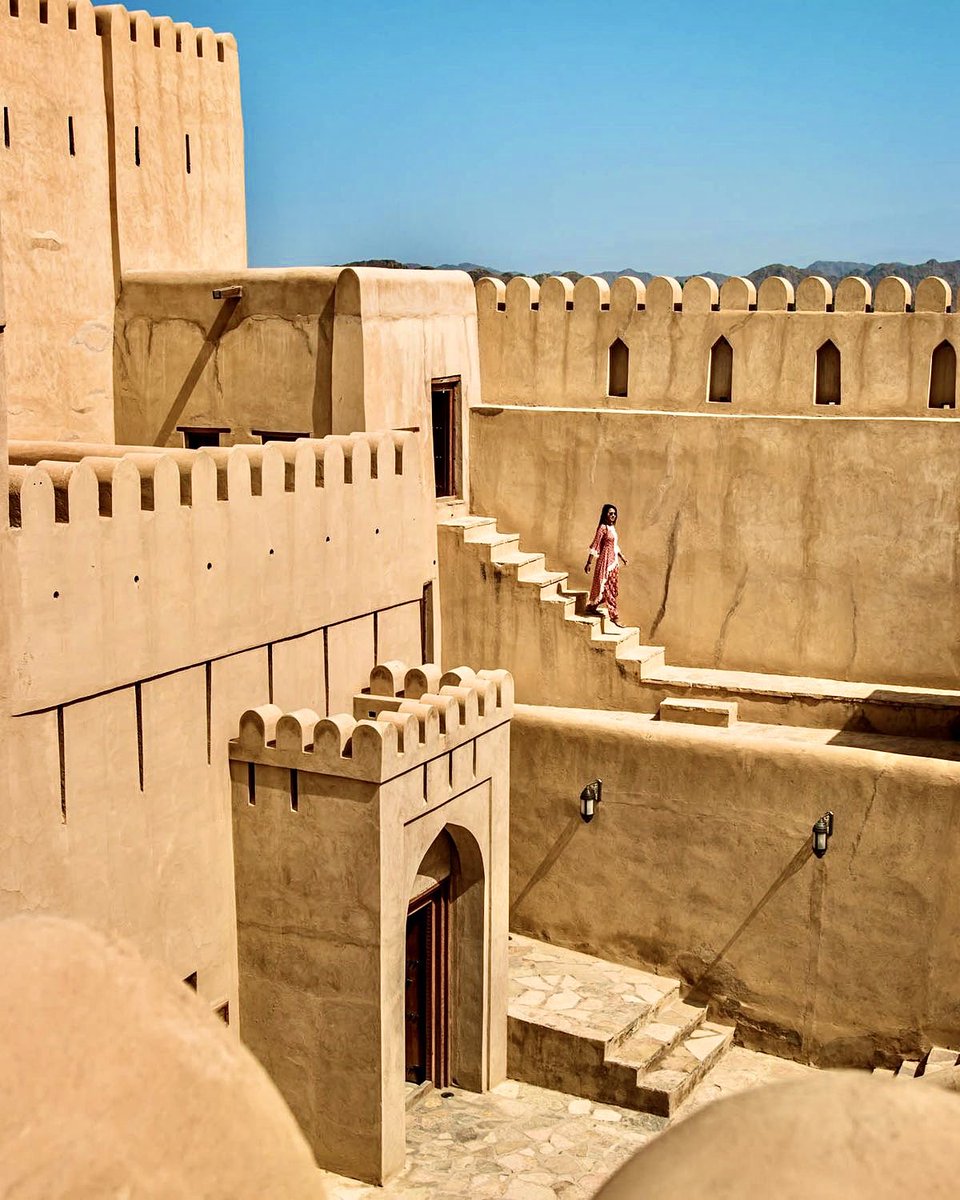
8/ Nizwa Souk, Oman
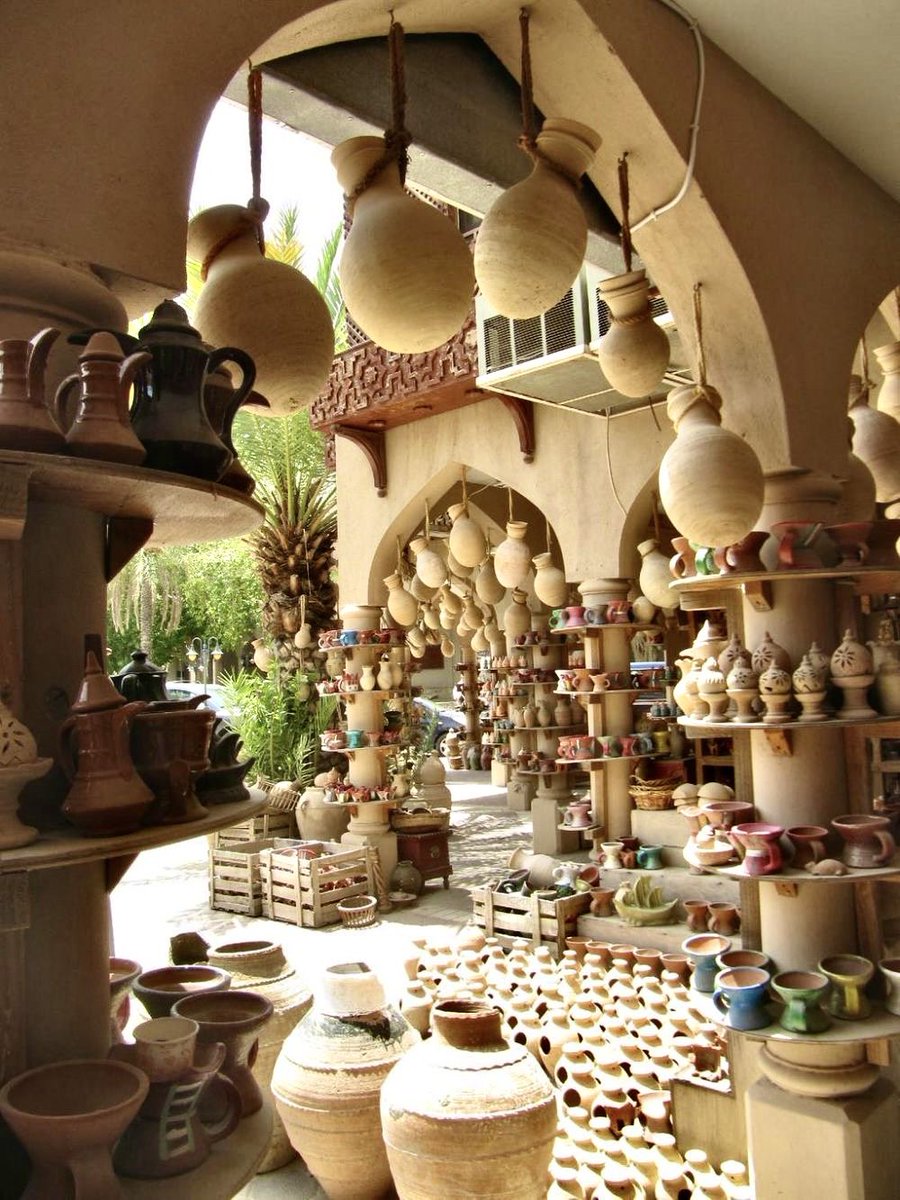
9/ Oman landscape
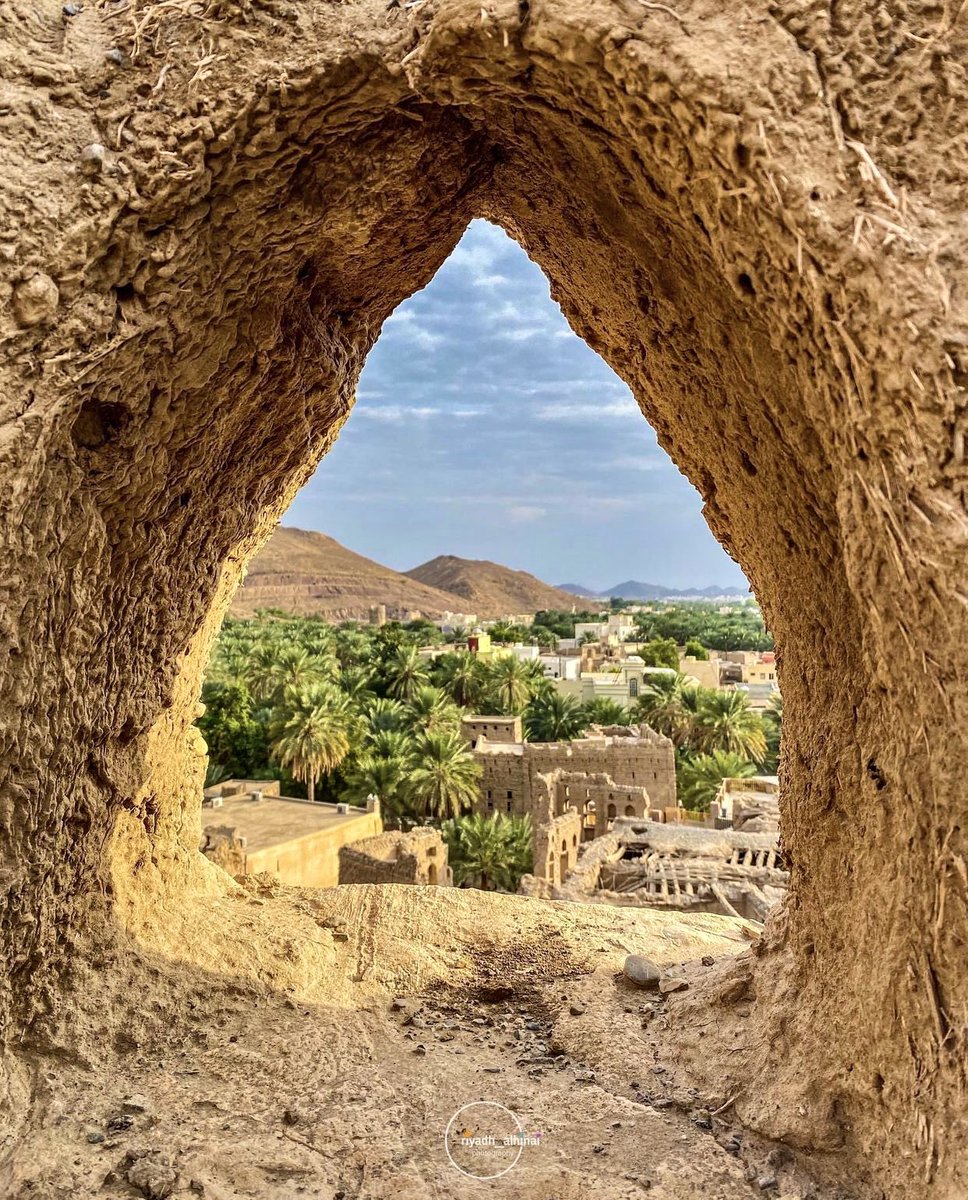
10/ Much of Oman’s architecture is influenced by its trading links and the rise of a rich mercantile class who built lavish mansions with carved wooden doors, usually made from Indian teak carved with Arabic scripts and Islamic geometric designs by local craftsmen
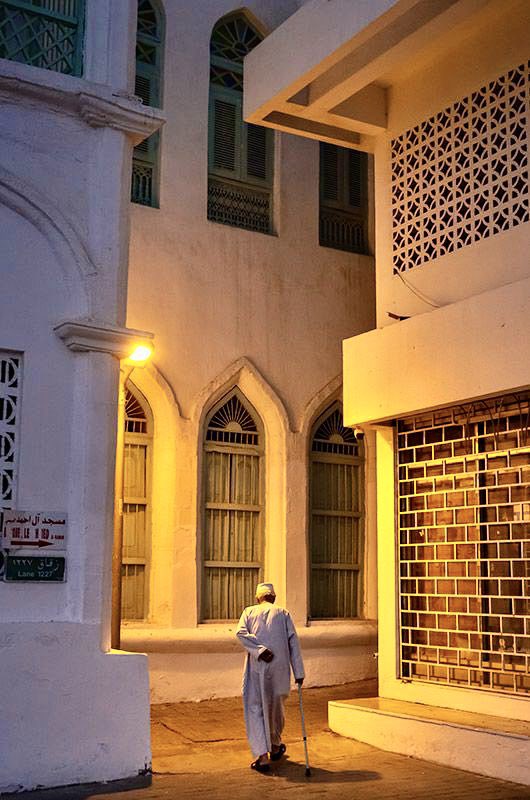
11/ Traditional Omani architecture
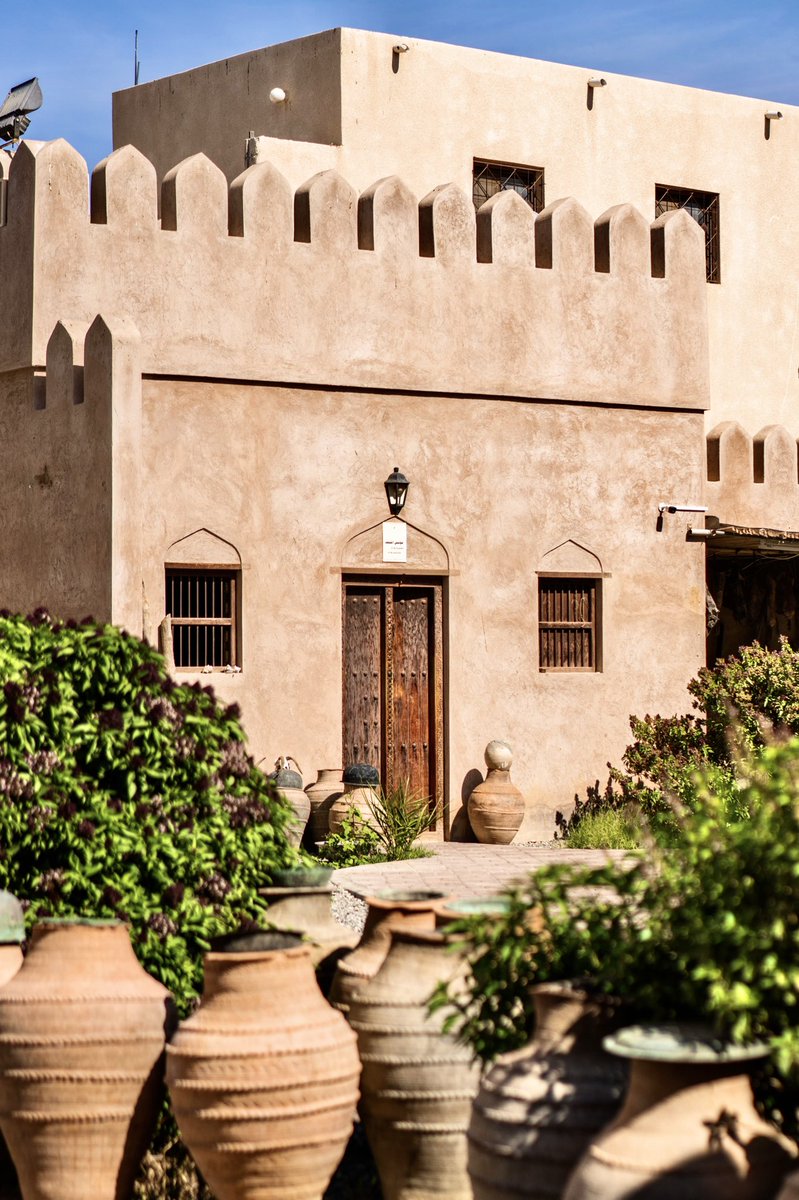
12/ Muscat, Oman
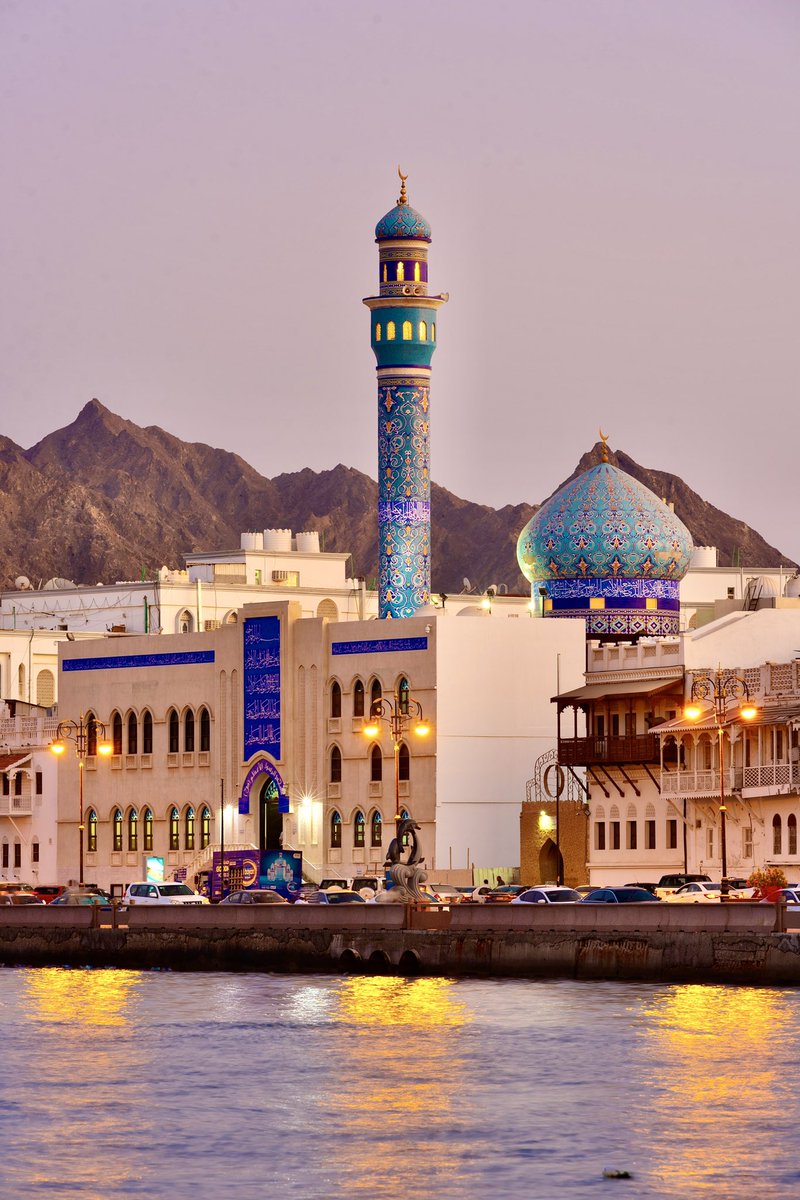
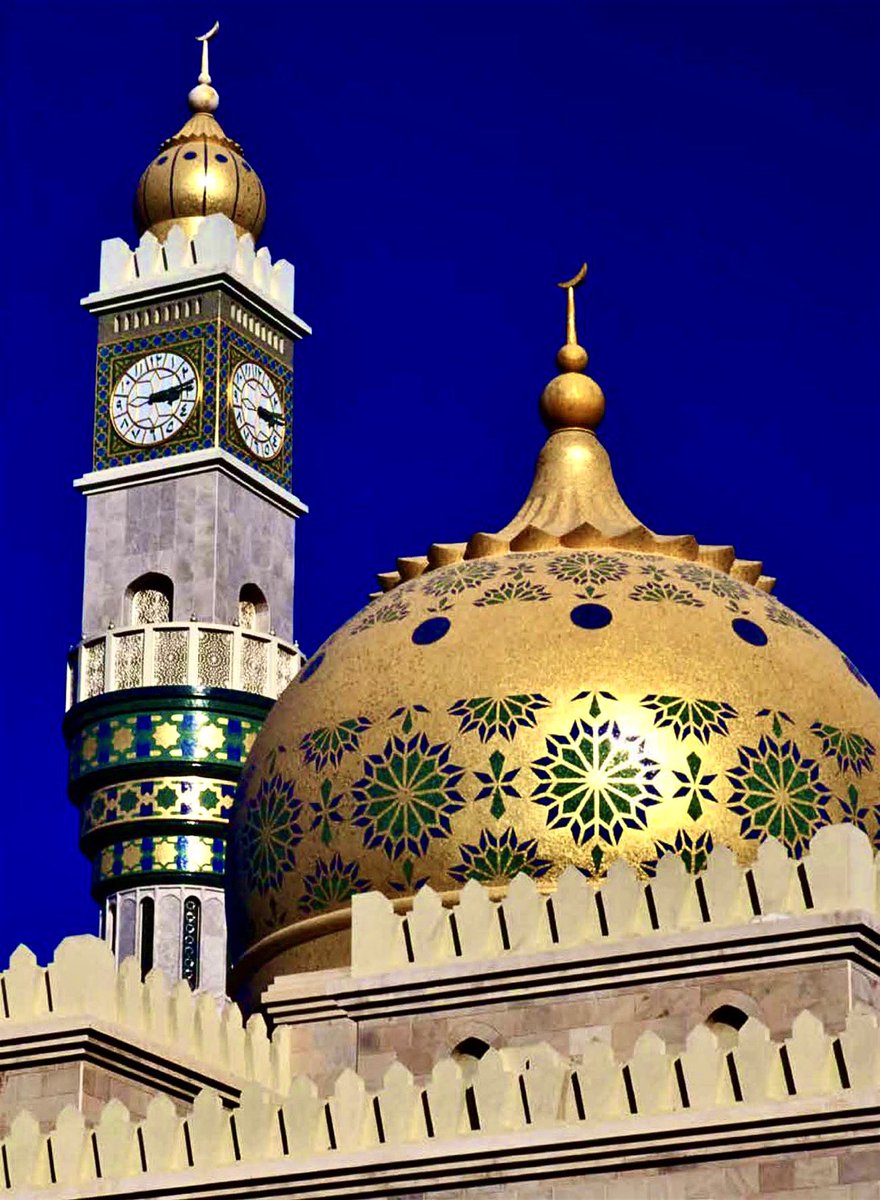
13/ Asma Bint Alawi Mosque, Muscat, Oman Inspired by Moroccan architectural styles. It features a central colourful decorated dome, as well as a clock tower as its minaret
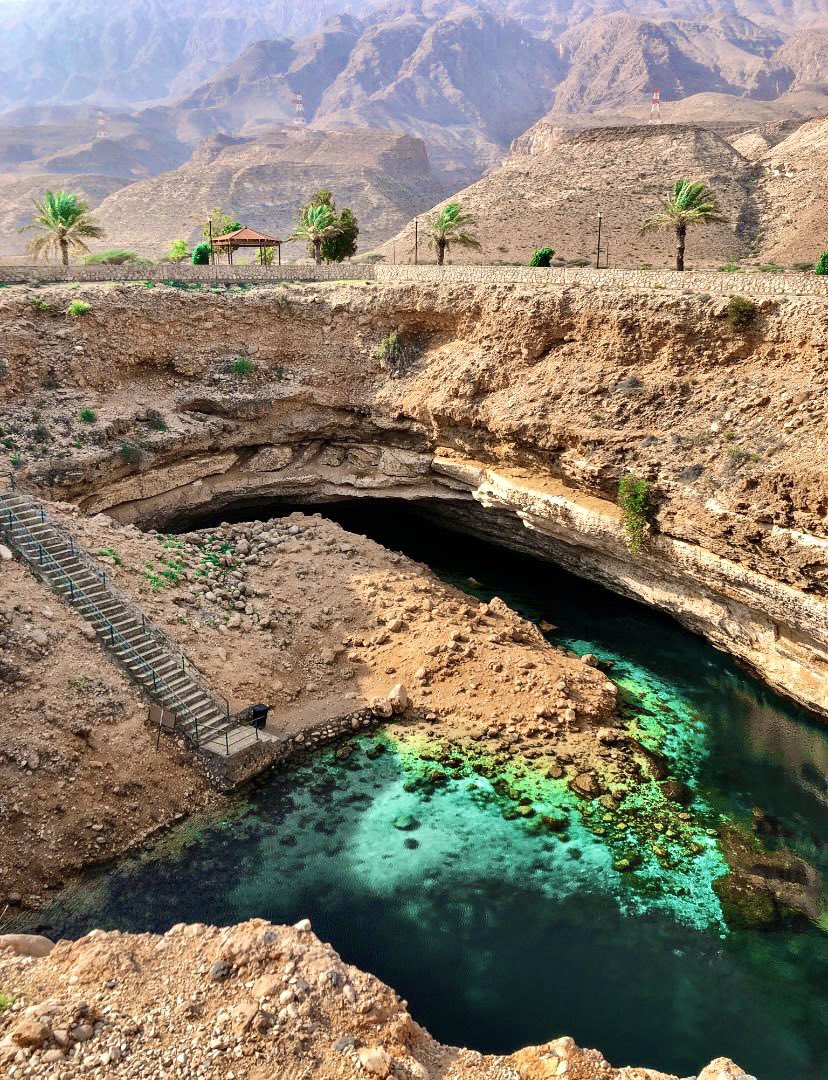
14/ Wadi" is the Arabic term for a valley, commonly used in North Africa & the Middle East. These wadis in Oman are mostly dry, though they fill with water during the monsoons
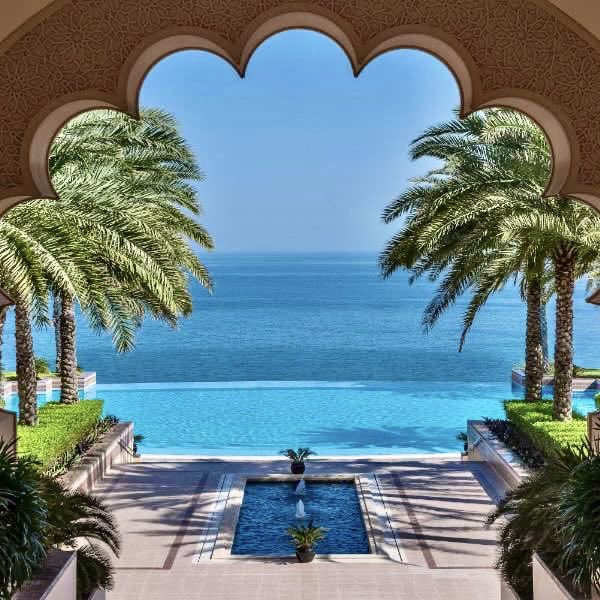
15/ Beautiful views in Oman
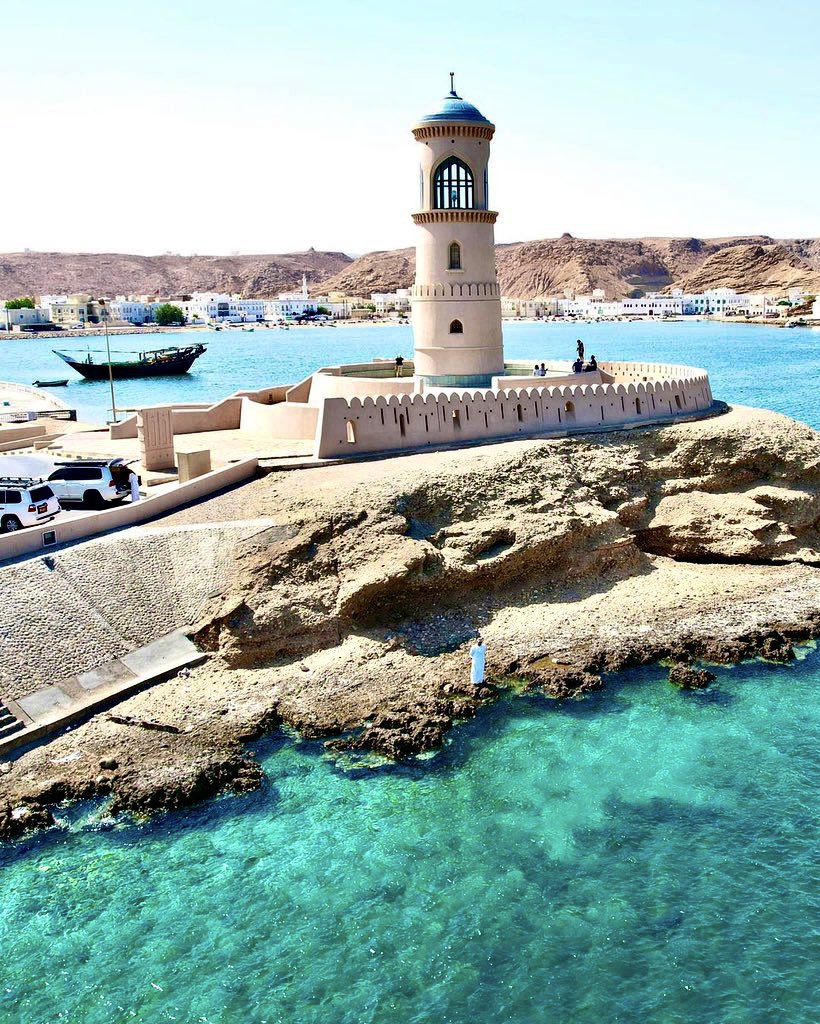
16/ Al Ayjah Lighthouse, Oman
17/ Sustainable houses in the desert, Oman
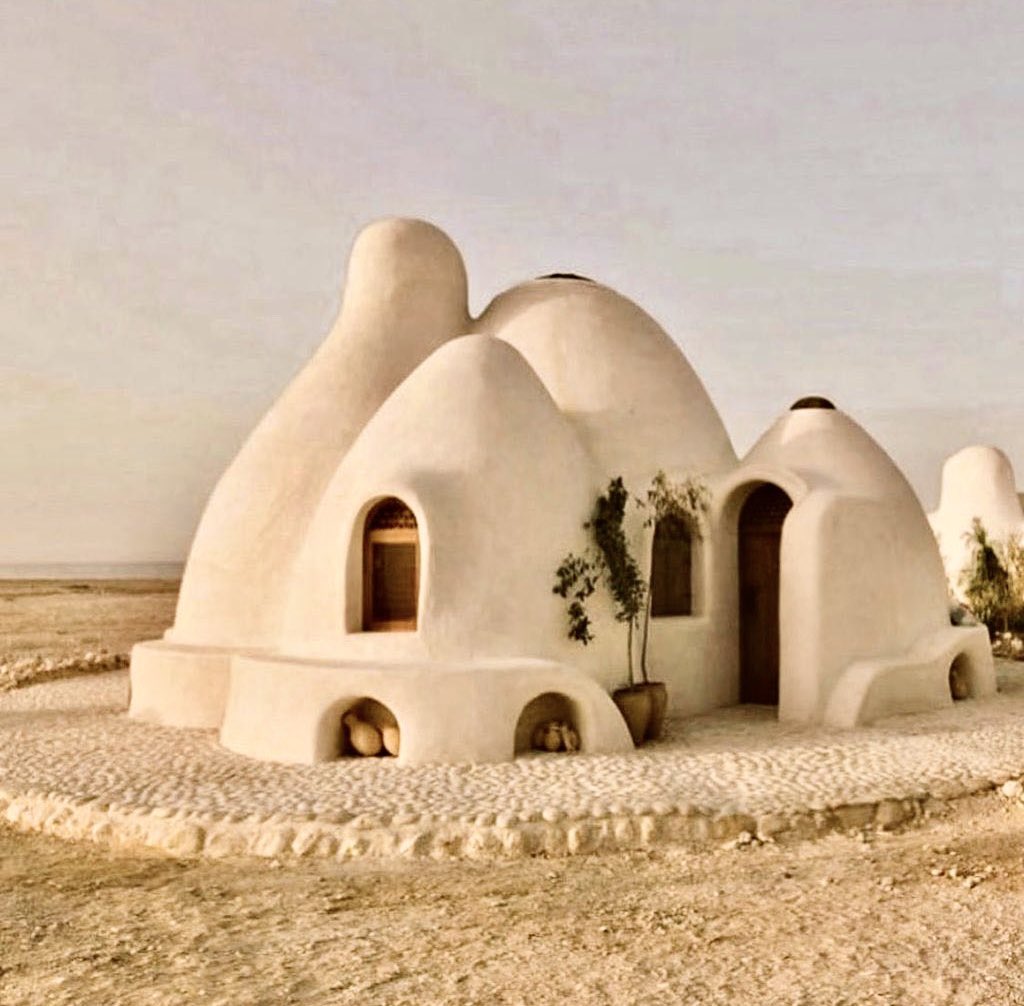
18/ Desert Architecture, Oman
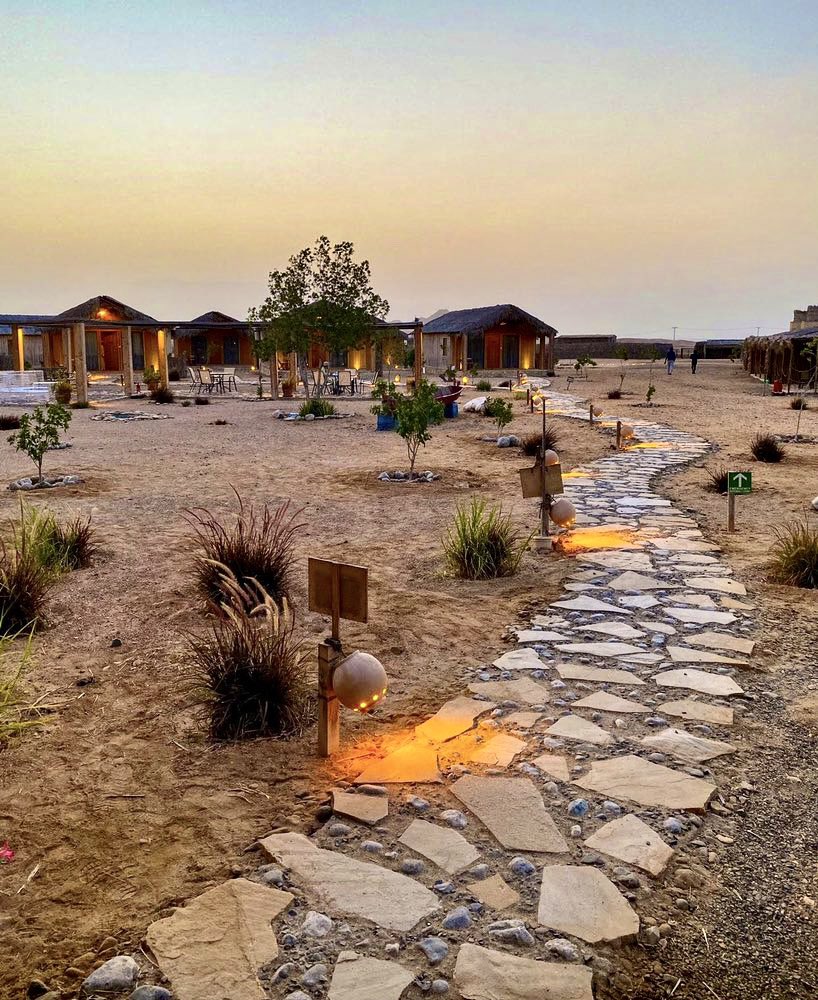
19/ Maghreb Prayer time in Oman
Loading suggestions...