
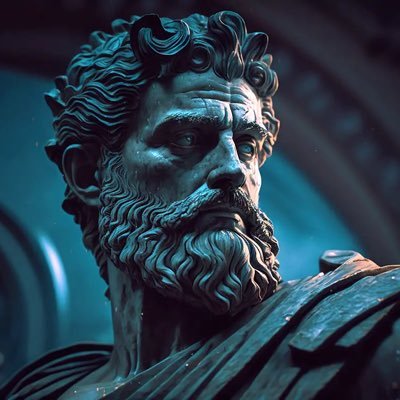
Father-Son Relationships That Shaped History
Throughout history, father-son relationships have had profound impact, shaping the political, cultural, and religious landscapes of their times. These bonds of blood and power not only influenced their contemporary world but also left legacies that resonate to this day.
Follow me down this honorary Father’s Day thread to discover some of the most impactful father-son relationships that changed our world forever.
Throughout history, father-son relationships have had profound impact, shaping the political, cultural, and religious landscapes of their times. These bonds of blood and power not only influenced their contemporary world but also left legacies that resonate to this day.
Follow me down this honorary Father’s Day thread to discover some of the most impactful father-son relationships that changed our world forever.
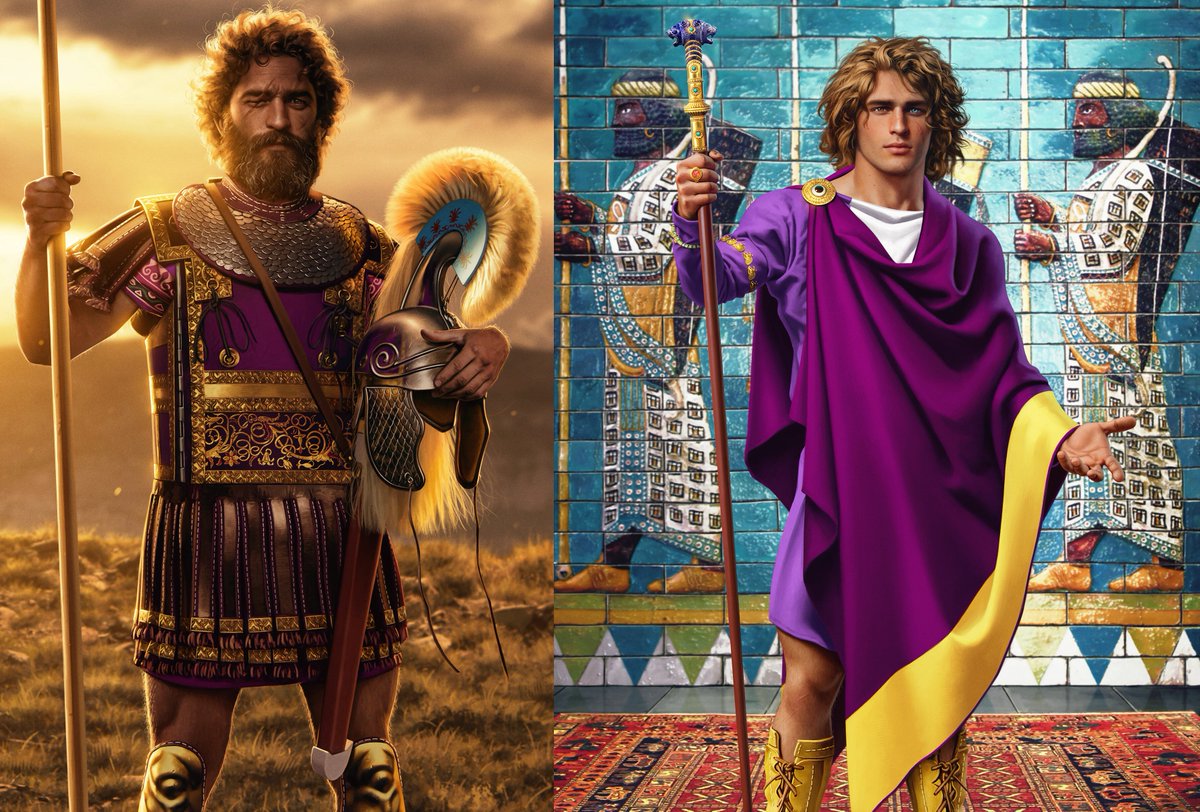
Philip II and Alexander the Great
Philip II was a transformative king who built Macedonia into a dominant military power. His innovations in military tactics and organization laid the foundation for his son, Alexander the Great, to embark on an unprecedented campaign of conquest.
Alexander created the Hellenic Empire, one of the largest empires in ancient history, spreading Greek culture across three continents and setting the stage for the Hellenistic era.
Philip II was a transformative king who built Macedonia into a dominant military power. His innovations in military tactics and organization laid the foundation for his son, Alexander the Great, to embark on an unprecedented campaign of conquest.
Alexander created the Hellenic Empire, one of the largest empires in ancient history, spreading Greek culture across three continents and setting the stage for the Hellenistic era.
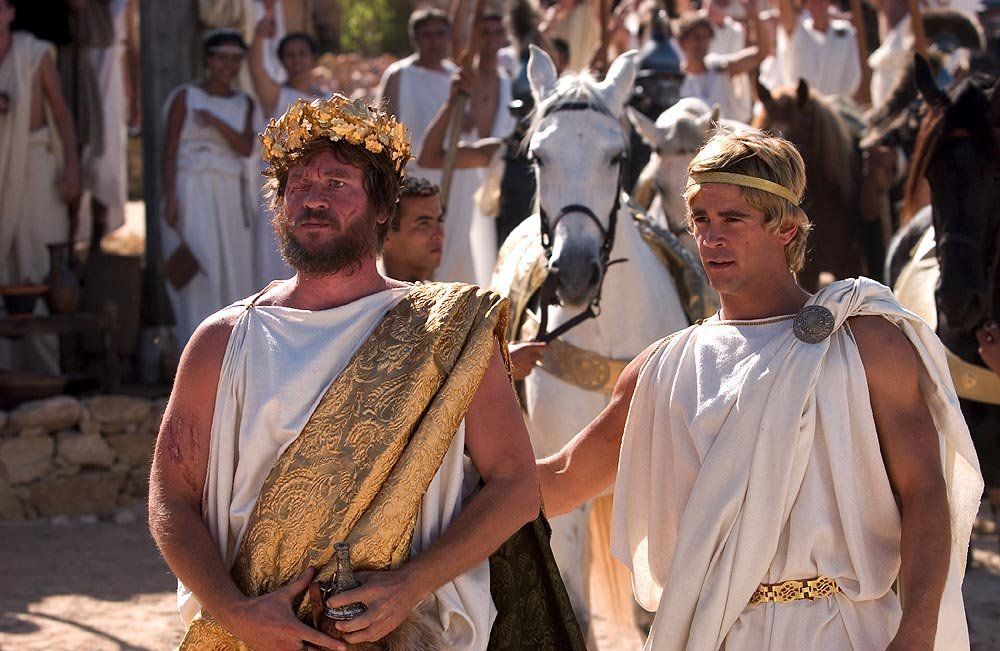
Henry II of England and Richard the Lionheart
Henry II established the Plantagenet dynasty and expanded English territories significantly through both strategic marriages and military conquests.
His son, Richard the Lionheart, is famed for his role in the Third Crusade and his exceptional military leadership. Richard's exploits in the Holy Land cemented his place in legend, even as his time as king was largely spent away from England, fighting in the Crusades.
Henry II established the Plantagenet dynasty and expanded English territories significantly through both strategic marriages and military conquests.
His son, Richard the Lionheart, is famed for his role in the Third Crusade and his exceptional military leadership. Richard's exploits in the Holy Land cemented his place in legend, even as his time as king was largely spent away from England, fighting in the Crusades.

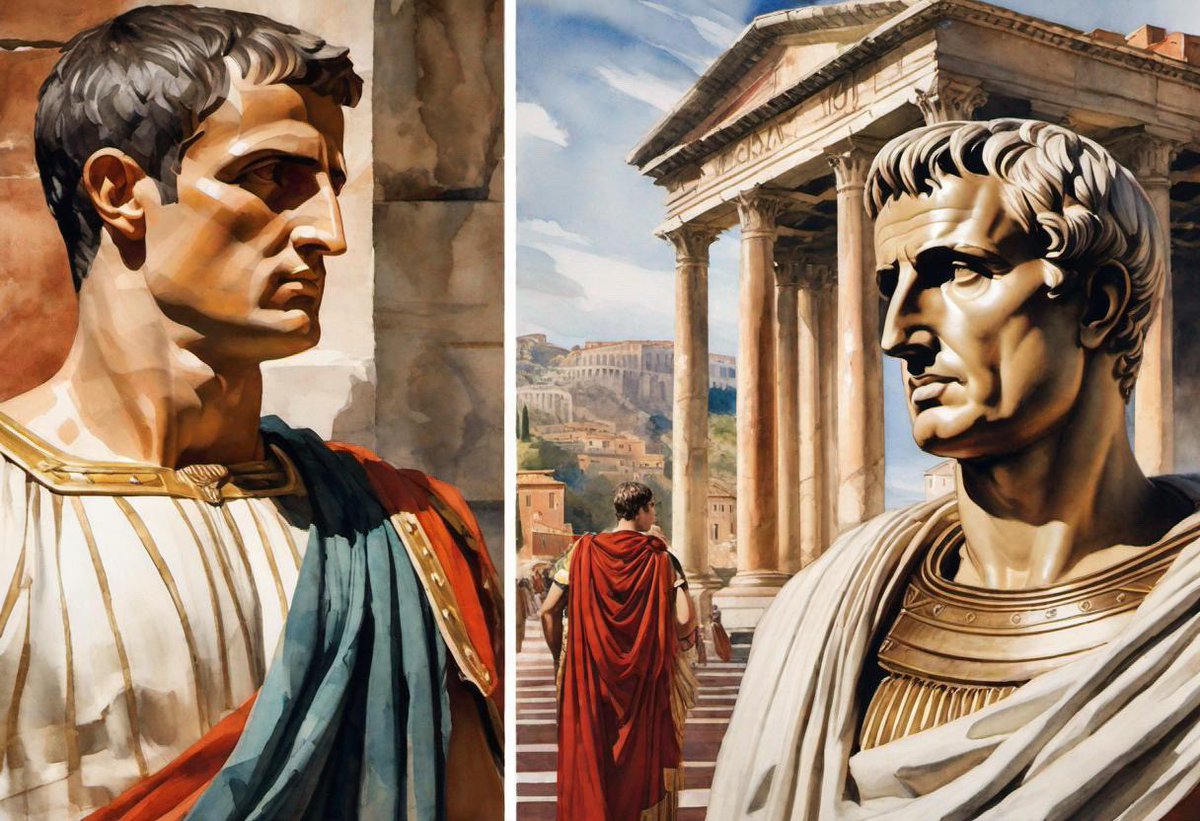
Julius Caesar and Octavian (Augustus):
Julius Caesar, a military genius and pivotal figure in the transition from Roman Republic to Roman Empire, left an indelible mark on history through his conquests and reforms.
His adopted son, Octavian, later known as Augustus, consolidated and expanded Caesar’s legacy. Augustus became the first Roman Emperor, ushering in the Pax Romana, a period of relative peace and stability that allowed Roman culture and infrastructure to flourish.
Julius Caesar, a military genius and pivotal figure in the transition from Roman Republic to Roman Empire, left an indelible mark on history through his conquests and reforms.
His adopted son, Octavian, later known as Augustus, consolidated and expanded Caesar’s legacy. Augustus became the first Roman Emperor, ushering in the Pax Romana, a period of relative peace and stability that allowed Roman culture and infrastructure to flourish.
Charlemagne and Louis the Pious
Charlemagne, also known as Charles the Great, united much of Western Europe under the Carolingian Empire and was crowned Emperor of the Romans in 800 AD. His reign marked a renaissance of art, culture, and learning.
His son, Louis the Pious, inherited this vast empire and continued his father’s work, promoting religious reform and attempting to maintain unity, though his reign was challenged by internal strife and conflicts over succession.
Charlemagne, also known as Charles the Great, united much of Western Europe under the Carolingian Empire and was crowned Emperor of the Romans in 800 AD. His reign marked a renaissance of art, culture, and learning.
His son, Louis the Pious, inherited this vast empire and continued his father’s work, promoting religious reform and attempting to maintain unity, though his reign was challenged by internal strife and conflicts over succession.

Marcus Aurelius and Commodus
Marcus Aurelius, the philosopher-king, is remembered for his intellectual legacy and the relative peace of his reign, as well as his Stoic writings, particularly "Meditations."
His son, Commodus, however, marked a stark contrast. Known for his erratic behavior and departure from his father’s policies, Commodus' rule is often seen as the beginning of the decline of the Roman Empire.
Marcus Aurelius, the philosopher-king, is remembered for his intellectual legacy and the relative peace of his reign, as well as his Stoic writings, particularly "Meditations."
His son, Commodus, however, marked a stark contrast. Known for his erratic behavior and departure from his father’s policies, Commodus' rule is often seen as the beginning of the decline of the Roman Empire.
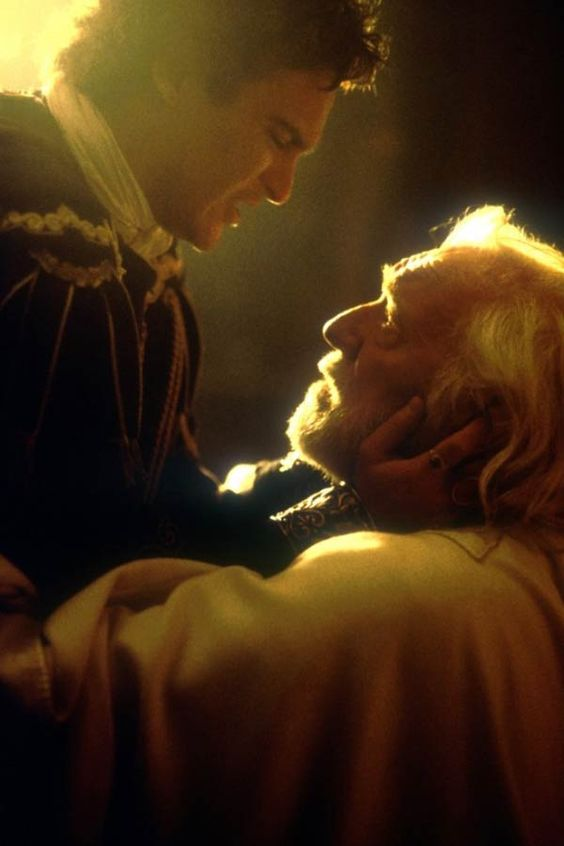
David and Solomon
King David of Israel united the Israelite tribes and established Jerusalem as the capital, creating a strong and unified kingdom.
His son Solomon, renowned for his wisdom, wealth, and the construction of the First Temple in Jerusalem, expanded Israel’s influence and solidified its religious and cultural significance. Solomon's reign is often considered the peak of Israel's power and prosperity.
King David of Israel united the Israelite tribes and established Jerusalem as the capital, creating a strong and unified kingdom.
His son Solomon, renowned for his wisdom, wealth, and the construction of the First Temple in Jerusalem, expanded Israel’s influence and solidified its religious and cultural significance. Solomon's reign is often considered the peak of Israel's power and prosperity.

Cyrus the Great and Cambyses II
Cyrus the Great founded the Achaemenid Empire and is remembered for his humanitarian approach and respect for the cultures and religions of the lands he conquered.
His son, Cambyses II, expanded the empire by conquering Egypt, further solidifying the vast territorial expanse and administrative sophistication initiated by his father.
Cyrus the Great founded the Achaemenid Empire and is remembered for his humanitarian approach and respect for the cultures and religions of the lands he conquered.
His son, Cambyses II, expanded the empire by conquering Egypt, further solidifying the vast territorial expanse and administrative sophistication initiated by his father.

Vespasian and Titus
Vespasian, who founded the Flavian dynasty, restored stability to the Roman Empire after a year of civil war. His reign marked the beginning of significant building projects, including the construction of the Colosseum.
His son, Titus, completed the Colosseum and managed the crises of his reign, such as the eruption of Mount Vesuvius, maintaining the stability and continuity brought by his father.
Vespasian, who founded the Flavian dynasty, restored stability to the Roman Empire after a year of civil war. His reign marked the beginning of significant building projects, including the construction of the Colosseum.
His son, Titus, completed the Colosseum and managed the crises of his reign, such as the eruption of Mount Vesuvius, maintaining the stability and continuity brought by his father.
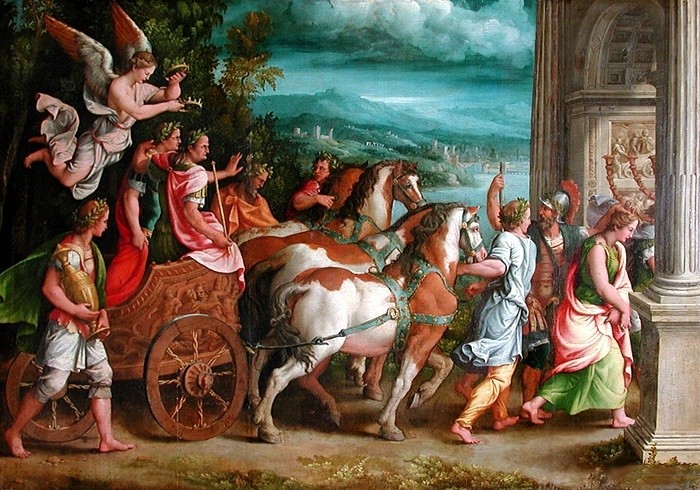
Germanicus and Caligula
Germanicus was a beloved and successful Roman general whose military achievements and personal charisma endeared him to the Roman people and the army.
His son, Caligula, initially enjoyed popularity but later became infamous for his tyrannical and erratic rule, which ultimately led to his assassination. The contrast between the father’s esteemed legacy and the son’s notorious reign highlights the complexities of dynastic succession.
Germanicus was a beloved and successful Roman general whose military achievements and personal charisma endeared him to the Roman people and the army.
His son, Caligula, initially enjoyed popularity but later became infamous for his tyrannical and erratic rule, which ultimately led to his assassination. The contrast between the father’s esteemed legacy and the son’s notorious reign highlights the complexities of dynastic succession.

These father-son pairs have left marks on history, shaping the trajectories of empires, religions, and cultures.
Their legacies underscore the profound impact of familial relationships on the course of human events, illustrating how the ambitions, achievements, and failures of fathers and sons have collectively shaped the world we live in today.
Which one was the more impactful for humanity?
Their legacies underscore the profound impact of familial relationships on the course of human events, illustrating how the ambitions, achievements, and failures of fathers and sons have collectively shaped the world we live in today.
Which one was the more impactful for humanity?

Loading suggestions...