

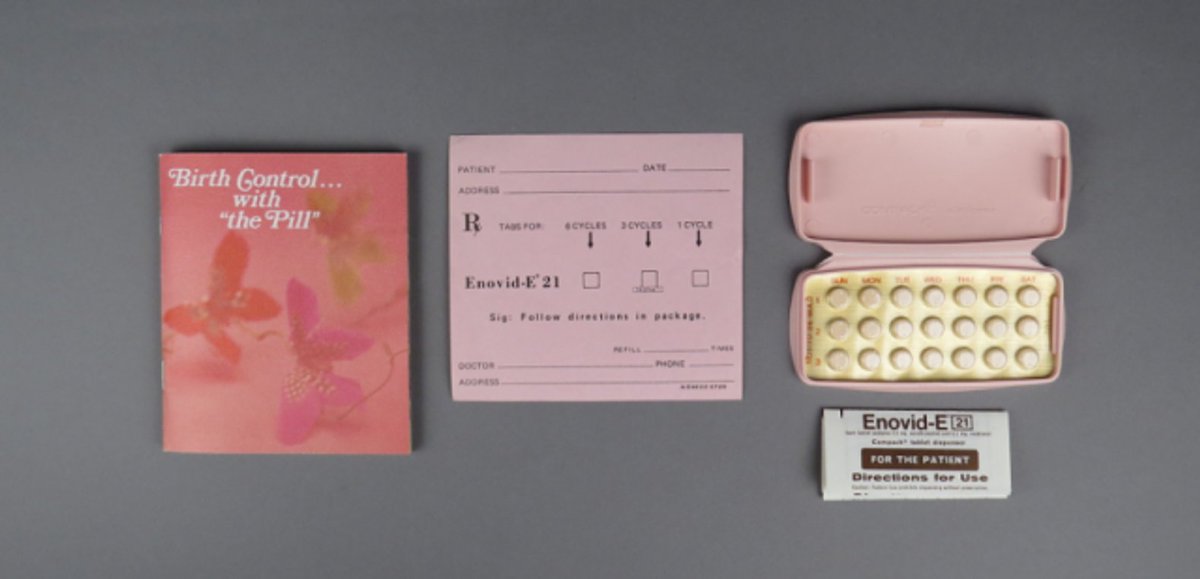
BIRTH CONTROL is making women sick and they don’t even realize it.
Nothing is EMPOWERING about pumping your body full of SYNTHETIC HORMONES that can make you gain weight.
Here are 11 reasons why THE PILL is AWFUL for your health↓
Nothing is EMPOWERING about pumping your body full of SYNTHETIC HORMONES that can make you gain weight.
Here are 11 reasons why THE PILL is AWFUL for your health↓
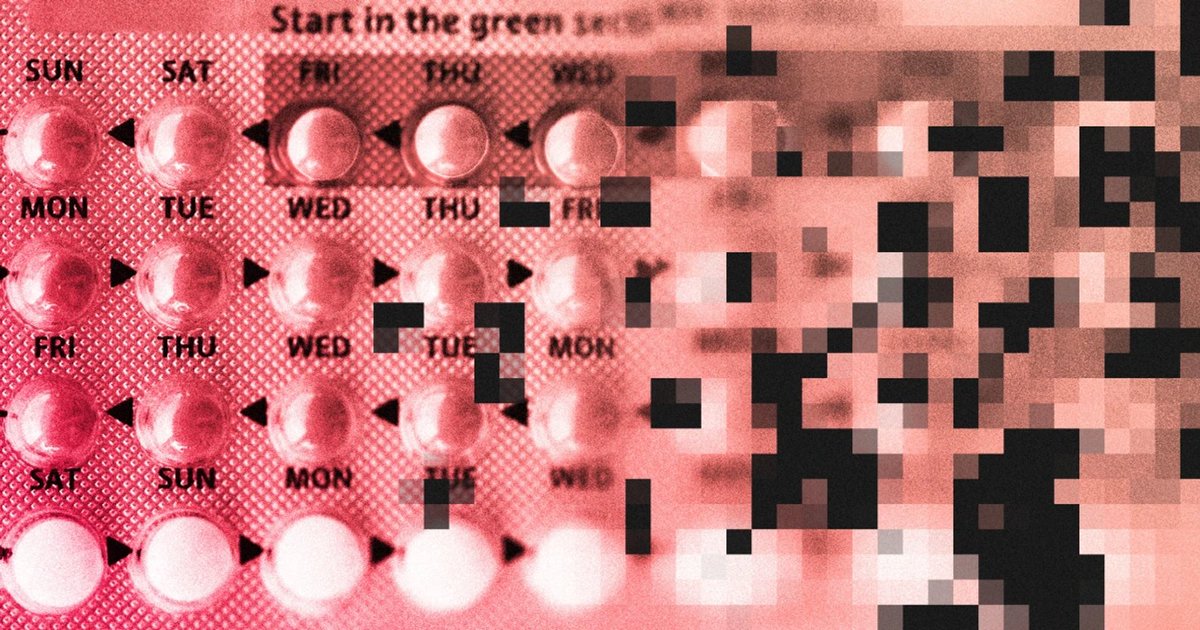
This post will cover:
• The history & origins of birth control
• The 11 reasons the pill may be harmful
This should be fun.
(NOT MEDICAL ADVICE)
• The history & origins of birth control
• The 11 reasons the pill may be harmful
This should be fun.
(NOT MEDICAL ADVICE)
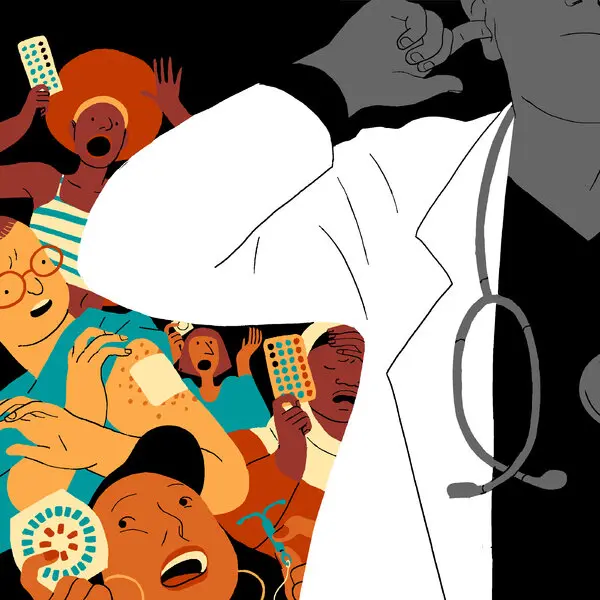
The History & Origins Of Birth Control
It all began in the year 1916 when Margaret Sanger founded the American Birth Control League which later became Planned Parenthood.
Sanger was actually a pretty horrible person and I’ll tell you why…
It all began in the year 1916 when Margaret Sanger founded the American Birth Control League which later became Planned Parenthood.
Sanger was actually a pretty horrible person and I’ll tell you why…
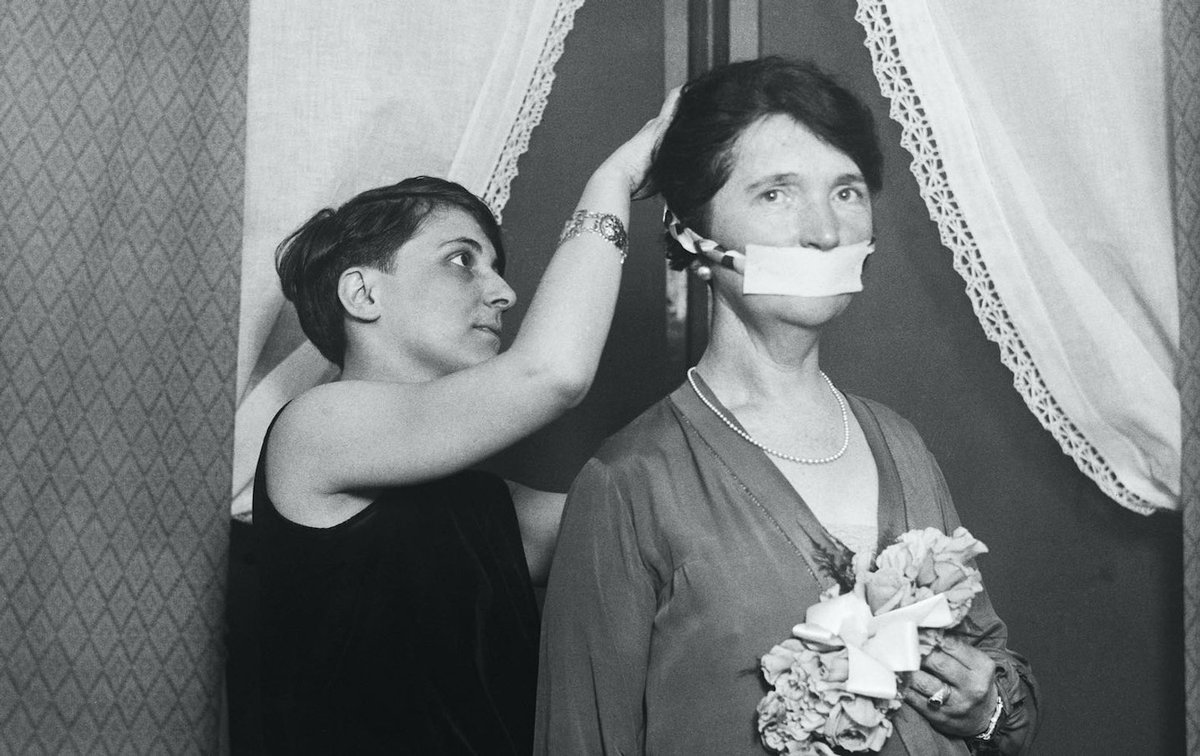
Margaret Sanger was a massive supporter of the Eugenics movement and was an avid supporter of “improving genetic stock.”
At the time, the birth control movement and eugenics movement went hand in hand with each other.
The further you go down this rabbit hole, the more you will realize that Margaret Sanger had racist and classist beliefs.
At the time, the birth control movement and eugenics movement went hand in hand with each other.
The further you go down this rabbit hole, the more you will realize that Margaret Sanger had racist and classist beliefs.

Fast forward to the 1950s and what do you have?
You have unethical birth control scientific trials being conducted in Puerto Rico that completely lacked informed consent.
Not only this, but extremely high amounts of hormones were being used.
These poor women were lab rats being used to perfect a product aimed to ultimately target marginalized communities and contribute to the eugenics movement.
You have unethical birth control scientific trials being conducted in Puerto Rico that completely lacked informed consent.
Not only this, but extremely high amounts of hormones were being used.
These poor women were lab rats being used to perfect a product aimed to ultimately target marginalized communities and contribute to the eugenics movement.
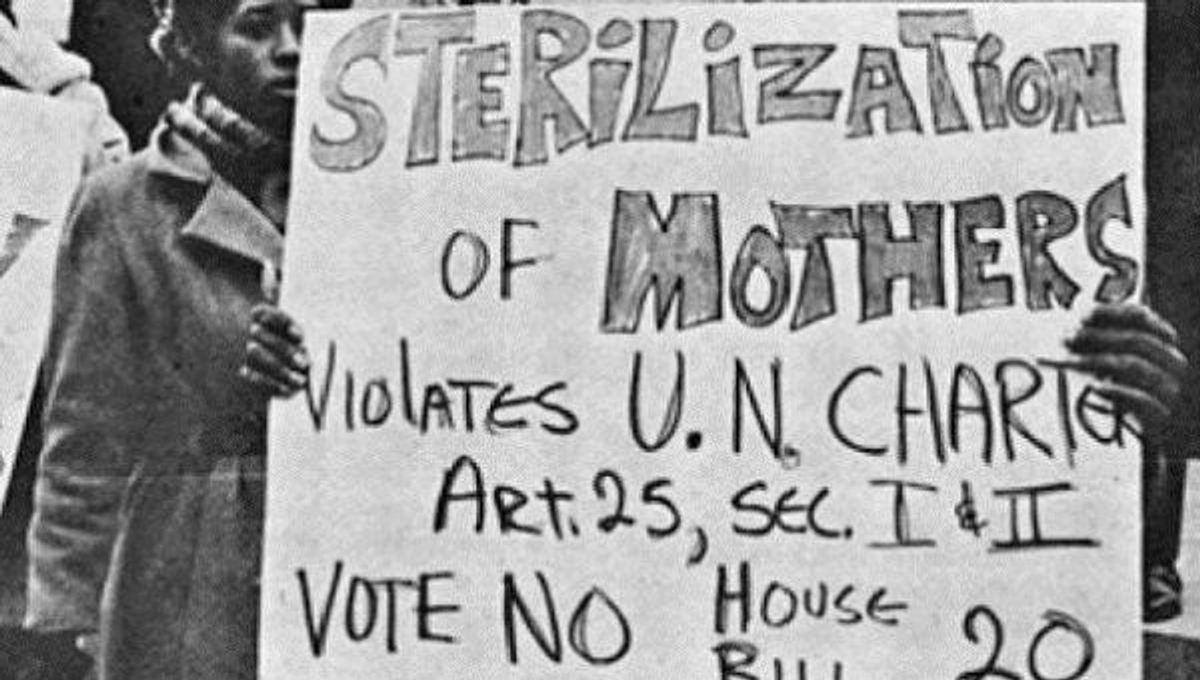
The 11 Scientific Reasons The Pill May Be Harmful
Every reason will be explained in detail.
The main health caveats associated with THE PILL:
1. It changes which men you are attracted to
2. Increased risk of weight gain
3. Estrogen dominance
4. Mental health deterioration
5. Mitochondrial dysfunction
6. Antioxidant depletion
7. Nutrient depletion
8. Nausea and vomiting
9. Blood clots & hypertension risk
10. It might mask other issues like PCOS
11. Potential changes in brain function
Let’s get into each.
Every reason will be explained in detail.
The main health caveats associated with THE PILL:
1. It changes which men you are attracted to
2. Increased risk of weight gain
3. Estrogen dominance
4. Mental health deterioration
5. Mitochondrial dysfunction
6. Antioxidant depletion
7. Nutrient depletion
8. Nausea and vomiting
9. Blood clots & hypertension risk
10. It might mask other issues like PCOS
11. Potential changes in brain function
Let’s get into each.
ONE: IT CHANGES WHICH MEN WOMEN ARE ATTRACTED TO (LESS MASCULINE ONES)
Bear with me here before you call me crazy…
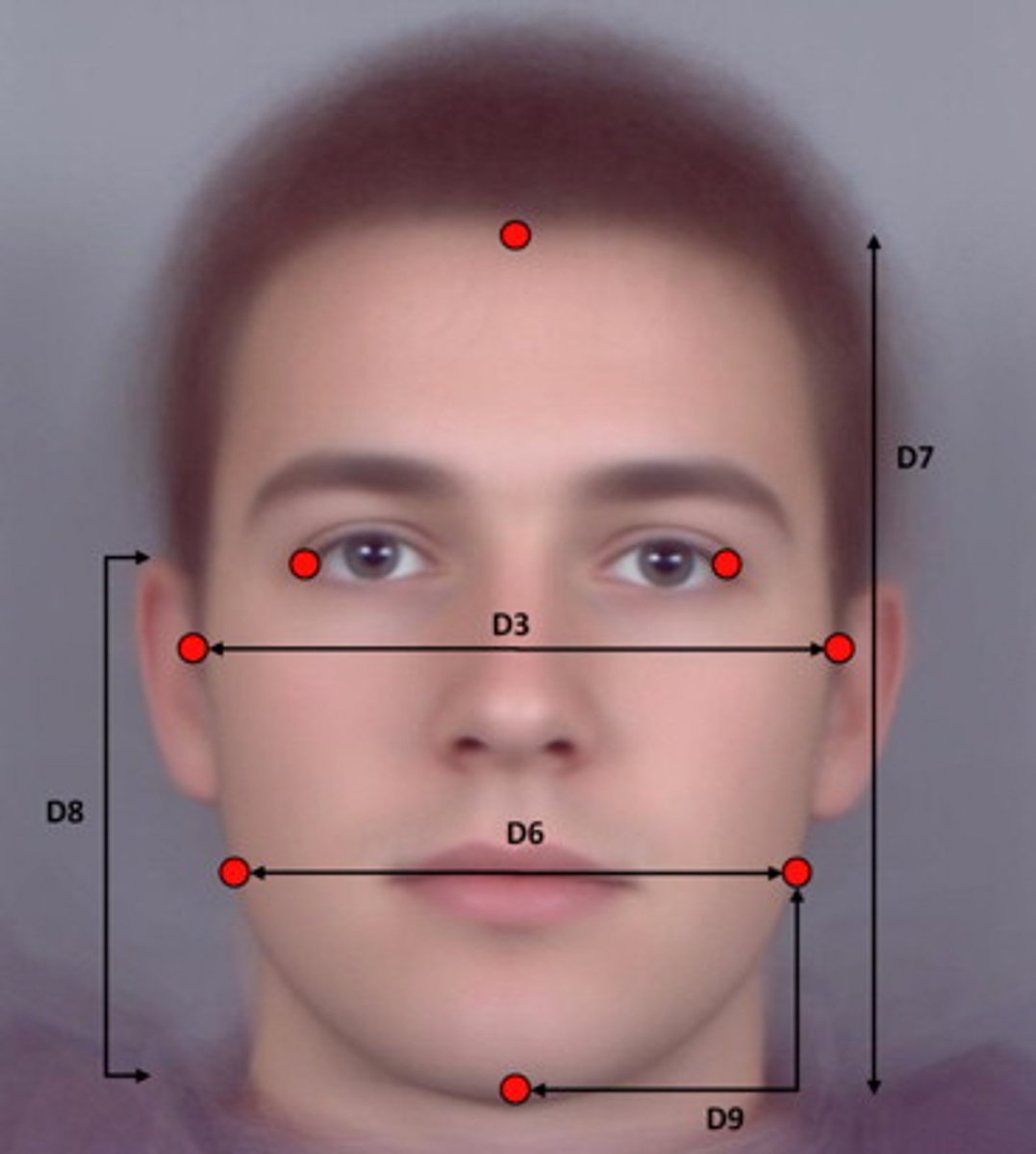
Studies have shown that women who are not using “the pill” tend to prefer more masculine facial features, especially during the fertile phase of their menstrual cycle.
Not only this but the major histocompatibility complex (MCH) genes are altered in women on birth control. This means that many women on the pill will have a preference for genes that are more similar to their own.
If you’ve ever studied evolutionary biology, you would know that in nature the goal is to aim for genetic diversity to mix up the gene pool and obtain healthier offspring. Birth control does the opposite.
Finally, women’s attraction to the pheromones men give off from their natural scent is altered to further drive attraction to men who are more genetically similar to themselves.
Ladies and gentlemen, there is one implication here I would like you to consider.
Imagine a woman is on the pill when she meets her future husband. Then imagine she gets off of the pill after marriage and no longer is interested in the husband at a biological level. Is this something you would like to risk?
Personally, I believe this is a very dangerous game to play.
Bear with me here before you call me crazy…
Studies have shown that women who are not using “the pill” tend to prefer more masculine facial features, especially during the fertile phase of their menstrual cycle.
Not only this but the major histocompatibility complex (MCH) genes are altered in women on birth control. This means that many women on the pill will have a preference for genes that are more similar to their own.
If you’ve ever studied evolutionary biology, you would know that in nature the goal is to aim for genetic diversity to mix up the gene pool and obtain healthier offspring. Birth control does the opposite.
Finally, women’s attraction to the pheromones men give off from their natural scent is altered to further drive attraction to men who are more genetically similar to themselves.
Ladies and gentlemen, there is one implication here I would like you to consider.
Imagine a woman is on the pill when she meets her future husband. Then imagine she gets off of the pill after marriage and no longer is interested in the husband at a biological level. Is this something you would like to risk?
Personally, I believe this is a very dangerous game to play.
TWO: INCREASED RISK OF WEIGHT GAIN
I would like to preface this by saying that everyone responds to things like the pill differently. Everyone has their own unique bioindividuality in one way or another.
However, certain studies have linked birth control to increased appetite, increased fluid retention, and increased fat storage.
Additionally, birth control is well known to contribute to estrogen dominance which presents an immense threat to health in and of itself.
If you are open-minded, you can ask the multitude of women who experienced weight gain from birth control to share their stories.
You can hate on me for presenting anecdotal evidence for this scenario, but there is a clear-cut link in many cases of women putting on weight from birth control.
I would like to preface this by saying that everyone responds to things like the pill differently. Everyone has their own unique bioindividuality in one way or another.
However, certain studies have linked birth control to increased appetite, increased fluid retention, and increased fat storage.
Additionally, birth control is well known to contribute to estrogen dominance which presents an immense threat to health in and of itself.
If you are open-minded, you can ask the multitude of women who experienced weight gain from birth control to share their stories.
You can hate on me for presenting anecdotal evidence for this scenario, but there is a clear-cut link in many cases of women putting on weight from birth control.

THREE: ESTROGEN DOMINANCE
The birth control pill contains synthetic forms of estrogen and progestin.
When a woman’s estrogen:progesterone ratio gets out of control, many problems begin to emerge such as:
• Bloating
• Weight gain
• Headaches & migraines
• Mood swings
• Irregular periods
• Decreased sex drive
• Infertility
• PMS
• Fatigue
There are three main ways the pill can contribute to estrogen dominance:
1. Suppression of ovulation
2. Increased estrogen levels
3. Altered hormone metabolism
Let’s dive into each↓
Suppression of Ovulation
The pill is meant to prevent ovulation. This means that it prevents the ovaries from releasing an egg.
This prevents the natural rise and fall of estrogen and progesterone during the menstrual cycle and as a result, estrogen levels can sometimes remain high in comparison to progesterone.
Increased Estrogen Levels
The synthetic estrogen levels in the pill can increase overall estrogen levels in the body. This can contribute to estrogen dominance, especially if the body is unable to effectively metabolize and eliminate the excess estrogen.
Birth control is also known to have potentially negative effects on the liver. If the liver is not functioning properly, it is much more difficult to eliminate any excess estrogens and the hormonal issues only get worse and worse.
Altered Hormone Metabolism
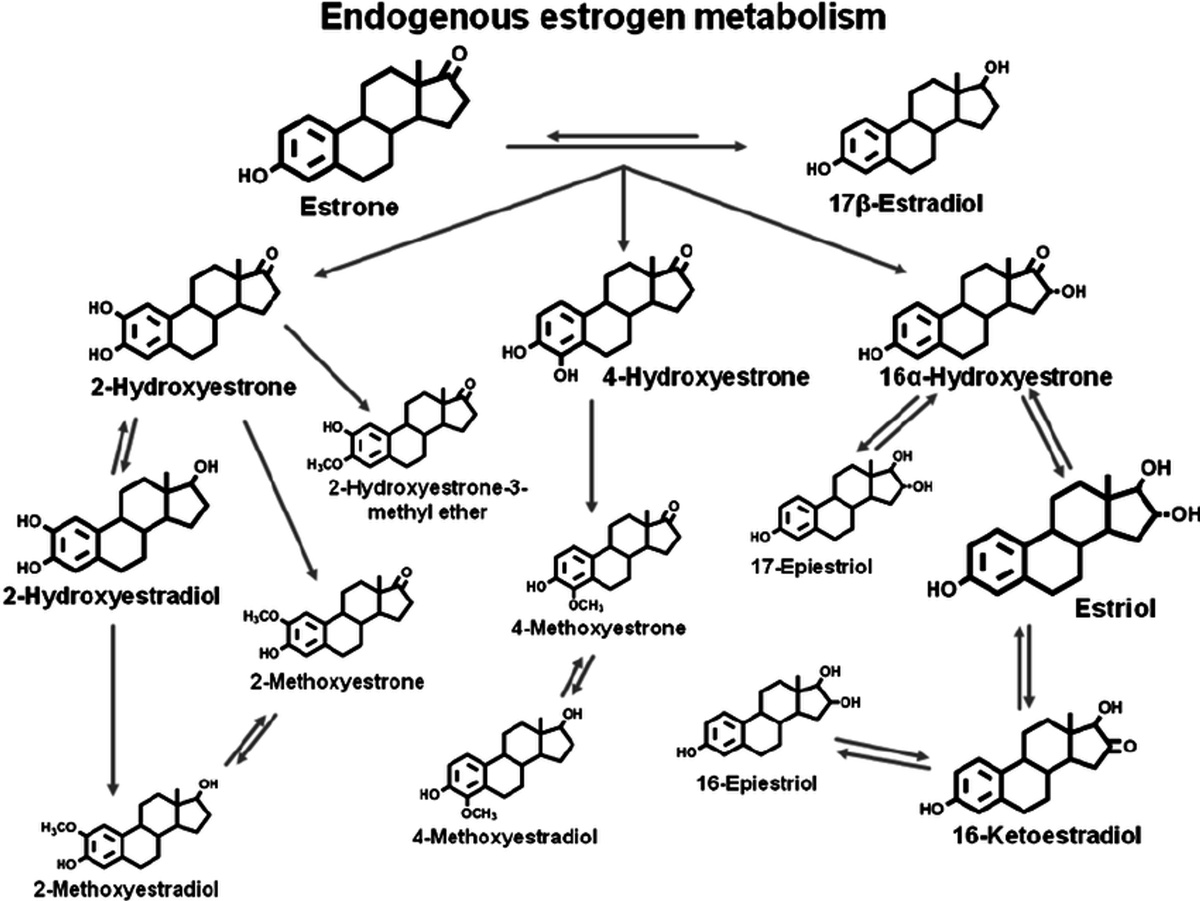
The synthetic hormones in the pill can affect the metabolism of estrogen in the body.
Some research actually points to the fact that the pill can increase the production of harmful estrogen metabolites like 16a-OH Estrone. This is linked to estrogen dominance and breast cncer.
The birth control pill contains synthetic forms of estrogen and progestin.
When a woman’s estrogen:progesterone ratio gets out of control, many problems begin to emerge such as:
• Bloating
• Weight gain
• Headaches & migraines
• Mood swings
• Irregular periods
• Decreased sex drive
• Infertility
• PMS
• Fatigue
There are three main ways the pill can contribute to estrogen dominance:
1. Suppression of ovulation
2. Increased estrogen levels
3. Altered hormone metabolism
Let’s dive into each↓
Suppression of Ovulation
The pill is meant to prevent ovulation. This means that it prevents the ovaries from releasing an egg.
This prevents the natural rise and fall of estrogen and progesterone during the menstrual cycle and as a result, estrogen levels can sometimes remain high in comparison to progesterone.
Increased Estrogen Levels
The synthetic estrogen levels in the pill can increase overall estrogen levels in the body. This can contribute to estrogen dominance, especially if the body is unable to effectively metabolize and eliminate the excess estrogen.
Birth control is also known to have potentially negative effects on the liver. If the liver is not functioning properly, it is much more difficult to eliminate any excess estrogens and the hormonal issues only get worse and worse.
Altered Hormone Metabolism
The synthetic hormones in the pill can affect the metabolism of estrogen in the body.
Some research actually points to the fact that the pill can increase the production of harmful estrogen metabolites like 16a-OH Estrone. This is linked to estrogen dominance and breast cncer.

FOUR: MENTAL HEALTH DETERIORATION
Ladies, if you are struggling with mental health, birth control may be a strong contributor to this.
There are 5 possible reasons for this:
1. Hormonal disruption
2. Neurotransmitter alternations
3. Emotion recognition and reactivity
4. Reward processing
5. Stress response
Let’s go over each↓
Hormonal disruption
Birth control methods contain synthetic versions of progesterone and estrogen, which can disrupt the natural hormonal balance in the body.
This disruption can affect the hypothalamus-pituitary-gonadal axis, leading to changes in neural signaling within the limbic system, which regulates mood.
It can potentially result in symptoms of depression or anxiety.
Neurotransmitter alternations
Birth control can also affect neurotransmitter levels in the brain, which play a role in mood regulation.
Changes in neurotransmitter levels, such as serotonin, dopamine, and norepinephrine, can impact mood and mental health.
Emotion recognition and reactivity
The latest research is beginning to indicate a negativity bias in emotional recognition and reactivity in users of birth control.
Reward processing
Birth control may even affect the reward system in the brain. In particular, it seems that birth control can lessen the reward response leading to potentially reduced mood and motivation.
Stress response
Research has shown that birth use can lead to a blunted stress response.
A study found that women using birth control had a significantly reduced salivary cortisol response to psychosocial stressors compared to non-users. This suggests that birth control may dampen the body's physiological response to stress.
Certain research has even found that dinural cortisol rhythms can be altered by birth control, with a delayed peak and higher overall levels in the morning. This suggests that birth control may disrupt the natural fluctuations of cortisol throughout the day.
Ladies, if you are struggling with mental health, birth control may be a strong contributor to this.
There are 5 possible reasons for this:
1. Hormonal disruption
2. Neurotransmitter alternations
3. Emotion recognition and reactivity
4. Reward processing
5. Stress response
Let’s go over each↓
Hormonal disruption
Birth control methods contain synthetic versions of progesterone and estrogen, which can disrupt the natural hormonal balance in the body.
This disruption can affect the hypothalamus-pituitary-gonadal axis, leading to changes in neural signaling within the limbic system, which regulates mood.
It can potentially result in symptoms of depression or anxiety.
Neurotransmitter alternations
Birth control can also affect neurotransmitter levels in the brain, which play a role in mood regulation.
Changes in neurotransmitter levels, such as serotonin, dopamine, and norepinephrine, can impact mood and mental health.
Emotion recognition and reactivity
The latest research is beginning to indicate a negativity bias in emotional recognition and reactivity in users of birth control.
Reward processing
Birth control may even affect the reward system in the brain. In particular, it seems that birth control can lessen the reward response leading to potentially reduced mood and motivation.
Stress response
Research has shown that birth use can lead to a blunted stress response.
A study found that women using birth control had a significantly reduced salivary cortisol response to psychosocial stressors compared to non-users. This suggests that birth control may dampen the body's physiological response to stress.
Certain research has even found that dinural cortisol rhythms can be altered by birth control, with a delayed peak and higher overall levels in the morning. This suggests that birth control may disrupt the natural fluctuations of cortisol throughout the day.

FIVE: MITOCHONDRIAL DYSFUNCTION
Birth control is thought to potentially have negative effects on the mitochondria.
For those of you who don’t know, if our mitochondria are not functioning well then our capacity to make energy is drastically decreased.
The result? Our body lacks the necessary energy and metabolic efficiency to run certain pathways required for optimal health.
Additionally, any damage to our mitochondrial DNA sets us up for chronic disease later on in life.
This is why many people say your metabolism “slows” as you age. In reality, it is usually a mitochondrial issue.
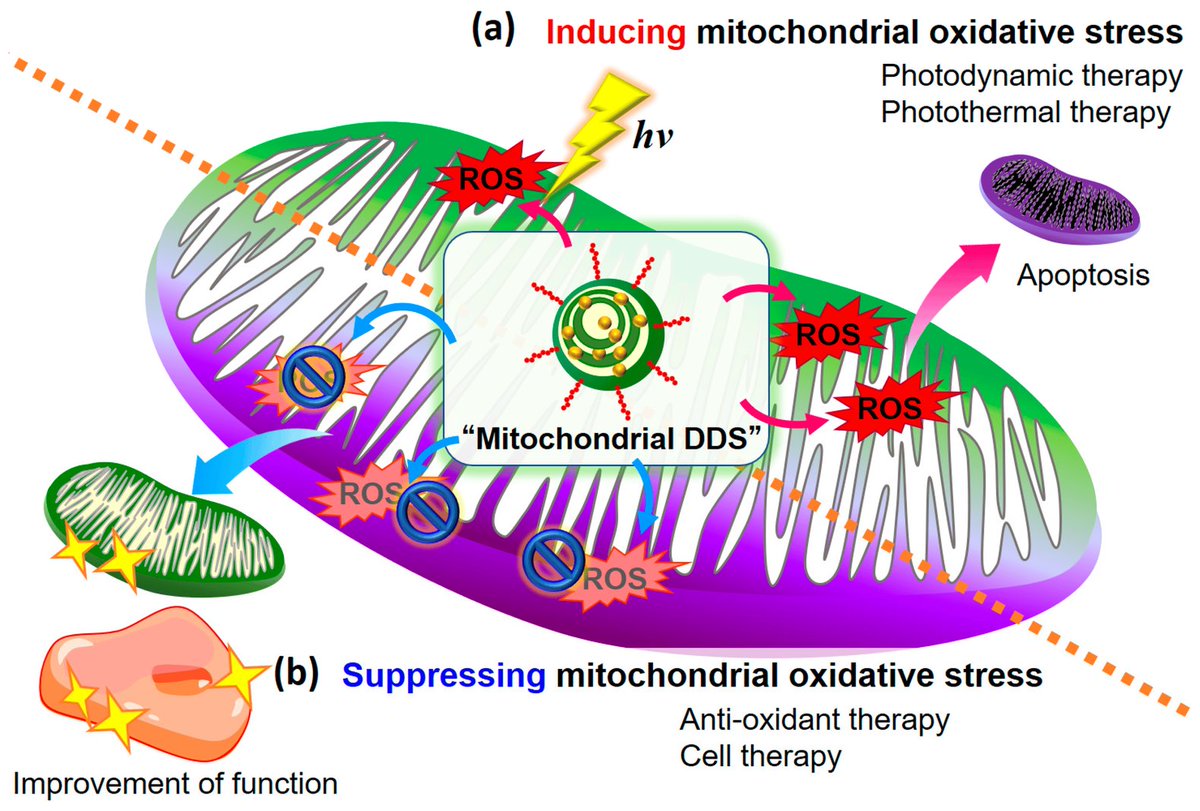
The birth control pill can potentially hurt mitochondrial function by diminishing antioxidant capacity, increasing ROS levels, and ultimately increasing levels of oxidative stress that damage the mitochondria.
Birth control is thought to potentially have negative effects on the mitochondria.
For those of you who don’t know, if our mitochondria are not functioning well then our capacity to make energy is drastically decreased.
The result? Our body lacks the necessary energy and metabolic efficiency to run certain pathways required for optimal health.
Additionally, any damage to our mitochondrial DNA sets us up for chronic disease later on in life.
This is why many people say your metabolism “slows” as you age. In reality, it is usually a mitochondrial issue.
The birth control pill can potentially hurt mitochondrial function by diminishing antioxidant capacity, increasing ROS levels, and ultimately increasing levels of oxidative stress that damage the mitochondria.
SIX: ANTIOXIDANT DEPLETION
In some cases, the pill has been associated with the depletion of essential antioxidants such as:
• CoQ10
• Vitamin E
• Vitamin C
Studies are quickly confirming this to be true…
The human body needs to have a sufficient balance of antioxidants to free radicals in order to maintain cellular homeostasis and avoid any excessive oxidative stress that damages cells.
Too much oxidative stress over time very often leads to chronic disease.
Thinking about it from a basic perspective, it is very possible that introducing synthetic hormones into the body may induce antioxidant depletion and increase oxidative stress.
In the event that birth control interferes with nutrient absorption in the gut, we would be unable to get the proper nutrients and cofactors necessary to produce important molecules such as CoQ10. Not only this but the absorption of Vitamin C and E may be impacted.
In some cases, the pill has been associated with the depletion of essential antioxidants such as:
• CoQ10
• Vitamin E
• Vitamin C
Studies are quickly confirming this to be true…
The human body needs to have a sufficient balance of antioxidants to free radicals in order to maintain cellular homeostasis and avoid any excessive oxidative stress that damages cells.
Too much oxidative stress over time very often leads to chronic disease.
Thinking about it from a basic perspective, it is very possible that introducing synthetic hormones into the body may induce antioxidant depletion and increase oxidative stress.
In the event that birth control interferes with nutrient absorption in the gut, we would be unable to get the proper nutrients and cofactors necessary to produce important molecules such as CoQ10. Not only this but the absorption of Vitamin C and E may be impacted.

SEVEN: NUTRITIONAL DEPLETION
Here are all of the vitamin & mineral cofactors that birth control can deplete:
• Vitamin B2
• Vitamin B6
• Vitamin B12
• Folate
• Vitamin C
• Vitamin E
• Magnesium
• Zinc
• CoQ10
• Selenium
The list likely goes on, but that’s all I’ve found for now.
Regardless, here is a nuance that you must understand for this point to really hit home…
The reason we NEED vitamins and minerals in the body is because they very often function as something called a cofactor.
A cofactor is a non-protein chemical compound or metallic ion that is required for an enzyme's activity as a catalyst.
We NEED cofactors to properly run so many of our body’s reactions.
Without cofactors, we would hardly be able to run our metabolic pathways.
Cofactors are ESSENTIAL for life.
So when we take something like birth control that depletes these nutrients, we actually end up depleting ourselves of energy and a happy life. That’s all.
Here are all of the vitamin & mineral cofactors that birth control can deplete:
• Vitamin B2
• Vitamin B6
• Vitamin B12
• Folate
• Vitamin C
• Vitamin E
• Magnesium
• Zinc
• CoQ10
• Selenium
The list likely goes on, but that’s all I’ve found for now.
Regardless, here is a nuance that you must understand for this point to really hit home…
The reason we NEED vitamins and minerals in the body is because they very often function as something called a cofactor.
A cofactor is a non-protein chemical compound or metallic ion that is required for an enzyme's activity as a catalyst.
We NEED cofactors to properly run so many of our body’s reactions.
Without cofactors, we would hardly be able to run our metabolic pathways.
Cofactors are ESSENTIAL for life.
So when we take something like birth control that depletes these nutrients, we actually end up depleting ourselves of energy and a happy life. That’s all.
EIGHT: NAUSEA AND VOMITING
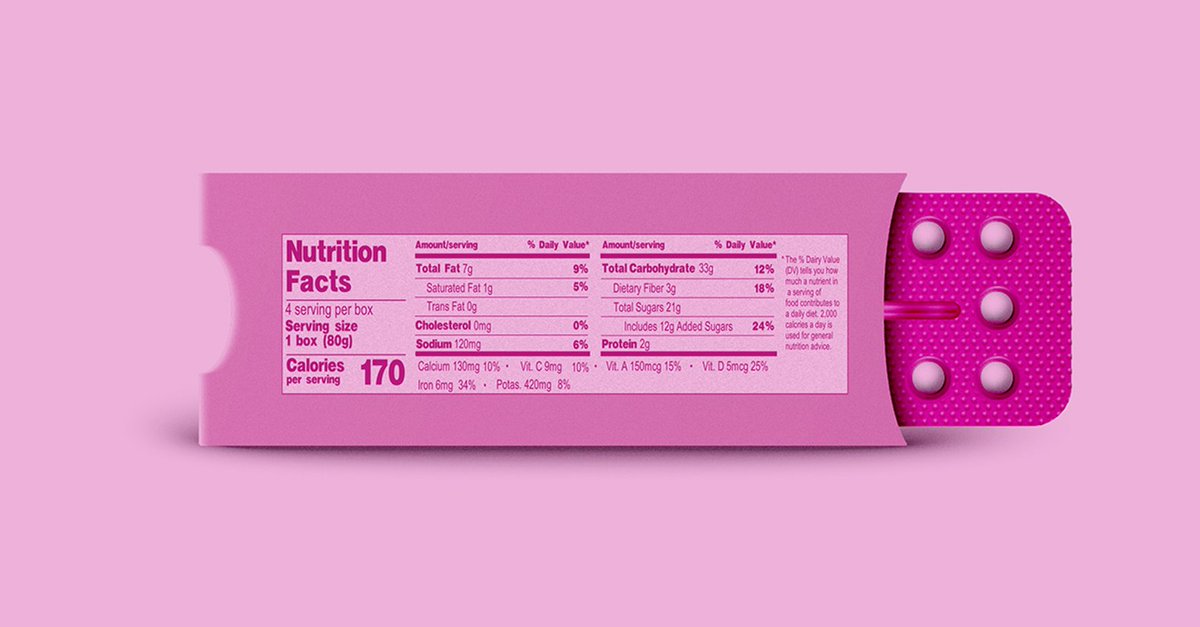
Too much estrogen can affect GI motility and as a result, slow down the movement of food through the stomach and intestines leading to delayed gastric emptying.
This delay can lead to bloating and nausea.
Another potential reason that birth control induces nausea is that the synthetic hormones affect the brain’s chemoreceptor trigger zone (CTZ).
This is an area that detects toxins in the blood and induces nausea and vomiting as a response.
Too much estrogen can affect GI motility and as a result, slow down the movement of food through the stomach and intestines leading to delayed gastric emptying.
This delay can lead to bloating and nausea.
Another potential reason that birth control induces nausea is that the synthetic hormones affect the brain’s chemoreceptor trigger zone (CTZ).
This is an area that detects toxins in the blood and induces nausea and vomiting as a response.
NINE: BLOOD CLOTS & HYPERTENSION RISK
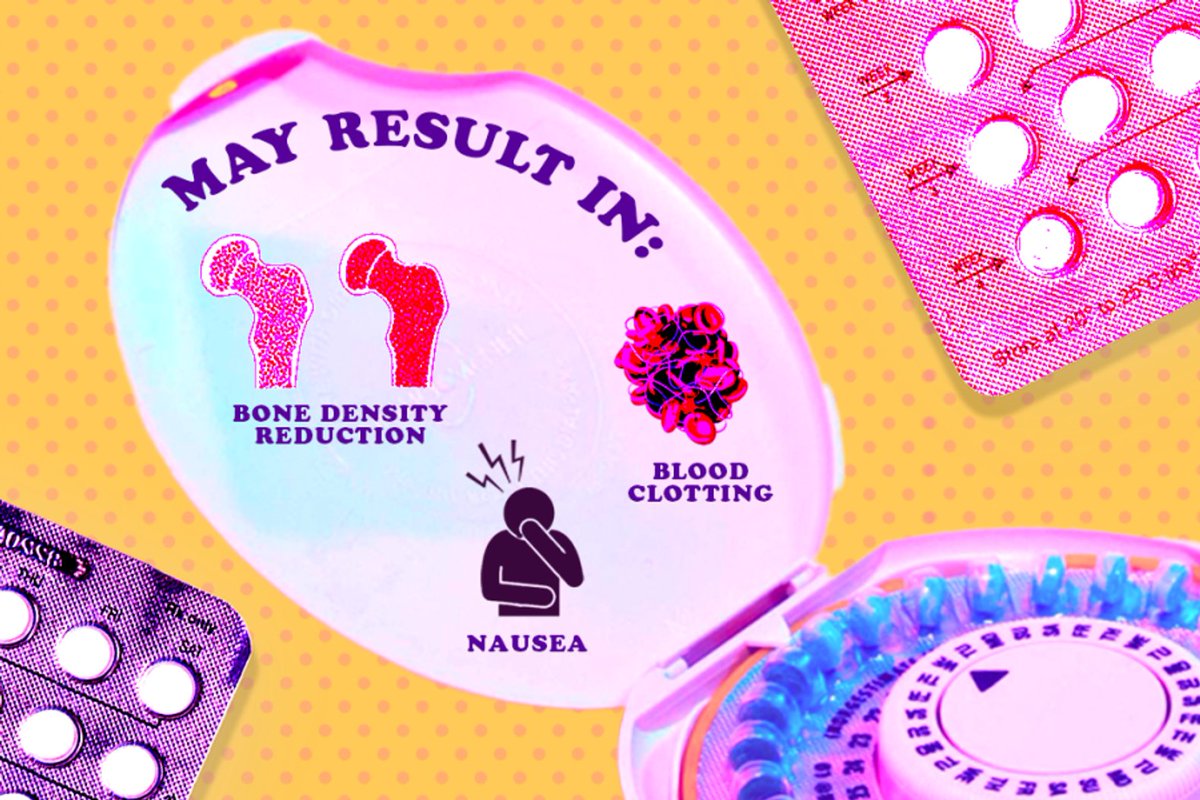
Birth control can actually increase the risk of both hypertension and blood clots.
Let’s go over how this happens for each↓
HYPERTENSION
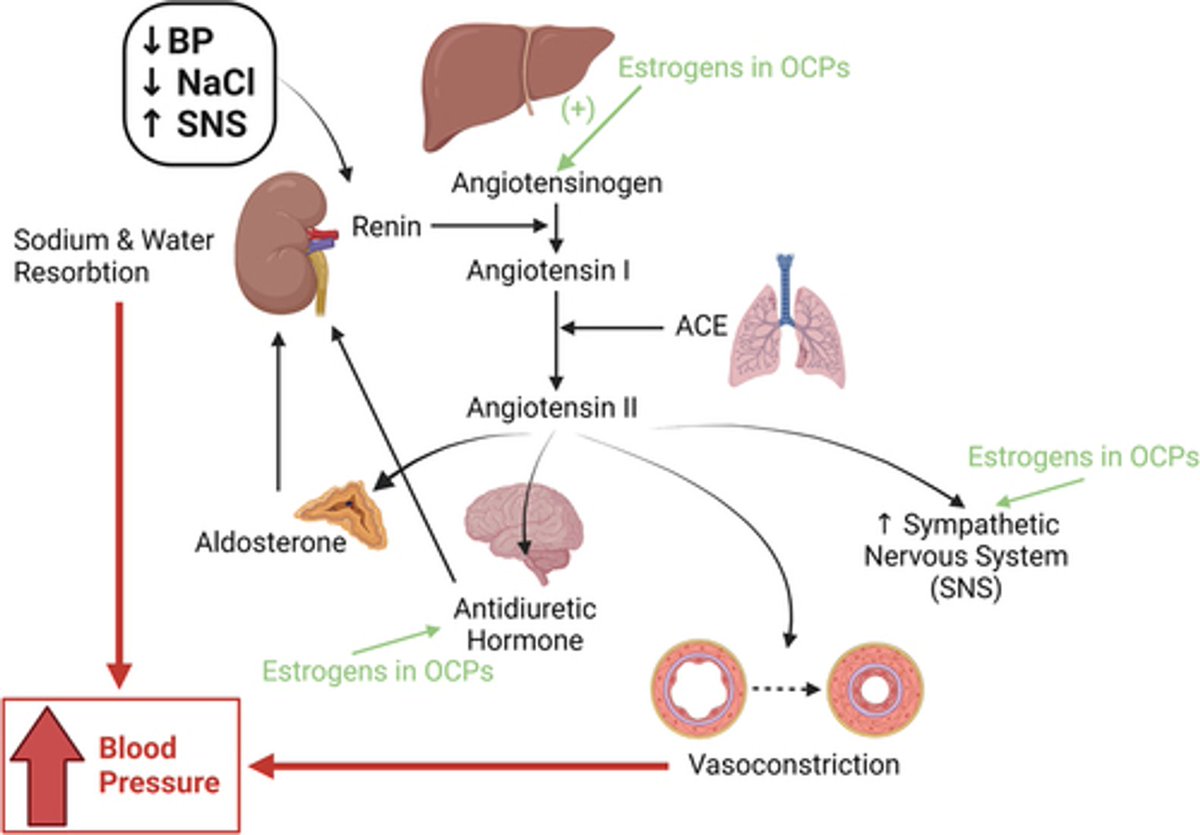
Too much estrogen can cause the body to retain sodium and water, leading to an increase in blood volume.
This increase in blood volume can raise blood pressure.
Estrogen’s effect on the renin-angiotensin-aldosterone system (RAAS) also contributes to fluid retention and hypertension
Additionally, certain progestins can affect the tone and reactivity of blood vessels, potentially leading to increased peripheral resistance and higher blood pressure. This effect varies depending on the type of progestin used.
BLOOD CLOTS
While the risk is not as high here, there is still evidence to suggest that birth control users have an increased risk of venous thromboembolism (VTE).
This is especially the case if the body has way too much estrogen.
Estrogen influences the coagulation cascade by increasing levels of clotting factors like fibrinogen, prothrombin, and factors VII, VIII, IX, and X.
It also decreases anticoagulant factors such as protein S. This imbalance favors clot formation.
Birth control can actually increase the risk of both hypertension and blood clots.
Let’s go over how this happens for each↓
HYPERTENSION
Too much estrogen can cause the body to retain sodium and water, leading to an increase in blood volume.
This increase in blood volume can raise blood pressure.
Estrogen’s effect on the renin-angiotensin-aldosterone system (RAAS) also contributes to fluid retention and hypertension
Additionally, certain progestins can affect the tone and reactivity of blood vessels, potentially leading to increased peripheral resistance and higher blood pressure. This effect varies depending on the type of progestin used.
BLOOD CLOTS
While the risk is not as high here, there is still evidence to suggest that birth control users have an increased risk of venous thromboembolism (VTE).
This is especially the case if the body has way too much estrogen.
Estrogen influences the coagulation cascade by increasing levels of clotting factors like fibrinogen, prothrombin, and factors VII, VIII, IX, and X.
It also decreases anticoagulant factors such as protein S. This imbalance favors clot formation.
TEN: IT MAY MASK OTHER ISSUES SUCH AS PCOS
Birth control is often prescribed to treat disorders such as PCOS, Endometriosis, Menstrual disorders, Acne, PMS, and irregular menstrual cycles.
I have a major philosophical disagreement here.
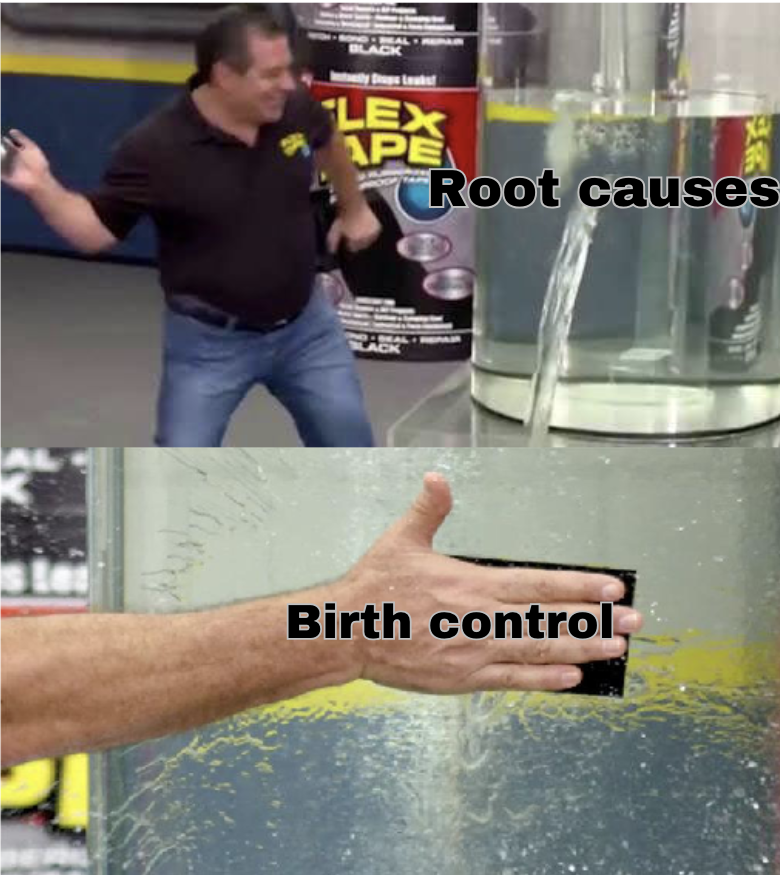
Why are we introducing synthetic hormones to treat disorders that have a clear root cause to be addressed?
In many of these cases, the pill is simply being used as a band-aid solution that does not address the legitimate root cause at hand.
The best option in all reality would be to see a high-level natural practitioner who can get down to the legitimate root cause.
BioavailableND is a very skilled natural practitioner on this platform that has my full endorsement if you are experiencing any of these issues.
Andra is truly one of a kind and is changing the world every day!
Birth control is often prescribed to treat disorders such as PCOS, Endometriosis, Menstrual disorders, Acne, PMS, and irregular menstrual cycles.
I have a major philosophical disagreement here.
Why are we introducing synthetic hormones to treat disorders that have a clear root cause to be addressed?
In many of these cases, the pill is simply being used as a band-aid solution that does not address the legitimate root cause at hand.
The best option in all reality would be to see a high-level natural practitioner who can get down to the legitimate root cause.
BioavailableND is a very skilled natural practitioner on this platform that has my full endorsement if you are experiencing any of these issues.
Andra is truly one of a kind and is changing the world every day!
ELEVEN: POTENTIAL CHANGES IN BRAIN FUNCTION
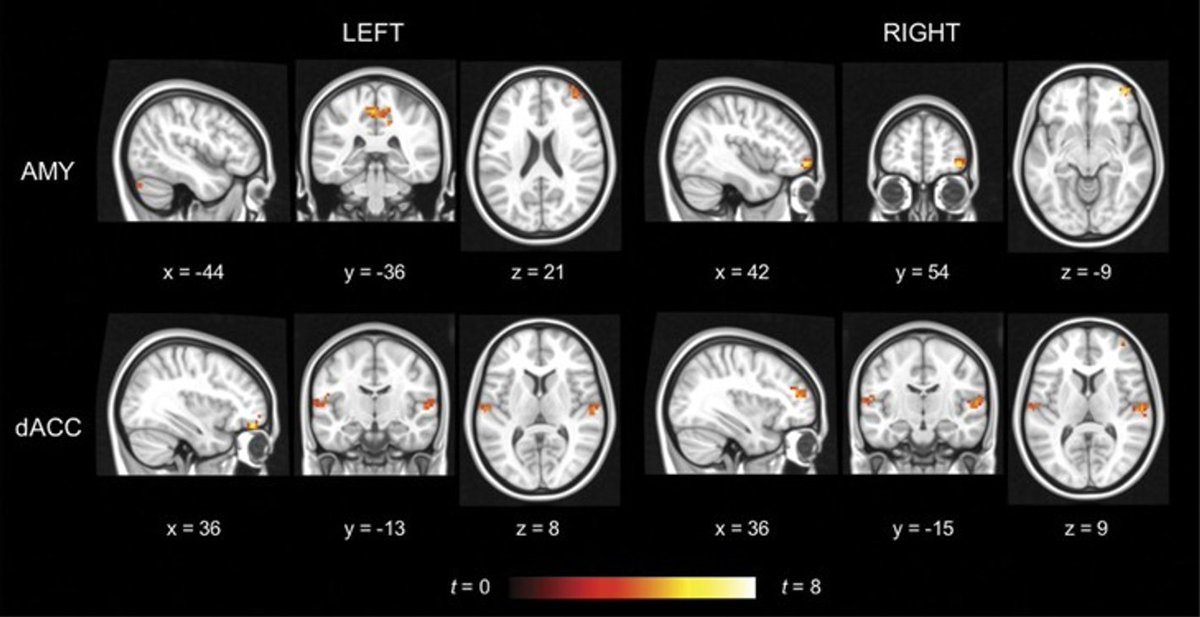
Neuroimaging studies have found that birth control can affect brain structure and function including the amygdala, hippocampus, prefrontal cortex, and cingulate gyrus.
Research is starting to catch up to the fact that the pill can alter regional functional brain connectivity and brain chemistry.
There are developments in the literature that are beginning to indicate that birth control may have negative effects on emotional processing, mental health, memory, cognitive performance, and potentially even neuroplasticity.
It will be very interesting to see what the research shows on this matter as time goes on.
Neuroimaging studies have found that birth control can affect brain structure and function including the amygdala, hippocampus, prefrontal cortex, and cingulate gyrus.
Research is starting to catch up to the fact that the pill can alter regional functional brain connectivity and brain chemistry.
There are developments in the literature that are beginning to indicate that birth control may have negative effects on emotional processing, mental health, memory, cognitive performance, and potentially even neuroplasticity.
It will be very interesting to see what the research shows on this matter as time goes on.
Thank you for reading.
I hope you found this useful. If you or a loved one is compelled to get off birth control, PLEASE SPEAK TO A PHYSICIAN FIRST.
I am not a physician and please ask that you speak to one before making any major decision.
With that said, stay tuned for the hormones guide that’s dropping soon.
Stay healthy!
I hope you found this useful. If you or a loved one is compelled to get off birth control, PLEASE SPEAK TO A PHYSICIAN FIRST.
I am not a physician and please ask that you speak to one before making any major decision.
With that said, stay tuned for the hormones guide that’s dropping soon.
Stay healthy!
Loading suggestions...