

The most powerful way to think:
First Principles Thinking.
Used by Elon Musk, Jeff Bezos, Steve Jobs, and Richard Feynman...
Here's what it is, how to use it, and how to master it:
First Principles Thinking.
Used by Elon Musk, Jeff Bezos, Steve Jobs, and Richard Feynman...
Here's what it is, how to use it, and how to master it:
Get up early. Hit the gym. Walk the dog. Clock in 9-5. Sit up straight. Follow orders. Play it safe. Get a raise. Repeat. Retire.
Doesn't this life terrify you?
Doesn't this life terrify you?

Have you ever wondered how some people come up with groundbreaking ideas that change the world?
The answer is not luck, talent, or genius.
It’s a thinking model mastered by Elon Musk, Jeff Bezos & Steve Jobs...
The answer is not luck, talent, or genius.
It’s a thinking model mastered by Elon Musk, Jeff Bezos & Steve Jobs...

First principles thinking involves breaking problems down to their basic truths instead of accepting others' solutions or past methods.
It’s the opposite of reasoning by analogy.
Reasoning by analogy means you copy what works.
Here are the 5 frameworks to master it:
It’s the opposite of reasoning by analogy.
Reasoning by analogy means you copy what works.
Here are the 5 frameworks to master it:
1/ Elon Musk's First Principles Thinking Framework
This completely changed the way I thought about problem-solving.
• Identify the fundamental truths or facts
• Break down the problem into its basic elements
• Create new solutions from scratch, using the fundamental truths
This completely changed the way I thought about problem-solving.
• Identify the fundamental truths or facts
• Break down the problem into its basic elements
• Create new solutions from scratch, using the fundamental truths

2/ Aristotle's First Principles Thinking Framework
Hang this up in your room somewhere—and stare at it everyday.
• Start with the most basic truths
• Use these truths to understand the nature of the problem
• Develop solutions that are based on these fundamental truths
Hang this up in your room somewhere—and stare at it everyday.
• Start with the most basic truths
• Use these truths to understand the nature of the problem
• Develop solutions that are based on these fundamental truths

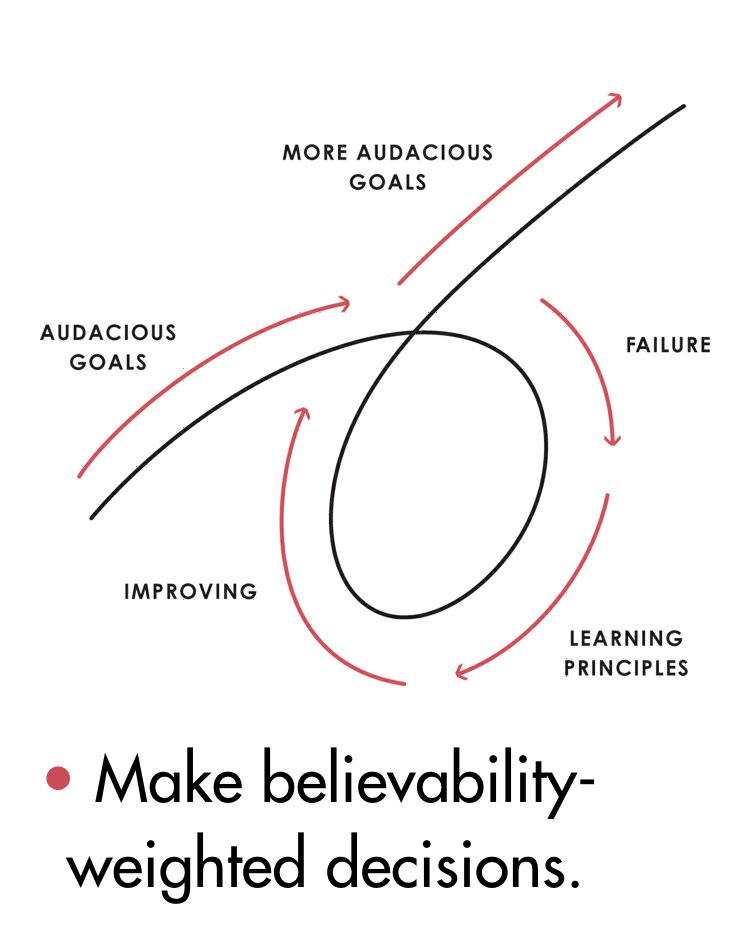
3/ Ray Dalio's First Principles Thinking Framework
I consider this the Bible of problem-solving.
• Understand the big picture and the details
• Identify the cause-effect relationships
• Develop principles for decision-making
I consider this the Bible of problem-solving.
• Understand the big picture and the details
• Identify the cause-effect relationships
• Develop principles for decision-making
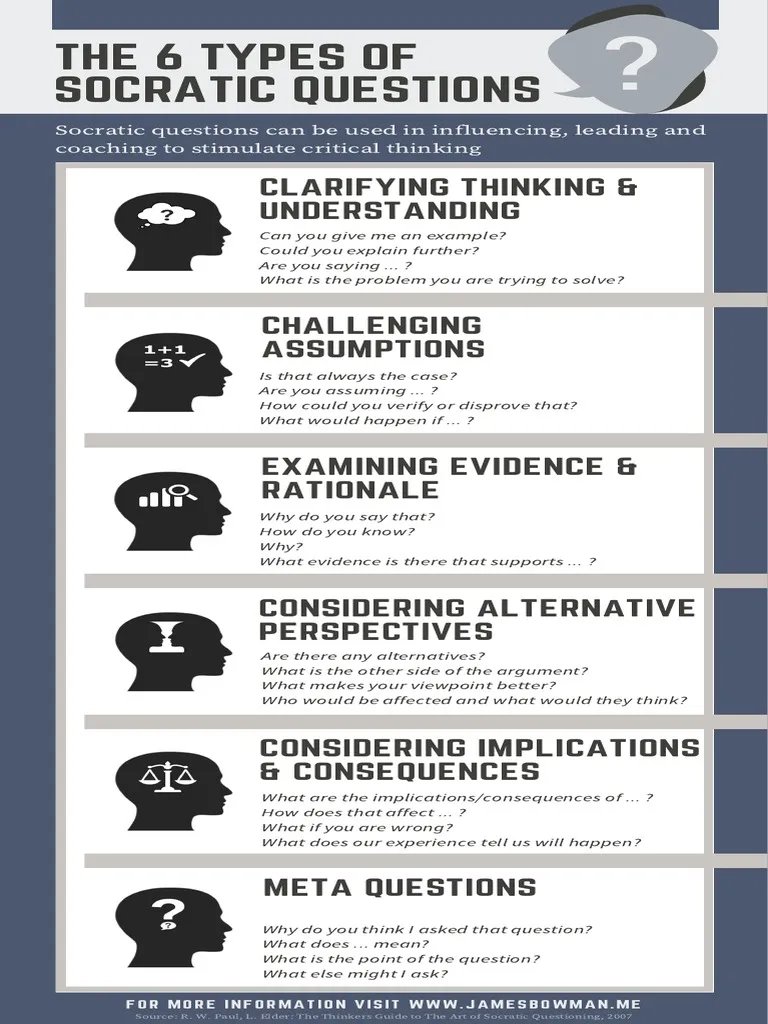
4/ Socratic Questioning Framework
Struggling with understanding complex problems?
• Ask questions to clarify the problem
• Break down the problem into smaller parts
• Identify the underlying assumptions and challenge them
Struggling with understanding complex problems?
• Ask questions to clarify the problem
• Break down the problem into smaller parts
• Identify the underlying assumptions and challenge them
5/ 5 Whys Framework
Finally, this is how you achieve effective problem-solving:
• Keep asking "why" until you uncover the root cause
• Craft solutions targeting that root cause
• Validate to ensure your solutions hit the mark
Finally, this is how you achieve effective problem-solving:
• Keep asking "why" until you uncover the root cause
• Craft solutions targeting that root cause
• Validate to ensure your solutions hit the mark

In December 2008, Garrett Camp and Travis Kalanick couldn’t find a ride while visiting Paris.
They determined that there had to be a better way than simply relying on a cab service.
Uber launched not long after that.
They determined that there had to be a better way than simply relying on a cab service.
Uber launched not long after that.
As people now know, Uber combined smartphone app technology with a ride service to create a whole new field.
The founders had boiled down the basics of transportation and discovered what travelers really wanted.
The founders had boiled down the basics of transportation and discovered what travelers really wanted.
They eliminated the assumption that one had to use a cab and instead included everyday drivers who wanted to earn a little bit of extra money.
The results speak for themselves.
The results speak for themselves.
Companies that succeed are those that are willing to challenge the status quo and think about problems in new ways.
→Tesla challenged the assumption that electric cars had to be ugly and dull.
They developed electric vehicles that are fast, stylish, and fun to drive.
They developed electric vehicles that are fast, stylish, and fun to drive.
→Steve Jobs didn’t waste time thinking about how he could improve existing phones.
He innovated the world and created the iPhone.
He innovated the world and created the iPhone.
→Jeff Bezos didn’t start by asking how he could improve existing bookstores.
He prioritized the crucial elements of a bookstore (diverse book options, competitive pricing, and hassle-free shipping) and created Amazon.
He prioritized the crucial elements of a bookstore (diverse book options, competitive pricing, and hassle-free shipping) and created Amazon.
First principles thinking enables you to become:
→A better thinker
→A better leader
→A better person
If you’re serious about achieving success, I encourage you to start using first principles thinking.
→A better thinker
→A better leader
→A better person
If you’re serious about achieving success, I encourage you to start using first principles thinking.
If you enjoyed this short thread, feel free to give me a follow -> @shraybans
I drop deep dives on AI trends, startups & hack on AI projects in public.
🫡
I drop deep dives on AI trends, startups & hack on AI projects in public.
🫡
Loading suggestions...