

Volkswagen is one of the most valuable car makers on earth
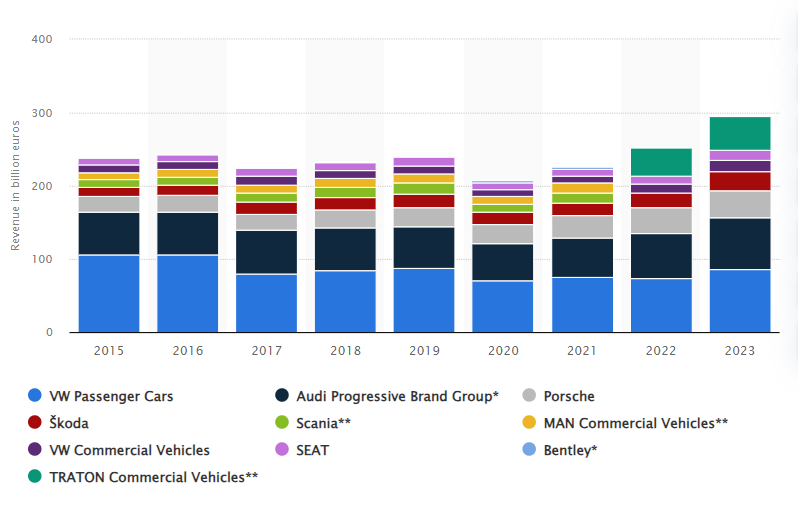
Yet, most of its money doesn’t come from Volkswagen-branded cars
Instead, most of it comes from its other brands like Audi, Lamborghini, Bentley, and Porsche
THREAD: How Volkswagen consolidated the luxury car market🧵
Yet, most of its money doesn’t come from Volkswagen-branded cars
Instead, most of it comes from its other brands like Audi, Lamborghini, Bentley, and Porsche
THREAD: How Volkswagen consolidated the luxury car market🧵
Volkswagen (VW) was first established in 1937 by the German Labour Front as a nationalistic campaign with the aim to have a car in every German household.
Engineering during WW2 was a state-funded and streamlined effort in Germany,
Engineering during WW2 was a state-funded and streamlined effort in Germany,
— leading to its fundamentals of precision, durability & affordability.
During this time, one of the finest German automotive engineers emerged — Ferdinand Porsche.
Porsche was a mechanical genius with an unmatched aptitude for innovation.
During this time, one of the finest German automotive engineers emerged — Ferdinand Porsche.
Porsche was a mechanical genius with an unmatched aptitude for innovation.
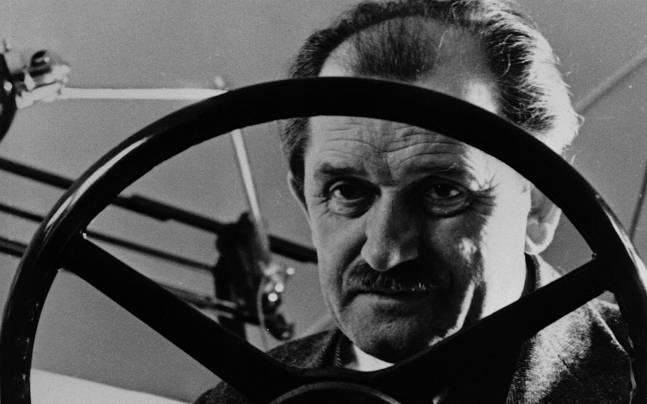
From a young age, he attempted to attend technical lectures despite household challenges & made significant contributions to the manufacturing of cars,
— earning him the title of ‘Car Engineer of the Century’.
In fact, he designed Europe’s most iconic car — The Beetle.
— earning him the title of ‘Car Engineer of the Century’.
In fact, he designed Europe’s most iconic car — The Beetle.
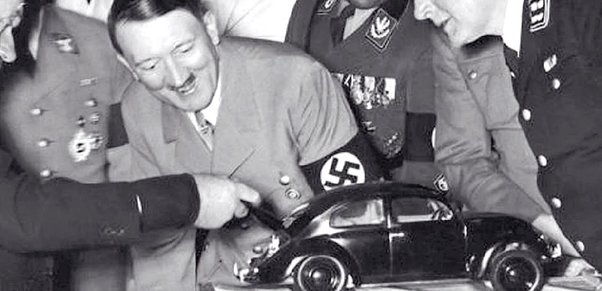
Known for its simplicity, durability and affordability, the Beetle was the perfect candidate to become the ‘people’s car’.
So began Volkswagen’s journey into the automobile industry.
But Volkswagen bright future appeared dim...
So began Volkswagen’s journey into the automobile industry.
But Volkswagen bright future appeared dim...
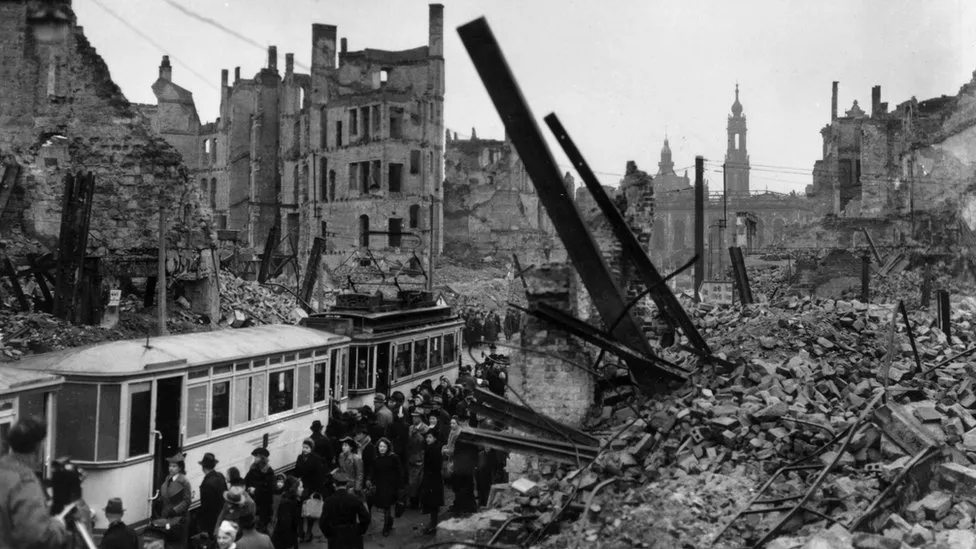
... when their manufacturing units were irreparably damaged post the war.
Instead of shutting its operations, the company decided to acquire Auto Union’s 50.3% stake in 1965 to use its manufacturing units, which led to the creation of the famed AUDI.
Instead of shutting its operations, the company decided to acquire Auto Union’s 50.3% stake in 1965 to use its manufacturing units, which led to the creation of the famed AUDI.
This was a mutually beneficial partnership as Audi was struggling financially and was unable to fund its innovations like the advanced engine that it was known for.
In turn, Audi’s advanced engineering was exactly what VW sought.
In turn, Audi’s advanced engineering was exactly what VW sought.
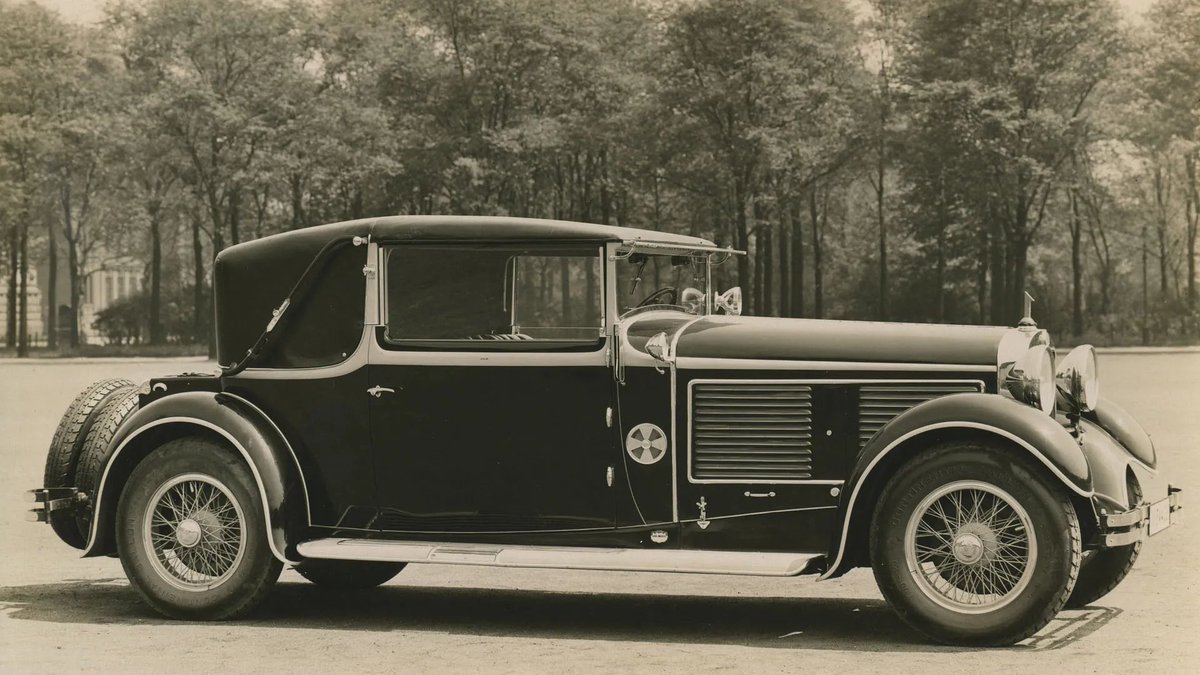
After the acquisition of Audi, VW grew confident in its ability in taking on different brands — a huge shopping spree followed!
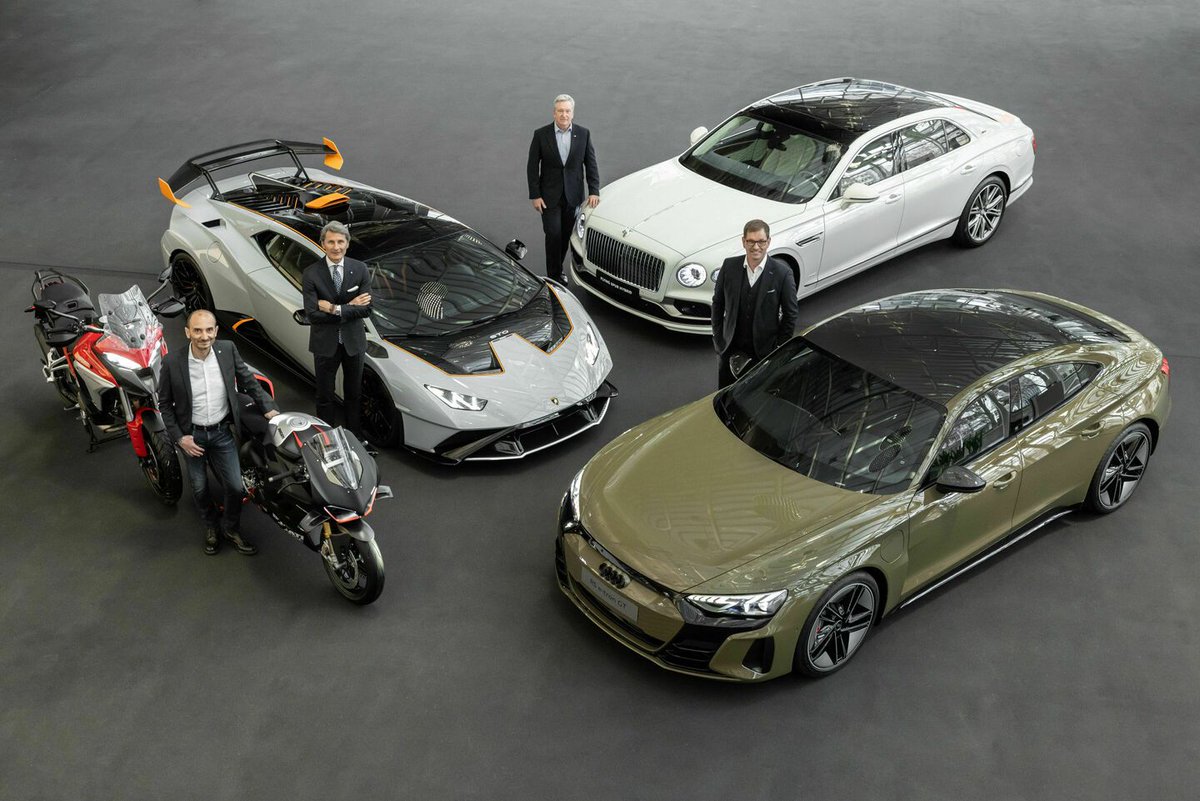
Today, Volkswagen owns some of the most popular automobile brands including Audi, Lamborghini, Bentley, Porsche, Volkswagen Passenger Cars,
Today, Volkswagen owns some of the most popular automobile brands including Audi, Lamborghini, Bentley, Porsche, Volkswagen Passenger Cars,
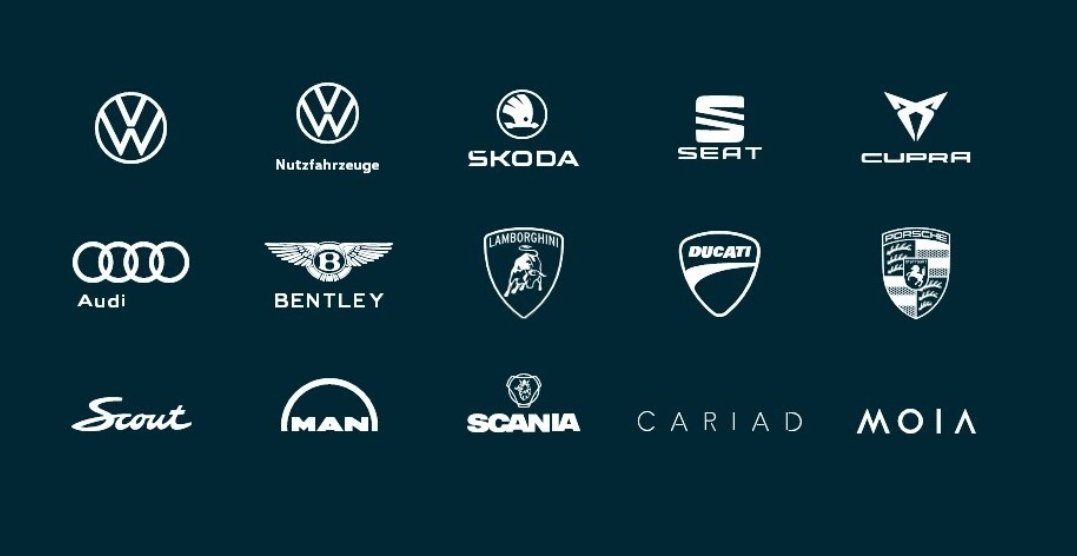
Volkswagen Commercial Vehicles, Bugatti, Škoda, Cupra and even the famous motorcycle brand Ducati.
So, what was the plan?
So, what was the plan?
🚘Expanding into New Segments
a) Expanding product line: VW ventured into all of the 4 major car markets —
👉the passenger car market with ŠKODA
👉the premium car market with AUDI
👉the luxury car market with Bentley
👉the high-performance sports car market with Bugatti.
a) Expanding product line: VW ventured into all of the 4 major car markets —
👉the passenger car market with ŠKODA
👉the premium car market with AUDI
👉the luxury car market with Bentley
👉the high-performance sports car market with Bugatti.
b) Geographic Expansion: Starting with Spanish, central and eastern European markets, VW was all set to go global.
🚘Advancing Competitive Strength
a) Tech Takeover: Acquiring new tech is often more effective for expansion than developing everything from the ground up.
🚘Advancing Competitive Strength
a) Tech Takeover: Acquiring new tech is often more effective for expansion than developing everything from the ground up.
b) Cost efficiency: With all of their resources pooled together, companies within the Volkswagen group were able to make most out of them.
To scale these operations and revamp the newly acquired brands, Volkswagen followed multiple strategies-
To scale these operations and revamp the newly acquired brands, Volkswagen followed multiple strategies-
1⃣ Revised Finances
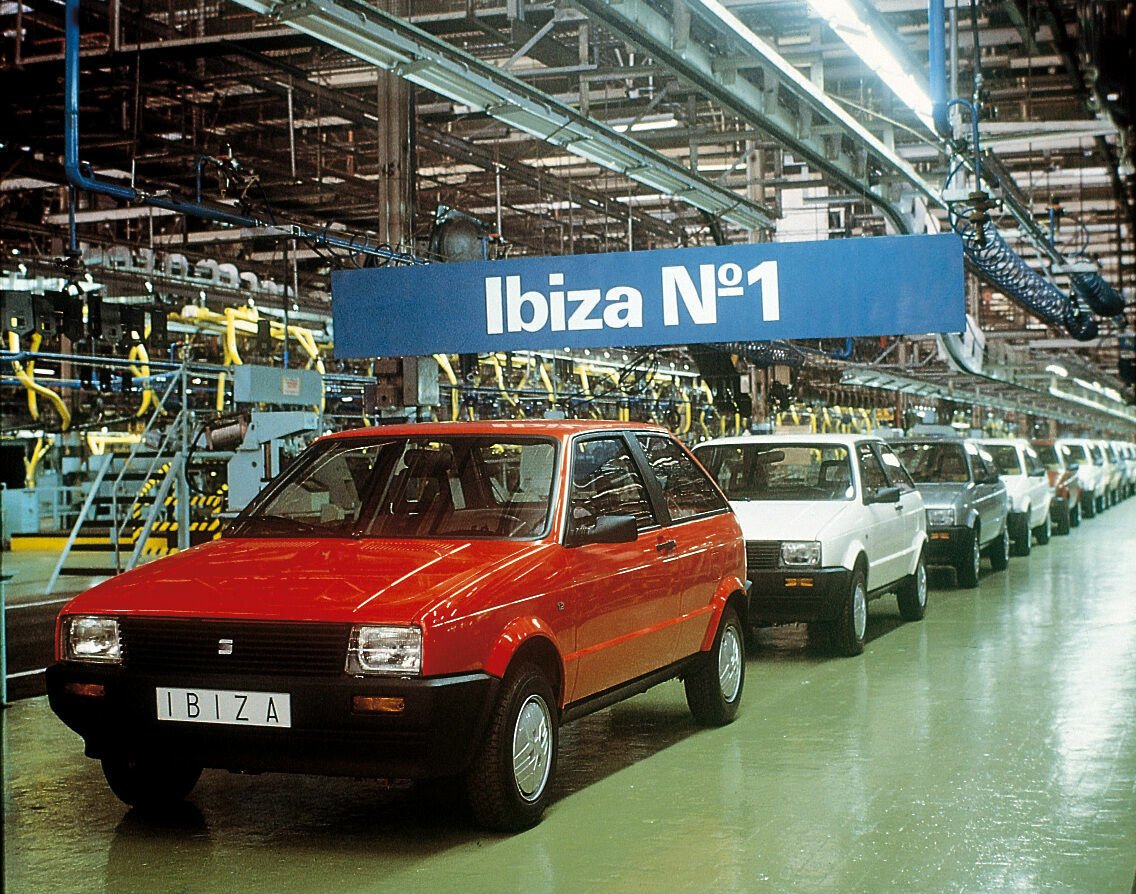
SEAT was struggling financially in the 1990s & faced a massive sales drop which strained its financials.
Upon acquiring SEAT in 1986, VW saw a need for financial consolidation & modernization of SEAT's production facilities which turned SEAT profitable.
SEAT was struggling financially in the 1990s & faced a massive sales drop which strained its financials.
Upon acquiring SEAT in 1986, VW saw a need for financial consolidation & modernization of SEAT's production facilities which turned SEAT profitable.
2⃣ Leveraging Tech Synergies
ŠKODA’s was struggling with outdated engineering. After buying it in 1991, VW advanced its tech by using the same platform MQB for ŠKODA’s cars.
In turn, VW benefitted from ŠKODA’s strong distribution as the world’s oldest car manufacturer.
ŠKODA’s was struggling with outdated engineering. After buying it in 1991, VW advanced its tech by using the same platform MQB for ŠKODA’s cars.
In turn, VW benefitted from ŠKODA’s strong distribution as the world’s oldest car manufacturer.
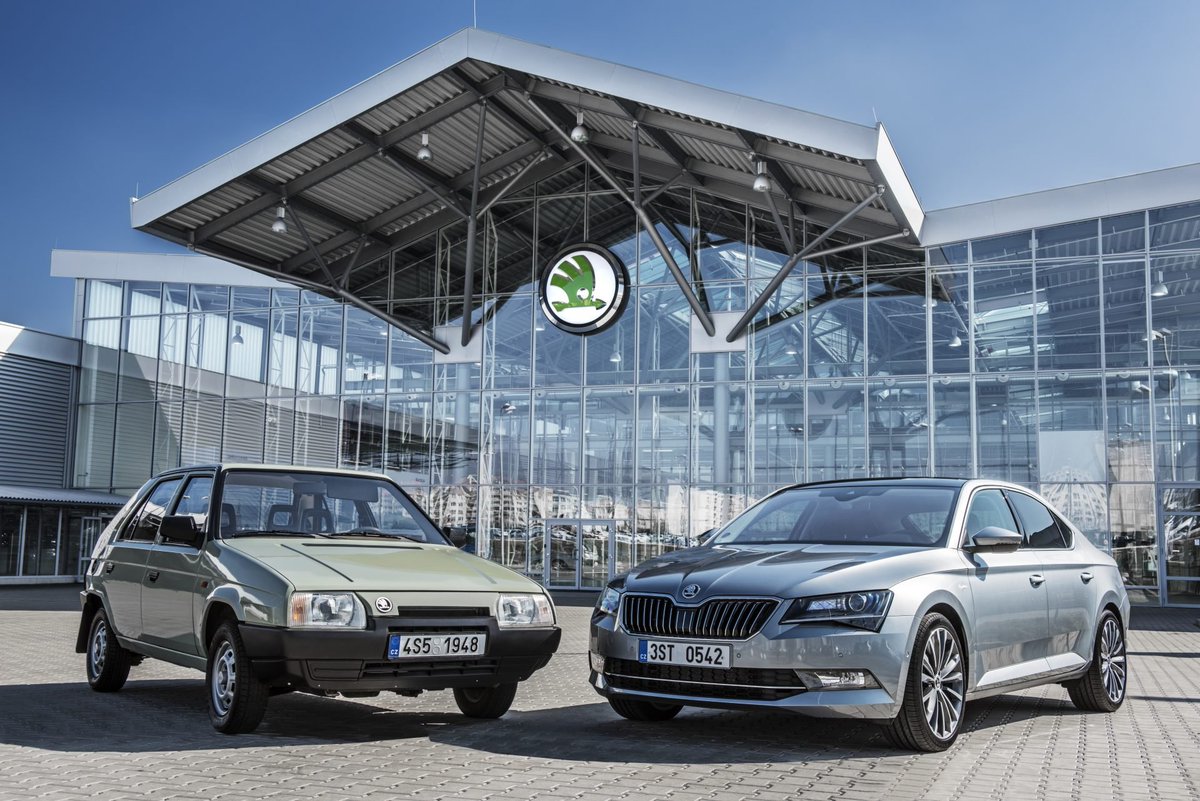
This led to a massive reduction in costs and significant improvement in quality.
3⃣ Altering Brand Perception: Bentley had started struggling with brand perception of being too ‘old-school’.
When VW acquired it in 1998 for $790M,
3⃣ Altering Brand Perception: Bentley had started struggling with brand perception of being too ‘old-school’.
When VW acquired it in 1998 for $790M,
— they revised its brand image & rigid design to appeal to a younger audience as high-performance luxury vehicle.
For that, they launched Bentley Continental GT by replacing the original BMW engine with the more powerful V8 engine, resulting in increased sales by over 50%.
For that, they launched Bentley Continental GT by replacing the original BMW engine with the more powerful V8 engine, resulting in increased sales by over 50%.
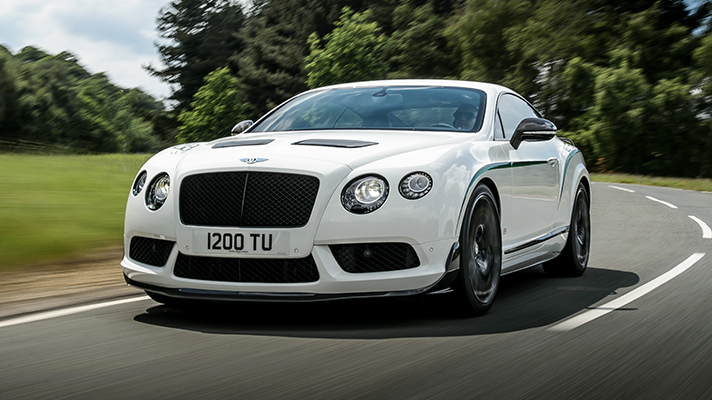
4⃣ Enhanced Operational Efficiency: Lamborghini struggled with instability and was passed around to many different companies before Audi bought it in 1998 for $9.2B.
Moreover, it faced quality issues concerning comfort and reliability despite high production costs.
Moreover, it faced quality issues concerning comfort and reliability despite high production costs.
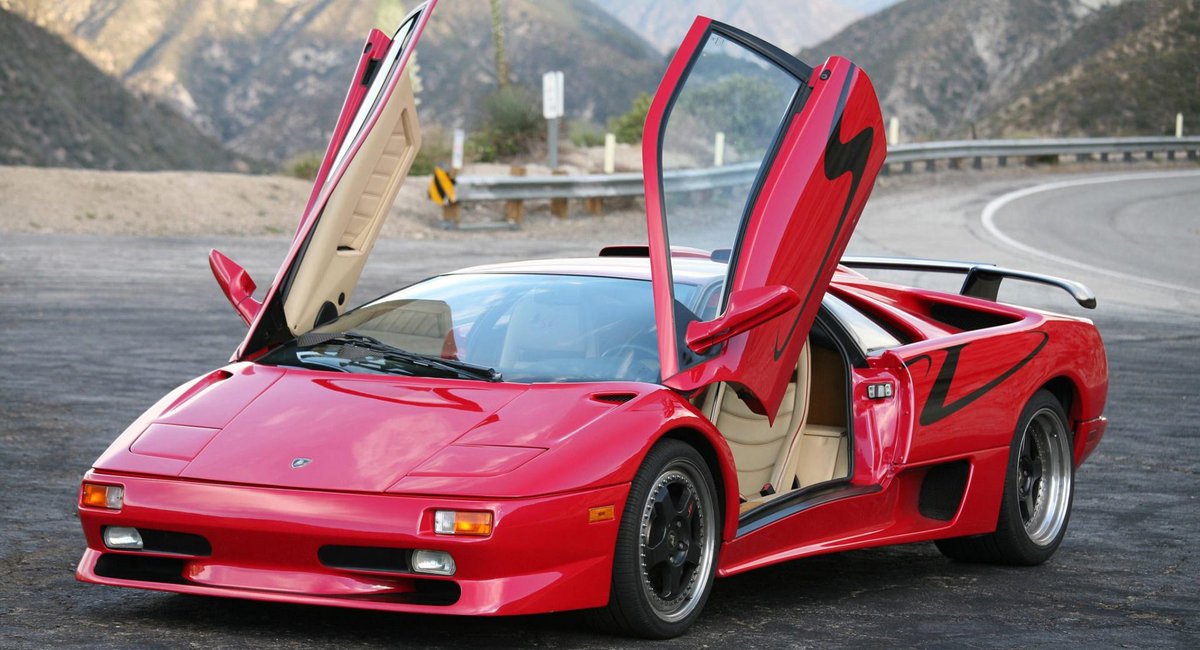
As the more established company, Audi streamlined Lamborghini’s operations and provided it with the funds and more efficient production processes.
In 2001, Lamborghini’s sales went up by 42%.
In 2001, Lamborghini’s sales went up by 42%.
But not all acquisitions have been easy for VW. In fact, Porsche secretly tried to become Volkswagen’s largest stakeholder in an attempt at a hostile takeover in 2009.
And to everyone’s surprise, this led Porsche into a plundering debt of $13B!
And to everyone’s surprise, this led Porsche into a plundering debt of $13B!
But in classic Volkswagen fashion, it saved Porsche from this disaster by acquiring it.
VW got Porsche’s expertise in precise quality control, advanced engine and sales network to launch Cayenne SUV and Panamera sedan as Porsche’s more diversified offerings.
VW got Porsche’s expertise in precise quality control, advanced engine and sales network to launch Cayenne SUV and Panamera sedan as Porsche’s more diversified offerings.
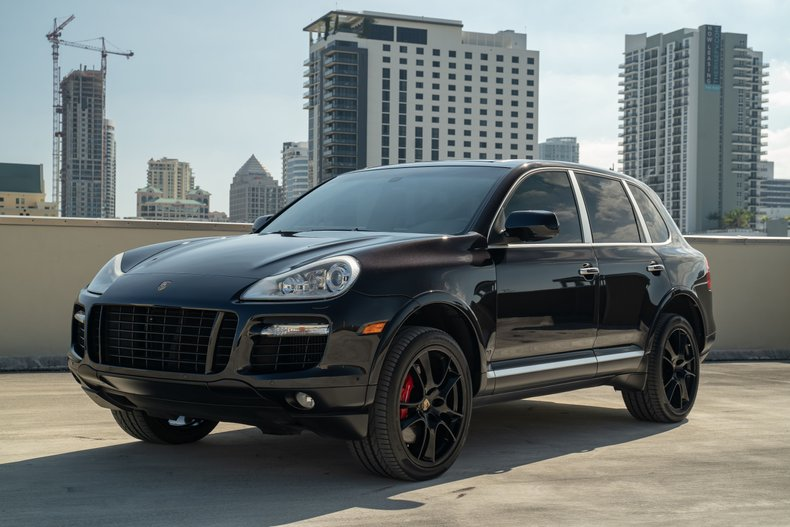
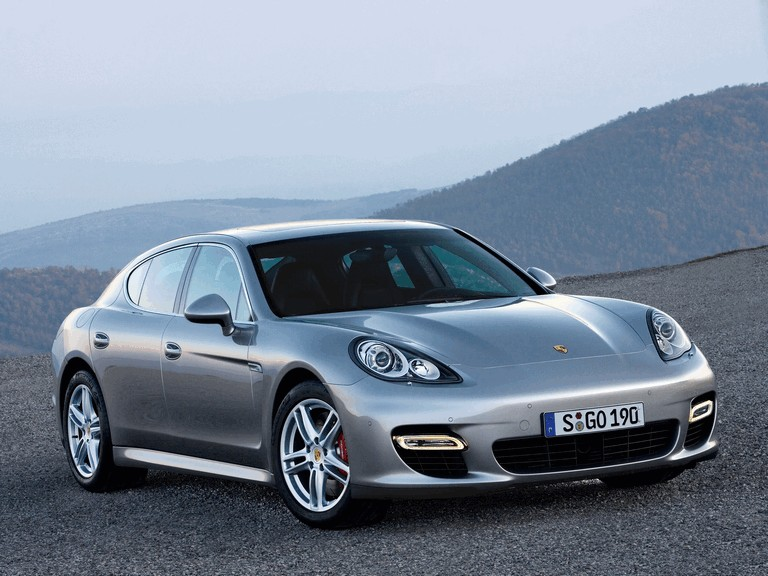
Today, VW and Porsche are two of the biggest revenue contributors to the Volkswagen group!
If you liked this read, do RePost🔄 the 1st post and follow us @FinFloww for such reads every Monday, Wednesday and Friday!
Get our WhatsApp newsletter: whatsapp.com

Subscribe to WHAT THE FLOWW?, our weekly email newsletter where we dive deeper into such concepts: soshals.app

Loading suggestions...