

In the 1980s, Japan was on its way to beat the US and become a superpower
Major Japanese companies like Toyota and Sony swallowed the global markets
But then came a period of crisis known as THE LOST DECADE which broke its spirit
THREAD: why Japan never became a superpower🧵
Major Japanese companies like Toyota and Sony swallowed the global markets
But then came a period of crisis known as THE LOST DECADE which broke its spirit
THREAD: why Japan never became a superpower🧵
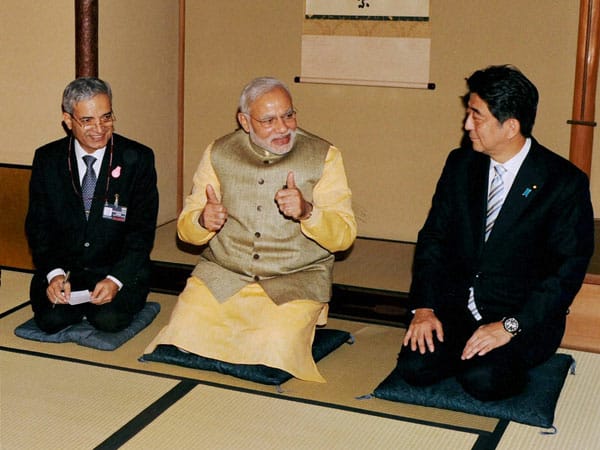
More often than not, we talk about the crisis that took place in the US, Europe and South Asian countries,
— but most of us are not even aware of the crisis that brought the economy of the land of the rising sun into darkness.
— but most of us are not even aware of the crisis that brought the economy of the land of the rising sun into darkness.

Since the 1990s, Japan has been suffering from sluggish growth rate and witnessed a period of stagnation and deflation called "THE LOST DECADE".
In the 1960s, Japan was growing at the rate of 12% p.a. but b/w 1995-2002, the annualised growth rate of Japan's GDP was only 1.2%.
In the 1960s, Japan was growing at the rate of 12% p.a. but b/w 1995-2002, the annualised growth rate of Japan's GDP was only 1.2%.
So let's try and understand what exactly happened to the country which was envied by all:
This started in 1979 when the central bank of Japan lowered its interest rates after the second oil crisis in history which was led by the war between Iraq and Iran.
This started in 1979 when the central bank of Japan lowered its interest rates after the second oil crisis in history which was led by the war between Iraq and Iran.
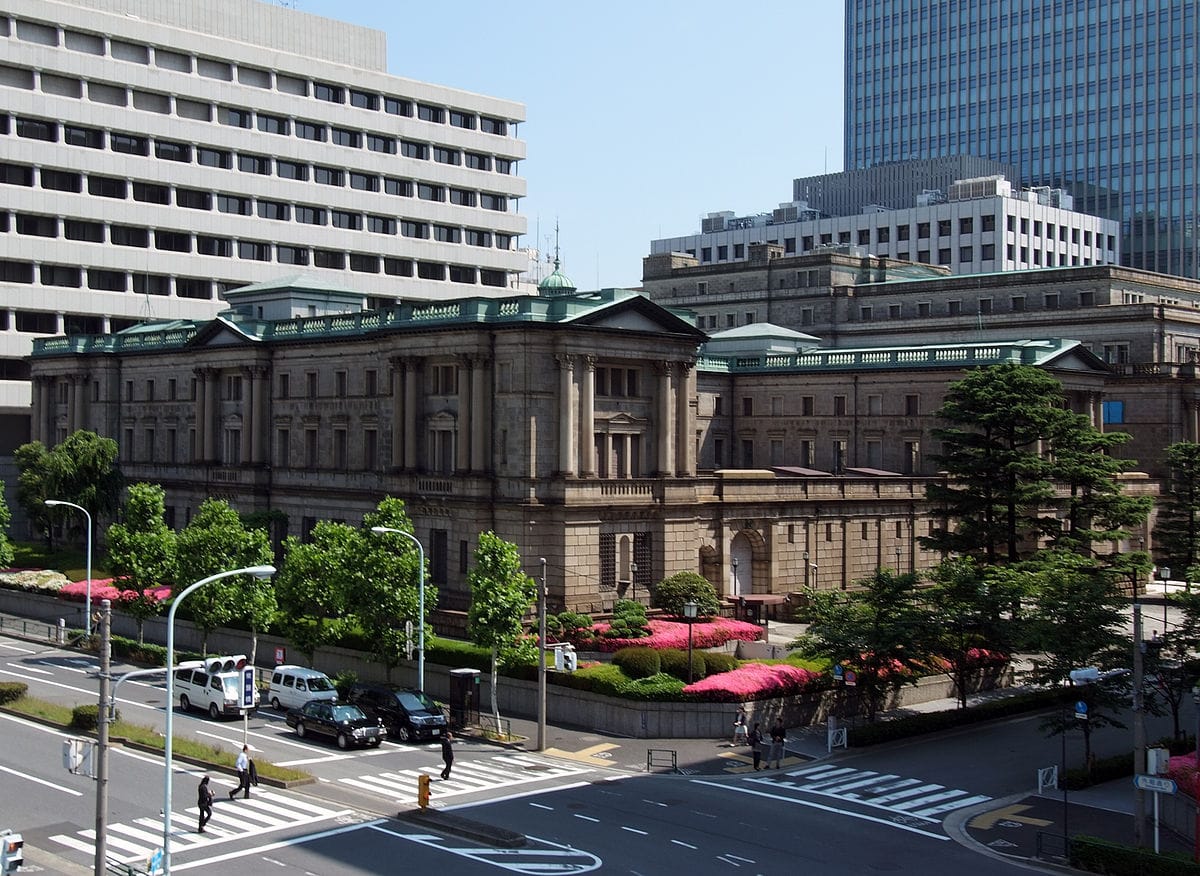
These lower interest rates enabled the country to invest more in R&D and the Bank of Japan guided the financial institutions while extending credit to ensure judicial growth among all sectors of an economy.
Industries like automobile, electronic and telecommunication grew in this era and Japan surpassed the US in terms of economic growth.
This rally was complimented by the "Plaza Accords" which were signed in 1985.
This rally was complimented by the "Plaza Accords" which were signed in 1985.
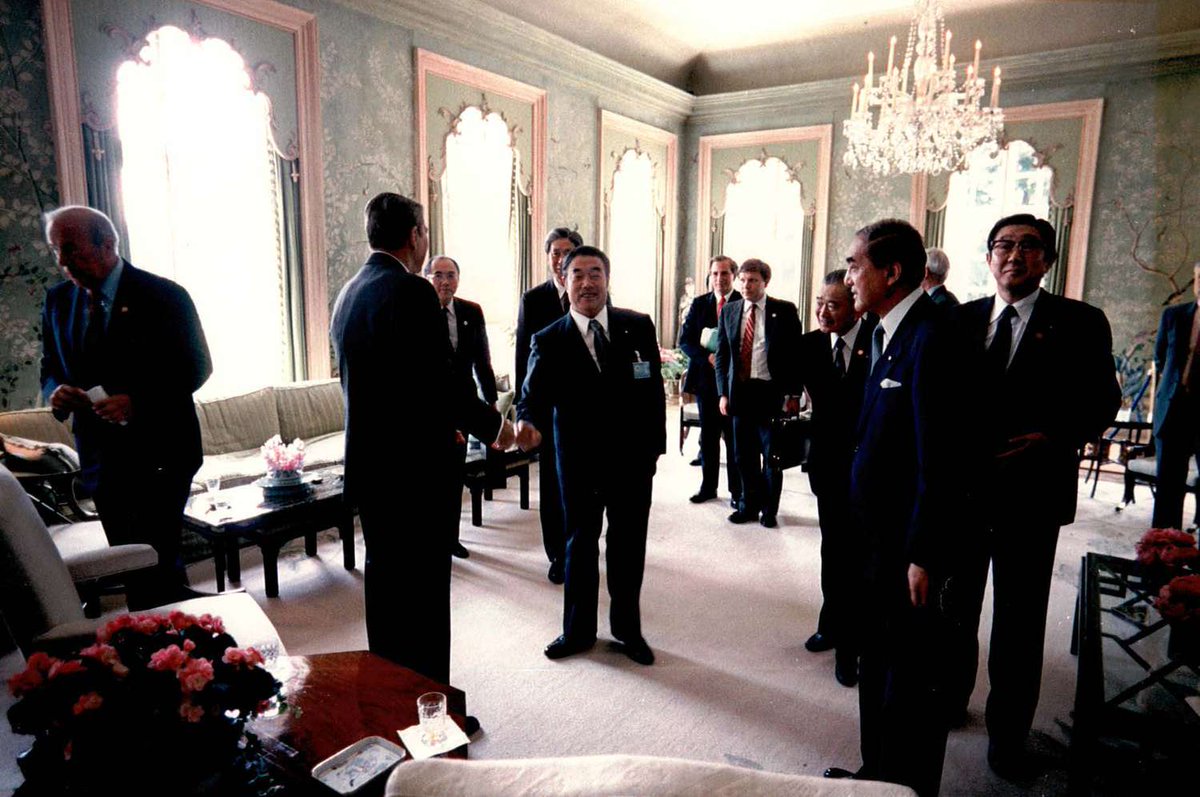
In the Plaza Accord, 5 industrialized nations, including the US and Japan, agreed to depreciate the value of the US dollar and appreciate other currencies.
So, Central Bank of Japan sold their US dollar reserves to increase the value of the Japanese Yen.
So, Central Bank of Japan sold their US dollar reserves to increase the value of the Japanese Yen.
Now there were two implications of it.
👉🏼 it reduced the exports of the country.
👉🏼 it increased the relative wealth of its citizens.
And hence, imports increased.
👉🏼 it reduced the exports of the country.
👉🏼 it increased the relative wealth of its citizens.
And hence, imports increased.
Central Bank lowered the interest rates even further to counter the Japanese Yen and this increased the demand for home loans and company borrowing.
As a result, the price of real estate and stocks went through the roof.
The party didn't end there:
As a result, the price of real estate and stocks went through the roof.
The party didn't end there:
With increasing wealth, savings increased and so did their investments.
But in 1989, without realizing its severe consequences, the Bank of Japan increased the interest rates to wipe off the excess money from the market.
And this popped Japan's equity & real estate bubble.
But in 1989, without realizing its severe consequences, the Bank of Japan increased the interest rates to wipe off the excess money from the market.
And this popped Japan's equity & real estate bubble.
Now in the 1990s, the Japanese economy faced 2 problems:
1⃣ Debt deflation: with the burst of the housing bubble, real estate prices fell.
This left people with massive loans and de-valued houses.
To repay their debts, people started saving more and reduced their consumption.
1⃣ Debt deflation: with the burst of the housing bubble, real estate prices fell.
This left people with massive loans and de-valued houses.
To repay their debts, people started saving more and reduced their consumption.
As a result, demand for consumer goods fell down and with the same level of supply, the general price level of the economy fell too.
Deflation forms a spiral.
As the general price level falls, the general income level also goes downward too.
Deflation forms a spiral.
As the general price level falls, the general income level also goes downward too.
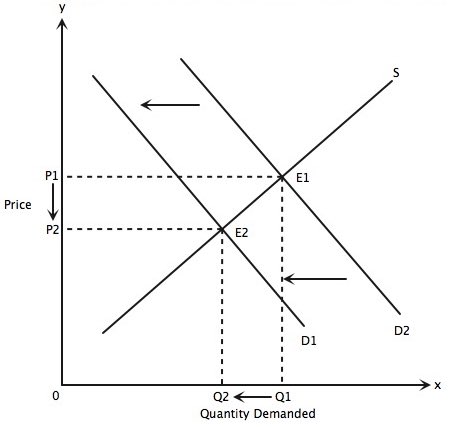
And this makes it even harder for people to pay back their dues and reduces consumption even further.
Hence it becomes a spiral with more deflation to follow.
(read it again if you're still not clear about it)
Hence it becomes a spiral with more deflation to follow.
(read it again if you're still not clear about it)
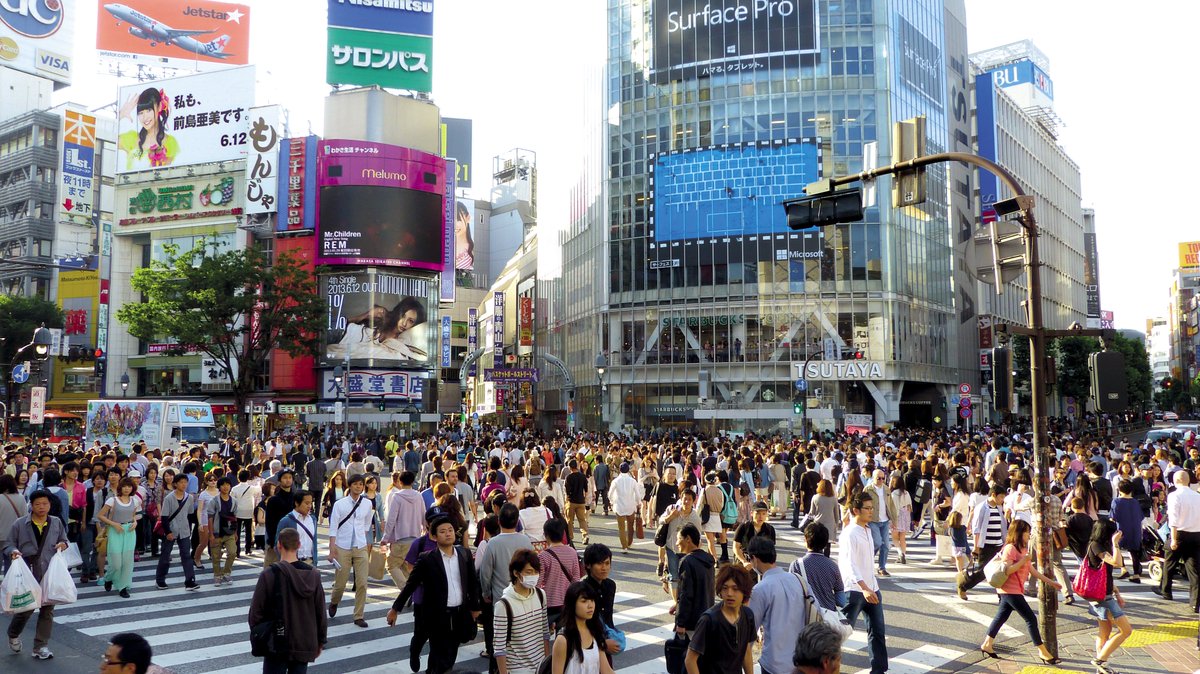
Now to increase the price level, the central bank cut the interest rates in 1991, but it wasn't enough in front of the crisis.
It didn't affect the falling prices and this was just the start of the full-blown crisis.
It didn't affect the falling prices and this was just the start of the full-blown crisis.
2⃣Banking crisis: Balance sheet of banks got affected in the process because they were the ones who extended the loans.
With deflation, people couldn't pay their dues & that led to bad loans.
This affected the financial well being of banks & they had to stop extending credits
With deflation, people couldn't pay their dues & that led to bad loans.
This affected the financial well being of banks & they had to stop extending credits
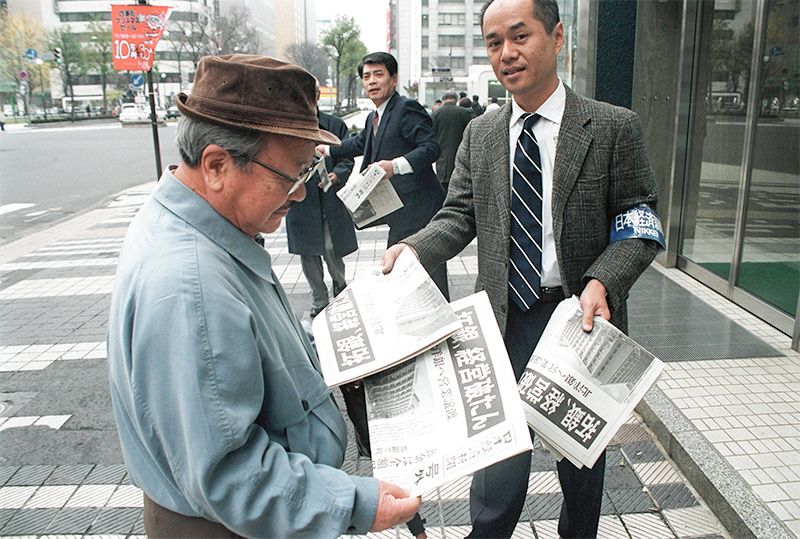
So, it got harder for the co.s to mobilize their capital and this again affected the economy.
In 1997-98, 7 major financial institutions failed and the central bank decided to re-capitalize and bailout the banks, so that they can play their most important role- money creation.
In 1997-98, 7 major financial institutions failed and the central bank decided to re-capitalize and bailout the banks, so that they can play their most important role- money creation.
This move by central bank enabled the banks to support the economy from their end.
But now the entire burden of these bad assets fell on the balance sheet of the govt.
Govt had to increase taxes on consumer goods to earn more revenue and increase inflation.
But now the entire burden of these bad assets fell on the balance sheet of the govt.
Govt had to increase taxes on consumer goods to earn more revenue and increase inflation.
So they wanted their citizens to spend more, but that didn’t happen.
People save more for their future in the time of crisis.
In an effort to turn deflation into inflation, govt. reduced unemployment and increased money supply in the economy by printing more money.
People save more for their future in the time of crisis.
In an effort to turn deflation into inflation, govt. reduced unemployment and increased money supply in the economy by printing more money.
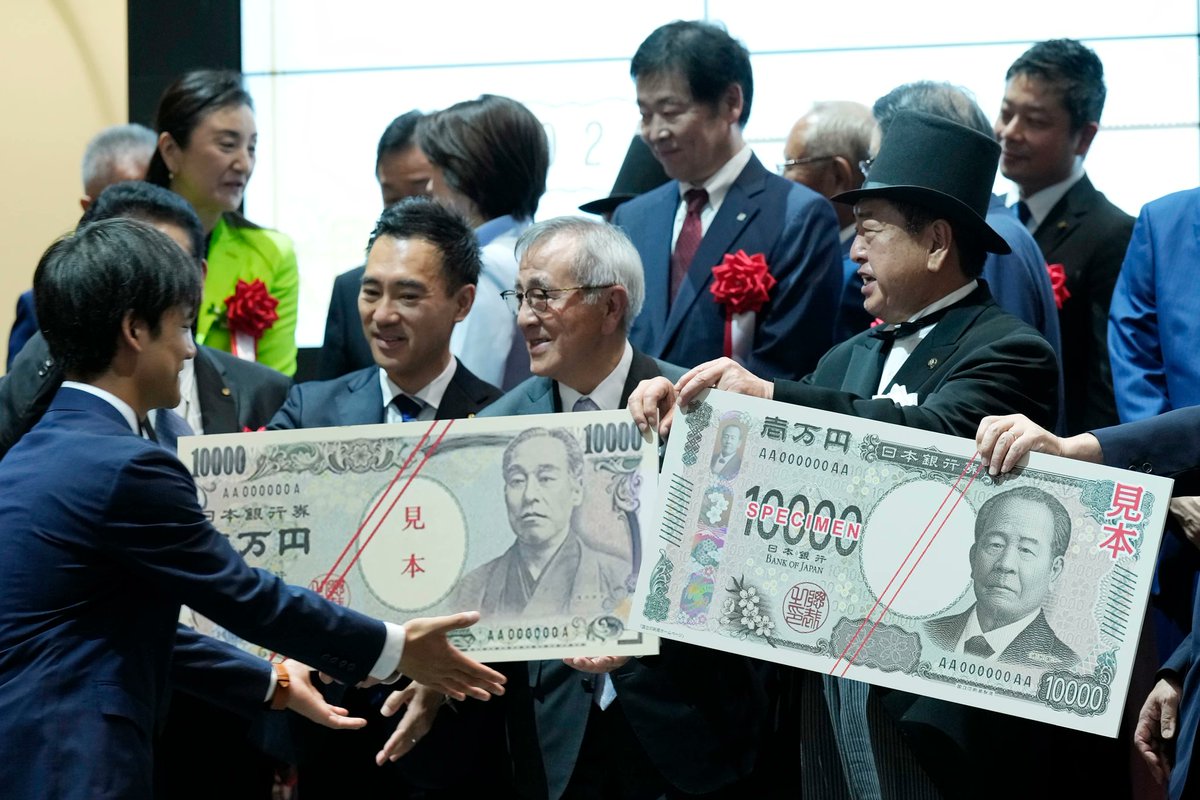
It is called "quantitative easing".
This technique finally bear fruits in 2006, when inflation rose a little bit but the crisis of 2008 hit the economy again.
Japan was even more affected by the US itself, as they rely more on their exports — especially automobiles.
This technique finally bear fruits in 2006, when inflation rose a little bit but the crisis of 2008 hit the economy again.
Japan was even more affected by the US itself, as they rely more on their exports — especially automobiles.
So fall in global demand resulted in the fall of their economic growth and their inflation still didn’t meet the mark.
As a result, another decade ended with deflation and stagnation for the country.
As a result, another decade ended with deflation and stagnation for the country.
To revive their economy, Bank of Japan used the same old methods — printing more money, reducing interest rates (negative now), more govt. spending etc., but in a more amplified version.
This still didn’t worked well for the economy.
This still didn’t worked well for the economy.
Economic policies remain ineffective because people tend to save more with increase in income.
And Japan lost 1 more decade in the same situation
— stagnation and deflation.
That’s the reason why Japan couldn’t become world’s biggest economic superpower.
And Japan lost 1 more decade in the same situation
— stagnation and deflation.
That’s the reason why Japan couldn’t become world’s biggest economic superpower.
If you liked this read do RePost🔄 the 1st tweet
& follow us @FinFloww for such threads every Monday, Wednesday and Friday
& follow us @FinFloww for such threads every Monday, Wednesday and Friday
Join the 26321 people who read such stories daily on their WhatsApp:
whatsapp.com
whatsapp.com
Subscribe to WHAT THE FLOWW?, our weekly email newsletter where we dive deeper into such concepts: soshals.app

Loading suggestions...