
So you want to be a Roman legionary? A highly disciplined, trained, and organized member of the famed Roman legion. One of the most renowned ancient militaries.
It is an arduous path, carrying many dangers, but also great benefits. So let's enroll, shall we?
A thread🧵
It is an arduous path, carrying many dangers, but also great benefits. So let's enroll, shall we?
A thread🧵

Before joining the legion, the recruit underwent a rigorous, hard-core training. While the Roman legion was a massive unit - comprising around 5,000 men, the legion was as strong as its smallest part - a legionary. /1

Key recruitment roles belonged to military physicians who evaluated the candidates' health and the weapons instructors who taught the recruits to fight. The physicians and the instructors were part of the "immunes," exempt (or immune) from regular duties, and also better paid. /2
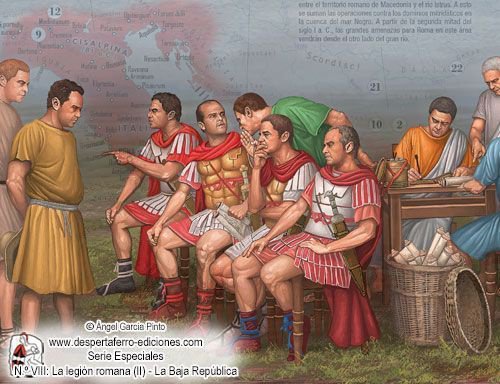
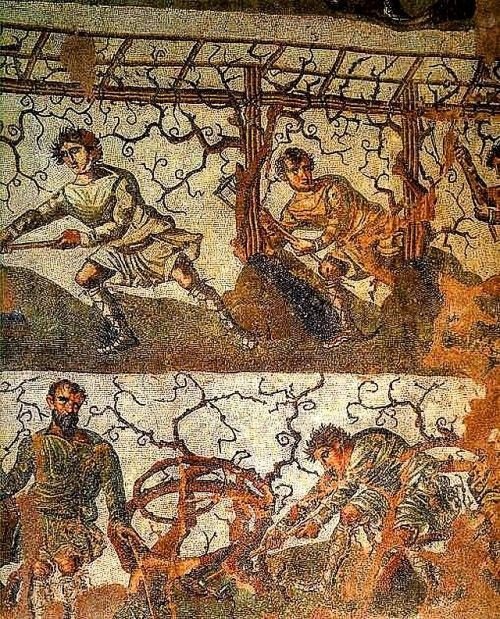
The Roman army preferred recruits from the countryside, as those men were considered more physically fit and more used to harsh environments than the urban dwellers. The men with manual labor professions, such as butchers, blacksmiths, or hunters, were the most desired. /3
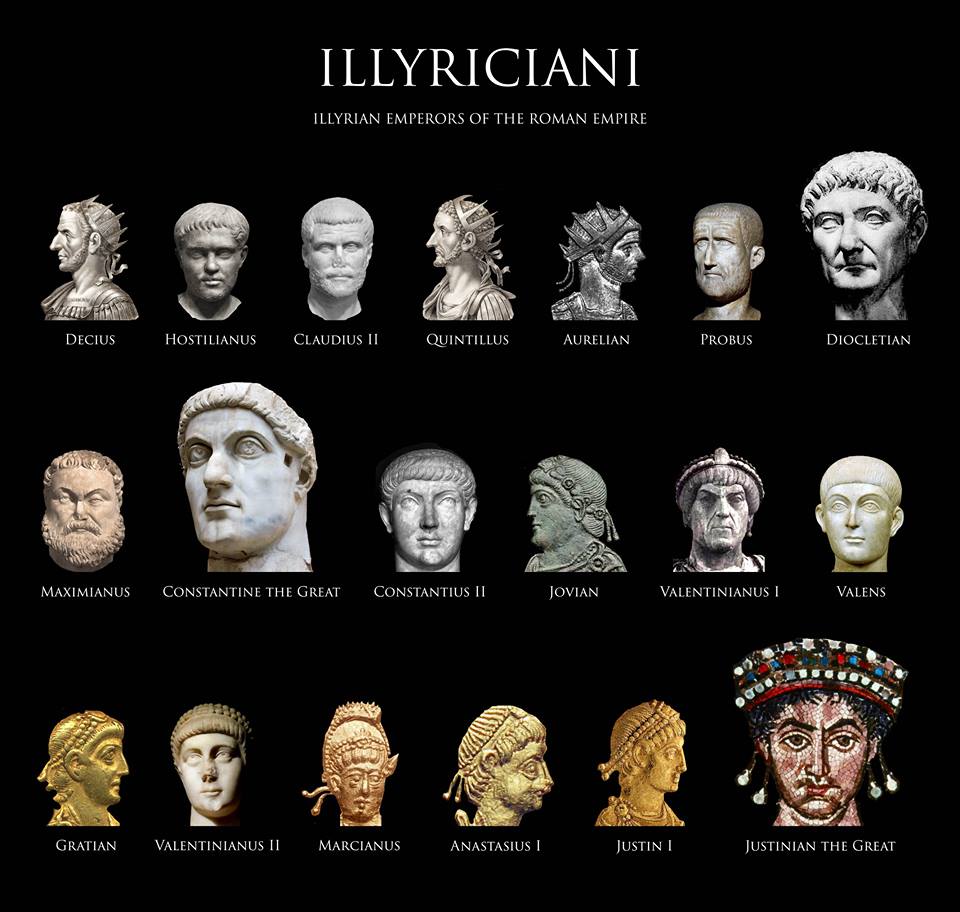
The Romans also preferred to draft soldiers from certain provinces, famous for having brave and good fighters. One of the most important regions (especially from the 3rd century onwards) was Illyricum, and many soldiers born there became emperors. /4
But back to recruitment...any soldier-hopeful had to be checked first by military physicians. The candidates had to be healthy, physically fit, and at least 168 centimeters (5.5 feet) high. (This would change in the later Empire). /5
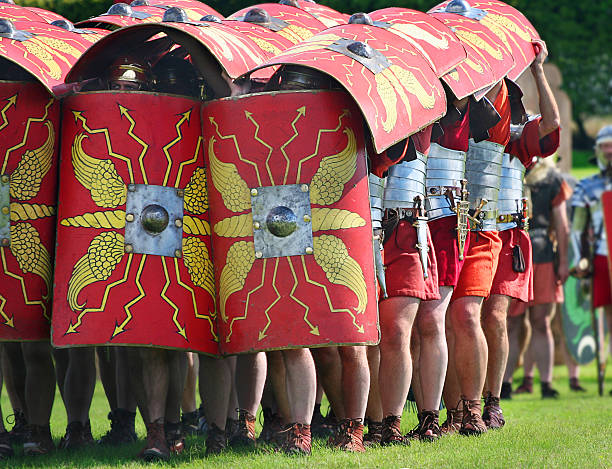
Every recruit had to be a Roman citizen and at least seventeen years old. Those without Roman citizenship joined auxiliary forces. This requirement changed with the Caracalla edict, which bestowed citizenship to all free men in the #RomanEmpire. /6
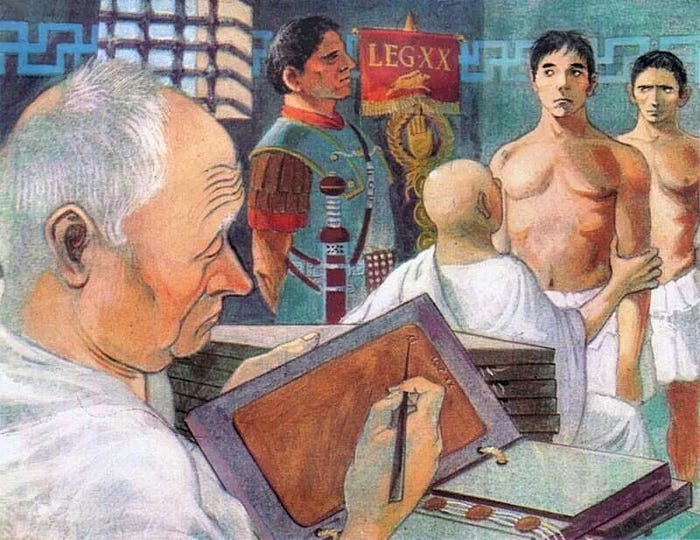
A recommendation letter from a high-ranking officer or a veteran increased the chances of getting into the army. All the candidates had to be single. If married, their marriages got annulled by entering the military service
Upon completion of service, the soldier could marry. /7
Upon completion of service, the soldier could marry. /7
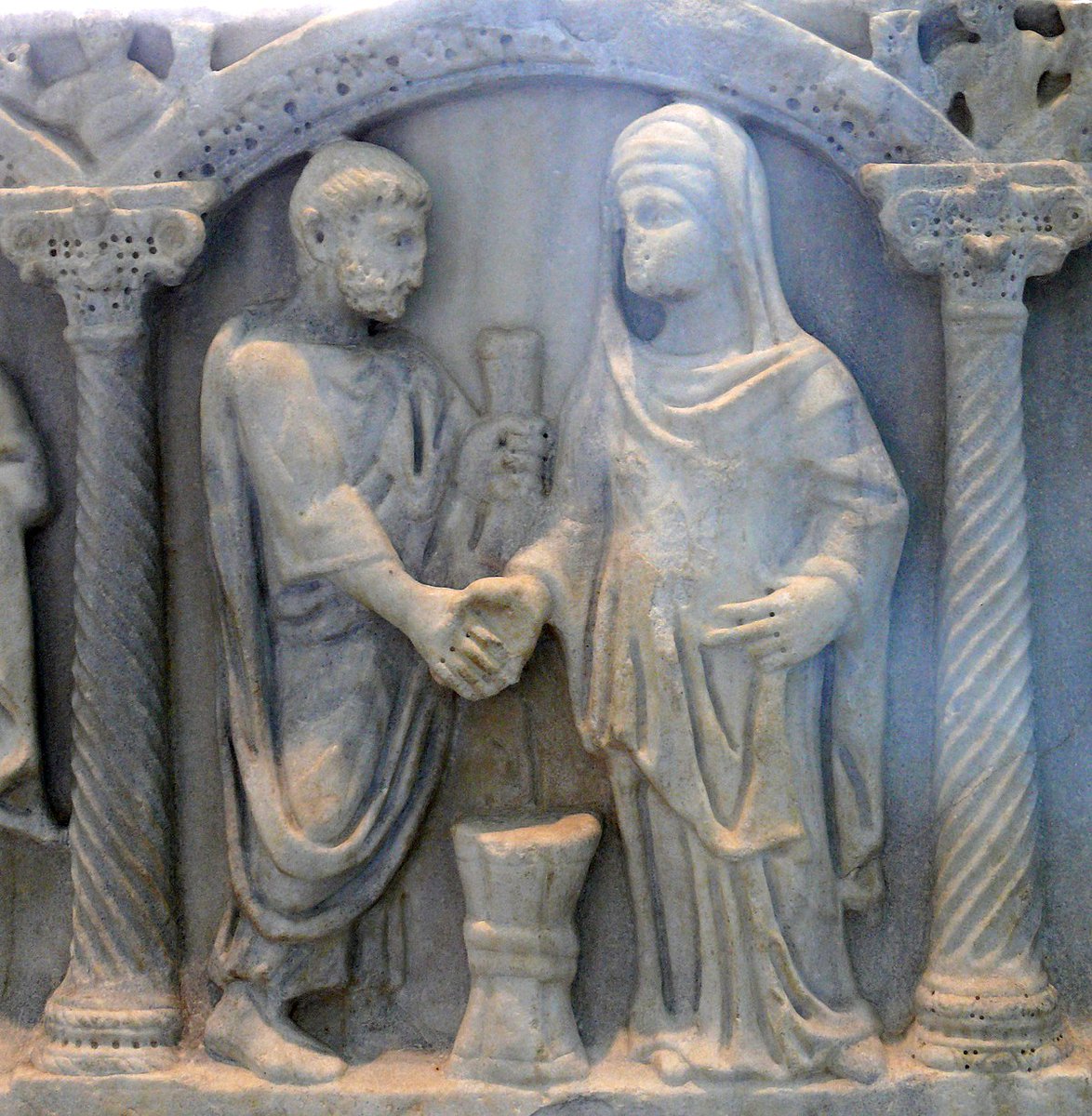
Despite those measures, unofficial marriage was permitted, especially in the legions stationed on long-term garrison duty. Family ties with the locals helped maintain good relations and integrate natives into Roman society and culture... /8
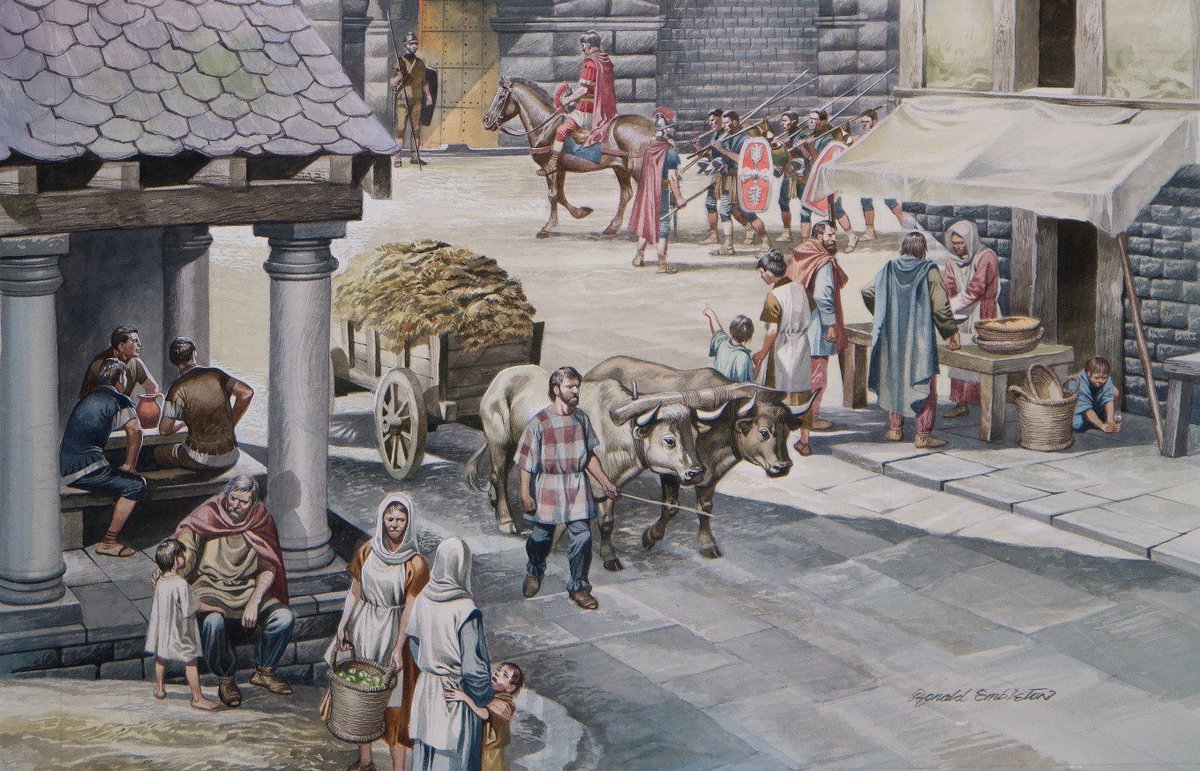
More importantly, the sons of legionaries would often become soldiers, thus helping the legion maintain its numbers and combat power. This became essential in the late Empire, as military service became hereditary.
Turning the Roman army into primary vehicle of Romanization. /9
Turning the Roman army into primary vehicle of Romanization. /9
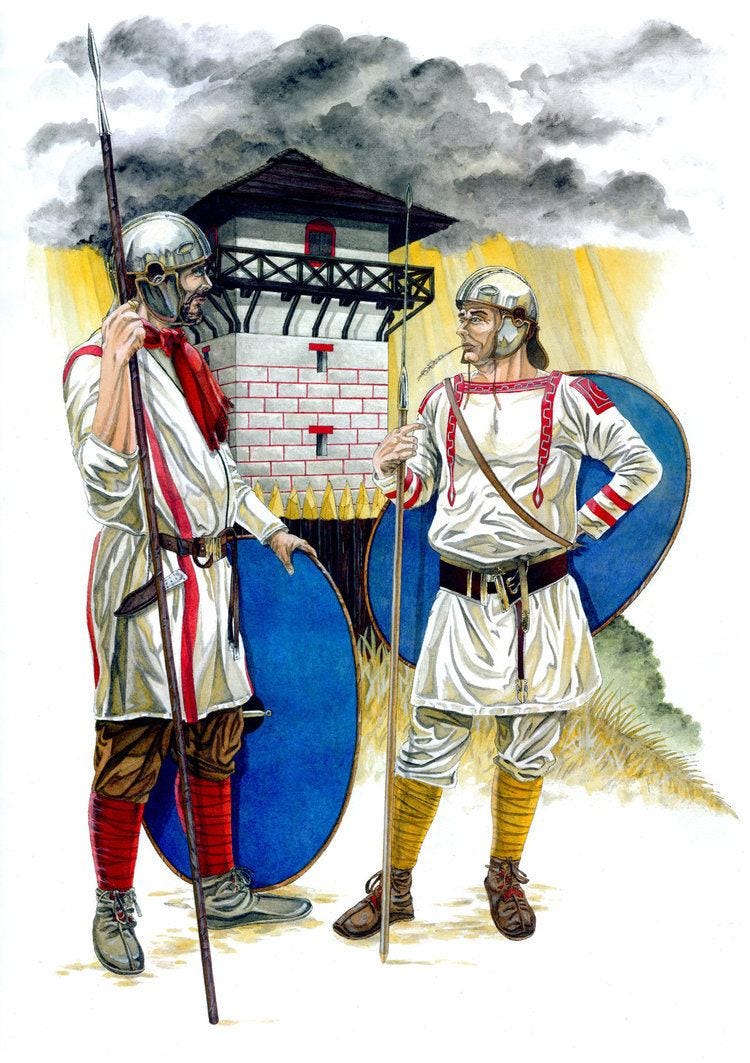
Marriage restrictions, however, seem not to be an issue. Since being a soldier meant a good salary, a better diet and medical services, a pension, and a piece of land. Or, if lucky, a fast-track to the top - including the throne. /10
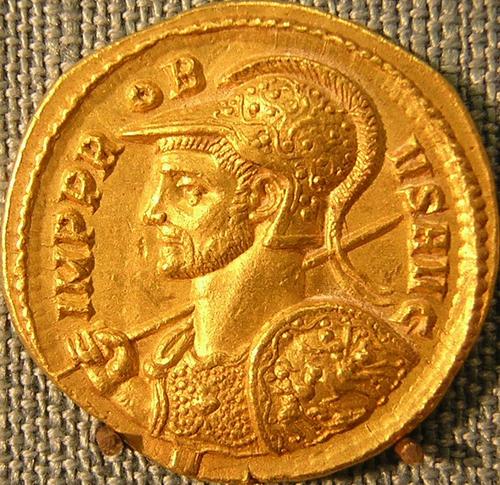
All those rewards, however, had to wait. Once accepted, the recruit had to undergo a strenuous four-month trial period - including forced marches with full equipment, weapons training, and formation drills.
The recruits were pushed to their physical and psychological limits. /11
The recruits were pushed to their physical and psychological limits. /11
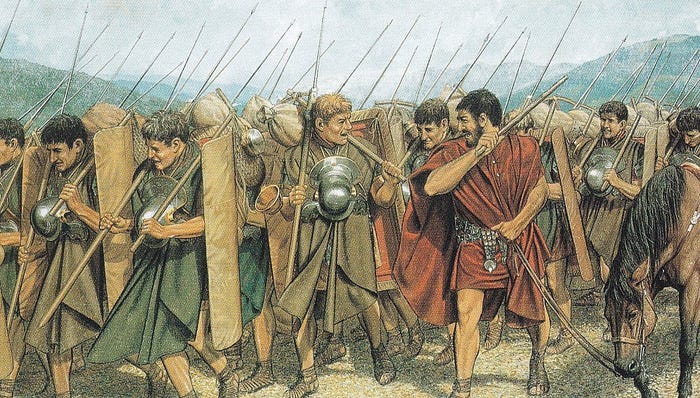
The recruits had to complete 29 kilometers (18 miles) in six hours while carrying 20 kilograms (45 pounds). Later in the trial process, they had to complete 35 kilometers (22 miles).
This was essential, as while on the campaign, the legion was expected to march 32 km per day /12
This was essential, as while on the campaign, the legion was expected to march 32 km per day /12
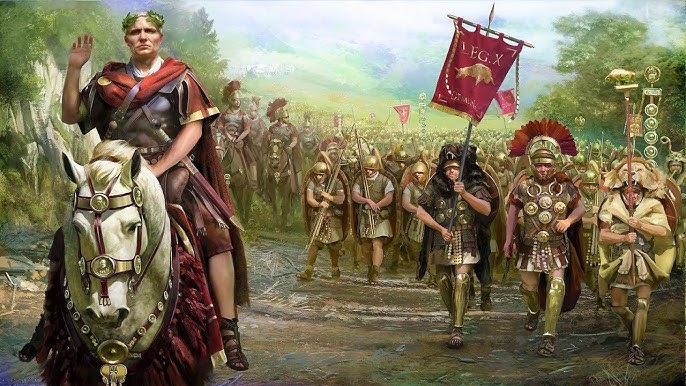
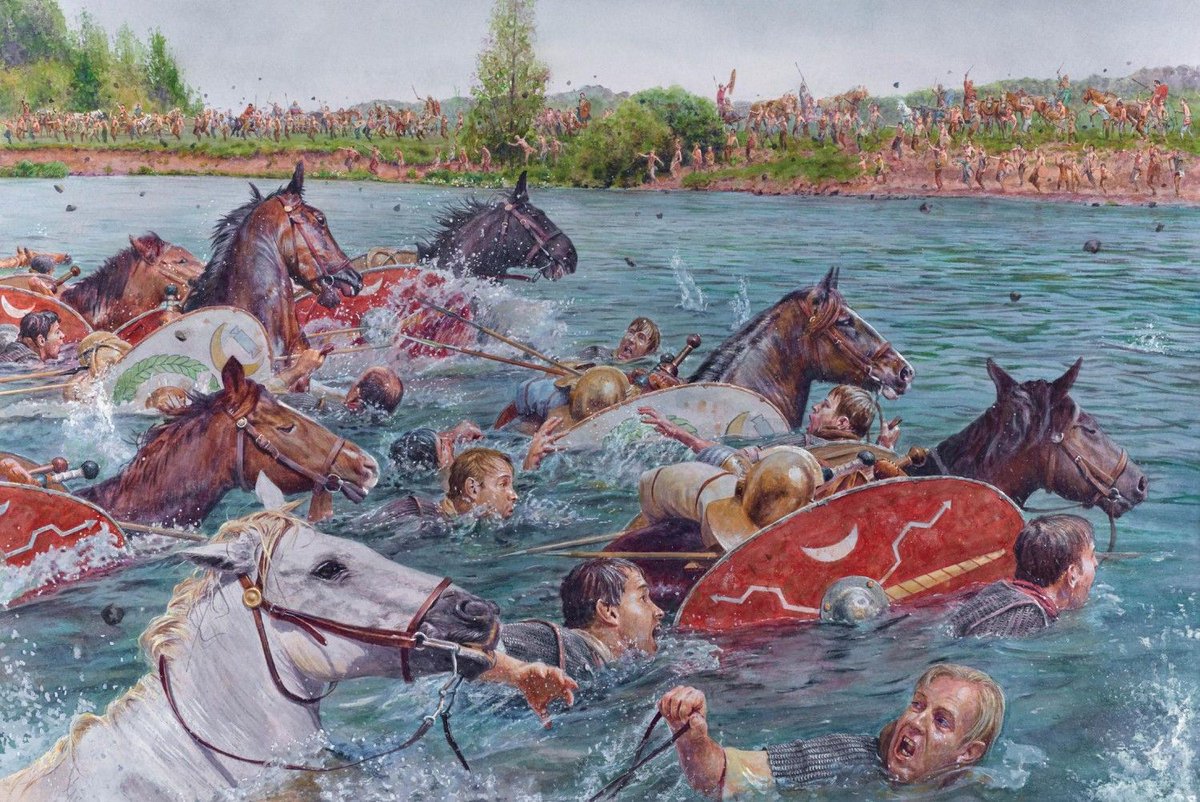
The Roman legionaries were also taught how to swim. The Romans believed swimming was an excellent exercise to keep soldiers healthy and fit.
It also came in handy when serving on the limes, often delineated by large rivers, such as the Rhine or Danube. /13
It also came in handy when serving on the limes, often delineated by large rivers, such as the Rhine or Danube. /13
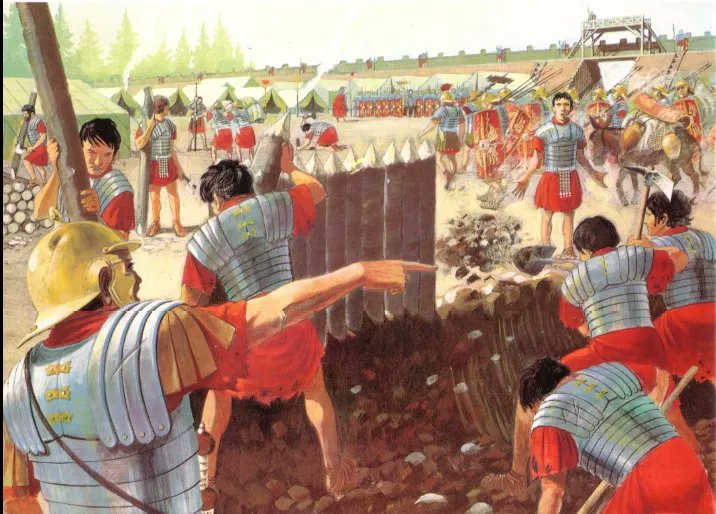
Another essential part of the training was building the camp. The camp, comprising a moat, rampart, and palisade, had to be raised in five hours. And dismantled in, the similar amount of time.
After all, time was of the essence for the army on the march. /14
After all, time was of the essence for the army on the march. /14
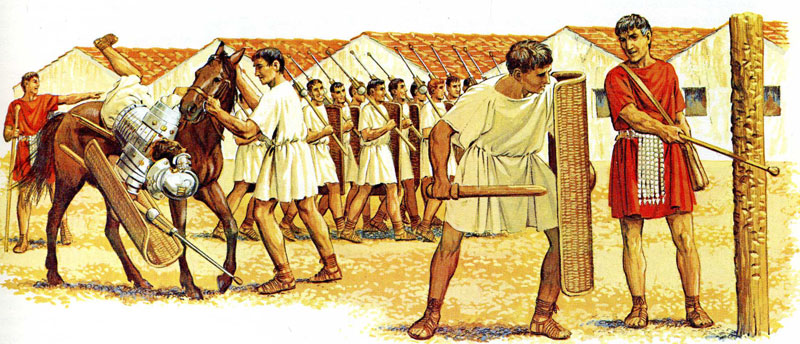
Roman soldier was...a soldier, so it is only natural that a recruit had to learn how to fight. The recruits had to train twice a day. The training was held outside.
The weapons instructors taught recruits man-to-man combat, javelin throwing, maneuvers, and battle formations. /15
The weapons instructors taught recruits man-to-man combat, javelin throwing, maneuvers, and battle formations. /15

Interestingly, the wooden swords and wicker shields were twice as heavy as the real equipment. This was to increase the recruit's strength. The javelins, too, were much heavier than the real ones.
Some recruits learned archery and how to mount a horse with full equipment. /16
Some recruits learned archery and how to mount a horse with full equipment. /16
Lastly, soldiers had to learn discipline. The Roman army often won battles, beating superior opponents, by mantaining discipline, and fighting as one.
Thus, it was essential to keep a close relationship with one's own comrades, follow orders, and be always vigilant. /17
Thus, it was essential to keep a close relationship with one's own comrades, follow orders, and be always vigilant. /17
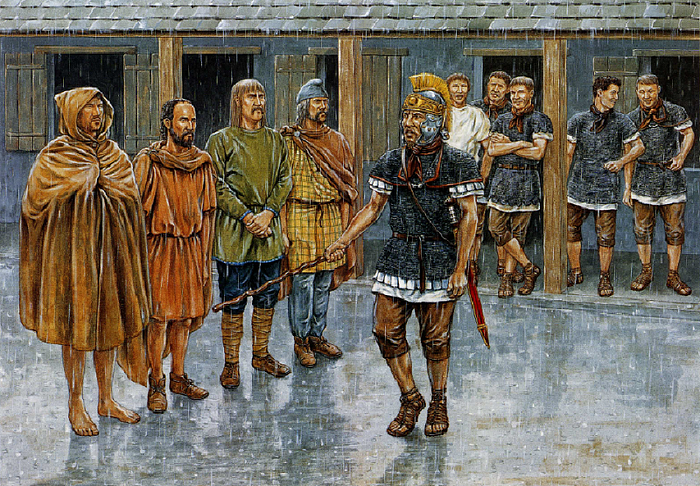
Falling asleep during a night watch or not wearing a sword while building a camp would result in severe punishment, in some cases, death.
The harshest form of punishment, albeit uncommon, was decimation, where every tenth man in a group was executed by members of his cohort /18
The harshest form of punishment, albeit uncommon, was decimation, where every tenth man in a group was executed by members of his cohort /18
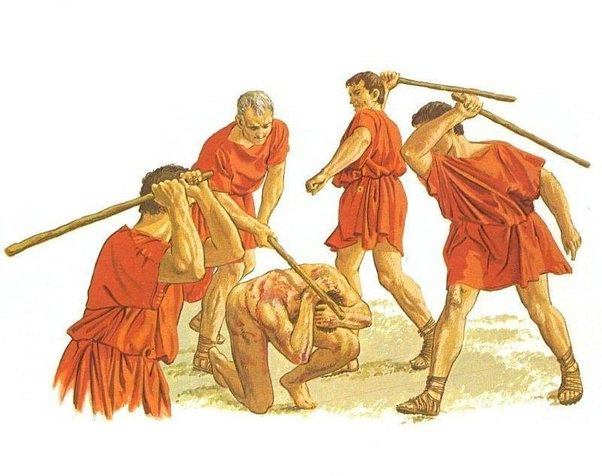
If the recruit survived the four-month-long trial, he would swear an oath of loyalty and receive a tattoo for easier identification. He was now a Roman soldier.
This would only be the beginning of 25 years of arduous military life. /19
This would only be the beginning of 25 years of arduous military life. /19
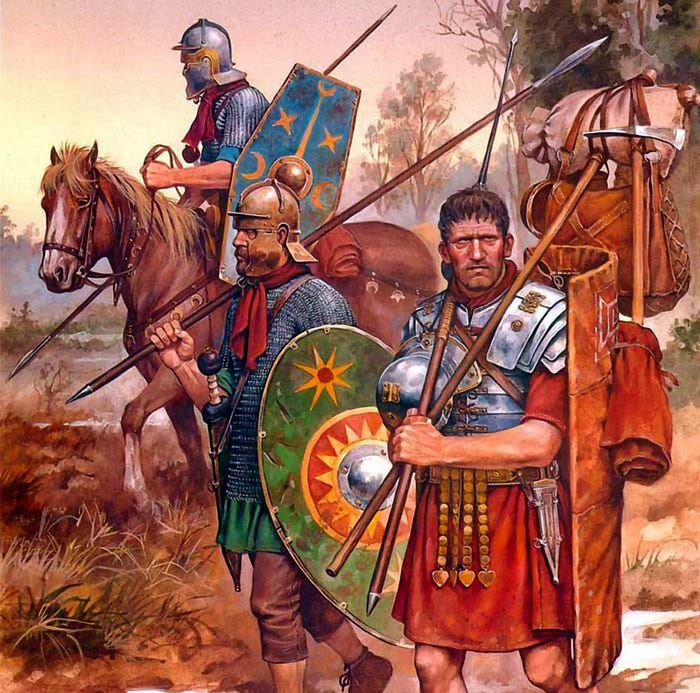
However, military service brought many benefits, as civilians respected (and feared) the soldiers.
They also were close to the emperor, often receiving numerous benefits, from promotions to lavish monetary rewards. Not to mention war booty and the promise of citizenship. /20
They also were close to the emperor, often receiving numerous benefits, from promotions to lavish monetary rewards. Not to mention war booty and the promise of citizenship. /20
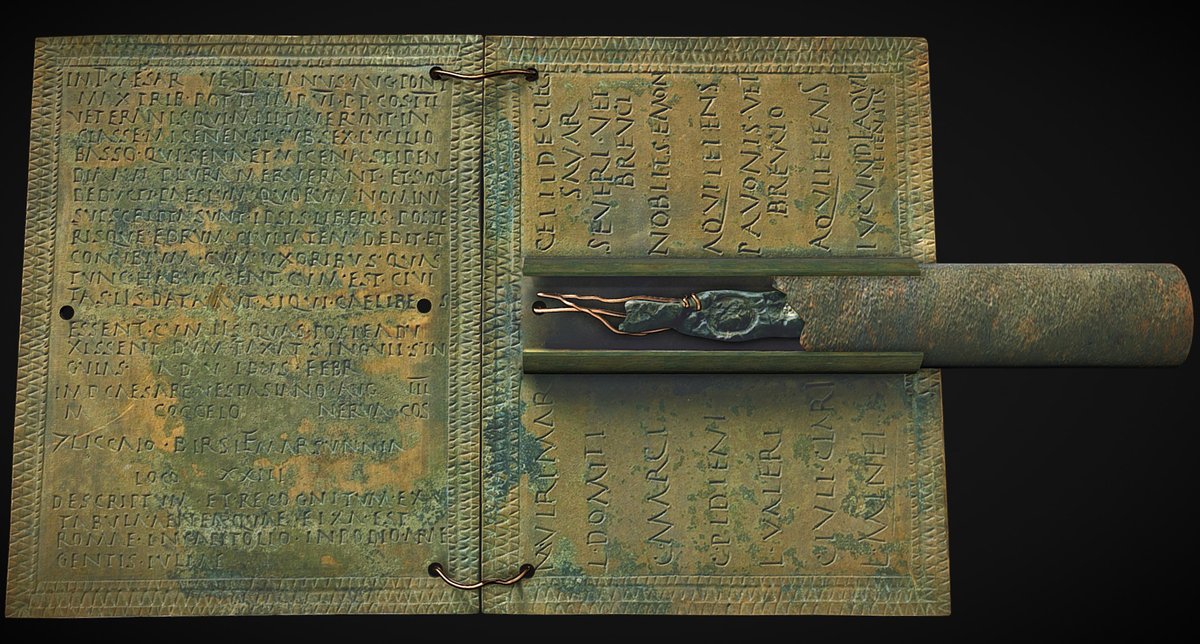
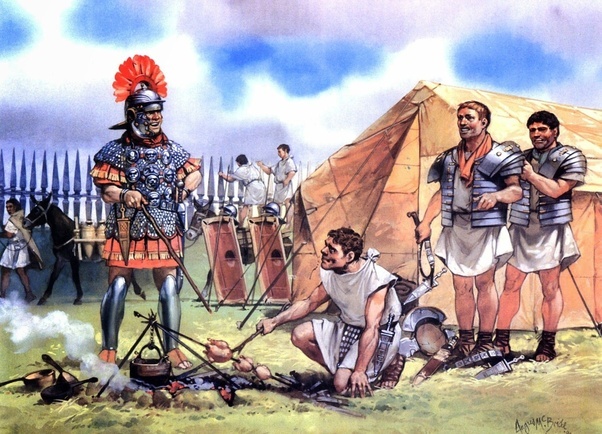
The soldier also bonded with his comrades, especially those living in the same tent, forming "esprit de corps," unparalleled in the ancient world.
The “band of brothers” created an unbreakable bond, remaining close friends after leaving the army and becoming veterans. /21
The “band of brothers” created an unbreakable bond, remaining close friends after leaving the army and becoming veterans. /21
Veterans would often settle in the same colonies, and new cities would pop up all over the Empire. Making the Roman army one of the principal vehicles of expansion, urbanization, and Roman identity.
With veterans highlighting their military service on the lavish tombs.
Fin /22
With veterans highlighting their military service on the lavish tombs.
Fin /22

Loading suggestions...