
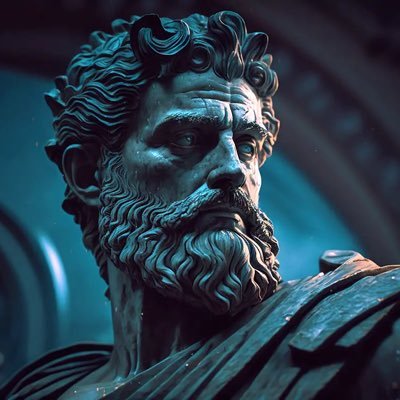
Sparta’s Victory Dogma
Everyone knows the Spartan saying: “Come back with your shield, or on it”. What most people do not know is that Spartans did surrender, betray & sometimes cowered as well.
Let's explore the Spartan psyche & maybe debunk a dogma forged in blood & terror.
Everyone knows the Spartan saying: “Come back with your shield, or on it”. What most people do not know is that Spartans did surrender, betray & sometimes cowered as well.
Let's explore the Spartan psyche & maybe debunk a dogma forged in blood & terror.
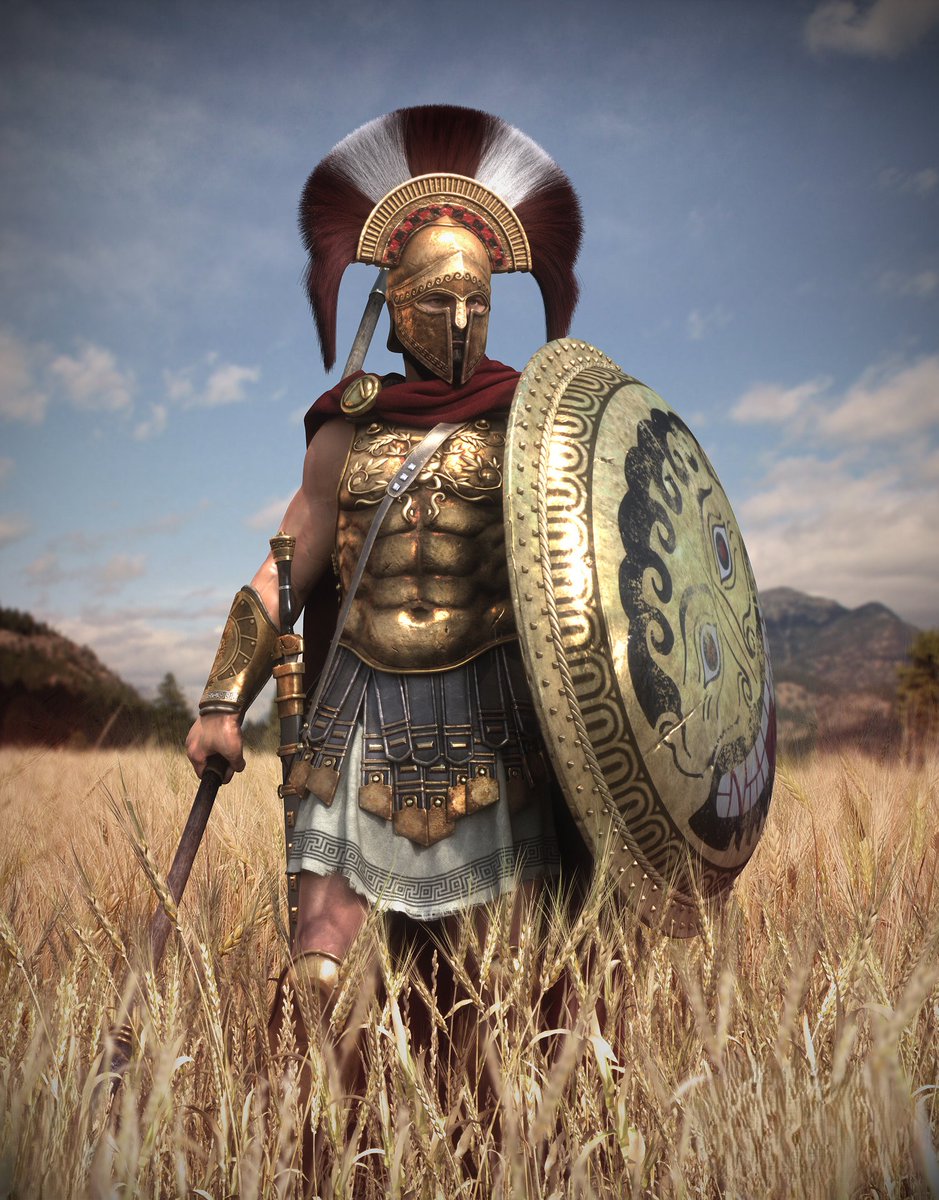
How do you build a Reputation? How can you create an impression of unyielding discipline and invincibility? How do you make a nation of madmen respect you and recognize you as the baddest among them all? Well, you need extreme gore, sheer violence and immense brutality.
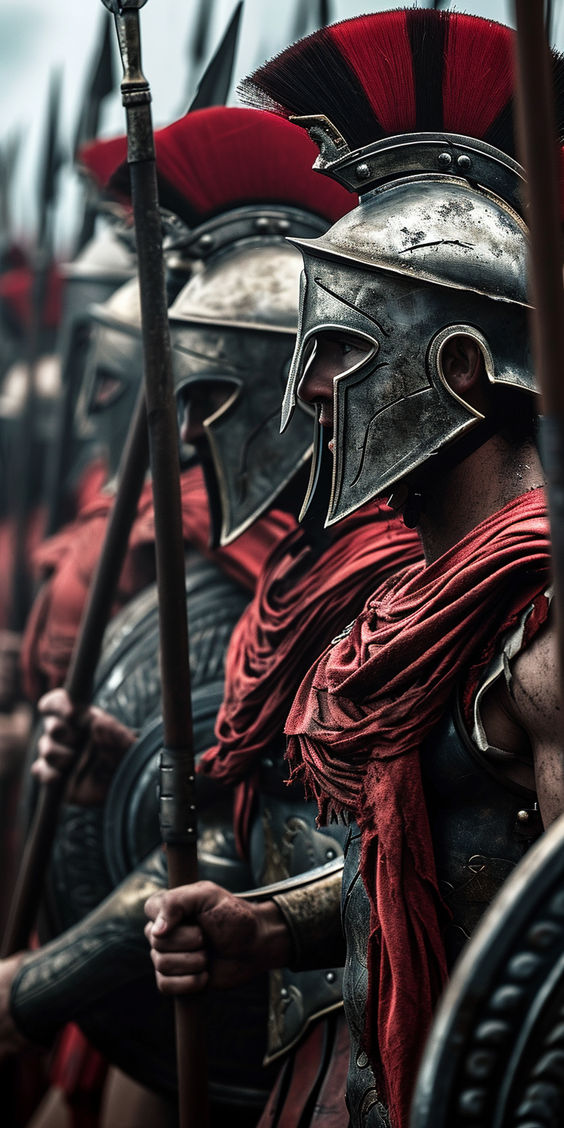
Spartan society would be difficult for us to comprehend; many idolize today the Spartans but they do not understand them in depth and definitely do not know how brutal they could be with themselves but the other Greeks as well.
Yet it was this level of discipline, brutality, sacrifice and ingenuity that imprinted the legend of Sparta into the annals of History. Because the Spartans had a unique social structure and a single, monolithic and unwavering aim: Sparta’s domination, above anything else.
Yet it was this level of discipline, brutality, sacrifice and ingenuity that imprinted the legend of Sparta into the annals of History. Because the Spartans had a unique social structure and a single, monolithic and unwavering aim: Sparta’s domination, above anything else.
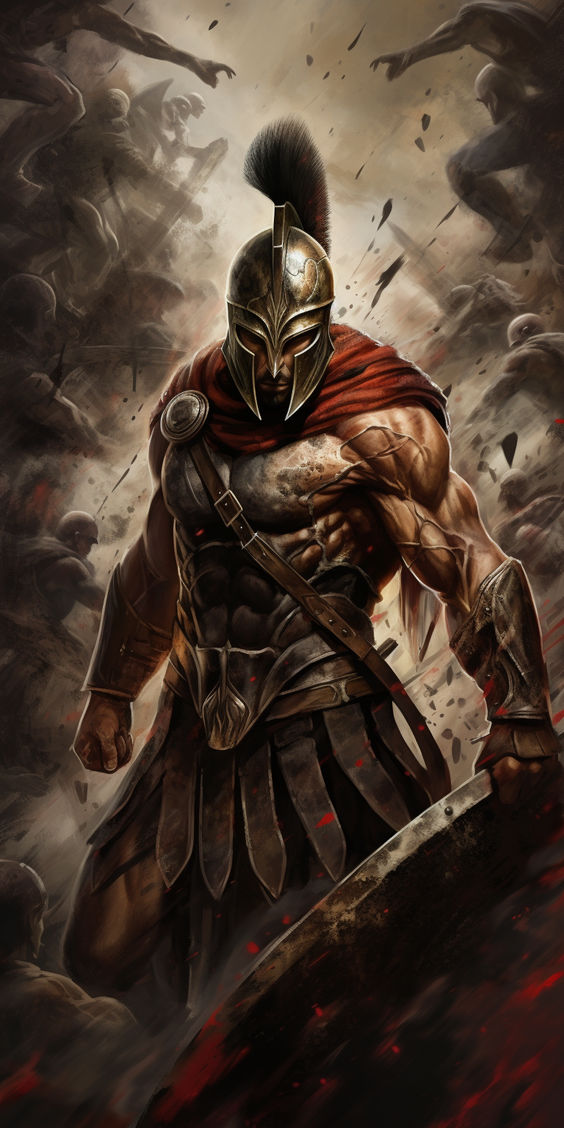
That was pushed by the sacred laws of Lycurgus, the city-council, the Kings and an army of lethal machines of war, bred for a single purpose: Victory.
They were driven by a victory dogma that permeated every aspect of its society. This dogma was reflected in the agoge, the brutal training program that every Spartan male underwent from a young age.
Discipline, endurance, deception and martial excellence were the cornerstones of Spartan way of life.
They were driven by a victory dogma that permeated every aspect of its society. This dogma was reflected in the agoge, the brutal training program that every Spartan male underwent from a young age.
Discipline, endurance, deception and martial excellence were the cornerstones of Spartan way of life.
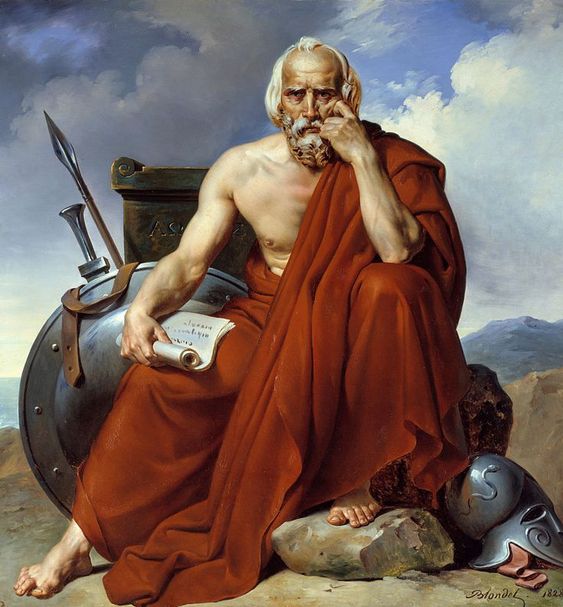
The agoge was more than just a military training program; it was a way of life. Starting at age seven, Spartan boys left their families to live in communal barracks where they were subjected to intense physical training, survival skills, and loyalty to the state. This system produced warriors of unparalleled skill but at the cost of personal freedom and family bonds.
It is not a secret that Spartans did not value just bravery but cunningness as well; it was illegal to get caught stealing but it was not illegal to steal. They punished severely those who were caught committing crimes, otherwise “crime did not exist” in Sparta. The nourished a spirit of stealth and cunning approach, to minimize damage; even the young men had to escape the barracks and break into the homes of their future wives to get some (during their military years).
It is not a secret that Spartans did not value just bravery but cunningness as well; it was illegal to get caught stealing but it was not illegal to steal. They punished severely those who were caught committing crimes, otherwise “crime did not exist” in Sparta. The nourished a spirit of stealth and cunning approach, to minimize damage; even the young men had to escape the barracks and break into the homes of their future wives to get some (during their military years).
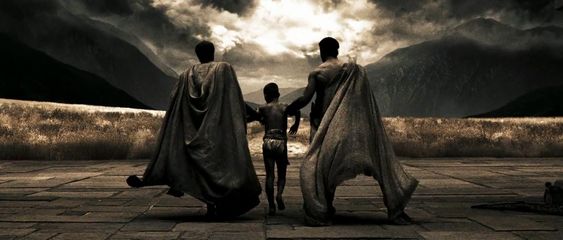

One of Sparta's most controversial practices was the krypteia. This was a secret police force composed of young Spartan men who were tasked with terrorizing (and killing) the helot population (enslaved Greeks of the surrounding regions, mostly). Under the cover of night, these young men would kill any helots they found who might pose a threat to Spartan stability. The krypteia was intended to instill fear and maintain control over the vastly outnumbered helot population.
So men were forged into war machines; but what about women? Spartan women were probably the most free and autonomous throughout ancient Greece; the reason is not DEI but that Sparta depended on them for more warriors. That’s why they were trained and received education, so they could bear strong children, instruments of Sparta’s domination.
So men were forged into war machines; but what about women? Spartan women were probably the most free and autonomous throughout ancient Greece; the reason is not DEI but that Sparta depended on them for more warriors. That’s why they were trained and received education, so they could bear strong children, instruments of Sparta’s domination.
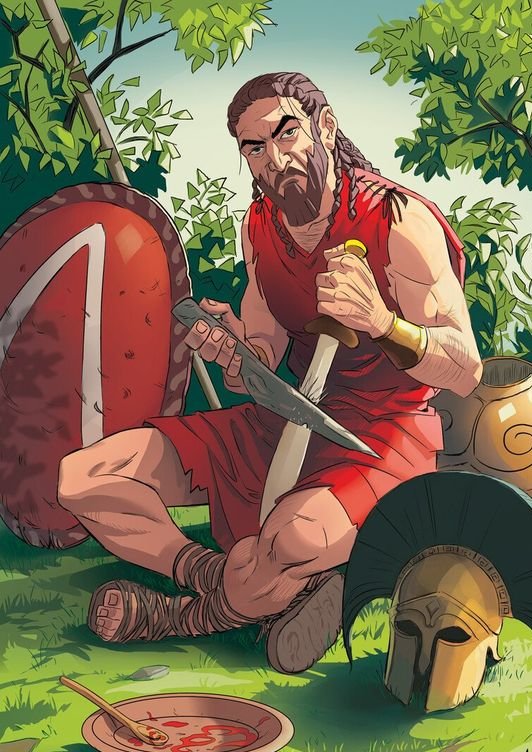
This way of life created instruments of war; the training conditions were so brutal that Spartan men were happy to go to war, as they were fed better and got more rest than normal during campaigns. Their mothers, sisters and wives indeed asked them to “come back with their shield, or on it”, so that they could be honorable and avoid shame. Lamentations in the city were only allowed for the fallen heroes, no one else.
This is noble, right? How can you debunk or challenge their bravery then? I will not. This thread is not about shaming the Spartans or shedding bad light on them, but rather shedding more light on them. Their methods are not comprehensible by someone that sees them through “modern” lenses; but you can come close when seeing it from their perspective: How will Sparta dominate?
This is noble, right? How can you debunk or challenge their bravery then? I will not. This thread is not about shaming the Spartans or shedding bad light on them, but rather shedding more light on them. Their methods are not comprehensible by someone that sees them through “modern” lenses; but you can come close when seeing it from their perspective: How will Sparta dominate?
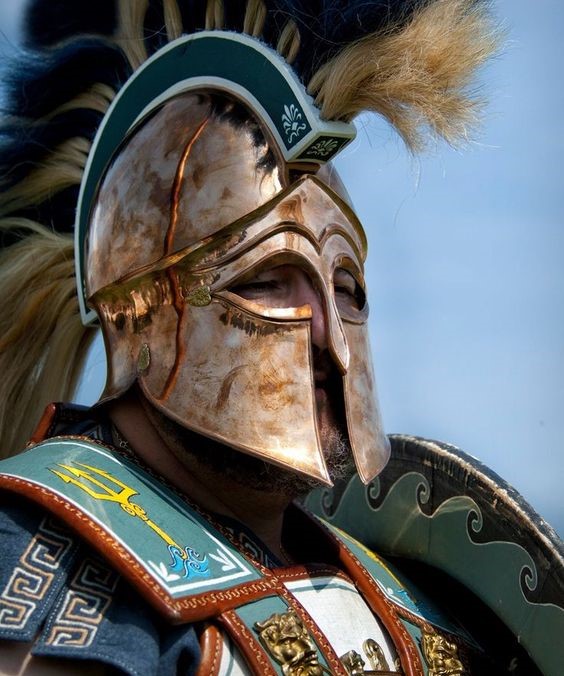

Spartans did not care about Hellenic unity, unless it was under their hegemony; if I was asked who fought the hardest against Hellenic unity, I would probably pick the Spartans.
They enslaved everyone they could in the Peloponnese and when they managed to beat the Athenians, they tried to dominate all over Greece through military means; meanwhile, they were bankrolled by the Persians (who paid them to foster Greek strife).
When the time came for the Hellenes to unite under the Macedonian leadership against the Persians, they just refused; and then tried to stab the Macedonians in the back, while Alexander was away. They are still shamed for that among the Greeks (Alexander made sure of it).
They enslaved everyone they could in the Peloponnese and when they managed to beat the Athenians, they tried to dominate all over Greece through military means; meanwhile, they were bankrolled by the Persians (who paid them to foster Greek strife).
When the time came for the Hellenes to unite under the Macedonian leadership against the Persians, they just refused; and then tried to stab the Macedonians in the back, while Alexander was away. They are still shamed for that among the Greeks (Alexander made sure of it).

They also did not care about the feelings of anyone and what they thought; they were witty, spoke sparsely and used only few words (Laconic Speech), in the spirit of Spartan austerity; this made them were straight a**holes and gave some legendary insulting responses.
One was given to Philip (Alexander’s father) who threatened to level Sparta if he invaded; they replied back with one word: “If”. When Xerxes, in Thermopylae asked for Leonidas to hand him their weapons, the latter replied with two words: «Μολών λαβέ» “Come get them”. Glorious basterds indeed!
One was given to Philip (Alexander’s father) who threatened to level Sparta if he invaded; they replied back with one word: “If”. When Xerxes, in Thermopylae asked for Leonidas to hand him their weapons, the latter replied with two words: «Μολών λαβέ» “Come get them”. Glorious basterds indeed!
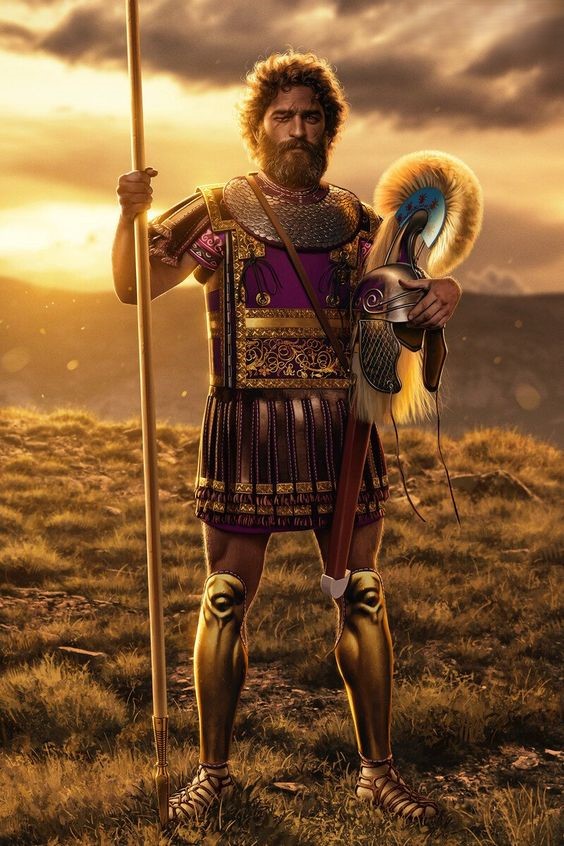
Leonidas was an exceptional case; he did not just proclaim and fight for Hellenic unity but gave his own life for it. Some would say he was tactically doomed; I say he marched to his death with his veterans. He knew it from the start that this was a perilous journey.
And yet they all sacrificed themselves for Sparta and the Greeks. And there you have the great dichotomy of Sparta; the great irony and the great contrast. Why did Sparta send just 300? Let’s go deeper into the rabbit hole now.
And yet they all sacrificed themselves for Sparta and the Greeks. And there you have the great dichotomy of Sparta; the great irony and the great contrast. Why did Sparta send just 300? Let’s go deeper into the rabbit hole now.

Well, they had a very serious.. “religious festival” and “they could not fight” during that time. Let’s pause for a moment and think about this; the Persians are marching south, razing everything that resists them in Greece.
Macedonians are already enslaved, Thebans are already yielding and the Athenians are trying to coordinate and assemble to face the Persians and the most fearsome of the Greeks, the Spartans, have a religious festival? What a joke! A joke on the Athenians whose city would be burned down, twice!
Macedonians are already enslaved, Thebans are already yielding and the Athenians are trying to coordinate and assemble to face the Persians and the most fearsome of the Greeks, the Spartans, have a religious festival? What a joke! A joke on the Athenians whose city would be burned down, twice!
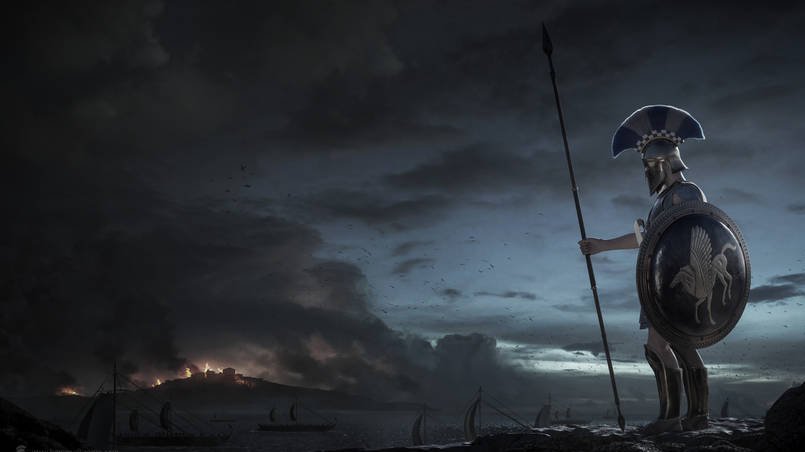
The Spartans did have their religious festival, but that was not the issue; they were trying to assess the situation and leverage it for Sparta’s interests. What If Athens and the other Greek cities burned? Even better for them! Sparta wins!
They only concern was what they considered vital space at the time and that was Peloponnese. And yet they sent 300 of their best men as a sacrifice, to save face. And they did, under the gaze of mortals and the Gods! Can you see the point now or not yet?
They only concern was what they considered vital space at the time and that was Peloponnese. And yet they sent 300 of their best men as a sacrifice, to save face. And they did, under the gaze of mortals and the Gods! Can you see the point now or not yet?

Ok so they didn’t care about Greek unity (unless it was under their leadership (not Athenian, Theban, Macedonian, Epirot etc) and they also did not help much; so what? They did not retreat you might say still. And yet they did!
After they were forced to unite with the rest of the Greeks and beat the Persians, and during the Peloponnesian War against Athens, they had plenty a battle and some… “strategic withdrawals”.
The battle of Sphacteria is a good example where a Spartan detachment was stranded on an island; after a prolonged siege and a daring Athenian assault, the Spartans, cut off from supplies and surrounded, surrendered. This was a significant event as it was rare for Spartans to surrender.
After they were forced to unite with the rest of the Greeks and beat the Persians, and during the Peloponnesian War against Athens, they had plenty a battle and some… “strategic withdrawals”.
The battle of Sphacteria is a good example where a Spartan detachment was stranded on an island; after a prolonged siege and a daring Athenian assault, the Spartans, cut off from supplies and surrounded, surrendered. This was a significant event as it was rare for Spartans to surrender.

Another one was when they interfered into the politics of Athens for a regime change and they established a detachment on the Acropolis, to make sure Oligarchy would remain (after the invitation of Athenian oligarchists). The Athenian population had a different view and soon besieged them and made them surrender again.
One of Sparta's greatest losses came at the Battle of Leuctra, where the Theban general Epaminondas employed innovative tactics to crush the Spartan army and the rest of their allies (and remaining forces) to retreat. This defeat shattered for ever the myth of Spartan invincibility and marked the beginning of the decline of Spartan power in Greece. It was time for the Theban Hegemony, as the Macedonian was soon to come after it.
One of Sparta's greatest losses came at the Battle of Leuctra, where the Theban general Epaminondas employed innovative tactics to crush the Spartan army and the rest of their allies (and remaining forces) to retreat. This defeat shattered for ever the myth of Spartan invincibility and marked the beginning of the decline of Spartan power in Greece. It was time for the Theban Hegemony, as the Macedonian was soon to come after it.
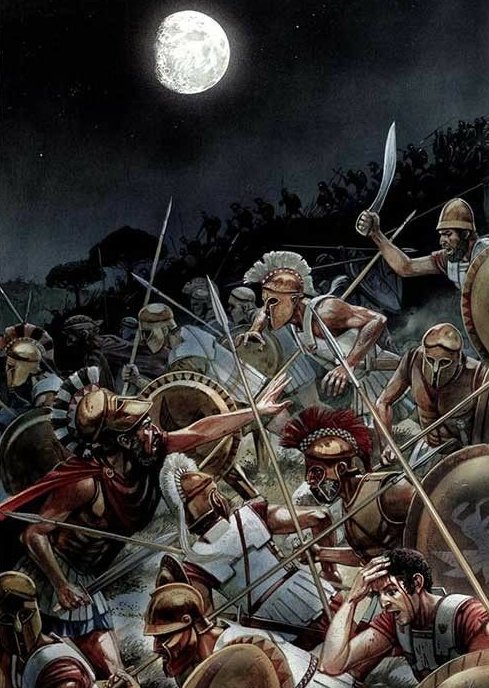
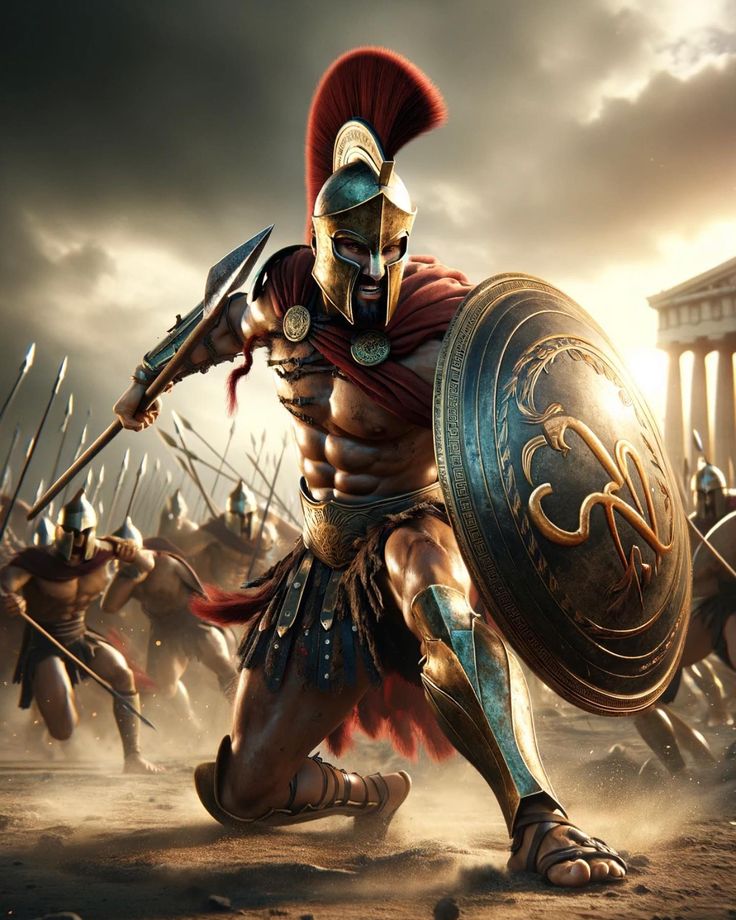
I can go on for long about Spartan losses and some surrenders but we would probably miss the point. You see, when Spartans assessed a situation and saw it was hopeless, they would consider that dying would not serve Sparta well.
Did the death of Leonidas serve Sparta then? Well ABSOLUTELY YES! Hence the strategic, cunning planning of the Spartans.
Did the death of Leonidas serve Sparta then? Well ABSOLUTELY YES! Hence the strategic, cunning planning of the Spartans.
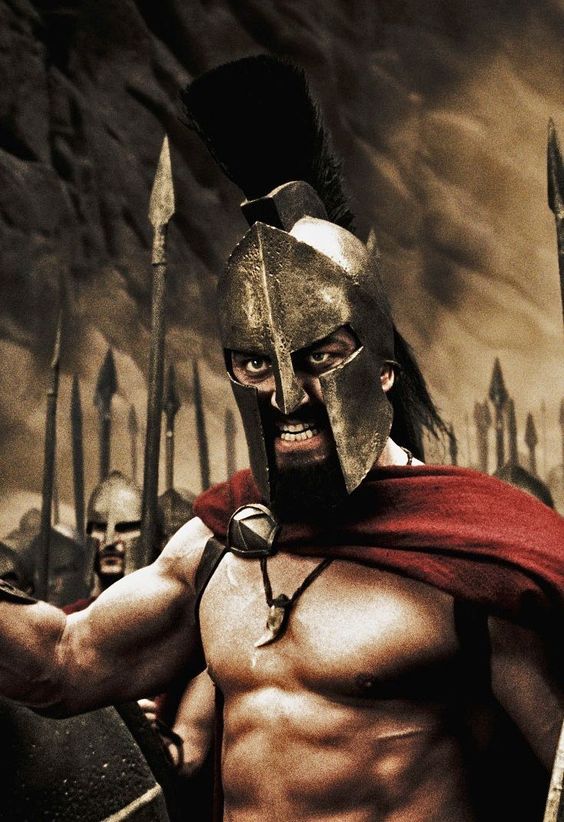
Sparta's victory dogma, a relentless pursuit of military excellence and unwavering discipline, defined the city-state's identity and history. This ethos, embedded deeply in Spartan society, produced warriors of legendary prowess and created a culture that prized strength, endurance, and loyalty above all else.
From the rigorous training of the agoge to the fearsome reputation of the Spartan hoplites, every aspect of life in Sparta was geared toward the art of war and the glory of victory.
From the rigorous training of the agoge to the fearsome reputation of the Spartan hoplites, every aspect of life in Sparta was geared toward the art of war and the glory of victory.

However, the same dogma that forged an unparalleled military machine also sowed the seeds of Sparta's limitations and eventual decline. The stringent focus on martial prowess came at the expense of other facets of society, including economic development, diplomacy, and innovation.
The harsh treatment of the helot population and the other Greeks created tensions that, over time, weakened the state's cohesion and adaptability.
The harsh treatment of the helot population and the other Greeks created tensions that, over time, weakened the state's cohesion and adaptability.
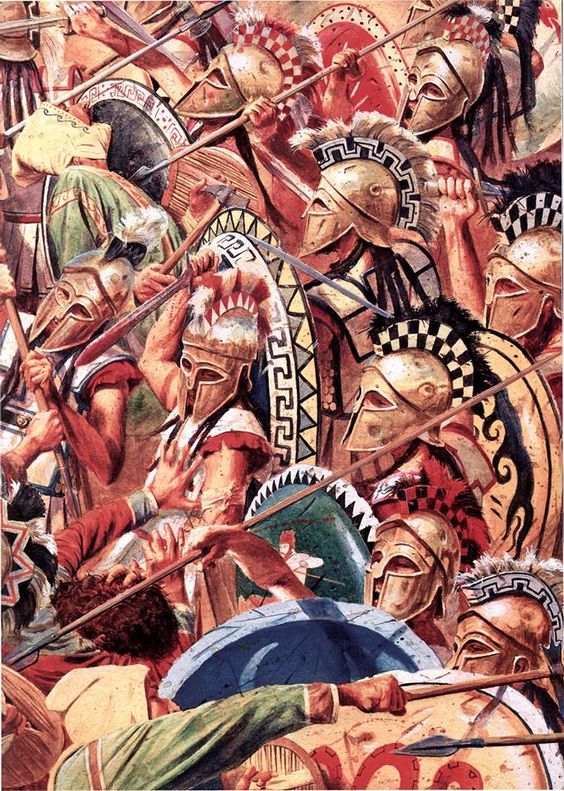
Sparta's controversial initiatives, such as the krypteia, highlighted the darker aspects of their quest for dominance, revealing a society constantly on edge, driven by fear of revolt and the need to assert control.
Despite these setbacks, the legacy of Sparta endures. The stories of heroism at Thermopylae, the tactical brilliance and eventual downfall at Leuctra, and the unwavering Spartan spirit have left an immense mark on Western history.
Sparta remains a symbol of the heights and limits of human discipline and the complexities of a society that lived and died by the sword.
Despite these setbacks, the legacy of Sparta endures. The stories of heroism at Thermopylae, the tactical brilliance and eventual downfall at Leuctra, and the unwavering Spartan spirit have left an immense mark on Western history.
Sparta remains a symbol of the heights and limits of human discipline and the complexities of a society that lived and died by the sword.
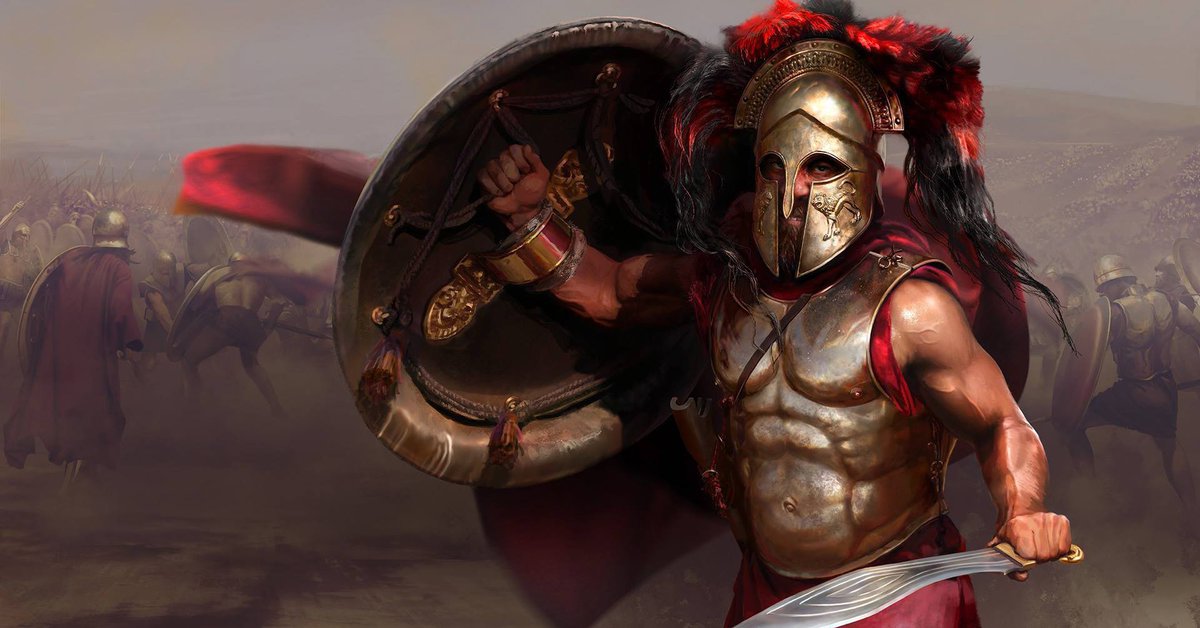
In the end, Sparta's victory dogma serves as a powerful reminder of the glory and peril inherent in a life devoted solely to the pursuit of martial excellence. It is a legacy that continues to captivate, instruct, and caution those who look back on the annals of ancient history.
Loading suggestions...