
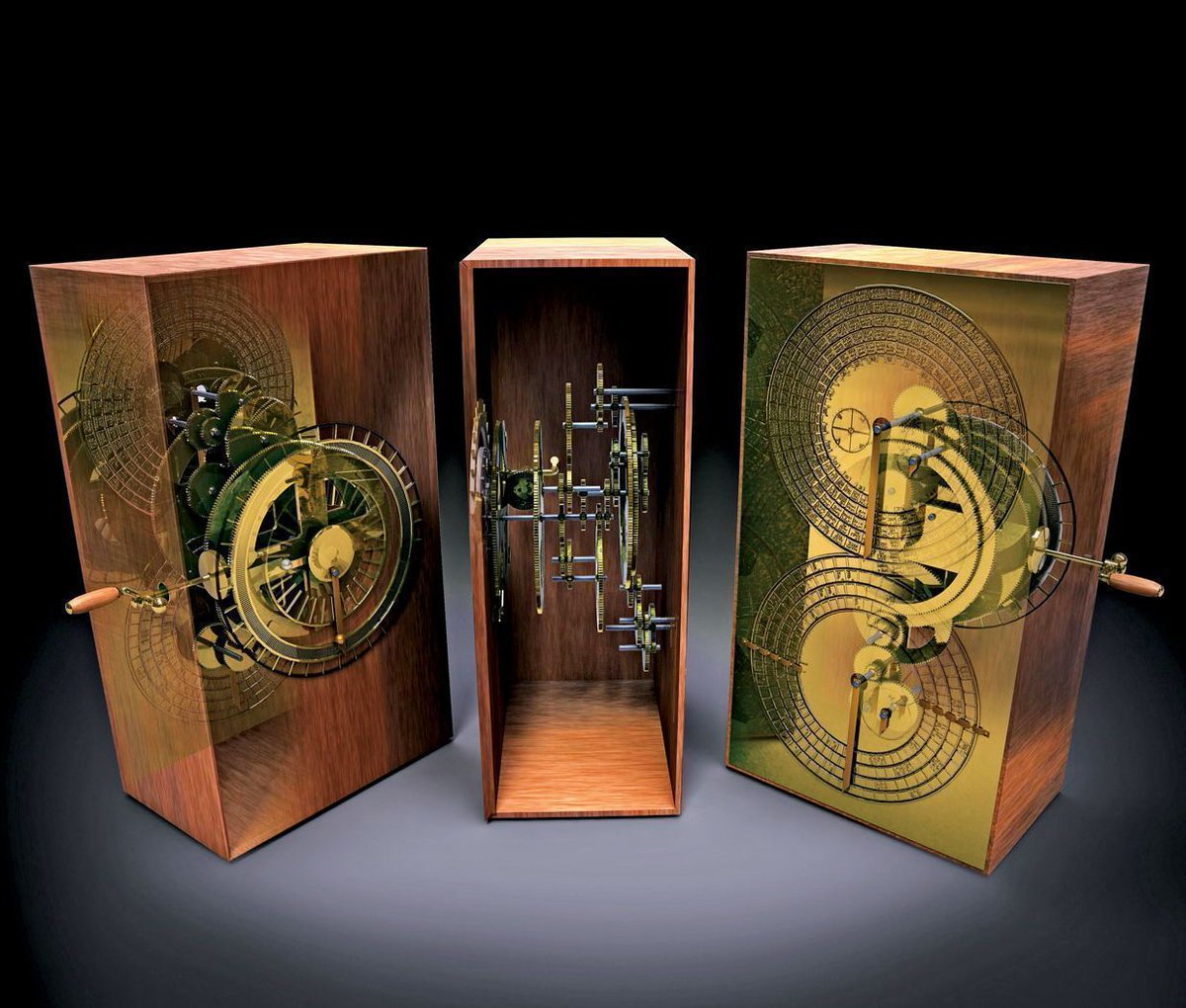
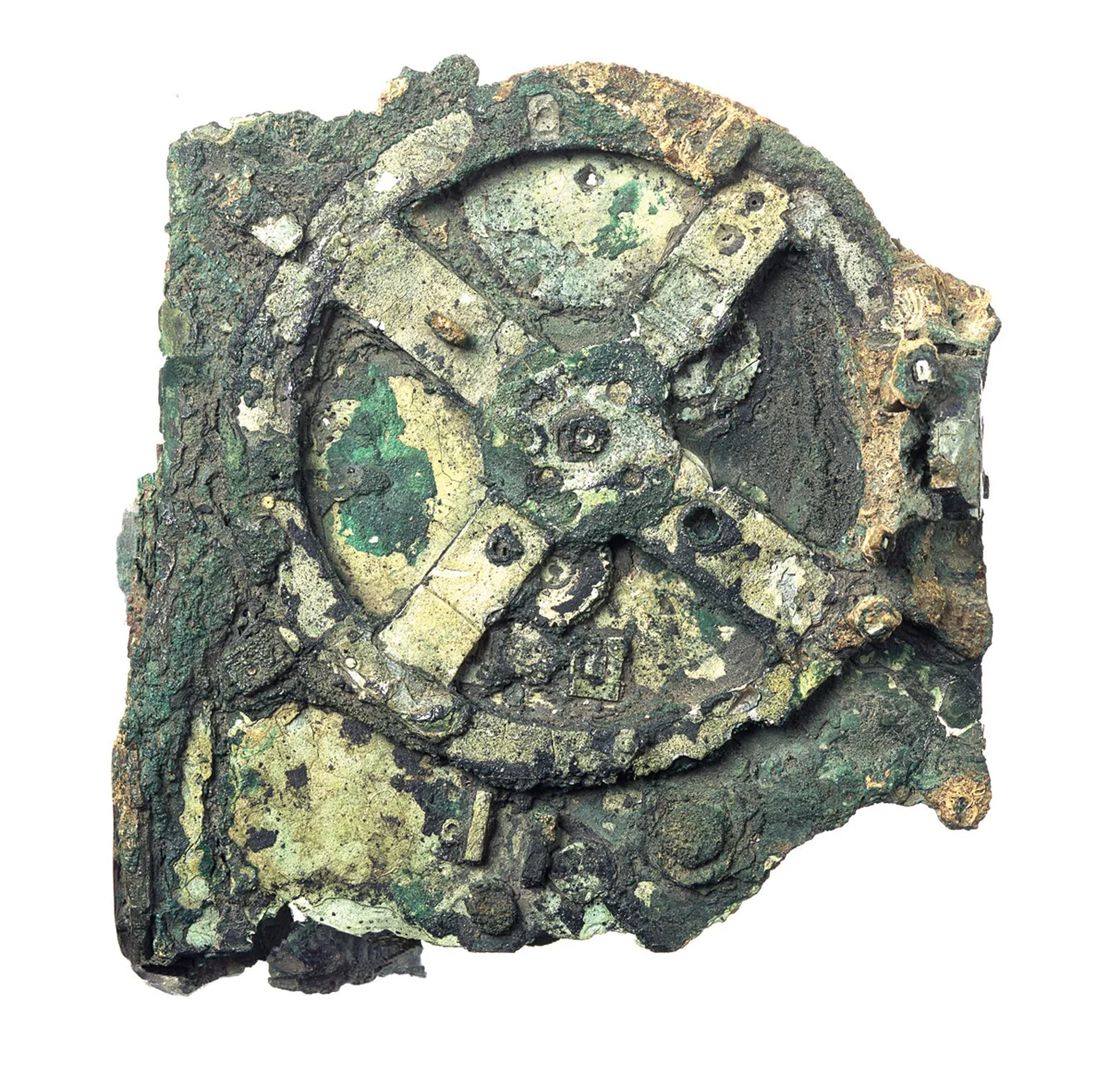
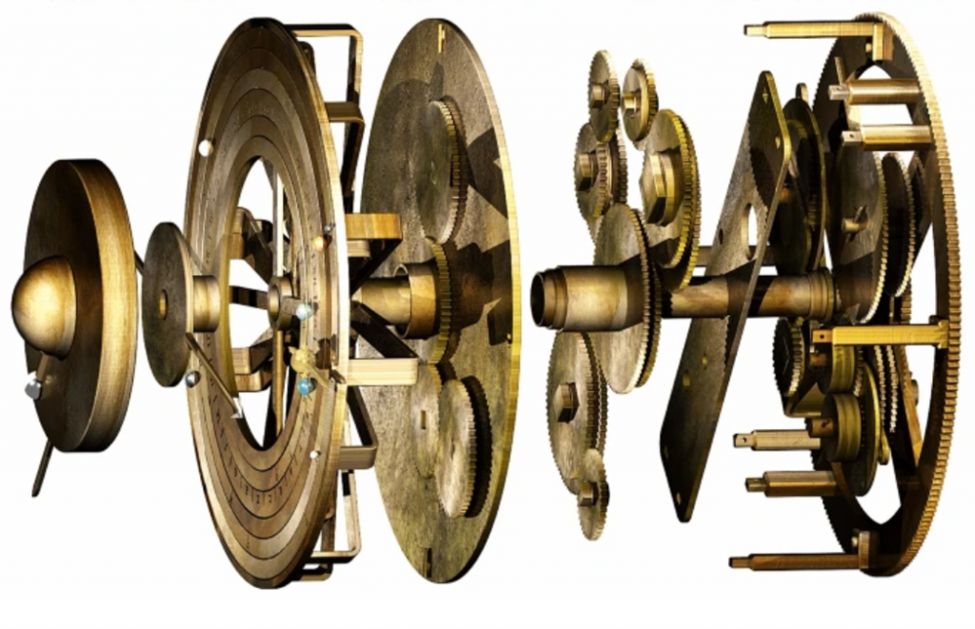
This is a reconstruction of the Antikythera mechanism—a "computer" dating back to the 2nd century BC.
But it’s far from the only automaton in the ancient world. Tinkerers and engineers have been striving to breathe life into machines for millennia... 🧵
But it’s far from the only automaton in the ancient world. Tinkerers and engineers have been striving to breathe life into machines for millennia... 🧵
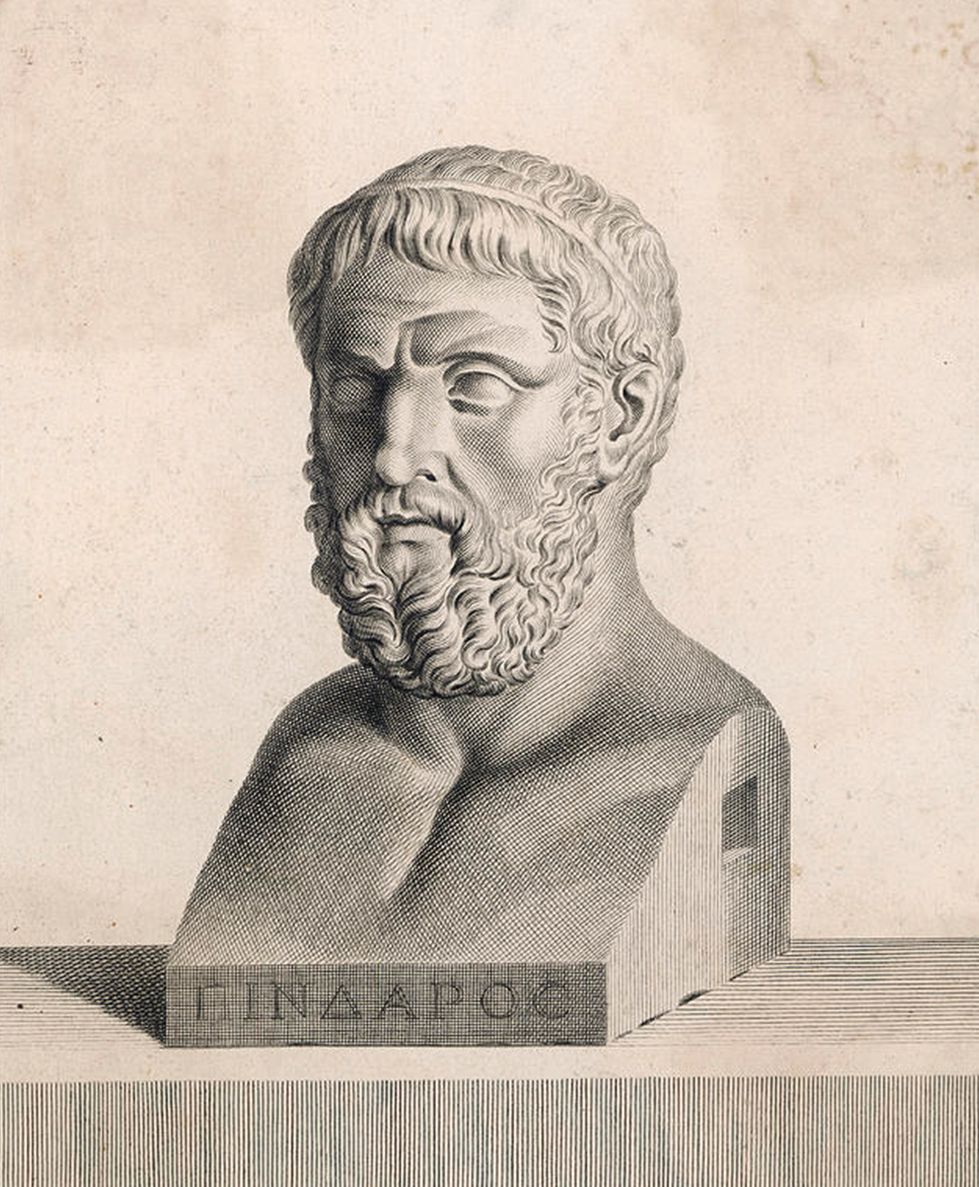
The Greeks were the preeminent masters of mechanics in the ancient world. Praising the mechanical skill found in Rhodes, the poet Pindar wrote:
“The animated figures stand
Adorning every public street
And seem to breathe in stone, or
Move their marble feet.”
“The animated figures stand
Adorning every public street
And seem to breathe in stone, or
Move their marble feet.”
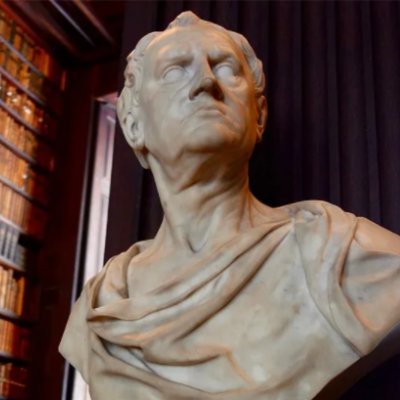
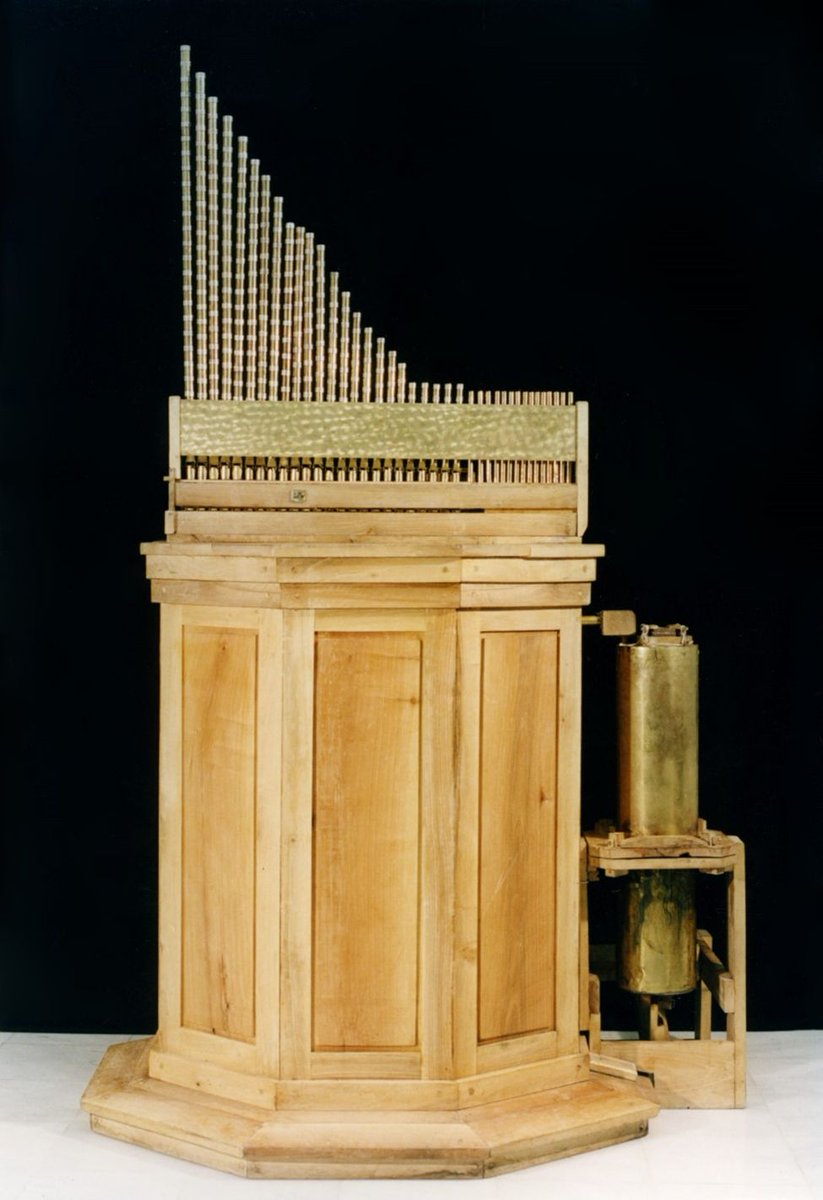
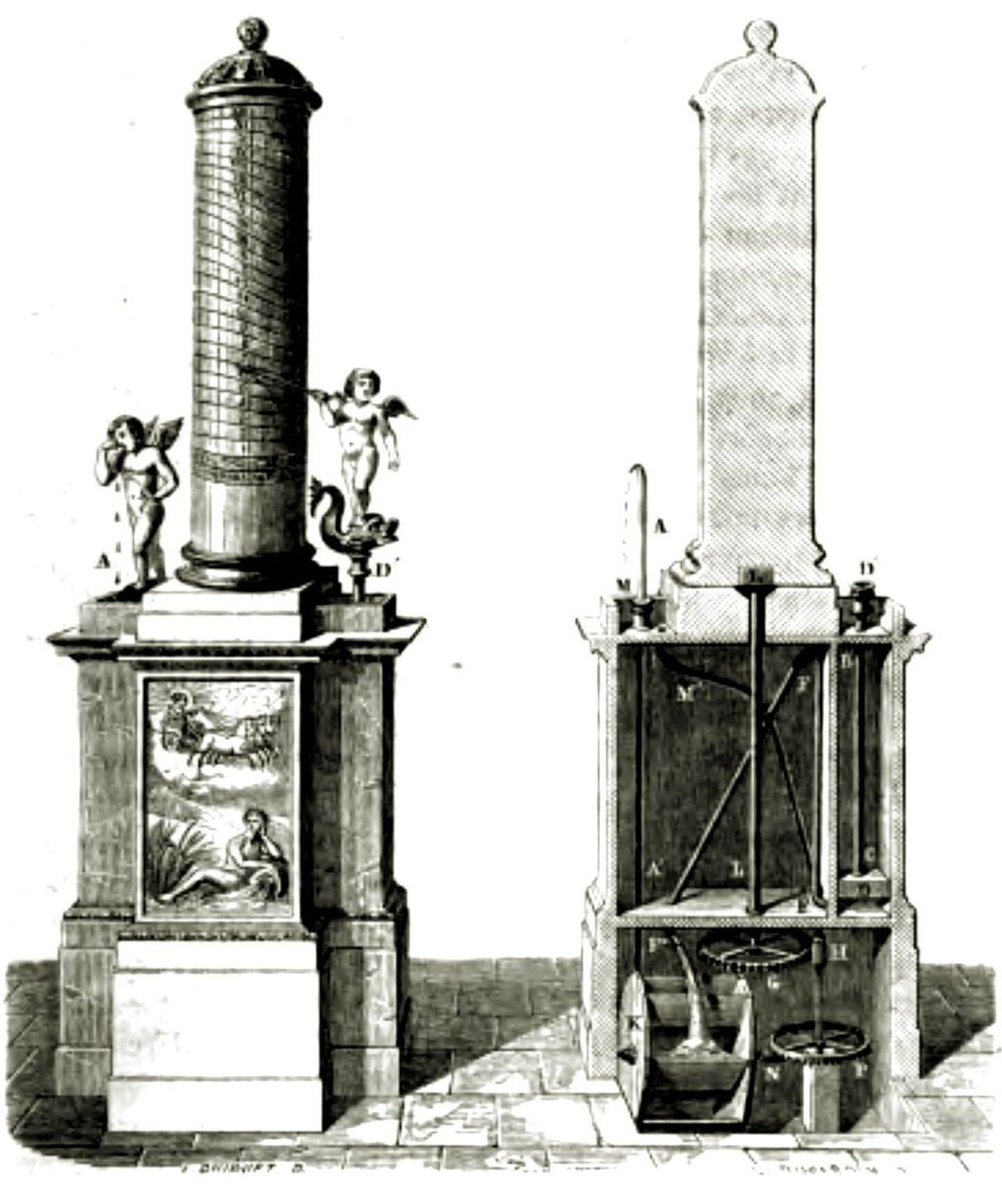
Ctesibus’ (300 BC), the father of pneumatics, invented the hydraulis (water organ) and an improved water clock, which was the most accurate clock until the pendulum clock was invented in 1656.
He also developed various pumps adopted by the Roman Empire for moving water.
He also developed various pumps adopted by the Roman Empire for moving water.
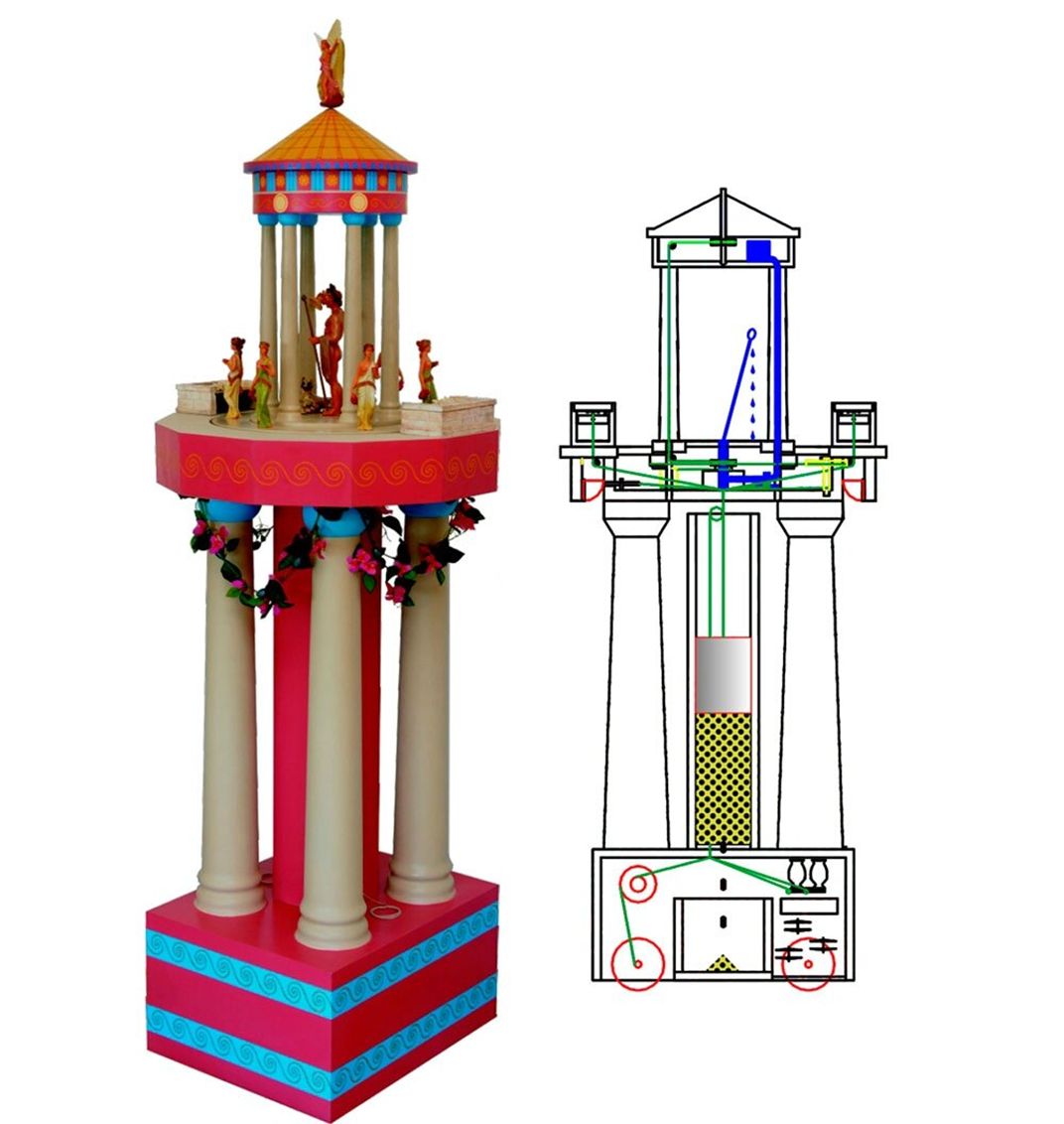
In the 1st century, Hero of Alexandria invented automatic doors, programmable machines for religious ceremonies, and the famous "Theater of Automata," which featured moving figures powered by air pressure and steam.
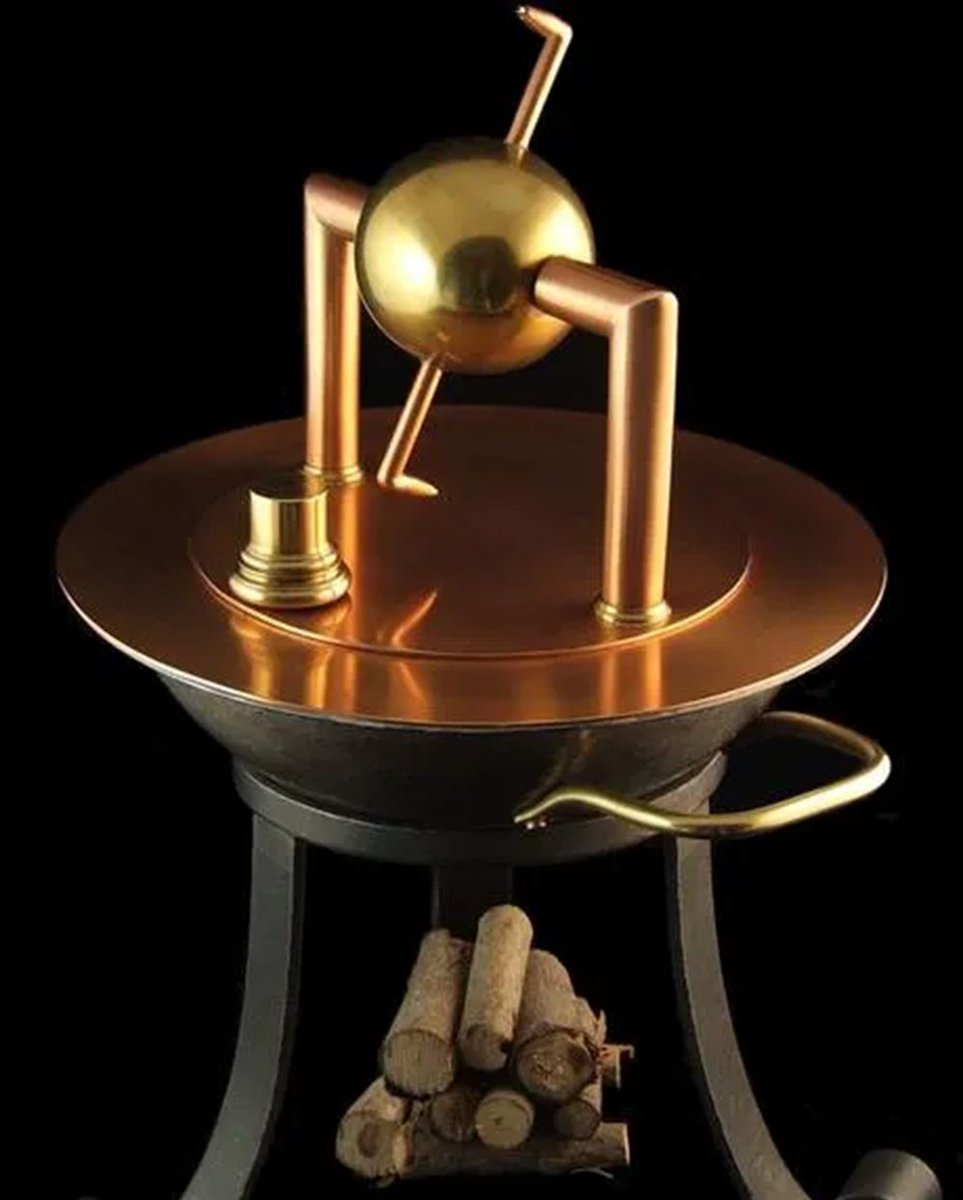
One impressive invention was the aeolipile—a steam engine 2000 years ahead of its time.
It consists of a pool of water, which when heated pushes steam up pipes into a sphere. As pressure is released via two outlets on the sphere’s surface, the sphere spins like a turbine.
It consists of a pool of water, which when heated pushes steam up pipes into a sphere. As pressure is released via two outlets on the sphere’s surface, the sphere spins like a turbine.
Hero also invented the first vending machine, which took coins and automatically output a fixed amount of water for washing.
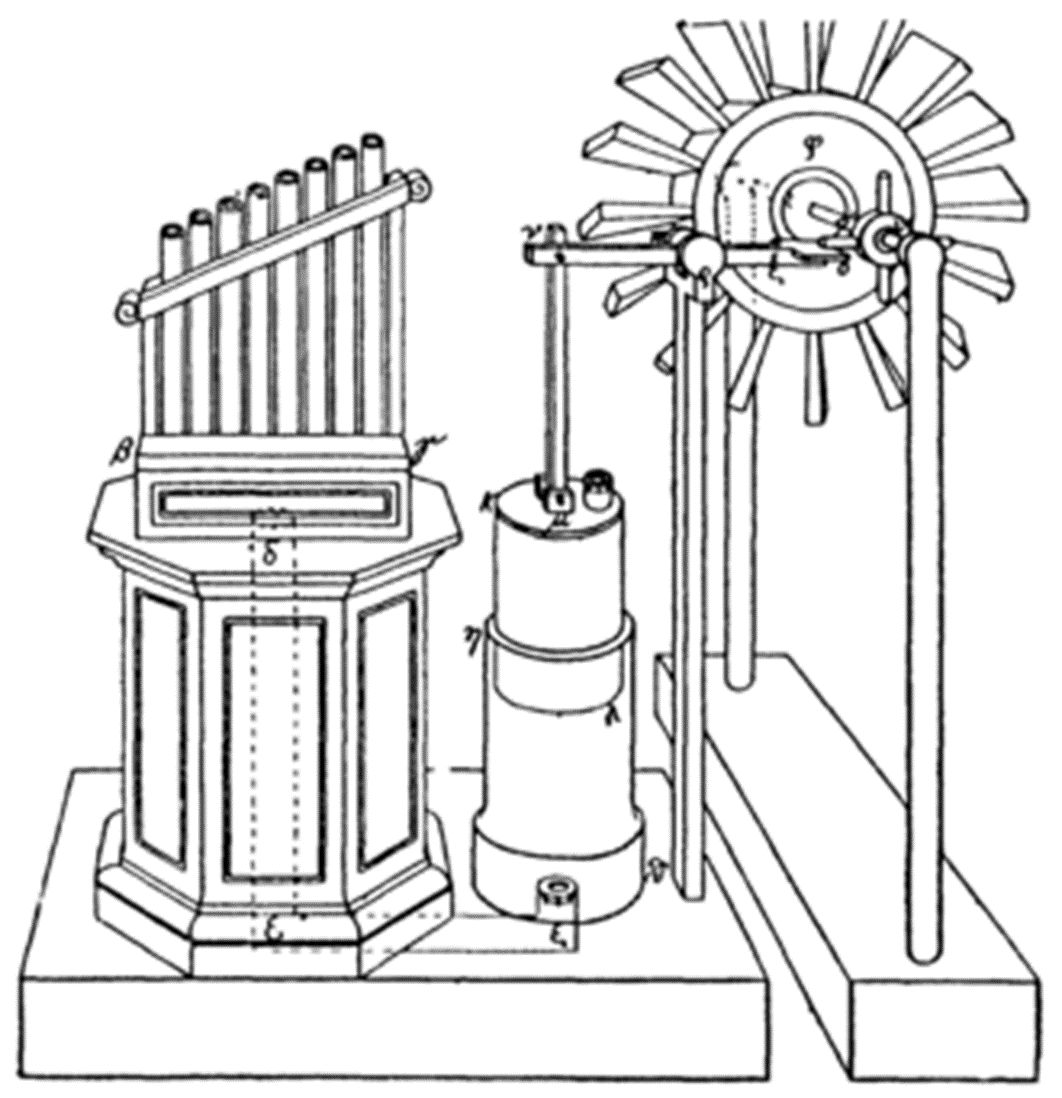
And he described the first wind-powered machine: an organ powered by a wind-wheel.
He was a master of wind, steam, and mechanics.
And he described the first wind-powered machine: an organ powered by a wind-wheel.
He was a master of wind, steam, and mechanics.
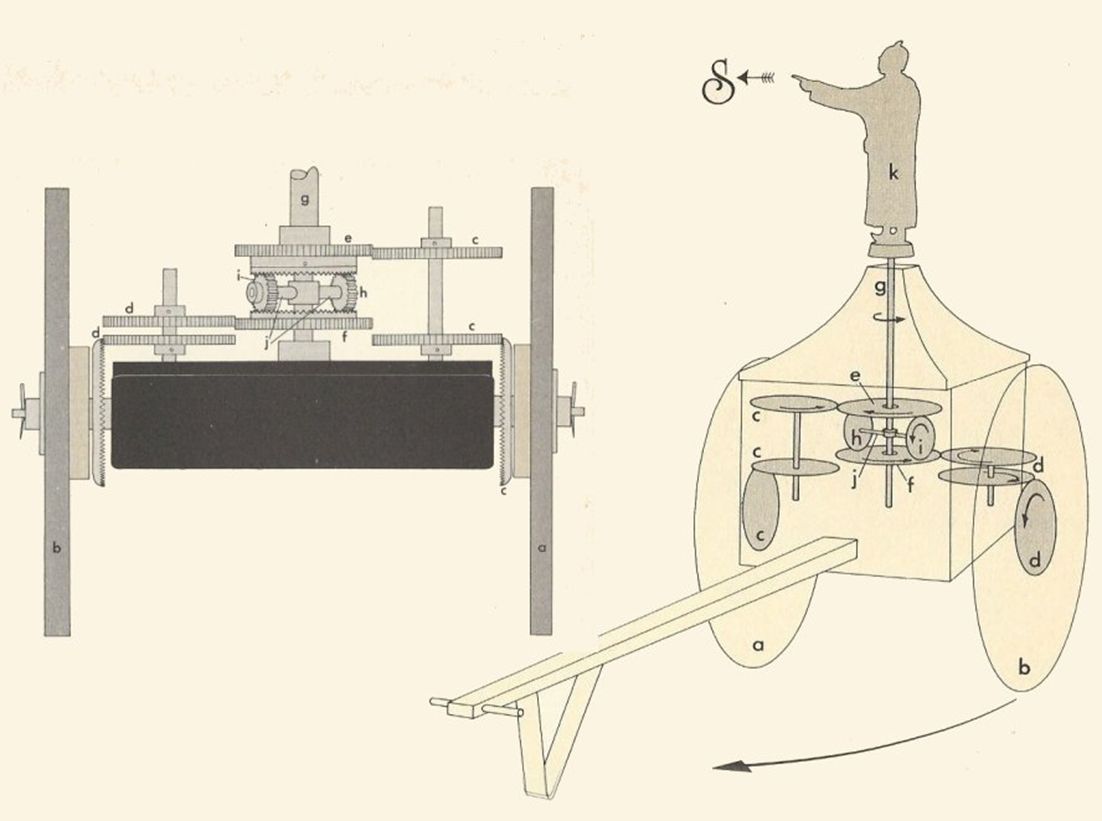
A century later in the Han Dynasty of China, Ma Jun tinkered away at the South-Pointing Chariot.
By designing the correct ratios between the differential wheel rotation and the figure rotation, a mounted figure on the chariot always faced South. Ma Jun didn’t need the compass.
By designing the correct ratios between the differential wheel rotation and the figure rotation, a mounted figure on the chariot always faced South. Ma Jun didn’t need the compass.
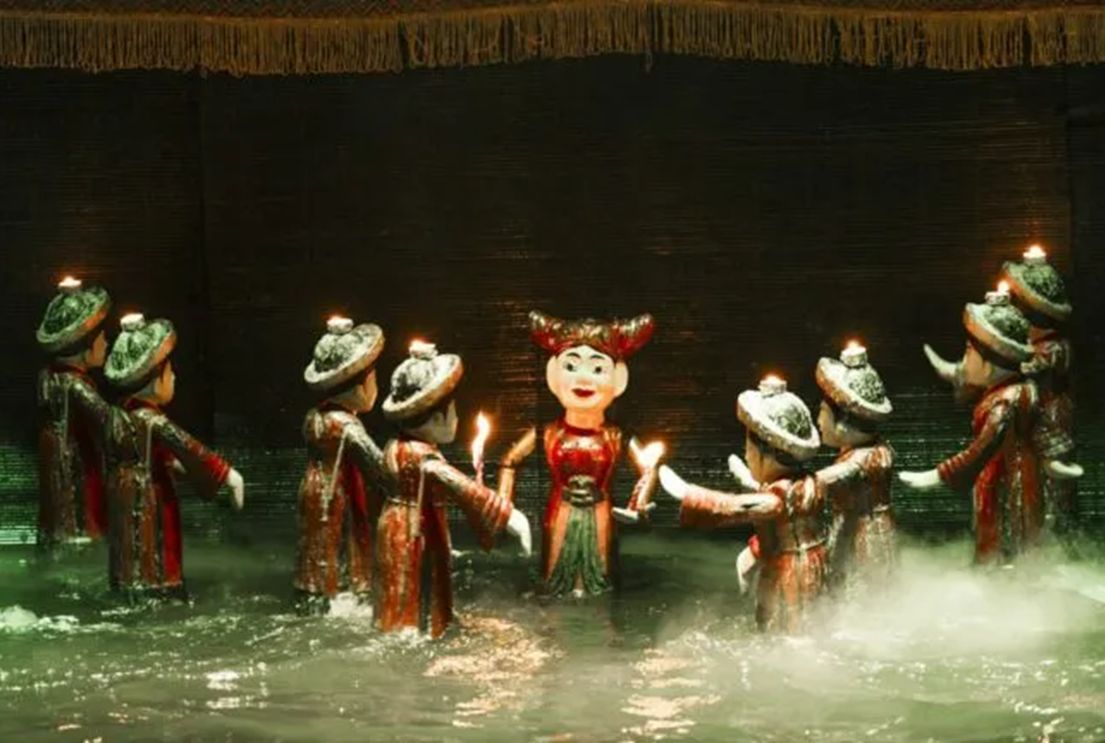
Ma Jun also invented a mechanical puppet theater powered by hydraulics, depicting girls playing music and dancing, men beating drums, officials working in offices, roosters fighting, and more…all powered by a simple water wheel.
9)
Most automatons were built to delight the elite rulers of the times.
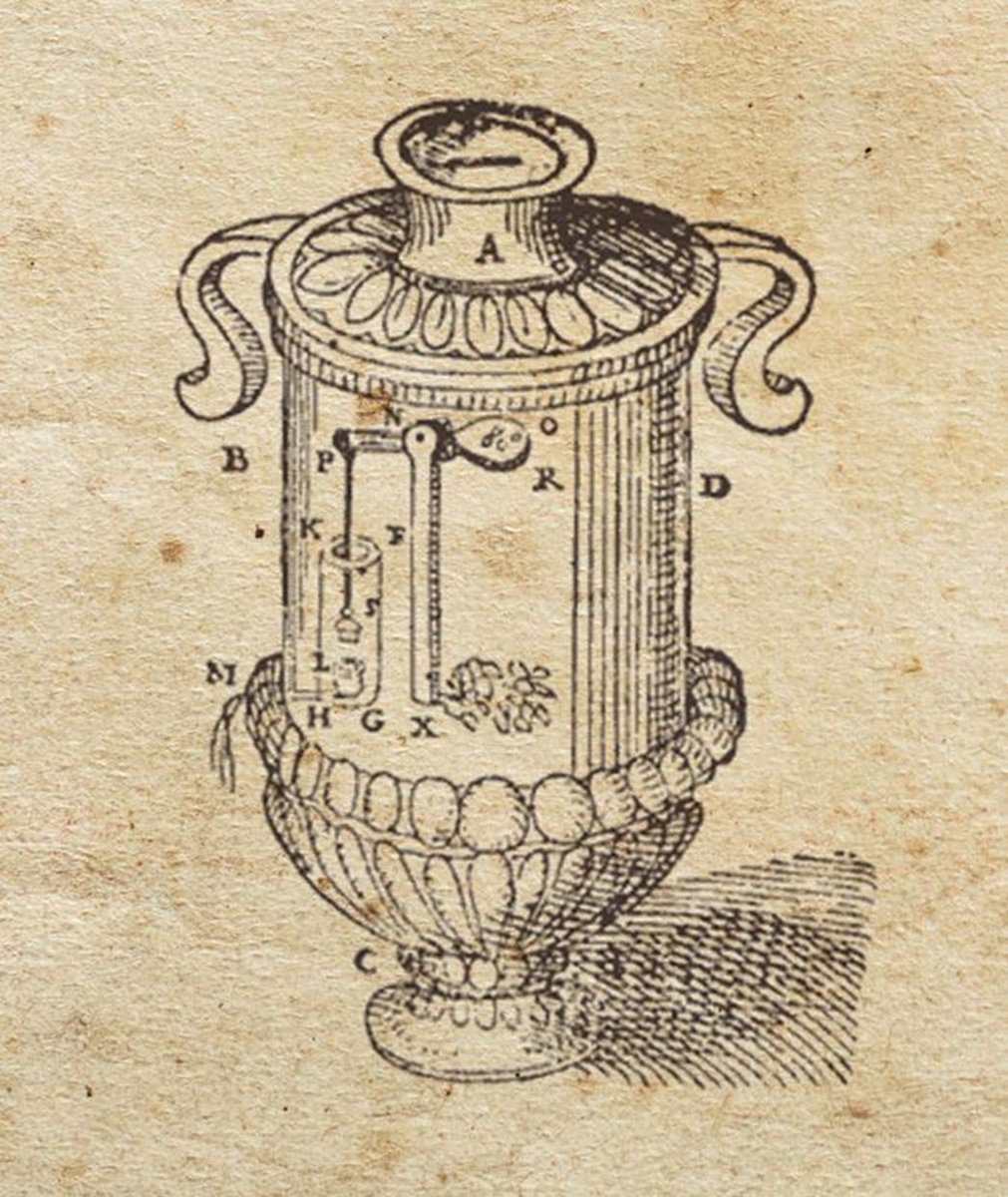
Both the Greeks and Chinese invented automatic wine servers. These rudimentary vending machines were later used for holy water, too.
Most automatons were built to delight the elite rulers of the times.
Both the Greeks and Chinese invented automatic wine servers. These rudimentary vending machines were later used for holy water, too.
The Antikythera Mechanism is perhaps the most famous ancient computer. Found in a 2nd-century shipwreck off the Greek island of Antikythera, it could predict astronomical positions and eclipses purely mechanically via a system of gears and dials.
Al-Jazari, a prolific inventor from the Islamic Golden Age, may be the first to dream up humanoid automata. Though he never built his humanoid, he likely built a slew of automatic trinkets, such as a “perpetual flute” and his peacock fountain.

While the Medieval era saw some automata, real interest in them didn’t truly revive until the Renaissance.
It’s around this time that Hero’s work was translated into Latin and Italian, spurring a huge interest in decorative automata in aristocratic gardens, clocks, and music.
It’s around this time that Hero’s work was translated into Latin and Italian, spurring a huge interest in decorative automata in aristocratic gardens, clocks, and music.
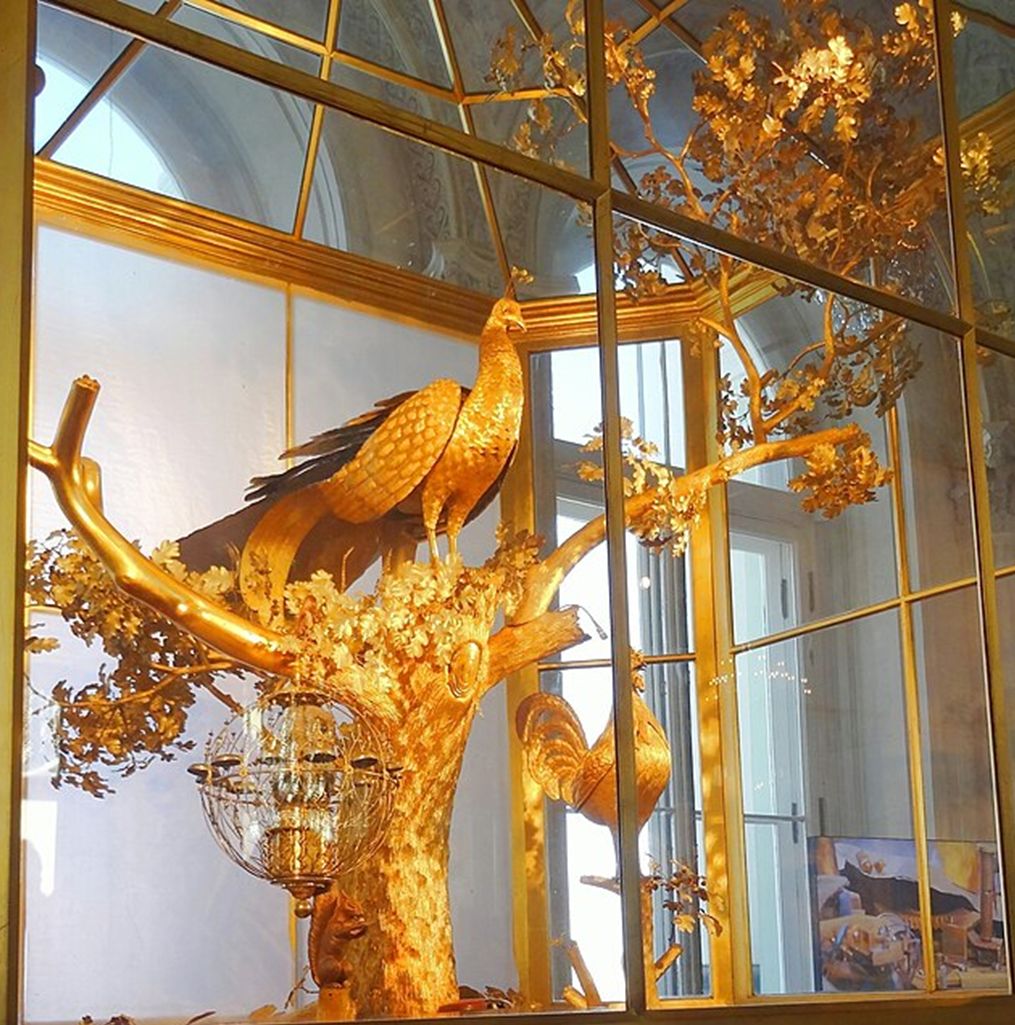
Clocks were a natural place to put automata powered by geared mechanics. The Strasbourg clock rooster, the bell-ringing skeleton of the Prague astronomical clock, and the magnificent Peacock clock (shown in last post) all displayed the extravagance and ingenuity of their makers .


Sound and music were also great for earning the “oohs and ahs” of onlookers.
Vaucanson, a French engineer of the 1700s, invented three famous automata advancing the art of artificial sound: the Flute Player, the quacking duck (which ate as well), and the Tambourine Player.
Vaucanson, a French engineer of the 1700s, invented three famous automata advancing the art of artificial sound: the Flute Player, the quacking duck (which ate as well), and the Tambourine Player.

Toys were another area teeming with interest from tinkerers and day-dreaming children.
Here, mechanics in miniature were the key component, with wind-up machines of animals and people fascinating the children of the aristocrats.
Here, mechanics in miniature were the key component, with wind-up machines of animals and people fascinating the children of the aristocrats.

In 1769, the Hungarian inventor von Kempelen seemed to defy reality when he created a chess-playing machine called the Turk that defeated Ben Franklin in a match—or so the world thought until the man inside the machine was revealed, exposing the hoax.

The ancient automata are a mix of myth, paper dreams, fakes, and real ingenuity. Now we’re in an age where the lines between human automata are blurred.
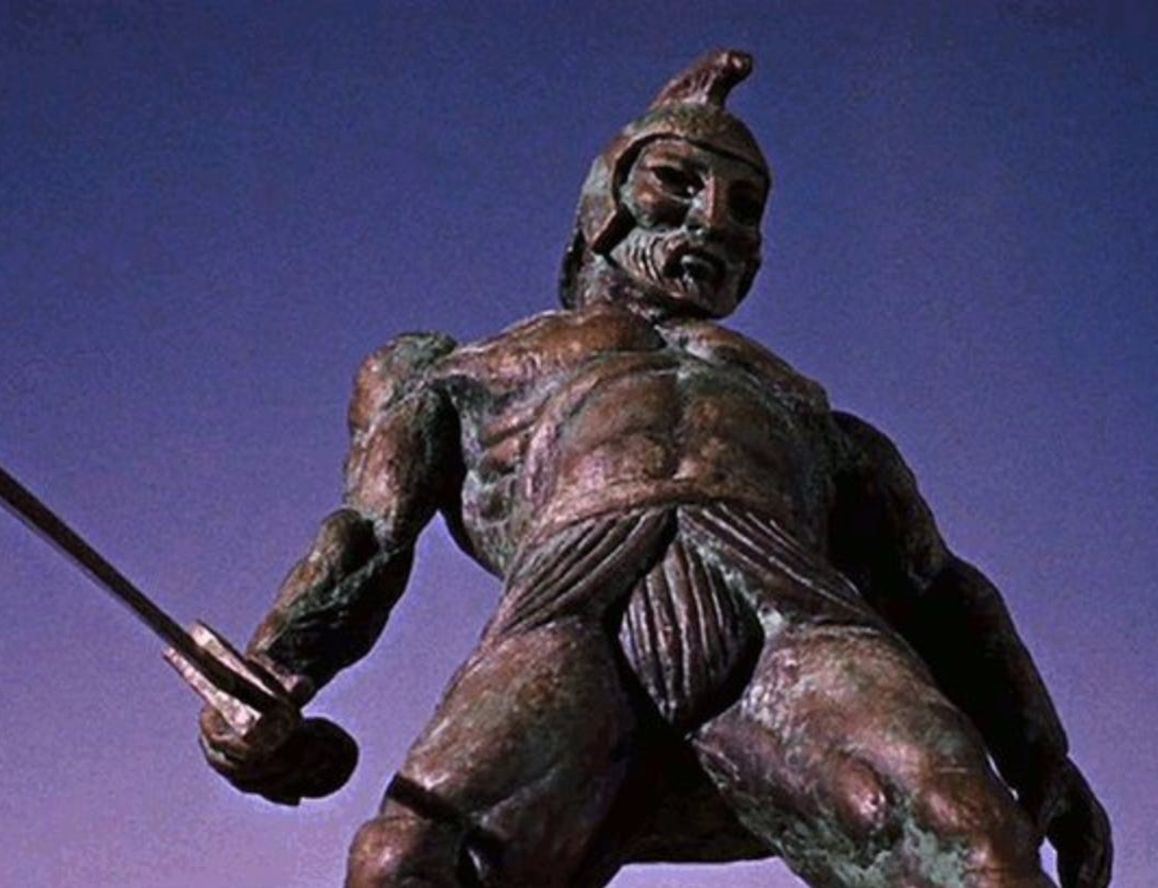
Artificial intelligence and humanoids are here. The bronze man Talos has finally come alive. Will we be able to contain him?
Artificial intelligence and humanoids are here. The bronze man Talos has finally come alive. Will we be able to contain him?
If you enjoyed this thread and would like to join the mission of promoting western tradition, kindly repost the first post (linked below) and consider following: @thinkingwest
Loading suggestions...