
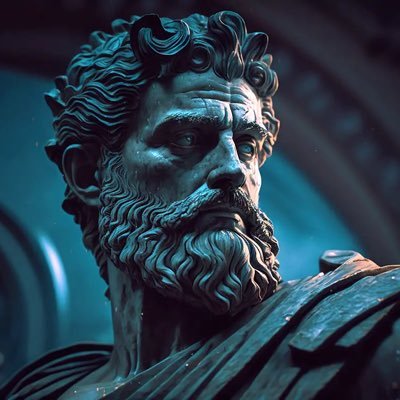
Everyone knows Hercules as the greatest hero; but do you know who was the closest second? A poor child that became a legendary hero, King and slayer of Minotaur.
Follow me back in time and myth as i share stories that generations of warriors in Greece and Rome grew up with.
Follow me back in time and myth as i share stories that generations of warriors in Greece and Rome grew up with.
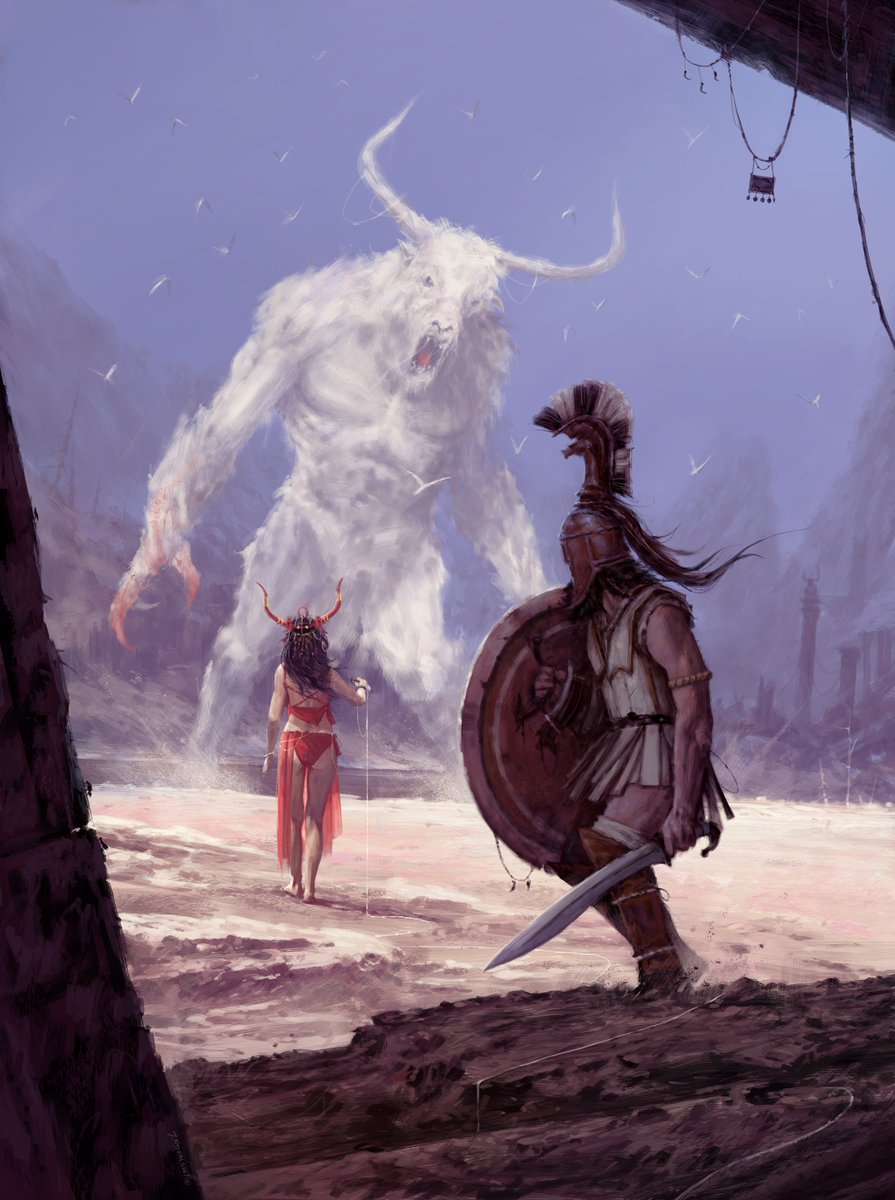
In the sprawling epic sagas of ancient Greece, along with tales of gods and heroes, the life of Theseus stands as one of valor, adventure, masculinity, and unyielding courage. His origins are shrouded in mystery with divine and royal heritage, like most primordial Greek heroes.
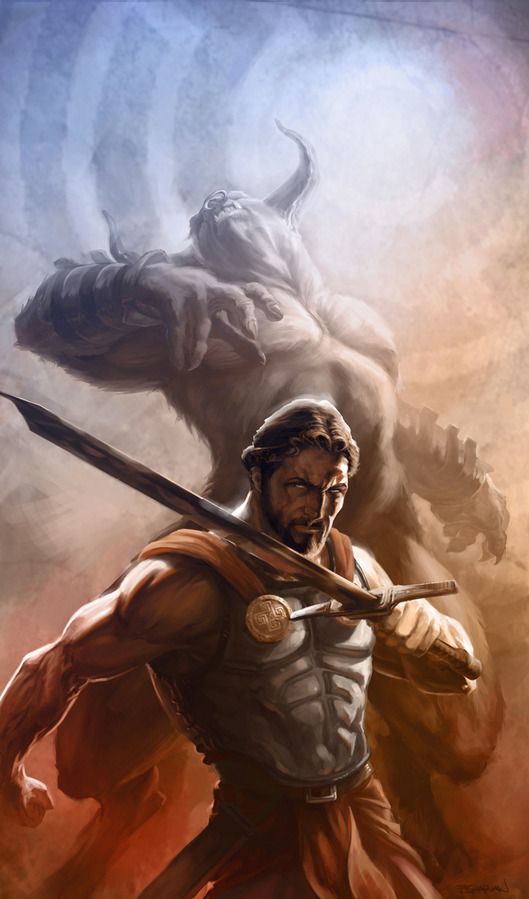
Myth has Aegeus, king of Athens, being unable to have an heir and thus visiting the Delphi Oracle for a solution; he was given advice which he was unable to interpret: “The bulging mouth of the wineskin, o best of men, loose not until thou hast reached the height of Athens.”
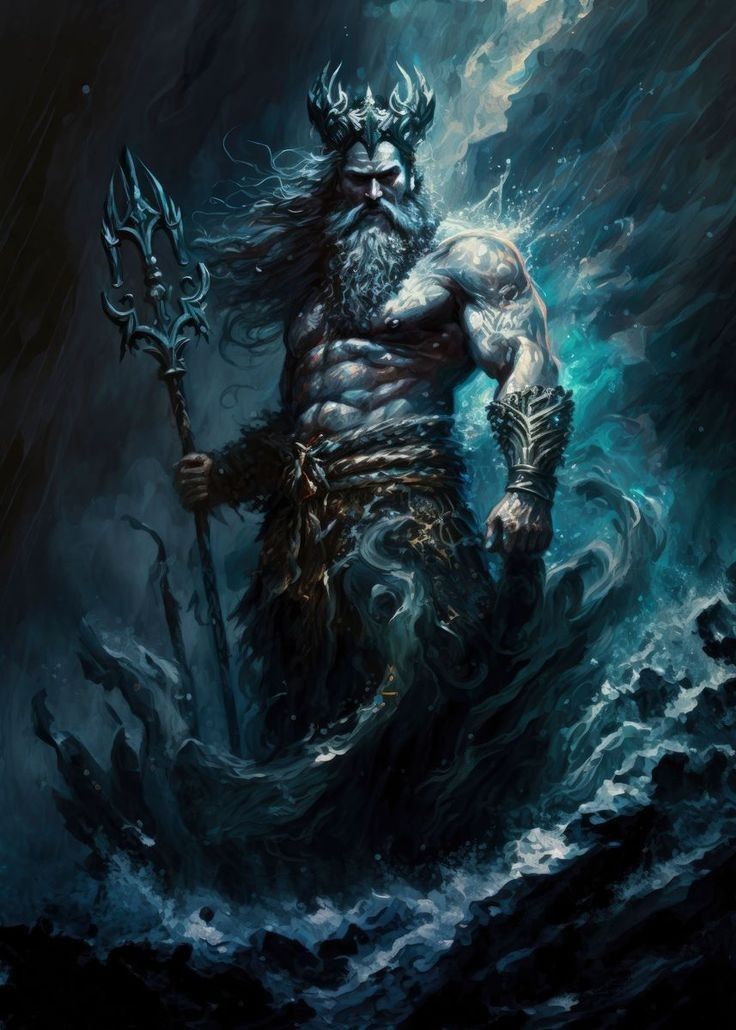
On his way back to Athens, he was hosted by a local King who schemed to have his bloodline placed on the Athenian throne; he realized the meaning of the advice and got Aegeus drunk, offering him his daughter, Aethra. That night, Aethra was also visited by Poseidon, the primordial God of the Seas.
Before leaving, Aegeus had Aethra swear that if she was pregnant, she would send their son to him in Athens. He buried his sandals and sword under a huge rock and told Aethra that when their son grew up, he should move the rock, if he were heroic enough, and take the tokens for himself as evidence of his royal parentage.
On his way back to Athens, he was hosted by a local King who schemed to have his bloodline placed on the Athenian throne; he realized the meaning of the advice and got Aegeus drunk, offering him his daughter, Aethra. That night, Aethra was also visited by Poseidon, the primordial God of the Seas.
Before leaving, Aegeus had Aethra swear that if she was pregnant, she would send their son to him in Athens. He buried his sandals and sword under a huge rock and told Aethra that when their son grew up, he should move the rock, if he were heroic enough, and take the tokens for himself as evidence of his royal parentage.
A strong, charismatic child was born and was distinguished from early age. And since reals recognize reals, he was also recognized by the great Hercules.
When Heracles visited the kingdom and took off his lion-skin before sitting at the dinner table, the children of the palace, mistaking it for a real lion, all fled in fear and tears. Theseus instead attacked it fearlessly; the hero was witnessed by the greatest of all time.
When the young man became of age, Aethra led him to the rock and relayed to him his father’s message. Theseus lifted the rock with ease and, equipped with Theseus’ tokens of paternity, hit the road to Athens. But he first needed to undergo his heroic transformation through six labors, half of what Hercules achieved.
When Heracles visited the kingdom and took off his lion-skin before sitting at the dinner table, the children of the palace, mistaking it for a real lion, all fled in fear and tears. Theseus instead attacked it fearlessly; the hero was witnessed by the greatest of all time.
When the young man became of age, Aethra led him to the rock and relayed to him his father’s message. Theseus lifted the rock with ease and, equipped with Theseus’ tokens of paternity, hit the road to Athens. But he first needed to undergo his heroic transformation through six labors, half of what Hercules achieved.
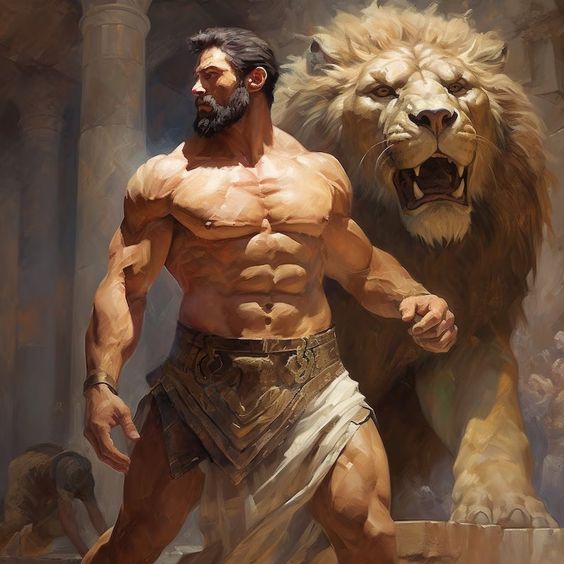
Wielding a bronze club, Periphetes haunted the road near Epidaurus, threatening to savagely beat any traveler daring to cross paths with him. But Theseus wasn’t just any traveler: before Periphetes could realize, he managed to grab the club out of his hands and beat him to death with his own weapon. Like Heracles, Theseus appropriated Periphetes’ club and, soon enough, it became the most recognizable piece of his equipment.
Before leaving Peloponnese, Theseus happened upon Sinis, the Pine Bender, so called because of his notorious habit of tying casual travelers to bent-down pine trees, which, upon release, instantaneously tore in two anyone unfortunate enough to be caught by this brutish bandit. However – and somewhat expectedly – Sinis was no match for Theseus: once again, the Athenian hero prevailed using his enemy’s own method of destruction.
Before leaving Peloponnese, Theseus happened upon Sinis, the Pine Bender, so called because of his notorious habit of tying casual travelers to bent-down pine trees, which, upon release, instantaneously tore in two anyone unfortunate enough to be caught by this brutish bandit. However – and somewhat expectedly – Sinis was no match for Theseus: once again, the Athenian hero prevailed using his enemy’s own method of destruction.
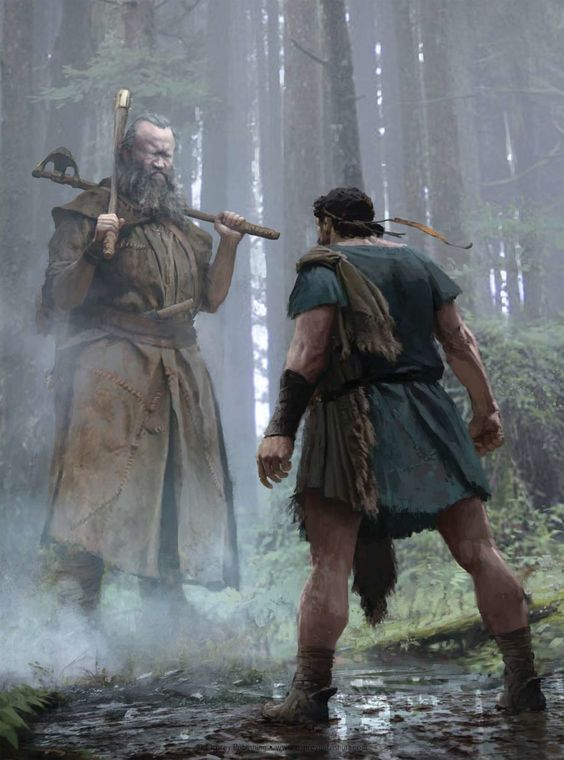
In another deed north of the Isthmus, at a place called Crommyon, he killed an enormous warthog, the Crommyonian Sow, bred by an old crone named Phaea. Some versions name the sow herself as Phaea, offspring of Typhon and Echidna.
Not much further, on the rocky coastal road of the Isthmus of Corinth, Theseus encountered Sciron, a mighty brigand who would force passing travelers to wash his feet – only so that he is able to kick his kneeling victims off the cliffs into the sea where a giant sea turtle waited to devour them.
Recognizing the danger, once he bent down, Theseus grabbed Sciron by his foot, lifted him up, and then hurled him into the sea. The turtle got its meal either way, before Theseus neutralized it too; he then took the shell and made it his shield.
Not much further, on the rocky coastal road of the Isthmus of Corinth, Theseus encountered Sciron, a mighty brigand who would force passing travelers to wash his feet – only so that he is able to kick his kneeling victims off the cliffs into the sea where a giant sea turtle waited to devour them.
Recognizing the danger, once he bent down, Theseus grabbed Sciron by his foot, lifted him up, and then hurled him into the sea. The turtle got its meal either way, before Theseus neutralized it too; he then took the shell and made it his shield.
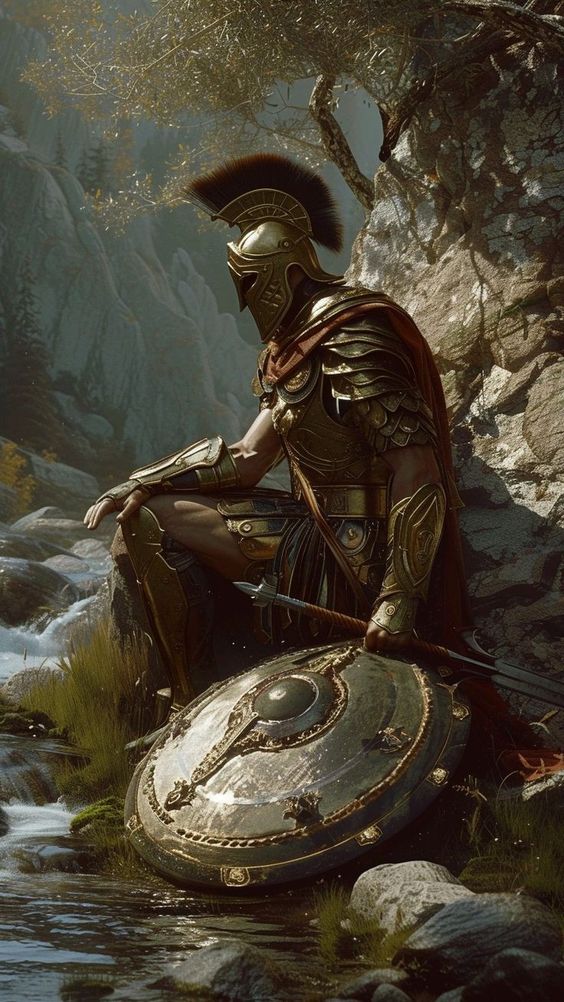
Compared to the other five malefactors Theseus came across on his road to Athens, Cercyon of Eleusis was somewhat old school: he challenged passersby on a win-or-die wrestling match. Not a good idea when your opponent is Theseus! Needless to say, it was Cercyon who got the wrong side of the proposed bargain. Or as a Greek poet put it in both humorous and oblique manner: Theseus “closed the wrestling school of Cercyon.”
The last bandit was Procrustes - the Stretcher, who had two beds, one of which he offered to passers-by in the plain of Eleusis. He then made them fit into it, either by stretching them or by cutting off their feet. Since he had two beds of different lengths, no one would fit. Theseus once again employed Procrustes' own method on him, cutting off his legs and decapitating him with his axe.
The last bandit was Procrustes - the Stretcher, who had two beds, one of which he offered to passers-by in the plain of Eleusis. He then made them fit into it, either by stretching them or by cutting off their feet. Since he had two beds of different lengths, no one would fit. Theseus once again employed Procrustes' own method on him, cutting off his legs and decapitating him with his axe.
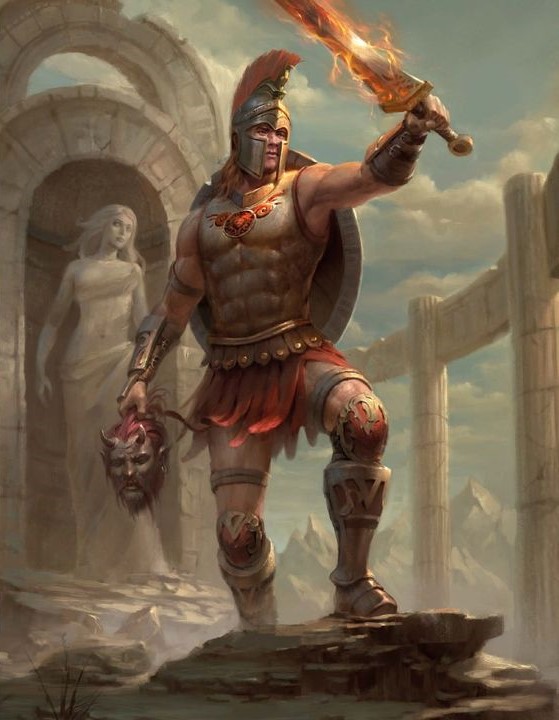
When Theseus arrived in Athens, he had the misfortune of being recognized by the wrong person: not by his father Aegeus, but by his then-wife, the sorceress Medea. Obviously, Medea didn’t want Aegeus to be succeeded in his throne by a son from a previous marriage, so she resolved to kill Theseus.
She had no problem convincing Aegeus to her side, since the Athenian king still feared that he would be killed by one of his brother’s sons or, even worse, by an outsider. So, soon after arriving in Athens, Aegeus sent Theseus to capture the Marathonian Bull.
Now, the Marathonian Bull is actually the same bull Heracles managed to capture for his seventh labor. Formerly known as the Cretan Bull, the creature was either set free by Heracles or escaped from Tiryns by itself. After traversing the Isthmus of Corinth, it arrived at Marathon and bothered its inhabitants for years before Theseus finally managed to master it. After showing it to Aegeus and Medea, Theseus killed the Bull and sacrificed it to Apollo.
She had no problem convincing Aegeus to her side, since the Athenian king still feared that he would be killed by one of his brother’s sons or, even worse, by an outsider. So, soon after arriving in Athens, Aegeus sent Theseus to capture the Marathonian Bull.
Now, the Marathonian Bull is actually the same bull Heracles managed to capture for his seventh labor. Formerly known as the Cretan Bull, the creature was either set free by Heracles or escaped from Tiryns by itself. After traversing the Isthmus of Corinth, it arrived at Marathon and bothered its inhabitants for years before Theseus finally managed to master it. After showing it to Aegeus and Medea, Theseus killed the Bull and sacrificed it to Apollo.
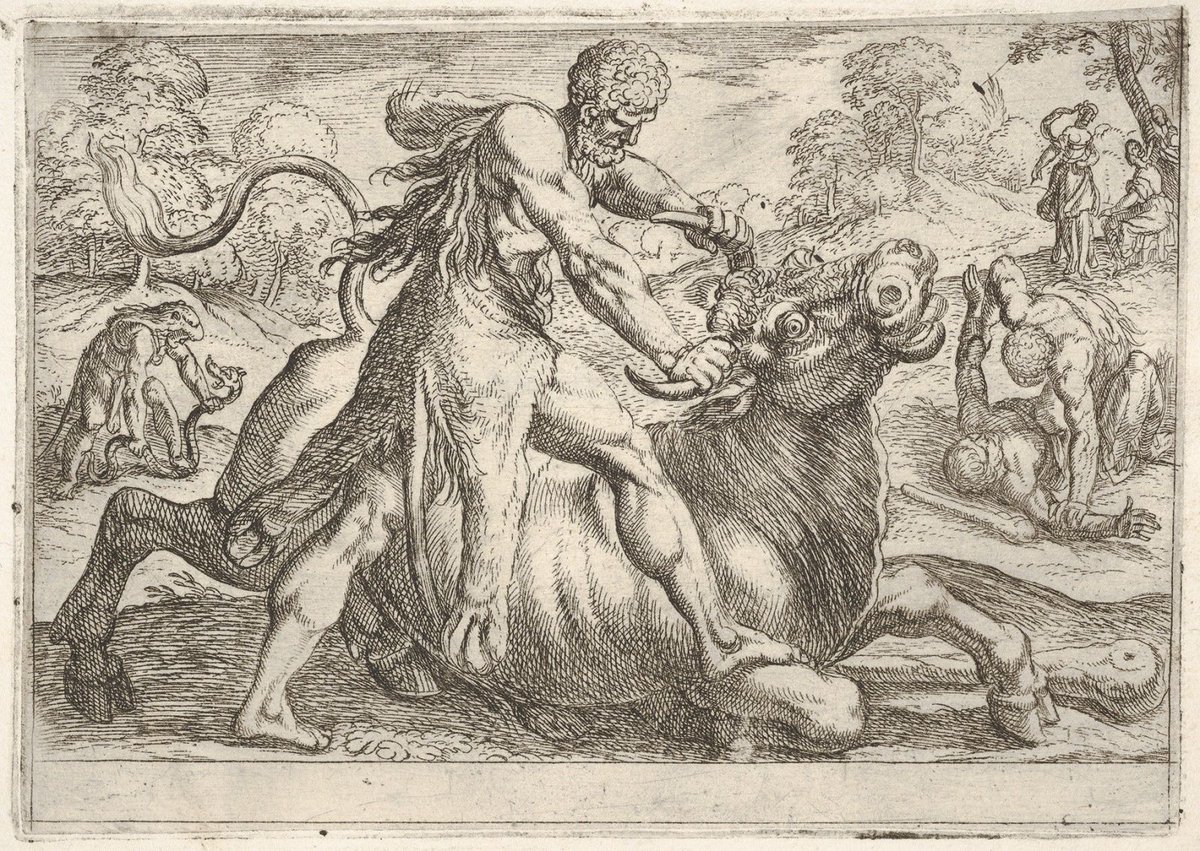
When Theseus returned victorious to Athens, where he sacrificed the Bull, Medea tried to poison him. At the last second, Aegeus recognized the sandals and the sword and knocked the poisoned wine cup from Theseus's hands. Thus father and son were reunited, and Medea fled to Asia.
However, the true test of Theseus’ mettle awaited him in the labyrinthine depths of Crete, where the monstrous Minotaur lurked. This half-man, half-bull abomination was born of King Minos' hubris and cursed by the gods, confined to a maze that was as treacherous and enigmatic as the creature itself.
Every nine years, Athens was forced to send seven young men and seven maidens as tribute, to be devoured by the beast. Driven by a sense of duty and a thirst for justice, Theseus volunteered to end this gruesome cycle.
However, the true test of Theseus’ mettle awaited him in the labyrinthine depths of Crete, where the monstrous Minotaur lurked. This half-man, half-bull abomination was born of King Minos' hubris and cursed by the gods, confined to a maze that was as treacherous and enigmatic as the creature itself.
Every nine years, Athens was forced to send seven young men and seven maidens as tribute, to be devoured by the beast. Driven by a sense of duty and a thirst for justice, Theseus volunteered to end this gruesome cycle.
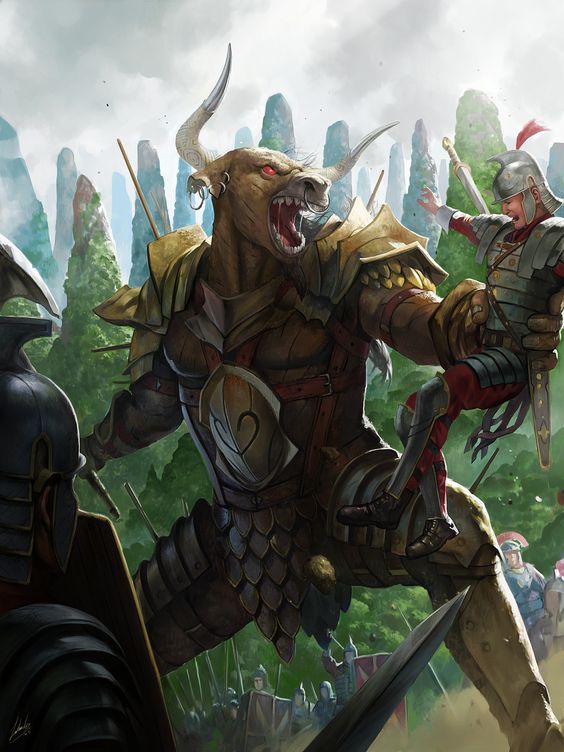
You see, King Minos of Crete had waged war with the Athenians and was successful. He then demanded that, at nine-year intervals, seven Athenian boys and seven Athenian girls were to be sent to Crete to be devoured by the Minotaur, a half-man, half-bull monster that lived in the Labyrinth created by Daedalus.
Theseus volunteered to "talk" to the monster to stop this horror. He took the place of one of the youths and set off with a black sail, promising to his father, Aegeus, that if successful he would return with a white sail.
Theseus volunteered to "talk" to the monster to stop this horror. He took the place of one of the youths and set off with a black sail, promising to his father, Aegeus, that if successful he would return with a white sail.
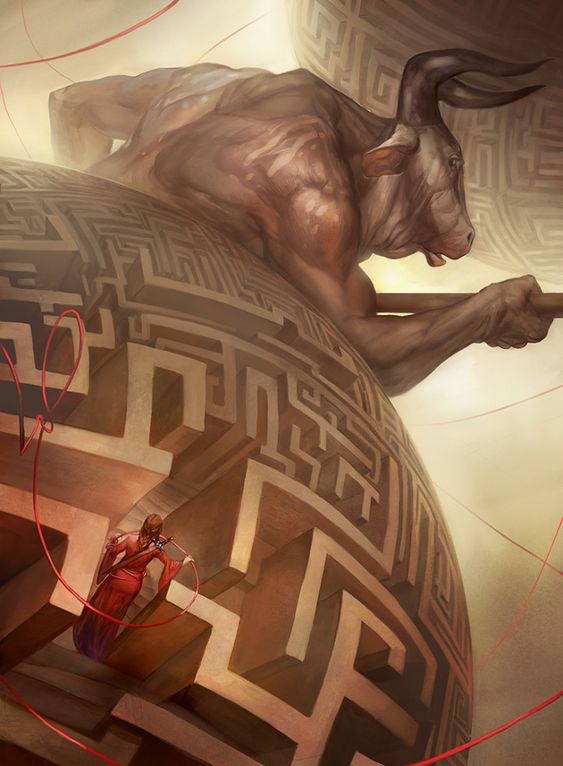
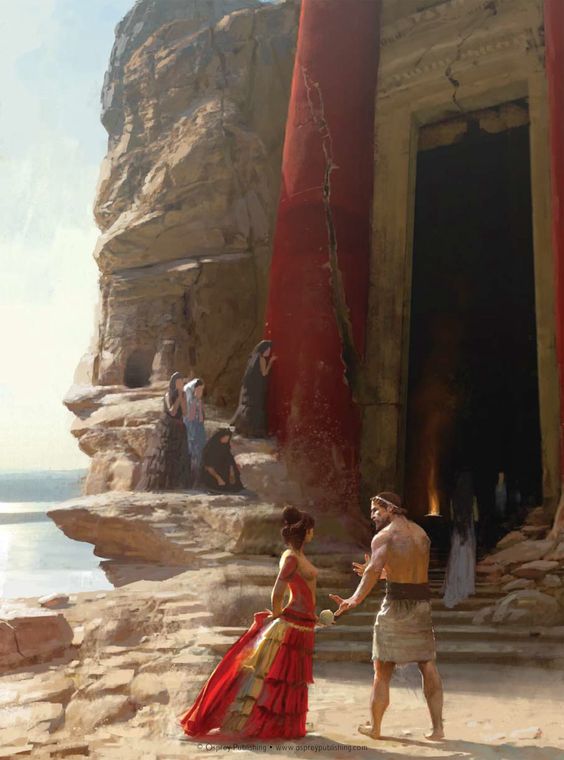
Upon arriving in Crete, he found an unexpected ally in Ariadne, Minos’ daughter, who was enamored by his bravery. She provided Theseus with a ball of thread, a simple yet ingenious tool to navigate the labyrinth.
As Theseus ventured into the labyrinth, the atmosphere grew heavy with the scent of decay and echoes of past horrors. The maze seemed alive, its walls pulsating with a malevolent energy, as if the Minotaur’s malevolence had seeped into its very stones. Each step was a journey deeper into darkness, both literal and metaphorical.
As Theseus ventured into the labyrinth, the atmosphere grew heavy with the scent of decay and echoes of past horrors. The maze seemed alive, its walls pulsating with a malevolent energy, as if the Minotaur’s malevolence had seeped into its very stones. Each step was a journey deeper into darkness, both literal and metaphorical.
When at last he came face to face with the Minotaur, the air thickened with an oppressive dread. The creature’s eyes burned with an unholy fire, its bellow resonating through the cavernous halls like a death knell. This was no mere beast; it was a manifestation of pure, primal terror.
The clash between Theseus and the Minotaur was a symphony of horror and heroism. The beast charged with a ferocity that shook the ground, its horns aiming to skewer the intruder. Theseus, agile and resolute, evaded its assaults, each movement a dance with death. The labyrinth echoed with the sounds of their struggle: the clang of steel against horn, the guttural roars of the Minotaur, and the defiant shouts of Theseus.
The clash between Theseus and the Minotaur was a symphony of horror and heroism. The beast charged with a ferocity that shook the ground, its horns aiming to skewer the intruder. Theseus, agile and resolute, evaded its assaults, each movement a dance with death. The labyrinth echoed with the sounds of their struggle: the clang of steel against horn, the guttural roars of the Minotaur, and the defiant shouts of Theseus.

As the battle raged, Theseus' mind raced as much as his body. He knew he couldn’t match the Minotaur's raw power head-on. Instead, he used his wits, leading the creature into tight corners, exploiting the labyrinth’s twists and turns. At a crucial moment, as the Minotaur charged once more, Theseus sidestepped with a deft maneuver and drove his sword deep into the beast's heart. The Minotaur’s roar turned to a gurgle as it collapsed, its lifeblood staining the labyrinth floor.
Emerging from the labyrinth, Theseus followed the thread back to daylight and the adoring eyes of Ariadne. He had not only conquered the beast but had also broken the chains of fear that had bound his people. With Ariadne at his side, Theseus set sail for Athens, the dawn of a new era breaking on the horizon.
Emerging from the labyrinth, Theseus followed the thread back to daylight and the adoring eyes of Ariadne. He had not only conquered the beast but had also broken the chains of fear that had bound his people. With Ariadne at his side, Theseus set sail for Athens, the dawn of a new era breaking on the horizon.
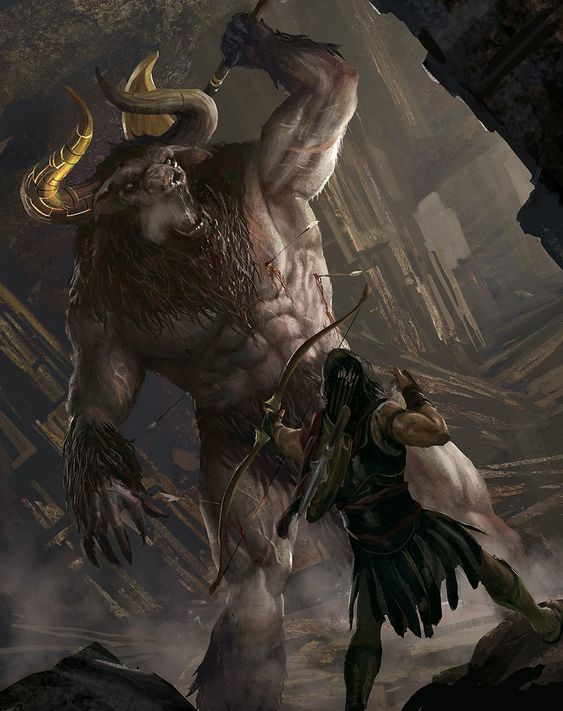
Theseus had promised Ariadne to marry her before even making his first step inside the Labyrinth; and, that’s the first thing he did after coming out of it safe and sound. After the brief marital ceremony, he took Ariadne with him and, together with the other young Athenians, left Crete.
Strangely, his marriage with Ariadne lasted no more than just a few days: as soon as his ships reached the island of Naxos, Theseus left the sleeping Ariadne behind him and sailed away.
Some say he had no choice but to obey the will of Dionysus who wanted Ariadne for himself. The God had commanded Theseus to leave and arrived on the island of Dia just moments after the hero had left it, swiftly carrying Ariadne off in his chariot to be his beloved and immortal wife.
Strangely, his marriage with Ariadne lasted no more than just a few days: as soon as his ships reached the island of Naxos, Theseus left the sleeping Ariadne behind him and sailed away.
Some say he had no choice but to obey the will of Dionysus who wanted Ariadne for himself. The God had commanded Theseus to leave and arrived on the island of Dia just moments after the hero had left it, swiftly carrying Ariadne off in his chariot to be his beloved and immortal wife.
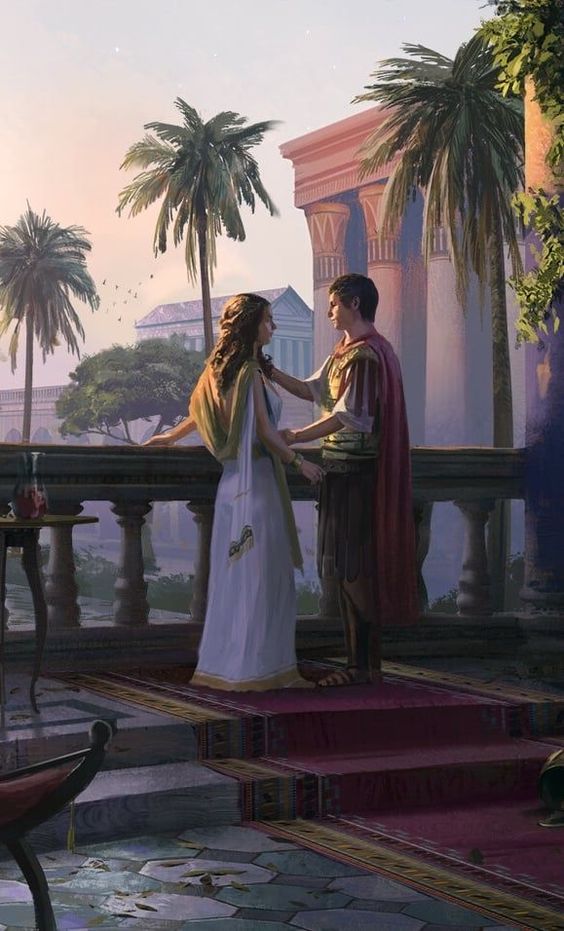
Before setting off for Crete, Theseus had promised his father that, if he survived the Minotaur, he would change his ship’s black sail to a white one. Thus, Aegeus would be able to discern from some distance whether his son was still alive.
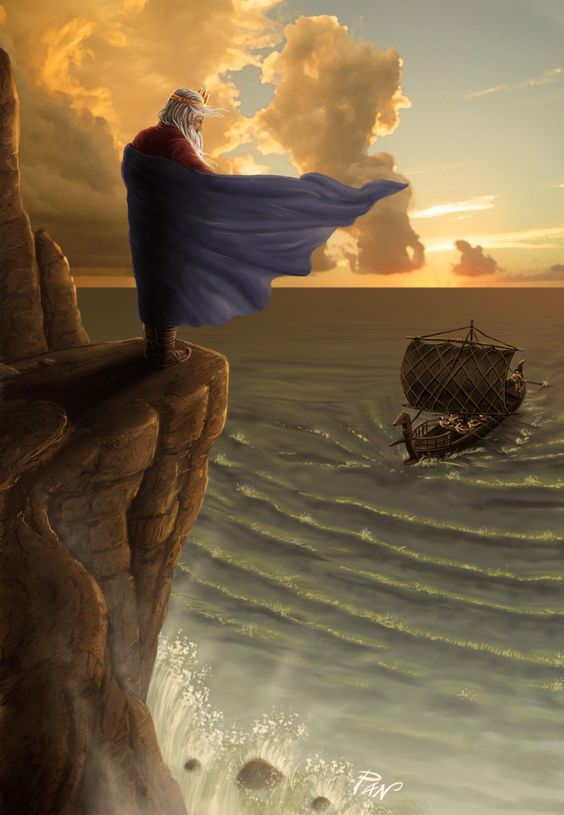
Unfortunately, he either forgot his promise altogether or was too distraught to make the change on time. Watching from a vantage point, Aegeus couldn’t bear the sight he had most dreaded to see, so he hurled himself to his death straight away. That’s how the Aegean Sea was named.
Unfortunately, he either forgot his promise altogether or was too distraught to make the change on time. Watching from a vantage point, Aegeus couldn’t bear the sight he had most dreaded to see, so he hurled himself to his death straight away. That’s how the Aegean Sea was named.
While a king, Theseus befriended the king of the Lapiths, Pirithous. He shared numerous adventures with him, the most famous among them being the hunt for the Calydonian Boar, the Centauromachy, and an expedition among the Amazons, from which – to the utter dismay of the women warriors – both returned with new wives.

Some years later, the two friends attempted a similar raid in the Underworld, but the abduction of Hades’ wife, Persephone, didn’t go according to plan: instead of getting Persephone out of there, Theseus and Pirithous remained stuck inside, fixed immovable to two enchanted seats. I guess it was not a smart idea to snatch the wife of a God, who had snatched her in the place.
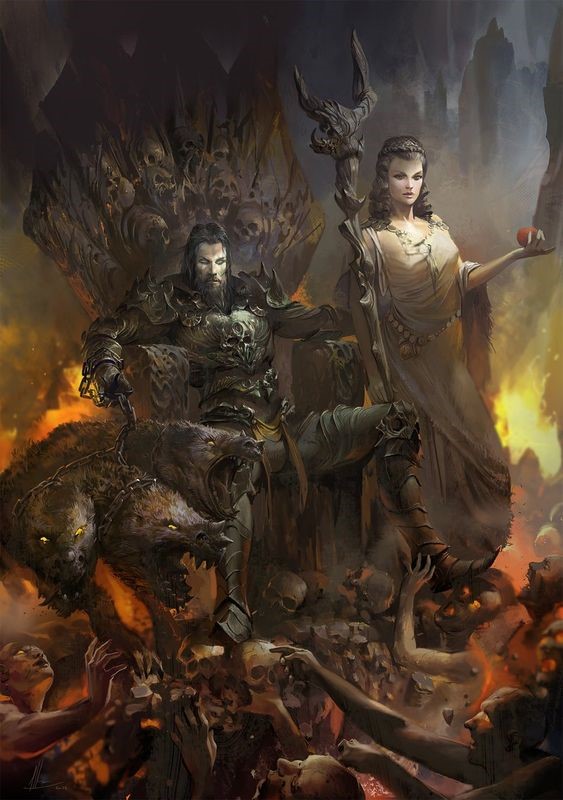
It was time for the demigods' paths to cross once again though. On his way to capturing Cerberus, Heracles noticed and recognized the heroes; even though, with some effort, he managed to free Theseus, the earth shook when he tried to do the same with Pirithous; so, Heracles had no choice but to leave Pirithous in the Underworld forevermore.
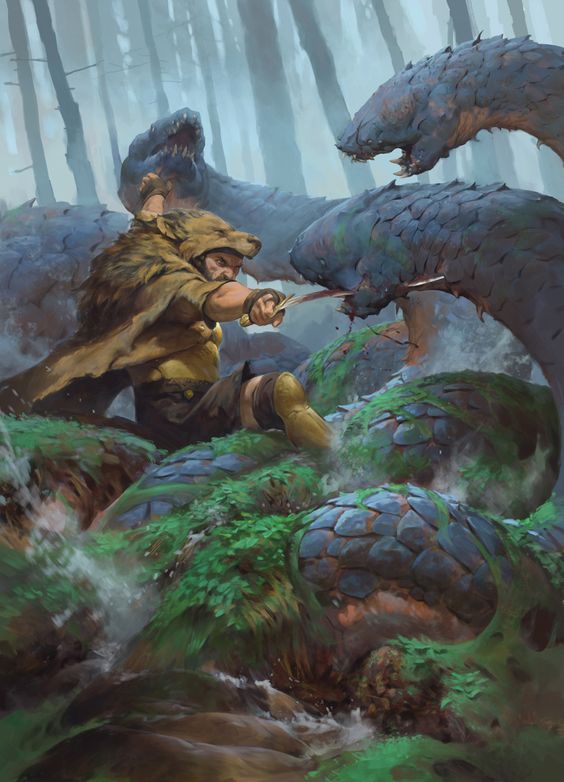
Once freed from the Underworld, Theseus hurried back to Athens only to find out that the city now had a new ruler: Menestheus. He fled right away for refuge to Lycomedes, the king of the island of Scyros. A tragic mistake, since Lycomedes was a supporter of Menestheus!
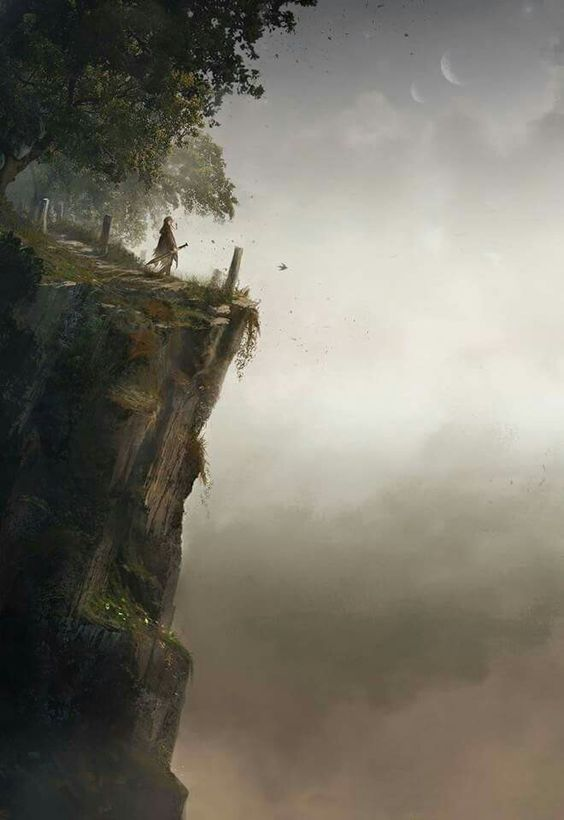
After a few days of feigned hospitality, Lycomedes took the unsuspecting Theseus on a tour of the island; the second they reached its highest cliff, he violently pushed Theseus to his death. Other say he actually jumped, crushed buy the sorrow. Such was the tragic death of the great hero, as is also usual for their class in the Greek tragedies.
After a few days of feigned hospitality, Lycomedes took the unsuspecting Theseus on a tour of the island; the second they reached its highest cliff, he violently pushed Theseus to his death. Other say he actually jumped, crushed buy the sorrow. Such was the tragic death of the great hero, as is also usual for their class in the Greek tragedies.
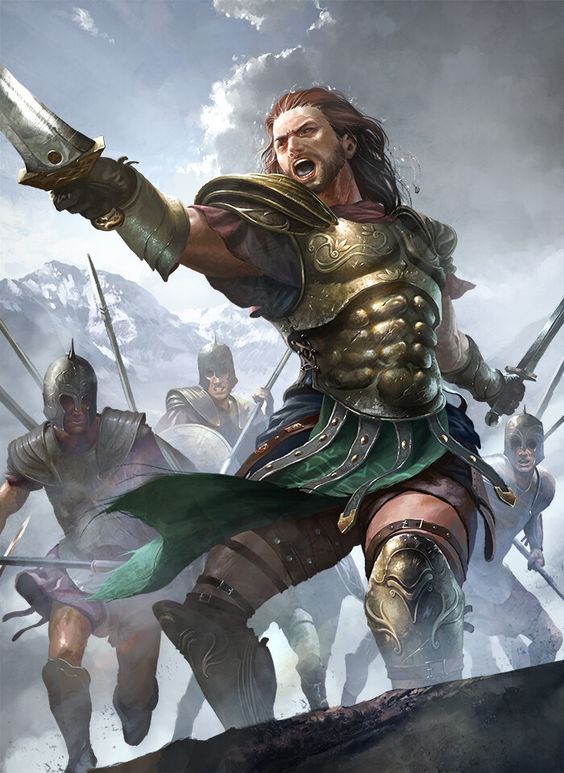
Generations passed without much thought being given to Theseus. Then, during the Persian wars, Athenian soldiers reported seeing the ghost of Theseus, clad in bronze armor and in full charge, and came to believe that he was responsible for their victories.
The Athenian general Cimon received a command from the Oracle at Delphi to find Theseus' bones and return them to Athens. He did so, and the gigantic skeleton of Theseus was reburied in a magnificent tomb in the heart of Athens, which thereon served as a sanctuary for the defenseless and the oppressed of the world.
The Athenian general Cimon received a command from the Oracle at Delphi to find Theseus' bones and return them to Athens. He did so, and the gigantic skeleton of Theseus was reburied in a magnificent tomb in the heart of Athens, which thereon served as a sanctuary for the defenseless and the oppressed of the world.
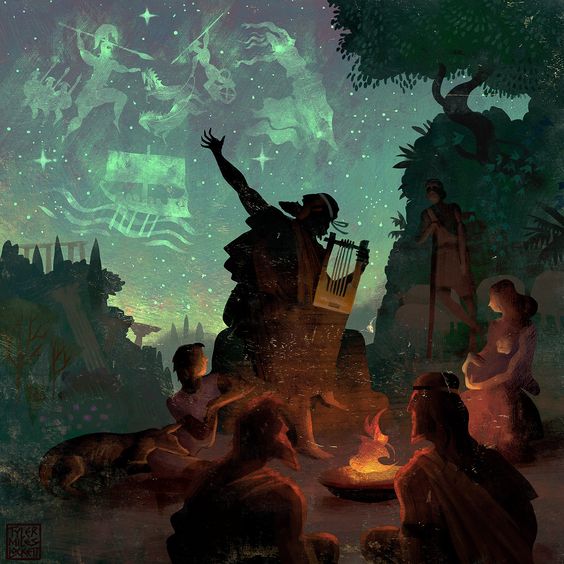
The deeds of Theseus were sung in the halls of kings and by the firesides of humble homes. His triumphs over the malevolent forces of the world had become the bedrock of Athenian pride and identity. From the shadowy depths of the labyrinth to the sunlit plains of Marathon, his spirit had blazed a trail of courage that others would follow for generations to come.
But Theseus’ legacy was more than just his battles and victories. It was his vision of unity, his wisdom in governance, and his unyielding commitment to justice that had forged a new path for his people. He had brought together the scattered tribes of Attica, laying the foundation for a democracy that would inspire the world.
But Theseus’ legacy was more than just his battles and victories. It was his vision of unity, his wisdom in governance, and his unyielding commitment to justice that had forged a new path for his people. He had brought together the scattered tribes of Attica, laying the foundation for a democracy that would inspire the world.
Loading suggestions...