
When things you don't want to happen, happens, how do you respond?
Do you fatalistically blame it on destiny and accept it, or take initiative to overcome it?
What is the guiding principle in the fate vs free will debate?
What did Sri Rama do in such circumstances? (1/11)
Do you fatalistically blame it on destiny and accept it, or take initiative to overcome it?
What is the guiding principle in the fate vs free will debate?
What did Sri Rama do in such circumstances? (1/11)

In the epic's defining moment, Sri Rama who was about to be crowned as King, was instead sentenced to exile for 14 years.
Lakshmana was outraged by the injustice of this request, but Sri Rama calmly considered the exile as the will of destiny.
Kambar writes - "நதியின் பிழையன்று நறும்புனலின்மை; விதியின் பிழை"
"it is not the fault of river to dry up when rains fail. Similarly, Kaikeyi isn't at fault for fate's doing", says Sri Rama.
Lakshmana was outraged by the injustice of this request, but Sri Rama calmly considered the exile as the will of destiny.
Kambar writes - "நதியின் பிழையன்று நறும்புனலின்மை; விதியின் பிழை"
"it is not the fault of river to dry up when rains fail. Similarly, Kaikeyi isn't at fault for fate's doing", says Sri Rama.

Here Lakshmana is for free-will, to not passively accept injustice, and to fight for the kingdom which was Sri Rama's right.
But Sri Rama defers to destiny and accepted the extraordinarily difficult situation that circumstances suddenly placed upon him and agreed to be exiled.
But Sri Rama defers to destiny and accepted the extraordinarily difficult situation that circumstances suddenly placed upon him and agreed to be exiled.
But when Sita was kidnapped, the same Sri Rama did not passively ascribe it to destiny, but set out to immediately search for her.
He responded to the adversity by forming an unlikely alliance with the Vanaras and left no stone unturned in his pro-activeness to rescue her.
This resourcefulness is contrary to the passive acceptance of fate he displayed earlier. How to reconcile these two behaviors ?
He responded to the adversity by forming an unlikely alliance with the Vanaras and left no stone unturned in his pro-activeness to rescue her.
This resourcefulness is contrary to the passive acceptance of fate he displayed earlier. How to reconcile these two behaviors ?
Simple: To Sri Rama, the defining decider of his responses was the consideration of not destiny, but duty.
For Rama as a husband, the protection of his wife was his prime duty, and he didn't even consider abandoning that duty in the name of destiny.
For Rama as a son, obedience to his father was his prime duty - a duty he did even if it required renouncing his right to the kingdom.
For Rama as a husband, the protection of his wife was his prime duty, and he didn't even consider abandoning that duty in the name of destiny.
For Rama as a son, obedience to his father was his prime duty - a duty he did even if it required renouncing his right to the kingdom.
The Ramayana's message is not that we passively give in to destiny, but we gallantly stick to duty.
The guiding principle being - what happens to us is destiny, and how we respond to it is our free will.
And we can choose the best response by sticking to our duty. The best means of using our free will - is to dedicate it to doing our duty.
The guiding principle being - what happens to us is destiny, and how we respond to it is our free will.
And we can choose the best response by sticking to our duty. The best means of using our free will - is to dedicate it to doing our duty.
Sri Rama rejected Lakshmana's call for rebellion not because he was fatalistic and feeble, but because he was resourceful and courageous enough to do his duty even when it was exceptionally difficult.
Sri Rama's message is a cure for the current mindset that keeps harping about their rights. Considerations of our rights need to be balanced with deliberations on our responsibilities.
Sri Rama's message is a cure for the current mindset that keeps harping about their rights. Considerations of our rights need to be balanced with deliberations on our responsibilities.
Focus too much on our rights, and we maybe banging our heads against an unchangeable wall - the hand of destiny.
OTOH, focus too much on destiny, we may end up doing nothing, and be fatalistically helpless.
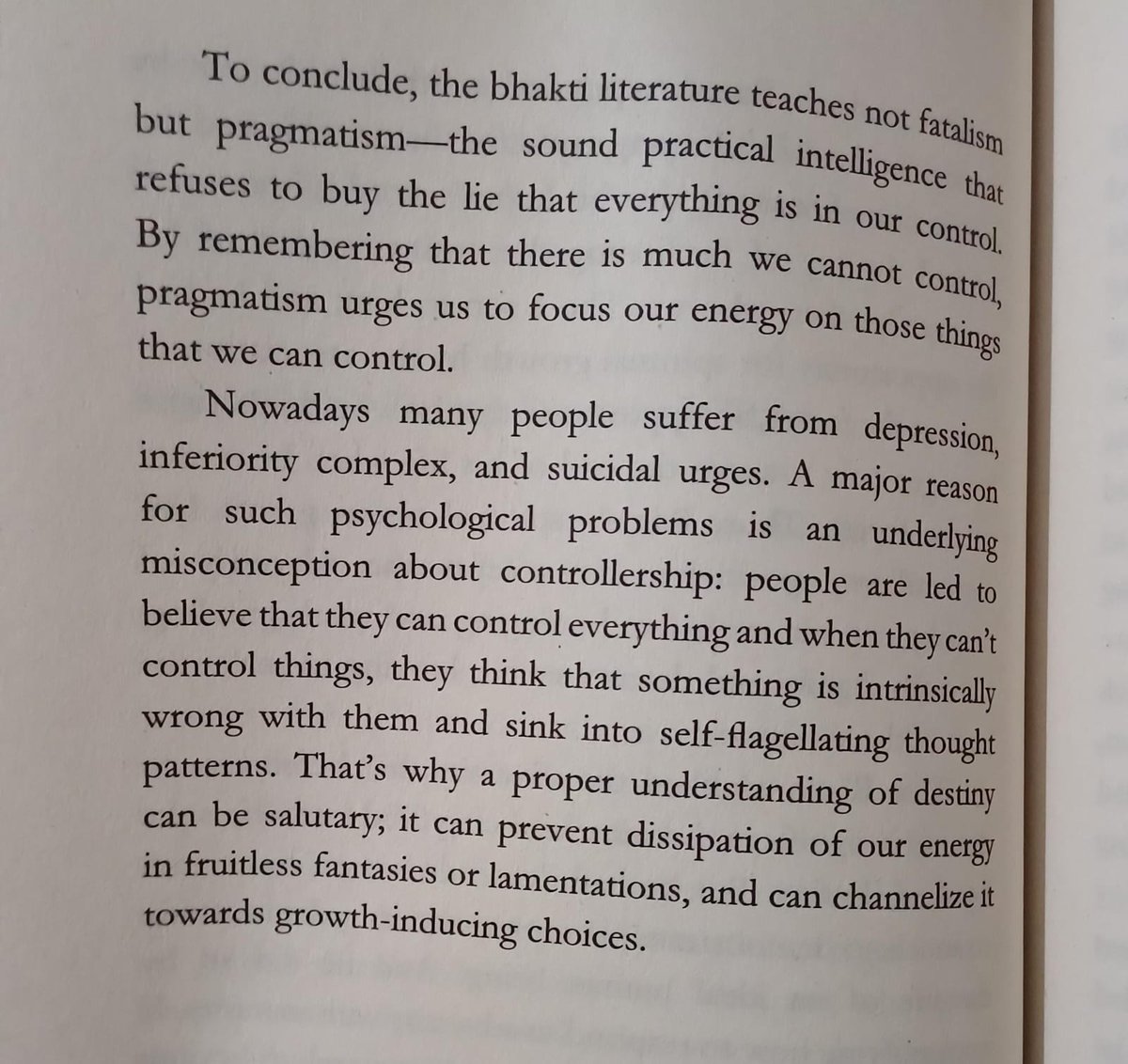
Follow the middle ground - be pragmatic enough to understand that not everything is in our control, but proactive enough to take actions in our control, that continue to fulfil our duty, our svadharma.
OTOH, focus too much on destiny, we may end up doing nothing, and be fatalistically helpless.
Follow the middle ground - be pragmatic enough to understand that not everything is in our control, but proactive enough to take actions in our control, that continue to fulfil our duty, our svadharma.
If you liked this thread, follow @labstamil for more such content.
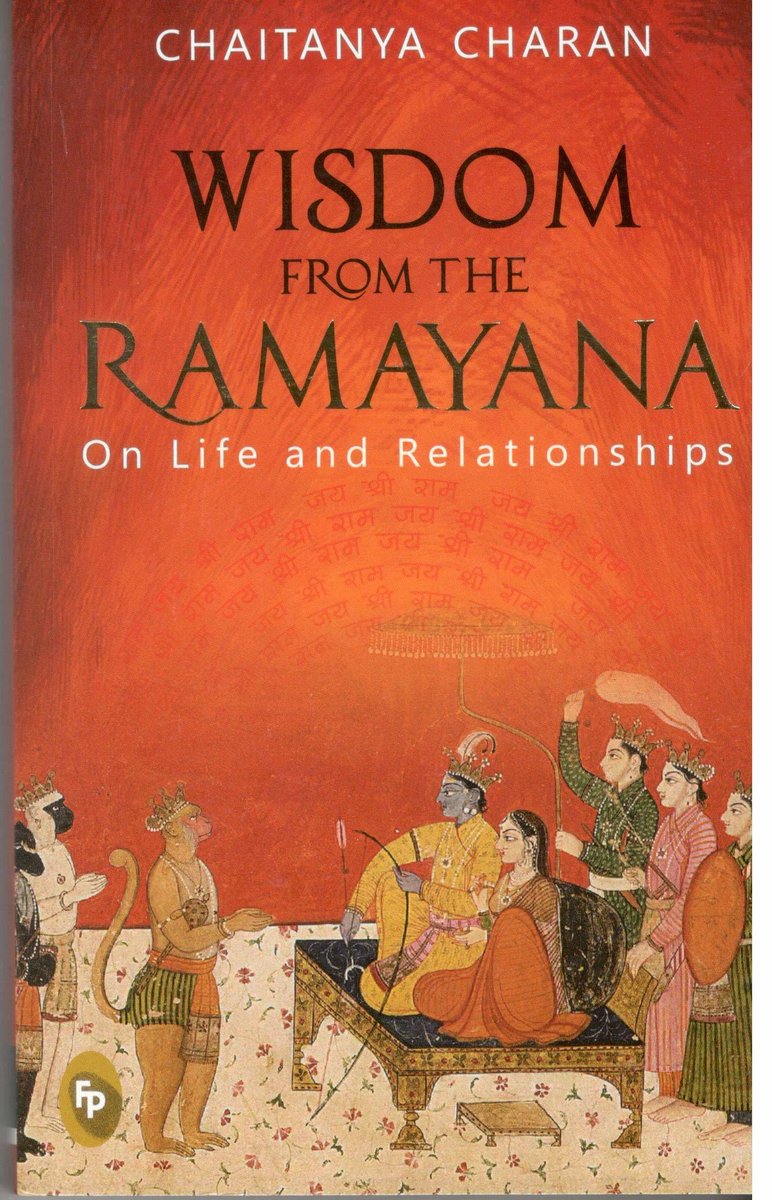
Paraphrased from the beautifully written 'Wisdom from the Ramayana' by Chaitanya Charan.
Amazon Link: amzn.to
Paraphrased from the beautifully written 'Wisdom from the Ramayana' by Chaitanya Charan.
Amazon Link: amzn.to

Please RT the first post of the thread to spread the good word with your friends and followers:
x.com
x.com
Loading suggestions...