

The PM of Bangladesh Sheikh Hasina has fled her country
After violent protestors entered her house to make her resign
But when Bangladesh became the fastest growing economy in the world under her, then why is this happening?
THREAD: what led to this situation 🧵
After violent protestors entered her house to make her resign
But when Bangladesh became the fastest growing economy in the world under her, then why is this happening?
THREAD: what led to this situation 🧵
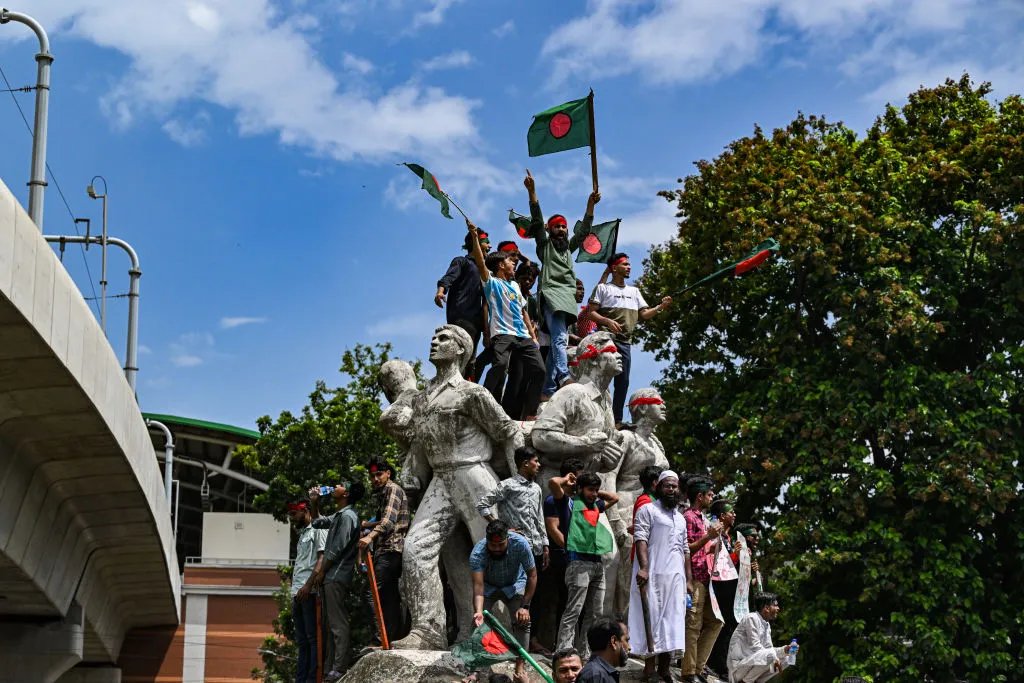
It feels deeply unsettling to see so much civil unrest unfolding in our neighboring country of Bangladesh.
The impact on families, students, and others caught in this situation is significant as the nation stands at a crossroads.
The impact on families, students, and others caught in this situation is significant as the nation stands at a crossroads.
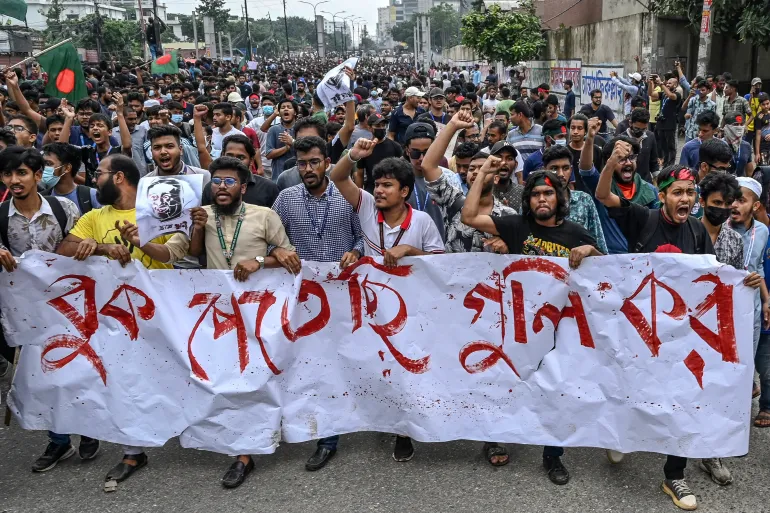
The protests and unrest indicate deep-seated issues that need to be addressed with careful attention.
But what issue has caused such civil unrest in Bangladesh, forcing the PM, who has been in power for 20 years, to leave the country?
But what issue has caused such civil unrest in Bangladesh, forcing the PM, who has been in power for 20 years, to leave the country?
DISCLAIMER: This write-up consists of well-documented research & facts from trusted sources, and in no way intends to relay any personal sentiment/prerogative or political inclinations.
See, so it all started at Dhaka University, where a group of student activists started protesting against the controversial “Quota System”.
Under this system, there is up to 30% reservation in govt jobs for families of veterans from
Under this system, there is up to 30% reservation in govt jobs for families of veterans from
Bangladesh’s 1971 War of Independence against Pakistan along with
👉 10% reservation for Women
👉 5% for Ethnic Minorities and
👉 1% for People with Disability.
👉 10% reservation for Women
👉 5% for Ethnic Minorities and
👉 1% for People with Disability.
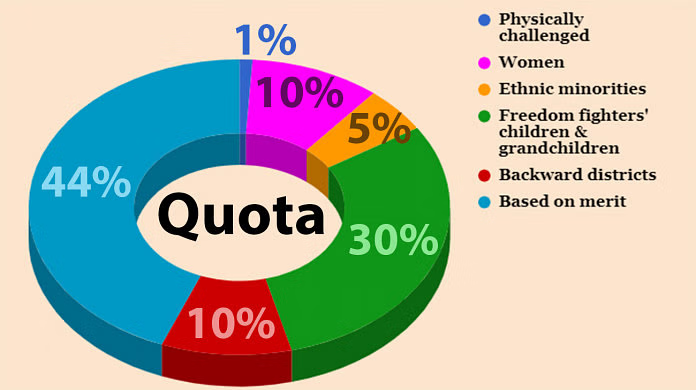
Similar to the recent protests, students demonstrated against these reservations in 2018. It had yielded significant results and led the govt to abolish reservations in 1st and 2nd class jobs.
But in June 2024, the High Court of Bangladesh ruled
But in June 2024, the High Court of Bangladesh ruled
— that the 2018 circular abolishing the quotas was illegal, reinstating the previous system.
This triggered another wave of protests which quickly escalated into the nation’s largest violent clash as student activists came face to face with the police & pro-govt supporters.
This triggered another wave of protests which quickly escalated into the nation’s largest violent clash as student activists came face to face with the police & pro-govt supporters.
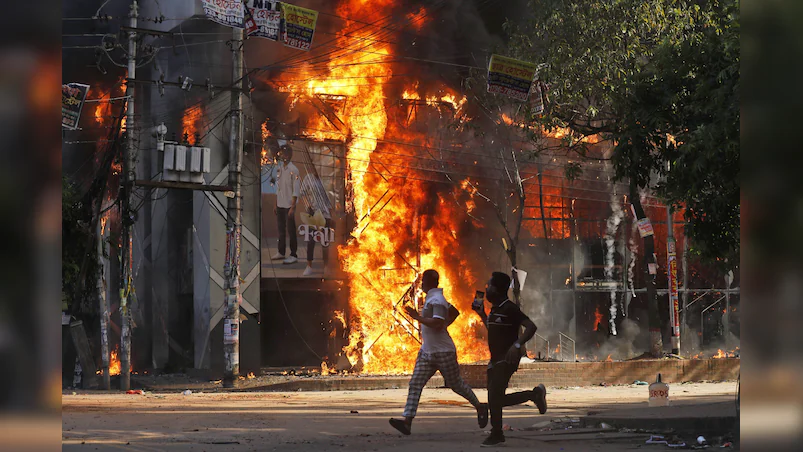
Soon, it broadened to an anti-govt movement expressing dissatisfaction with the long-incumbent Sheikh Hasina regime.
Then in the last week, student groups demanded the resignation of the PM and her cabinet.
Then in the last week, student groups demanded the resignation of the PM and her cabinet.
In response, she said that the protestors who were engaged in the destruction were no longer seen as students but as criminals who should be dealt with harshly.
But why was this quota system established in the first place?
But why was this quota system established in the first place?
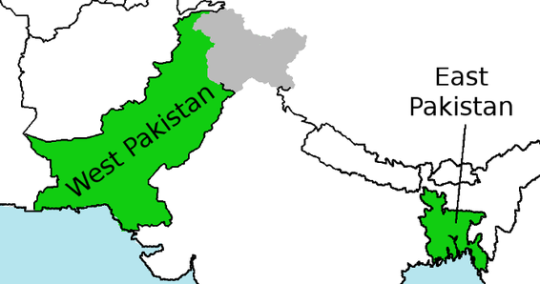
So basically in 1971, Bangladesh (then East Pakistan) fought a war of independence against West Pakistan (now Pakistan)
— due to the discriminatory practices of the ruling authorities in West Pakistan against the Bengali-speaking population.
— due to the discriminatory practices of the ruling authorities in West Pakistan against the Bengali-speaking population.
The respect towards war veterans and their families was translated into policies aimed at supporting & uplifting them.
Sheikh Mujibur Rahman, the founding father of Bangladesh and the father of PM Sheikh Hasina,
Sheikh Mujibur Rahman, the founding father of Bangladesh and the father of PM Sheikh Hasina,
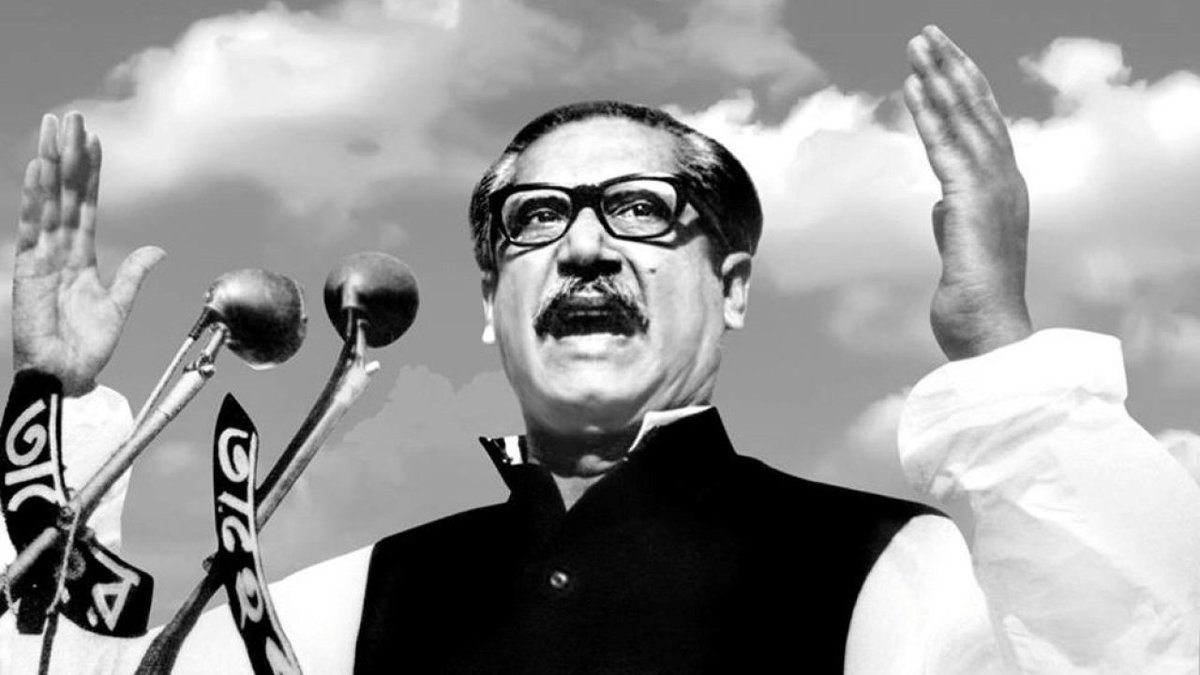
was a key leader of the Mukti Bahini (Liberation Forces) and the Awami League (ruling party)
— created this quota for freedom fighters, their families and women (who were tortured & assaulted by Pakistani soldiers) to honor their sacrifice.
— created this quota for freedom fighters, their families and women (who were tortured & assaulted by Pakistani soldiers) to honor their sacrifice.
But after Sheikh Mujib’s assassination, the quota system was diluted and extended to the marginalized sections of the nation.
But the critics argue that this quota system disproportionately benefits supporters of the ruling Awami League party, led by PM Sheikh Hasina.
But the critics argue that this quota system disproportionately benefits supporters of the ruling Awami League party, led by PM Sheikh Hasina.
The Awami League, which has strong ties to the legacy of the independence movement, faces accusations of using the quota system to reward its loyalists,
— particularly veterans and their families, who are often politically aligned with the party.
— particularly veterans and their families, who are often politically aligned with the party.

Many young people in Bangladesh who do not qualify for these quotas but have the other required qualifications & skills have an immense sense of frustration.
And according to young Bangladeshi people affected by these policies,
And according to young Bangladeshi people affected by these policies,
abolishing or reforming this system to a more merit-based selection process would:
👉 increase the quality & efficiency of the govt jobs,
👉 reduce socio-economic disparity, and
👉 foster a more inclusive society.
👉 increase the quality & efficiency of the govt jobs,
👉 reduce socio-economic disparity, and
👉 foster a more inclusive society.
The looming questions persist about Bangladesh’s political future. The country has had a history of unstable governments
— from an authoritarian rule under its first ruler Sheikh Mujib to Gen H.M. Ershad.
His military rule faced widespread protests whose military rule faced
— from an authoritarian rule under its first ruler Sheikh Mujib to Gen H.M. Ershad.
His military rule faced widespread protests whose military rule faced

widespread protests & led to the establishment of democracy in the 1990s.
Bangladesh’s own history & struggle with democracy have made it vulnerable to volatility.
Bangladesh’s own history & struggle with democracy have made it vulnerable to volatility.
If you liked this read, do RePost🔄 the 1st post and follow us @FinFloww for such reads every Monday, Wednesday and Friday!
Get our WhatsApp newsletter: whatsapp.com

Subscribe to WHAT THE FLOWW?, our weekly email newsletter where we dive deeper into such concepts: soshals.app

Loading suggestions...