
The Colosseum is incredible, but it isn't unique.
Because there are over 200 Ancient Roman arenas, on three different continents, many of which held over 50,000 people.
And the Romans even built one stadium with a capacity of 150,000...
Because there are over 200 Ancient Roman arenas, on three different continents, many of which held over 50,000 people.
And the Romans even built one stadium with a capacity of 150,000...

An Ancient Roman would find many things strange about the modern world, but our love for sport is not one of them.
Because thousands of people crowding into stadiums to be entertained was part of ordinary life in the Roman Empire.
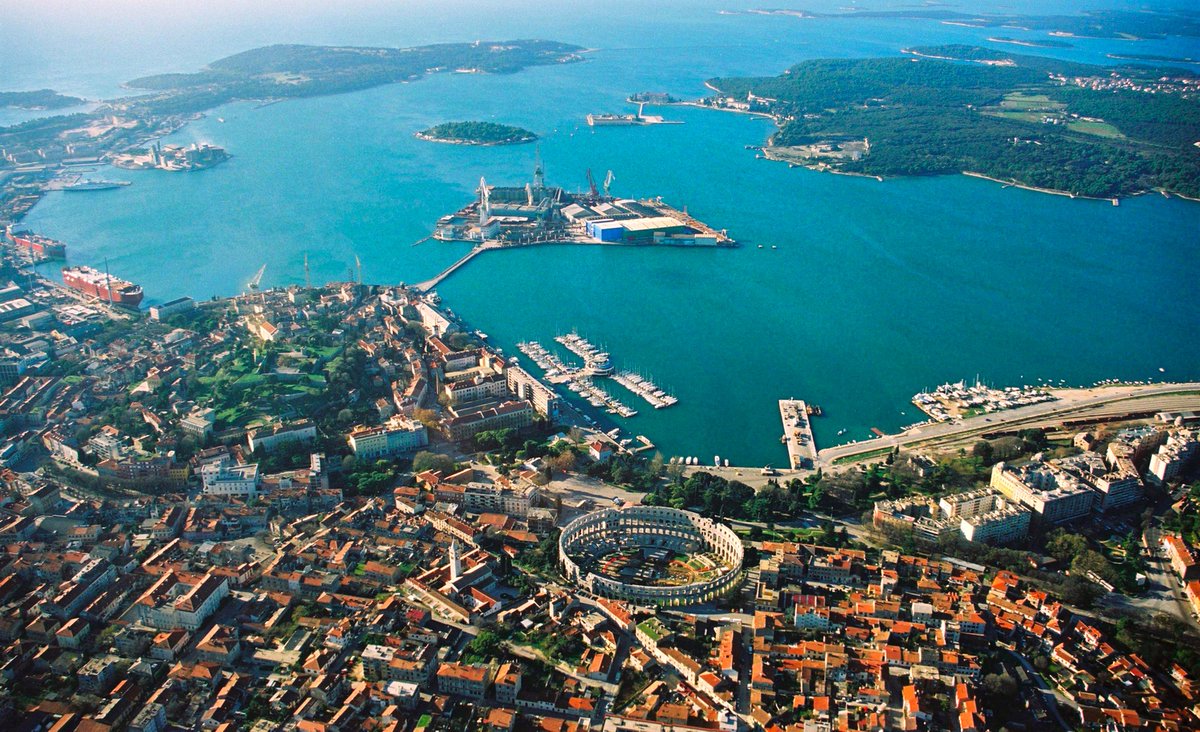
Here you can see the arena in Pula, Croatia:
Because thousands of people crowding into stadiums to be entertained was part of ordinary life in the Roman Empire.
Here you can see the arena in Pula, Croatia:
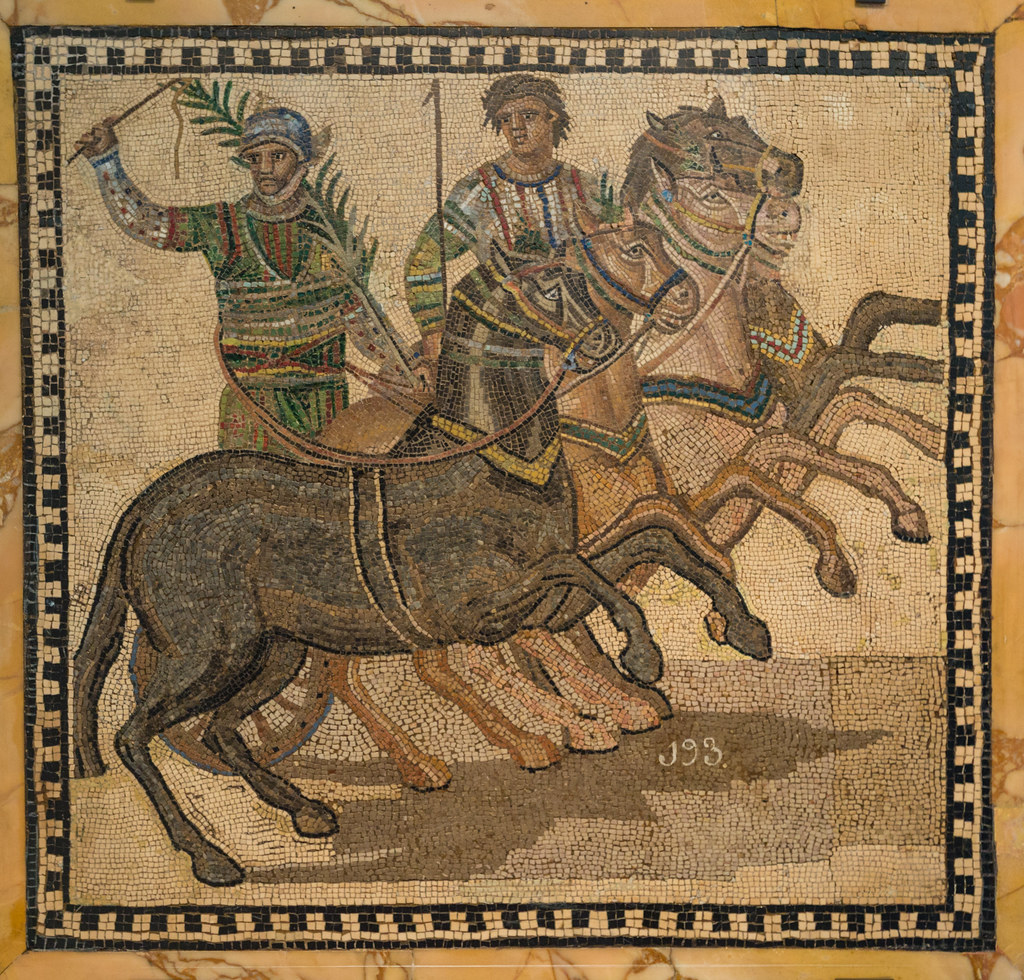
In fact, the highest paid athlete in history was a Roman charioteer called Gaius Appuleius Diocles — his total career winnings were the equivalent of about $15 billion.
Sport was wildly popular in Ancient Rome, and it was big business too.
Sport was wildly popular in Ancient Rome, and it was big business too.
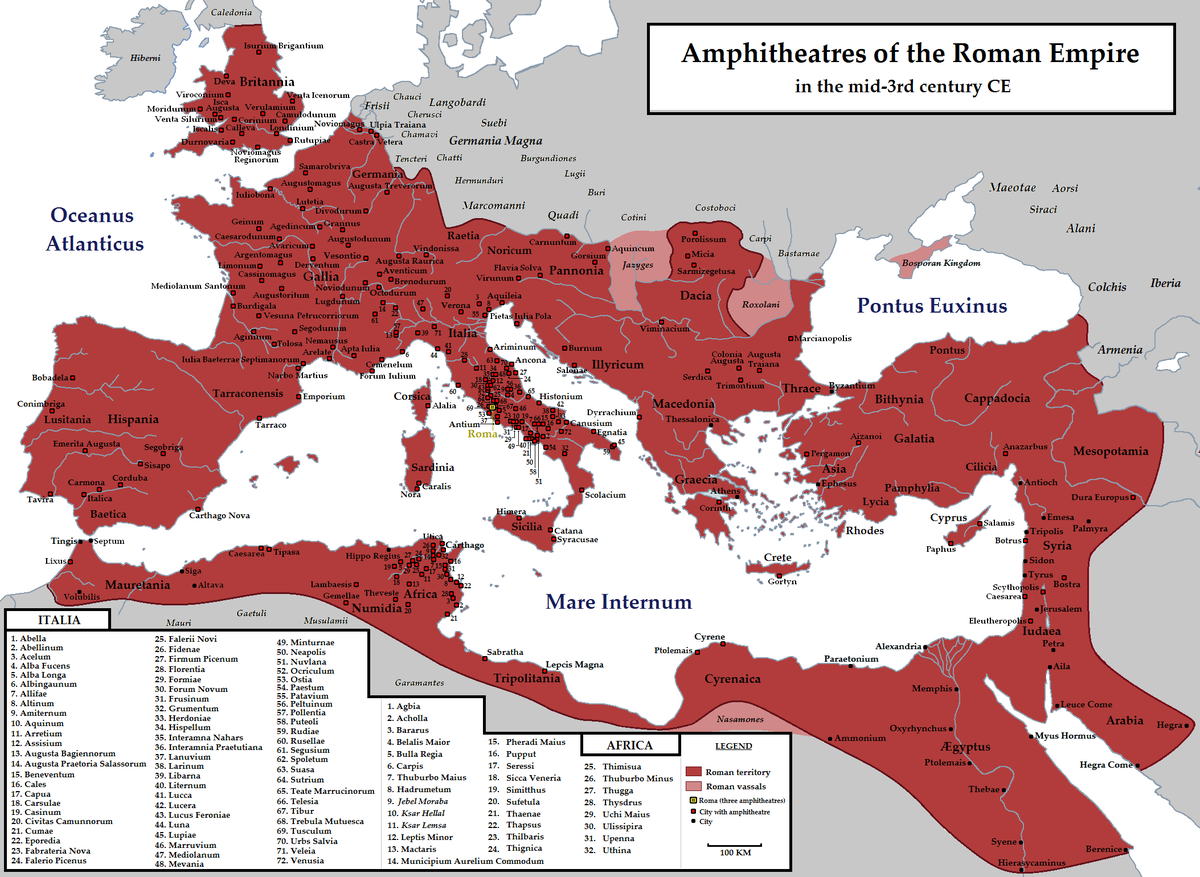
So it isn't really surprising that there were amphitheatres (used for gladiatorial combat) all over the Roman Empire.
Millions of citizens on three different continents had local arenas — such a profusion of stadiums would not be seen again until the early 20th century.
Millions of citizens on three different continents had local arenas — such a profusion of stadiums would not be seen again until the early 20th century.
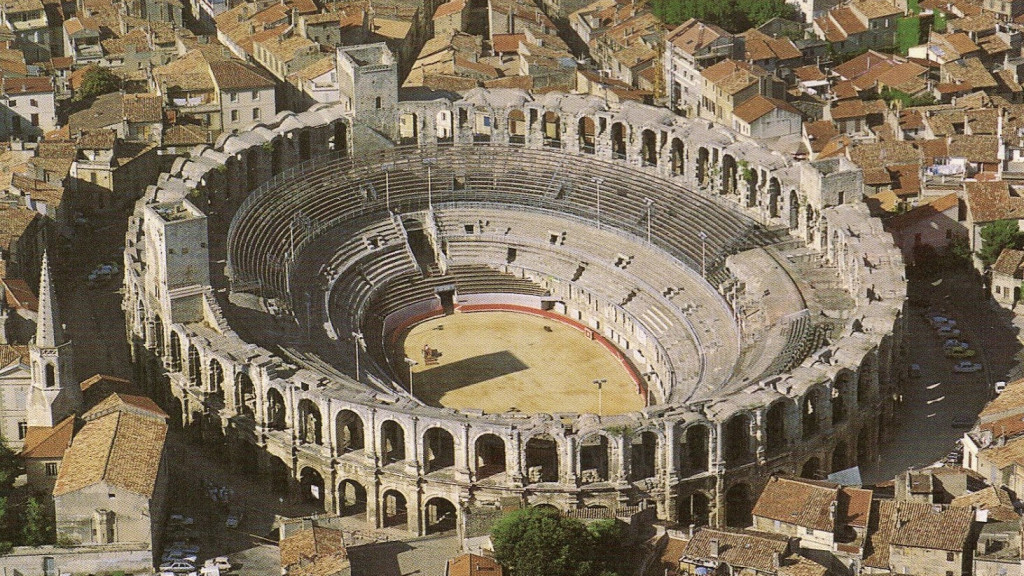
Some of them are incredibly well-preserved, like the arena at Arles in France, which was built in the 1st century AD and held at least 20,000 spectators.
Today it is still in use, whether for bullfighting, plays, or music concerts.
Today it is still in use, whether for bullfighting, plays, or music concerts.
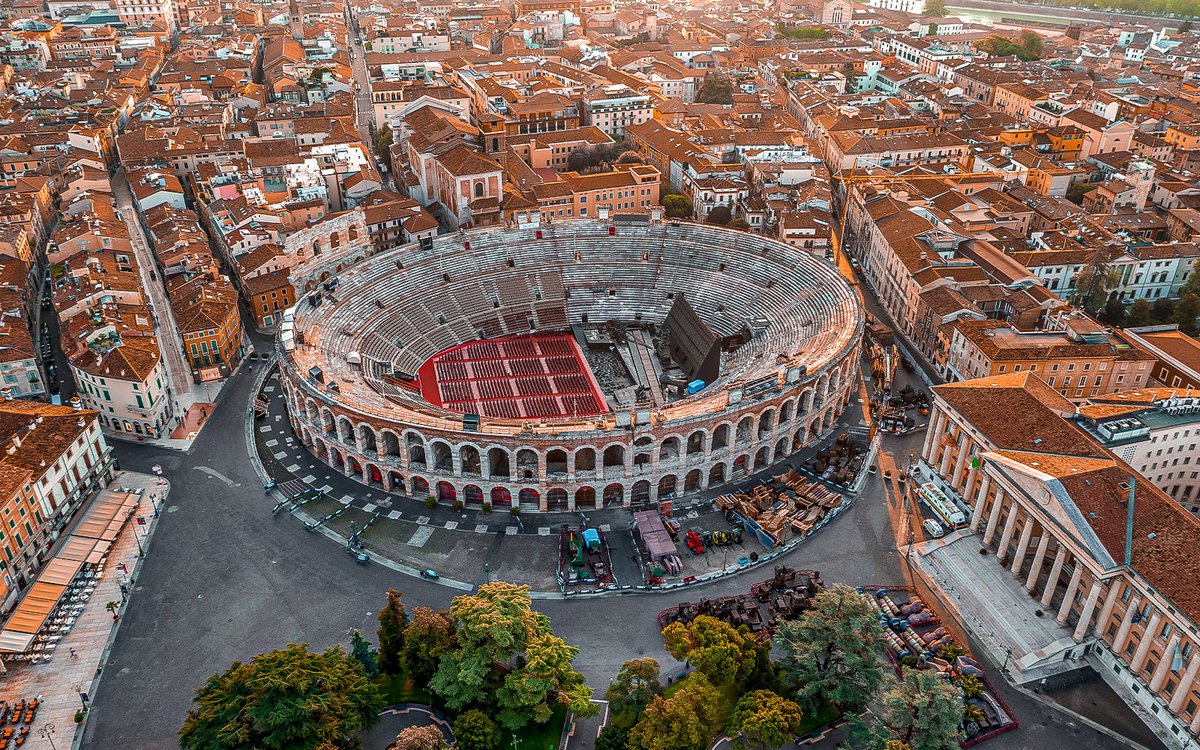
Another of the best-preserved arenas is in Verona, northern Italy, which had a capacity of at least 30,000.
Like the arena at Arles it is still in use today, and hosts a famous opera festival every summer.
Like the arena at Arles it is still in use today, and hosts a famous opera festival every summer.
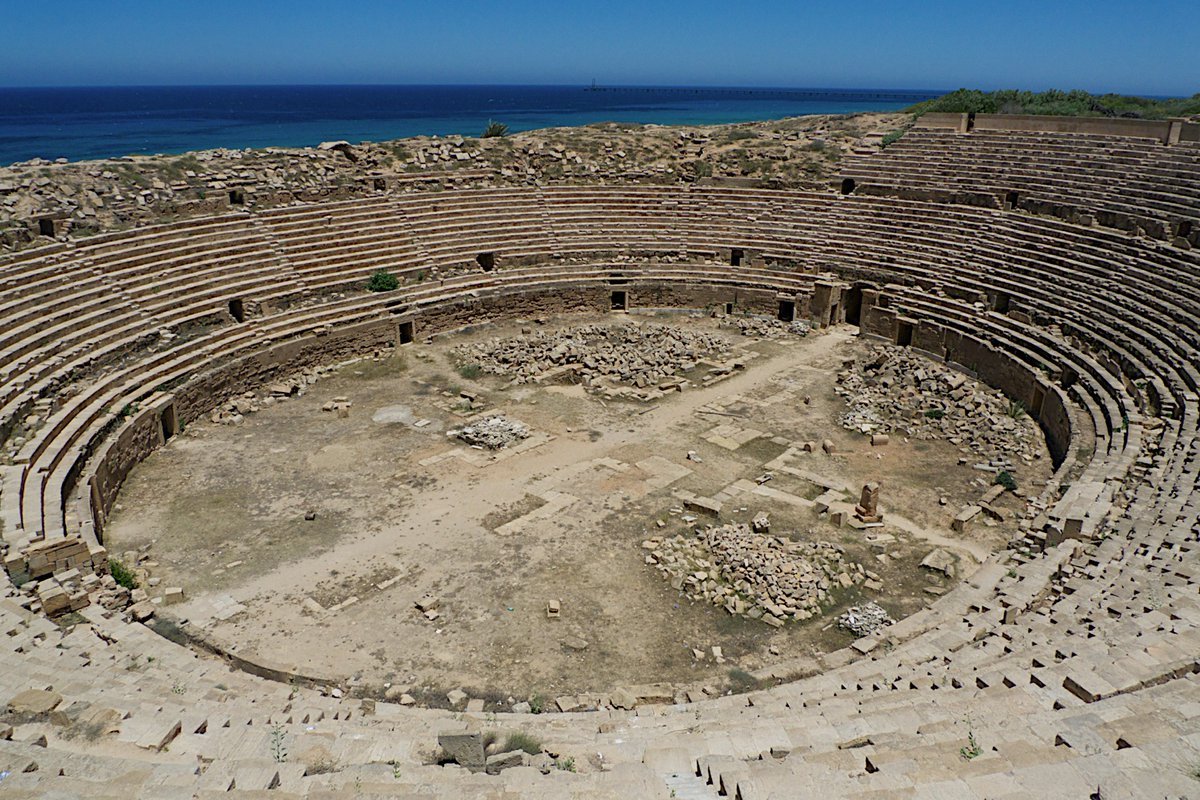
But most have not aged quite so well, surviving instead as partial remains, whether crumbling arches or mere foundations.
Like the amphitheatre at Leptis Magna in Libya:
Like the amphitheatre at Leptis Magna in Libya:
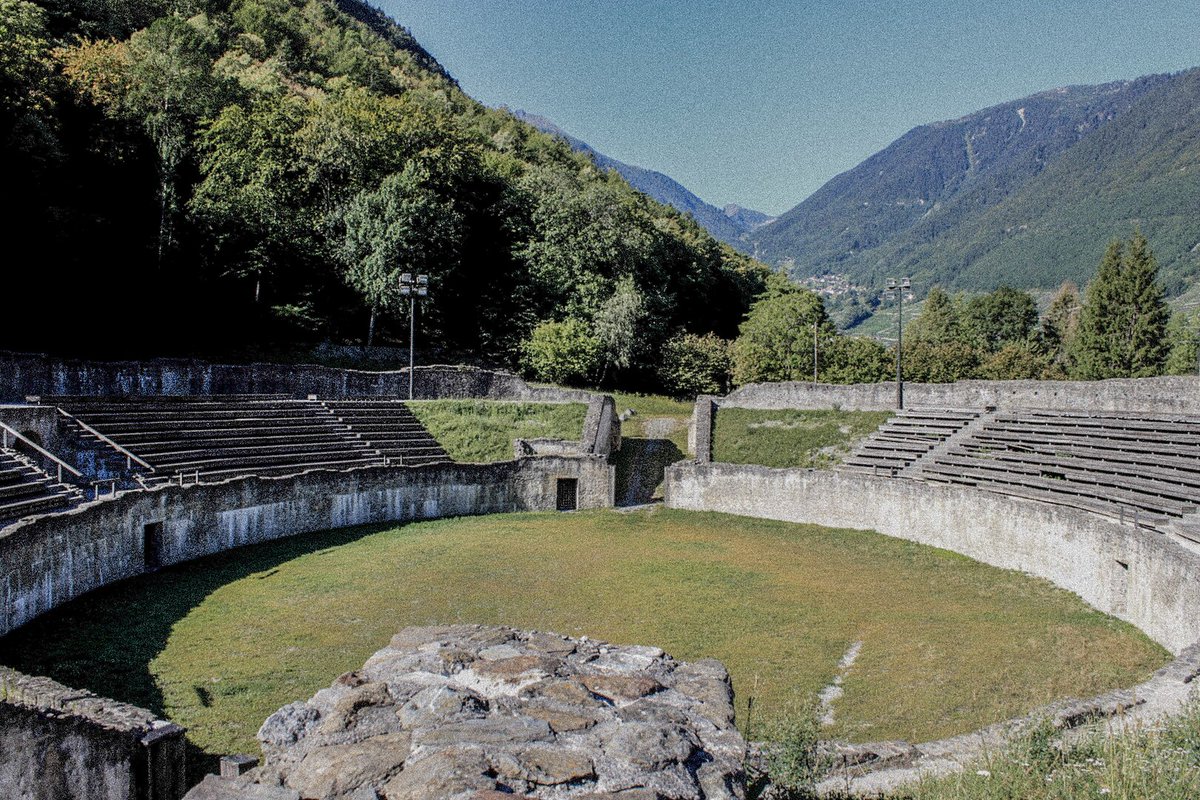
Or the arena at Martigny in Switzerland, with its particularly dramatic mountain backdrop:
Perhaps the most impressive thing about these arenas is how big they were.
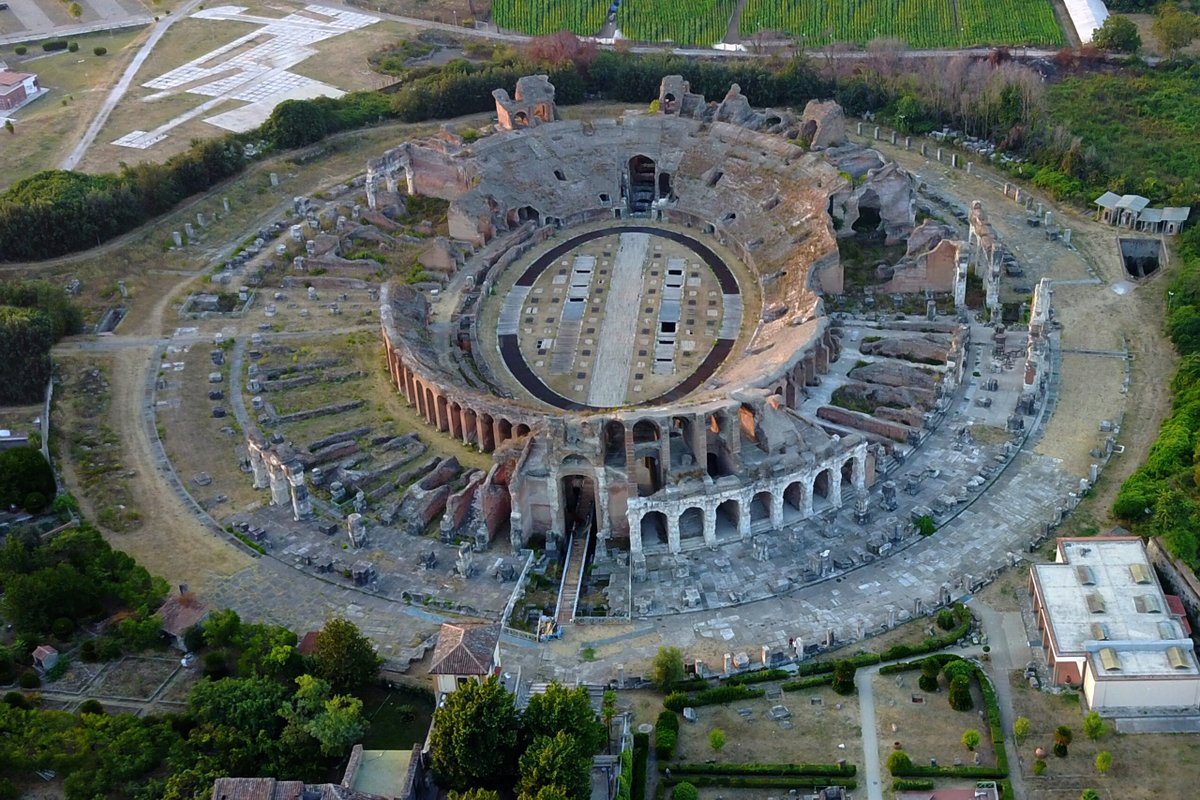
Like the Amphitheatre of Capua, which had a capacity of something like 60,000.
Even by modern standards that would be a major venue.
Like the Amphitheatre of Capua, which had a capacity of something like 60,000.
Even by modern standards that would be a major venue.
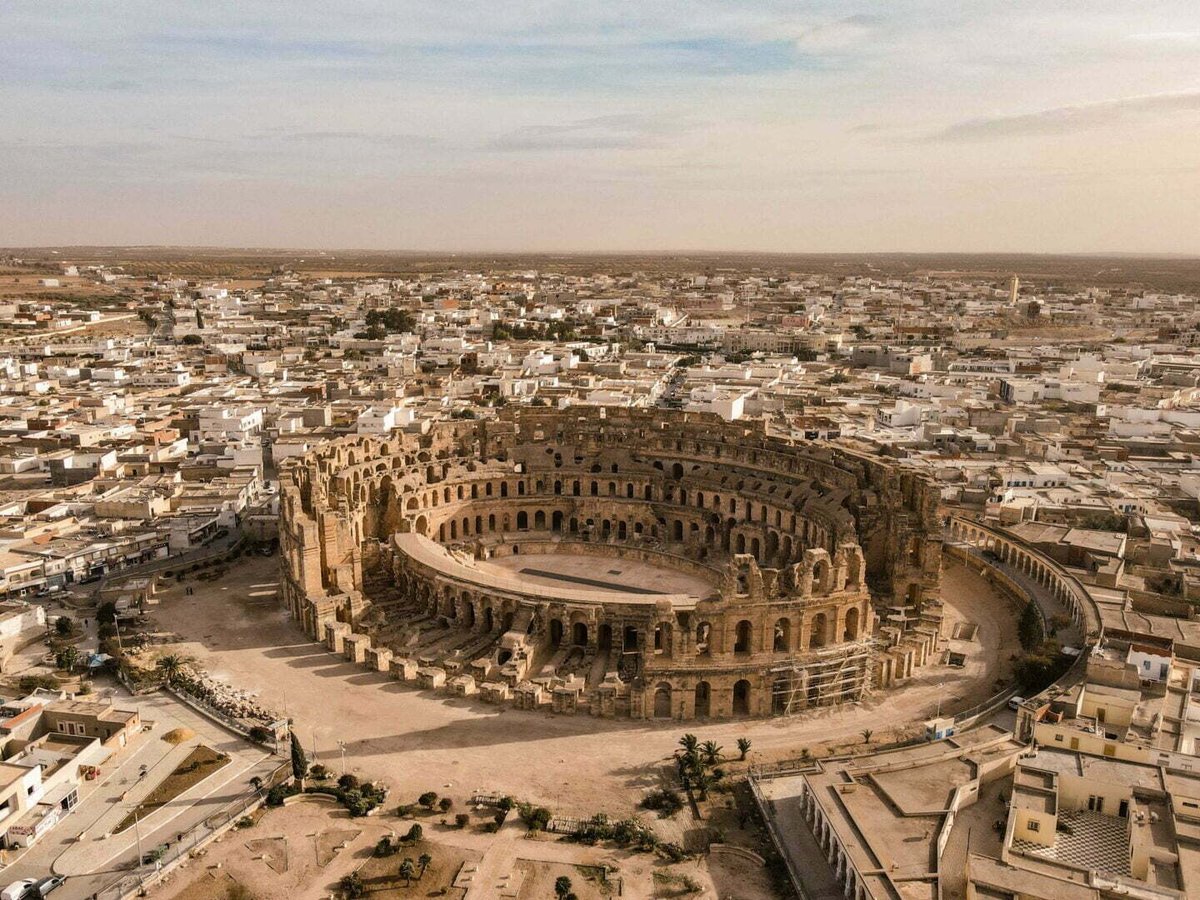
And then there's the Amphitheatre of El Jem in Tunisia, with a capacity of something like 40,000.
This is another of the best-preserved Roman arenas, but only one of many in North Africa.
A society's biggest buildings always tell you what was most important to them.
This is another of the best-preserved Roman arenas, but only one of many in North Africa.
A society's biggest buildings always tell you what was most important to them.
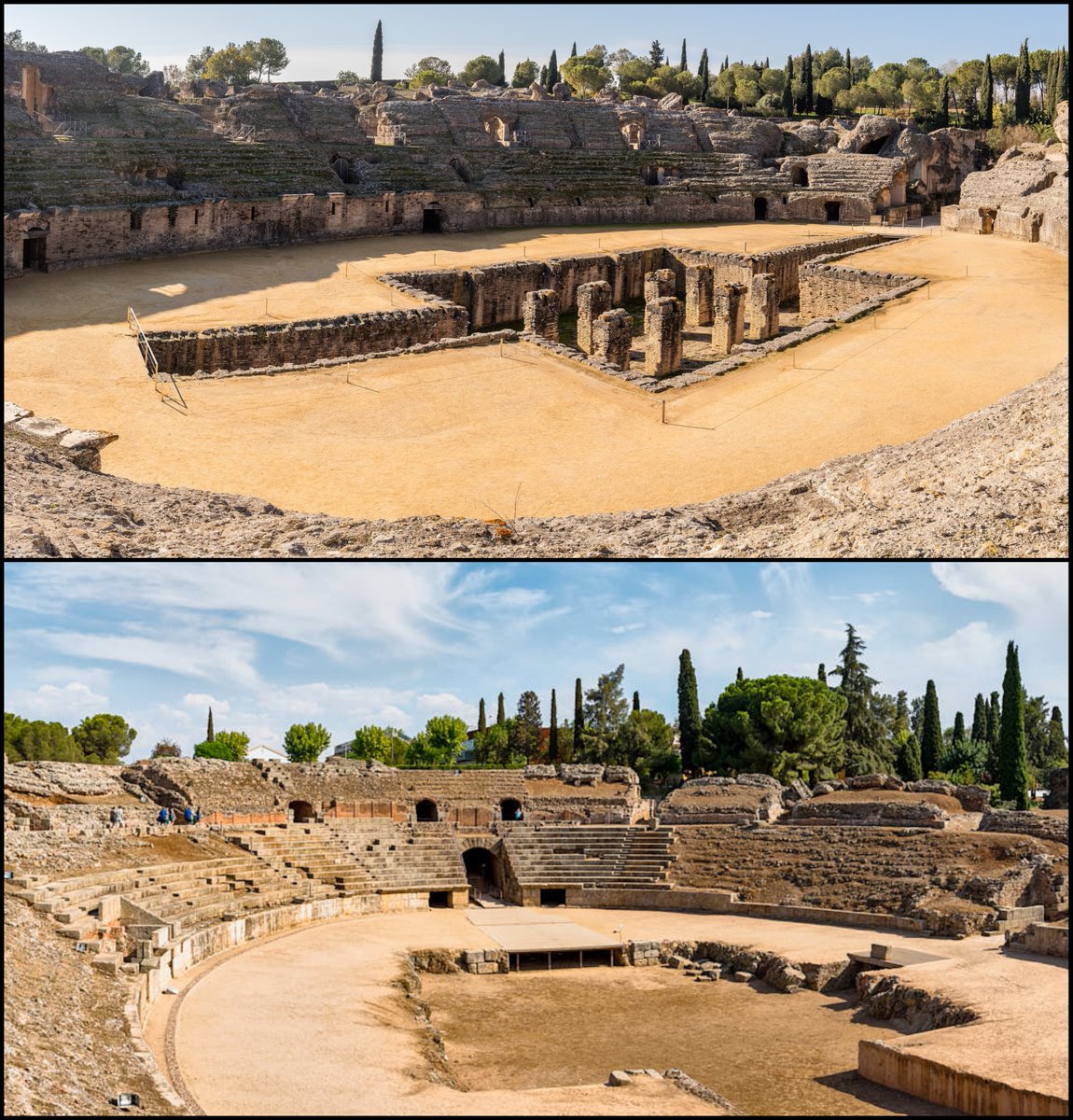
There were also major venues in Spain, most notably at Seville and Mérida, with capacities of 25,000 and 15,000 respectively.
Two thousand years ago, from the Red Sea to the Atlantic, people were crowding into these arenas to watch gladiators, executions, or animal fights.
Two thousand years ago, from the Red Sea to the Atlantic, people were crowding into these arenas to watch gladiators, executions, or animal fights.
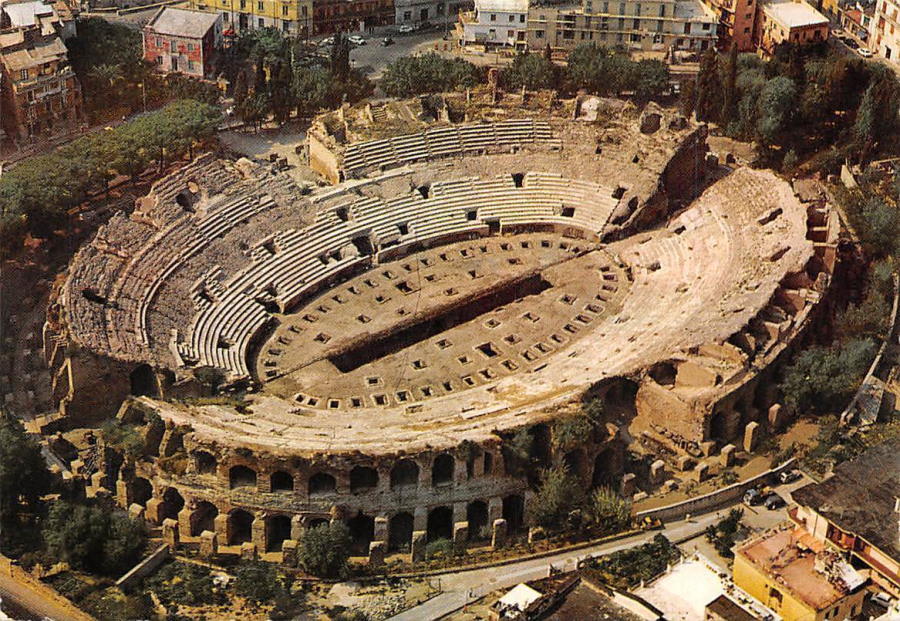
And there's also the arena at Puteoli, in Italy, which held at least 50,000 spectators.
Such a breadth of venues is only possible in a society that takes sport seriously, and in which there is a sufficient body of fans to support a large sporting economy and infrastructure.
Such a breadth of venues is only possible in a society that takes sport seriously, and in which there is a sufficient body of fans to support a large sporting economy and infrastructure.
How did the Romans build these arenas? It varied over time, as Roman architecture itself evolved.
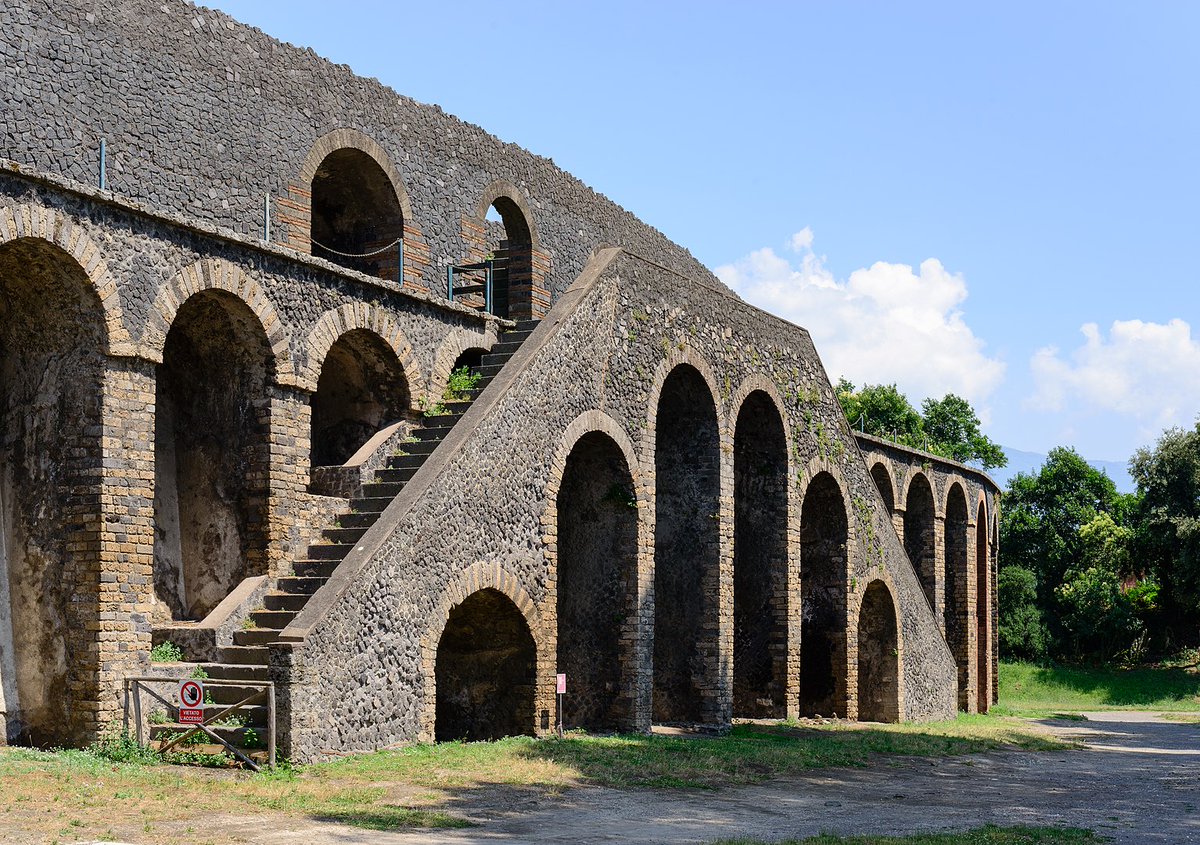
Originally they were made from wood, but during the early days of the Empire — in the 1st century AD — they were increasingly built with stone, brick, and concrete.
As at Pompeii:
Originally they were made from wood, but during the early days of the Empire — in the 1st century AD — they were increasingly built with stone, brick, and concrete.
As at Pompeii:
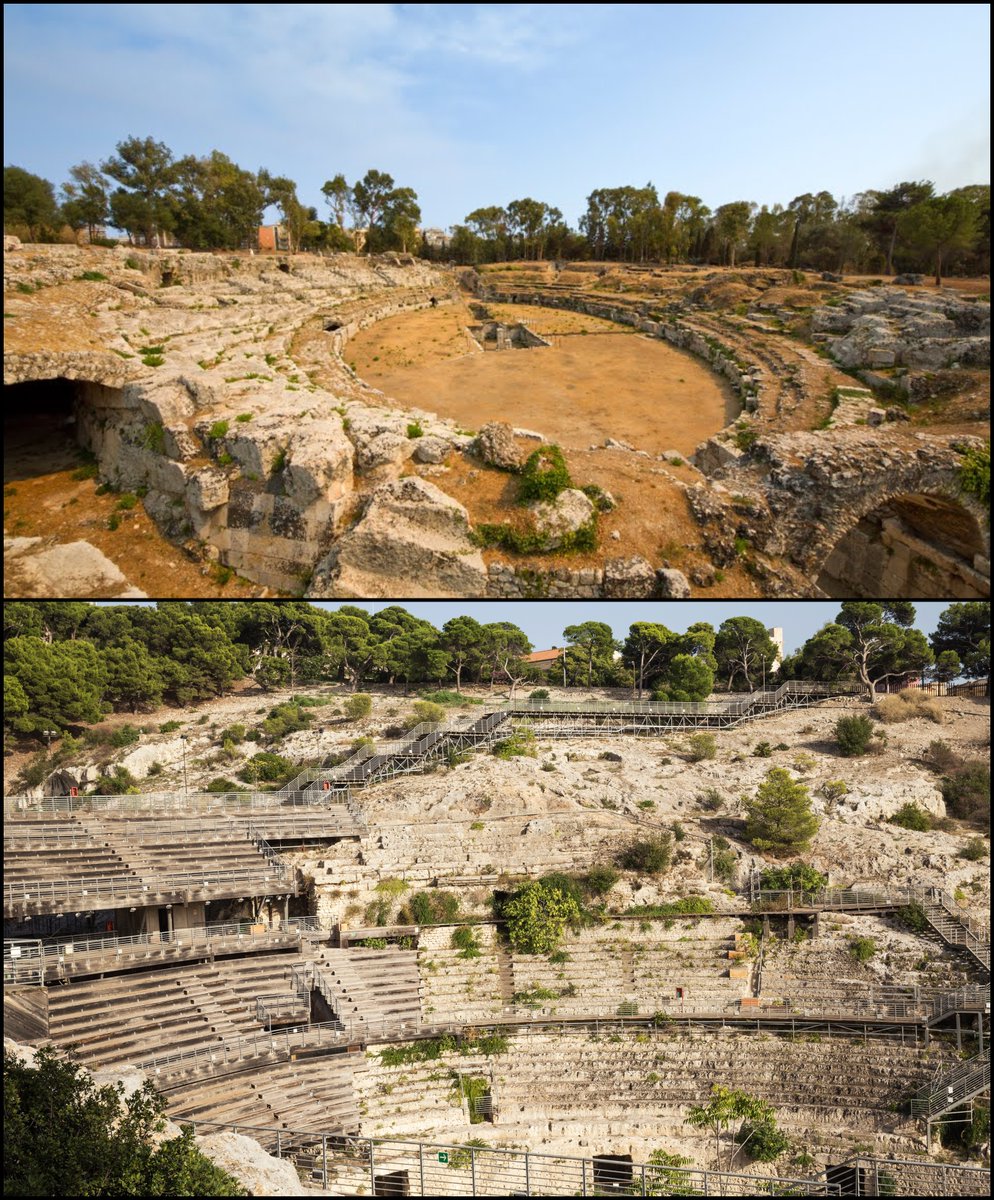
Others were partially carved into hillsides or cliffs, like the arenas at Syracuse in Sicily or Cagliari in Sardinia, with further arches and tiers of seating made of masonry or bricks added above:
The Romans were highly practical with their architecture, and knew how to balance aesthetic considerations against the realities of engineering.
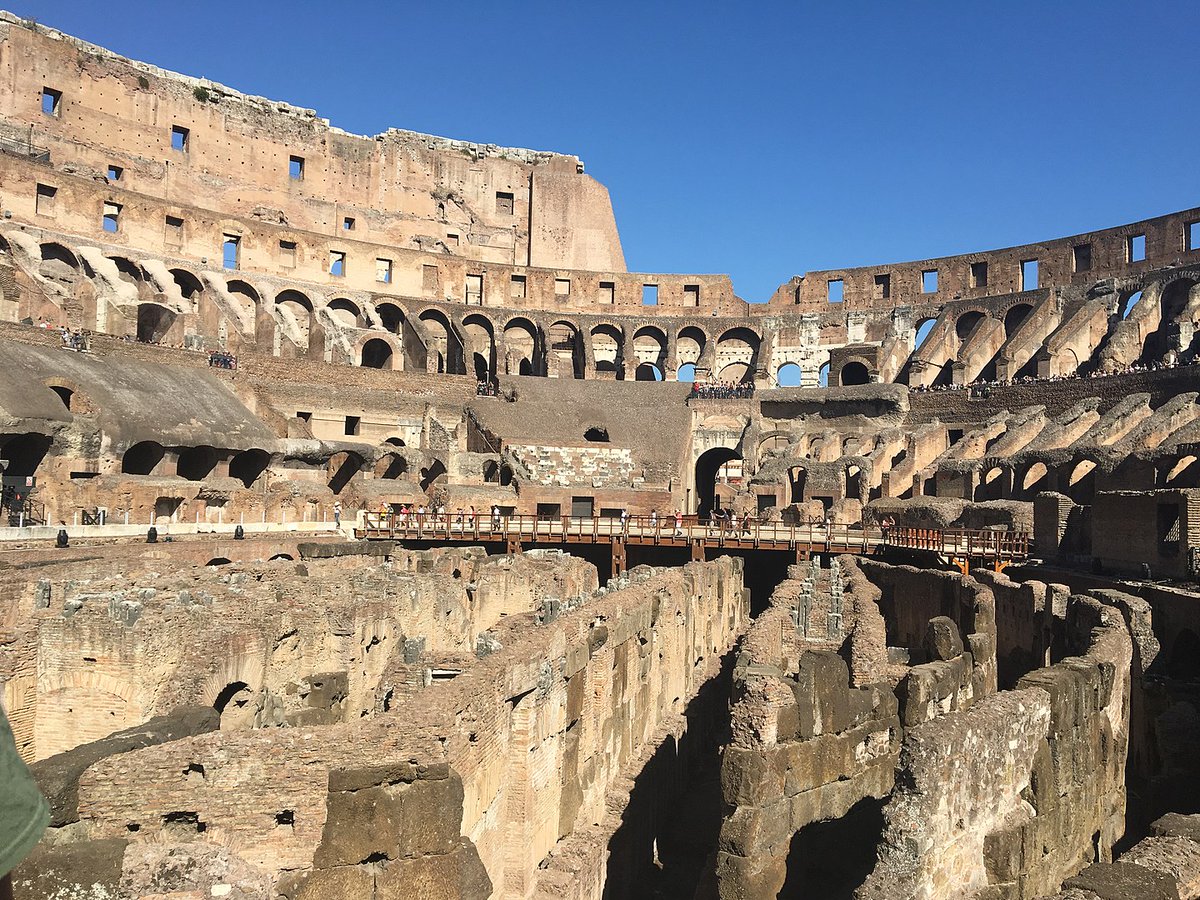
Hence the Coliseum in Rome was built with a concrete core and only then given a decorative marble facade.
Hence the Coliseum in Rome was built with a concrete core and only then given a decorative marble facade.
Not all these arenas were on the same scale as those in Rome, Seville, or Capua, of course.
But, in a way, this is even more impressive — that there were arenas even in small towns speaks to the huge popularity of sport.
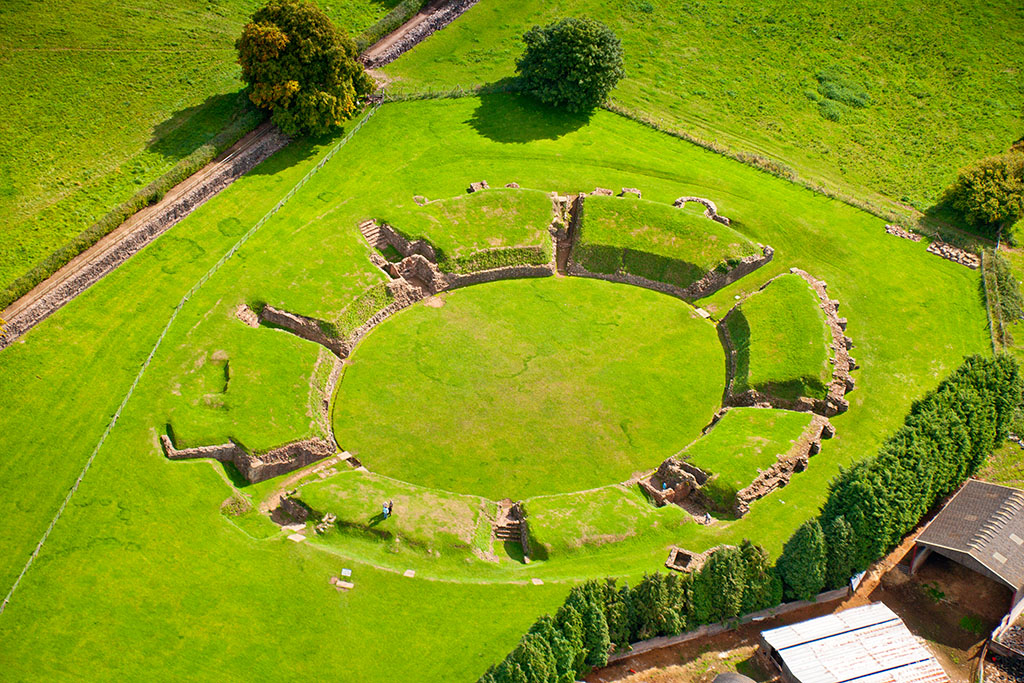
There's even one in Wales, at a place called Caerleon:
But, in a way, this is even more impressive — that there were arenas even in small towns speaks to the huge popularity of sport.
There's even one in Wales, at a place called Caerleon:
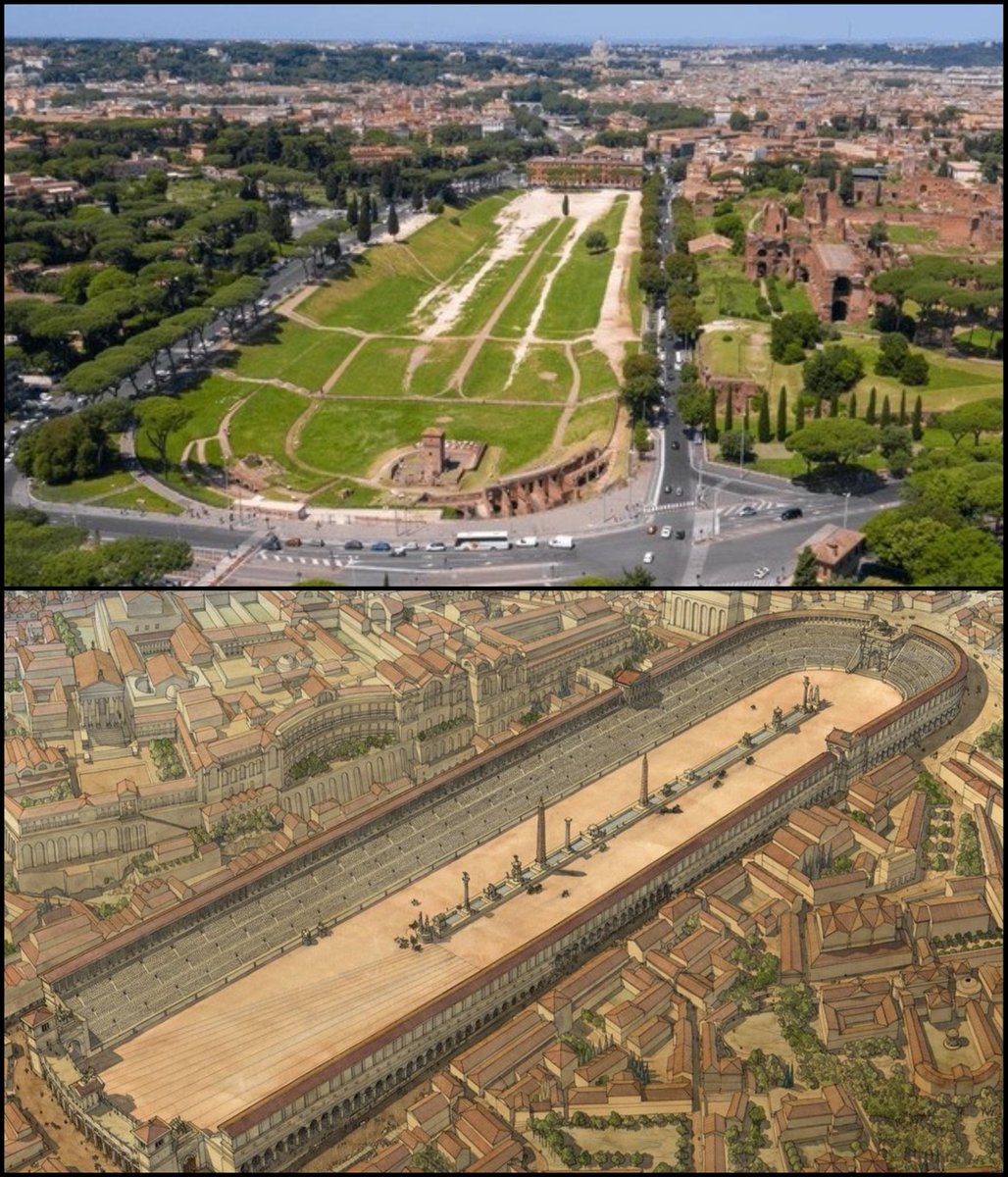
But gladiatorial combat wasn't even the most popular Roman sport — that was chariot racing.
Hence there also dozens of "circuses", where chariot racing took place, all over the former Roman Empire.
As at Tyre in Lebanon, where 40,000 spectators would have regularly gathered.
Hence there also dozens of "circuses", where chariot racing took place, all over the former Roman Empire.
As at Tyre in Lebanon, where 40,000 spectators would have regularly gathered.
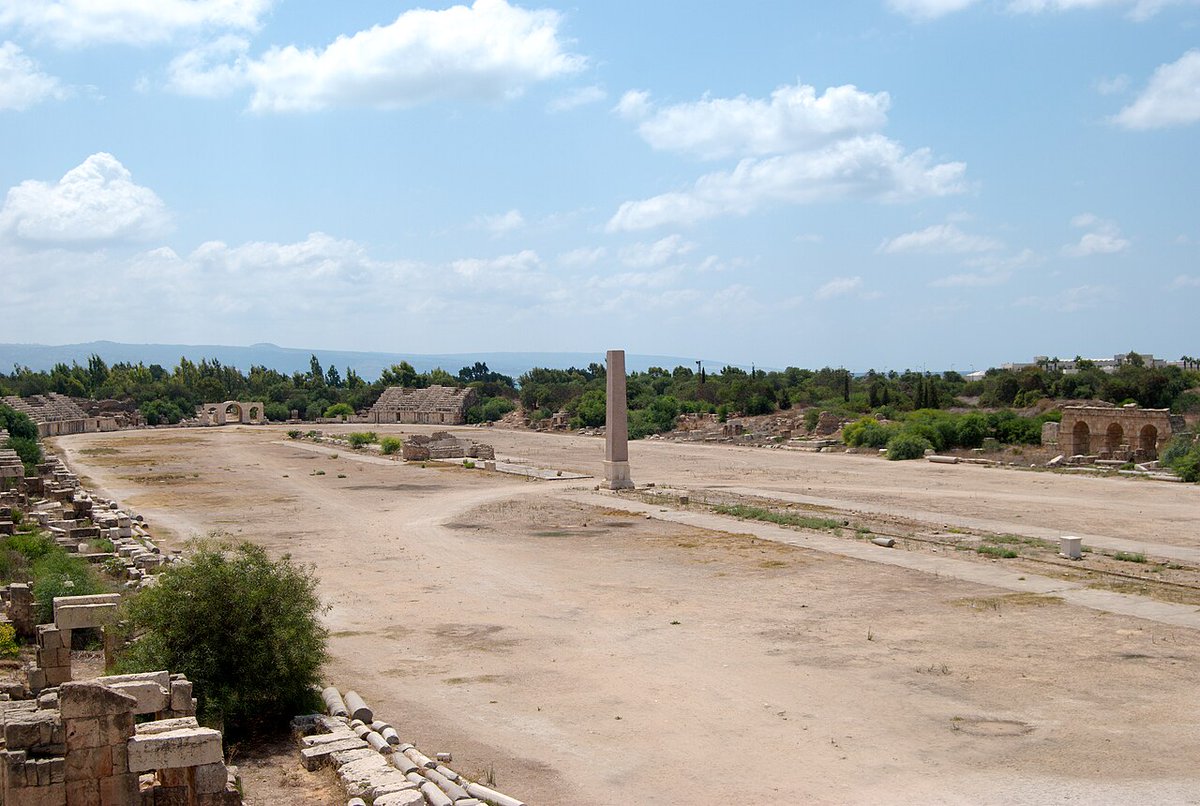
The Circus Maximus in Rome, meanwhile, once held between 150,000 and 300,000 spectators — the largest stadium in the ancient world and one that would rank as the world's largest stadium even in the 21st century.
It was here that Gaius Appuleius Diocles used to race.
It was here that Gaius Appuleius Diocles used to race.
And then there are Roman theatres, where plays and music were performed — these are even more numerous than the arenas.
Unlike amphitheatres they had a semicircular rather than elliptical plan, as at the remarkably well-preserved theatre of Aspendos in Turkey.
Unlike amphitheatres they had a semicircular rather than elliptical plan, as at the remarkably well-preserved theatre of Aspendos in Turkey.
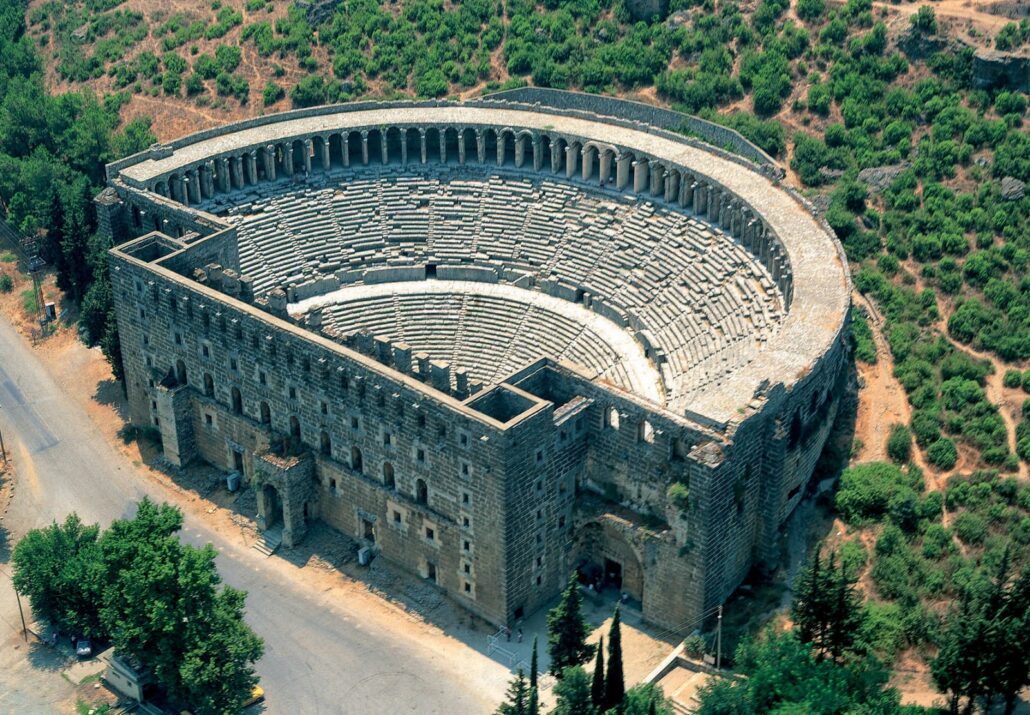
Such theatres were built across the Empire, from Bulgaria to Jordan and Egypt to Britain.
Again, millions of Roman citizens on three continents had no shortage of ways to keep themselves entertained.
And, as at Merida, theatres and amphitheatres were often in close proximity:
Again, millions of Roman citizens on three continents had no shortage of ways to keep themselves entertained.
And, as at Merida, theatres and amphitheatres were often in close proximity:
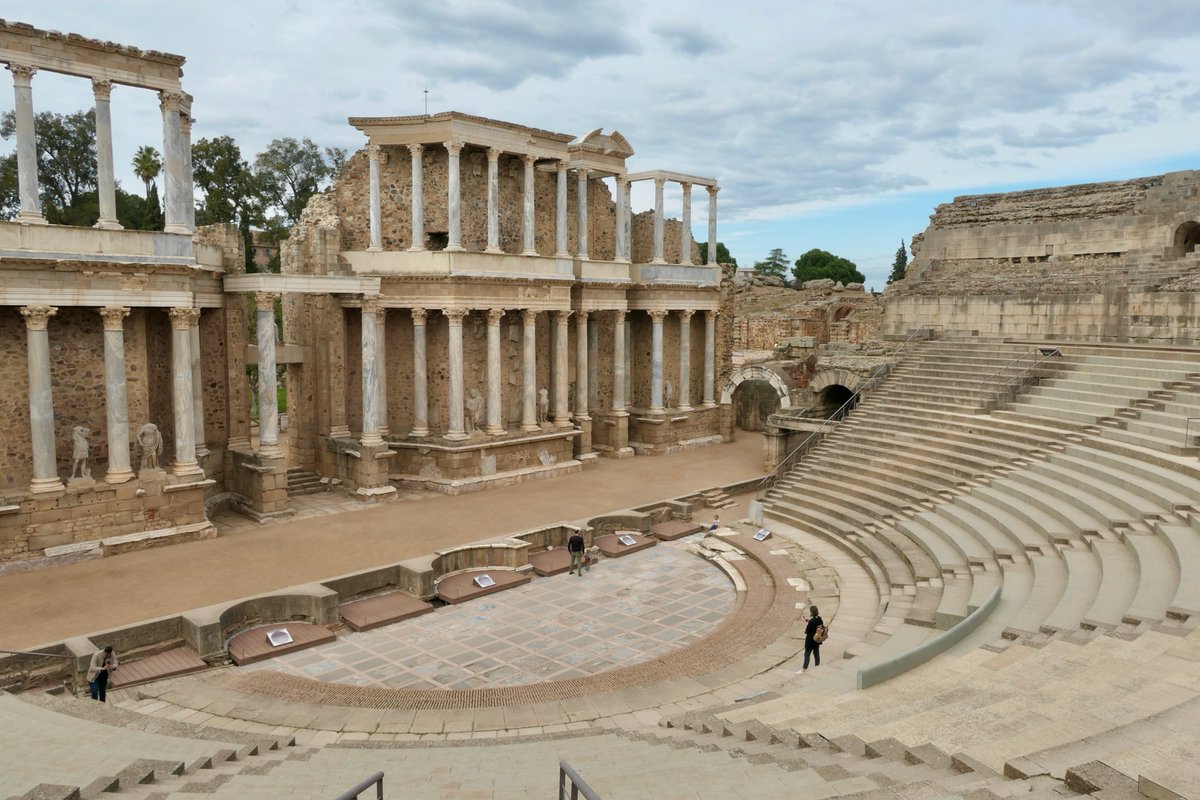
The scale and number of these venues — whether amphitheatres for gladiatorial combat, circuses for chariot-racing, or theatres for drama — explains why the poet Juvenal famously wrote of "bread and circuses".
This was a society obsessed with entertainment, much like our own.
This was a society obsessed with entertainment, much like our own.
Though, for the many people who cannot fathom why others love sport so much, there are Ancient Roman precedents for that too.
Like Pliny the Younger, a lawyer and governor, who wrote this in a letter to his friend in 98 AD.
Some things never change...
Like Pliny the Younger, a lawyer and governor, who wrote this in a letter to his friend in 98 AD.
Some things never change...

Loading suggestions...