

When Duryodhan’s Son was brutally KILLED, He became BLOODLUST for REVENGE.
Duryodhan broke Dharma-Yuddh; Tricked Shri Krishna & ordered Dronacharya to form the DEADLY “Chakravyuh”. Only to KILL ‘Arjun’s 16 yr-old son’.
This is one of the most TRAGIC DEATH in “Mahabharata”…
Duryodhan broke Dharma-Yuddh; Tricked Shri Krishna & ordered Dronacharya to form the DEADLY “Chakravyuh”. Only to KILL ‘Arjun’s 16 yr-old son’.
This is one of the most TRAGIC DEATH in “Mahabharata”…
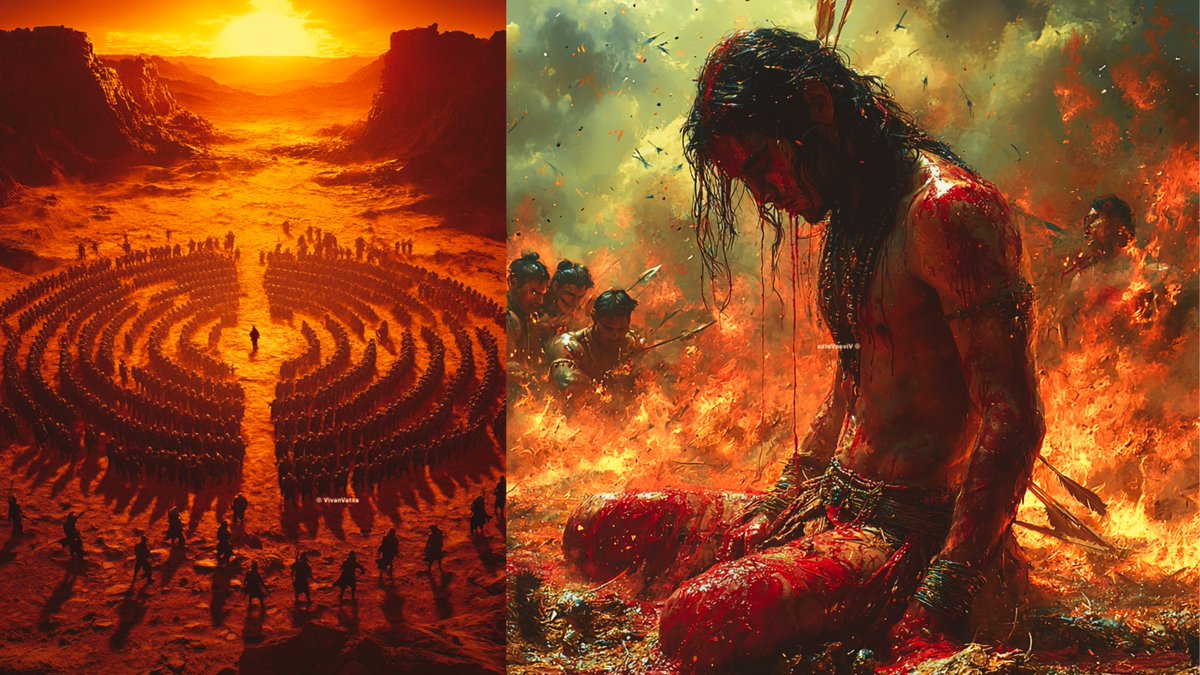
Govinda. Shri Krishna.
Arjunātmaja. Abhimanyu.
What happens when you forget your Dharma Yuddh for Revenge?
This is the story of how Duryodhan’s bloodlust made him lose his Dharma-yuddh & trick Arjun & Krishna Ji just to KILL a 16 yr old boy by trapping him in a “Chakravyuh”…
Arjunātmaja. Abhimanyu.
What happens when you forget your Dharma Yuddh for Revenge?
This is the story of how Duryodhan’s bloodlust made him lose his Dharma-yuddh & trick Arjun & Krishna Ji just to KILL a 16 yr old boy by trapping him in a “Chakravyuh”…
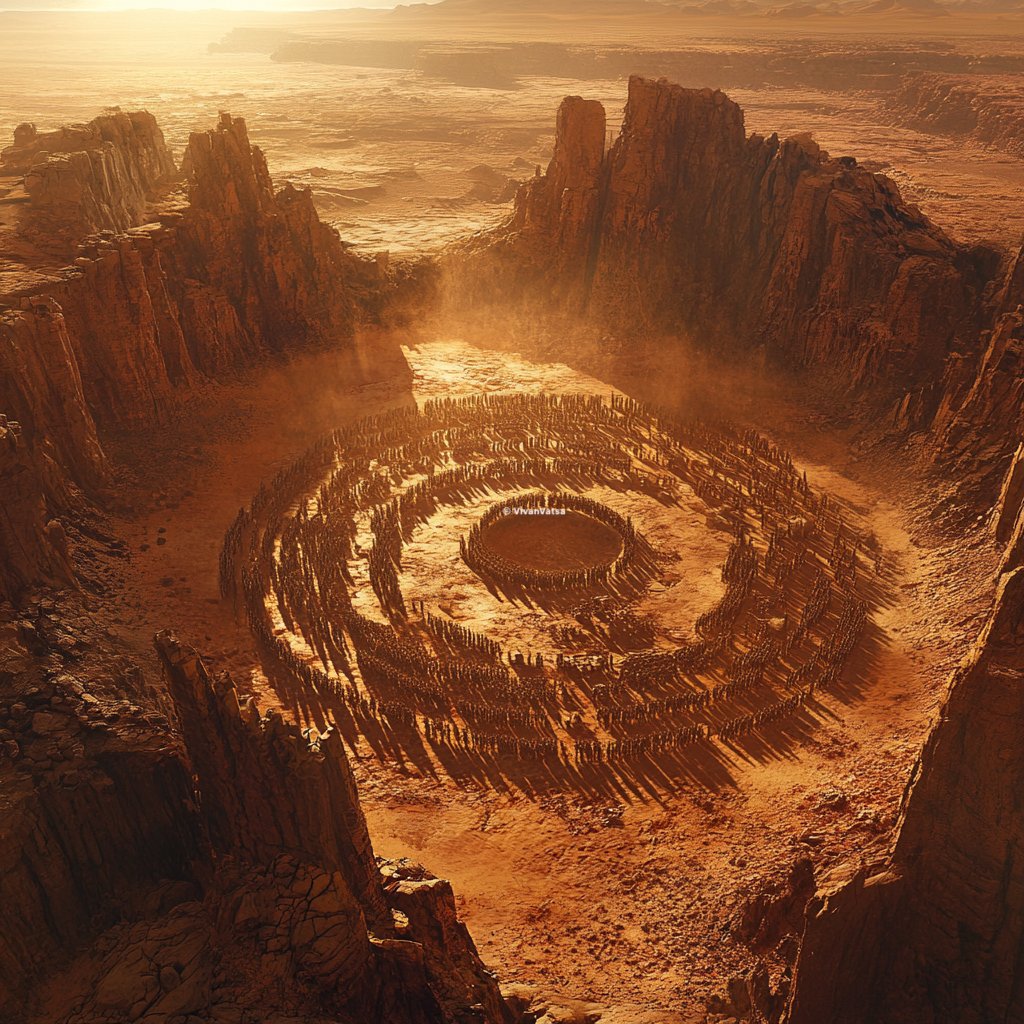
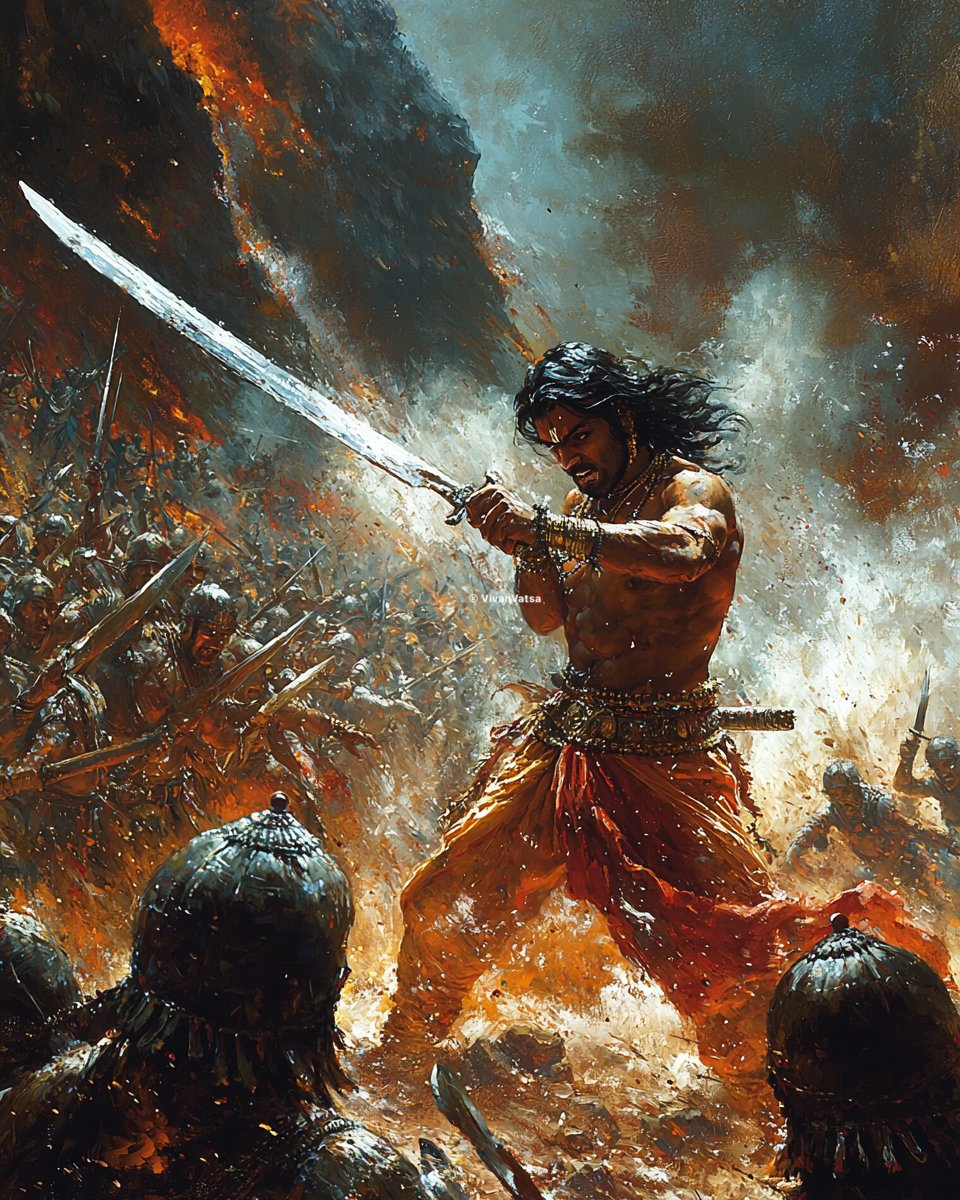
Abhimanyu. Son of Arjuna and Subhadra, nephew of Bhagwan Shri Krishna, was a young warrior of unparalleled courage and valor. His life, though short-lived, became a symbol of youthful heroism, tragic fate, and the brutal realities of war.
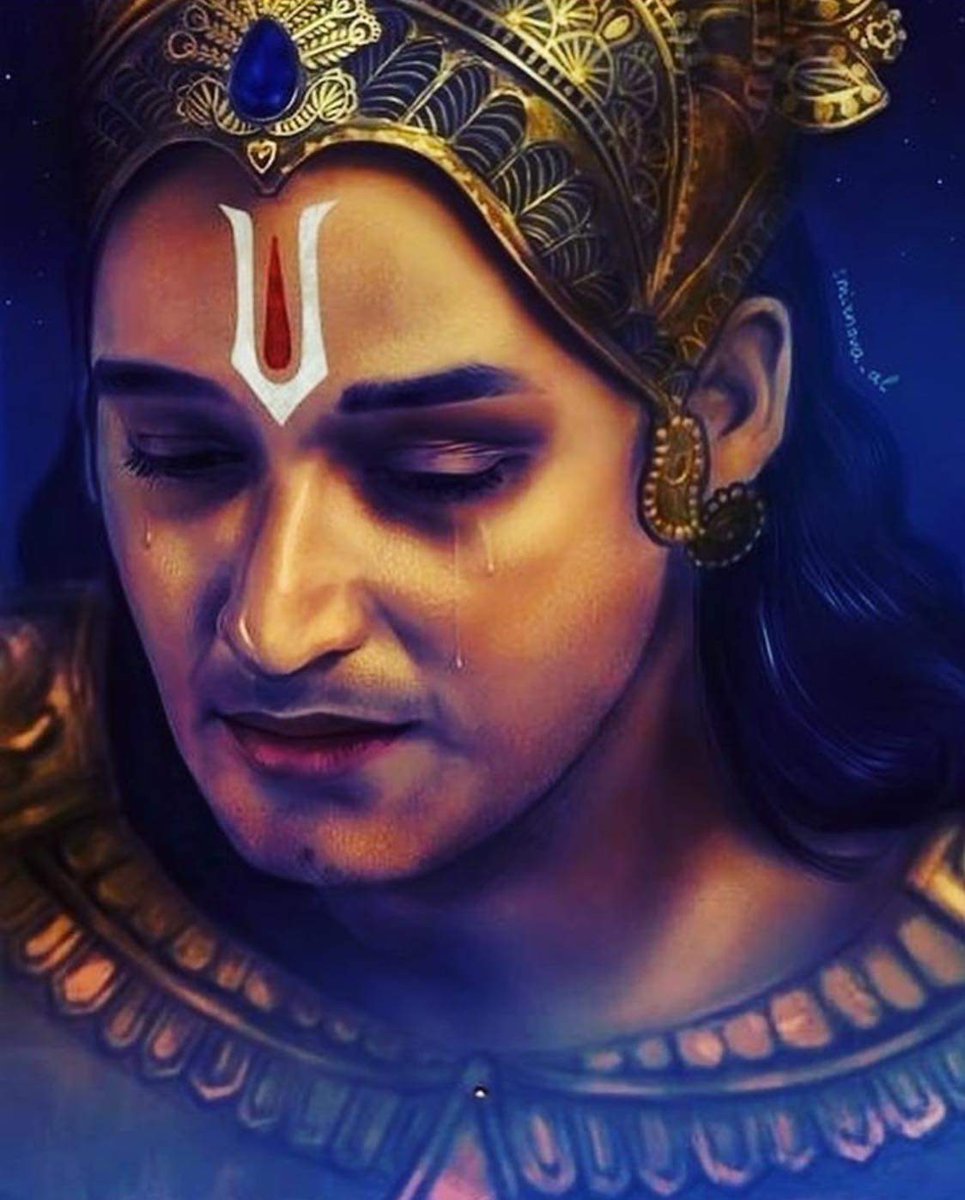
Abhimanyu was not just another warrior on the battlefield of Kurukshetra; he was the future of the Pandavas. From a young age, he displayed exceptional skill in warfare, having been trained by his father, Arjuna, who was one of the greatest archers of all time.
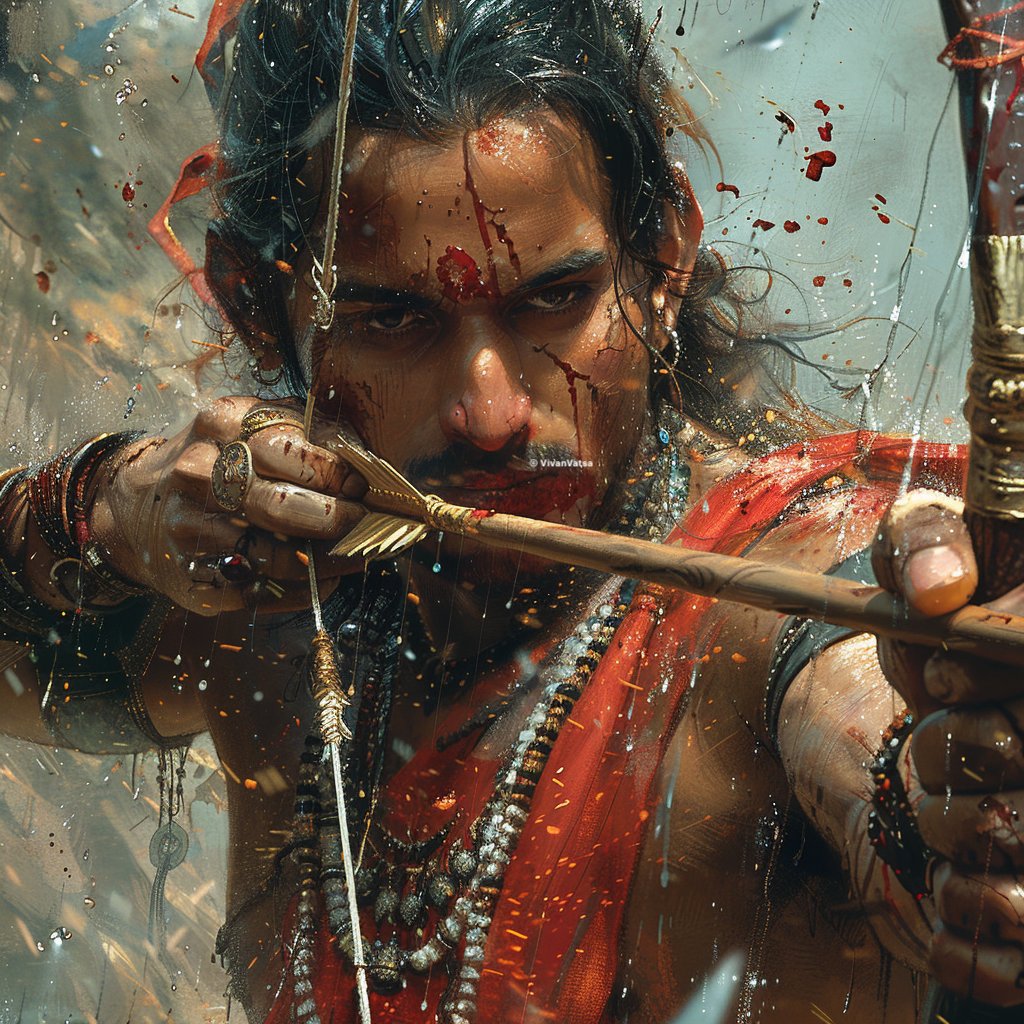
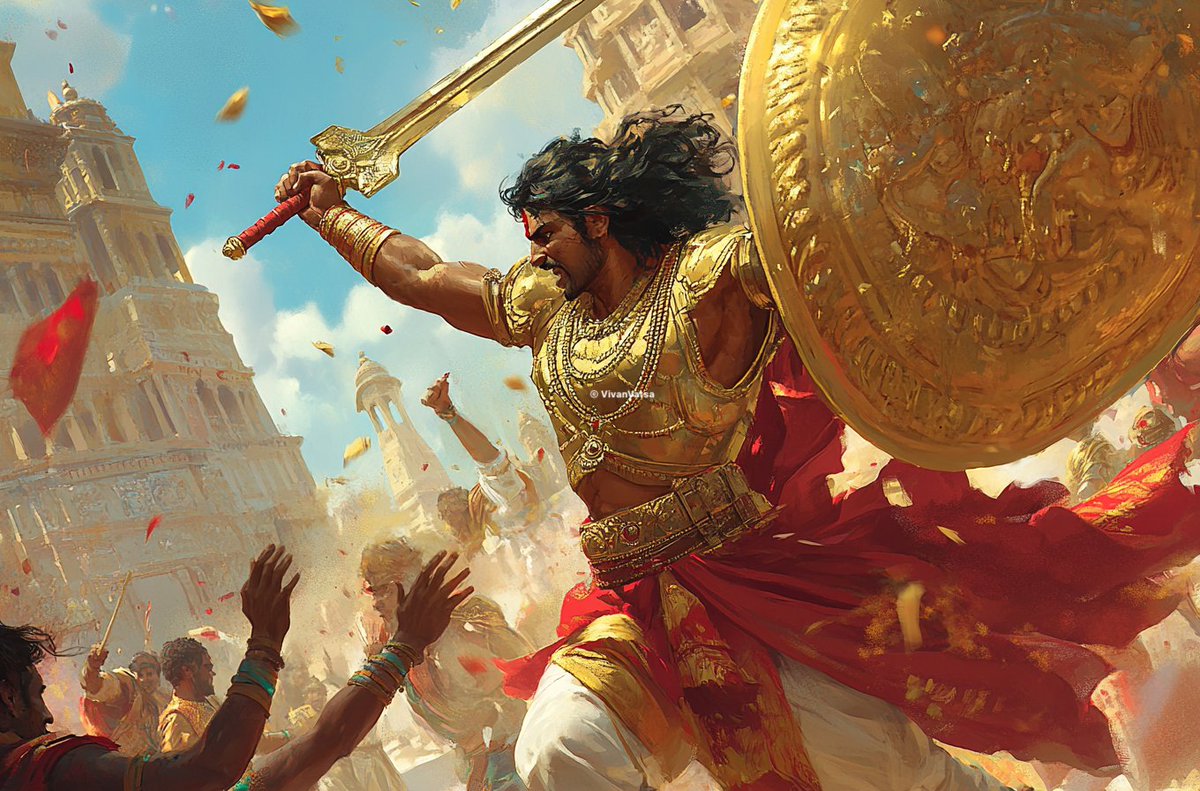
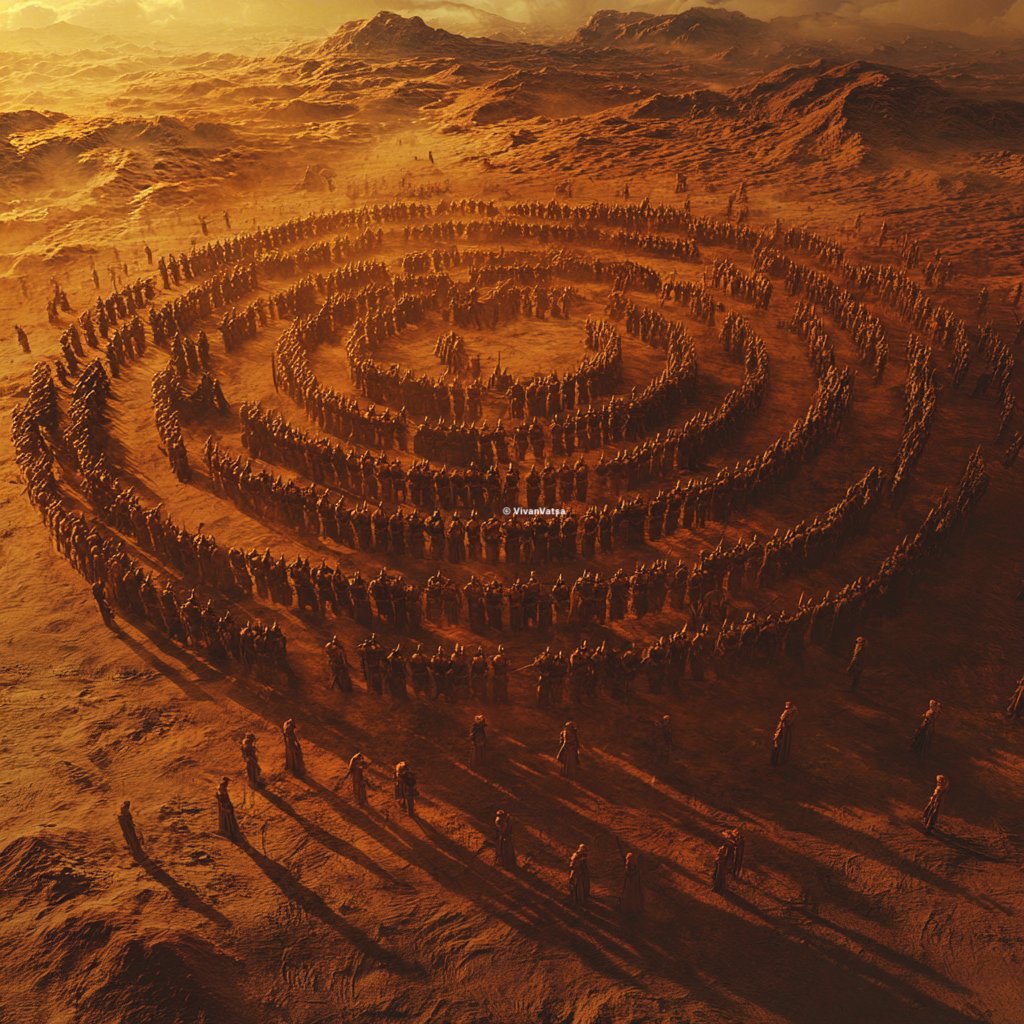
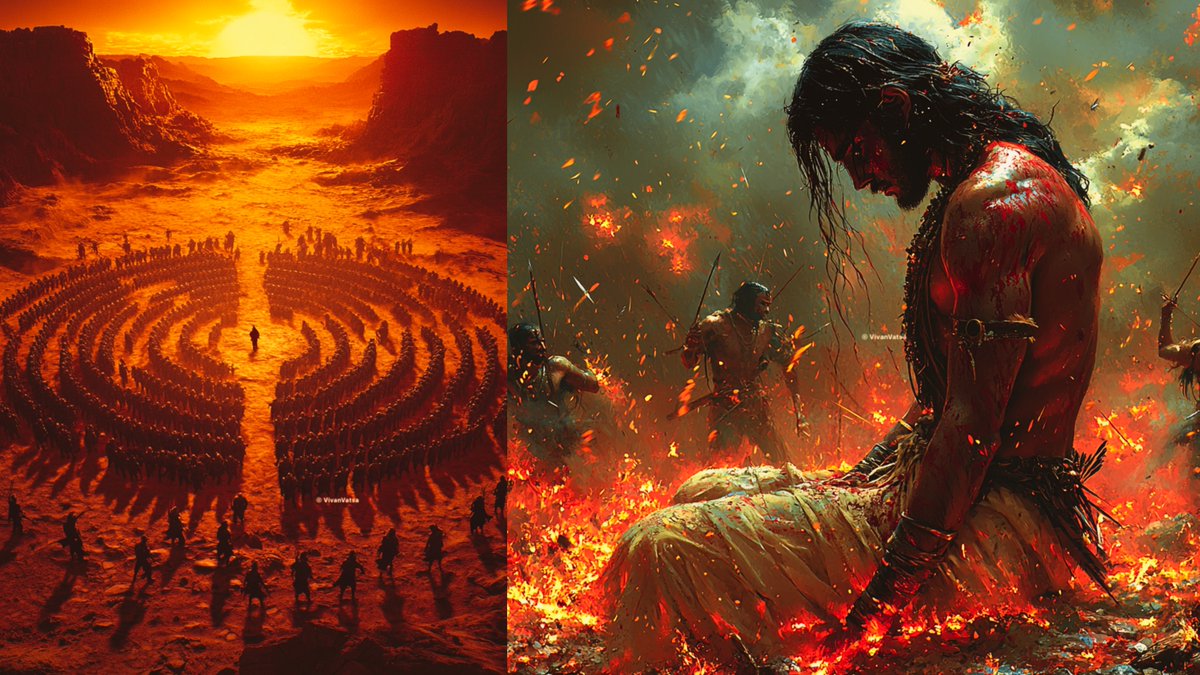
The Chakravyuh was a formidable strategy used in battle, designed as a multi-layered, circular formation that was nearly impenetrable. It was a formation known to only a few, and breaking into it required not just physical prowess but also intricate knowledge of its structure.
Despite his young age, Abhimanyu possessed the knowledge of how to enter the Chakravyuh, a skill he had learned while still in his mother’s womb. When Subhadra was pregnant with Abhimanyu, Arjuna narrated the intricacies of the Chakravyuh to her. But before Arjuna could explain how to exit the formation, Subhadra fell asleep, leaving Abhimanyu with incomplete knowledge.
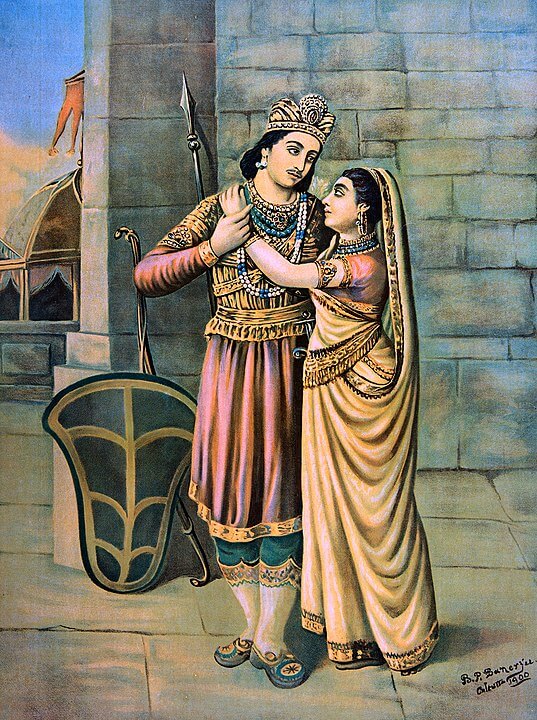
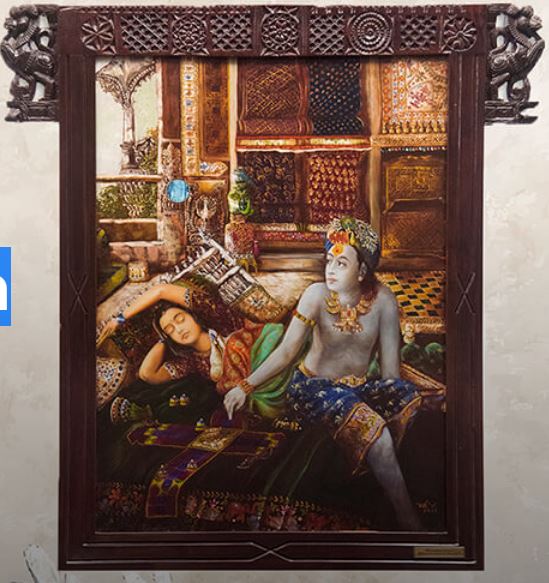
Abhimanyu's knowledge of the Chakravyuh was incomplete;
“He knew how to enter but not how to exit or break it.”
This partial knowledge would become a defining moment and seal his fate in the Kurukshetra war.
“He knew how to enter but not how to exit or break it.”
This partial knowledge would become a defining moment and seal his fate in the Kurukshetra war.
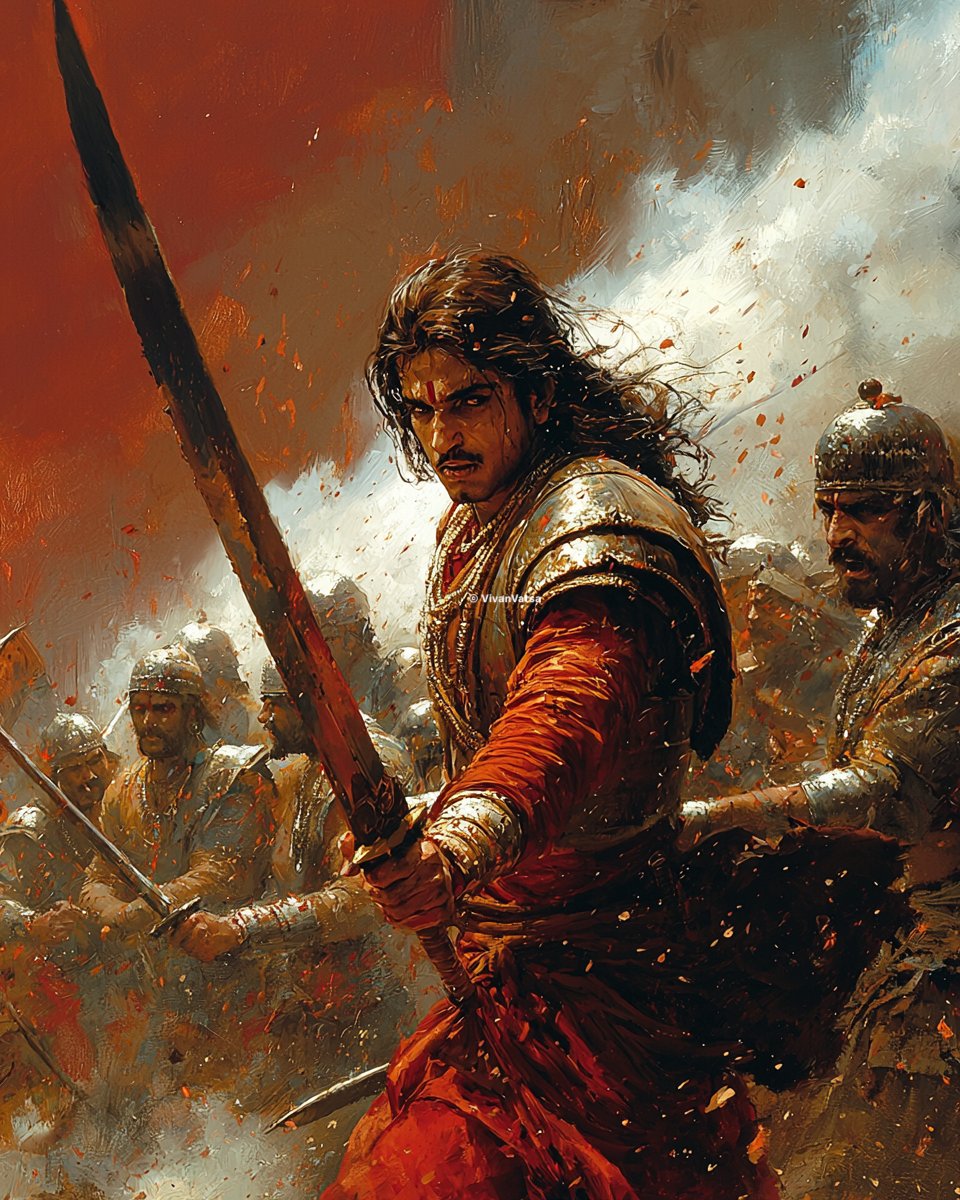
As the Kurukshetra war raged on, the thirteenth day of the battle became a turning point. Duryodhan, the leader of the Kauravas, had grown increasingly desperate to secure victory over the Pandavas. The war had taken a heavy toll on both sides, but the Pandavas, with Bhagwan Shri Krishna's guidance, continued to hold their ground.
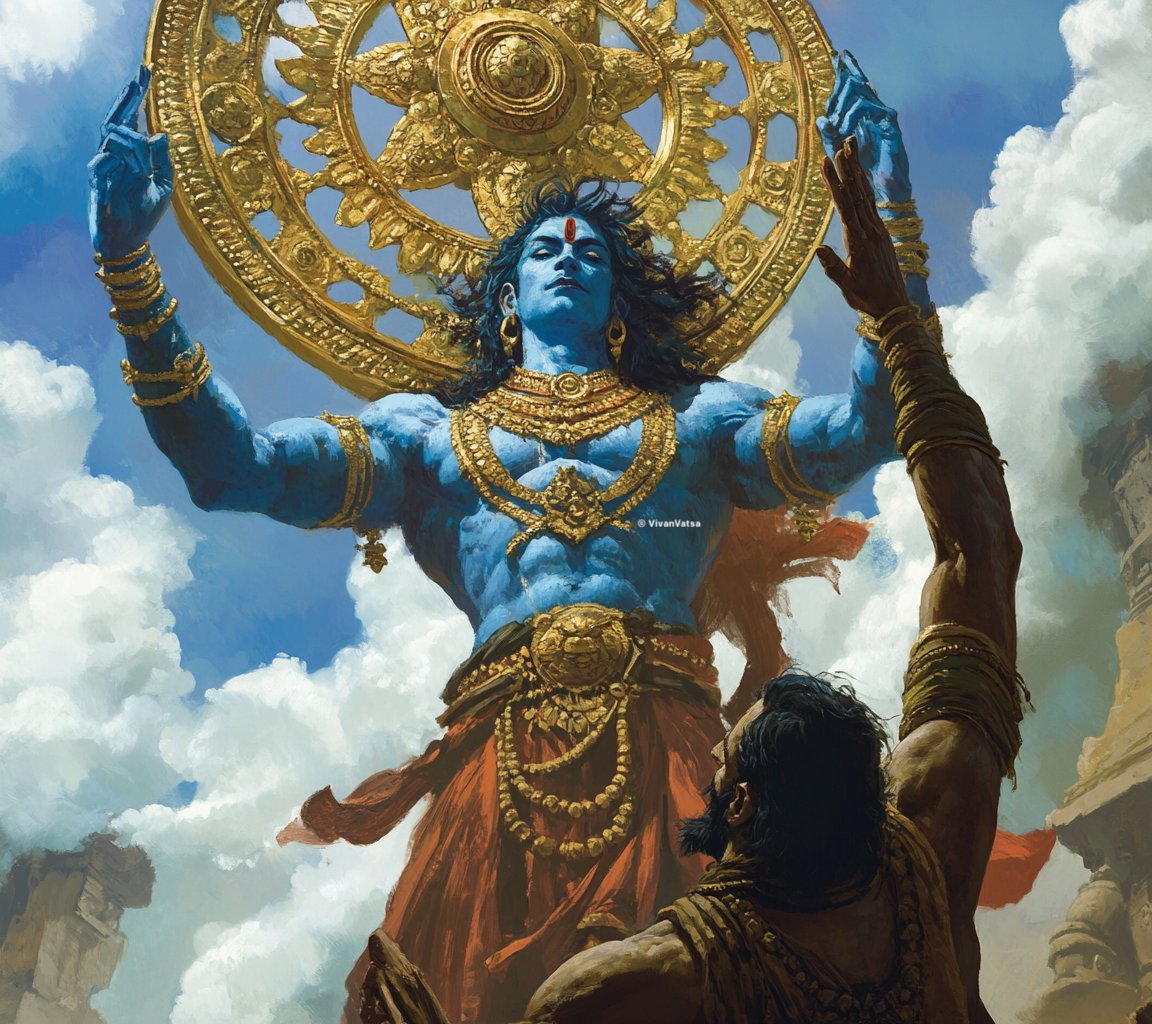
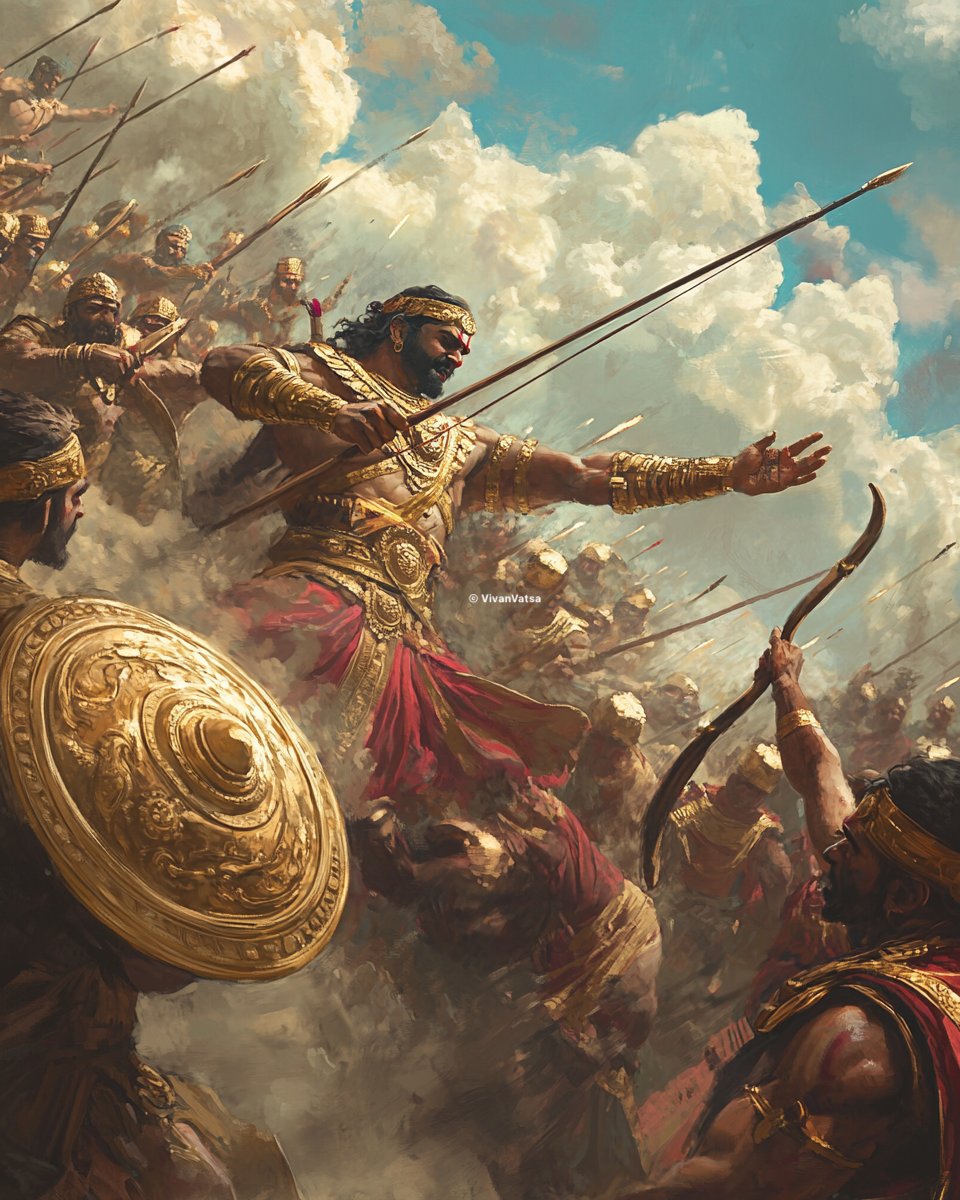
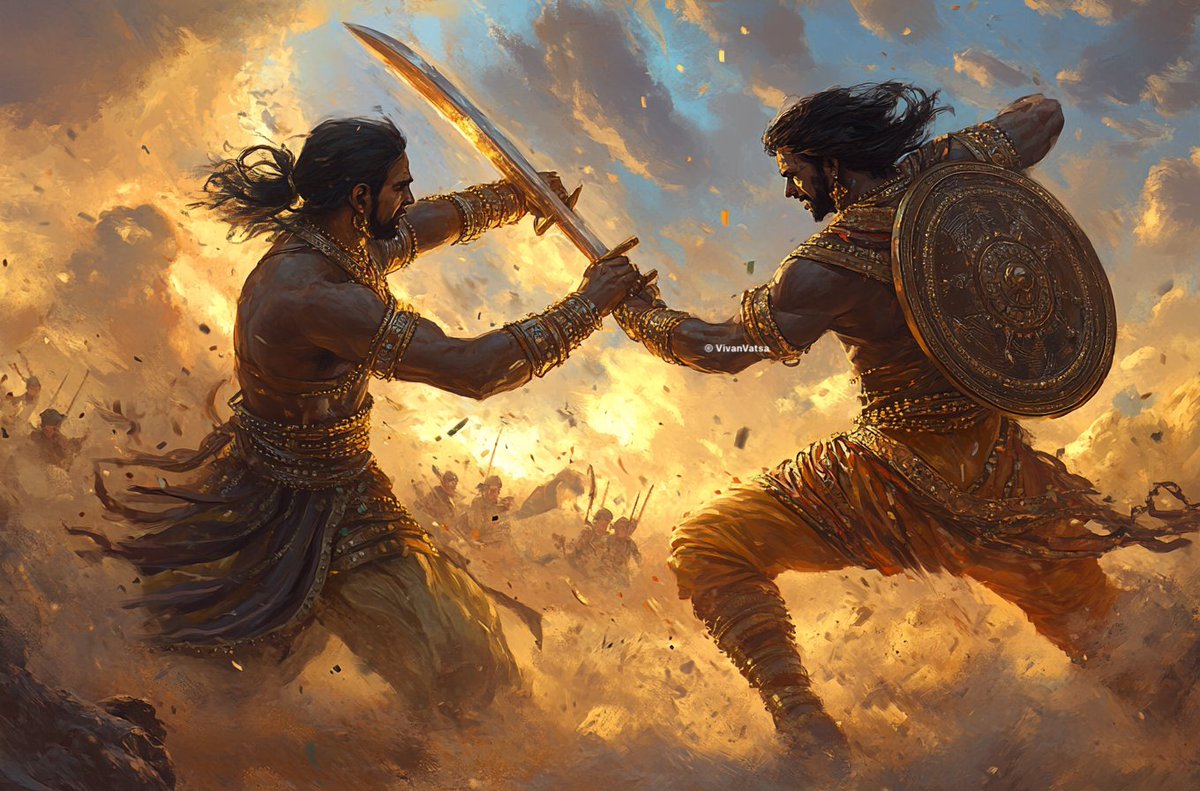
Duryodhan, driven by his intense hatred for the Pandavas and his desire to see them defeated, chose to abandon the rules of "Dharma Yuddh".
Duryodhan's decision to break these rules was rooted in his desperation.
Duryodhan's decision to break these rules was rooted in his desperation.
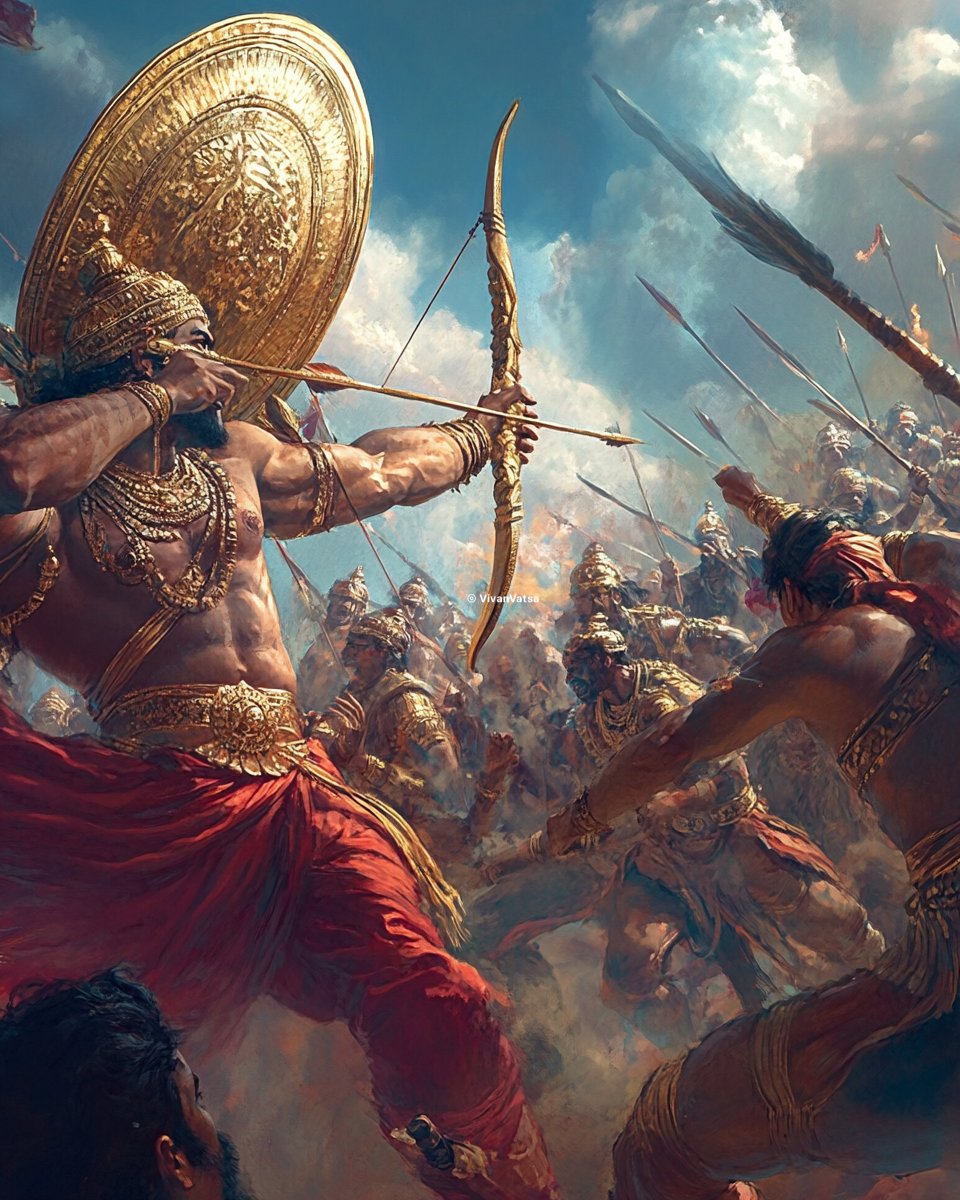
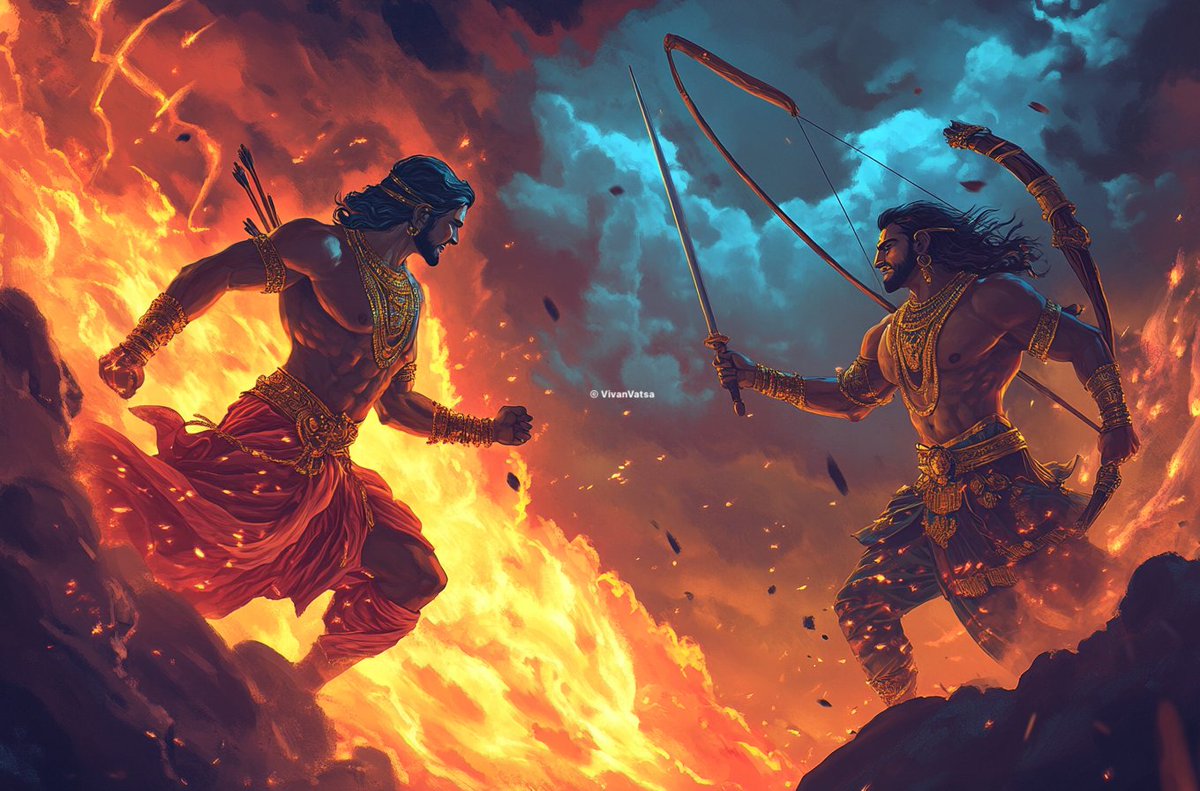
He knew that as long as the Pandavas adhered to the principles of dharma, they would have the moral and divine support needed to win the war. To counter this, Duryodhan sought to exploit any weakness he could find, even if it meant resorting to deceit and treachery. The Chakravyuh, a formation that could trap and annihilate an entire army, became Duryodhan's weapon of choice.
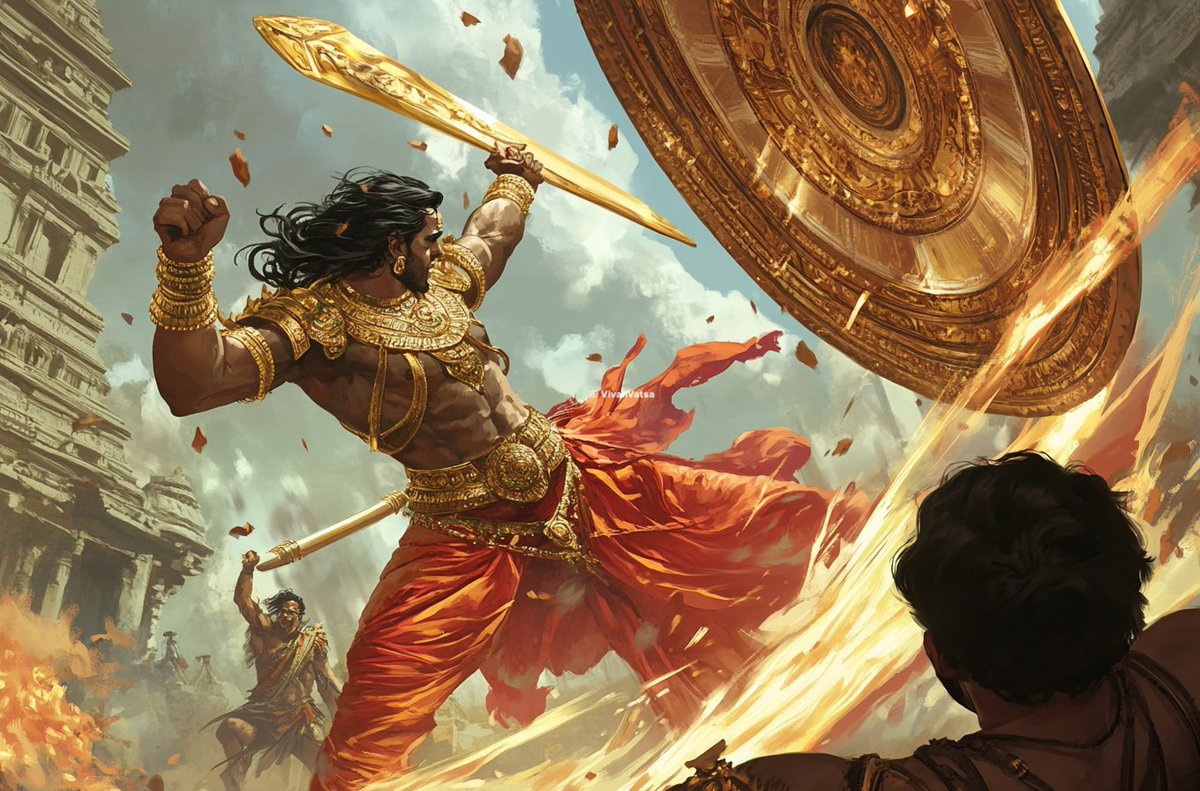
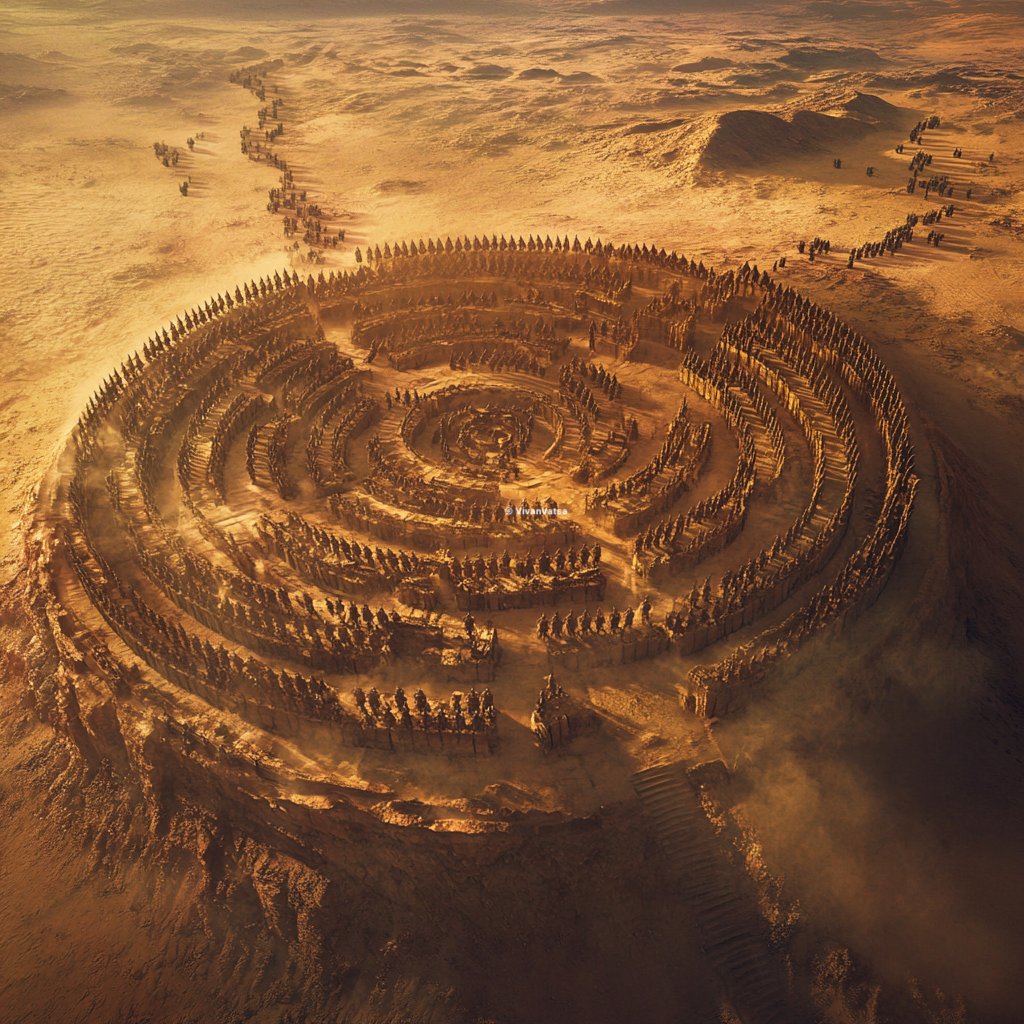
Dronacharya, the revered teacher of both the Pandavas and the Kauravas, was instrumental in creating the Chakravyuh on that fateful day. Dronacharya was bound by his loyalty to the Kauravas, despite his inner conflict over the righteousness of their cause.
Under Duryodhan's orders, Dronacharya formed the Chakravyuh, knowing full well that it could trap the Pandavas if they were not careful. The formation was designed to isolate and destroy anyone who dared to enter, and Dronacharya's involvement in its creation added a layer of moral complexity to the situation.
Under Duryodhan's orders, Dronacharya formed the Chakravyuh, knowing full well that it could trap the Pandavas if they were not careful. The formation was designed to isolate and destroy anyone who dared to enter, and Dronacharya's involvement in its creation added a layer of moral complexity to the situation.
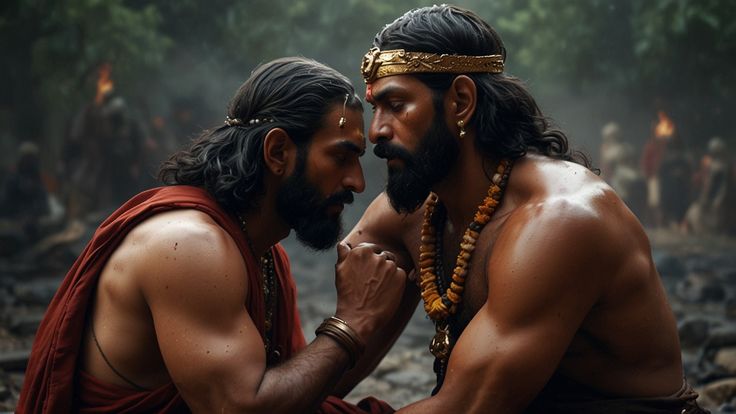
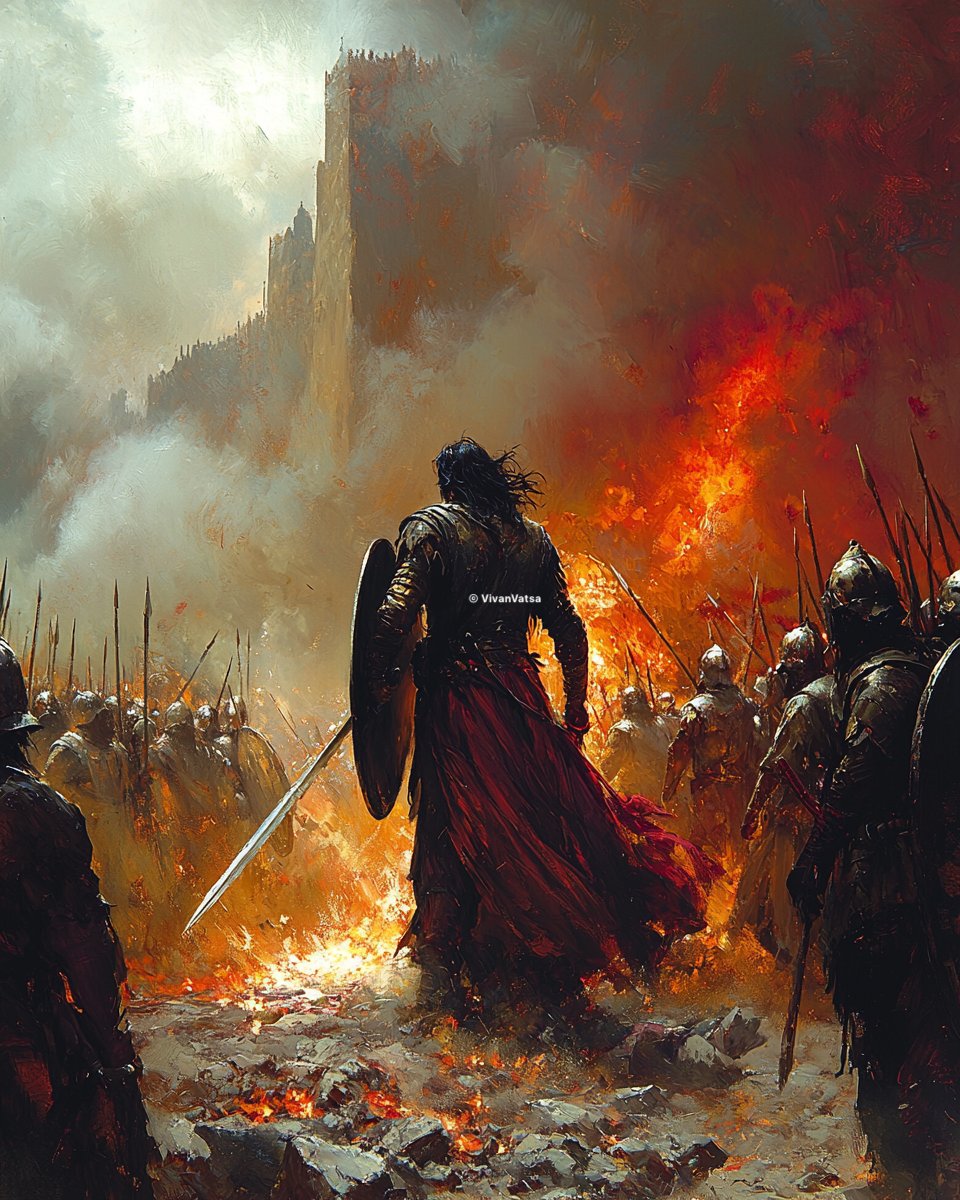
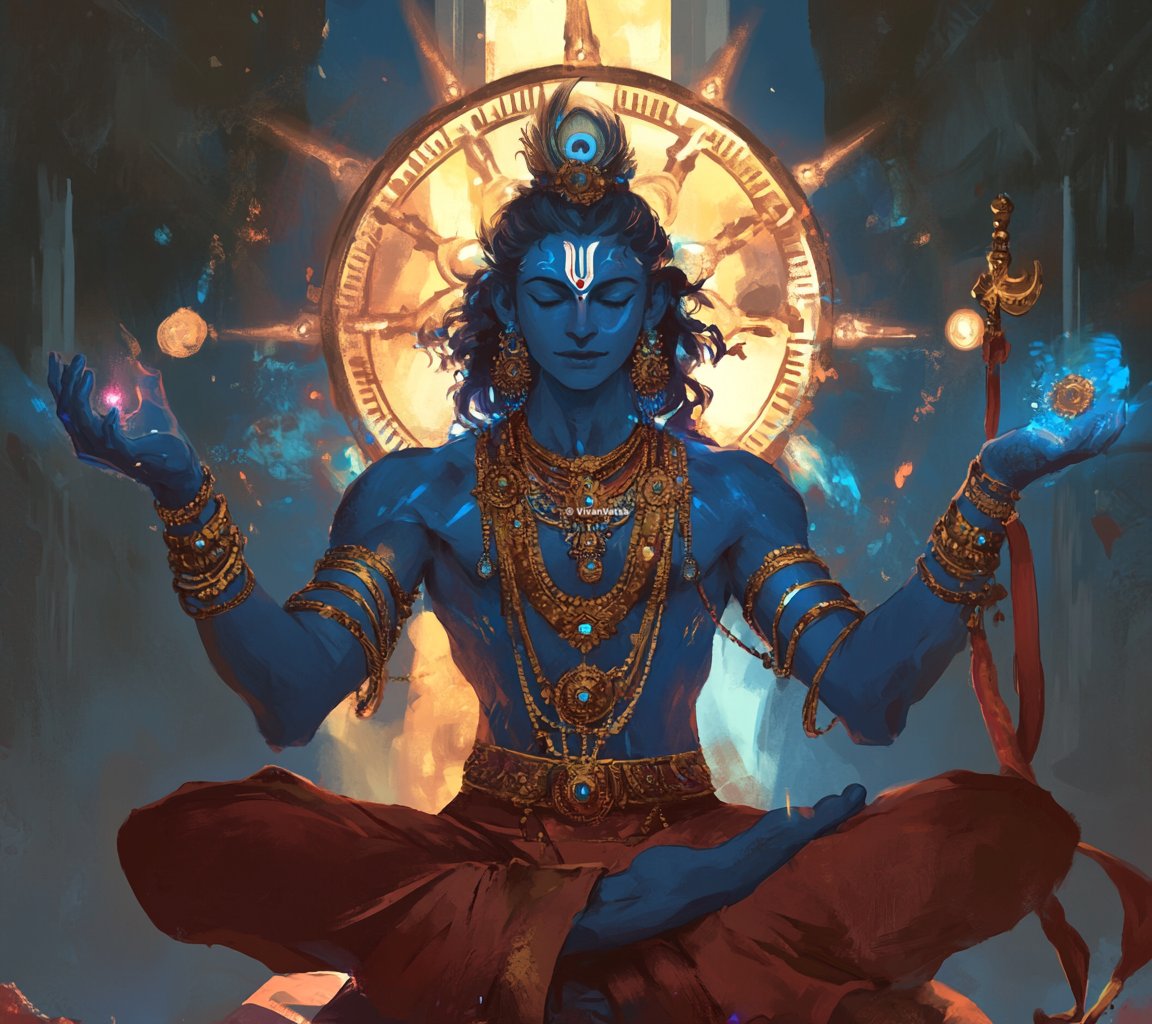
On that day, Arjuna & Krishna Ji, only warriors capable of breaking the Chakravyuh, were lured away by the Kauravas to fight elsewhere on the battlefield. With Arjuna distracted, the Pandavas were left vulnerable to the deadly formation.
Abhimanyu, aware of the danger posed by the Chakravyuh, volunteered to lead the charge against it. Despite knowing that his knowledge of the formation was incomplete, Abhimanyu's sense of duty to his family and his desire to protect the Pandavas drove him to take on this perilous task.
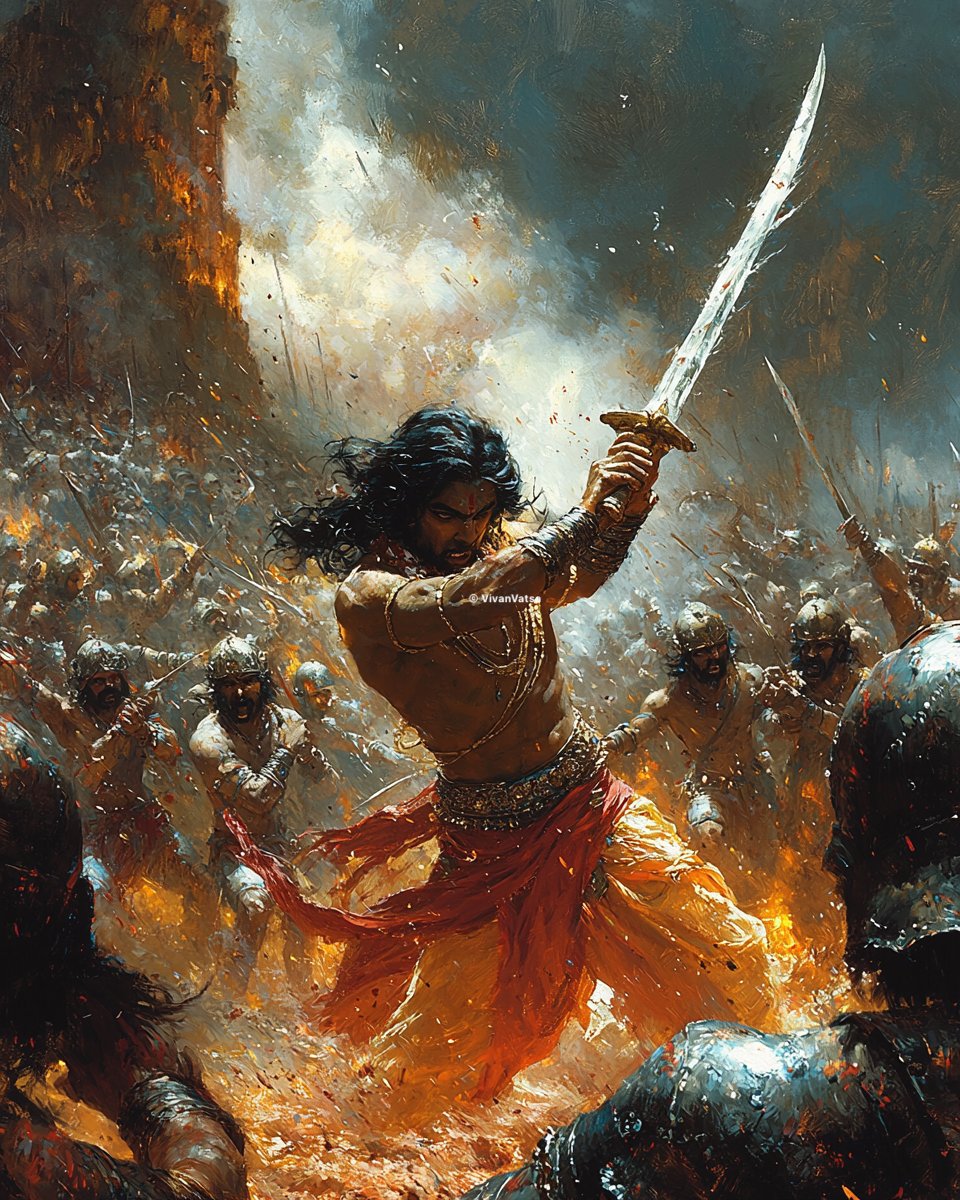
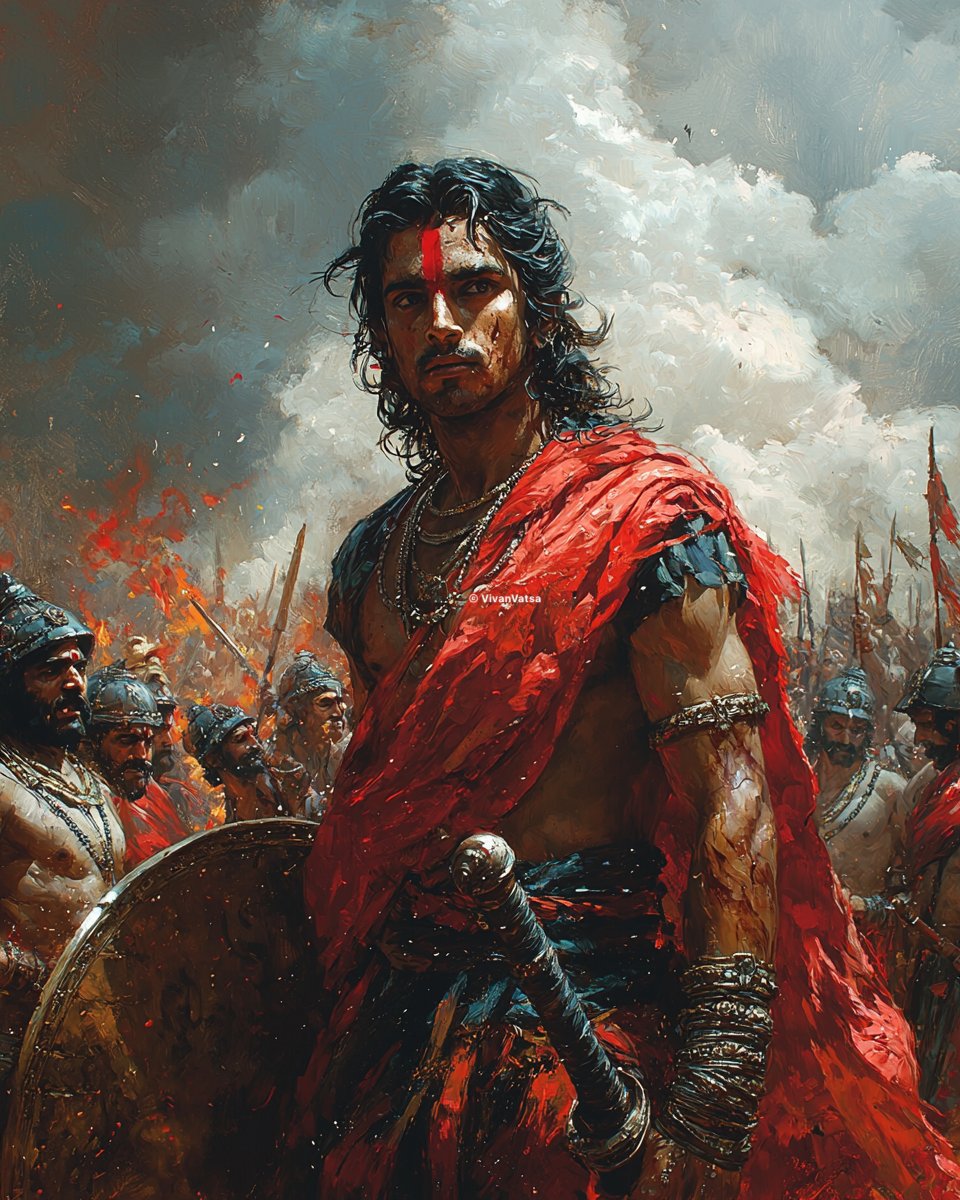
Abhimanyu's entry into the Chakravyuh was an act of unparalleled bravery. With the other Pandavas unable to penetrate the formation, Abhimanyu alone broke through its outer layers, cutting down Kaurava warriors with ease. His skill and valor on the battlefield were unmatched, and he fought with the determination and ferocity that one would expect from the son of Arjuna. His actions inspired awe and fear among both his allies and enemies, as he single-handedly tore through the ranks of the Kaurava army.
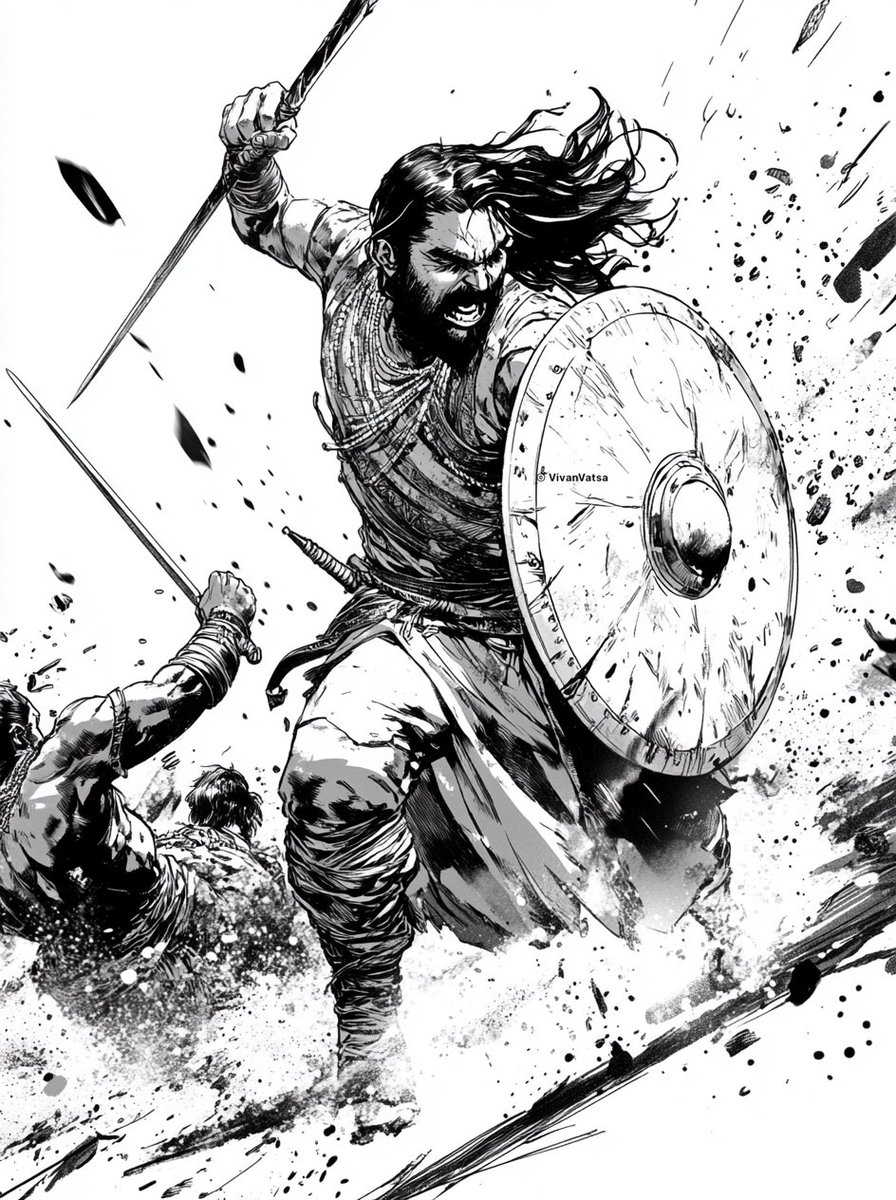
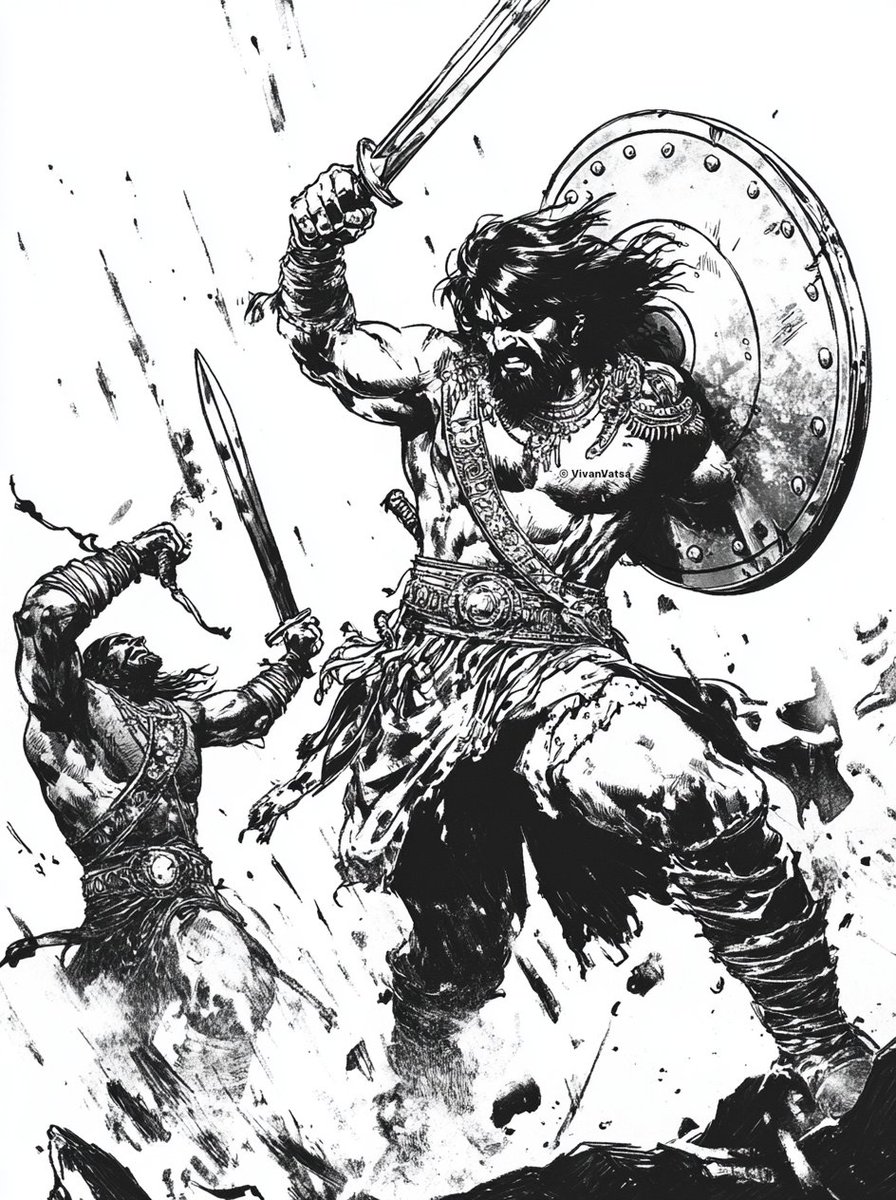
As Abhimanyu advanced deeper into the Chakravyuh, he encountered some of the most formidable warriors on the Kaurava side. He fought and killed several key figures, including Lakshmana, the son of Duryodhan, and numerous other warriors who stood in his way. Despite being surrounded by enemies on all sides, Abhimanyu fought valiantly, displaying the kind of courage and skill that only a few could match. His resolve to protect the Pandavas and uphold dharma was unwavering, even as the odds against him grew increasingly insurmountable.
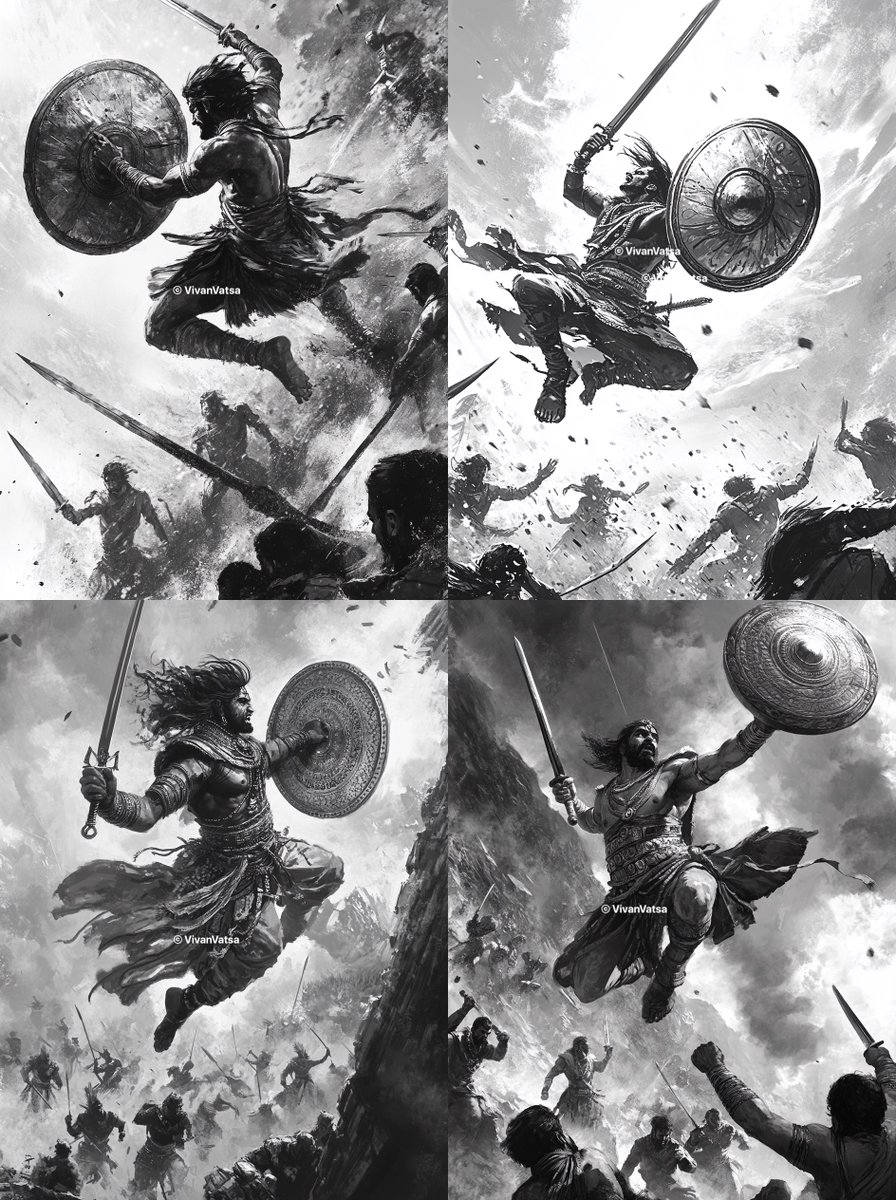
But Abhimanyu's bravery and skill could only take him so far. The deeper he ventured into the Chakravyuh, the more isolated he became. The Kaurava warriors, realizing that Abhimanyu was a threat to their plans, began to converge on him.
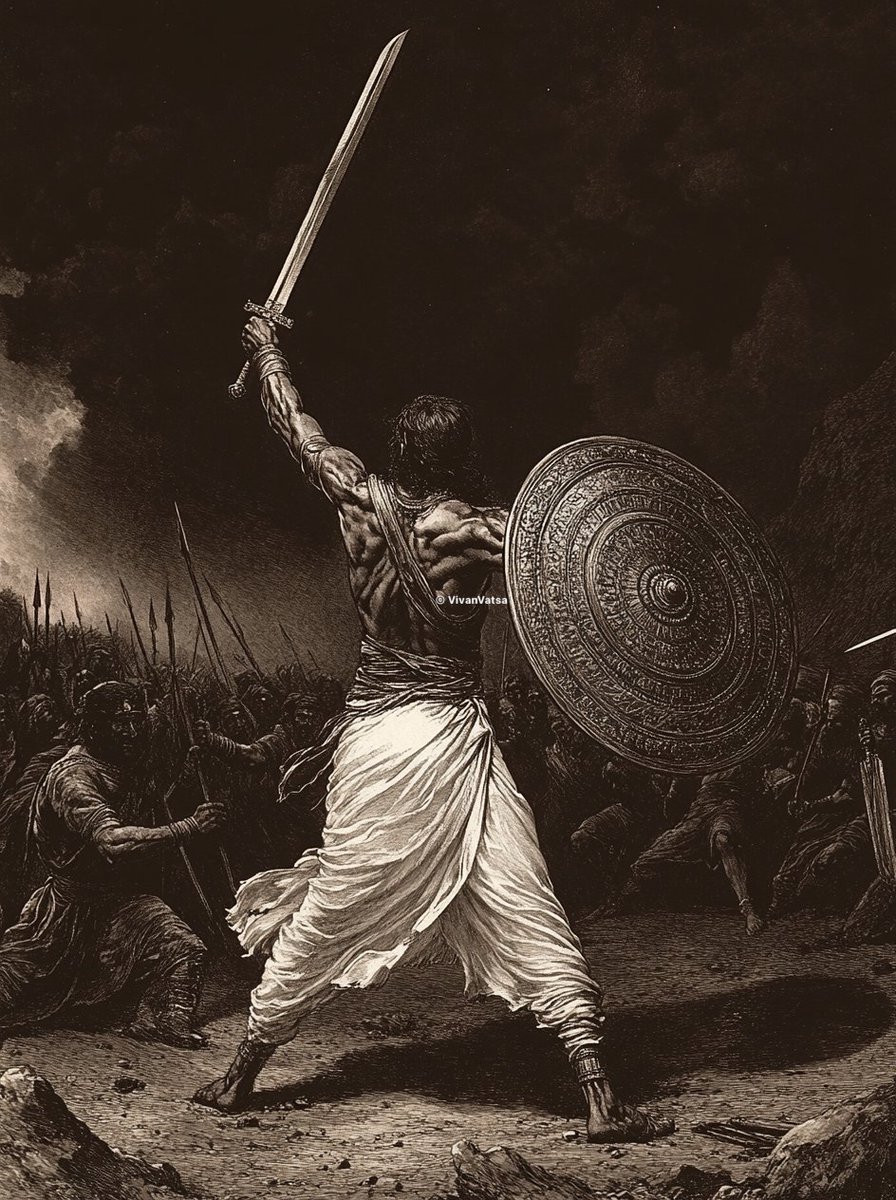
Under Duryodhan's orders, they abandoned the principles of dharma yuddh and attacked Abhimanyu simultaneously, violating the code of honorable warfare. This act of treachery was a reflection of the moral decay that had taken hold of the Kauravas, as they sought to destroy the Pandavas by any means necessary.
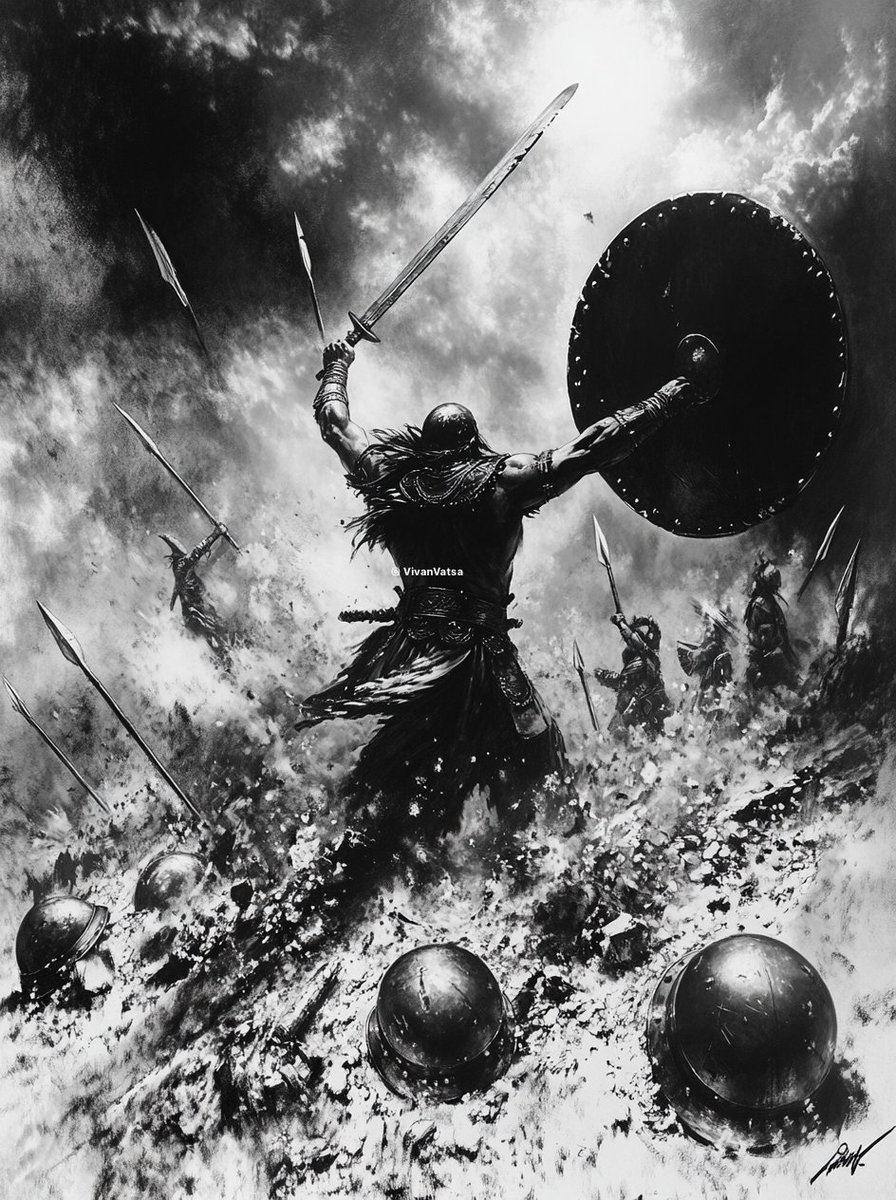
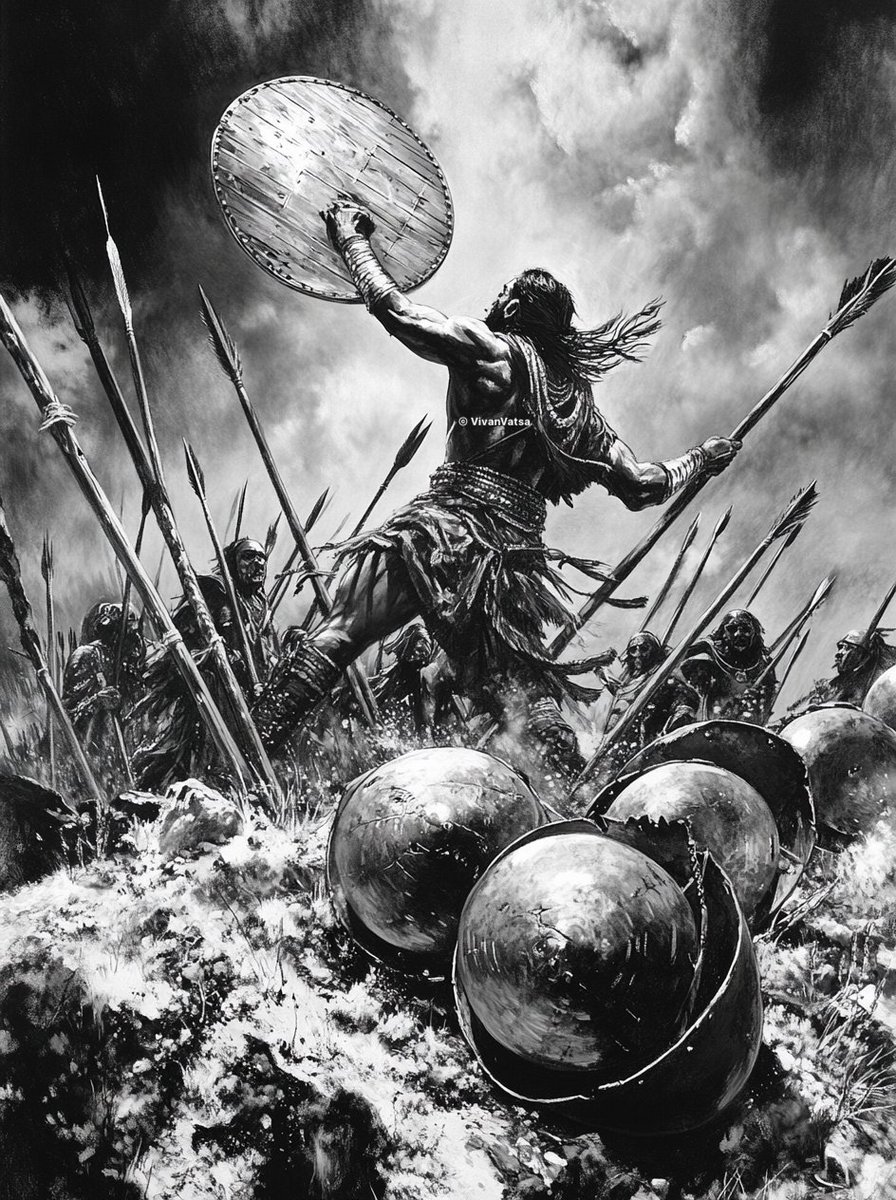
Among those who attacked Abhimanyu were some of the greatest warriors of the Kaurava side, including Karna, Dushasana, Ashwatthama, Kripacharya, and Dronacharya himself. Each of these warriors played a role in the brutal assault on Abhimanyu, striking him from all sides and preventing him from defending himself effectively.
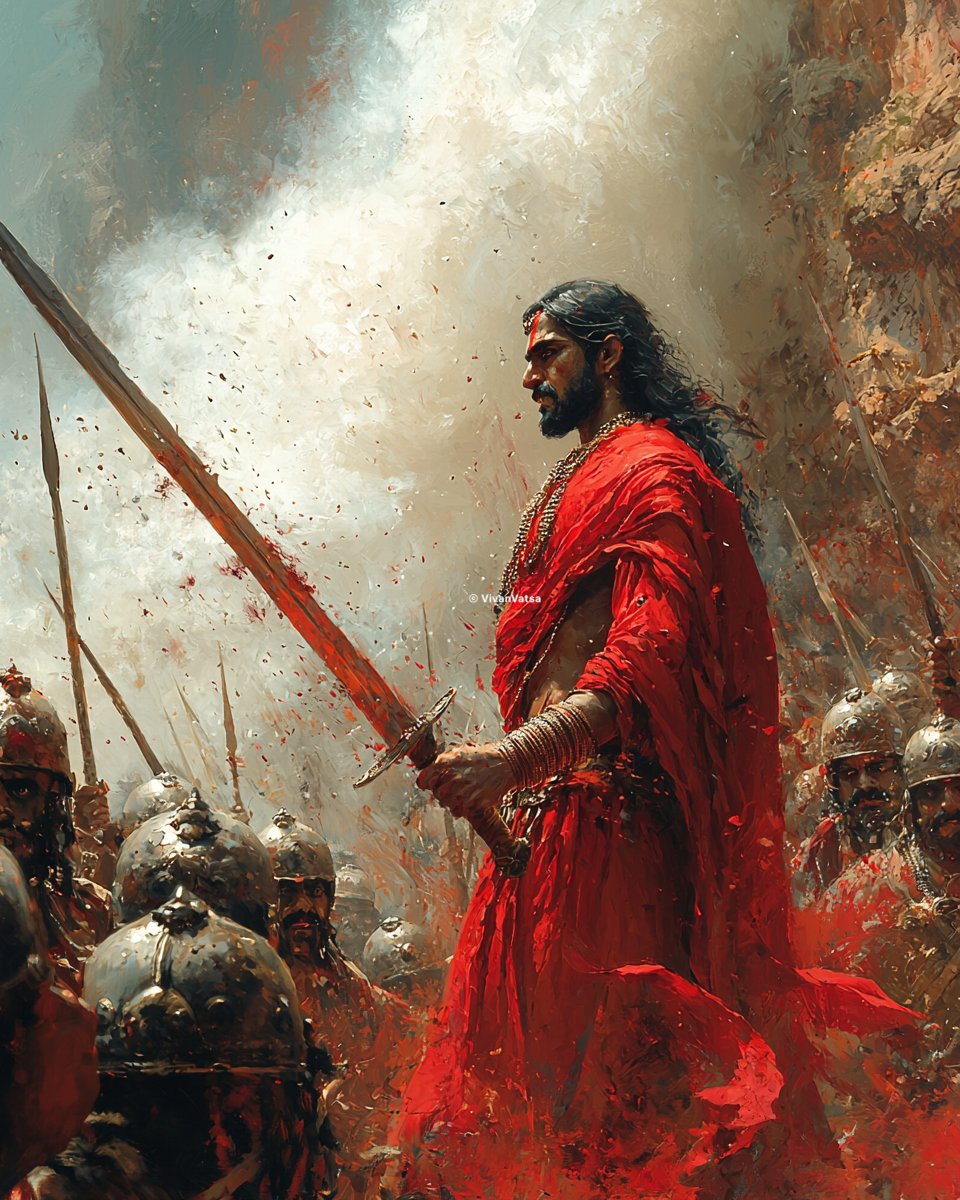
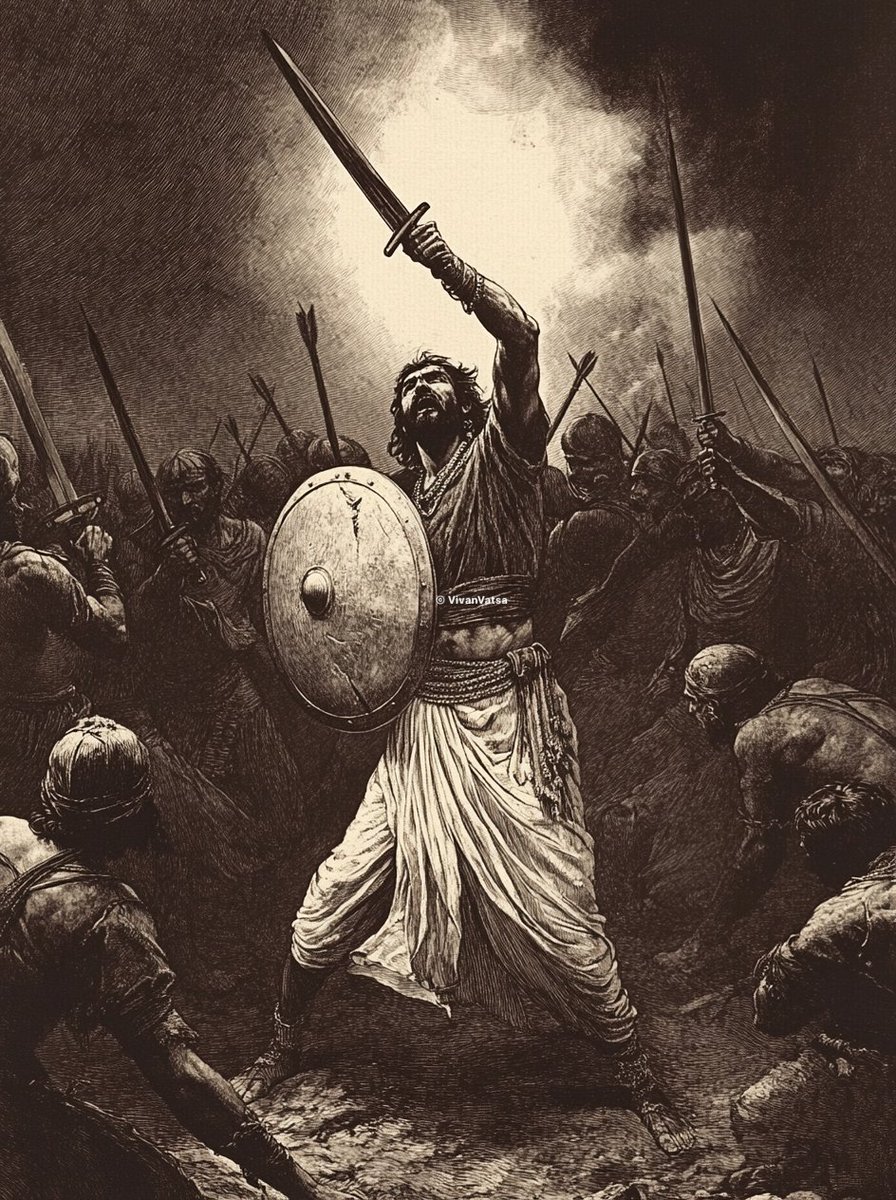
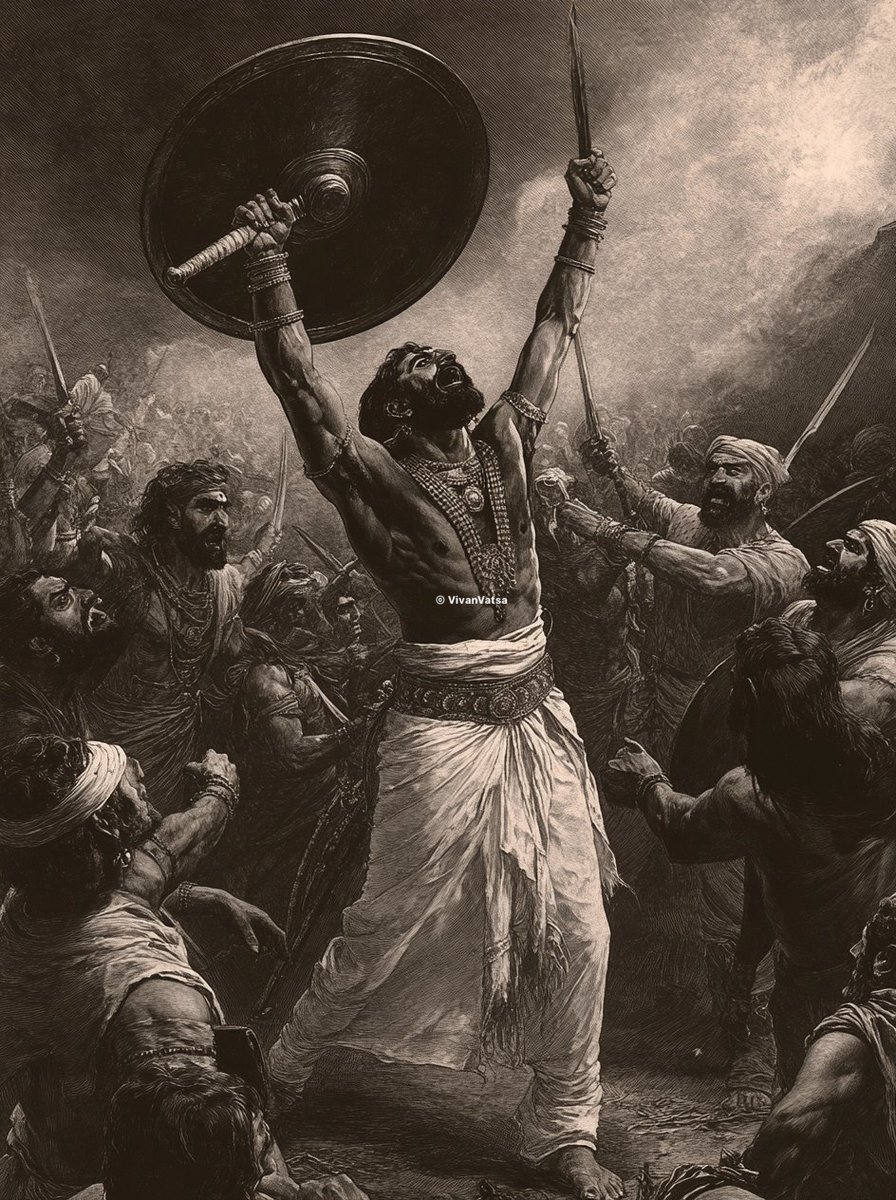
The attack on Abhimanyu was relentless, and despite his best efforts, he was eventually overwhelmed by the sheer number of enemies.
Duryodhan and Kauravas, after their tyrannous conspiracy, came out victorious. They have done it.
Abhimanyu was KILLED.
Duryodhan and Kauravas, after their tyrannous conspiracy, came out victorious. They have done it.
Abhimanyu was KILLED.
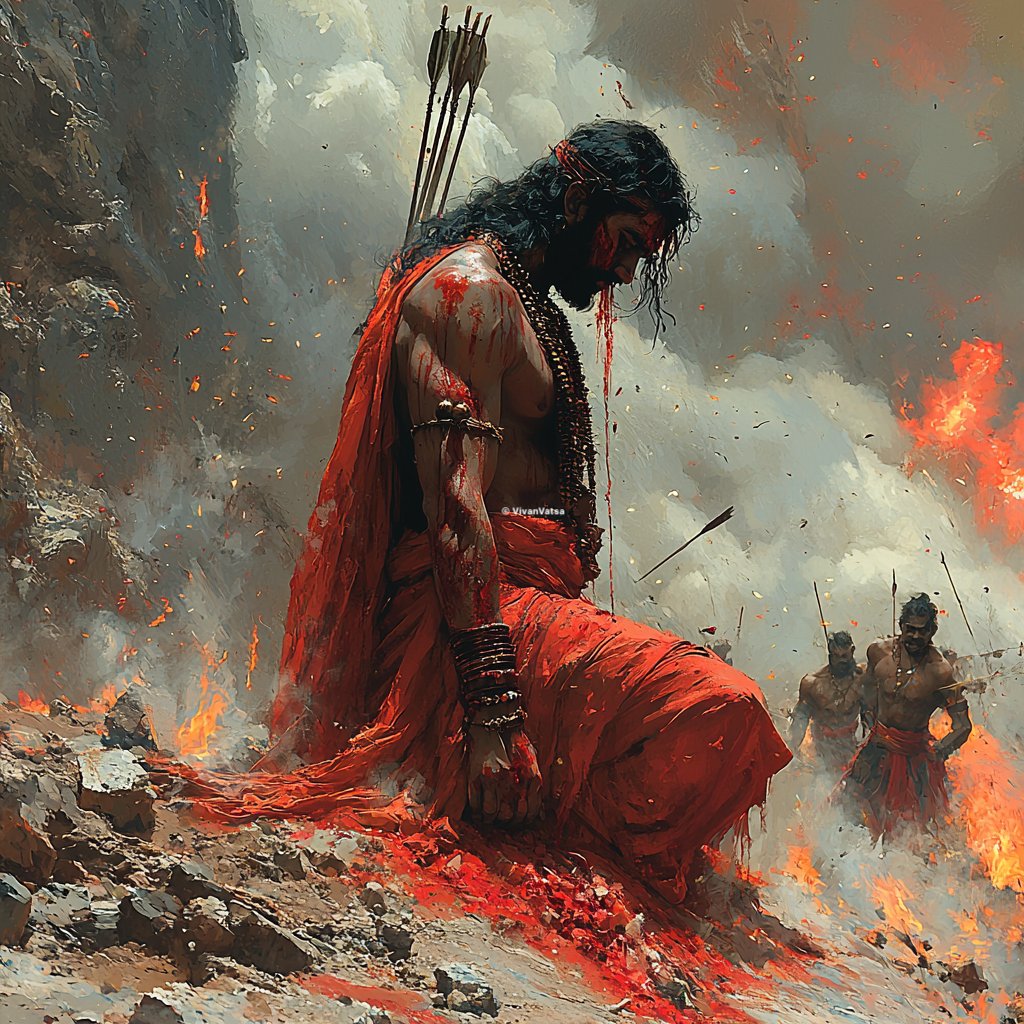
The manner in which Abhimanyu was killed is one of the most tragic and unjust episodes in the Mahabharata. Surrounded and outnumbered, Abhimanyu continued to fight with everything he had, refusing to give up even as his strength waned.
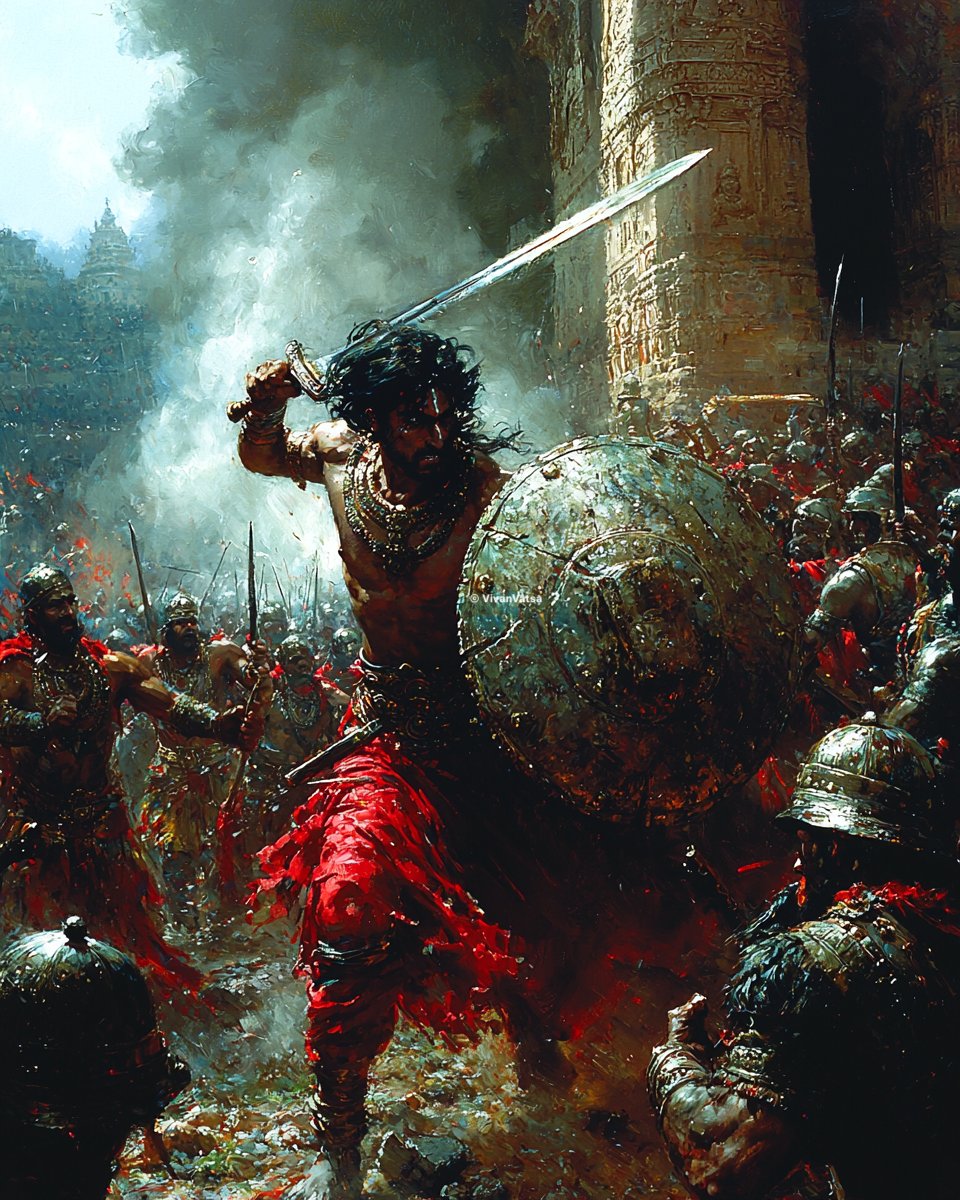
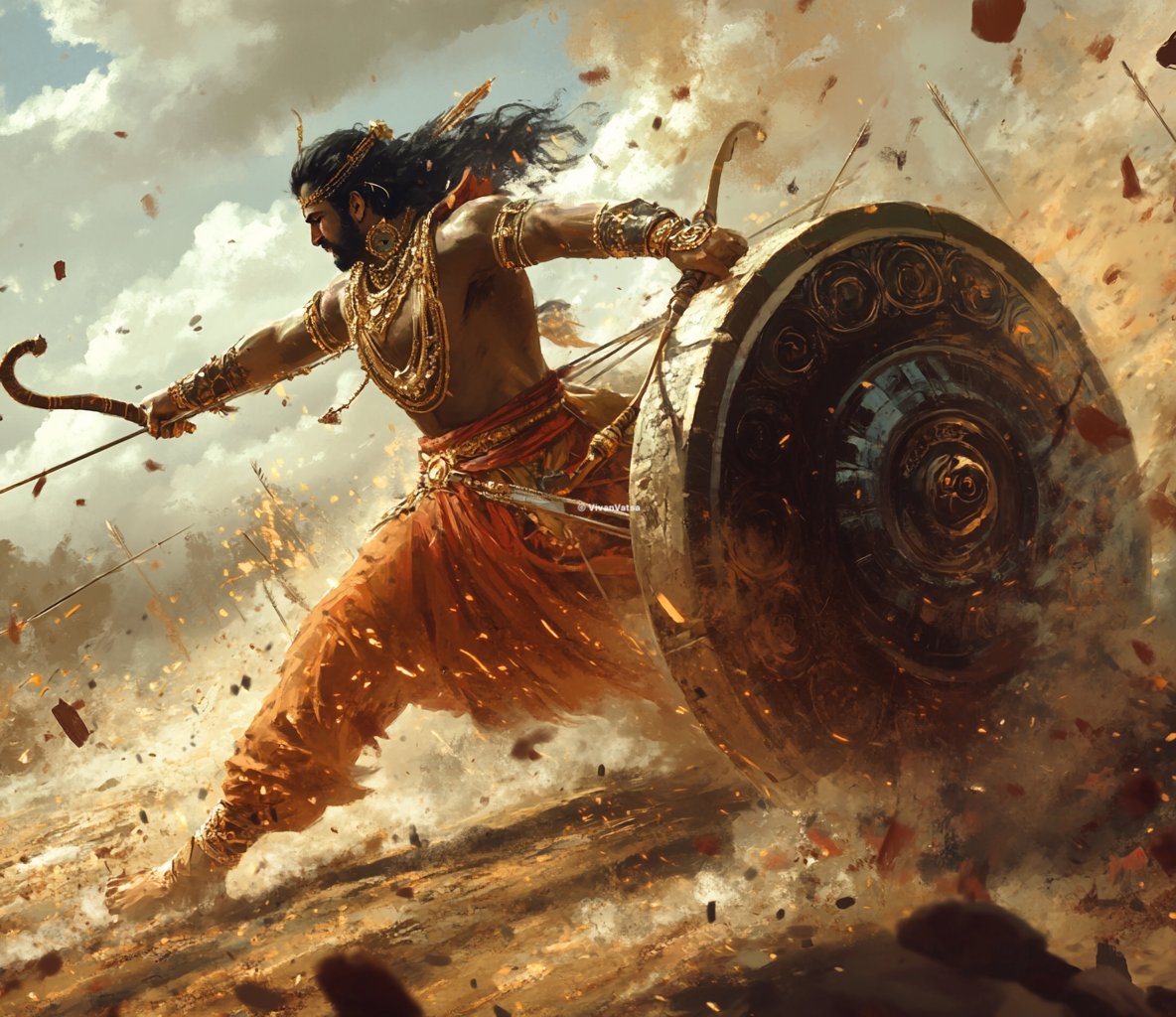
His chariot was destroyed, his weapons were taken from him, and yet he continued to resist, using whatever means he could to defend himself. In the end, Abhimanyu was struck down by the combined forces of the Kauravas, who showed no mercy in their quest to eliminate him.
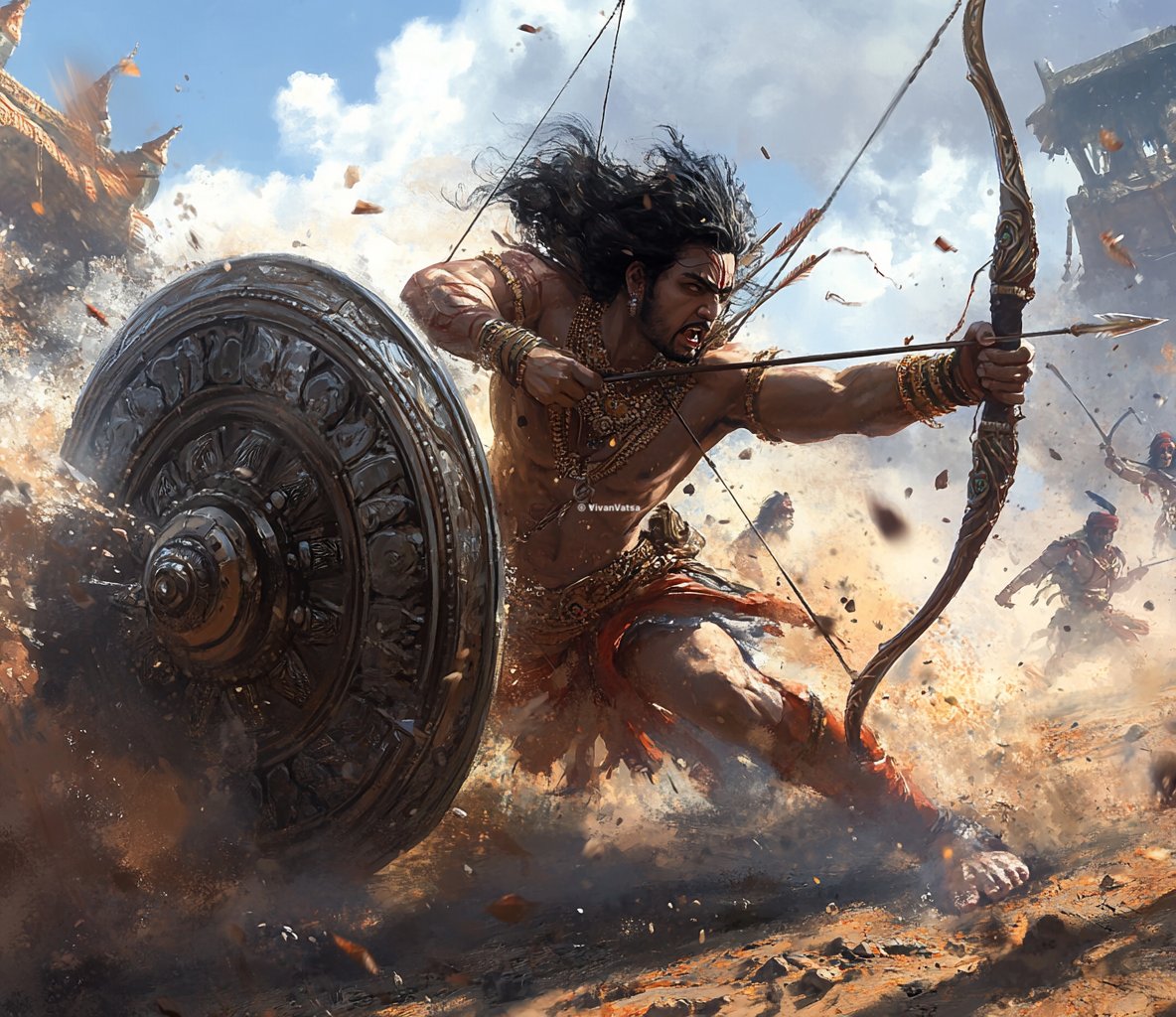
The death of Abhimanyu is often considered the most tragic in the Mahabharata, not only because of the circumstances in which it occurred but also because of what it represented. Abhimanyu was a young warrior, full of promise and potential, who gave his life in the service of his family and his principles. His death marked the loss of innocence and the shattering of hope for the Pandavas, who were left devastated by the loss of one of their own.
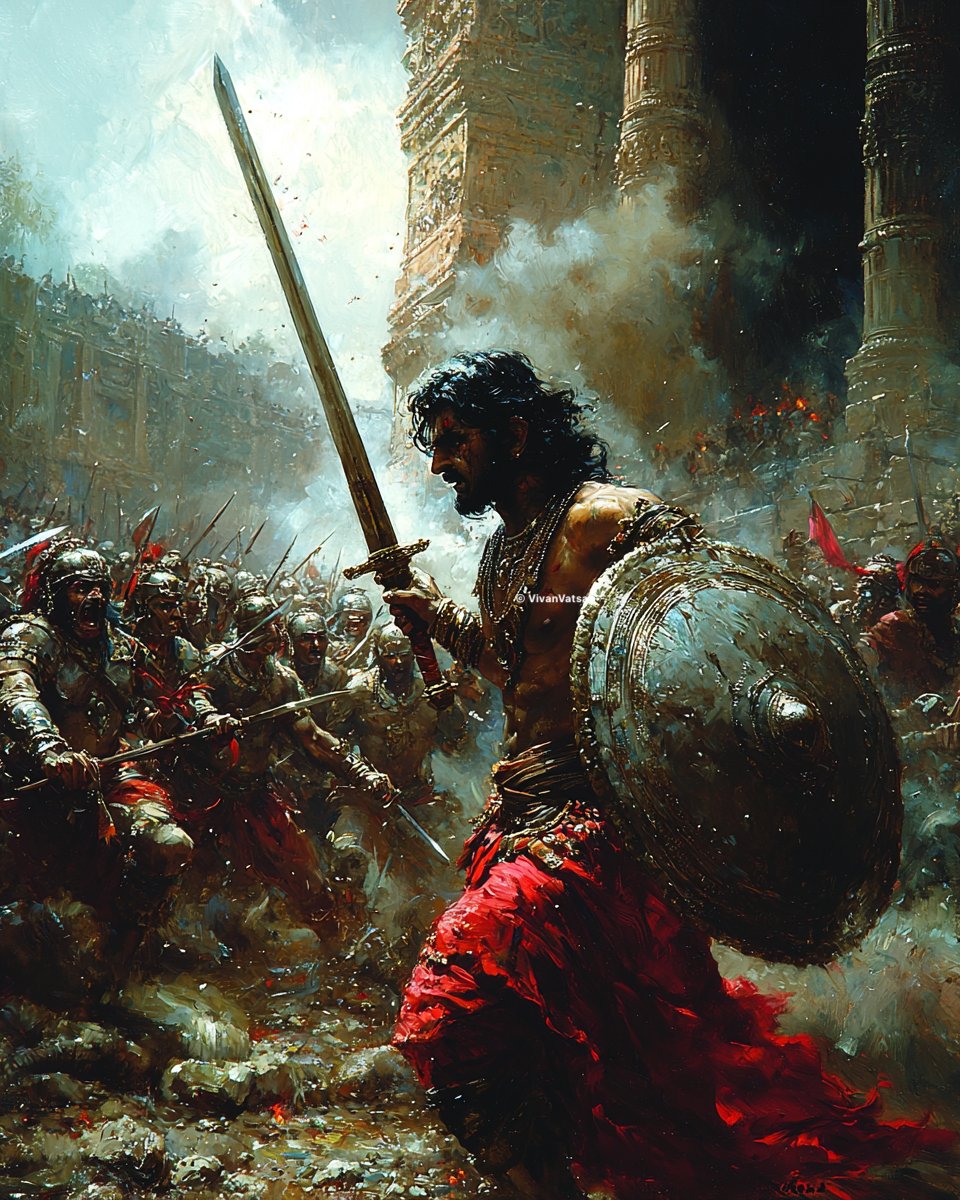
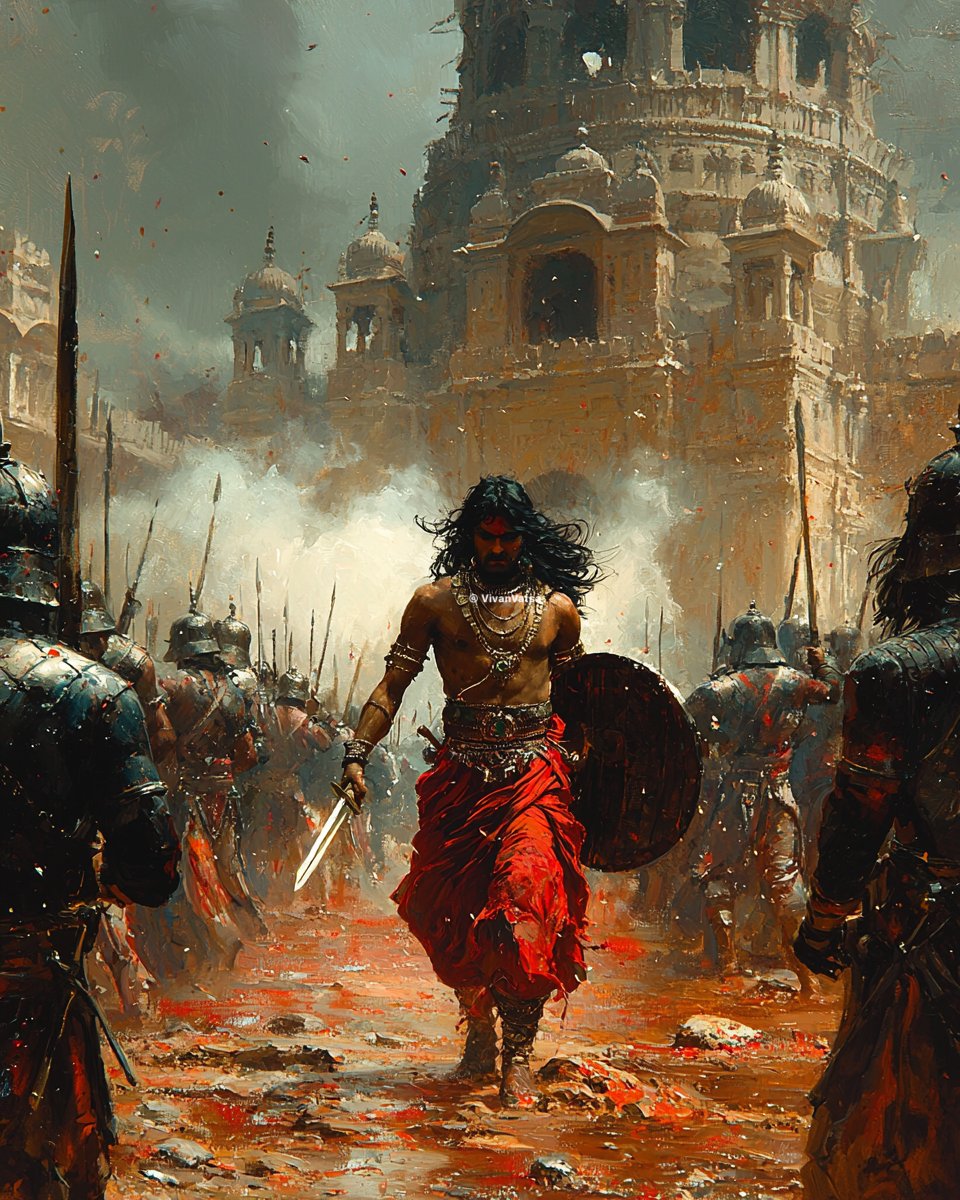
Abhimanyu is considered a tragic hero in the Mahabharata because his life and death embody the essence of heroism and tragedy. His tragic end was not a result of any flaw or failure on his part, but of the moral decay and corruption that had taken hold of the Kauravas.

Loading suggestions...