

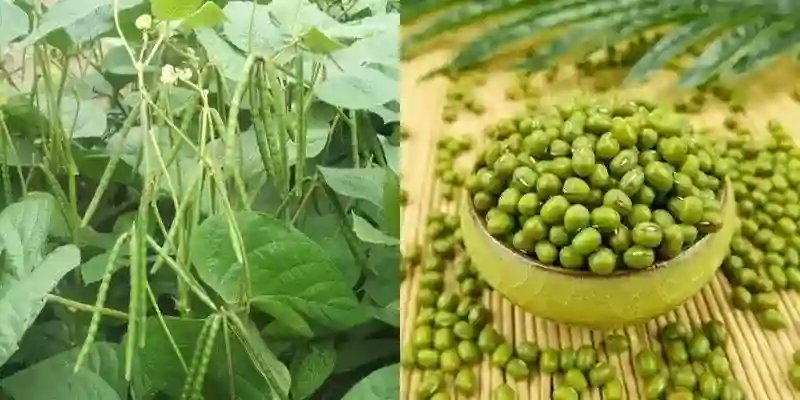
MUNG BEANS LICENSING: WHY THIS IS BIGGER THAN GREEN GRAMS
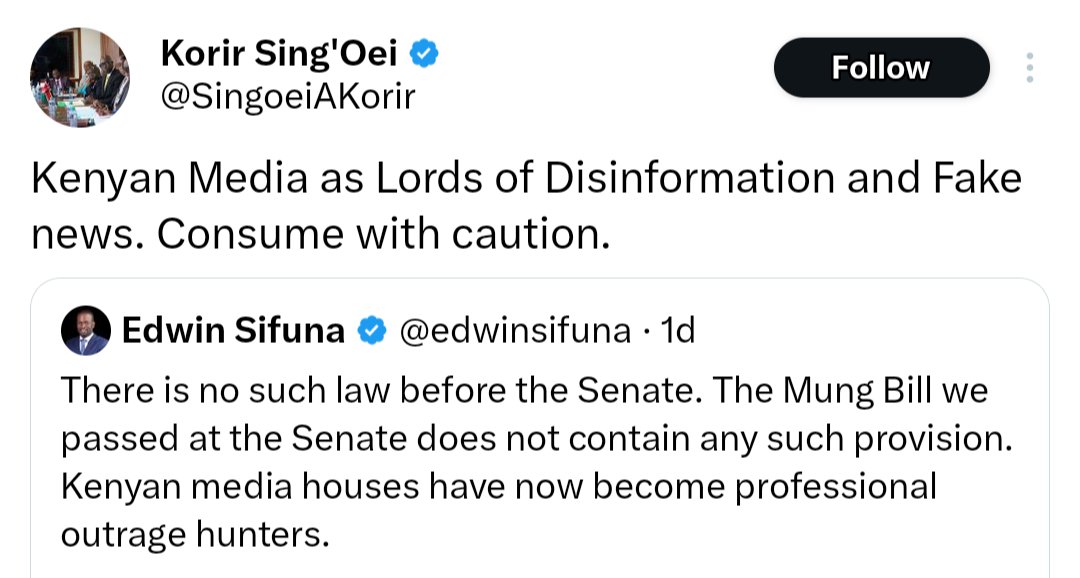
The world over, touching farmers is to touch the nation’s rawest nerve. Kenyans are totally justified in their outrage for the strange ‘‘ndengu’’ bill.
But I will tell you why this debate is not just about ndengu. A 🧵
The world over, touching farmers is to touch the nation’s rawest nerve. Kenyans are totally justified in their outrage for the strange ‘‘ndengu’’ bill.
But I will tell you why this debate is not just about ndengu. A 🧵
The bill touches on a serious issue of farmer protection and food security. So, let’s explore, just briefly, how the US, for instance, compares with Kenya in terms of farmer protection. After all, we like to put on the big pants of #developed nations. Shall we?
Thirty years ago, the average American farmer farmed enough to feed 20 people. Back then, the Kenyan farmer could, at most, 3 people. Mostly their family. Today, the American farmer feeds 1000 people. Meanwhile, the Kenyan farmer is barely able to feed their household.
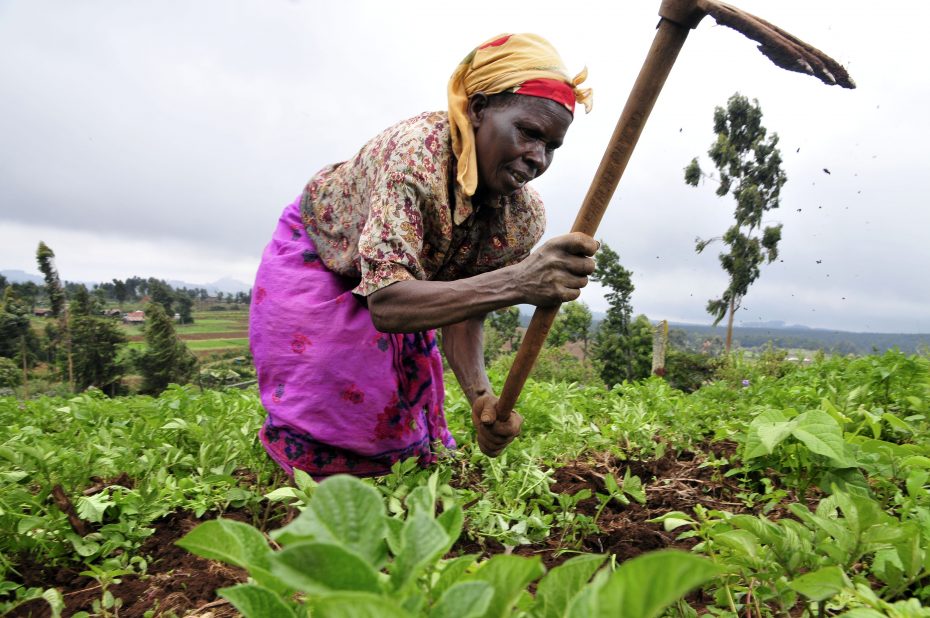
But there is a solid reason for this. Unlike us, the Americans do not take their farmers for granted. They value them. Because they value the food security of their population.
For 50 years, billions of dollars in federal aid have been channeled to millions of farmers in the United States annually through different subsidies. Many American farmers rely on these #incentives from the Department of Agriculture (DoA) as part of their annual farming income.
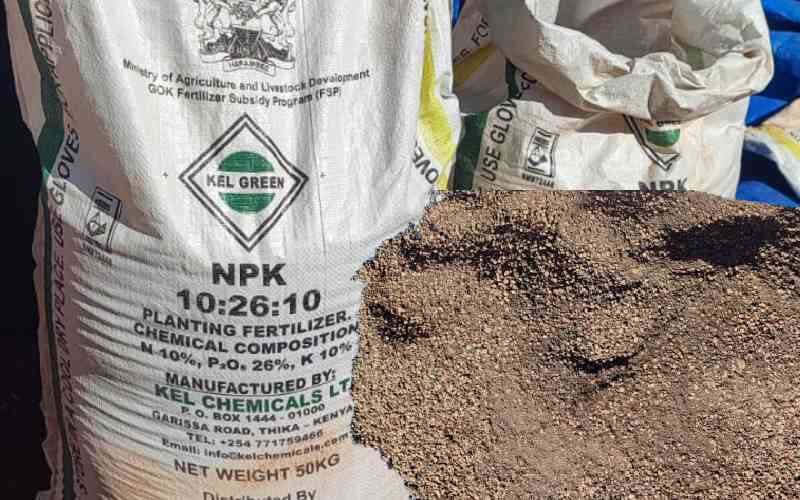
Here, we take away everything from farmers. We sell them sand for fertiliser, overpriced farm inputs and buy their produce at scandalously low prices. Ever wondered why we import millions of tonnes of cheaper sugar, maize & beans every year?
The US government provides information on farming practices, including regular weather forecasts & crop insurance support. Here, your president can decide whether there are El Nino rains or not, the Met Department forecasts notwithstanding. Prayers, remember?
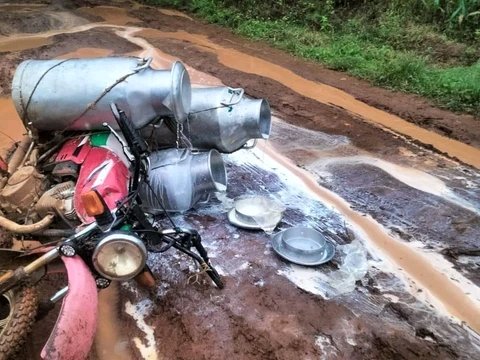
Don’t get me started on the amount of food that goes to waste because the produce cannot reach the market owing to poor roads. And the lack of value-addition facilities that we have deliberately failed to develop.
The average Kenyan farmer is a poor, sometimes uneducated & mostly voiceless man/woman. Unrefined yes, but the most important demographic of our country. Supporting a farmer means uplifting not only their household but the nation as well. But you knew that already.
Now back to the Mung Beans Bill. In recent years, the govt has introduced bill after bill that jeopardises #FoodProduction & security in Kenya. Before we rejected it, the Finance Bill 2024 sought to introduce a 5% withholding tax on farm produce.
Kenyan farmers would now pay the govt for feeding the nation. How wonderfully outrageous!
The bill proposed taxing essential #agricultural inputs – including seeds! – that have traditionally been tax-exempt. This would drive the cost of farming and food prices through the roof.
The bill proposed taxing essential #agricultural inputs – including seeds! – that have traditionally been tax-exempt. This would drive the cost of farming and food prices through the roof.
The government has come out to ‘‘set the record straight’’ that the license will only target large-scale growers of green grams. But to tax sensitive sectors like agriculture -whether large-scale or otherwise – is a serious petition to its commitment to food security.
The net effect of these policies is to disenfranchise, stifle and drive local farmers out of business. When you make it harder to farm an essential food crop, you create a market for food imports. This isn’t quantum mechanics. It is a simple fact.
Let me show you some shocking numbers about consumption in Kenya:
WHEAT
Consumption: 2 million tonnes per year
Production: 100k tonnes
(Imports: 1.9 million tonnes)
MAIZE
Consumption: 1 million tonnes
Production: 150k tonnes
(Imports: 800k tonnes)
Source: Economic Survey 2023
WHEAT
Consumption: 2 million tonnes per year
Production: 100k tonnes
(Imports: 1.9 million tonnes)
MAIZE
Consumption: 1 million tonnes
Production: 150k tonnes
(Imports: 800k tonnes)
Source: Economic Survey 2023
It’s obvious Kenya cannot feed its 55 million people. From maize to wheat and rice, we import every food item. We pride ourselves as the fifth-largest economy in Africa, yet we have failed at the most fundamental aspect of national prosperity: to feed our people.
For details of how we became a food-importing nation, check out this story that I had done on election day in 2022. It details the historical blunders that have made us depend on economies only a quarter the size of ours.
nation.africa
nation.africa

If Malawi, Tanzania, Uganda & Zambia stopped grain exports to Kenya today, the immediate upshot would be high flour prices and starving Kenyans. To Ugandans – arguably some of the ‘‘best-fed’’ people in the region – we’re laughingstock of EAC. All food things considered.
It would, somewhat, make sense to import food, if Kenya were developed. After all, food is not nearly as pricey as manufactured goods. The government would also be justified to tax farmers. But our country produces less food than we need and is still largely underdeveloped.
It is widely believed that farmers in Rift Valley have fared worse since William Ruto became deputy president. Their circumstances have deteriorated under his presidency. You would imagine that being a farmer puts one in touch with farmers’ needs & agonies. Except it doesn’t.
Many feel that Ruto is not a farmer but a businessman. During the GMO debate last year, then Trade CS Moses Kuria, in his usual verbal haemorrhage, said that Ruto had sold his maize at a fortune. Where does the president obtain better prices while farmers’ grain rots in stores?
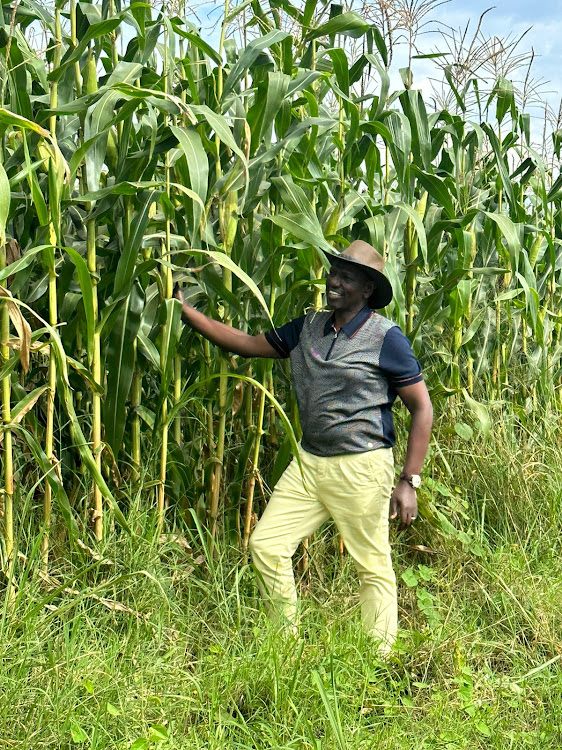
For decades, Agriculture was the main forex earner for Kenya. We may have imported most manufactured goods, but at least we had food for our people. Sixty years later, we import both manufactured goods and food. So much for ending ‘‘ignorance, poverty and disease’’.
Suicidal farm policies, though, started much earlier than the ‘‘ndengu’’ bill. The Livestock Act of 2021, for instance, bars smallholder beekeepers from the practice, leaving the business to only large-scale honey producers. How many Kenyans can produce honey on a large scale?
The same bill prohibits farmers from producing their own animal feed, unless cleared by the government. Yet for years, Kenyan farmers have grown, mixed and compounded feed for their livestock and sold to fellow others.
A country that drives its farmers out of fields, kicks them out of markets and, effectively, out of business. The government cannot claim to care about #FoodSecurity. A govt that cannot feed its people does NOT have the range to tell us about development. It’s just how it is.
We may not be where the US and the developed world are. But there is no excuse whatsoever to not uplift our farmers. There is no justification to go after the little our farmers have acquired through blood, sweat and, well, fake fertiliser and promises. We can do better.
Loading suggestions...