

The thumb could snap, lock, or feel stuck. It is possible with a common condition known as trigger thumb
This thread explains everything you need to know about why it happens and how to get your thumb moving smoothly again.
A thread
This thread explains everything you need to know about why it happens and how to get your thumb moving smoothly again.
A thread
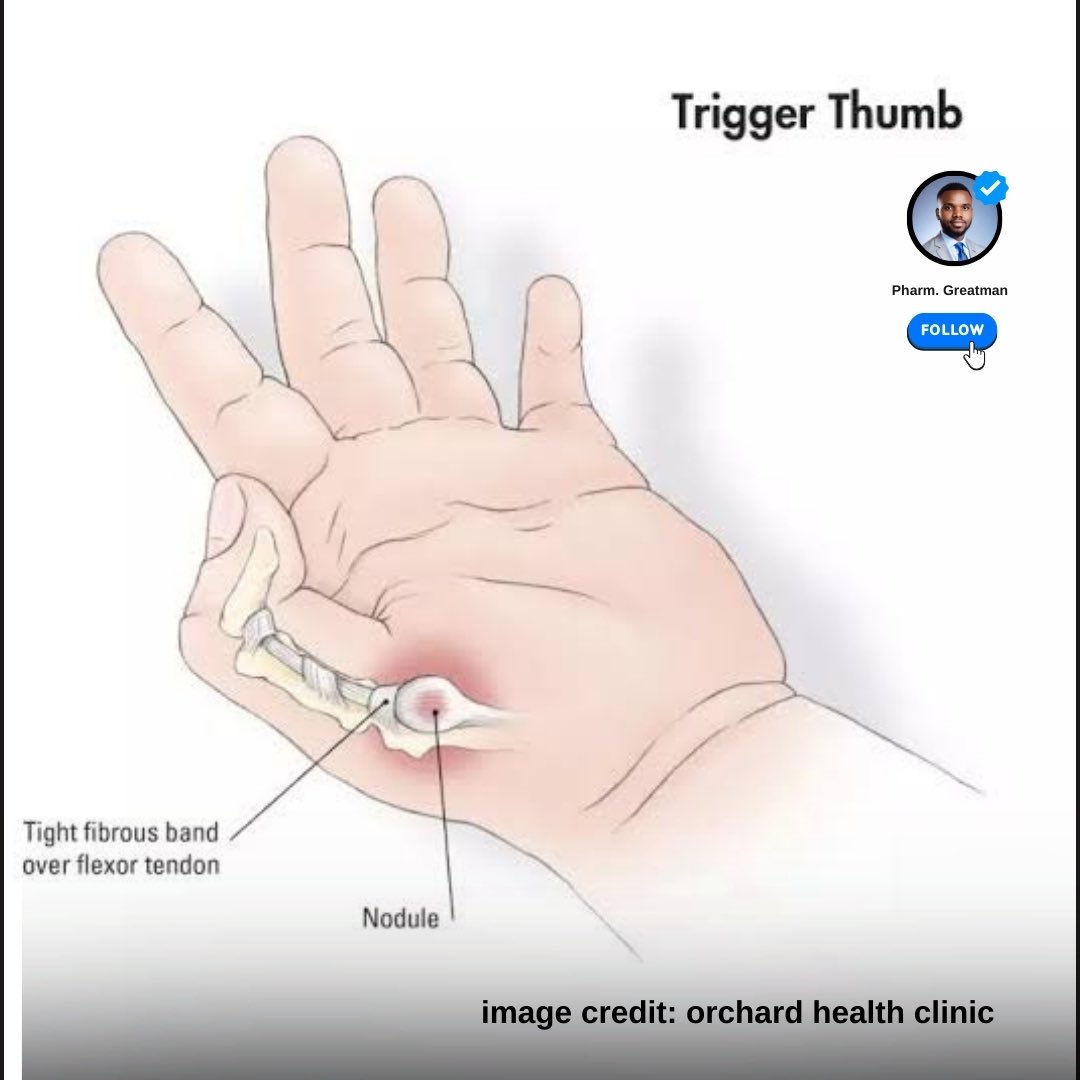
🔑 What is trigger thumb?
This is a condition where your thumb gets stuck in a bent position and then suddenly straightens with a popping or snapping feeling, almost like pulling a trigger.
This happens because the tendon in your thumb, which helps it move, gets inflamed and thickens
As a result, the tendon can’t glide smoothly through its surrounding sheath, leading to the catching sensation🥲
This is a condition where your thumb gets stuck in a bent position and then suddenly straightens with a popping or snapping feeling, almost like pulling a trigger.
This happens because the tendon in your thumb, which helps it move, gets inflamed and thickens
As a result, the tendon can’t glide smoothly through its surrounding sheath, leading to the catching sensation🥲

🔑 Why does this happen?
- If you frequently use your thumb for gripping, pinching, or any activity that involves repeated movements
- Certain medical conditions, such as diabetes and rheumatoid arthritis, make you more prone to developing trigger thumb
- Trigger thumb is more common in people over 40
- Women are more likely to develop it than men
- If you frequently use your thumb for gripping, pinching, or any activity that involves repeated movements
- Certain medical conditions, such as diabetes and rheumatoid arthritis, make you more prone to developing trigger thumb
- Trigger thumb is more common in people over 40
- Women are more likely to develop it than men
🔑 Signs and symptoms
Your thumb may lock or catch when you try to straighten it, sometimes requiring you to use your other hand to help it along
You might feel pain at the base of your thumb,
There could be some swelling in the palm near the base of your thumb
Your thumb might feel stiff, especially in the morning
Your thumb may lock or catch when you try to straighten it, sometimes requiring you to use your other hand to help it along
You might feel pain at the base of your thumb,
There could be some swelling in the palm near the base of your thumb
Your thumb might feel stiff, especially in the morning
🔑 Options for treatment
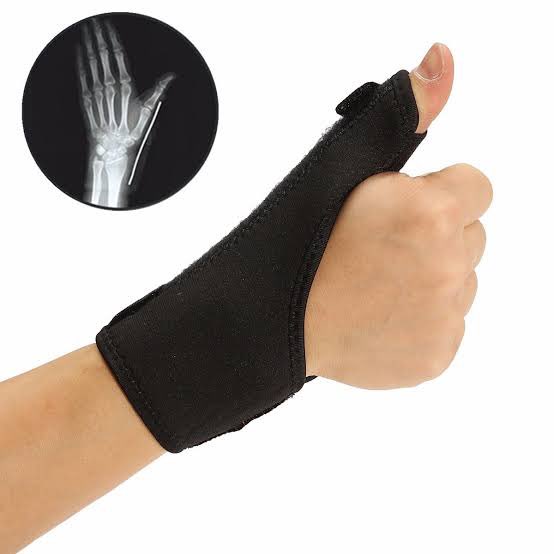
- Taking a break from activities that stress the thumb and using a splint to keep it straight
- medications can help relieve pain and reduce swelling.
- If other treatments don’t work, a minor surgery to release the tendon may be necessary
- Taking a break from activities that stress the thumb and using a splint to keep it straight
- medications can help relieve pain and reduce swelling.
- If other treatments don’t work, a minor surgery to release the tendon may be necessary
🔑 Prevention tips
- If your job or hobby involves a lot of thumb use, try to find ways to reduce repetitive movements.
- Give your hands a rest during activities that involve heavy thumb use to prevent overuse.
- Regular hand exercises can help maintain flexibility and strength in your tendons, reducing the risk of trigger thumb.
- If your job or hobby involves a lot of thumb use, try to find ways to reduce repetitive movements.
- Give your hands a rest during activities that involve heavy thumb use to prevent overuse.
- Regular hand exercises can help maintain flexibility and strength in your tendons, reducing the risk of trigger thumb.
HAND EXERCISES
🎯 Finger Walk:
Place your hand flat on a table. One by one, lift and move each finger, starting from the thumb to the pinky, and then back. Repeat several times
🎯 Thumb stretches:
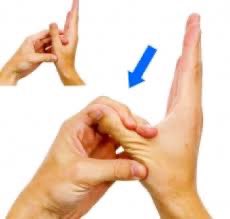
Extend your hand with your palm facing up. Gently pull your thumb back with your other hand until you feel a stretch. Hold for 15-30 seconds, then release.
See Thumb stretch 👇🏾
Image credit: orthopedic associates of Hartford
🎯 Finger Walk:
Place your hand flat on a table. One by one, lift and move each finger, starting from the thumb to the pinky, and then back. Repeat several times
🎯 Thumb stretches:
Extend your hand with your palm facing up. Gently pull your thumb back with your other hand until you feel a stretch. Hold for 15-30 seconds, then release.
See Thumb stretch 👇🏾
Image credit: orthopedic associates of Hartford
Understanding the basics of trigger thumb and how to manage it can make a big difference in your comfort and hand health.
For more educative threads like this follow me @OGreat6
For more educative threads like this follow me @OGreat6
Loading suggestions...