

Unveiling the Layers of Military Might: A Journey Through Uniform Evolution 🧵
Military uniforms aren't just about camouflage and rank; they tell tales of eras, empires, and evolution.
From the ancient warriors of the past to the modern soldiers of today, these uniforms reflect cultural heritage, technological advances, and the shifting tides of history.
This journey begins with the oldest and continues through to the newest, showcasing the iconic attire that has defined armies across the centuries.
Military uniforms aren't just about camouflage and rank; they tell tales of eras, empires, and evolution.
From the ancient warriors of the past to the modern soldiers of today, these uniforms reflect cultural heritage, technological advances, and the shifting tides of history.
This journey begins with the oldest and continues through to the newest, showcasing the iconic attire that has defined armies across the centuries.
1. Greek Hoplite
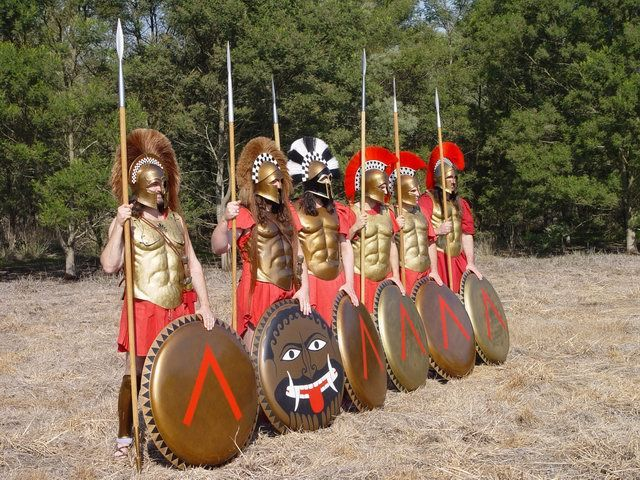
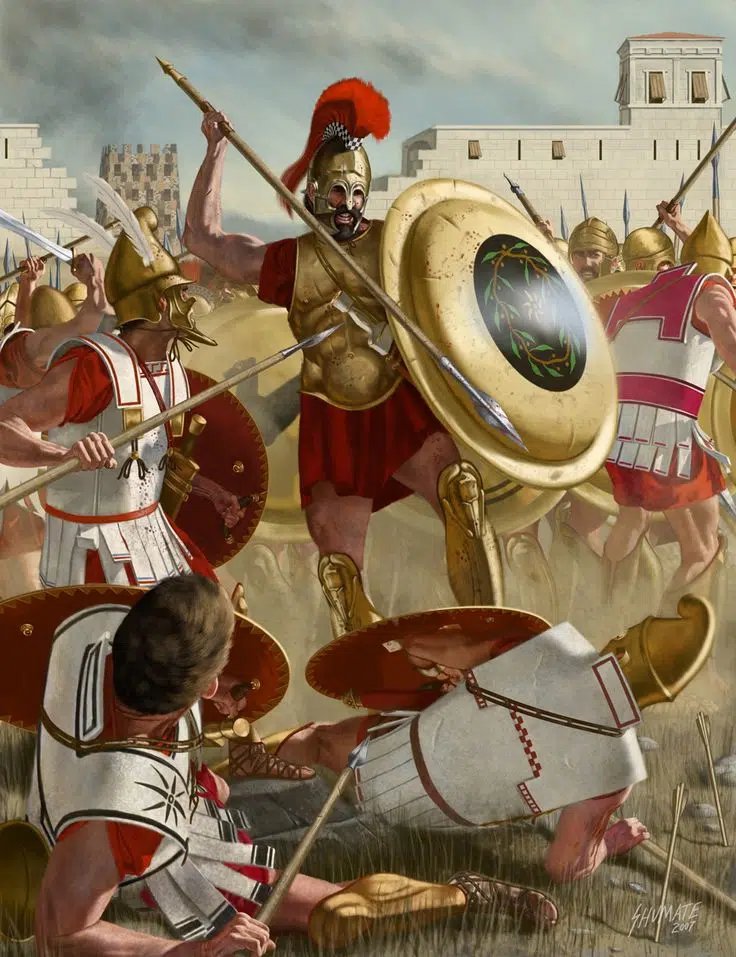
Hoplites wore bronze helmets, breastplates, greaves (shin guards), and carried large round shields called aspis. They were equipped with a spear and a short sword. The iconic Corinthian helmet with its slits for eyes and nose guard is a hallmark of the hoplite's look.
Hoplites wore bronze helmets, breastplates, greaves (shin guards), and carried large round shields called aspis. They were equipped with a spear and a short sword. The iconic Corinthian helmet with its slits for eyes and nose guard is a hallmark of the hoplite's look.
2. Roman Legionary
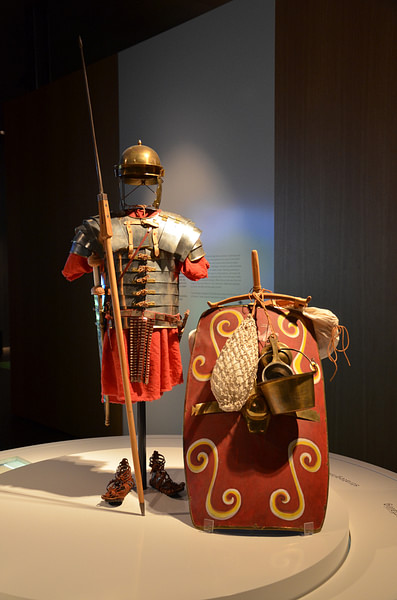
Roman legionaries wore segmented armor (lorica segmentata), a helmet with a neck guard, and a red tunic underneath. They carried a rectangular shield (scutum), a short sword (gladius), and a javelin (pilum). Their helmets often had a crest or plume.
Roman legionaries wore segmented armor (lorica segmentata), a helmet with a neck guard, and a red tunic underneath. They carried a rectangular shield (scutum), a short sword (gladius), and a javelin (pilum). Their helmets often had a crest or plume.

3. Viking Warrior
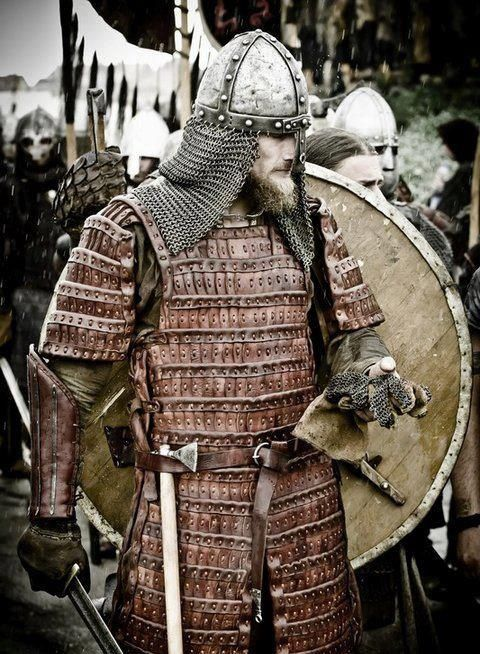
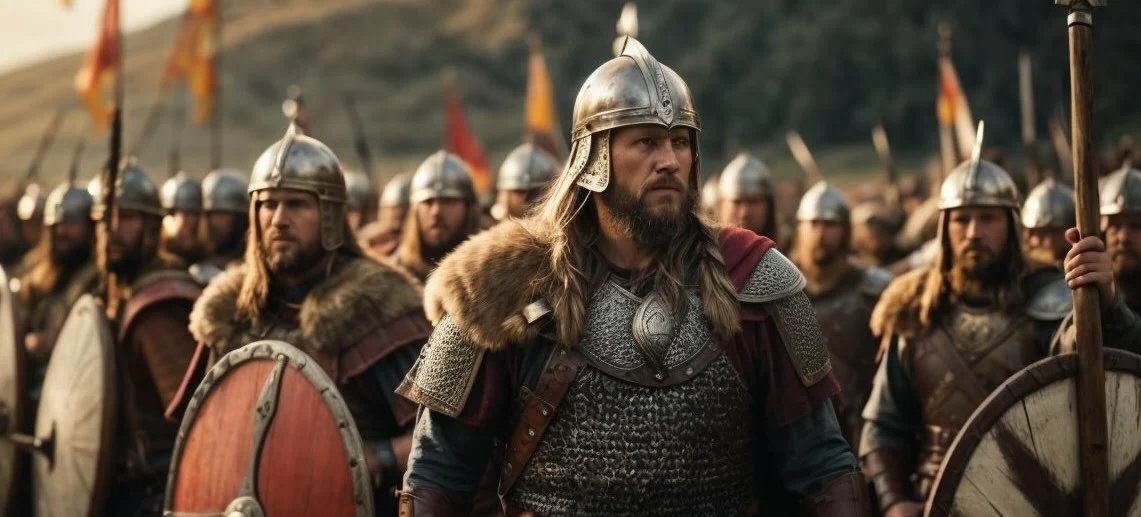
Viking warriors wore chainmail or leather armor, round shields, and iron helmets (often with a nose guard). The helmets did not have horns, contrary to popular belief. They were known for their use of axes, swords, and spears.
Viking warriors wore chainmail or leather armor, round shields, and iron helmets (often with a nose guard). The helmets did not have horns, contrary to popular belief. They were known for their use of axes, swords, and spears.
4. Samurai Armor
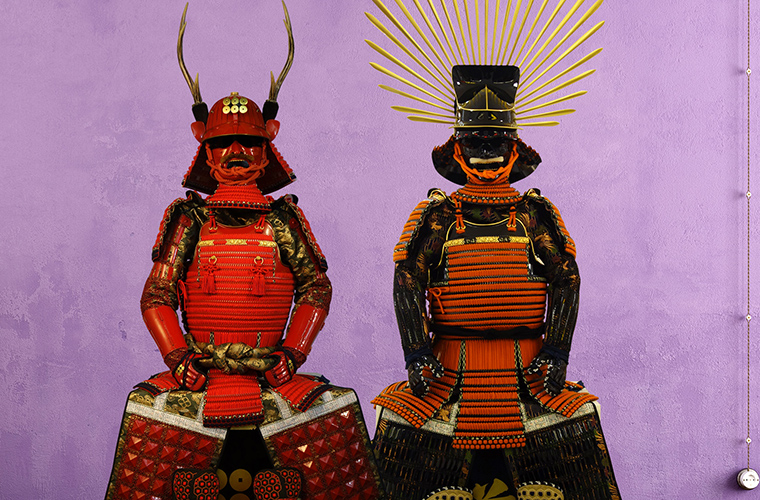
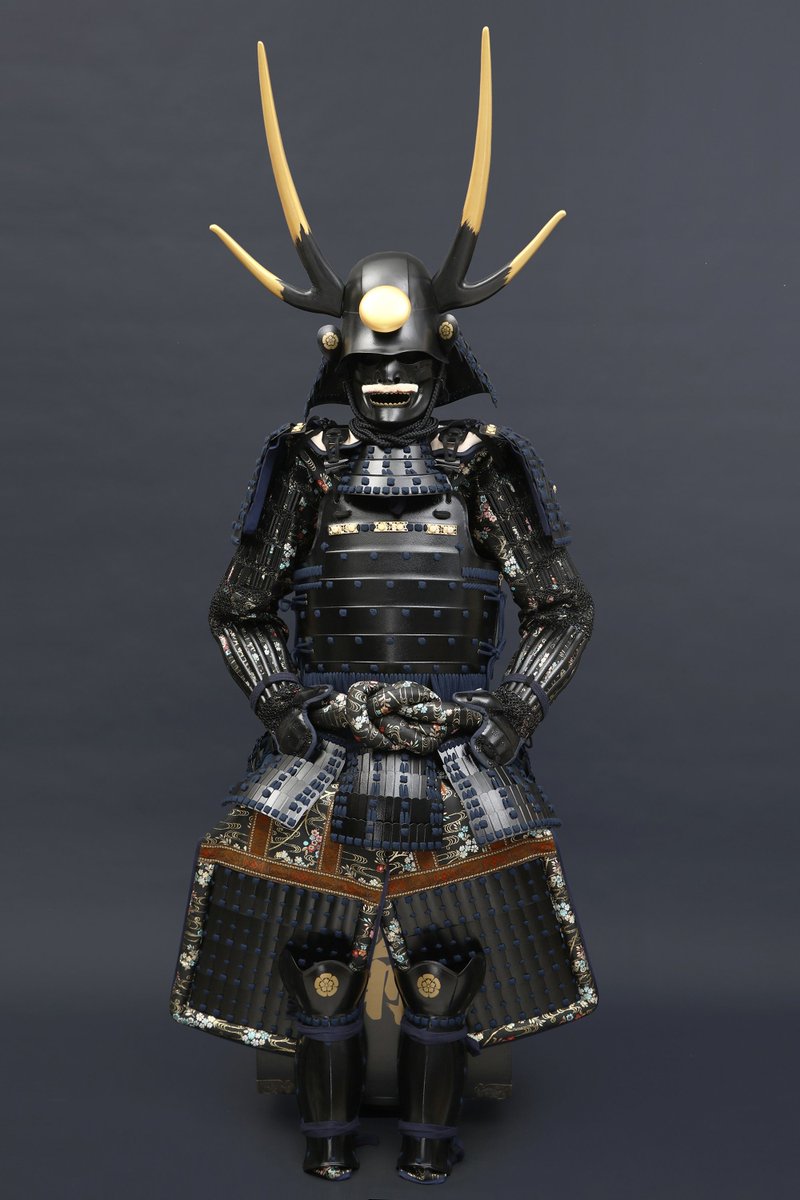
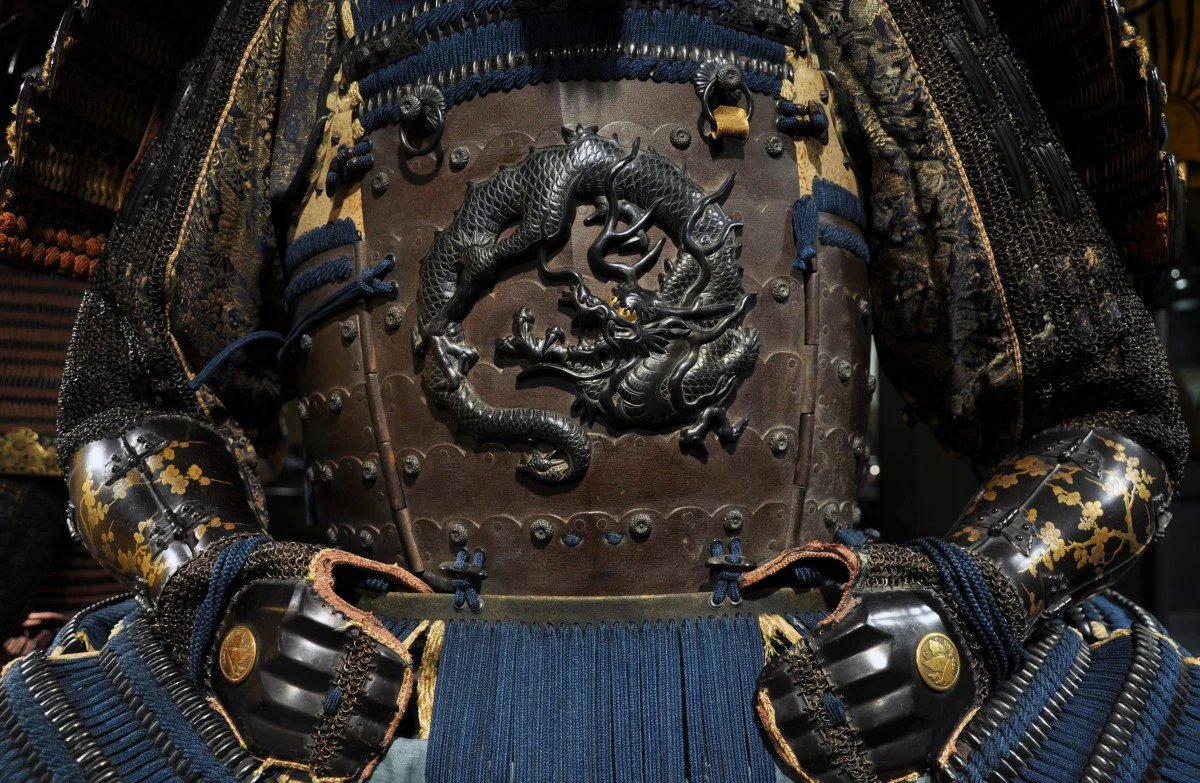
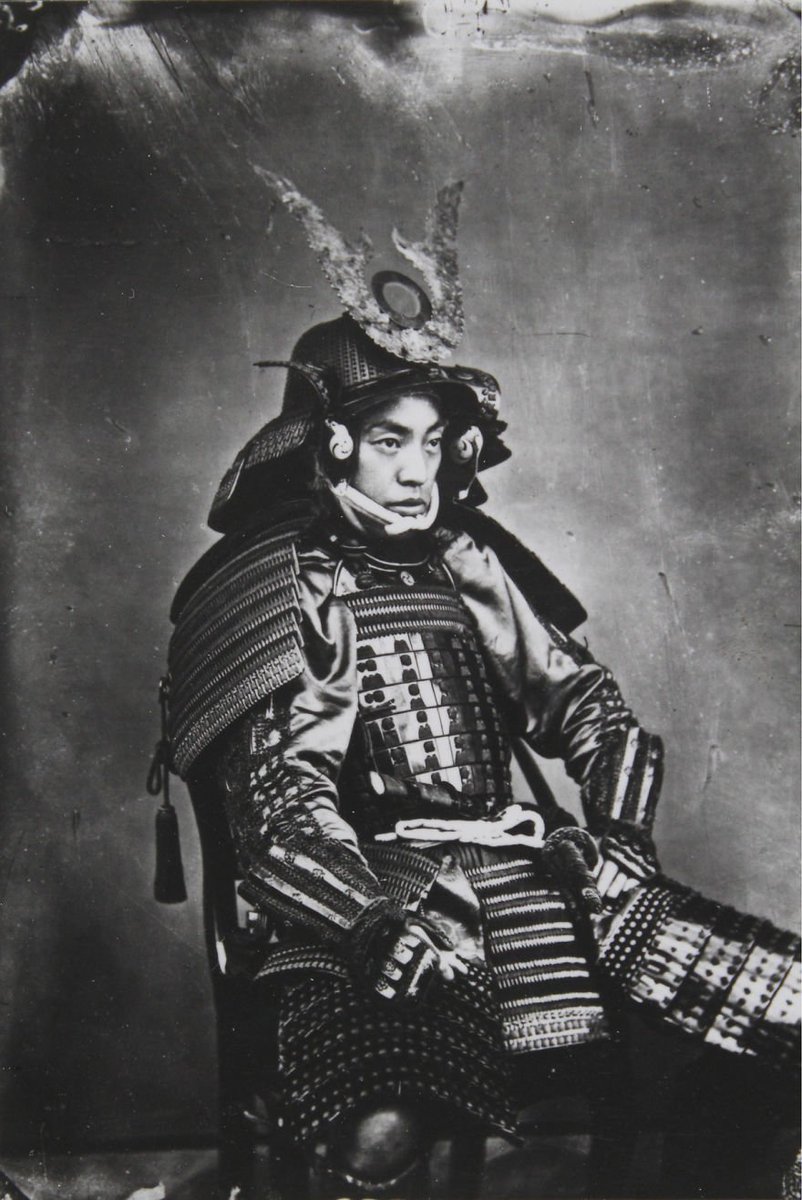
Samurai armor (ō-yoroi) was made of small iron or leather plates bound together with silk or leather cords. It featured a helmet (kabuto) with a crest, and often included a face mask (mengu) to protect the face. The armor was designed to be both protective and flexible.
Samurai armor (ō-yoroi) was made of small iron or leather plates bound together with silk or leather cords. It featured a helmet (kabuto) with a crest, and often included a face mask (mengu) to protect the face. The armor was designed to be both protective and flexible.
5. Mongol Warrior
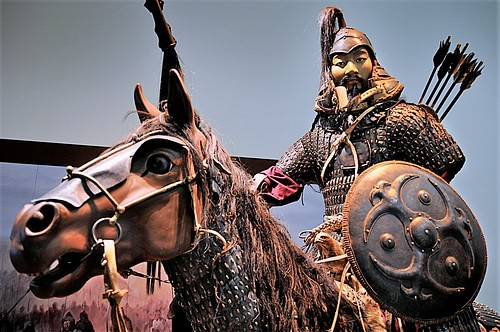
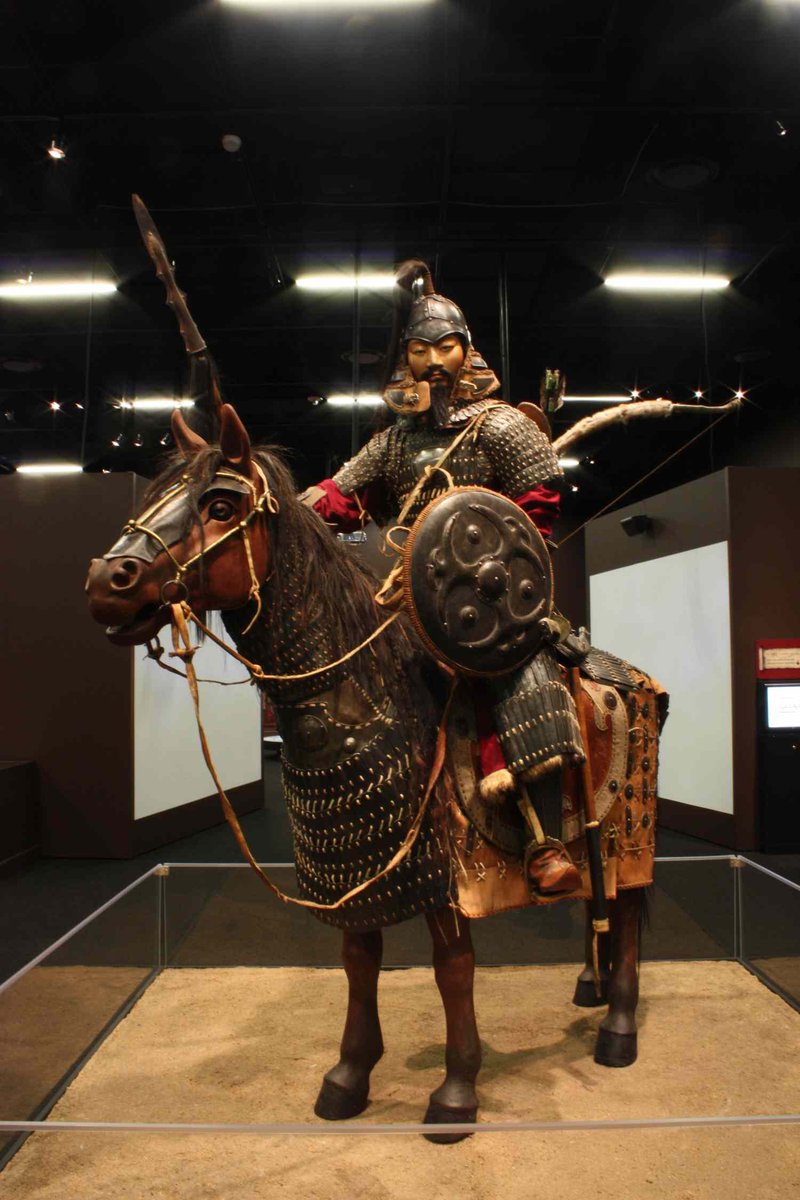
Mongol warriors wore leather or silk robes underneath light armor made from leather and iron. They used conical helmets and carried composite bows, which were their primary weapons, along with swords and lances. Their armor allowed for mobility and endurance during long campaigns.
Mongol warriors wore leather or silk robes underneath light armor made from leather and iron. They used conical helmets and carried composite bows, which were their primary weapons, along with swords and lances. Their armor allowed for mobility and endurance during long campaigns.
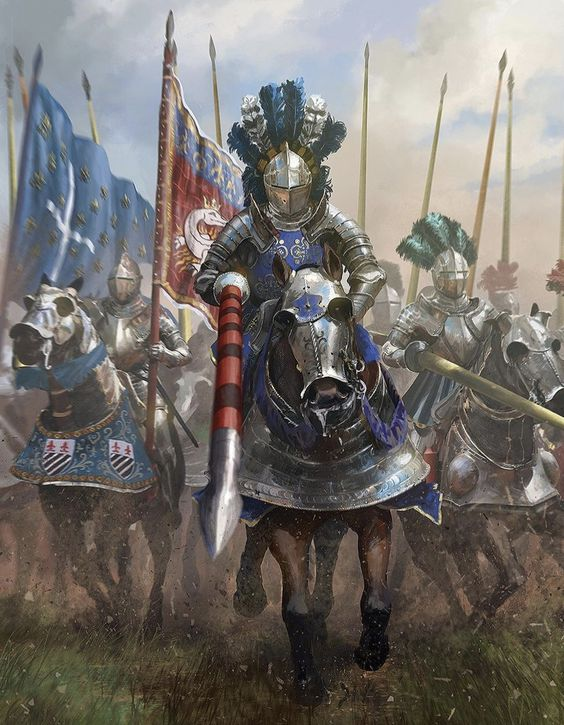
6. Knight's Armor (Medieval Europe)
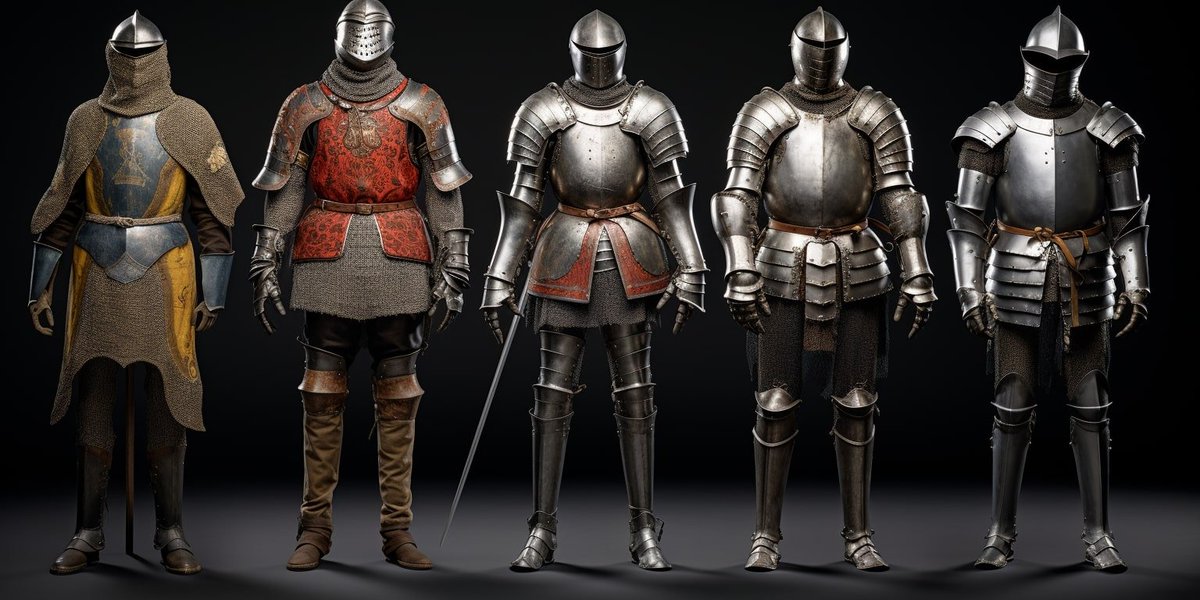
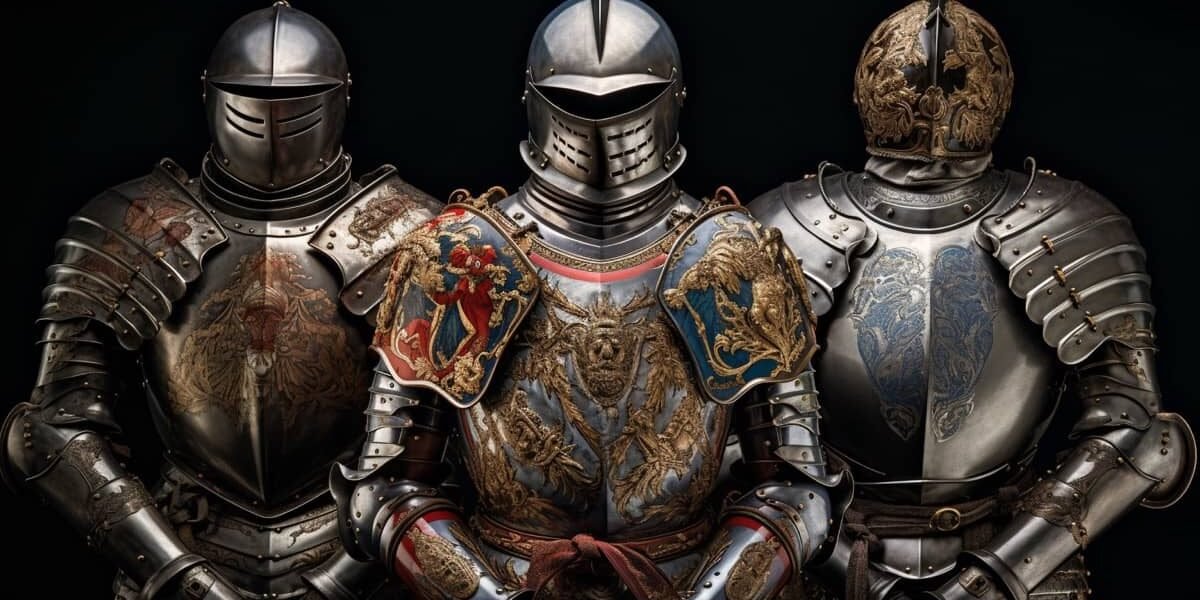
Full plate armor was the hallmark of medieval knights. This included a helmet (such as the great helm or bascinet), breastplate, gauntlets, greaves, and chainmail underneath for added protection. Knights also carried swords, lances, and shields.
Full plate armor was the hallmark of medieval knights. This included a helmet (such as the great helm or bascinet), breastplate, gauntlets, greaves, and chainmail underneath for added protection. Knights also carried swords, lances, and shields.
7. Landsknecht
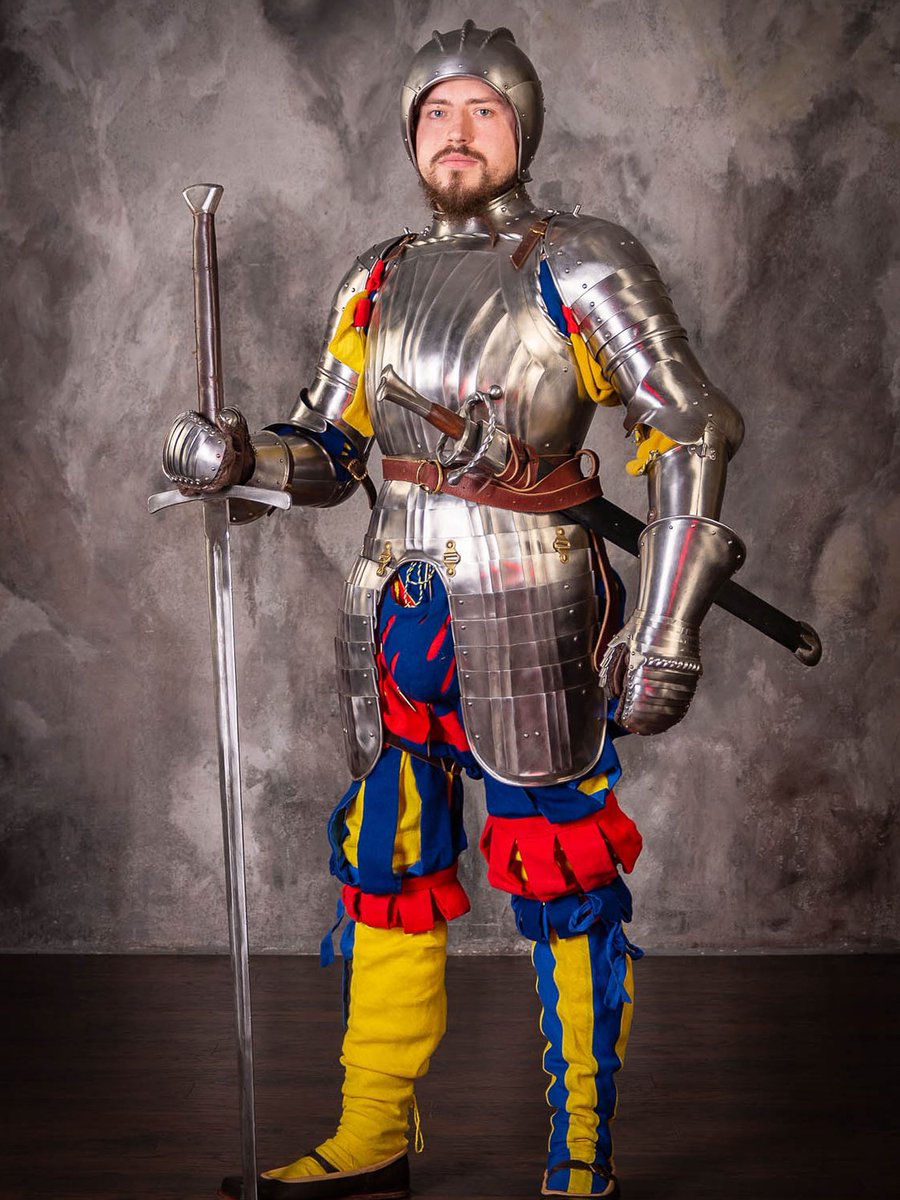
Landsknechts were German mercenary soldiers known for their flamboyant, colorful uniforms featuring slashed sleeves, puffed trousers, and wide-brimmed hats with feathers. They wielded pikes, halberds, and swords, and were often depicted in vivid depictions due to their unique attire.
Landsknechts were German mercenary soldiers known for their flamboyant, colorful uniforms featuring slashed sleeves, puffed trousers, and wide-brimmed hats with feathers. They wielded pikes, halberds, and swords, and were often depicted in vivid depictions due to their unique attire.
8. Spanish Conquistador
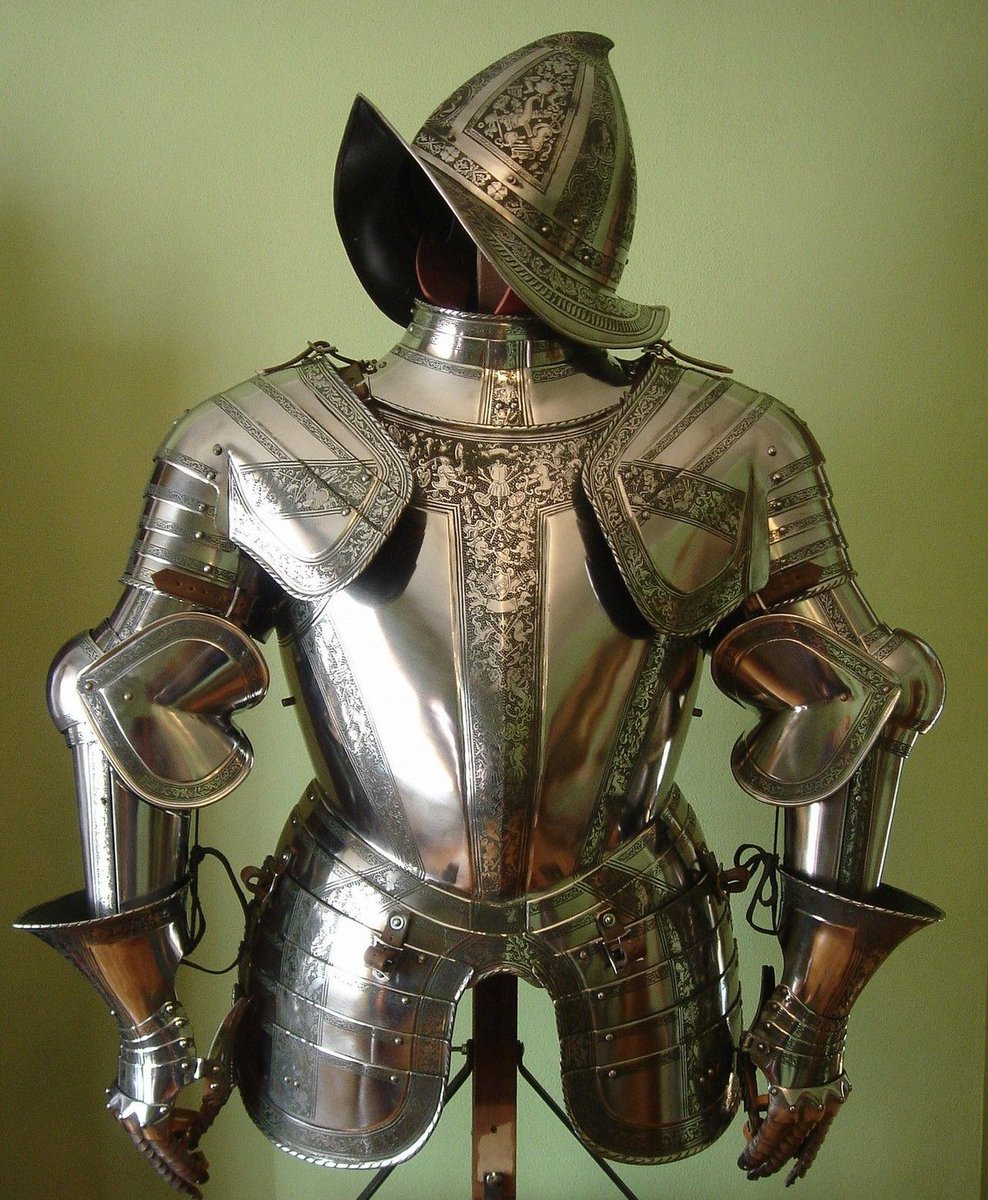
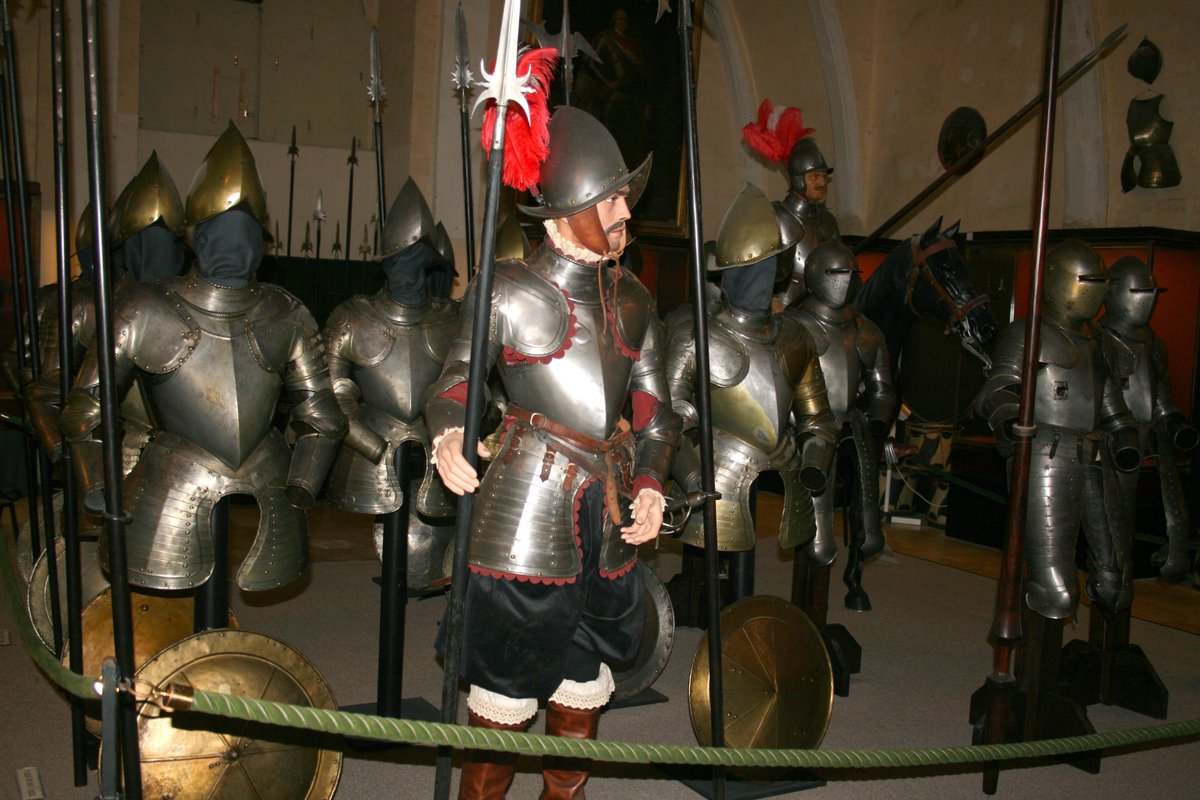
Conquistadors wore armor that combined traditional European styles with adaptations for the New World, such as lighter chainmail and breastplates. They typically wore a morion helmet and carried swords, crossbows, and firearms.
Conquistadors wore armor that combined traditional European styles with adaptations for the New World, such as lighter chainmail and breastplates. They typically wore a morion helmet and carried swords, crossbows, and firearms.
9. Cuirassier (Napoleonic France)
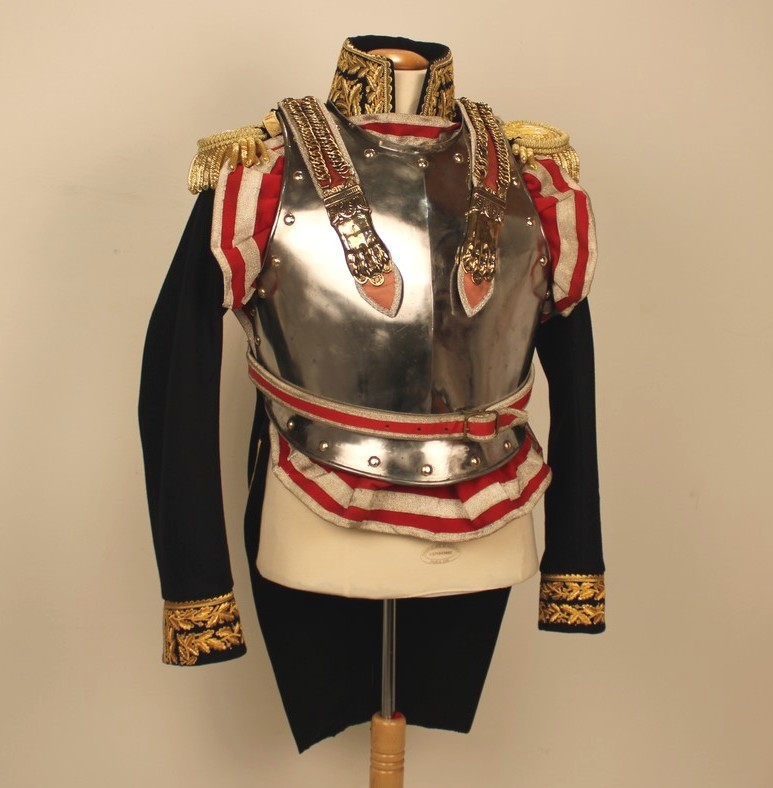
French cuirassiers were heavy cavalrymen who wore a polished steel breastplate (cuirass), brass helmets with a horsehair crest, and carried sabers, pistols, and carbines. Their uniforms were typically blue with white and red accents, matching the Napoleonic color scheme.
French cuirassiers were heavy cavalrymen who wore a polished steel breastplate (cuirass), brass helmets with a horsehair crest, and carried sabers, pistols, and carbines. Their uniforms were typically blue with white and red accents, matching the Napoleonic color scheme.

10. British Redcoat (British Empire)
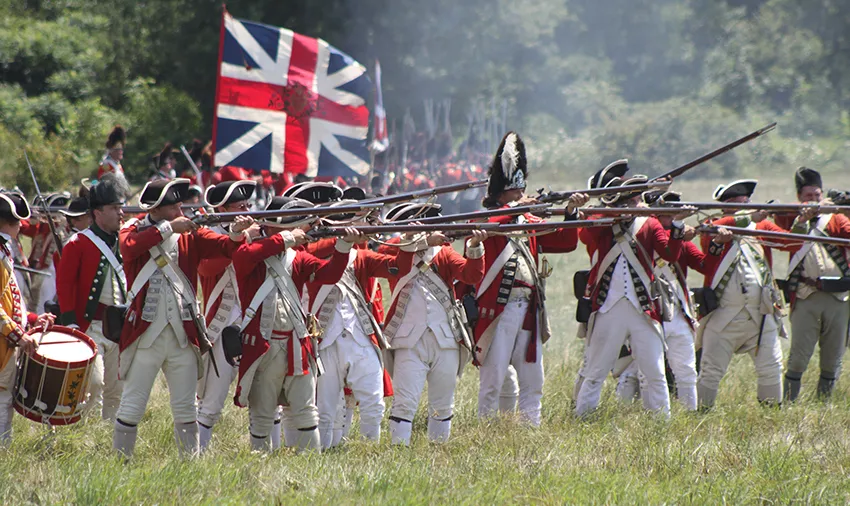
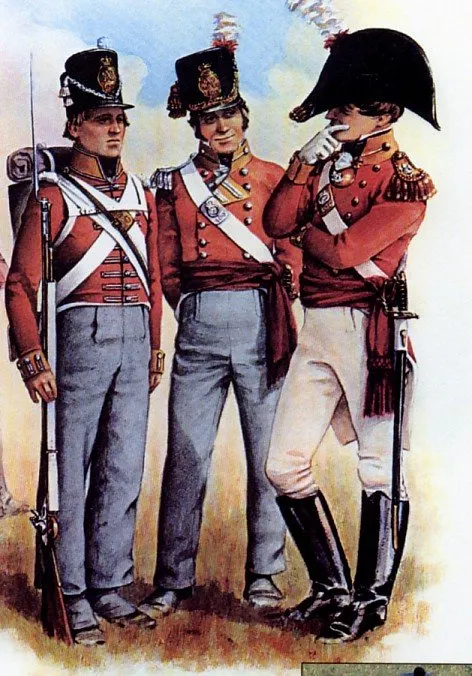
The iconic British Redcoat uniform featured a bright red tunic, white cross-belts, and black tricorn or later bearskin hats. Redcoats were equipped with muskets and bayonets, and their striking appearance made them a recognizable symbol of British colonial power.
The iconic British Redcoat uniform featured a bright red tunic, white cross-belts, and black tricorn or later bearskin hats. Redcoats were equipped with muskets and bayonets, and their striking appearance made them a recognizable symbol of British colonial power.
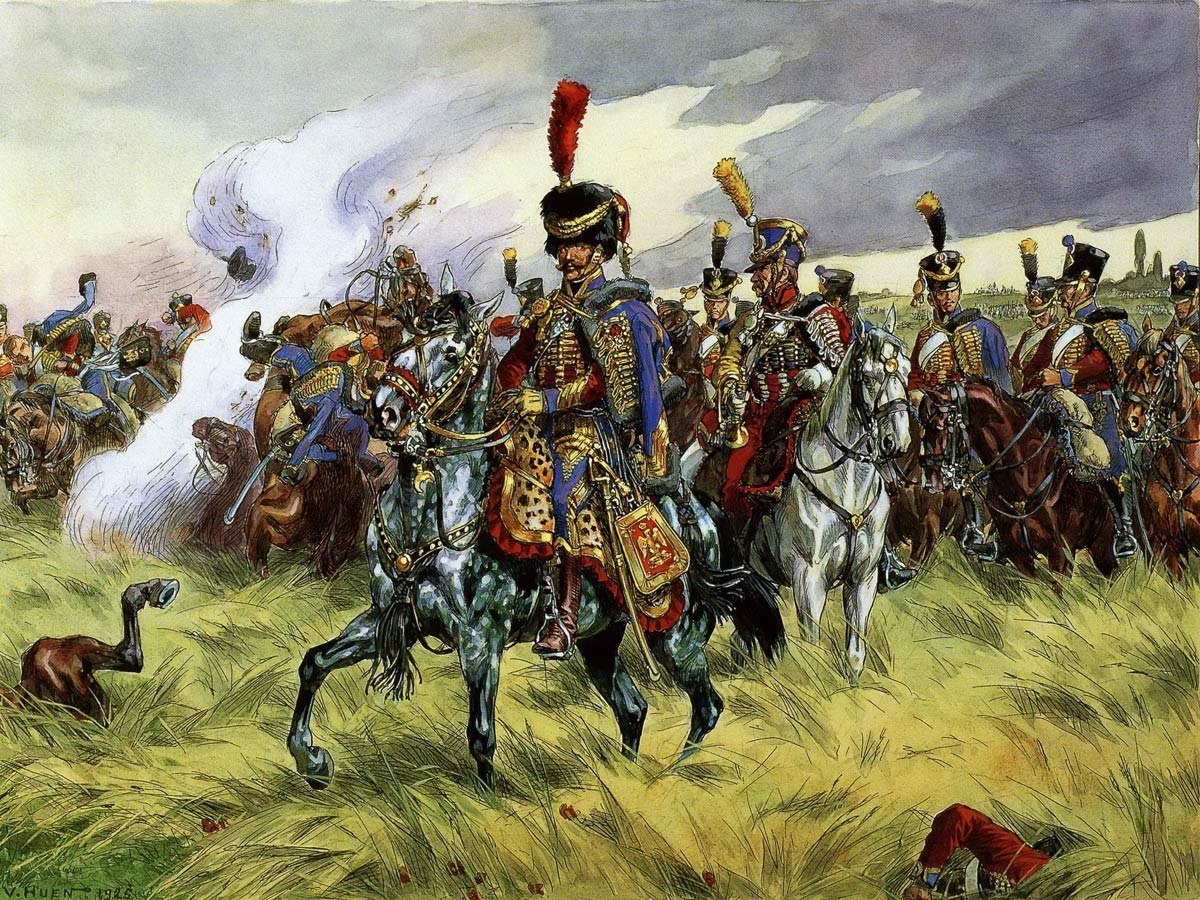
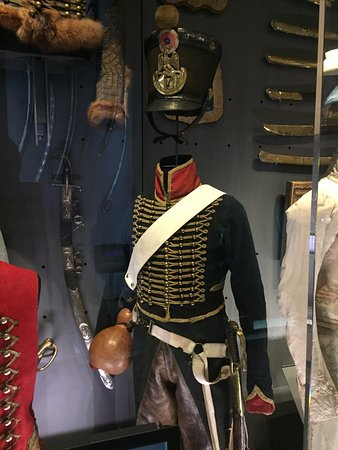
11. Napoleonic Hussar (French Empire)
French Hussars wore colorful, highly decorated uniforms featuring a braided dolman jacket, fur-lined pelisse worn over the shoulder, and tight breeches. They often wore tall, feathered shakos (hats) or busbies and carried sabers and pistols.
French Hussars wore colorful, highly decorated uniforms featuring a braided dolman jacket, fur-lined pelisse worn over the shoulder, and tight breeches. They often wore tall, feathered shakos (hats) or busbies and carried sabers and pistols.
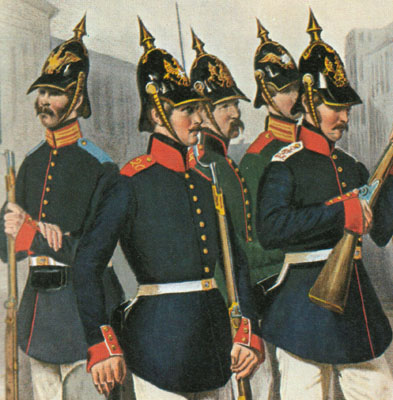
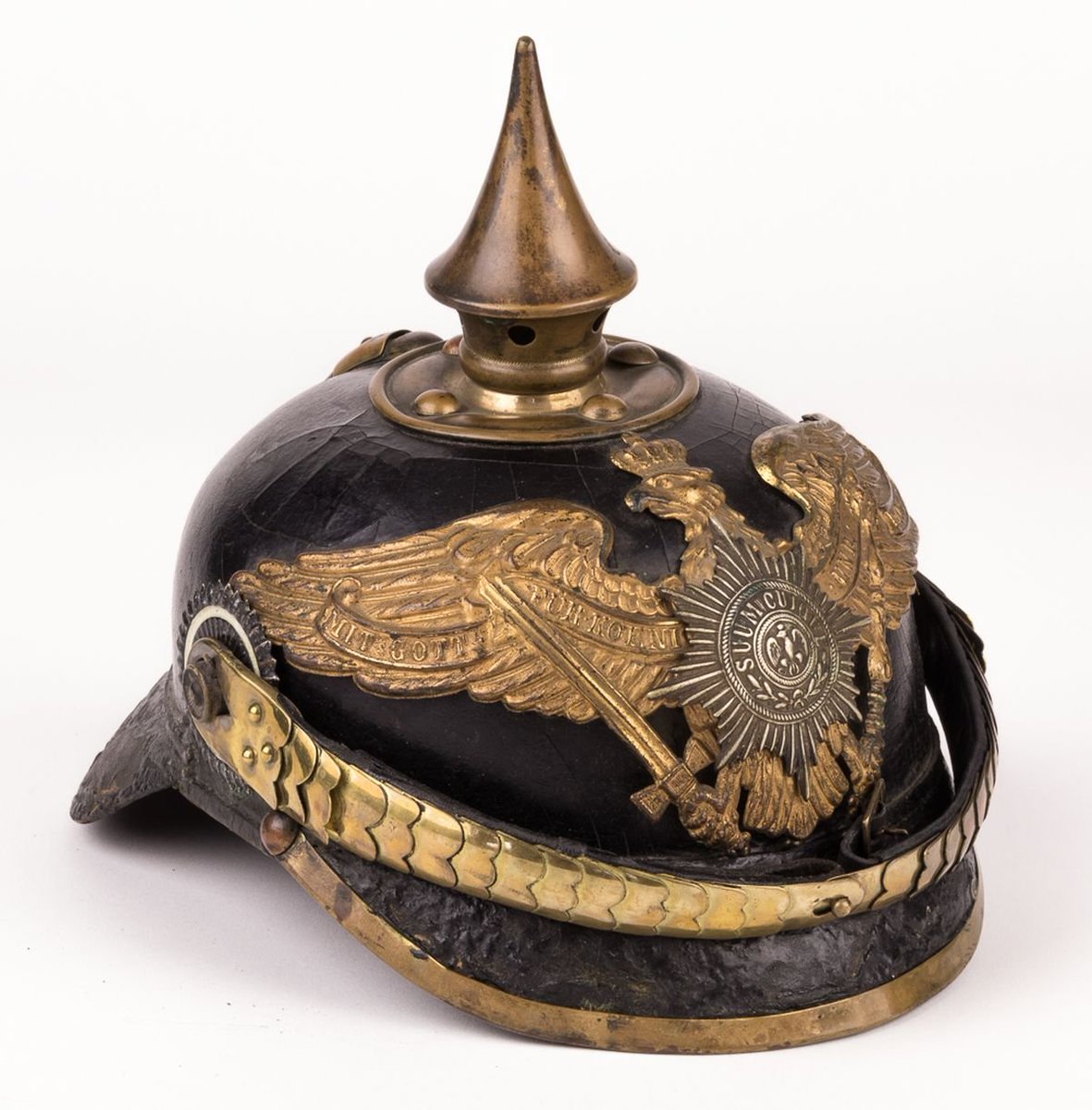
12. Prussian Pickelhaube (German Empire)
The Prussian Pickelhaube was a spiked helmet made of leather or metal, often worn with blue or black tunics with red and white piping. It became a symbol of the German Empire's military power and was part of the iconic Prussian and later German Army uniform.
The Prussian Pickelhaube was a spiked helmet made of leather or metal, often worn with blue or black tunics with red and white piping. It became a symbol of the German Empire's military power and was part of the iconic Prussian and later German Army uniform.
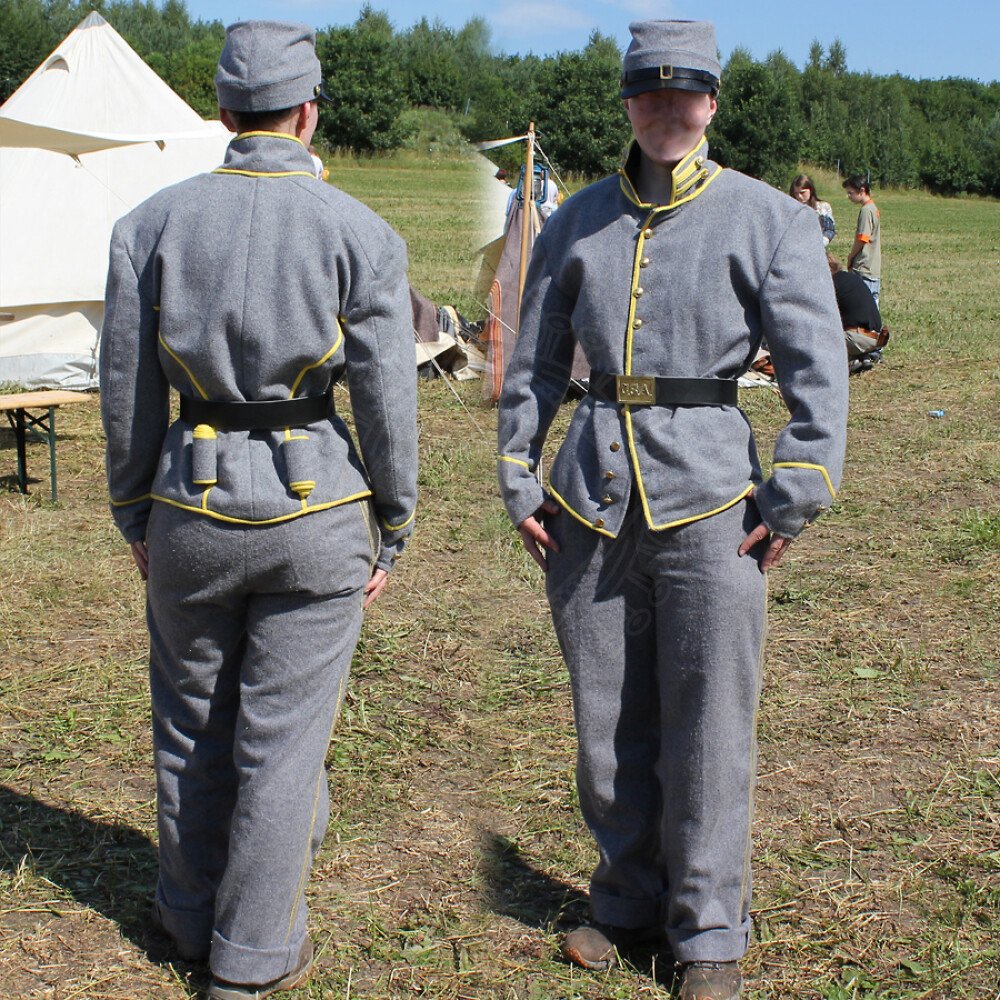
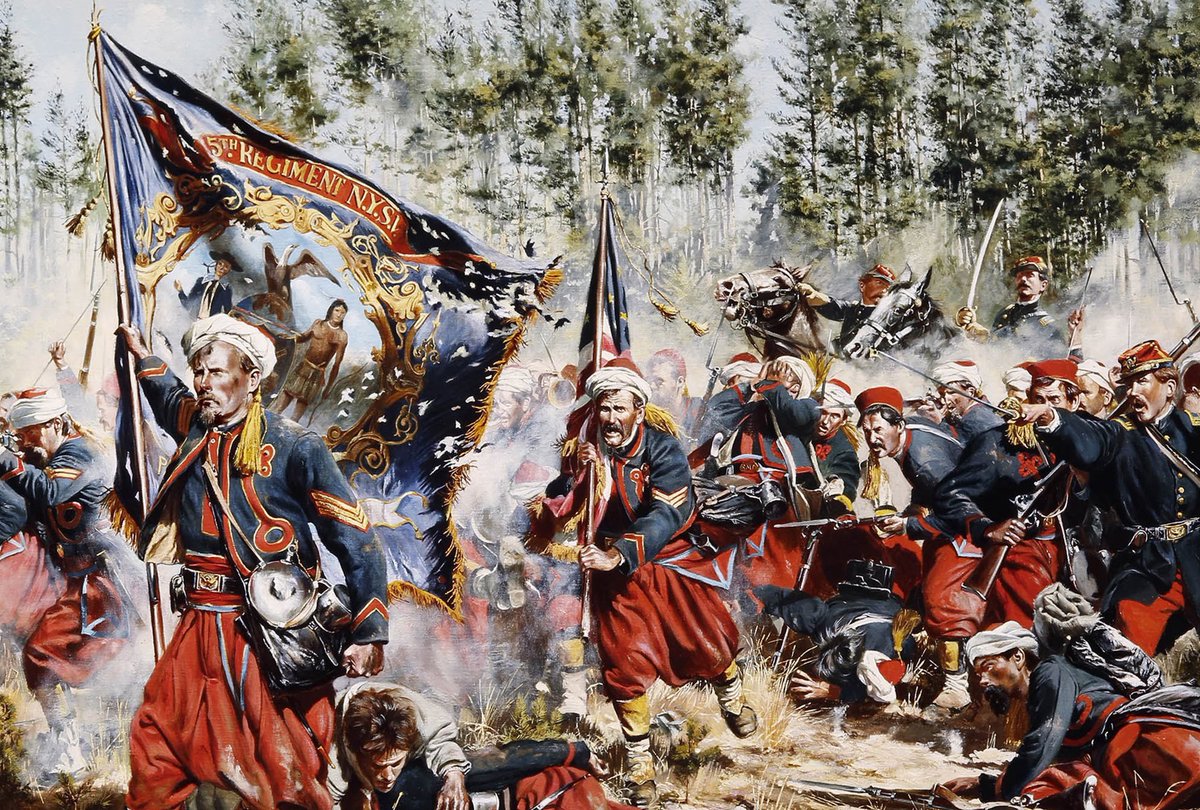
13. Confederate and Union Zouaves (American Civil War)
Inspired by French colonial troops, Zouave units in both the Union and Confederate armies wore brightly colored uniforms with baggy red trousers, blue or gray jackets with braiding, and fezzes or turbans. They were known for their distinctive style and daring in battle.
Inspired by French colonial troops, Zouave units in both the Union and Confederate armies wore brightly colored uniforms with baggy red trousers, blue or gray jackets with braiding, and fezzes or turbans. They were known for their distinctive style and daring in battle.
14. German (World War I and II)
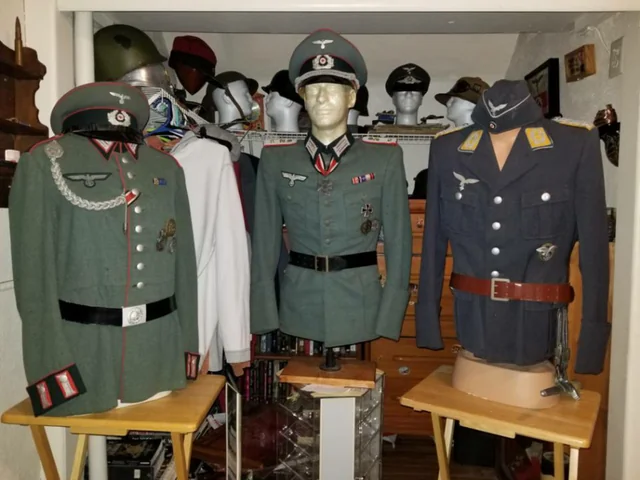
German soldiers in both World Wars were known for their iconic field-gray (feldgrau) uniforms and the distinctive Stahlhelm helmet. World War I introduced the steel helmet for better protection, while World War II saw the addition of insignia and camouflage patterns. The uniforms emphasized functionality, with tunics featuring multiple pockets and rank insignia, projecting a disciplined and formidable image.
German soldiers in both World Wars were known for their iconic field-gray (feldgrau) uniforms and the distinctive Stahlhelm helmet. World War I introduced the steel helmet for better protection, while World War II saw the addition of insignia and camouflage patterns. The uniforms emphasized functionality, with tunics featuring multiple pockets and rank insignia, projecting a disciplined and formidable image.

15. Soviet Red Army Uniform
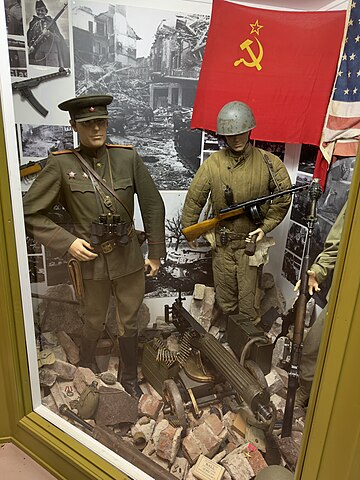
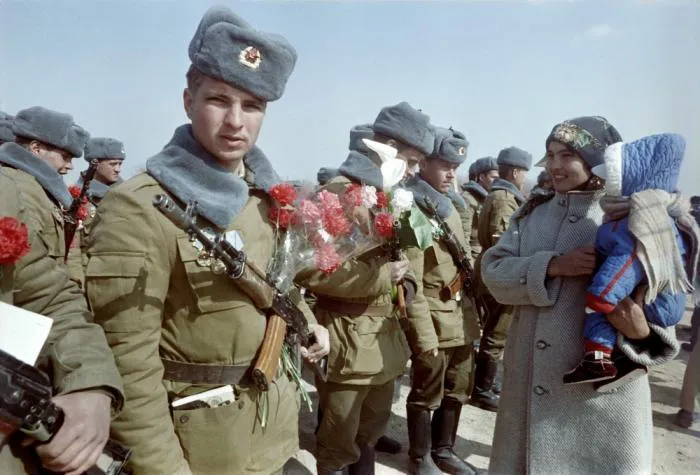
The Soviet Red Army uniform typically featured a khaki or olive-green tunic, trousers, and the iconic pilotka cap with a red star. Officers wore a sidecap or peaked cap, and in winter, soldiers wore greatcoats and ushanka hats with ear flaps.
The Soviet Red Army uniform typically featured a khaki or olive-green tunic, trousers, and the iconic pilotka cap with a red star. Officers wore a sidecap or peaked cap, and in winter, soldiers wore greatcoats and ushanka hats with ear flaps.
16. United States Marine Corps Dress Blues
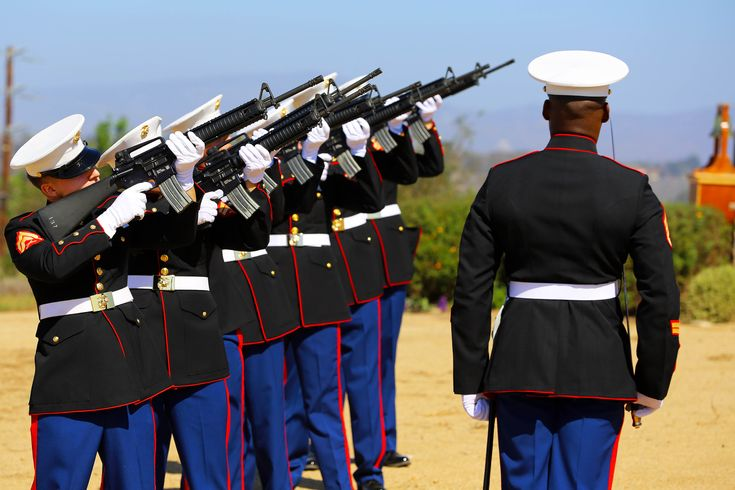
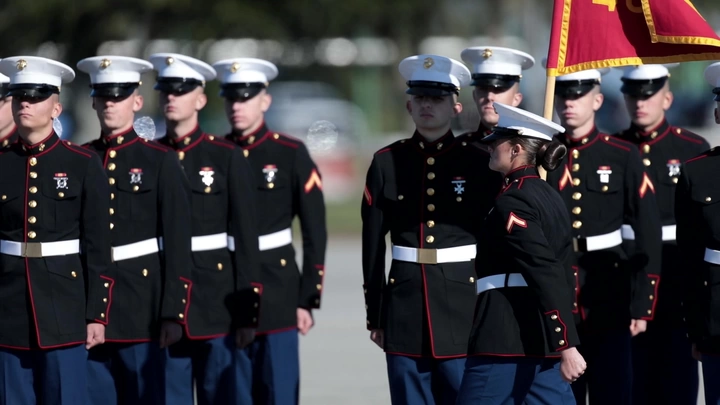
The US Marine Corps Dress Blues are one of the most iconic modern military uniforms. They feature a dark blue tunic with red piping, white belt, and a white peaked cap. The uniform is worn with trousers that are blue with a red stripe, symbolizing the Corps' valor and tradition.
The US Marine Corps Dress Blues are one of the most iconic modern military uniforms. They feature a dark blue tunic with red piping, white belt, and a white peaked cap. The uniform is worn with trousers that are blue with a red stripe, symbolizing the Corps' valor and tradition.
If you want to share some i missed feel, free to do it in the comments!
Loading suggestions...