

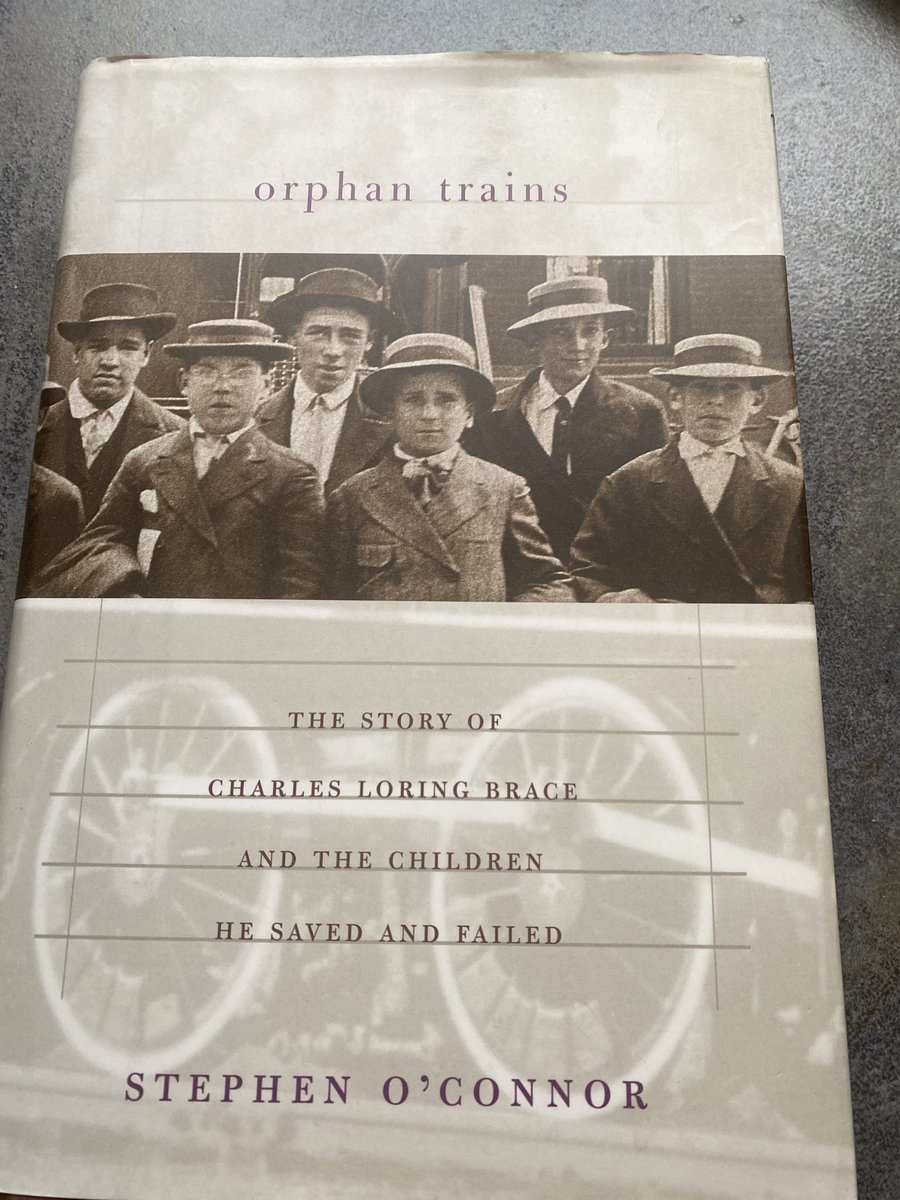
To put the Orphan Train story into perspective-
-
250,000 children were relocated over a 70 YEAR period, the peak year was 4000 relocations, during a massive influx of immigrants, with poor living conditions, and no child labor protection. Rampant cholera, TB, and syphilis.
-
Parents of the era often placed children in orphanages, and asylums, almshouses, prisons, or with anyone who would take them, until they could afford to get them back, which was rare. Children were disposable, often completely overlooked, and often trafficked.
-
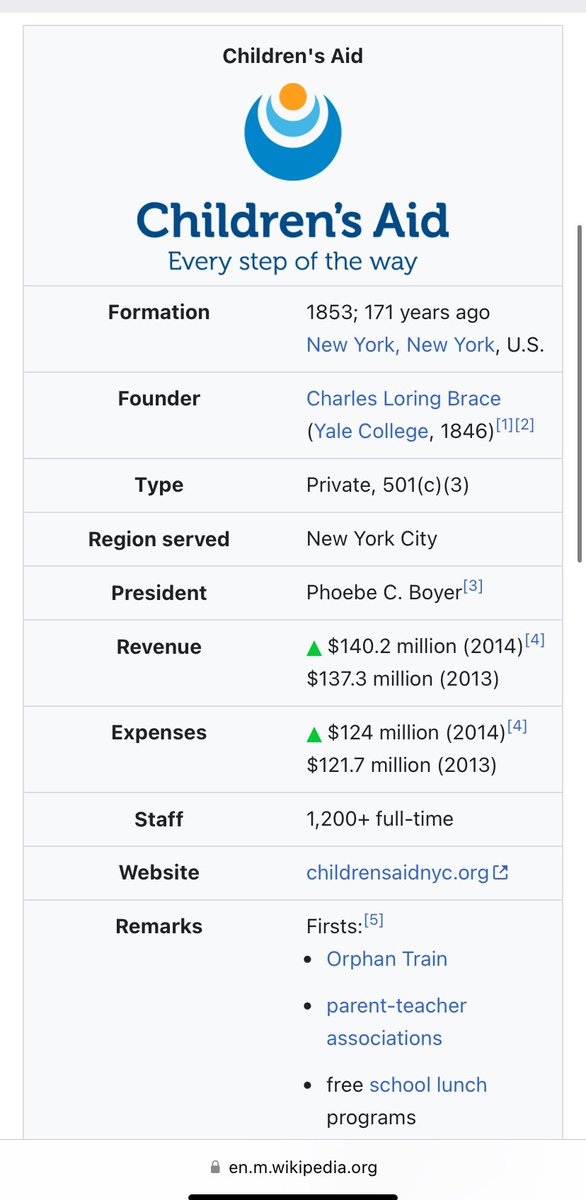
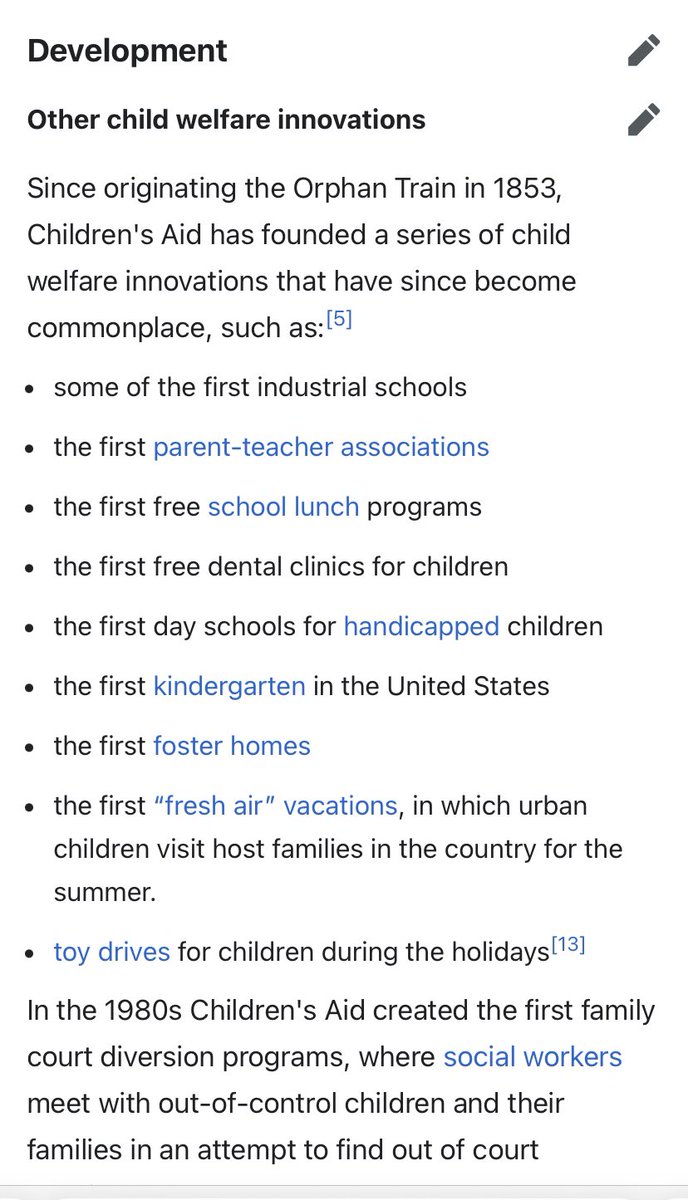
Consider that this Orphan Train endeavor, initiated by the NYC Children’s Aid Society, which still exists, was the equivalent of foster care of today.
Poorly run, there were many failures, & horror stories, but also cases of great success
-
There are approximately 500,000 children in foster care around the country today. Many hoping to one day be reunited with family, but often never happening.
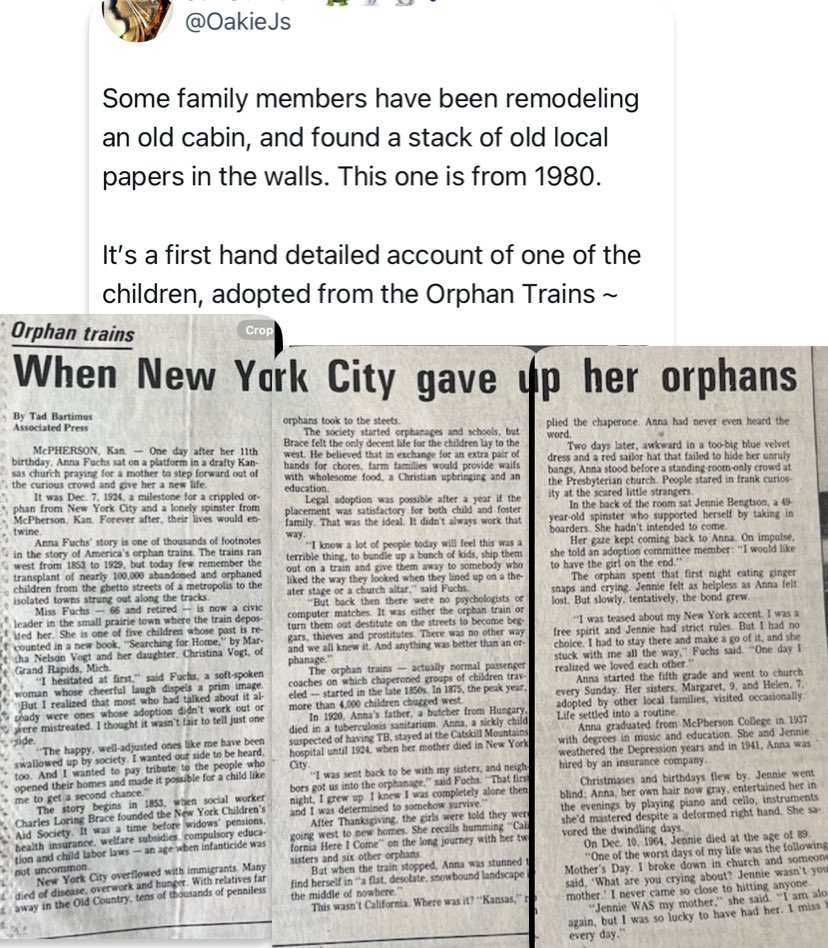
This was the same with the ‘orphans’ of the trains, many were not actual orphans, but children sent into the primitive beginnings of the foster care movement.
-
250,000 children were relocated over a 70 YEAR period, the peak year was 4000 relocations, during a massive influx of immigrants, with poor living conditions, and no child labor protection. Rampant cholera, TB, and syphilis.
-
Parents of the era often placed children in orphanages, and asylums, almshouses, prisons, or with anyone who would take them, until they could afford to get them back, which was rare. Children were disposable, often completely overlooked, and often trafficked.
-
Consider that this Orphan Train endeavor, initiated by the NYC Children’s Aid Society, which still exists, was the equivalent of foster care of today.
Poorly run, there were many failures, & horror stories, but also cases of great success
-
There are approximately 500,000 children in foster care around the country today. Many hoping to one day be reunited with family, but often never happening.
This was the same with the ‘orphans’ of the trains, many were not actual orphans, but children sent into the primitive beginnings of the foster care movement.
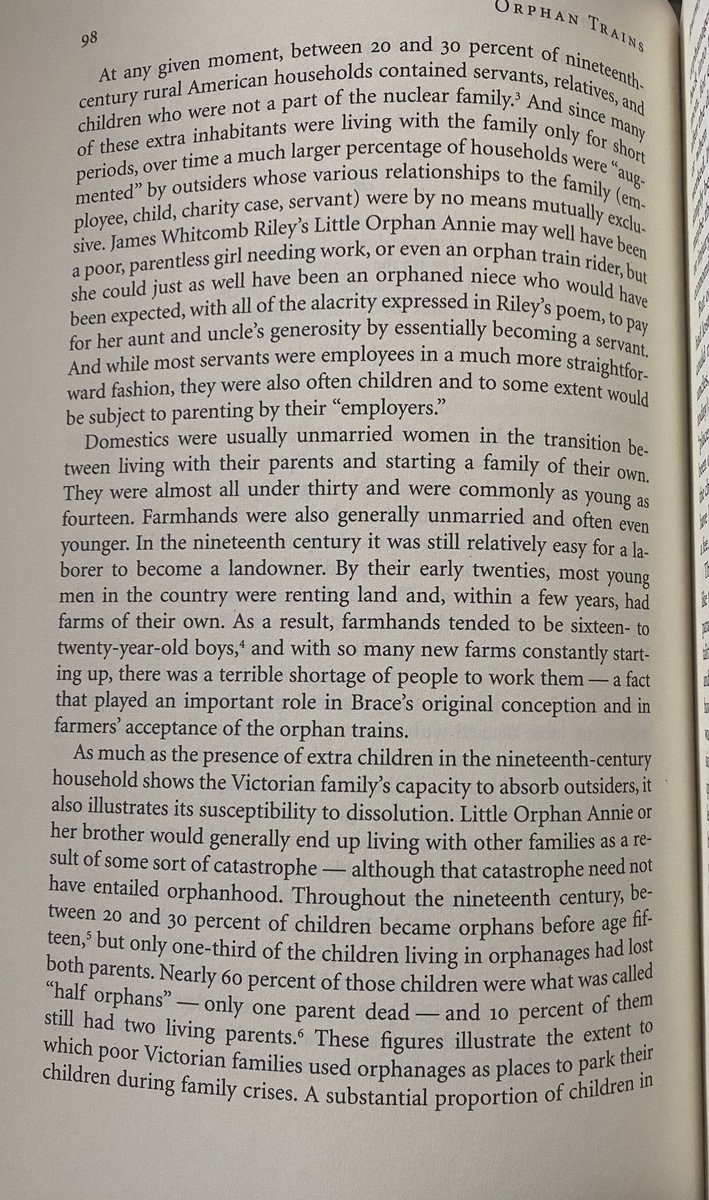
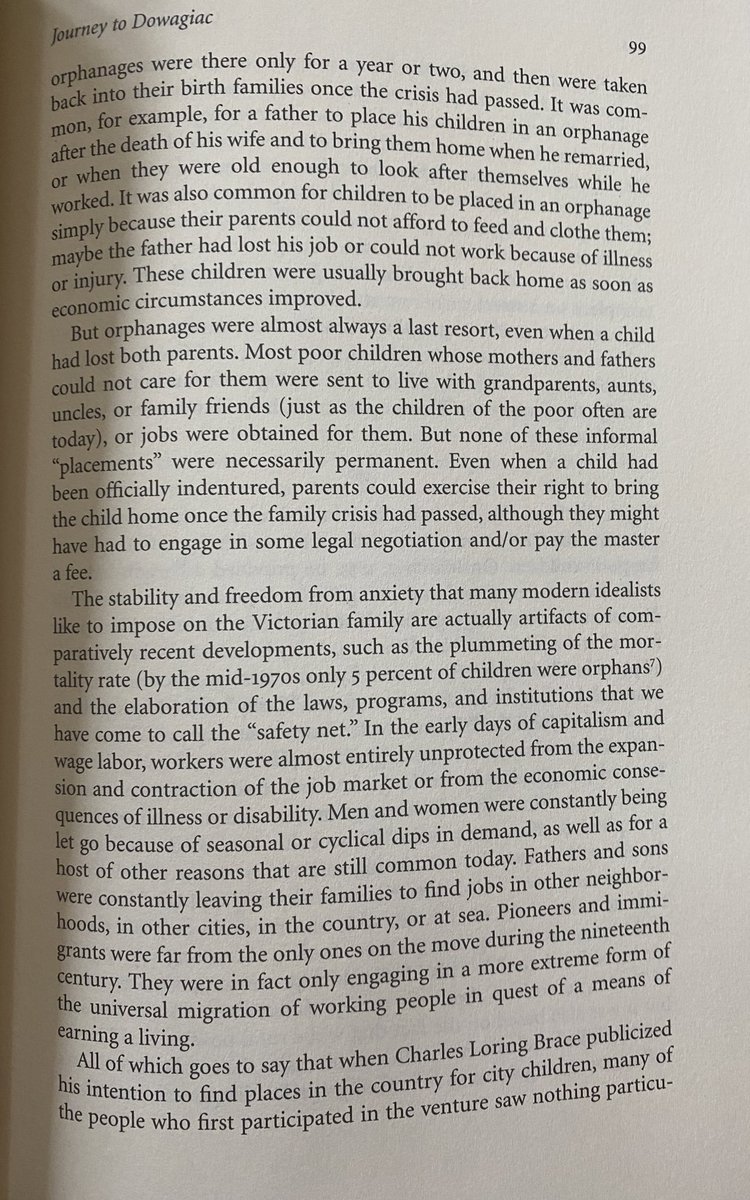
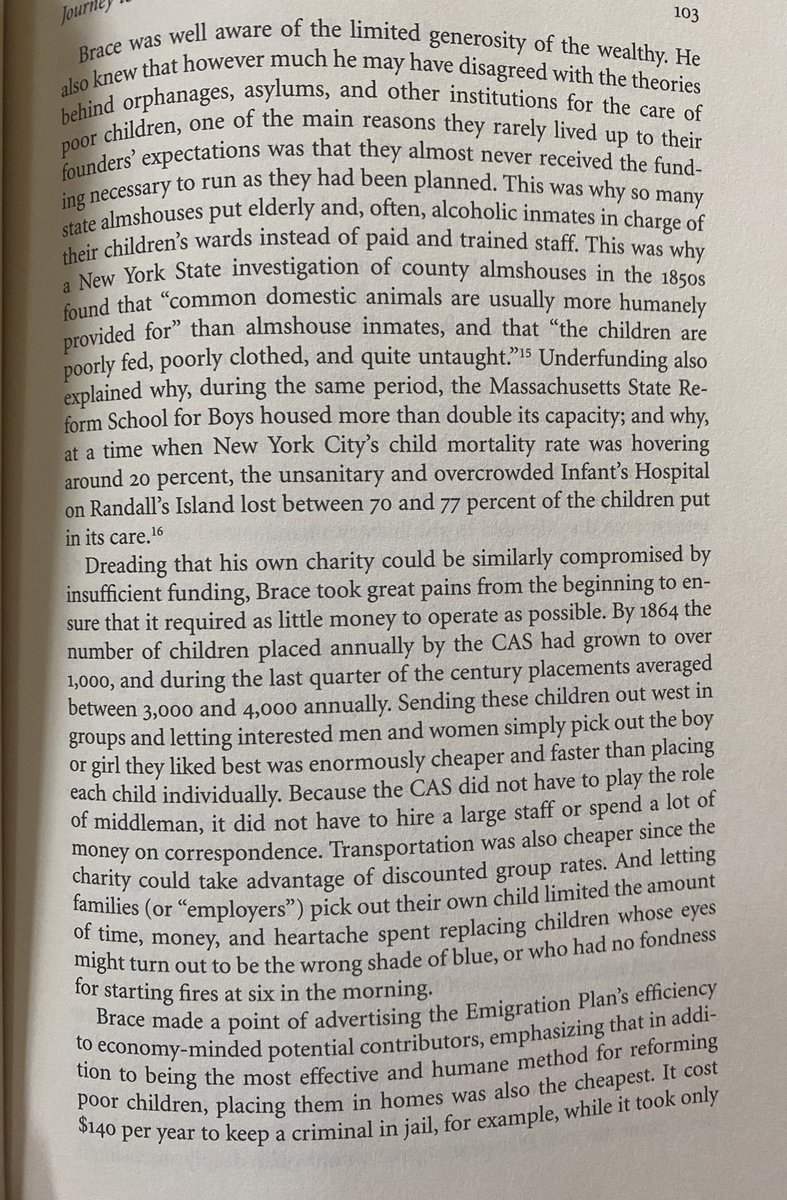
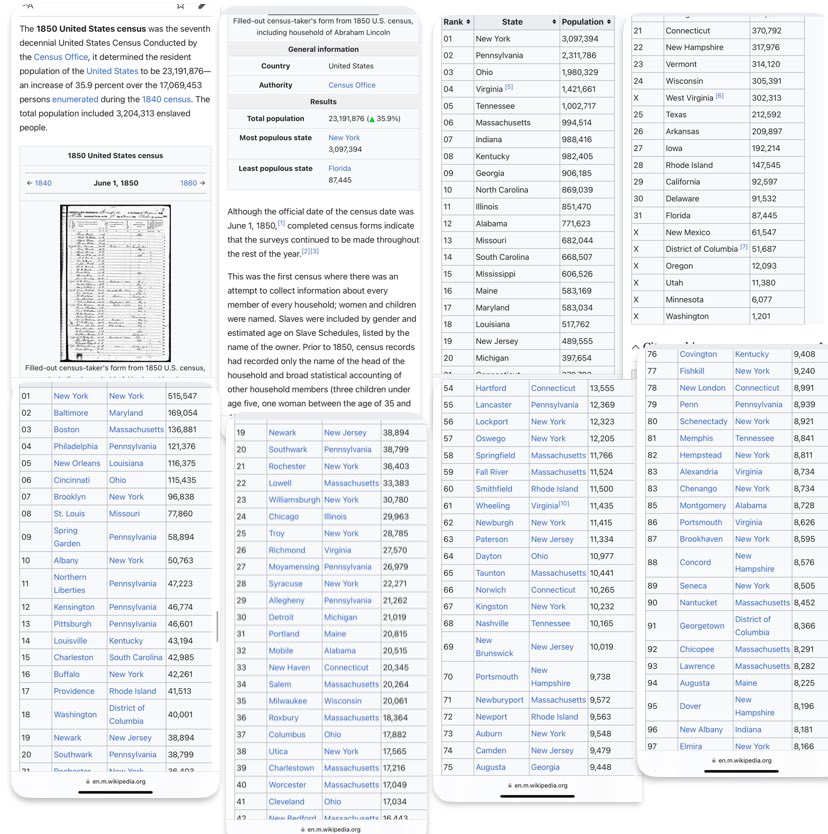
New York state, the international gateway for the world to enter the country, didn’t have the ability to deal with the enormous influx of immigrants, and the unchecked growth of the population. It made sense for them to think that redistribution would solve the problems, even though in reality, it was only a drop in the bucket.
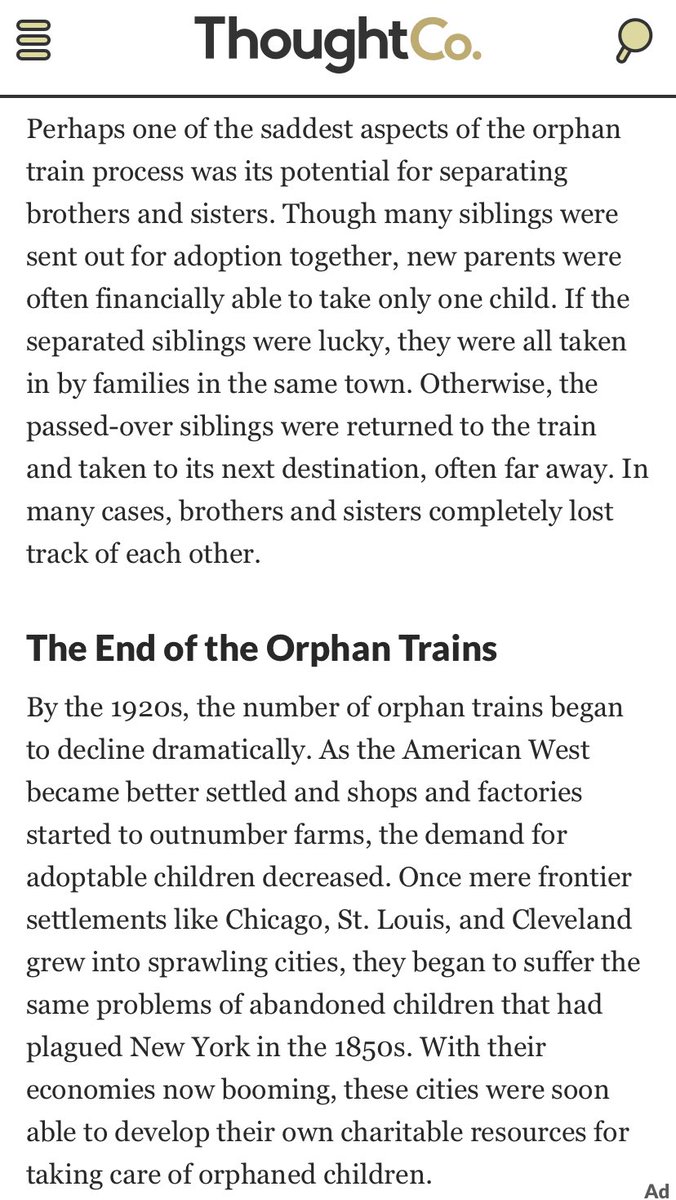
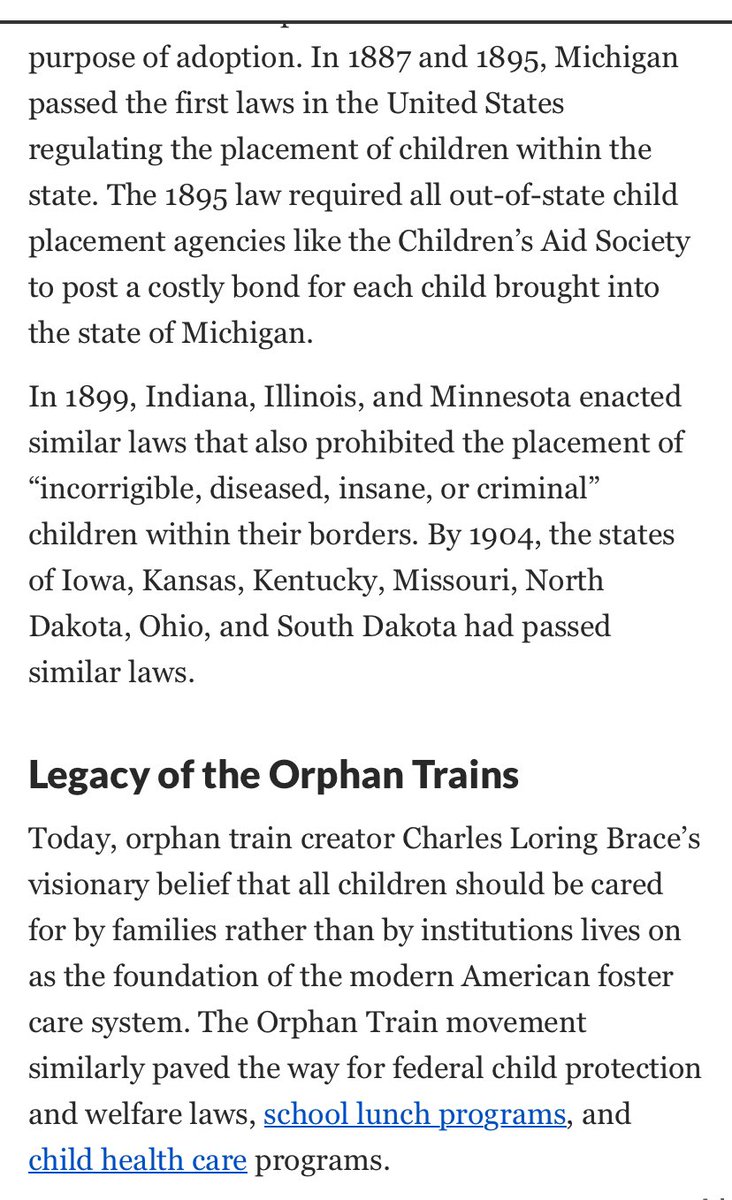
The orphan train system might have carried on, had it not been for laws enacted that brought it to a halt. And also the rise of the same problem as other parts of the country grew.
The orphan train system might have carried on, had it not been for laws enacted that brought it to a halt. And also the rise of the same problem as other parts of the country grew.
Loading suggestions...