

Why did Maresca persist with Gusto as the 10?
Many deemed the LIV game the first real test for Maresca and he made an intriguing tactical tweak by pushing Gusto into the 10 role. Since then, he’s done the same in all of Chelsea's PL games. Do we need a change? Etc.
A Thread! x.com
Many deemed the LIV game the first real test for Maresca and he made an intriguing tactical tweak by pushing Gusto into the 10 role. Since then, he’s done the same in all of Chelsea's PL games. Do we need a change? Etc.
A Thread! x.com

Let's first discuss how Chelsea played before this tweak. It was the usual 4-2-3-1 starting formation that turned into a 3-2-5/3-3-4 IP. As can be seen in the image Enzo Fernandez will often join the attacking 5 while Malo Gusto often inverted into midfield.
The half-space players in this system are box-box 8s. They have the duty of dropping deeper to aid build-up, joining the attacking line to help/score goals, counter-pressing, and tracking back in transitions. Palmer is good at doing what is required on the ball. He’s not very good at doing what is required off the ball. This is where Enzo comes in.
The half-space players in this system are box-box 8s. They have the duty of dropping deeper to aid build-up, joining the attacking line to help/score goals, counter-pressing, and tracking back in transitions. Palmer is good at doing what is required on the ball. He’s not very good at doing what is required off the ball. This is where Enzo comes in.
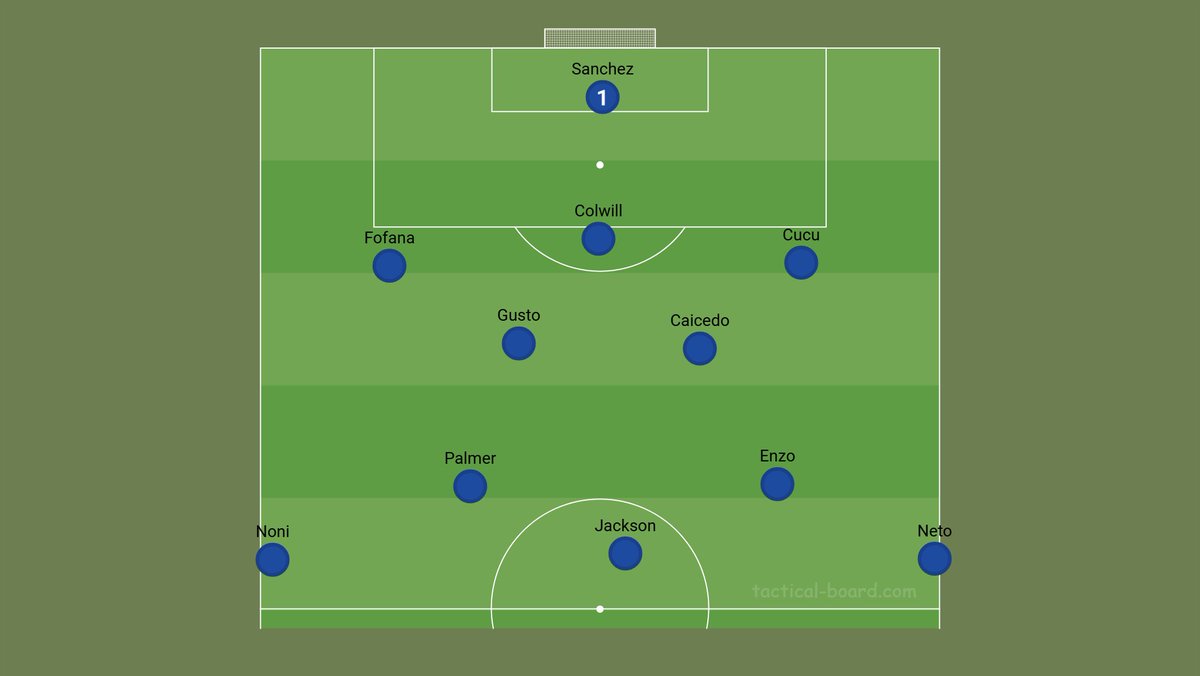
When a FB inverts, teams often try to exploit the space they leave behind when there is a turnover, which will happen. This forces the inverted FB to recover their normal position which means temporarily you only have 1 midfielder covering the middle of the pitch. Thus, one of the 8s must possess the capacity to track back and join the 6 to form the pivot and QUICKLY.
Enzo Fernandez can run, but he’s not the quickest, and against teams with lethal transitional quality, that interval in which he’s running to cover is all they need to hurt you. Maresca believes Lavia to be superior physically to Enzo(for now), so it's not an option he wants to consider against Liverpool, Newcastle, United, and Arsenal. This meant Enzo was not going to simply play in the pivot like Lavia as well.
Enzo Fernandez can run, but he’s not the quickest, and against teams with lethal transitional quality, that interval in which he’s running to cover is all they need to hurt you. Maresca believes Lavia to be superior physically to Enzo(for now), so it's not an option he wants to consider against Liverpool, Newcastle, United, and Arsenal. This meant Enzo was not going to simply play in the pivot like Lavia as well.
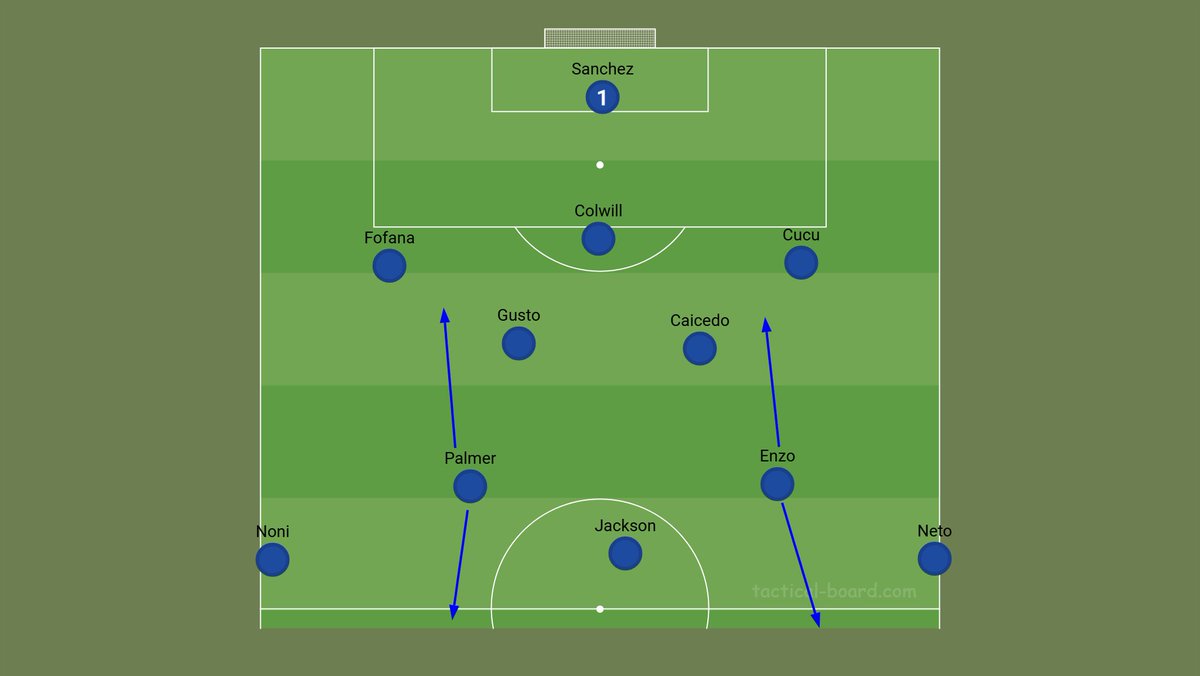
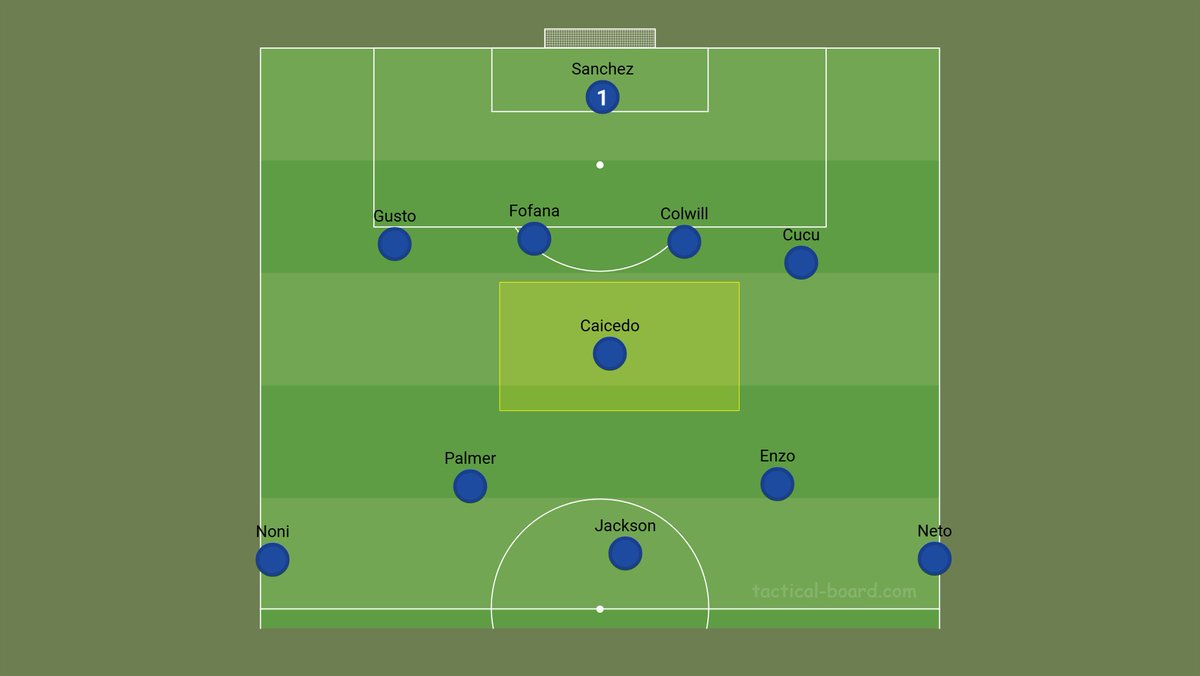
So what was Maresca's solution?
Play Gusto in the 10 role(invert a FB). Having a stable double pivot at all times meant Chelsea always had 2 players in the middle. Given our use of wingers, 1 of the FBs needs to stay in the defensive line and another needs to go higher. Maresca pushed Gusto into the 8 role. This meant we consistently had the width and center covered at all times for transitions. This + the OOP balance Gusto brought is what Maresca wanted against these big teams.
Let's look at a summary of the good/bad with Gusto playing in that role.
Play Gusto in the 10 role(invert a FB). Having a stable double pivot at all times meant Chelsea always had 2 players in the middle. Given our use of wingers, 1 of the FBs needs to stay in the defensive line and another needs to go higher. Maresca pushed Gusto into the 8 role. This meant we consistently had the width and center covered at all times for transitions. This + the OOP balance Gusto brought is what Maresca wanted against these big teams.
Let's look at a summary of the good/bad with Gusto playing in that role.
{The Good}
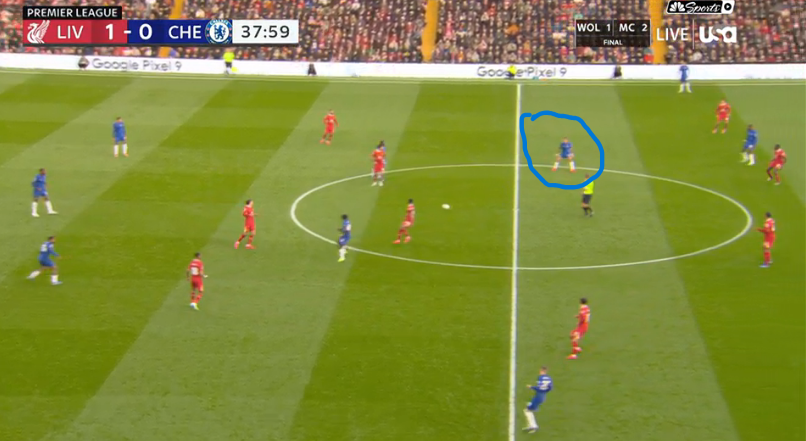
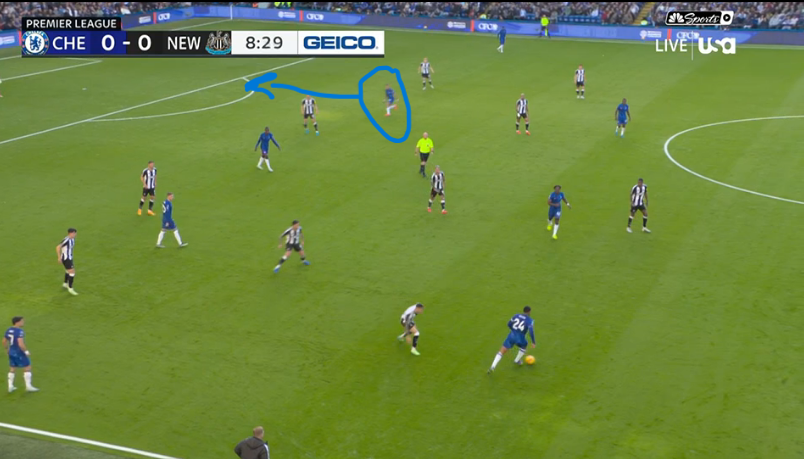
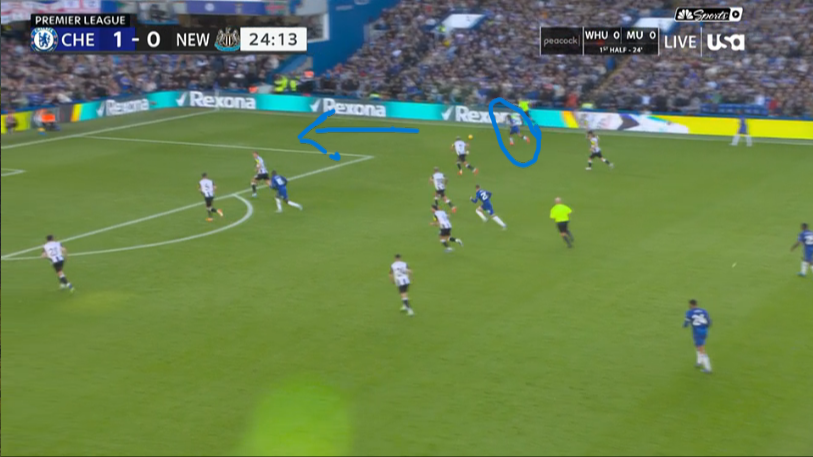
Good counter presser and recovers quickly. Gusto is a player with an incredible engine to consistently go up/down the field. He is most often the player you see join the back 5 when the ball is lost helping us defend in more compact shapes(4-2 / 3-3). As far as covering the pitch goes he is better than Lavia/Enzo(important). Apart from consistently sticking with a pivot for defensive solidity, Maresca wanted an 8 that could recover quickly and Gusto did this well enough.

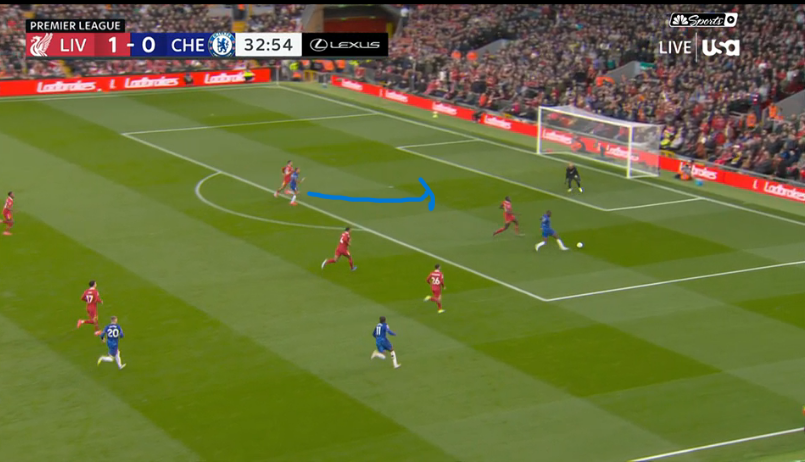
Great movement in build-up/settled possession. Gusto is great at knowing when to stay, go wide, accelerate his actions, pop up behind the midfield line, over/underlaps etc. Surprisingly he was willing to threaten the defensive line by consistently looking to run in behind with well-timed runs, good enough box movement to draw opps away, or find himself in good shooting positions as well. This was surprising and shows potential for the future if certain aspects of his game develop.
{The Negative}
No attacking threat: Despite providing a good amount of assists last season Gusto is only a decent crosser. He most often selected the wrong types of crosses and many times left a lot to be desired in his execution of crosses. He’s a player that relies on volume in this regard. When he finds himself in goal-scoring positions he does not look like a threat due to poor ball striking, poor aerial prowess, and no finishing capabilities. When he finds himself in areas he can create, he often makes the wrong decision, has poor pass selection, or executes actions poorly.

The biggest downside of this change is how much it limits Palmer. In the LIV game, they essentially decided to focus on Palmer and allow Gusto to receive the ball in behind their midfield line several times and it all consistently came to nothing(Maresca should have allowed Sancho to rotate with Gusto). Manchester UNT and Arsenal did the same thing. Palmer is not a player who receives the ball, starts dribbling, and boom. He’s a player that feeds on those around him. We have allowed teams to easily focus on him by not having another half-space threat beside him.
We can see Maresca's thought process. Against the bigger sides, Chelsea needed more solidity in the middle of the pitch. So, let's start Caicedo-Lavia in the pivot and push a FB like Gusto as a 10. This is essentially hoping your 4 attackers can be decisive when the chances come, hoping Gusto can put ½ chances away, and relying on solidity as a team. And I understand it very well.
This is the truth. Chelsea aren't good enough to play BIG sides without the needed solidity. Why do I say this? There are 2 ways to defend: defend with the ball / defend without the ball. Chelsea isn't good enough to defend with the ball(yet) and we are lacking in physicality, and elite defensive nous(just look at the goals we conceded) required to solely rely on our off-ball structure. The set-up Maresca has gone with it is meant to help us not lose games if we can not win. I believe this setup cost us against LIV and UNT, but it paid dividends against NEW, ARS.
But let's look to the future. Should Maresca stick to this or do we need a change?
This is the truth. Chelsea aren't good enough to play BIG sides without the needed solidity. Why do I say this? There are 2 ways to defend: defend with the ball / defend without the ball. Chelsea isn't good enough to defend with the ball(yet) and we are lacking in physicality, and elite defensive nous(just look at the goals we conceded) required to solely rely on our off-ball structure. The set-up Maresca has gone with it is meant to help us not lose games if we can not win. I believe this setup cost us against LIV and UNT, but it paid dividends against NEW, ARS.
But let's look to the future. Should Maresca stick to this or do we need a change?
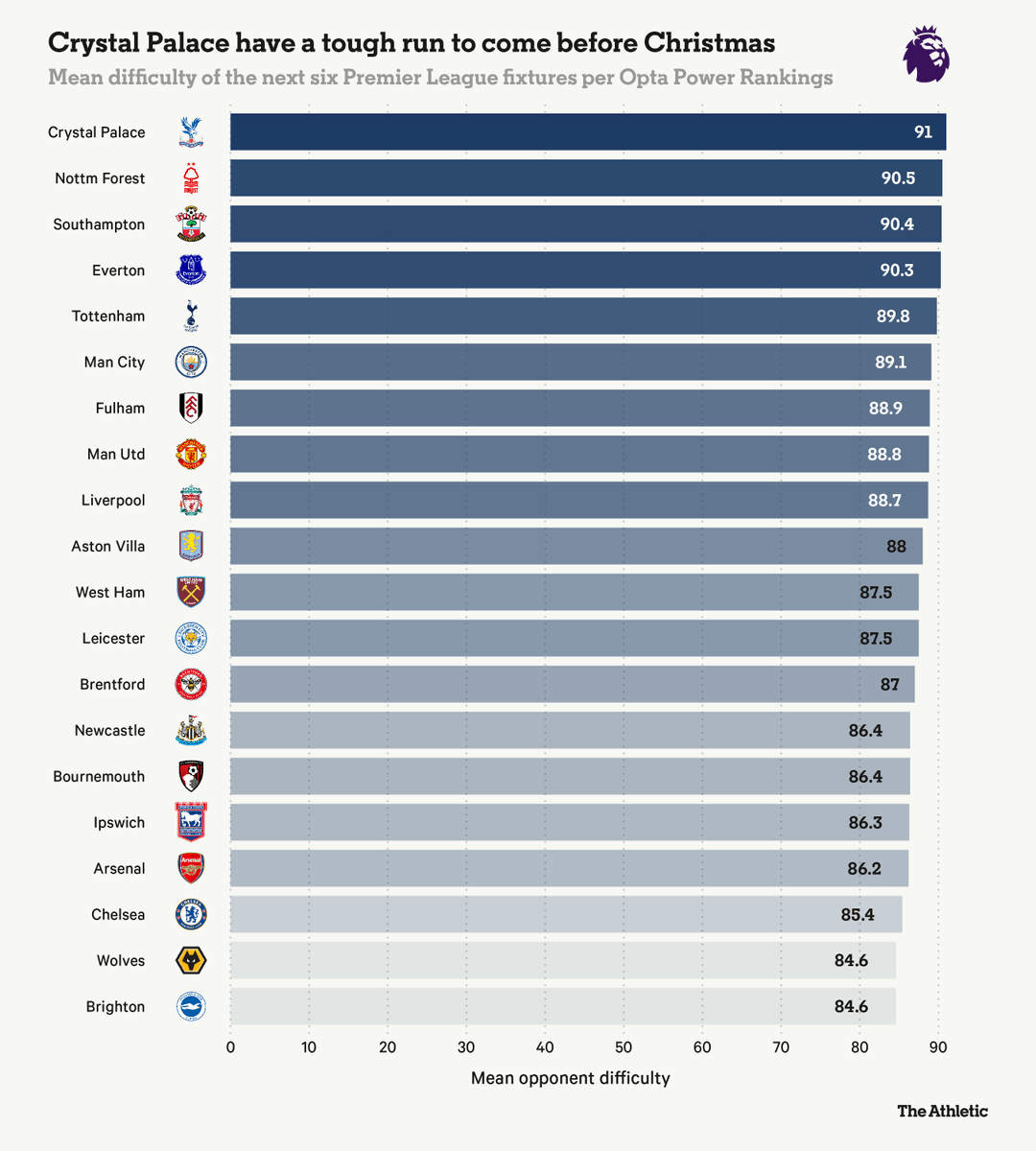
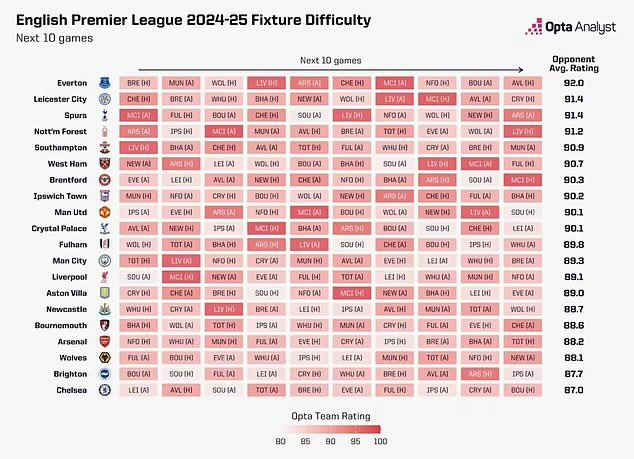
According to the @TheAthletic Chelsea have one of the easiest fixtures for the next upcoming 6 premier league games. According to @OptaAnalyst Chelsea has the easiest fixtures in the next 10 games. About half of these teams will sit back in compact shapes and expect us to break them down. When Gusto has inverted in the 10 role, we have massively struggled to create chances whenever teams sat back. As I mentioned earlier, it is easy for teams to focus on Palmer and allow Gusto space/time to receive because they know he won't be a threat. We can't afford to play against these teams who will sit back from the jump without real threat in BOTH half-spaces. Let's look at some possible solutions.
We could simply go back to our previous lineup and have Enzo join the attacking 5 with the RB inverted. This raises questions about Lavias' role as he can not perform Enzo's role and should not bench Caicedo. We could also tweak the system depending on whether or not Lavia starts and try to rotate the midfield as there will be a lot of upcoming games.
In the second lineup. Palmer could start as the LW and allow the RB push forward to overlap and allow him in the half-spaces. This will allow Nkunku/Felix start as the 10, thus we will have consistent half-space threats behind the ST when in possession. For now, Maresca seems obsessed with having natural wingers hold width, so it's hard for me to imagine him doing this but it could be something he tries.
There are many other things we could try, but this is mostly what I imagine Maresca does.
In the second lineup. Palmer could start as the LW and allow the RB push forward to overlap and allow him in the half-spaces. This will allow Nkunku/Felix start as the 10, thus we will have consistent half-space threats behind the ST when in possession. For now, Maresca seems obsessed with having natural wingers hold width, so it's hard for me to imagine him doing this but it could be something he tries.
There are many other things we could try, but this is mostly what I imagine Maresca does.
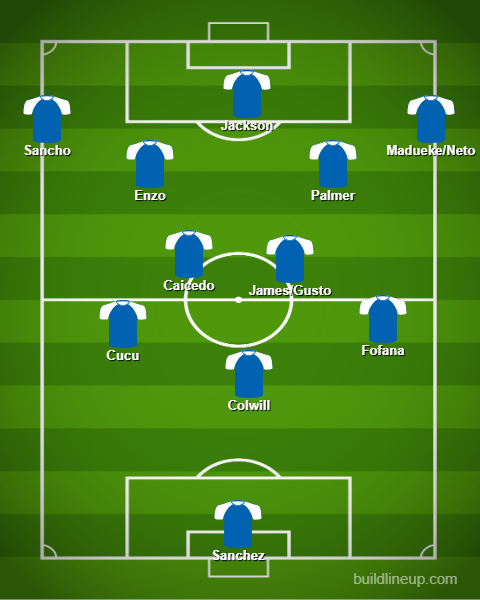
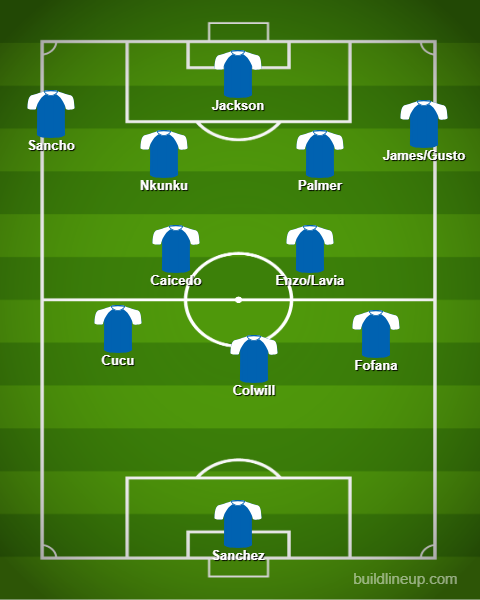
Overall we should be past the teams that required us to play Gusto as a 10 bar 2/3 of the fixtures in our next 10 games. Maresca has mentioned that Gusto will continue in this role, but knowing WHEN Gusto should continue in this role and not just playing him there is important.
Even in some of these "easy" games like LEI, Ipswich, Everton, etc I could see some of these teams actually try to play ball against us. Its only sensible we go with a similar set up we did early in the season that allowed us overwhelm such teams. The goal differential will be important this season. Lets score some goals!
Even in some of these "easy" games like LEI, Ipswich, Everton, etc I could see some of these teams actually try to play ball against us. Its only sensible we go with a similar set up we did early in the season that allowed us overwhelm such teams. The goal differential will be important this season. Lets score some goals!
Criticism of Gusto is uncalled for and illogical. Almost nothing about him has changed compared to last season(he's never been a goal scorer nor good passer, nor good crosser) and he's been told to play in new roles throughout this season by inverting into midfield and now playing as a 10.
Gusto will improve as time goes on. He's a hard worker. While he improves, we as a team need to keep finding solutions around the squad!
Gusto will improve as time goes on. He's a hard worker. While he improves, we as a team need to keep finding solutions around the squad!
Loading suggestions...