

MATTERS OF CHARACTER
After Rashford and Casemiro praised Amorim’s first training sessions, many were quick to note similar praise for ETH when he was getting started.
The implication was clear: these players will praise everyone at first and then fail to deliver when it matters.
It plays into a common myth, perpetuated by the rage-baiting media complex, that United players are getting their manages sacked - either on purpose or by lack of effort.
Even fans who don’t go that far will often claim that a cultural reset in the dressing room is needed before any further gameplay considerations.
And the previous manager also spent years claiming that United’s problems stem from player mentality, not his tactics.
Do we really need another cultural reset? Were our previous projects merely victims of bad player mentality, their low determination and poor character?
In short, have the recent issues at United been primarily cultural - matters of mentality and character, not tactics nor technical ability?
Are United’s players getting the managers sacked because they struggle with pressure?
It’s an intriguing theory. And one that is flat out wrong.
One can only claim that if one knows next to nothing about group dynamics, organizational psychology and management principles.
Let’s dig in 🧵👇
After Rashford and Casemiro praised Amorim’s first training sessions, many were quick to note similar praise for ETH when he was getting started.
The implication was clear: these players will praise everyone at first and then fail to deliver when it matters.
It plays into a common myth, perpetuated by the rage-baiting media complex, that United players are getting their manages sacked - either on purpose or by lack of effort.
Even fans who don’t go that far will often claim that a cultural reset in the dressing room is needed before any further gameplay considerations.
And the previous manager also spent years claiming that United’s problems stem from player mentality, not his tactics.
Do we really need another cultural reset? Were our previous projects merely victims of bad player mentality, their low determination and poor character?
In short, have the recent issues at United been primarily cultural - matters of mentality and character, not tactics nor technical ability?
Are United’s players getting the managers sacked because they struggle with pressure?
It’s an intriguing theory. And one that is flat out wrong.
One can only claim that if one knows next to nothing about group dynamics, organizational psychology and management principles.
Let’s dig in 🧵👇

Firstly, what is character in football?
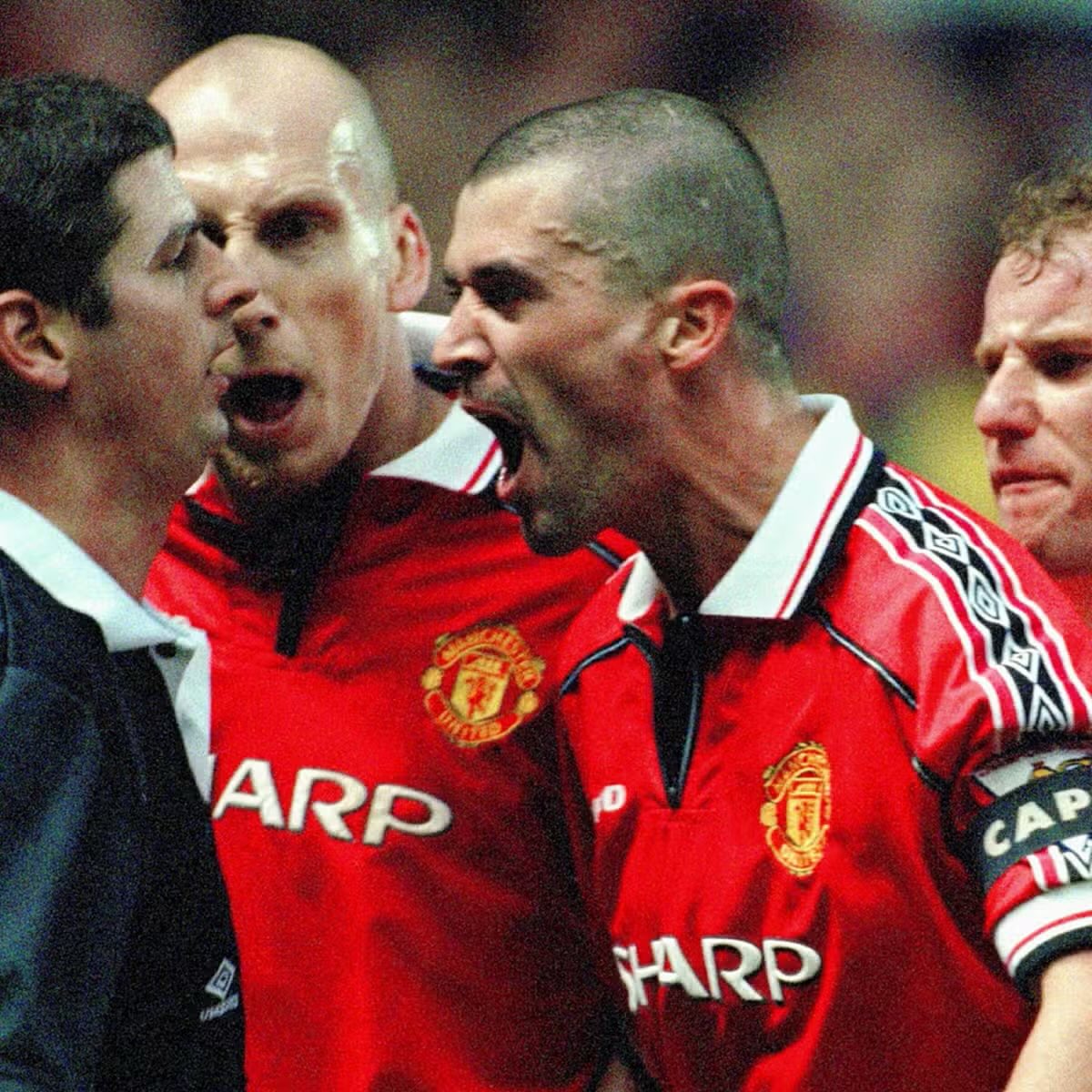
There seems to be a romantic notion of players as soldiers and managers as cheiftains, marching into battle to spill sweat, blood and tears.
It’s an image that plays well with general audiences, often promoted by tough-talking ex-players.
There seems to be a romantic notion of players as soldiers and managers as cheiftains, marching into battle to spill sweat, blood and tears.
It’s an image that plays well with general audiences, often promoted by tough-talking ex-players.
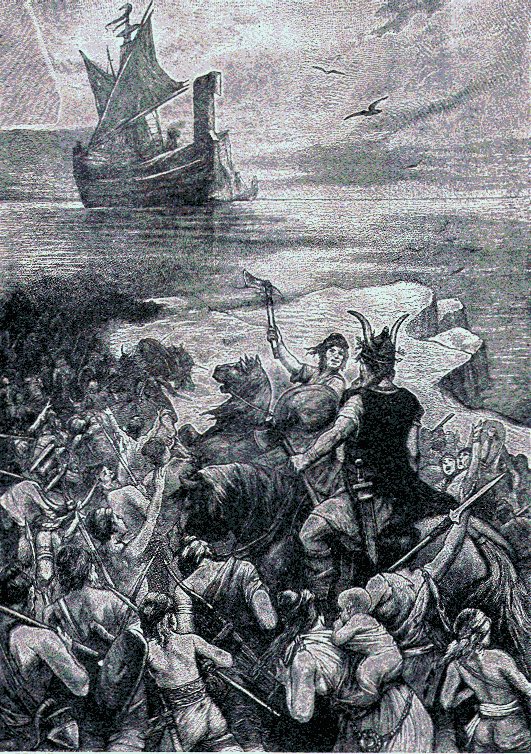
The origins of “football as war” are deep and well-known.
About 1000 years ago, as legend has it, the British forces supposedly celebrated their victory over an invading Danish chieftain by severing his head - and using it as a football. x.com
About 1000 years ago, as legend has it, the British forces supposedly celebrated their victory over an invading Danish chieftain by severing his head - and using it as a football. x.com
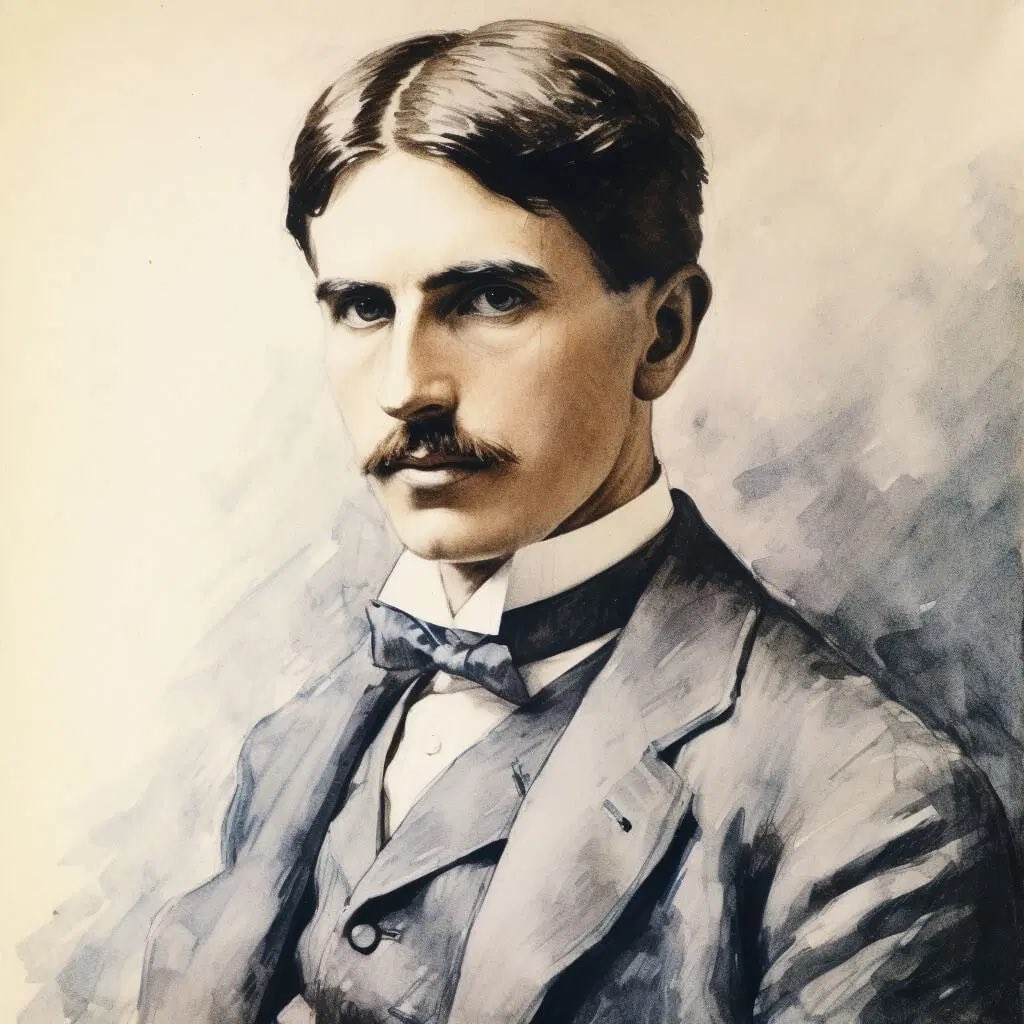
“I have never been in a battle, but I believe that I got my sense of the rage of conflict on the football field.”
- novelist Stephen Crane
- novelist Stephen Crane
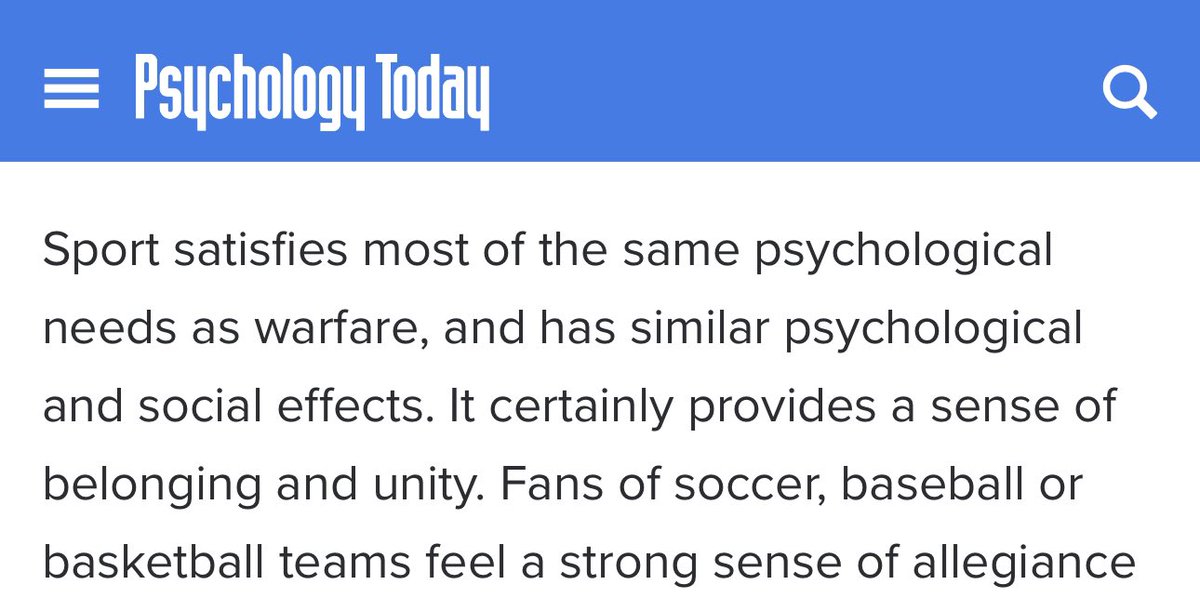
More recently, renowned psychologist Steve Taylor from Leeds Beckett University, made some interesting observations on links between modern sports and warfare: x.com
Modern players are supposed to act tough and go berserk on the field.
If they ever seem unmotivated, sulking or depressed, it’s usually put down to them being weak.
It’s a nice, simplistic imperative: just give it your best, sacrifice everything, withold nothing. x.com
If they ever seem unmotivated, sulking or depressed, it’s usually put down to them being weak.
It’s a nice, simplistic imperative: just give it your best, sacrifice everything, withold nothing. x.com

In this narrative, character, mentality and culture are innate and exist in isolation, regardless of tactics and group dynamics.
Players are soldiers, and soldiers ought to fight. Period. It doesn’t matter whether they believe in what they are fighting for.
Players are soldiers, and soldiers ought to fight. Period. It doesn’t matter whether they believe in what they are fighting for.
And in this romanticized version of today’s football, all it takes is a rutheless manager to beat some sense into players. x.com

But what if tactics are really bad and uninspiring and frustrating?
What if players can plainly see - over and over again - that their best isn’t good enough? That nothing seems to work? That their agency in the matter is virtually non-existent? x.com
What if players can plainly see - over and over again - that their best isn’t good enough? That nothing seems to work? That their agency in the matter is virtually non-existent? x.com
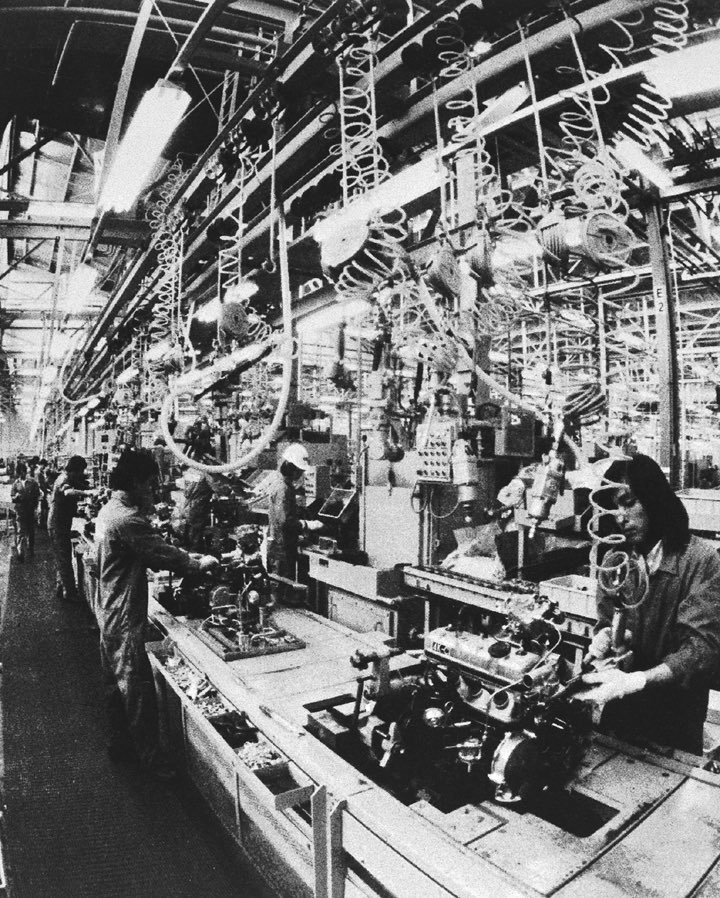
After WW2, Japan needed to rebuilt its industry and Toyota Motors was one of the companies leading the way.
In the 1950s, they developed a radical new approach to management and manufacturing that completely changed their business. x.com
In the 1950s, they developed a radical new approach to management and manufacturing that completely changed their business. x.com
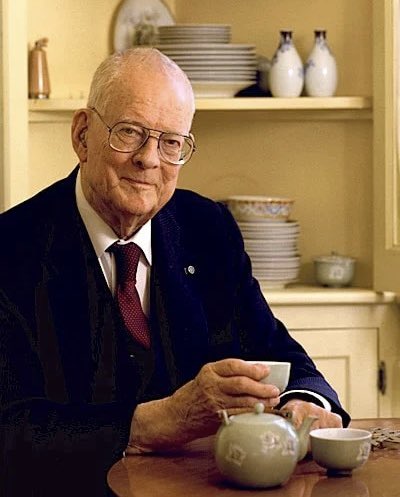
Using theories of Edwards Deming, an American statistician who helped Japan’s recovery in the post-war period, the famous Toyota Way was developed.
There are many aspects to it, but the key bit was empowering all workers to have a greater say in the production process. x.com
There are many aspects to it, but the key bit was empowering all workers to have a greater say in the production process. x.com
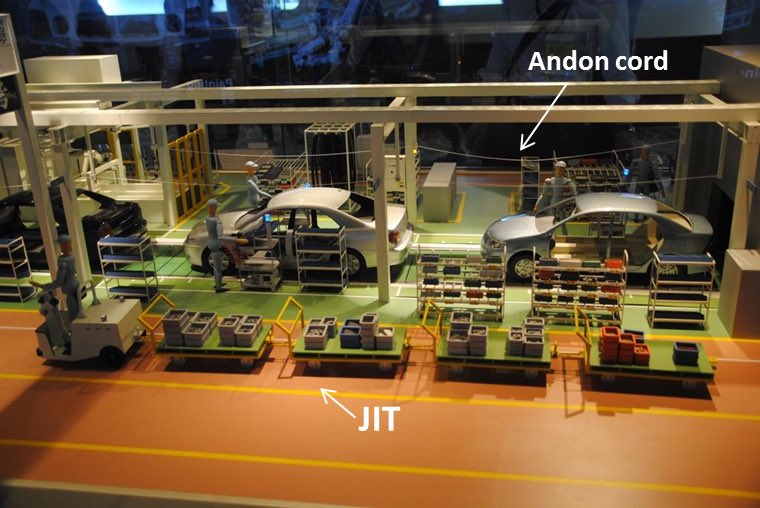
Something called Andon (or the Andon cord) was introduced on the assembly floor.
It gave every single assembly worker the power to stop production if an error was noticed.
This was a radical change from a typical top-down approach, where only the supervisors had that power. x.com
It gave every single assembly worker the power to stop production if an error was noticed.
This was a radical change from a typical top-down approach, where only the supervisors had that power. x.com
It was a simple change with tremendously positive consequences.
Workers now had real power in the production process and - most importantly - felt that their actions directly affected the final product.
They were given agency, a stake in the game, and product quality shot up. x.com
Workers now had real power in the production process and - most importantly - felt that their actions directly affected the final product.
They were given agency, a stake in the game, and product quality shot up. x.com
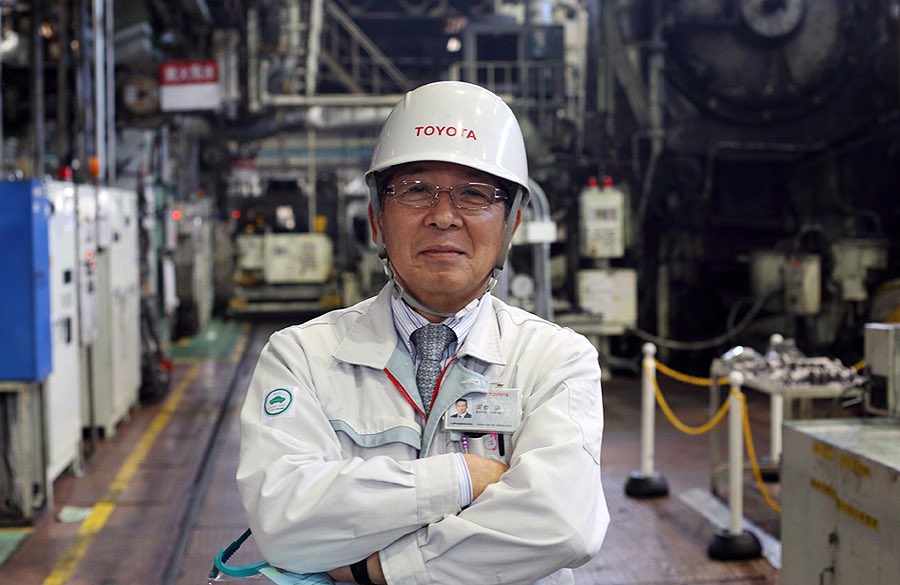
On a strategic level, what Toyota did was give ever assembly worker a way to feel ownership over something as complex as car production.
Which in turn meant they had a reason to believe, which in turn meant they became vastly more motivated.
Which in turn meant they had a reason to believe, which in turn meant they became vastly more motivated.
If players are treated as mere clogs in a machine - and even blamed in public for not making the machine run better - they cannot realistically buy into a project.
They cannot possibly feel ownership over what is being built. They cannot feel super-motivated. x.com
They cannot possibly feel ownership over what is being built. They cannot feel super-motivated. x.com

And if they can clearly see that the machine is being built with errors - but are not encouraged to pulll the Andon cord - they will naturally lose either confidence or motivation, or both.
If the machine is faulty, it’s hard to feel a sense of purpose for the endeavour. x.com
If the machine is faulty, it’s hard to feel a sense of purpose for the endeavour. x.com
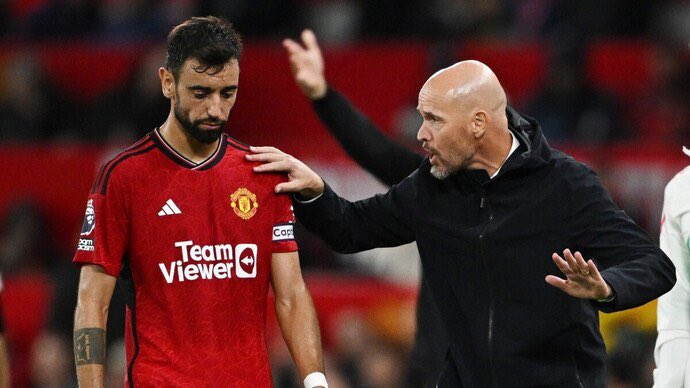
Neuroscientist Paul Rock lists autonomy - empowering workers - as one of primary drivers of human working behaviour, as does the author David Pink: x.com
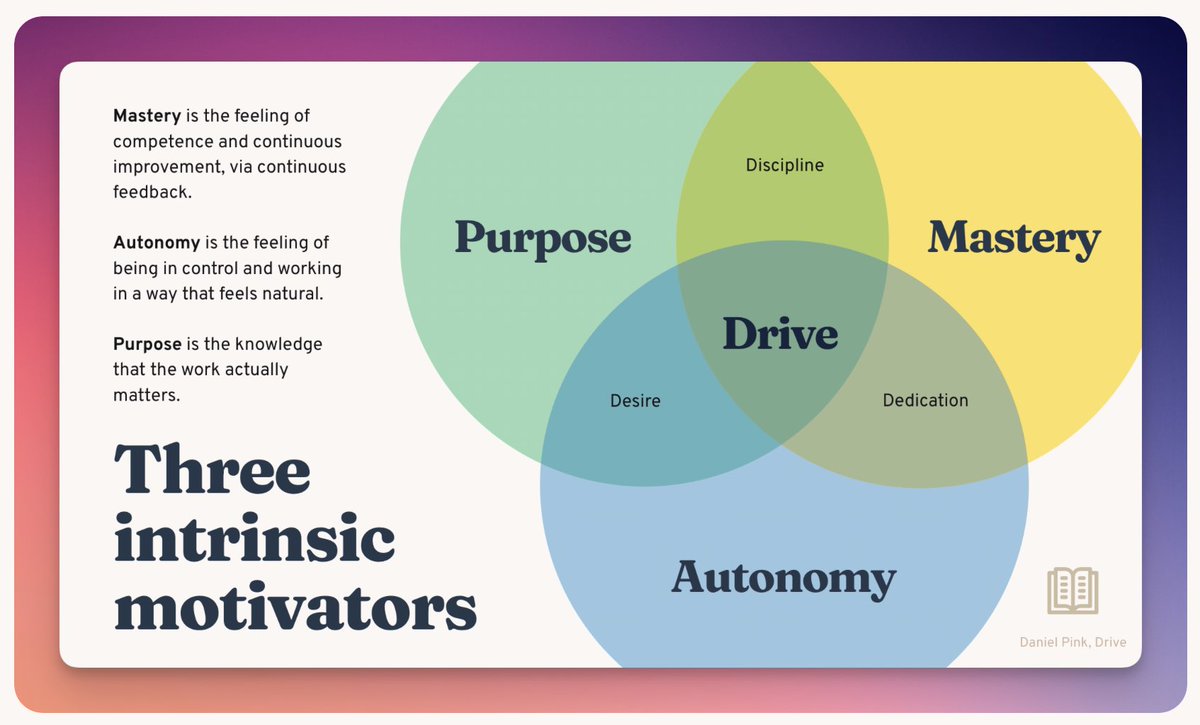
Check out the other 2: knowing that your work matters (purpose) and knowing that you are improving through feedback (mastery).
Do we really think those 3 drivers of working motivation were being nurtured at United?
Do we really think those 3 drivers of working motivation were being nurtured at United?
So, when you question the player mentality at United, bear in mind what the context is.
Are they getting the tools needed to feel ownership, to buy into a project, to see purpose? Or were they asked to repeat the same thing every week, hoping for a different result? x.com
Are they getting the tools needed to feel ownership, to buy into a project, to see purpose? Or were they asked to repeat the same thing every week, hoping for a different result? x.com
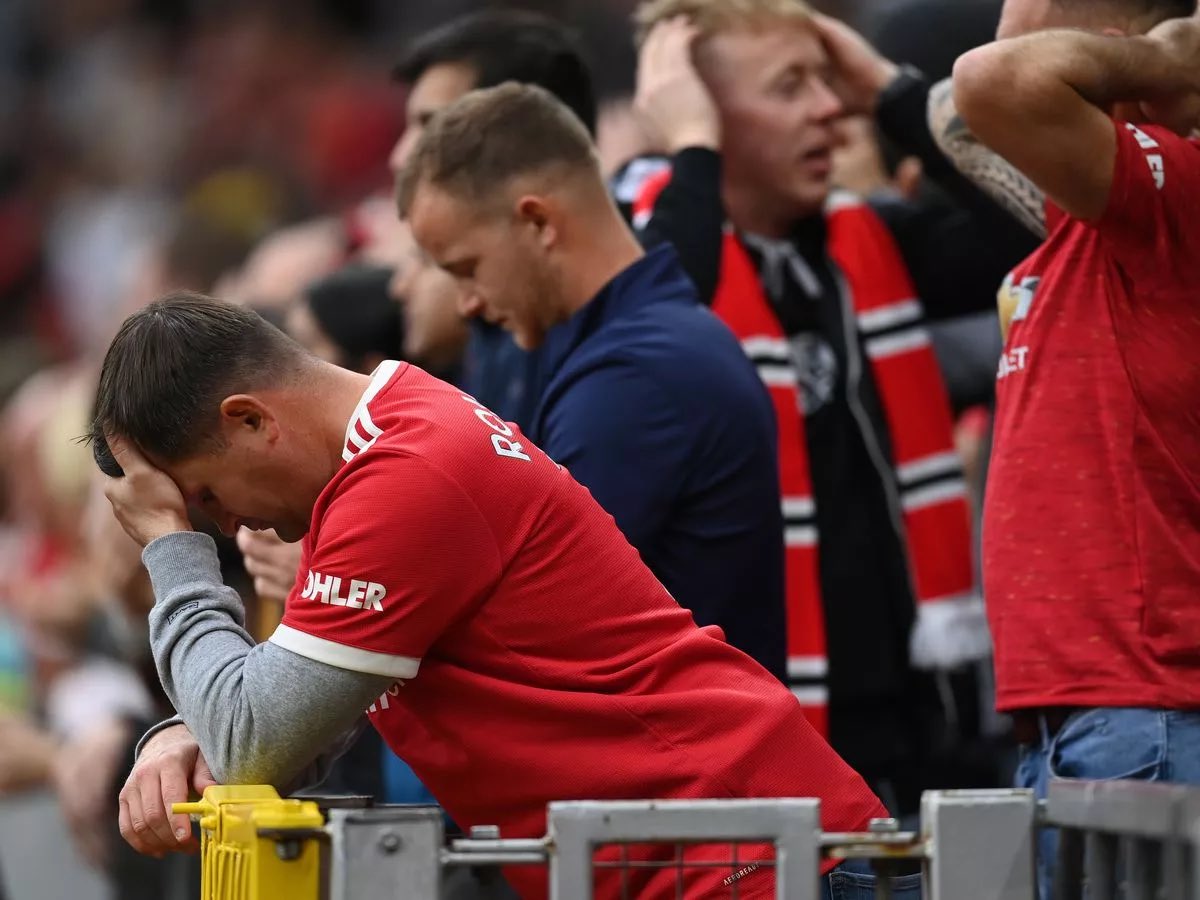
This is not to suggest there weren’t / aren’t severe cultural & mentality issues at United - of course there were, but they more to do with the owners and the board.
That’s a different issues and is hopefully behind us. x.com
That’s a different issues and is hopefully behind us. x.com

And of course certain players are are “mentality monsters” and natural fighters, while other get more anxious and introspective under pressure.
It’s human and natural. It doesn’t mean the former are necessarily better players or that the latter don’t care or can’t deliver. x.com
It’s human and natural. It doesn’t mean the former are necessarily better players or that the latter don’t care or can’t deliver. x.com
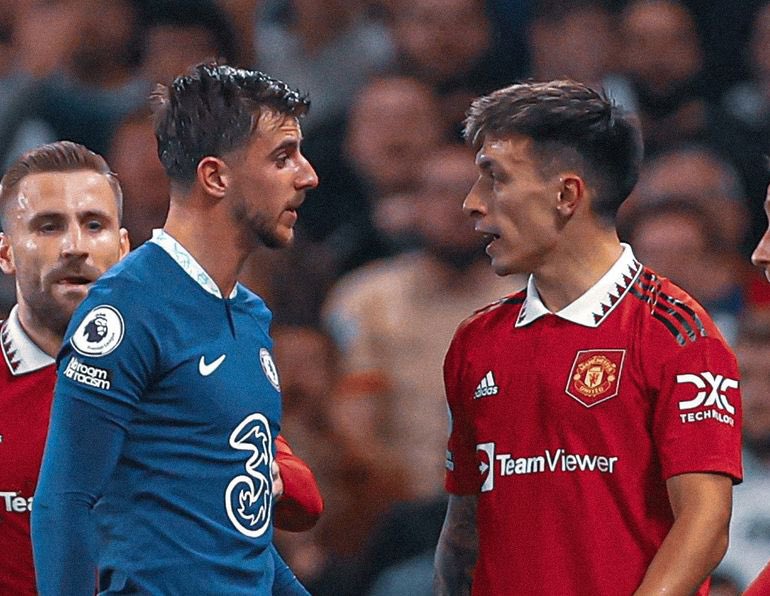
And there are, od course, players with problematic work ethic.
Even sheer geniuses with problematic work ethic. x.com
Even sheer geniuses with problematic work ethic. x.com
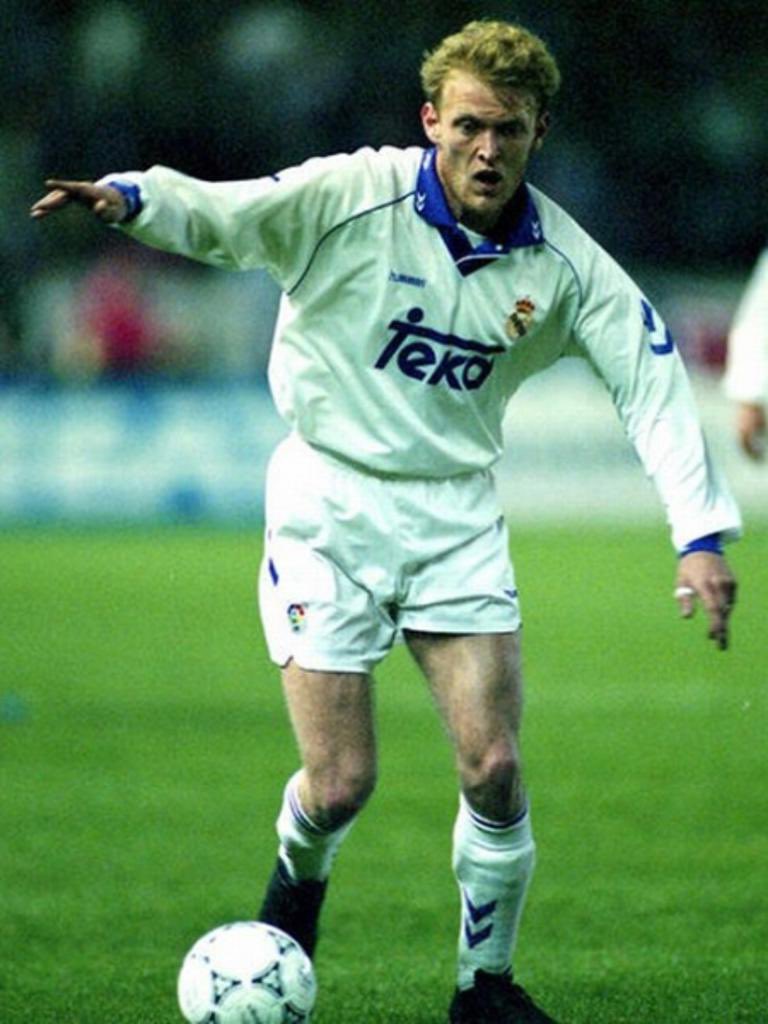
But before you pass judgement on whether a player is motivated or lazy, remember Toyota.
Remember ownership and purpose.
Remember Edwards Deming.
Remember that, in a team sport today, a good underlying model enables buy-in and extreme motivation, not the other way around.
Remember ownership and purpose.
Remember Edwards Deming.
Remember that, in a team sport today, a good underlying model enables buy-in and extreme motivation, not the other way around.
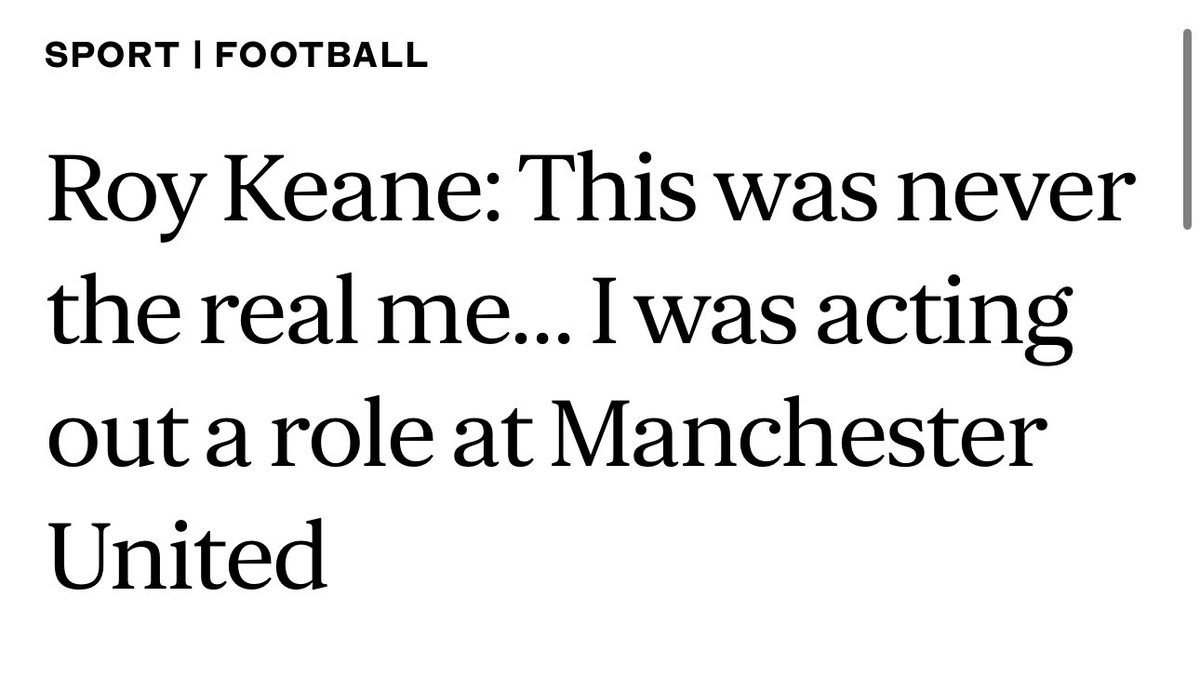
Also, about those romantic notions of players as modern-day warriors, the blood and sweat and tears?
If I were you, I’d be vary of putting too much trust into romantic notions: x.com
If I were you, I’d be vary of putting too much trust into romantic notions: x.com
Loading suggestions...