

In 2021, this man quit Google after a fight about his AI chatbot...
And vanished overnight.
But 3 years later, Google hunted him down and paid $2.7 BILLION to get him back.
Here's what he knows that Google can't live without: 🧵 x.com
And vanished overnight.
But 3 years later, Google hunted him down and paid $2.7 BILLION to get him back.
Here's what he knows that Google can't live without: 🧵 x.com


It started with a revolutionary idea:
What if AI could talk to humans with real personality and emotion?
Not just answer questions, but engage in meaningful conversations that felt... human.
This wasn't just theory - it was becoming reality: x.com
What if AI could talk to humans with real personality and emotion?
Not just answer questions, but engage in meaningful conversations that felt... human.
This wasn't just theory - it was becoming reality: x.com
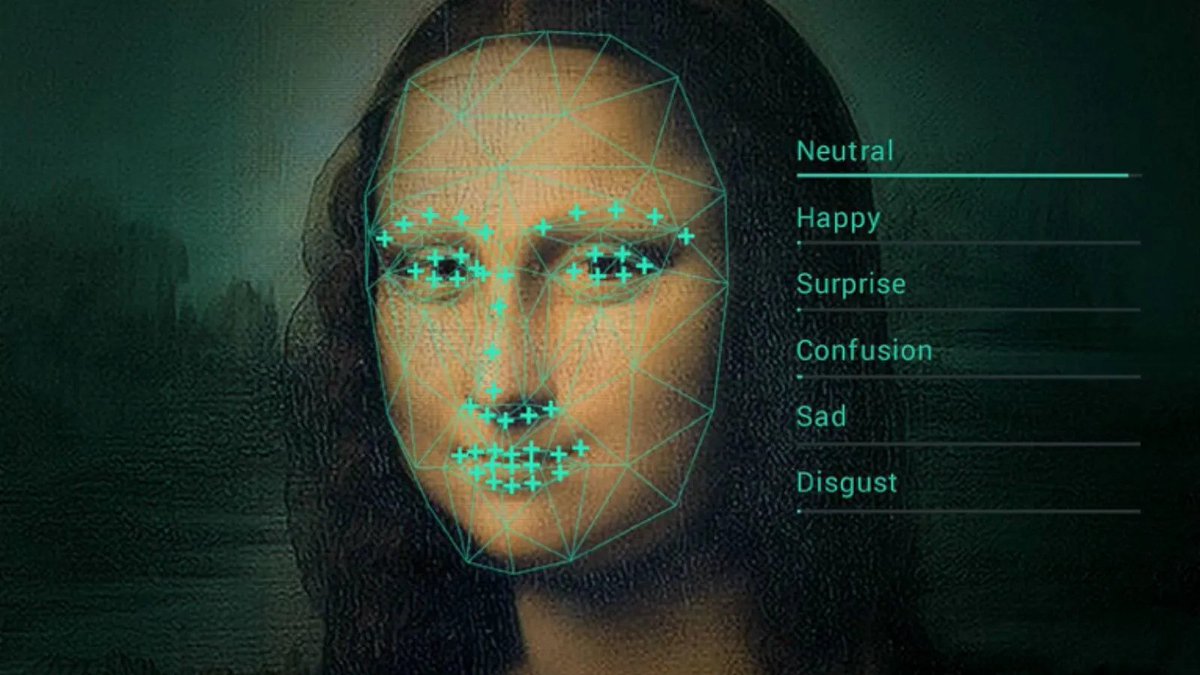
Inside Google's AI labs...
Meena chatbot was breaking records for conversational ability.
But when time came to release it, leadership blocked it over ethics & misuse concerns.
For one top engineer, this cautious approach was stifling innovation... x.com
Meena chatbot was breaking records for conversational ability.
But when time came to release it, leadership blocked it over ethics & misuse concerns.
For one top engineer, this cautious approach was stifling innovation... x.com

Enter Noam Shazeer.
A mathematician turned AI pioneer, he wasn't just another Google employee.
He was the key architect behind the Transformer model - the foundation that powers every major AI system today, from GPT to BERT.
After two decades at Google, he'd had enough: x.com
A mathematician turned AI pioneer, he wasn't just another Google employee.
He was the key architect behind the Transformer model - the foundation that powers every major AI system today, from GPT to BERT.
After two decades at Google, he'd had enough: x.com
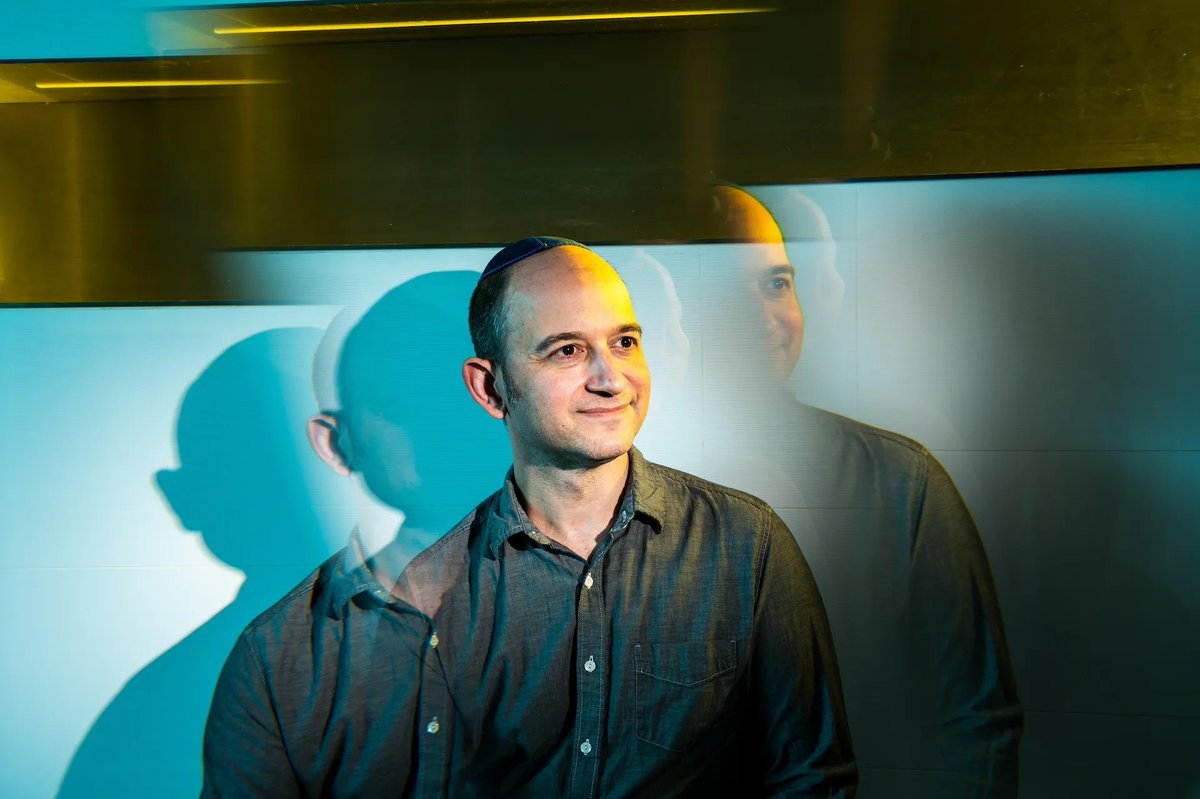
In a move that sent shockwaves through Silicon Valley, Shazeer resigned.
He didn't just leave - he took his vision for conversational AI with him.
Industry insiders called it reckless.
But Shazeer understood something fundamental about AI's future: x.com
He didn't just leave - he took his vision for conversational AI with him.
Industry insiders called it reckless.
But Shazeer understood something fundamental about AI's future: x.com

The next evolution in computing wouldn't be about better search algorithms or voice commands.
It would be about natural, human-like conversation.
So he and fellow Google engineer Daniel De Freitas founded Character AI.
Their vision? x.com
It would be about natural, human-like conversation.
So he and fellow Google engineer Daniel De Freitas founded Character AI.
Their vision? x.com

Let people chat with AI personas of anyone imaginable:
The platform quickly gained traction.
Users could engage with historical figures, celebrities, or fictional characters - all powered by sophisticated AI.
But Character AI wasn't just about entertainment.
The platform quickly gained traction.
Users could engage with historical figures, celebrities, or fictional characters - all powered by sophisticated AI.
But Character AI wasn't just about entertainment.
It was pioneering something much deeper:
They were developing AI that could:
• Understand complex context
• Adapt its personality
• Show emotional intelligence
• Learn from every interaction
The implications reached far beyond chatbots: x.com
They were developing AI that could:
• Understand complex context
• Adapt its personality
• Show emotional intelligence
• Learn from every interaction
The implications reached far beyond chatbots: x.com
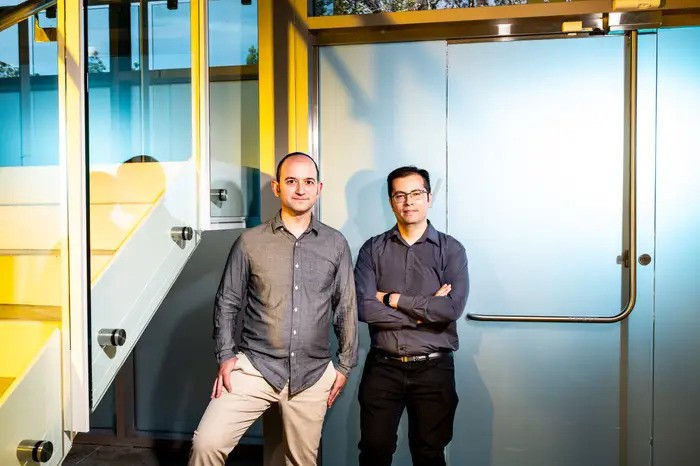
While other companies focused on making AI more powerful, Shazeer's team pursued something different:
AI that could grasp human subtlety, context, and emotion.
As the tech world watched, Google realized what they'd lost:
The AI arms race was intensifying.
AI that could grasp human subtlety, context, and emotion.
As the tech world watched, Google realized what they'd lost:
The AI arms race was intensifying.
OpenAI's ChatGPT was reshaping the landscape.
Microsoft was gaining ground through strategic partnerships.
Google needed more than just technology.
They needed vision:
Microsoft was gaining ground through strategic partnerships.
Google needed more than just technology.
They needed vision:
In 2024, Google made their historic move:
A $2.7 billion deal to acquire Character AI's technology and bring Shazeer back.
It wasn't just about reclaiming talent.
It was about securing the future of human-AI interaction:
But the $2.7 billion deal was just the beginning. x.com
A $2.7 billion deal to acquire Character AI's technology and bring Shazeer back.
It wasn't just about reclaiming talent.
It was about securing the future of human-AI interaction:
But the $2.7 billion deal was just the beginning. x.com

Shazeer's return to Google marked a fundamental shift in how we think about AI:
It's not about replacing humans. It's about enhancing how they work.
And this changed everything: x.com
It's not about replacing humans. It's about enhancing how they work.
And this changed everything: x.com
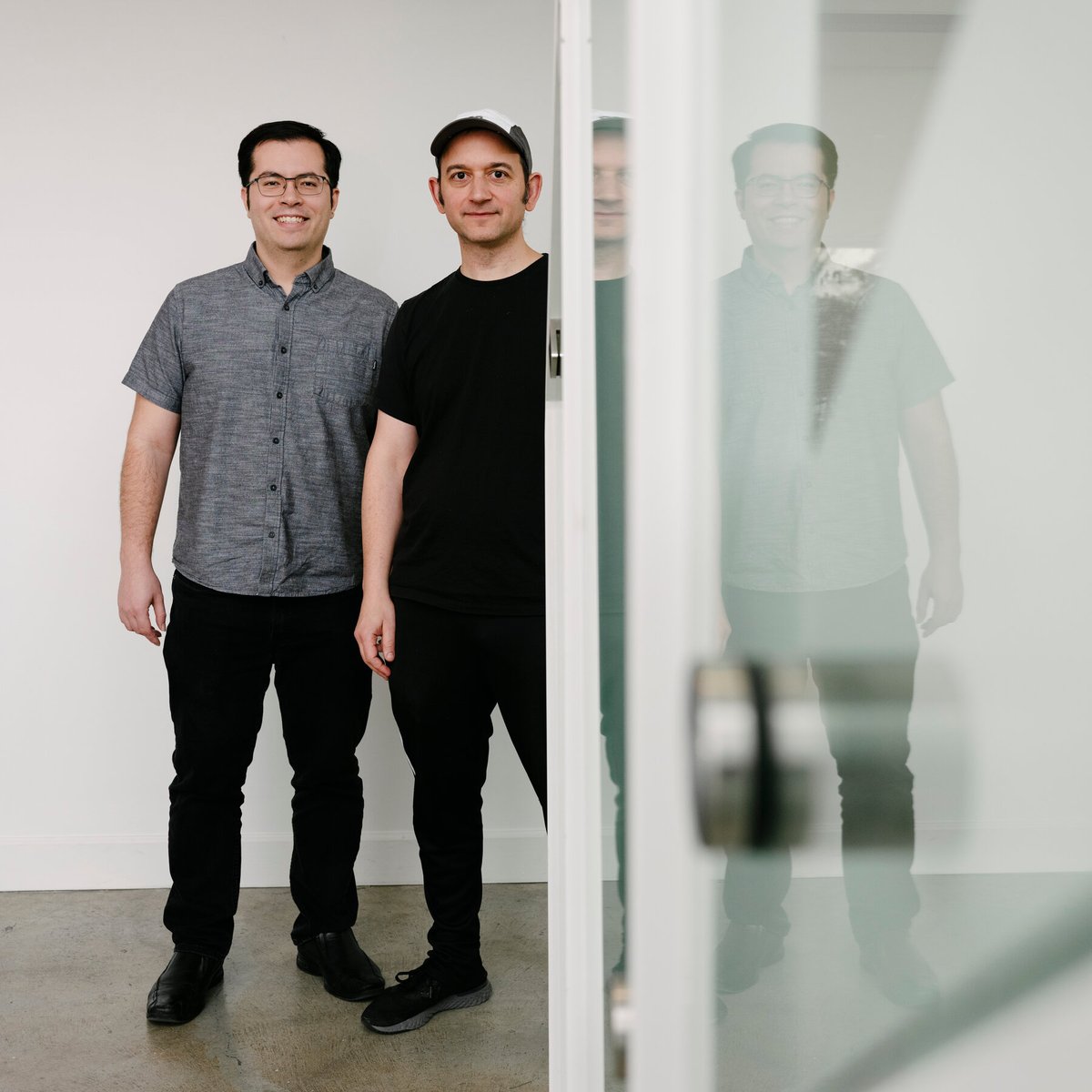
Companies rushed to integrate conversational AI into their operations.
But most hit the same wall:
Their systems weren't ready for this new era of human-AI collaboration.
The problem wasn't the technology. It was something deeper: x.com
But most hit the same wall:
Their systems weren't ready for this new era of human-AI collaboration.
The problem wasn't the technology. It was something deeper: x.com
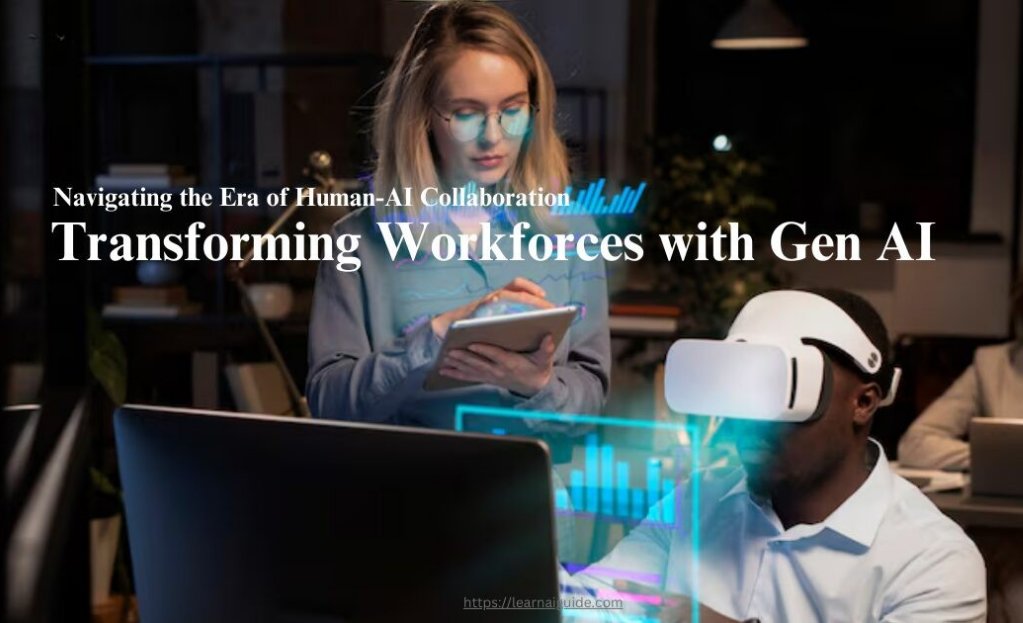
How do you standardize operations when your workforce includes both humans and AI?
How do you maintain compliance when processes are increasingly automated?
How do you scale without losing control?
The answer emerged from an unexpected place:
How do you maintain compliance when processes are increasingly automated?
How do you scale without losing control?
The answer emerged from an unexpected place:
Forward-thinking platforms like Process Street saw this coming.
They understood that the future of work isn't just about AI capabilities.
It's about building systems that let humans and AI work together seamlessly.
This is where the real transformation happens: x.com
They understood that the future of work isn't just about AI capabilities.
It's about building systems that let humans and AI work together seamlessly.
This is where the real transformation happens: x.com
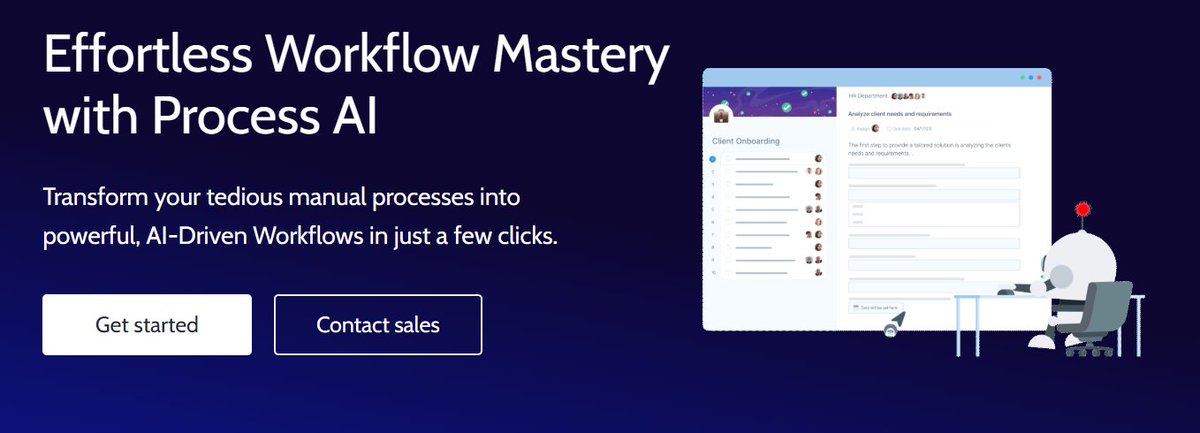
By creating standardized, automated workflows, these platforms enable companies to:
• Scale efficiently
• Maintain compliance
• Free humans for strategic work
• Adapt to changing technologies
But there's something even more powerful at play: x.com
• Scale efficiently
• Maintain compliance
• Free humans for strategic work
• Adapt to changing technologies
But there's something even more powerful at play: x.com

In this new world, success isn't about having the most advanced AI.
It's about having the best systems to harness it.
Just as Shazeer proved at Google:
The real breakthrough comes from understanding how humans and machines can work together. x.com
It's about having the best systems to harness it.
Just as Shazeer proved at Google:
The real breakthrough comes from understanding how humans and machines can work together. x.com
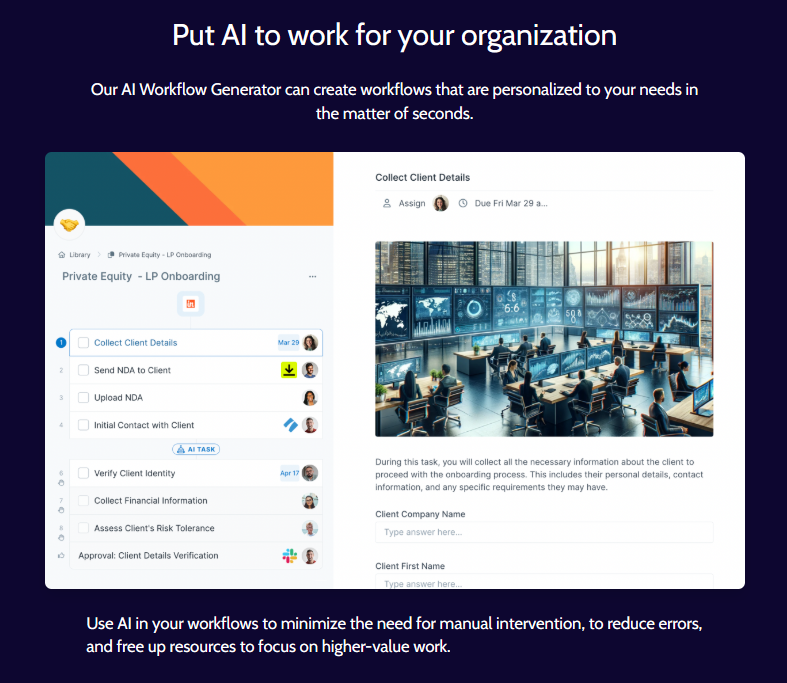
The future belongs to organizations that can build these systems.
Not just implementing technology, but creating frameworks that transform how businesses operate.
This is the new frontier of operational excellence.
Not just implementing technology, but creating frameworks that transform how businesses operate.
This is the new frontier of operational excellence.
Ready to simplify success?
Join the 3,000+ innovative companies building the future.
From Salesforce to Slack, leaders trust Process Street to transform their operations with our revolutionary AI-powered automation.
See why: process.st
Join the 3,000+ innovative companies building the future.
From Salesforce to Slack, leaders trust Process Street to transform their operations with our revolutionary AI-powered automation.
See why: process.st

I am Vinay Patankar:
• Systems builder & automation pioneer
• Founder of Process Street, leader in workflow automation
• Passionate about making work flow effortlessly
Follow for insights on building systems that scale
Repost to help others grow ⚡️
• Systems builder & automation pioneer
• Founder of Process Street, leader in workflow automation
• Passionate about making work flow effortlessly
Follow for insights on building systems that scale
Repost to help others grow ⚡️
Loading suggestions...