

LOWER BACK PAIN: A detailed 🧵
Lower back pain is a common issue that affects many people at some point in their lives.
It can start as a mild ache and graduate to a sharp, debilitating sensation that can interfere with your daily activities.
In this thread, we'll learn the causes, symptoms, preventive tips and treatment options.
Come with me 👇
Lower back pain is a common issue that affects many people at some point in their lives.
It can start as a mild ache and graduate to a sharp, debilitating sensation that can interfere with your daily activities.
In this thread, we'll learn the causes, symptoms, preventive tips and treatment options.
Come with me 👇
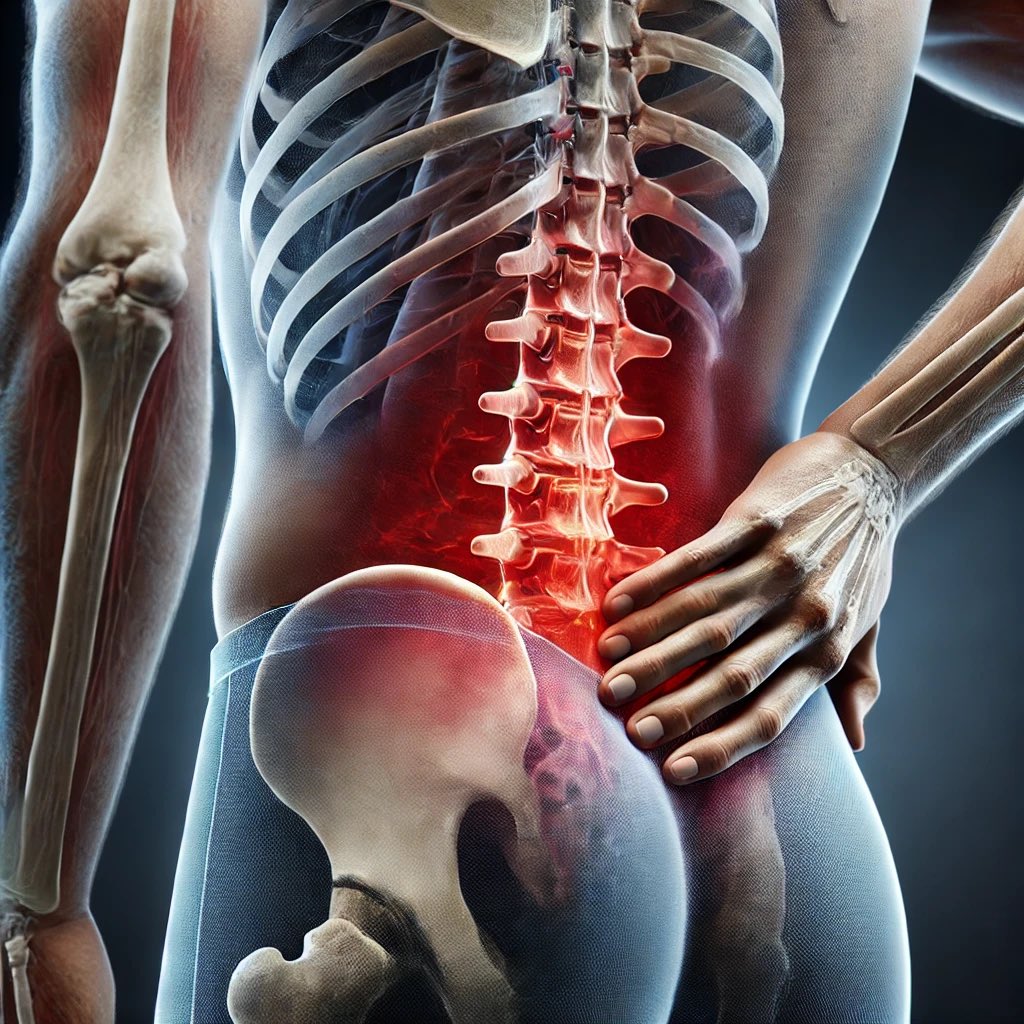
CAUSES OF LOWER BACK PAIN
-Strains and Sprains: Overstretching or tearing of muscles, tendons, or ligaments due to sudden movements or lifting heavy objects.
-Herniated or Ruptured Discs: When the cushioning discs between the vertebrae slip or bulge, pressing on nearby nerves.
-Degenerative Disc Disease: Natural wear and tear of the spinal discs over time.
-Arthritis: Inflammation of the joints in the spine.
Osteoporosis: Weakening of the bones, making them more prone to fractures.
-Spinal Stenosis: Narrowing of the spinal canal, putting pressure on the spinal cord.
Sciatica: Pain radiating from the lower back down the leg due to nerve compression.
-Strains and Sprains: Overstretching or tearing of muscles, tendons, or ligaments due to sudden movements or lifting heavy objects.
-Herniated or Ruptured Discs: When the cushioning discs between the vertebrae slip or bulge, pressing on nearby nerves.
-Degenerative Disc Disease: Natural wear and tear of the spinal discs over time.
-Arthritis: Inflammation of the joints in the spine.
Osteoporosis: Weakening of the bones, making them more prone to fractures.
-Spinal Stenosis: Narrowing of the spinal canal, putting pressure on the spinal cord.
Sciatica: Pain radiating from the lower back down the leg due to nerve compression.
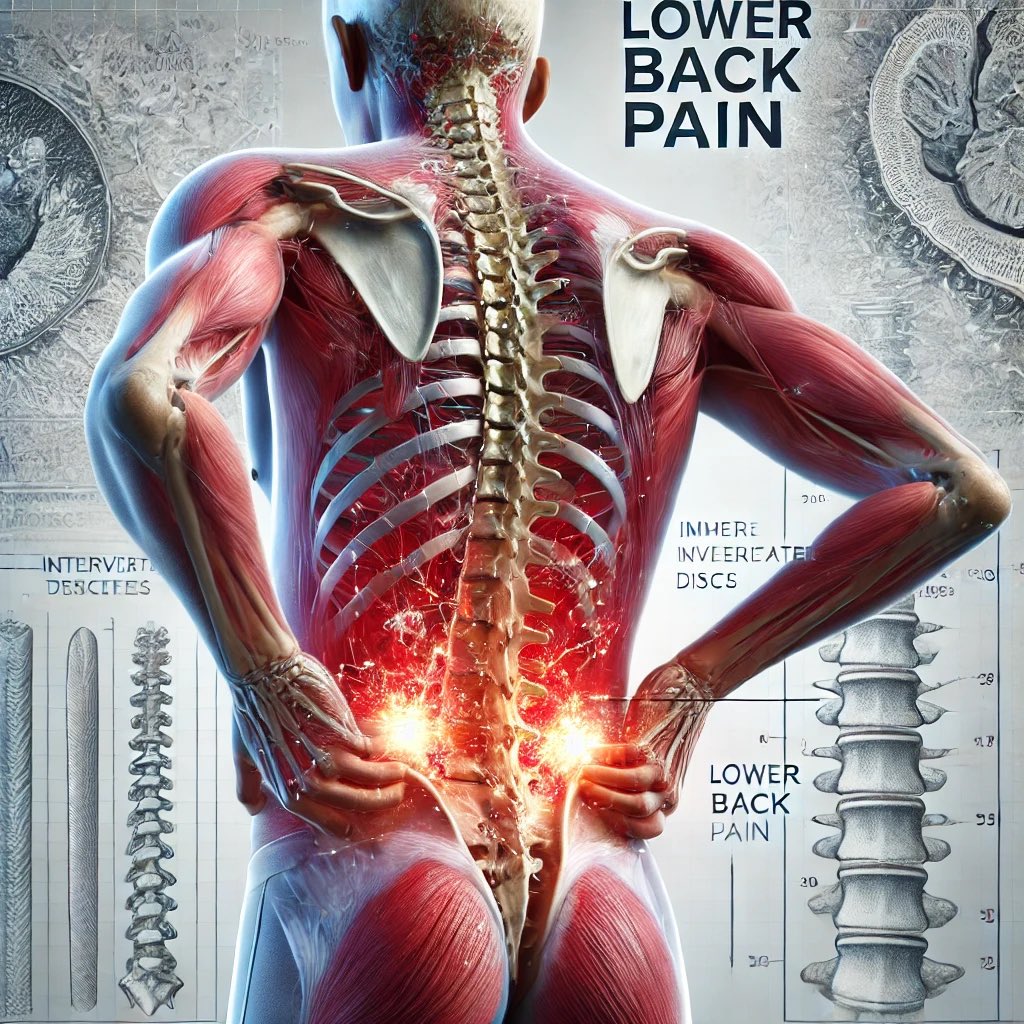
SYMPTOMS OF LOWER BACK PAIN
-Dull or Aching Pain: Persistent discomfort that can affect daily activities.
-Sharp, Stabbing Pain: Sudden, intense pain that can make movement difficult.
-Radiating Pain: Pain that spreads to other areas like the buttocks, hips, or legs.
-Tingling or Numbness: Sensations in the legs or feet due to nerve involvement.
-Muscle Spasms: Sudden, painful muscle contractions.
-Weakness: Reduced strength in the legs or feet.
-Dull or Aching Pain: Persistent discomfort that can affect daily activities.
-Sharp, Stabbing Pain: Sudden, intense pain that can make movement difficult.
-Radiating Pain: Pain that spreads to other areas like the buttocks, hips, or legs.
-Tingling or Numbness: Sensations in the legs or feet due to nerve involvement.
-Muscle Spasms: Sudden, painful muscle contractions.
-Weakness: Reduced strength in the legs or feet.
WHAT CAN INCREASE RISK ?
-Sedentary Lifestyle: Lack of physical activity can weaken back muscles.
-Heavy Lifting: Jobs involving lifting, pulling, or pushing heavy objects.
-Prolonged Sitting: Office jobs with long hours of sitting.
-Smoking: Damages blood vessels and increases the risk of chronic back pain.
-Obesity: Excess weight puts additional stress on the spine.
-Poor Posture: Incorrect sitting or standing positions.
-Stress and Anxiety: Psychological factors can exacerbate back pain.
-Menstrual cramps and pregnancy
-Sedentary Lifestyle: Lack of physical activity can weaken back muscles.
-Heavy Lifting: Jobs involving lifting, pulling, or pushing heavy objects.
-Prolonged Sitting: Office jobs with long hours of sitting.
-Smoking: Damages blood vessels and increases the risk of chronic back pain.
-Obesity: Excess weight puts additional stress on the spine.
-Poor Posture: Incorrect sitting or standing positions.
-Stress and Anxiety: Psychological factors can exacerbate back pain.
-Menstrual cramps and pregnancy
COMPLICATIONS IF LEFT UNTREATED
-Chronic Pain: Persistent pain lasting more than 3months .
-Limited Mobility: Difficulty moving or performing daily activities.
-Nerve Damage: Severe cases can lead to numbness, tingling, or weakness.
-Loss of Bowel or Bladder Control: In rare cases, severe nerve compression can cause this.
-Chronic Pain: Persistent pain lasting more than 3months .
-Limited Mobility: Difficulty moving or performing daily activities.
-Nerve Damage: Severe cases can lead to numbness, tingling, or weakness.
-Loss of Bowel or Bladder Control: In rare cases, severe nerve compression can cause this.
PREVENTIVE TIPS
-Exercise Regularly: Strengthen core muscles to support the spine.
-Maintain Good Posture: Sit and stand with proper alignment.
-Lift Properly: Use your legs, not your back, when lifting heavy objects.
-Stay Active: Avoid prolonged periods of sitting or inactivity.
-Manage Stress: Practice relaxation techniques
-Maintain a Healthy Weight: Reduce strain on your back.
-Exercise Regularly: Strengthen core muscles to support the spine.
-Maintain Good Posture: Sit and stand with proper alignment.
-Lift Properly: Use your legs, not your back, when lifting heavy objects.
-Stay Active: Avoid prolonged periods of sitting or inactivity.
-Manage Stress: Practice relaxation techniques
-Maintain a Healthy Weight: Reduce strain on your back.
TREATMENT OPTIONS
-Rest: Short periods of rest can help alleviate pain.
-Ice and Heat Therapy: Apply ice for acute pain and heat for chronic pain.
-Over-the-Counter Pain Relievers: Medications like ibuprofen or acetaminophen.
-Physical Therapy: Exercises to strengthen muscles and improve flexibility.
-Prescription Medications: For severe pain, doctors may prescribe stronger pain relievers.
-Surgery: In extreme cases, surgical intervention may be necessary.
-Rest: Short periods of rest can help alleviate pain.
-Ice and Heat Therapy: Apply ice for acute pain and heat for chronic pain.
-Over-the-Counter Pain Relievers: Medications like ibuprofen or acetaminophen.
-Physical Therapy: Exercises to strengthen muscles and improve flexibility.
-Prescription Medications: For severe pain, doctors may prescribe stronger pain relievers.
-Surgery: In extreme cases, surgical intervention may be necessary.
SUPPORTIVE ACTIVITIES
Walking: Gentle exercise to keep the back muscles active.
Yoga: Improves flexibility and strengthens core muscles.
Pilates: Focuses on core strength and stability.
Swimming: Low-impact exercise that supports the back.
Walking: Gentle exercise to keep the back muscles active.
Yoga: Improves flexibility and strengthens core muscles.
Pilates: Focuses on core strength and stability.
Swimming: Low-impact exercise that supports the back.
DEVICES TO HELP WITH YOUR LOWER BACK PAIN
-Lumbar Support Cushions: Provide extra support while sitting.
-Heat Pads: Apply heat to relieve muscle tension.
-Massage Rollers: Help relieve muscle tightness and improve circulation.
-Ergonomic Chairs: Designed to support proper posture and reduce back strain.
-Back Braces: Provide additional support and stability.
-Lumbar Support Cushions: Provide extra support while sitting.
-Heat Pads: Apply heat to relieve muscle tension.
-Massage Rollers: Help relieve muscle tightness and improve circulation.
-Ergonomic Chairs: Designed to support proper posture and reduce back strain.
-Back Braces: Provide additional support and stability.
Lower back pain can be a real hassle, but with the right knowledge and adopting the right tools, you can manage it effectively.
Do you have any specific questions or need more information?
Leave me a comment
Did you learn from this post ?
Join my WhatsApp channel for more
whatsapp.com
Learning Never Ends🫶🏽
Do you have any specific questions or need more information?
Leave me a comment
Did you learn from this post ?
Join my WhatsApp channel for more
whatsapp.com
Learning Never Ends🫶🏽
Loading suggestions...