


What is Cybersecurity?
Cybersecurity refers to the practices, technologies, and processes designed to protect systems, networks, and data from cyberattacks.
These cyberattacks are typically aimed at accessing, changing, or destroying sensitive information, extorting money from users, or interrupting normal business operations. With the increasing reliance on the internet, data, and digital tools, protecting digital systems has become vital for individuals, businesses, and governments.
Cybersecurity refers to the practices, technologies, and processes designed to protect systems, networks, and data from cyberattacks.
These cyberattacks are typically aimed at accessing, changing, or destroying sensitive information, extorting money from users, or interrupting normal business operations. With the increasing reliance on the internet, data, and digital tools, protecting digital systems has become vital for individuals, businesses, and governments.
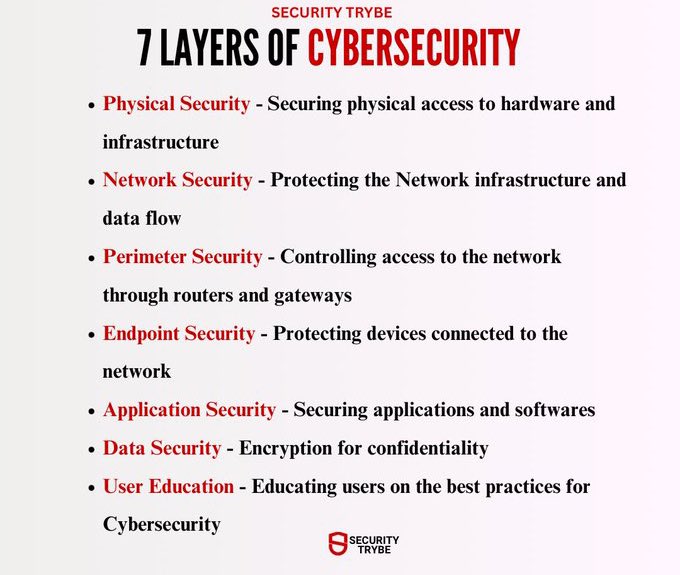
Why is Cybersecurity important?
The digital age has made life easier and more efficient, but it has also brought significant risks to our online safety. Cybersecurity plays a crucial role in protecting sensitive data and ensuring a secure digital environment against these growing threats. Cybersecurity is essential for the following:
• It helps in protecting sensitive information like personal data, financial records, and confidential business assets from unauthorized access, ensuring data remains secure from cybercriminal threats.
• Cyberattacks can cause significant financial losses, both directly, such as through ransomware, and indirectly, like reputational damage that impacts business. In 2023, global cybercrime costs surpassed $6 trillion.
• It prevents system downtime caused by cyberattacks, helping organizations avoid business disruptions and significant financial losses
The digital age has made life easier and more efficient, but it has also brought significant risks to our online safety. Cybersecurity plays a crucial role in protecting sensitive data and ensuring a secure digital environment against these growing threats. Cybersecurity is essential for the following:
• It helps in protecting sensitive information like personal data, financial records, and confidential business assets from unauthorized access, ensuring data remains secure from cybercriminal threats.
• Cyberattacks can cause significant financial losses, both directly, such as through ransomware, and indirectly, like reputational damage that impacts business. In 2023, global cybercrime costs surpassed $6 trillion.
• It prevents system downtime caused by cyberattacks, helping organizations avoid business disruptions and significant financial losses

Common Cybersecurity practices:
• Use Strong, Unique Passwords
• Enable Multi-Factor Authentication (MFA)
• Be Wary of Phishing Attempts and avoid clicking suspicious links
• Keep Software and Systems Updated
• Backup Data Regularly
• Use secure Wi-Fi Networks
• Use Strong, Unique Passwords
• Enable Multi-Factor Authentication (MFA)
• Be Wary of Phishing Attempts and avoid clicking suspicious links
• Keep Software and Systems Updated
• Backup Data Regularly
• Use secure Wi-Fi Networks
Cybersecurity Tools By Category
Information Gathering:
>Nmap
>Shodan
>Maltego
>TheHavester
>Recon-NG
>Amass
>Censys
>OSINT Framework
>Gobuster
Exploitation:
>Burp Suite
>Metasploit Framework
>SQL Map
>ZAP
>ExploitDB
>Core Impact
>Cobalt Strike
Password Cracking:
>John The Ripper
>Hydra
>Hashcat
>OPHCrack
>Medusa
>THC-Hydra
>Cain & Abel
Vulnerability Scanning:
>OpenVAS
>Nessus
>AppScan
>LYNIS
>Retina
>Nexpose
Software Engineering:
>GoPhish
>HiddenEye
>SocialFish
>EvilURL
>Evilginx
Forensics:
>SluethKit
>Autopsy
>Volatility
>Guymager
>Foremost
>Binwalk
>Wireshark
Wireless Hacking:
>Aircrack-NG
>Wifite
>Kismet
>TCPDump
>Airsnort
>Netstumbler
>Reaver
Web Application Assessment:
>OWASP ZAP
>Burp Suite
>Nikto
>ZAP
>WPScan
>Gobuster
>App Spider
Information Gathering:
>Nmap
>Shodan
>Maltego
>TheHavester
>Recon-NG
>Amass
>Censys
>OSINT Framework
>Gobuster
Exploitation:
>Burp Suite
>Metasploit Framework
>SQL Map
>ZAP
>ExploitDB
>Core Impact
>Cobalt Strike
Password Cracking:
>John The Ripper
>Hydra
>Hashcat
>OPHCrack
>Medusa
>THC-Hydra
>Cain & Abel
Vulnerability Scanning:
>OpenVAS
>Nessus
>AppScan
>LYNIS
>Retina
>Nexpose
Software Engineering:
>GoPhish
>HiddenEye
>SocialFish
>EvilURL
>Evilginx
Forensics:
>SluethKit
>Autopsy
>Volatility
>Guymager
>Foremost
>Binwalk
>Wireshark
Wireless Hacking:
>Aircrack-NG
>Wifite
>Kismet
>TCPDump
>Airsnort
>Netstumbler
>Reaver
Web Application Assessment:
>OWASP ZAP
>Burp Suite
>Nikto
>ZAP
>WPScan
>Gobuster
>App Spider
Some Important CyberSecurity Acronyms
*CIA - Confidentiality, Integrity, Availability
*IDS - Intrusion Detection System
*IPS - Intrusion Prevention System
*WAF - Web Application Firewall
*PII - Personal Identifiable Information
*DoS - Denial of Service
*DDoS - Distributed Denial of Service
*DNS - Domain Name System
*ZTA - Zero Trust Architecture
*NAT - Network Address Translation
*CTF - Capture the Flag
*ACL - Access Control List
*CDN - Content Delivery Network
*CVE - Common Vulnerabilities and Exposures
*RAT - Remote Access Trojan
*APT - Advanced Persistent Threat
*ATP - Advanced Threat Protection
*SSO - Single Sign-on
*URL - Uniform Resource Locator
*TLS - Transport Layer Security
*ARP - Address Resolution Protocol
*RDP - Remote Desktop Protocol
*FTP - File Transfer Protocol
*SFTP - Secure File Transfer Protocol
*HTTP - Hypertext Transfer Protocol
*HTTPS - Hypertext Transfer Protocol Secure
*LDAP - Lightweight Directory Access Protocol
*MFA - Multi-factor Authentication
*IAM - Identity and Access Management
*SIEM - Security Information and Event Management
*SAM - Security Account Manager
*MDM - Mobile Device Management
*XXS - Cross Site Scripting
*XSRF - Cross Site Request Forgery
*DRaaS - Disaster Recovery as a Service
*DLP - Data Loss Prevention
*TCP - Transmission Control Protocol
*SNMP - Simple Network Management Protocol
*L2TP - Layer 2 Tunneling Protocol
*SOC - Security Operations Center
*EDR - Endpoint Detection and Response
*MDR - Managed Detection and Response
*KMS - Key Management Service
*TOR - The Onion Router
*UEBA - User and Entity Behavior Analytics
*UEFI - Unified Extensible Firmware Interface
*RFI - Remote File Inclusion
*SSID - Service Set Identifier
*LAN - Local Area Network
*WAN - Wide Area Network
*VLAN - Virtual Local Area Network
*PGP - Pretty Good Privacy
*MiTM - Man in the Middle Attack
*CA - Certificate Authority
*MAC - Mandatory Access Control
*PUA - Potential Unwanted Application
*ECDH - Elliptic Curve Deffie-Hellman
*BYOD - Bring Your Own Device
*GDPR - General Data Protection Regulation
*ADFS - Active Directory Federation Service
*EPP - Endpoint Protection Platform
*DMARC - Domain Based Message Authentication, Reporting and Conformance
*UAC - User Account Control
*CLI - Command Line Interface
*CIA - Confidentiality, Integrity, Availability
*IDS - Intrusion Detection System
*IPS - Intrusion Prevention System
*WAF - Web Application Firewall
*PII - Personal Identifiable Information
*DoS - Denial of Service
*DDoS - Distributed Denial of Service
*DNS - Domain Name System
*ZTA - Zero Trust Architecture
*NAT - Network Address Translation
*CTF - Capture the Flag
*ACL - Access Control List
*CDN - Content Delivery Network
*CVE - Common Vulnerabilities and Exposures
*RAT - Remote Access Trojan
*APT - Advanced Persistent Threat
*ATP - Advanced Threat Protection
*SSO - Single Sign-on
*URL - Uniform Resource Locator
*TLS - Transport Layer Security
*ARP - Address Resolution Protocol
*RDP - Remote Desktop Protocol
*FTP - File Transfer Protocol
*SFTP - Secure File Transfer Protocol
*HTTP - Hypertext Transfer Protocol
*HTTPS - Hypertext Transfer Protocol Secure
*LDAP - Lightweight Directory Access Protocol
*MFA - Multi-factor Authentication
*IAM - Identity and Access Management
*SIEM - Security Information and Event Management
*SAM - Security Account Manager
*MDM - Mobile Device Management
*XXS - Cross Site Scripting
*XSRF - Cross Site Request Forgery
*DRaaS - Disaster Recovery as a Service
*DLP - Data Loss Prevention
*TCP - Transmission Control Protocol
*SNMP - Simple Network Management Protocol
*L2TP - Layer 2 Tunneling Protocol
*SOC - Security Operations Center
*EDR - Endpoint Detection and Response
*MDR - Managed Detection and Response
*KMS - Key Management Service
*TOR - The Onion Router
*UEBA - User and Entity Behavior Analytics
*UEFI - Unified Extensible Firmware Interface
*RFI - Remote File Inclusion
*SSID - Service Set Identifier
*LAN - Local Area Network
*WAN - Wide Area Network
*VLAN - Virtual Local Area Network
*PGP - Pretty Good Privacy
*MiTM - Man in the Middle Attack
*CA - Certificate Authority
*MAC - Mandatory Access Control
*PUA - Potential Unwanted Application
*ECDH - Elliptic Curve Deffie-Hellman
*BYOD - Bring Your Own Device
*GDPR - General Data Protection Regulation
*ADFS - Active Directory Federation Service
*EPP - Endpoint Protection Platform
*DMARC - Domain Based Message Authentication, Reporting and Conformance
*UAC - User Account Control
*CLI - Command Line Interface
Some Certifications for those starting a career in Cybersecurity to consider:
1. CompTIA network+
2. CompTIA security+
3. CompTIA CySA
4. Cisco CCNA
5. CompTIA Linux+
6. CompTIA pentest+
7. Certified Ethical Hacker (CEH)
8. ISACA CSX Cybersecurity Fundamentals Certificate
9. eLearnSecurity Junior Penetration Tester (eJPT)
10. Offensive Security Certified Professional (OSCP)
1. CompTIA network+
2. CompTIA security+
3. CompTIA CySA
4. Cisco CCNA
5. CompTIA Linux+
6. CompTIA pentest+
7. Certified Ethical Hacker (CEH)
8. ISACA CSX Cybersecurity Fundamentals Certificate
9. eLearnSecurity Junior Penetration Tester (eJPT)
10. Offensive Security Certified Professional (OSCP)
Loading suggestions...