

1/ Lord Dalhousie arrived in India with a single, ruthless ambition: “To level Hindusthan.” He wasn’t just a man; he was the embodiment of British greed, cunning, and treachery—unleashing policies designed to dismantle Indian states, heritage, and pride. x.com
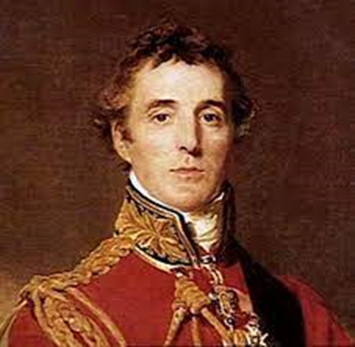
2/ Dalhousie’s weapon of choice was the Doctrine of Lapse—a cunning betrayal that struck at the heart of India’s traditions. Under Hindu law, kingdoms passed to adopted heirs, preserving dynasties and their sacred sovereignty. Dalhousie, with callous dishonesty, declared these successions “invalid” and seized the thrones of Satara, Jhansi, Nagpur, and countless others.
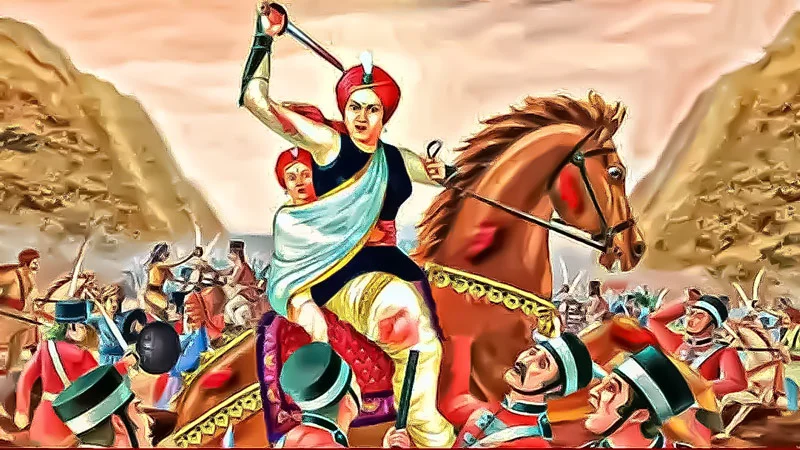
3/ Treaties were broken with imperial arrogance. Jhansi, bound by a treaty ensuring succession, was stabbed in the back. When Rani Lakshmibai adopted a son after her husband's death, Dalhousie rejected the heir, declaring, “The state will lapse to the Company.” The ink of agreements meant nothing to the British when their greed came calling.
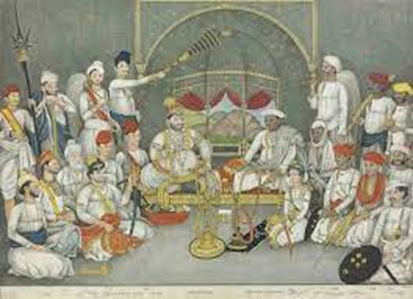
4/ Satara fell first—a kingdom where Shivaji’s valor once roared. It was annexed, its rulers dishonored. Then came Nagpur, where Dalhousie again betrayed treaties by rejecting an adopted heir. Each kingdom was devoured under the guise of British “law” while the flames of injustice spread across Hindusthan.
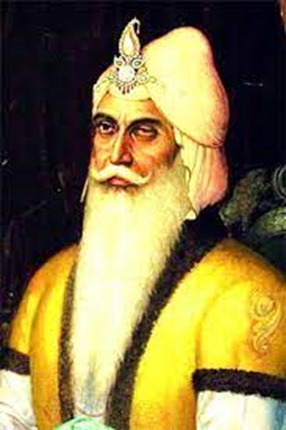
5/ Dalhousie’s avarice didn’t end with Hindu states. He annexed Punjab by deceit, violating assurances to Maharaja Duleep Singh. Even the Sikh Empire, forged with sword and sacrifice, was reduced to dust under his boot. From Awadh to Burma, Dalhousie’s policy of annexation knew no honor, no limit.
6/ The British hailed Dalhousie as “the architect of the Empire.” But what did he build? A graveyard of thrones. Treaties were torn to shreds, rulers betrayed, and dynasties wiped out—all in the name of “progress” and “civilization.” Dalhousie’s empire was carved from treachery. x.com
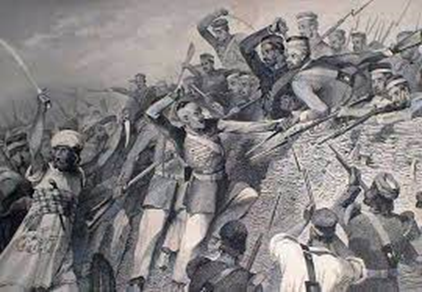
7/ But Savarkar wrote: “Do you not fear, Dalhousie, that this land will soon be redder still?” Red with the blood of revolution. For every treaty broken, for every state robbed, Hindusthan’s sons and daughters rose with renewed vengeance. x.com
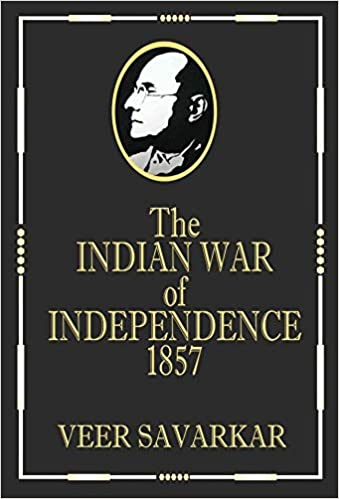
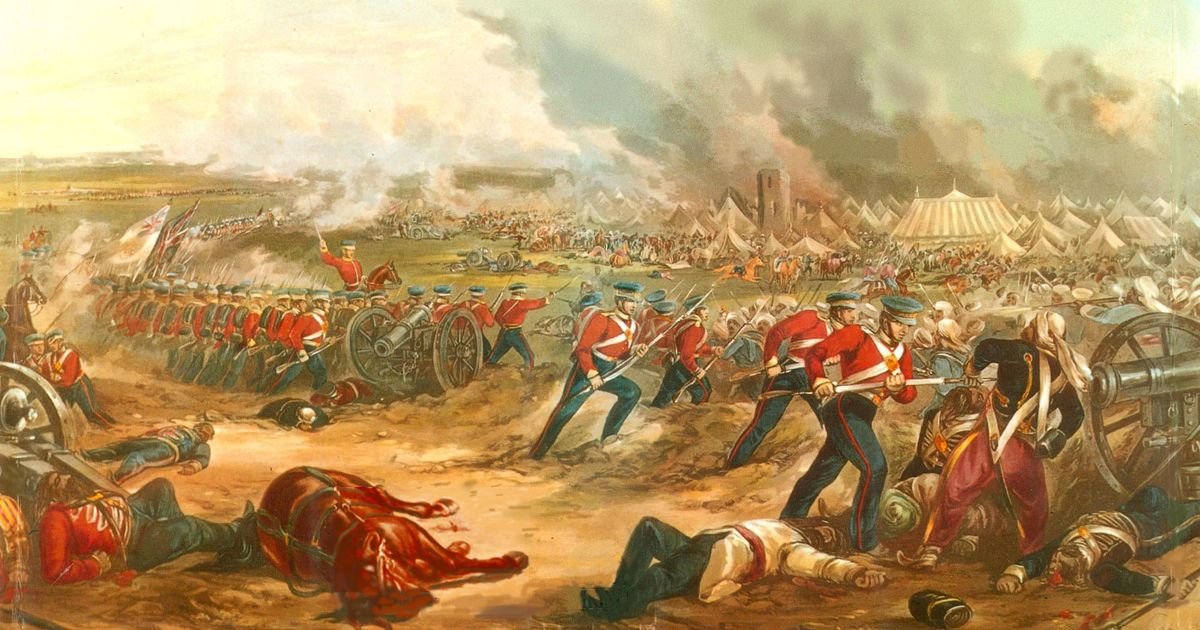
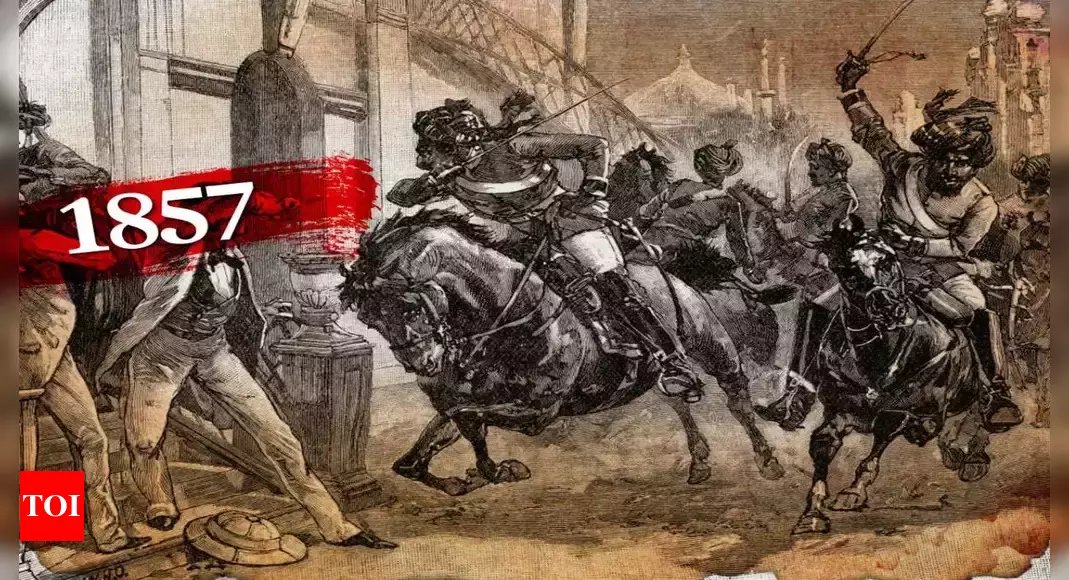
8/ Dalhousie’s betrayal ignited a fire that would soon engulf the British. The annexations of Jhansi, Satara, and Nagpur lit the path to 1857—a war of honor against treachery. The British called it rebellion; Savarkar declared it the War of Independence. x.com
9/ Dalhousie must be remembered—not as a statesman, but as “the destroyer of Hindusthan.” His hands were stained with the ink of broken treaties and the blood of those who resisted. His greed redrew borders, but it could not erase the memory of our resistance.
🔥 History remembers the tyrant; but it immortalizes the revolution.
🔥 History remembers the tyrant; but it immortalizes the revolution.
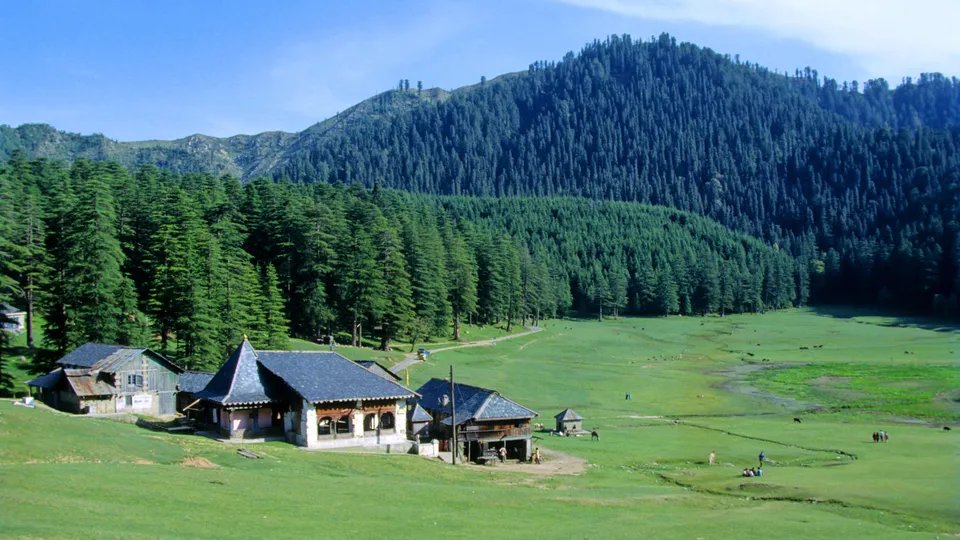
And yet, we have a hill station named after Dalhousie—the man who looted thrones, broke treaties, and betrayed Hindusthan. Why do we honor the destroyer of our kingdoms? Rename it. Erase this insult. A land that gave Rani Lakshmibai doesn’t need Dalhousie’s shadow.
Loading suggestions...