

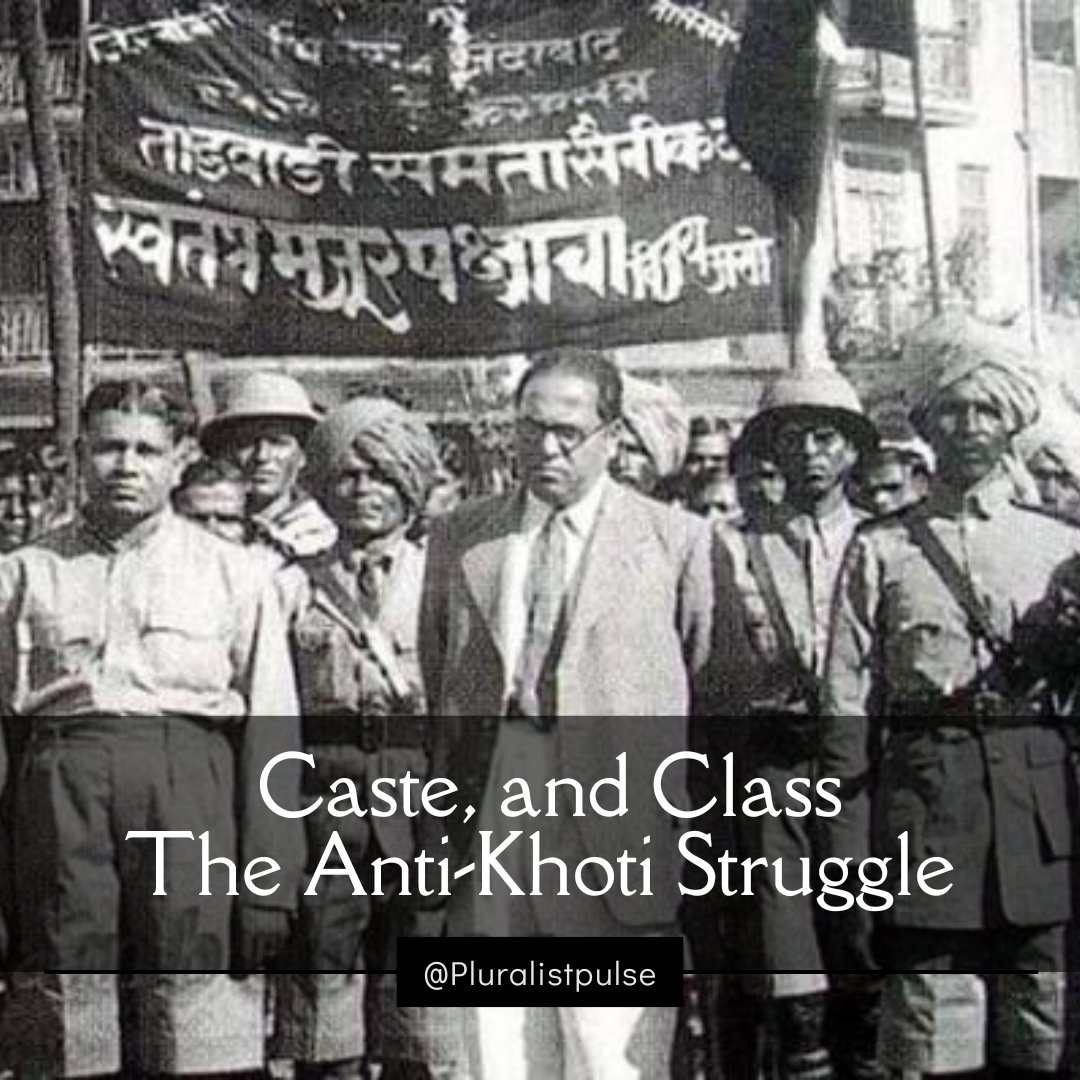
During the 6-month Bombay textile workers’ strike in 1928, Babasaheb observed how caste worked within class struggles.
🔹 Dalit workers were excluded from better-paid weaving jobs.
🔹 Non-Dalit workers refused to handle bobbins touched by Dalits.
Even in strikes, untouchability thrived. Babasaheb stood with Dalit workers and exposed this reality.
🔹 Dalit workers were excluded from better-paid weaving jobs.
🔹 Non-Dalit workers refused to handle bobbins touched by Dalits.
Even in strikes, untouchability thrived. Babasaheb stood with Dalit workers and exposed this reality.

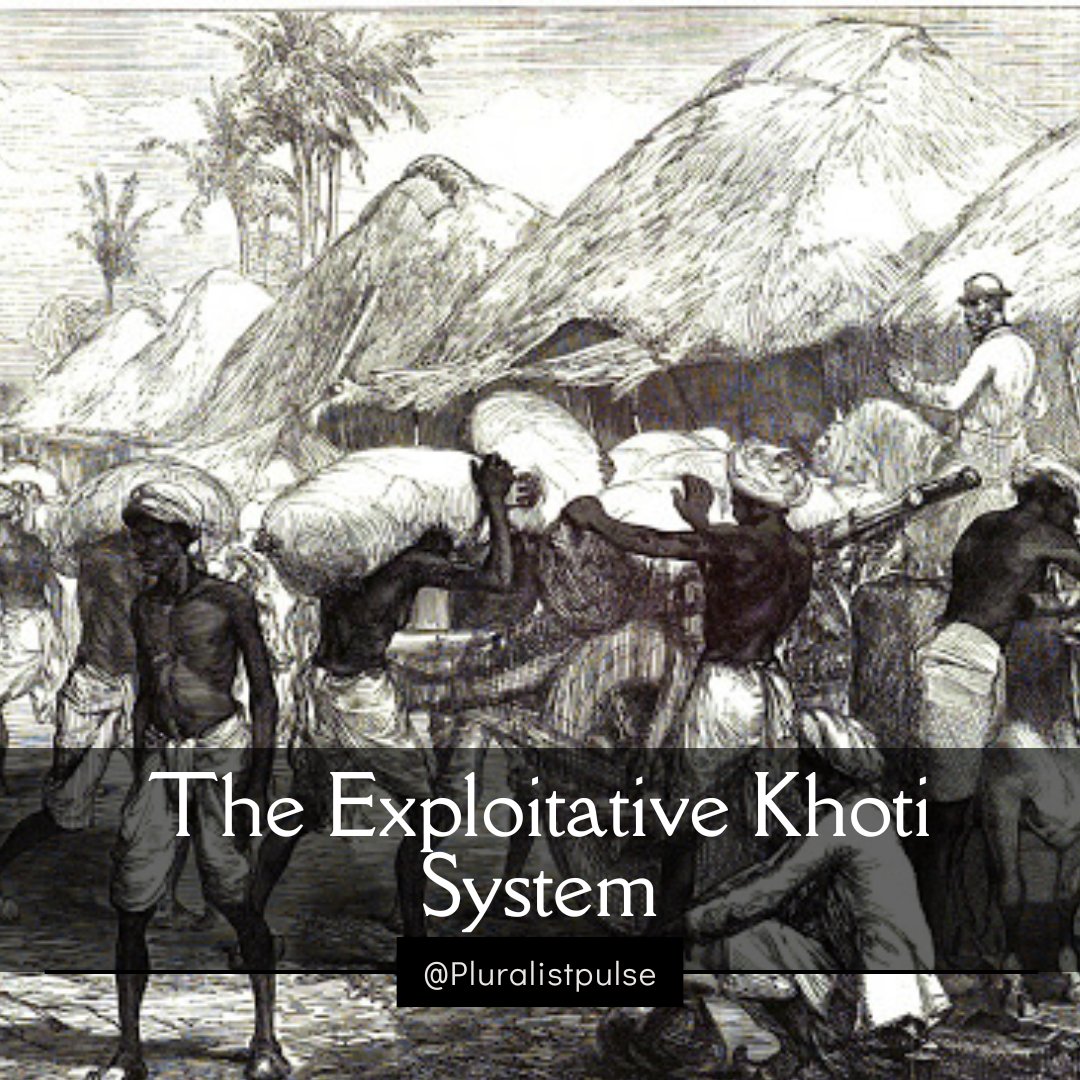
In the Konkan region of Maharashtra, the Khoti system enabled landlords (Khots) to exploit tenant farmers:
🔹 Unpaid labor (begar)
🔹 Excessive rent (makta)
🔹 Domination over Dalit and Shudra agricultural workers (Kunbis, Mahars, Telis, Bhandaris). x.com
🔹 Unpaid labor (begar)
🔹 Excessive rent (makta)
🔹 Domination over Dalit and Shudra agricultural workers (Kunbis, Mahars, Telis, Bhandaris). x.com
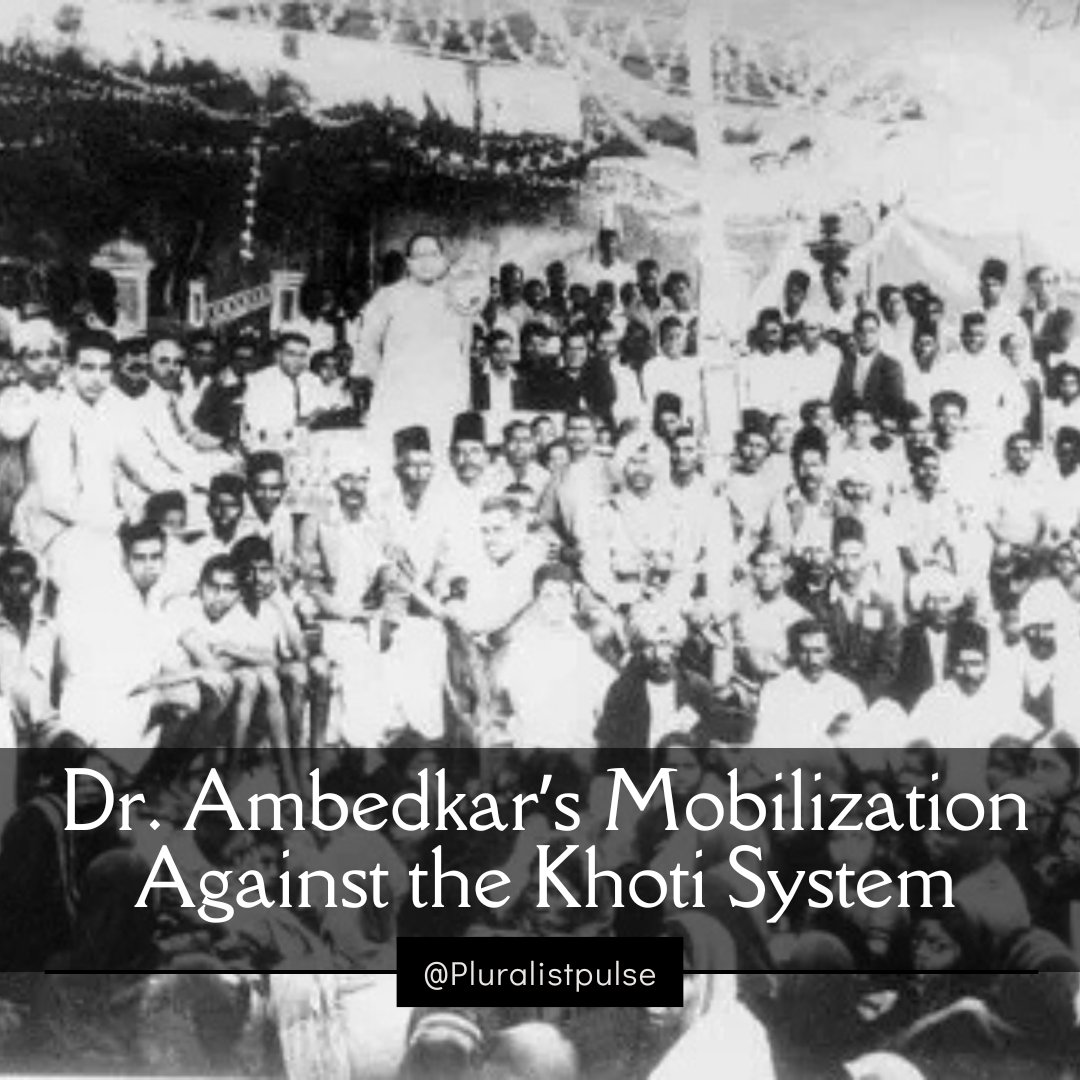
Babasaheb called for:
✅ Denouncement of the Khoti system
✅ Eradication of unpaid labor
✅ Tenant unity: Dalits & Shudras stood together.
In 1929, he rejected feudal practices at a farmers’ gathering in Chiplun.
The movement gained strength, leading to a 5-year boycott of Khoti lands.
✅ Denouncement of the Khoti system
✅ Eradication of unpaid labor
✅ Tenant unity: Dalits & Shudras stood together.
In 1929, he rejected feudal practices at a farmers’ gathering in Chiplun.
The movement gained strength, leading to a 5-year boycott of Khoti lands.
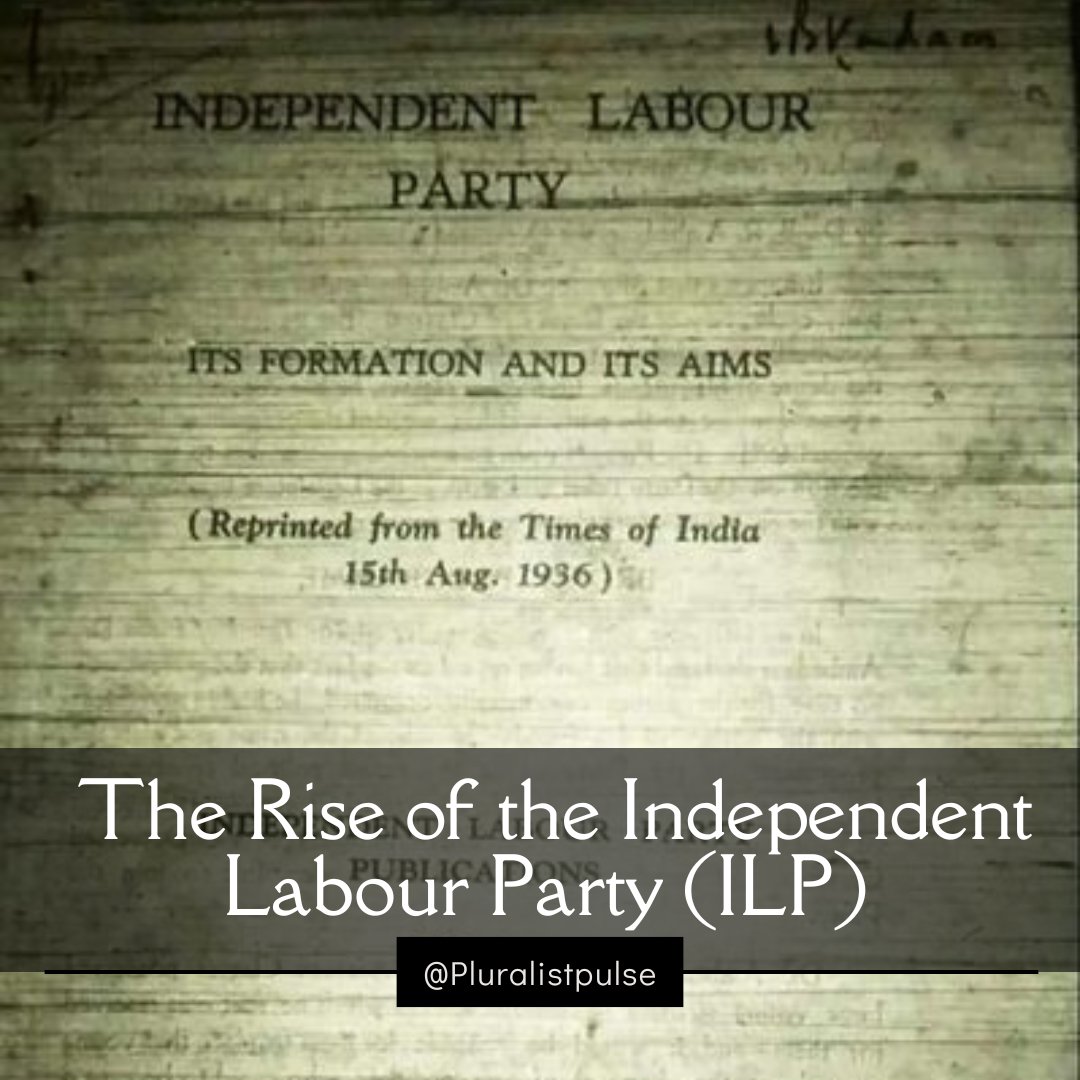
Babasaheb founded the Independent Labour Party (ILP) in 1936 to fight for:
🔹 Rights of Dalit workers in cities
🔹 Agrarian laborers in villages
In the 1937 Bombay elections, ILP won several seats, marking a victory for Dalits and peasants. x.com
🔹 Rights of Dalit workers in cities
🔹 Agrarian laborers in villages
In the 1937 Bombay elections, ILP won several seats, marking a victory for Dalits and peasants. x.com
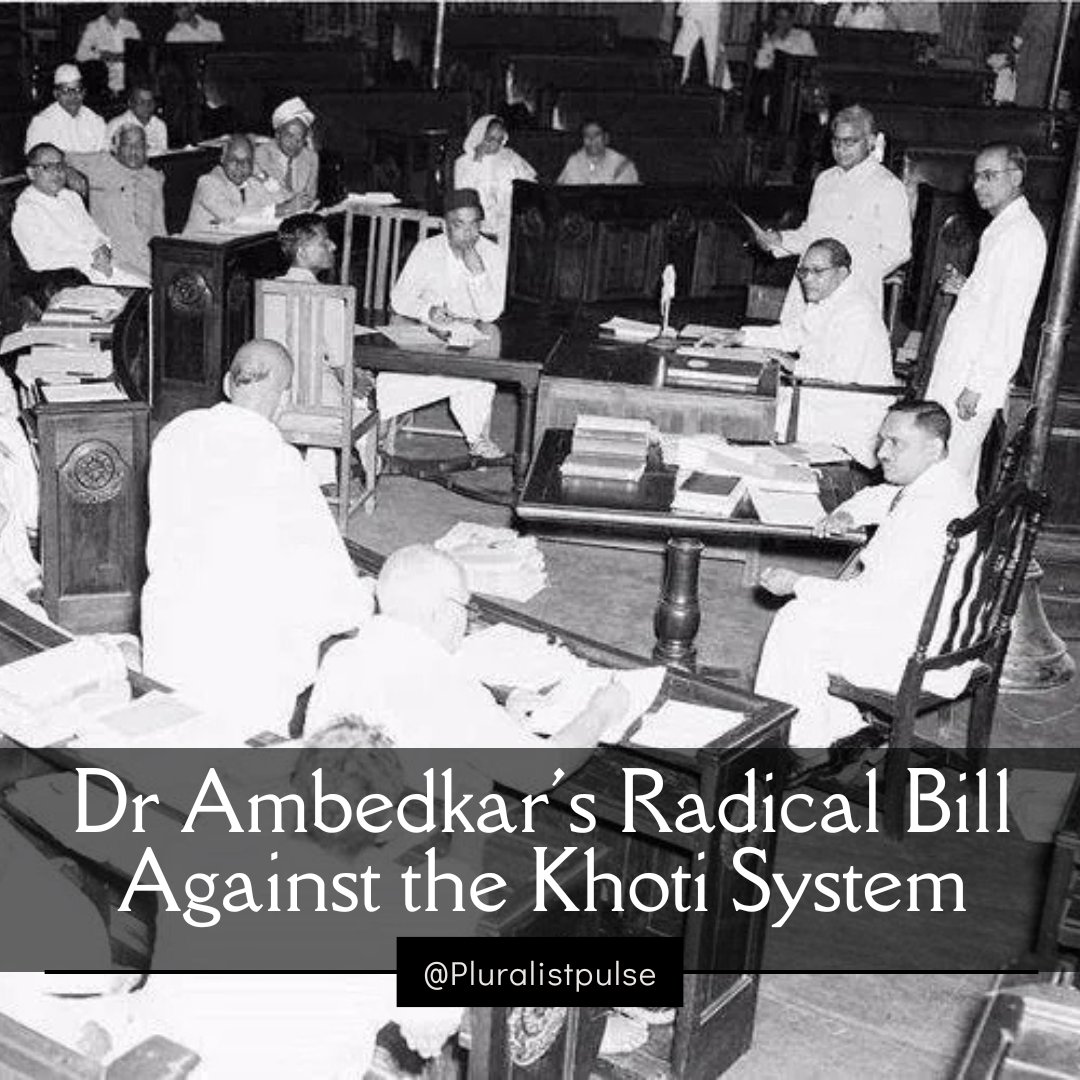
Babasaheb introduced a historic bill to abolish the Khoti system—
✅ The first leader in India to legislate against serfdom.
In 1938, 25,000 peasants marched to Bombay Council in one of Maharashtra’s largest pre-independence protests. x.com
✅ The first leader in India to legislate against serfdom.
In 1938, 25,000 peasants marched to Bombay Council in one of Maharashtra’s largest pre-independence protests. x.com
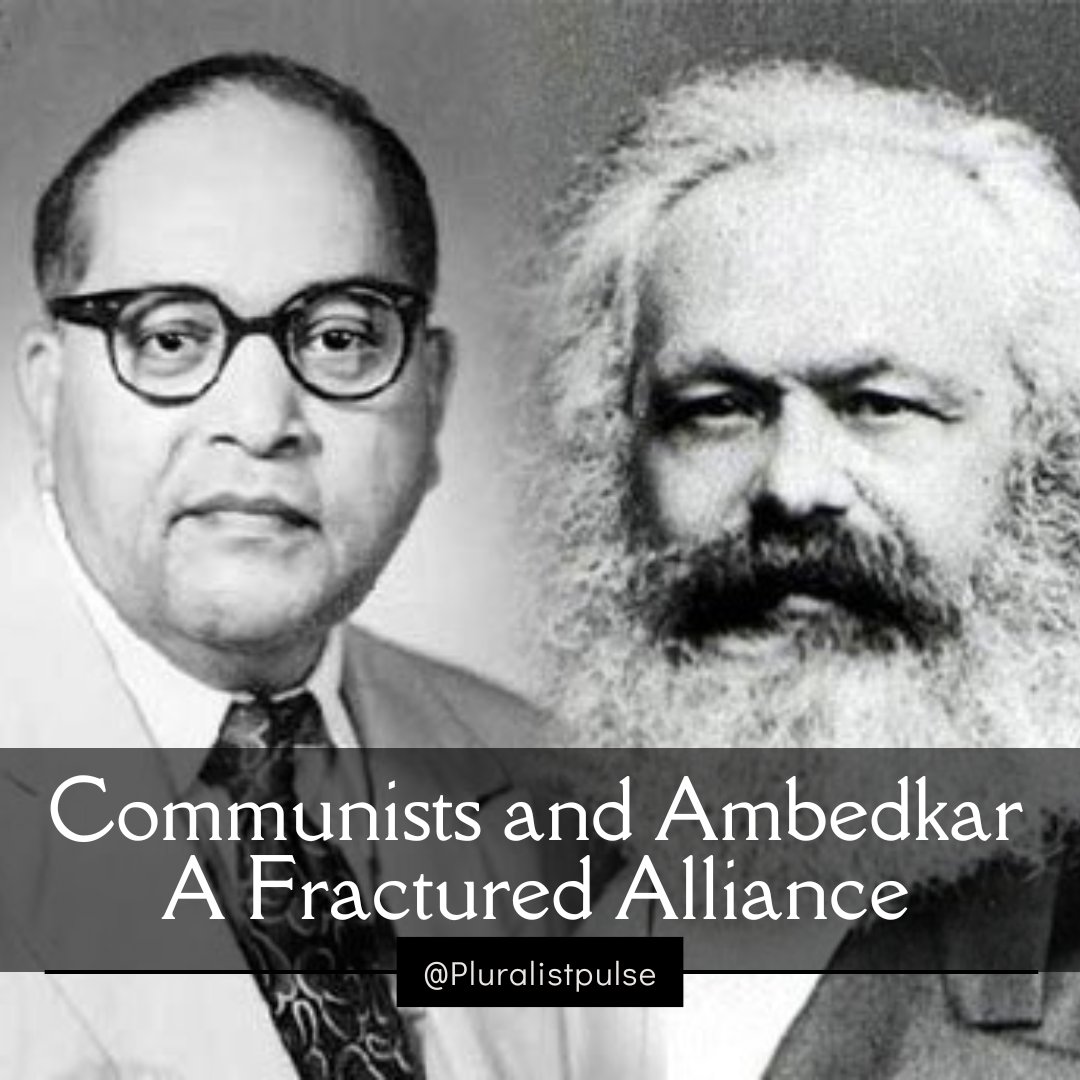
While Dalits and Shudras united under Babasaheb against the Khoti system, the communist movement often ignored caste realities.
🔹 Anand Teltumbde notes, ‘Communists saw Ambedkar’s struggles as superstructural, ignoring caste exploitation.’
Ambedkar aimed to dismantle both capitalism and Brahmanical society.
🔹 Anand Teltumbde notes, ‘Communists saw Ambedkar’s struggles as superstructural, ignoring caste exploitation.’
Ambedkar aimed to dismantle both capitalism and Brahmanical society.
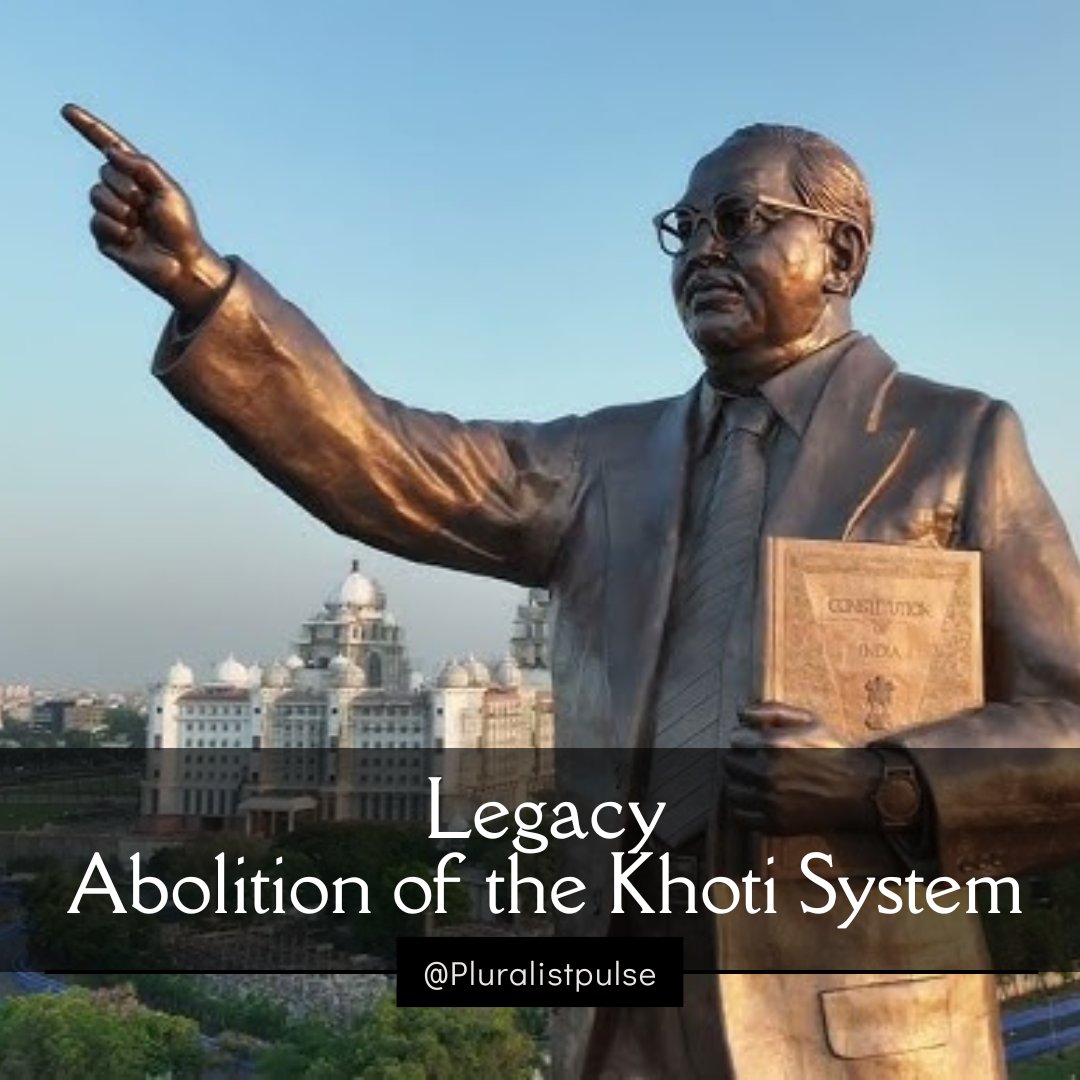
The Anti-Khoti Movement rooted in Babasaheb's leadership led to:
🔹 Tenant solidarity
🔹 Systematic peasant resistance
🔹 Final abolition of the Khoti system in Maharashtra in 1949.
Ambedkar remains a beacon of hope, confronting caste and class oppression. x.com
🔹 Tenant solidarity
🔹 Systematic peasant resistance
🔹 Final abolition of the Khoti system in Maharashtra in 1949.
Ambedkar remains a beacon of hope, confronting caste and class oppression. x.com
Loading suggestions...